
What's a Butterfly Bush? How to Grow Blooms Without Spread
Buddleja davidii Scrophulariaceae
Butterfly Bush earns a place when you want long summer flower panicles in hot sun, but it needs the right cultivar, hard pruning, drainage, and deadheading expectations. The real choice is nectar display plus management, not a set-and-forget pollinator fix.
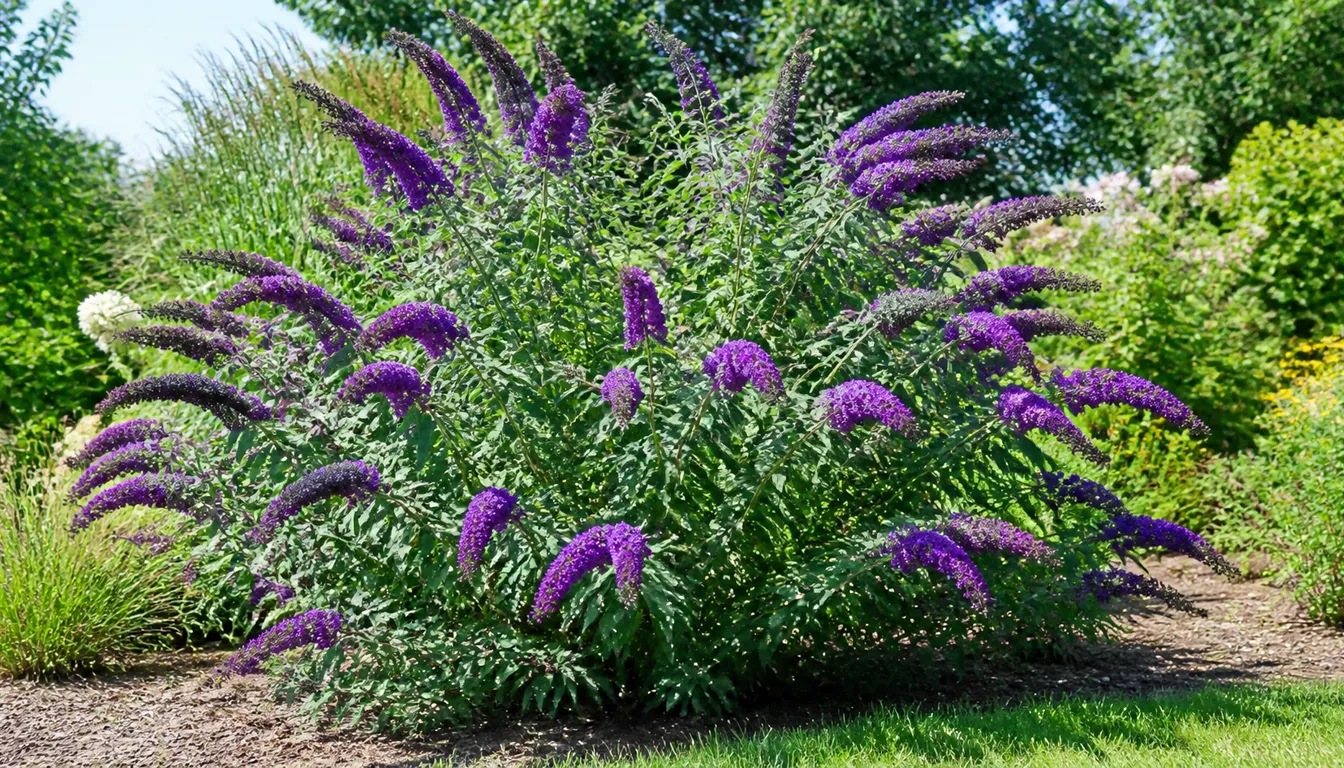
Care snapshot
What Does Butterfly Bush Offer Pollinators?
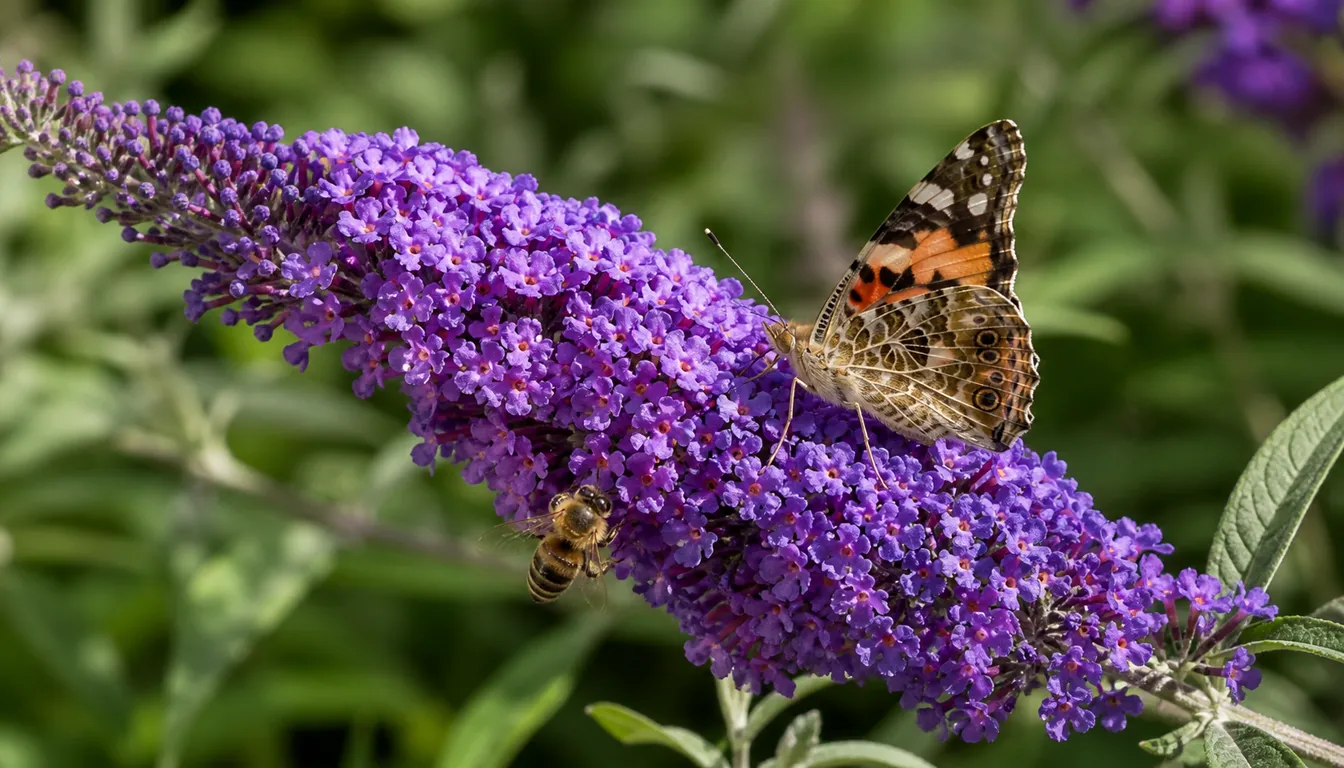
Butterfly Bush gives adult butterflies easy nectar on long summer panicles.
It does not replace host plants for caterpillars, and it does not make a full pollinator garden by itself. That distinction changes how you plant it.
Use it as the tall summer nectar signal, then surround it with a season-long planting from butterfly garden plants. Add host plants and earlier flowers so the bed does more than offer one nectar buffet.
Pair it with regional host plants such as milkweed for monarch caterpillars, or native asters and goldenrod for late-season moths.
Those plants feed the next generation, while Butterfly Bush feeds the adults passing through.
The flower panicles also carry a strong, honey-like scent that carries several feet from the plant. That scent is part of what pulls in pollinators from beyond the immediate bed, not just the color.
Flower panicles typically open in early to mid summer on new wood.
Deadheading keeps new spikes coming into fall, a bloom window most spring-flowering shrubs cannot match.
The plant grows fast on new wood, so a good-looking Butterfly Bush often starts each year as a hard-cut framework. That makes it different from beautyberry, which you grow for fall fruit, and different from evergreen shrubs that hold their form all winter.
A young Butterfly Bush can reach full mature width in two to three growing seasons even after a hard yearly cut, since new wood typically pushes several feet of growth in a single season.
Early multi-year field counts from Oregon State University's Garden Ecology Lab found honeybees visiting the flower spikes more often than butterflies in the first season, with hummingbirds and larger butterflies working them too. That study was still running, so treat the count as an early signal rather than a settled ranking.
Choose Sterile or Region-Safe Cultivars First
Cultivar choice is not just color.
In some regions, Buddleja davidii seedlings escape cultivation, so sterile or low-seed cultivars are the responsible pick, especially near a creek, ditch, or other disturbed ground where seedlings establish fastest. Check local extension guidance before planting the old self-seeding types.
Washington lists Buddleja davidii as a Class B noxious weed and quarantines the species except for accepted sterile cultivars that produce less than 2 percent viable seed. Oregon runs a similar quarantine, and only its Department of Agriculture's approved seedless cultivars can be grown, transported, or sold in the state.
Oregon nurseries cannot sell those approved hybrids under the name butterfly bush, so look for them labeled summer lilac, nectar bush, or seedless butterfly bush instead.
In parts of the Pacific Northwest, escaped seedlings crowd river gravel bars and outcompete native streamside plants. That ecological damage is the reason behind the sterile-cultivar rules above.
Miss Molly and the Lo & Behold series are on Oregon's approved list and ship there under the summer-lilac label.
Pugster Blue tests as non-invasive but was not yet on that approved list, so check the current Oregon roster before buying region-specific stock.
At the nursery, look for a tag that says seedless, sterile, or under two percent viable seed, or match the series name against your state's approved list before checking out.
When in doubt, check your state or county noxious weed list before planting near a creek, wetland, or other natural area, since local rules can be stricter than the general USDA hardiness guidance in the quick stats above.
Size matters just as much.
Dwarf cultivars fit patios and small borders at 2 to 4 feet tall, while full-size types can hit window height in one season and need space for arching stems that can spread just as wide as the plant is tall. If the tag says 6 feet wide, do not wedge it into a 3-foot strip.
The named series also changes maintenance.
Some stay tight enough for patios, while older seed-heavy types can become large and messy fast. Label the cultivar so future pruning or replacement decisions are not guesswork.
Flower color is the last filter.
Purple and blue tones read strongest from a distance, white brightens evening beds, and pinks can soften a mixed border. Pick the size and seed behavior before the bloom shade.
- Small beds
- Use dwarf sterile cultivars and expect a compact mound after hard pruning.
- Pollinator border
- Use one strong focal plant with lower nectar and host plants around it.
- Cold edge
- Choose hardy selections and expect winter dieback to reset the top.
- Restricted regions
- Use an ODA- or state-approved sterile cultivar, or choose another summer bloomer where none is allowed.
Full Sun Is the Bloom Engine
A Butterfly Bush planted in six or more hours of direct sun each day makes stronger stems and more flower panicles. In part shade, it may live, but it stretches, opens, and blooms at the tips instead of carrying color through the plant.
A site with only three or four hours of direct sun can still flower, but expect roughly half the panicle count of a full-sun planting, so save those partial-sun spots for a dwarf cultivar rather than a full-size one that needs the extra vigor.
If the shrub is healthy but bloom is weak, inspect light before fertilizer. The poor flowering guide separates shade, pruning timing, excess nitrogen, and winter damage so you do not fix the wrong thing.
Hot reflected sites next to pavement, a south-facing wall, or a gravel bed can work if the roots drain well. That heat tolerance is why Butterfly Bush often outperforms fussier flowering shrubs in sunny parking strips and dry borders.
Drainage Matters More Than Rich Soil
Established Butterfly Bush prefers lean, well-drained soil over heavy pampering.
Rich, wet beds push soft growth and weak flowering, so plant high enough that the crown never sits in winter water.
Water new plants deeply until roots settle, then reduce frequency. In drought, soak the root zone rather than sprinkling leaves.
Mature plants can handle dry spells better than most flowering shrubs once the root system is in place, because established Butterfly Bush grows a deep taproot that reaches moisture other shallow-rooted shrubs miss.
Once established, a deep soak every two to three weeks during a dry summer is usually enough, though fast-draining sandy soil may need it weekly to keep roots from drying out completely.
Skip routine fertilizer in average garden soil, since Butterfly Bush blooms best on lean ground. One light application of a balanced fertilizer worked into the soil in early spring is enough if growth looks pale or weak, since repeated feeding through the season usually trades flowers for leafy growth.
If you garden in clay, widen the planting area and avoid compost pockets that hold water around the crown. A raised berm is safer than a deep bathtub hole.
- Best soil: lean, loose, and fast draining.
- Risky soil: winter-wet clay around the crown.
- Best water: deep soaks during establishment.
- Weak habit signal: lush leaves with few panicles after heavy feeding.
Cut Hard in Late Winter Because Flowers Come on New Wood
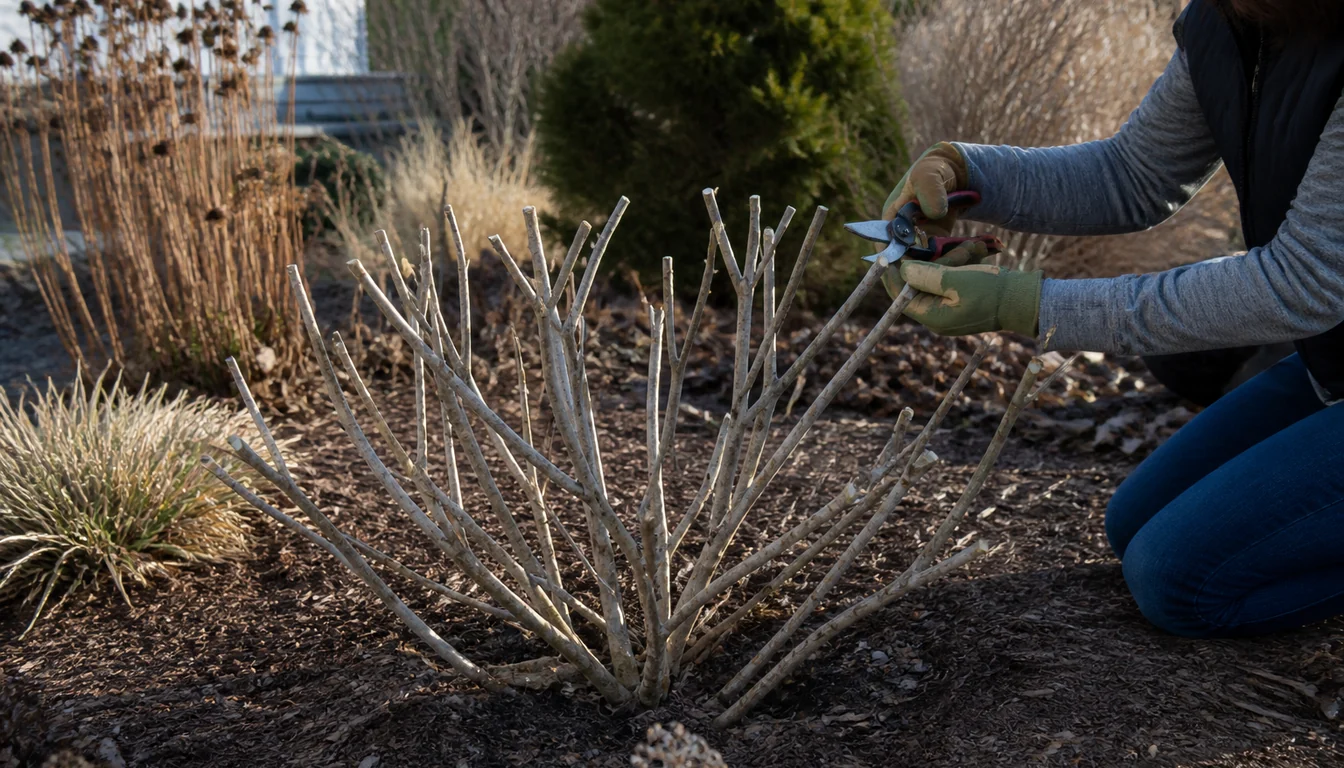
Most Butterfly Bush flowers form on new growth, so late-winter pruning is useful, not cruel. Cut the framework back hard after the worst freezes, leaving live buds that can push strong shoots.
Do not do that same cut in fall in cold regions.
Open stems can die back farther, and the plant may lose more top growth. Use flowering shrub pruning as the broad rule, then adjust for your winter.
On a young plant, leave enough low framework that new shoots do not all launch from one weak point. On an old plant, remove dead stubs and crowded stems before shortening the rest.
Deadheading changes the look more than the plant health.
Remove spent panicles when you want a cleaner border and fewer seedlings. Leave some only if seed spread is not a local problem.
Butterfly Bush roots easily from four to six inch softwood cuttings taken in early summer, stripped of their lower leaves and set into moist, well-drained potting mix, where visible new roots usually form within three to four weeks under consistent warmth and steady moisture.
That makes it simple to multiply an approved sterile cultivar instead of buying replacements every time a stem dies back hard.
Treat Winter Dieback as a Timing Problem
In cold zones, Butterfly Bush may die back nearly to the ground and still return.
Wait until buds swell before deciding what is dead. The winter dieback guide helps separate normal top loss from a dead crown.
In Zones 4 and 5, the top routinely dies to the ground each winter, so the plant behaves like an herbaceous perennial that regrows and blooms the same summer on new wood, often reaching 3 to 4 feet again by midsummer even after starting from bare ground.
Farther south, in Zones 7 through 9, more of the woody framework survives, so the shrub keeps height and structure year over year.
Do not assume the whole plant is dead just because nothing shows by late spring in a cold Zone 4 garden, since new shoots from the crown can lag several weeks behind faster-warming perennials and shrubs nearby.
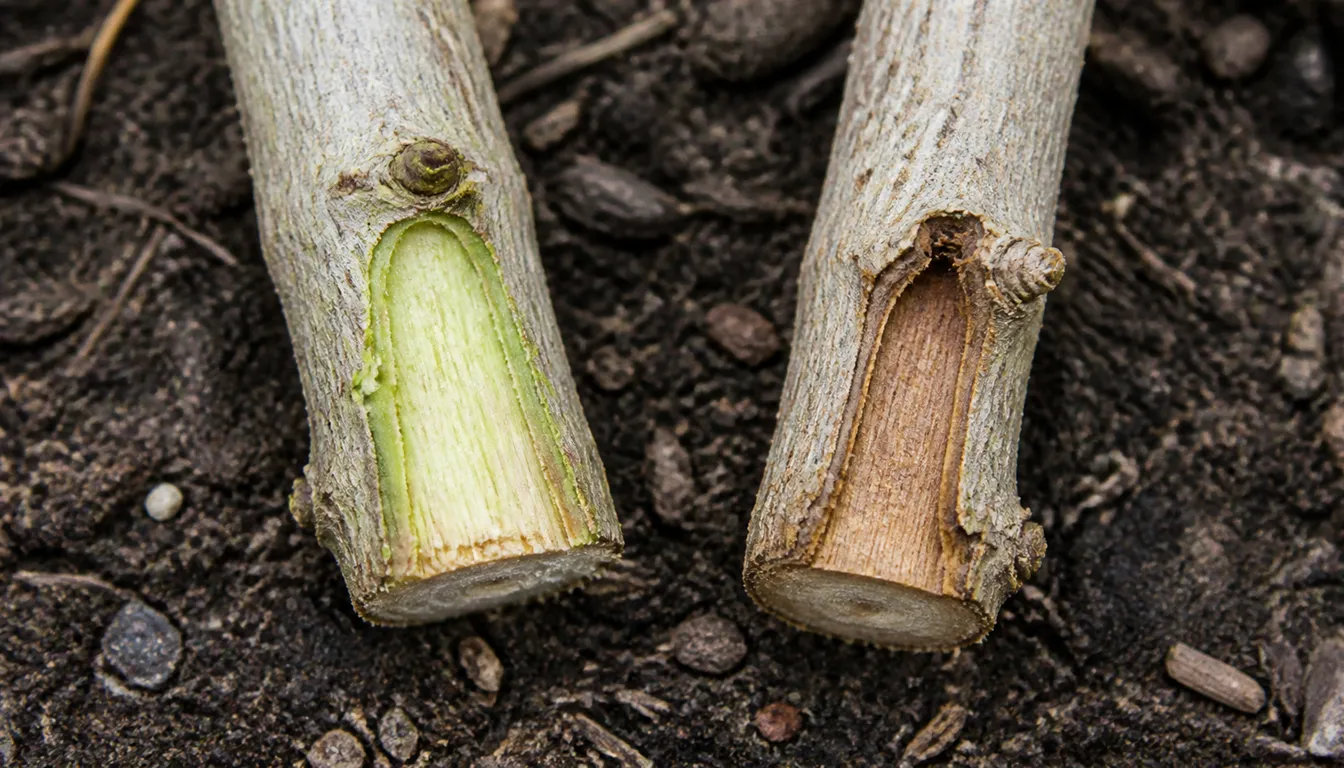
Scratch a pencil-width stem with a fingernail in early spring. Green tissue just under the bark means that section is alive, while dry brown wood all the way through means it is dead and safe to cut back to a live bud.
Mulch the root zone 3 to 4 inches deep after the ground cools, not against green stems in warm fall. The goal is root protection, not trapping moisture around the crown.
Watch New Shoots, Not a Standard Pest List
The most useful pest check is on soft new shoots and flower clusters. Aphids can gather there, mites can stipple leaves in hot dry weather, and stressed plants can show mildew when airflow is poor.
Powdery mildew usually shows as a pale gray, slightly fuzzy coating on crowded inner leaves rather than the newest growth, which is a useful way to tell it apart from ordinary leaf dust or spray residue.
A hard hose spray, selective pruning, and better spacing solve many small outbreaks. Broad sprays can hit the butterflies and beneficial insects the plant was meant to support, so use natural pest control with restraint.
If every shoot looks weak, return to sun, drainage, and pruning. Pest treatment will not make a shaded plant bloom like one in open sun.
Deer and rabbits usually leave the aromatic leaves alone, which is one reason Butterfly Bush works in yards where browsing pressure rules out softer perennials.
Place It Where the Flower Spikes Can Be Messy
A blooming Butterfly Bush is loose, moving, and busy with insects.
Put it where that energy helps the garden, behind lower perennials, near a sunny path, or at the back of a pollinator bed.
Plant in spring after frost risk passes so roots establish before the first real summer heat arrives. Space full-size cultivars 4 to 6 feet apart based on their mature spread, and closer for dwarf forms.
Pair it with earlier bloomers such as catmint or salvia so the bed has color and pollinator activity before Butterfly Bush opens in summer.
That stretches the nectar season instead of leaving spring pollinators with nothing nearby.
For a tidier summer shrub, compare it with Rose of Sharon. For red warm-climate blooms, bottlebrush owns a different climate and flower shape.
Do not make all three pages do the same job.
A dwarf sterile cultivar also works in a container at least 18 to 24 inches wide on a sunny patio, where its size stays manageable without the hard late-winter cut. Bring the pot somewhere sheltered in cold climates, since container roots lose winter protection that ground-planted roots keep.
- Best companion job
- Lower flowers that bloom before and after the shrub.
- Missing habitat job
- Host plants for caterpillars, not just nectar for adult butterflies.
- Cleanup job
- Deadhead near paths or where seed spread is a local concern.
Frequently Asked Questions
Should butterfly bush be cut back every year?
In many gardens, yes. Butterfly Bush blooms on new wood, so late-winter pruning keeps stems strong and flower clusters reachable.
Is butterfly bush invasive?
Some forms can seed into natural areas. Check local rules and choose sterile or approved cultivars where spread is a concern.
Why is my butterfly bush not blooming?
The usual causes are too much shade, pruning at the wrong time, too much nitrogen, or winter damage. Full sun is the first thing to check.
Does butterfly bush help butterflies?
It gives adult butterflies nectar, but caterpillars need host plants too. Pair Butterfly Bush with a mixed pollinator planting for better habitat.
Is butterfly bush toxic to dogs or cats?
Its safety is unknown. Butterfly Bush has no ASPCA record, and NC State's plant record gives no pet toxicity classification, so neither source says it is safe or toxic for dogs or cats. If a pet eats a lot of it, contact a veterinarian or ASPCA Animal Poison Control.
Sources & References
- Cornell Cooperative Extension: Butterfly Bush in the Garden
- Royal Horticultural Society, Buddleja Growing Guide
- Clemson Cooperative Extension, Butterfly Bush Fact Sheet
- Washington State Noxious Weed Control Board, Butterfly Bush
- Oregon Department of Agriculture, Butterfly Bush Approved Cultivars
- Oregon State University Garden Ecology Lab, Pollinators of Butterfly Bush
- ASPCA, Toxic and Non-Toxic Plants
- Missouri Botanical Garden Plant Finder: Buddleja davidii
- Oregon State University Extension: Butterfly Bush, Buddleja davidii
- Oregon State University Extension, Buddleia davidii Invasive Species Alert
- Missouri Botanical Garden, Buddleja davidii Plant Finder
- Buddleja davidii (Butterfly Bush, Orange Eye Butterfly Bush, Orange-Eyed Butterfly Bush, Summer Lilac) | North Carolina Extension Gardener Plant Toolbox
Related Plants
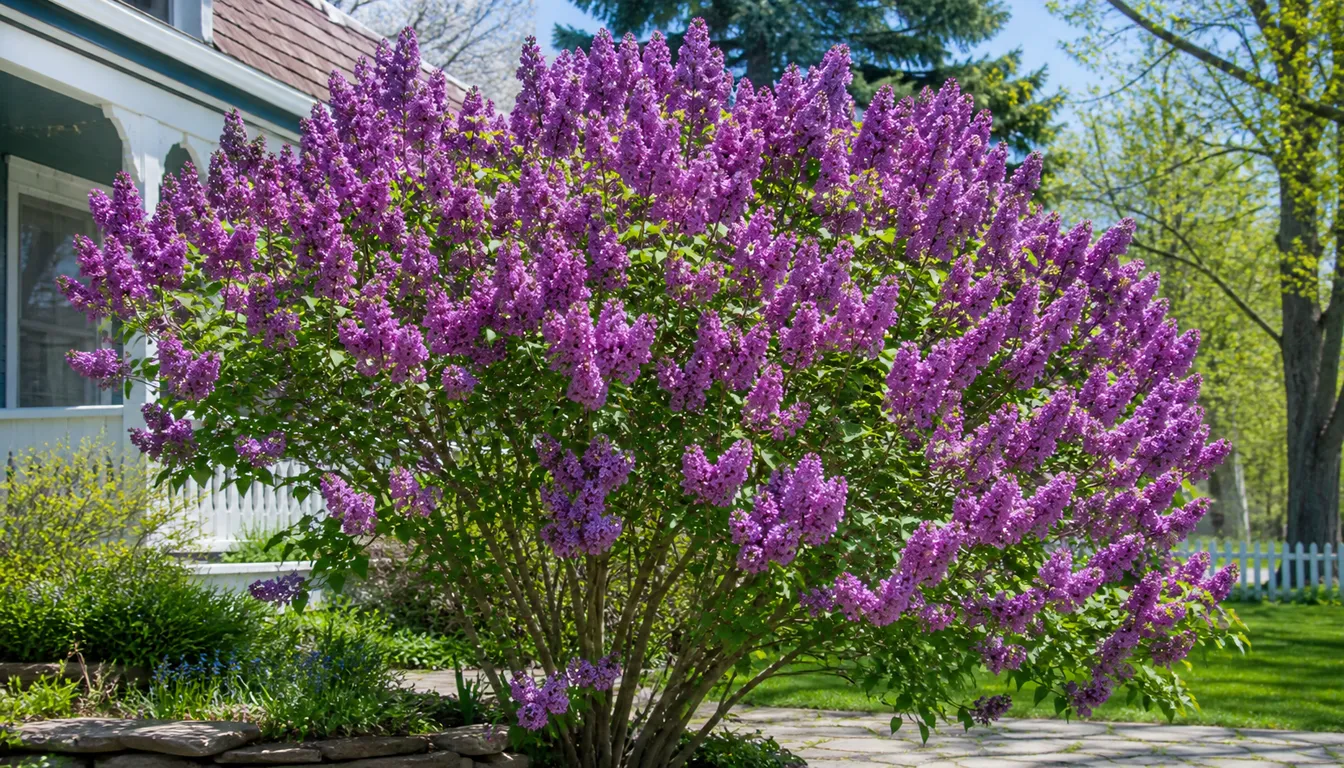
Lilac
Fragrant spring-blooming shrub that fills a similar role in Zone 5 yards.
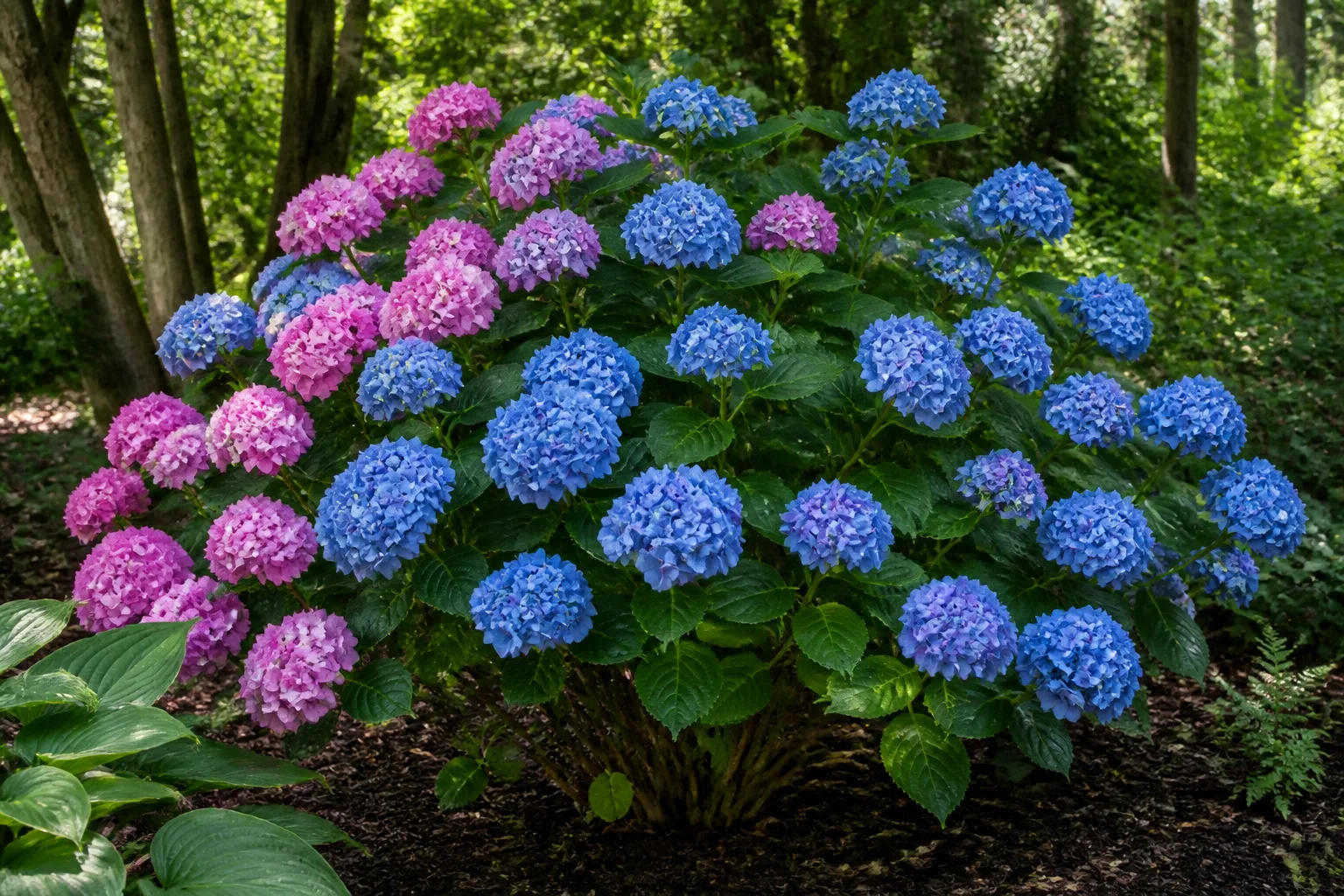
Bigleaf Hydrangea
Summer-flowering shrub with bigger heads and more shade tolerance than butterfly bush.
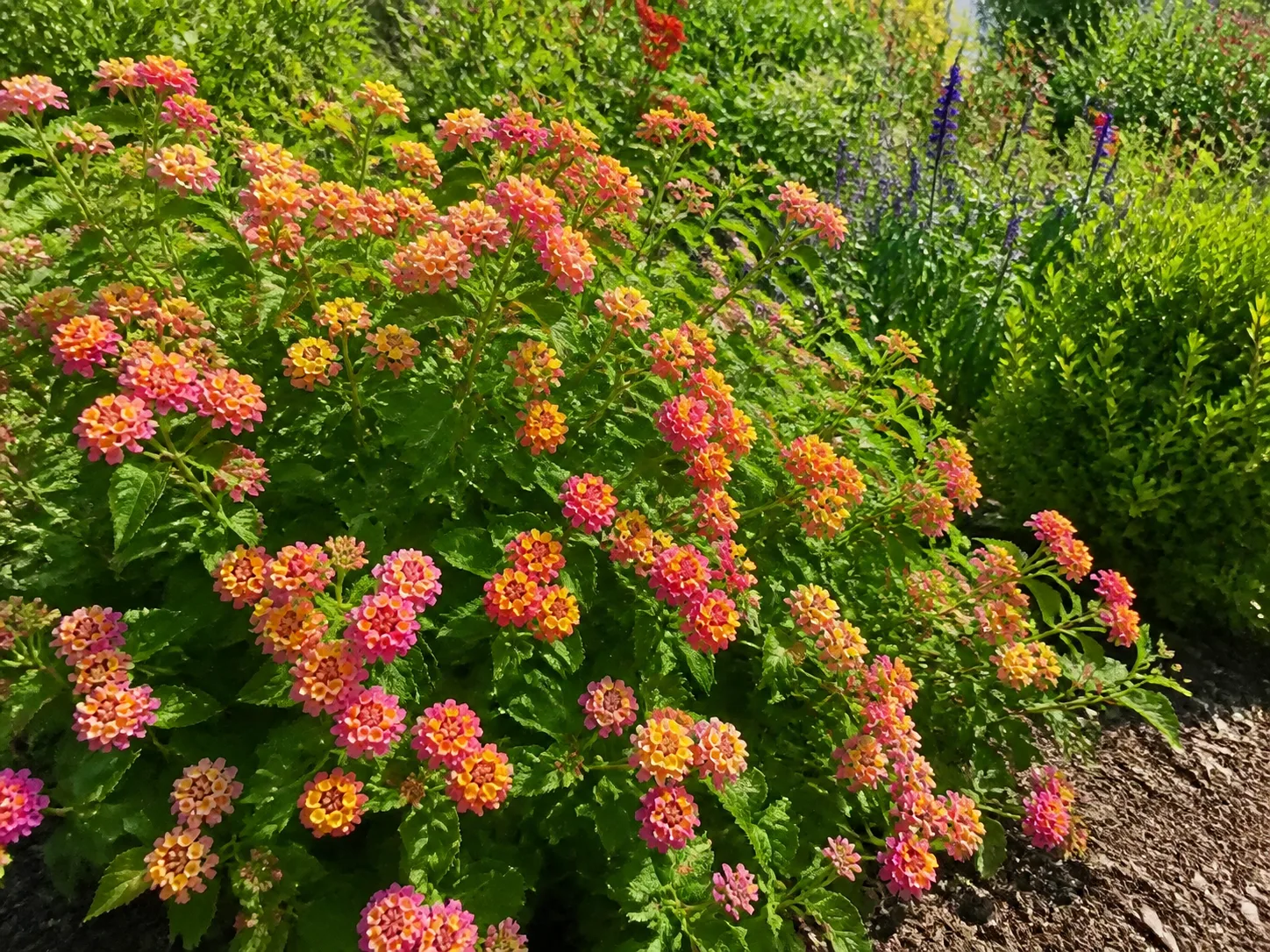
Lantana
Heat-loving flower that attracts pollinators like butterfly bush in warmer regions.
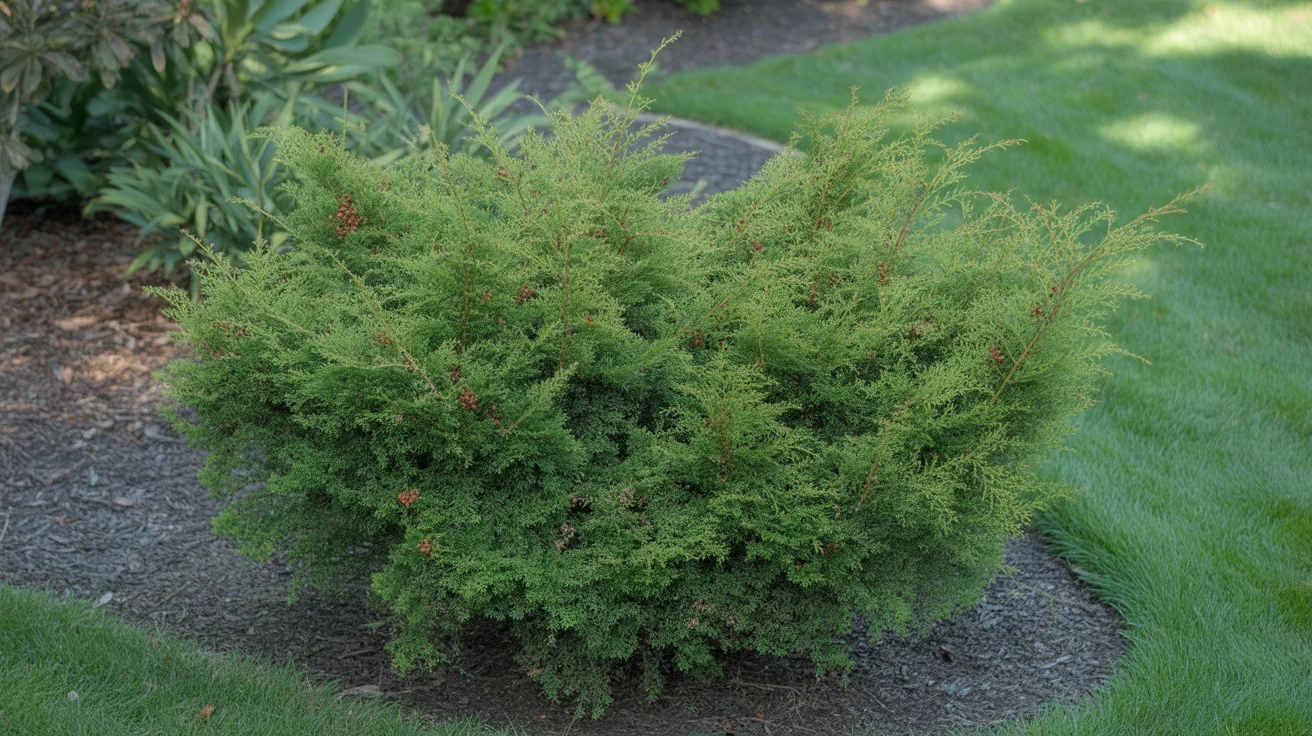
Arborvitae
Arborvitae can form a dense living screen where its mature width, exposure, and water needs fit the site.
Aucuba
Aucuba is the shrub for bright shade with dry root competition. It keeps evergreen structure near north walls, porches…
Azalea
Azaleas bring spring flowers, and some cultivars bloom again later in the year.