September Garden Calendar

These are general seasonal checks for temperate Northern Hemisphere gardens, with Zone 7 winter-hardiness context. They are not a local planting schedule; frost-free and Southern Hemisphere gardens can follow different seasons.

Season
Cool-season reset
USDA zone
7
Winter minimum
0°F to 10°F
Working rule
Conditions override the date

Three useful jobs to evaluate

These are prompts for inspection, not fixed deadlines. Skip a task when the soil, weather, or plant is not ready.

September priorities

Use cooling soil for suitable seeding and transplanting

Reduce feeding that forces tender late growth

Collect healthy seed and label stored material

September tasks for Zone 7 gardens

Each task links the guide that explains how to judge readiness. Weather and soil come before the date.

Zone 7 checklist

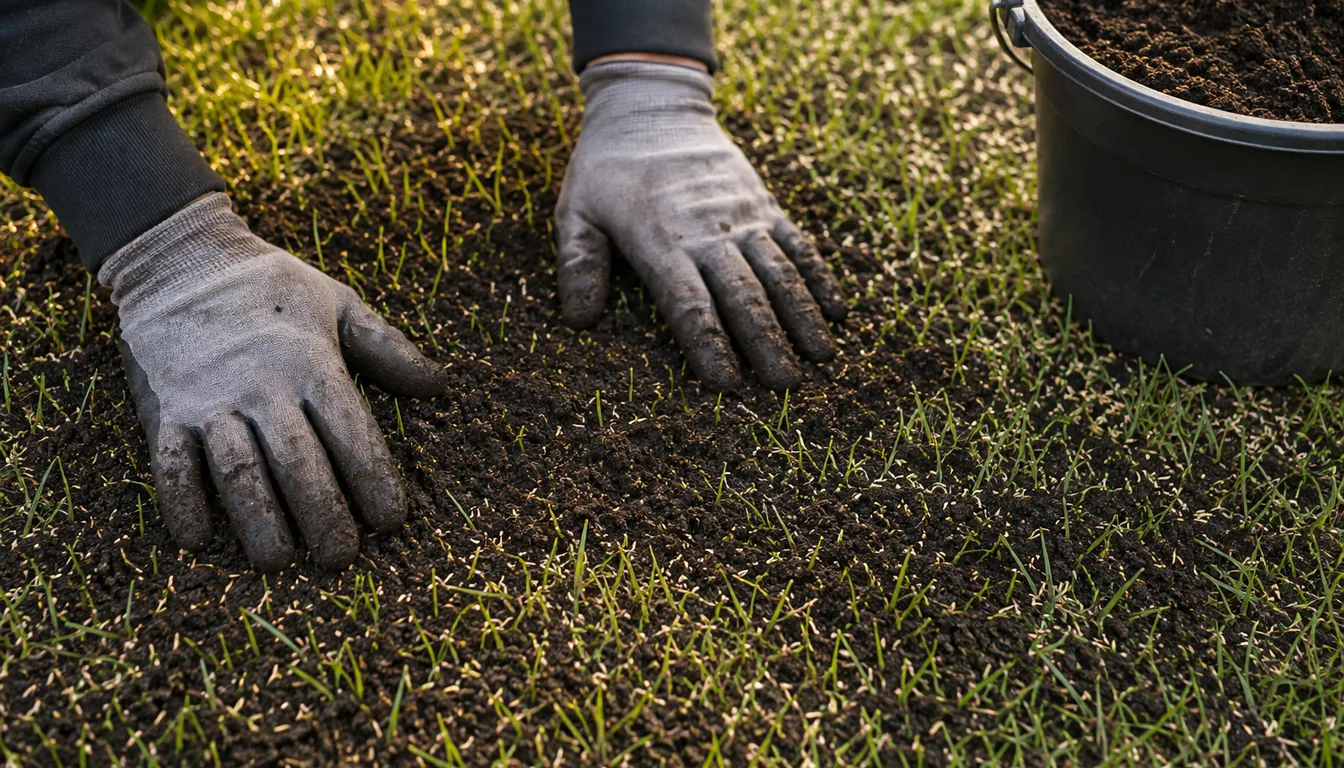
Gloved hands spreading a thin layer of dark crumbly compost over a freshly seeded lawn with seed still visible in the thinner spots

Winter lows that set the zone

Zone 7 at a glance

Half zoneAverage annual extreme minimum (°F)Same range (°C)
7a0°F to 5°F-17.8°C to -15.0°C
7b5°F to 10°F-15.0°C to -12.2°C

Source: USDA Plant Hardiness Zone Map (1991-2020 data).

Plant types rated for Zone 7

Plants for Zone 7

Flowers 10

  • Bearded Iris: USDA Zones 3-9 · Full sun, afternoon shade in heat · Moderate while establishing, low once settled
  • Chrysanthemum: Typically hardy in Zones 5-9, cultivar dependent · Full sun, at least 6 hours of direct sun · Consistent moisture in well-drained soil
  • Daffodil: Hardy in USDA Zones 3-8 · Full sun to light shade in spring · Moist after planting, never waterlogged

Fruits 3

  • Peach Tree: Zones 5-9 (NC State) · Full sun, 6+ hours · Moist, well-drained soil (NC State)
  • Pear Tree: USDA Zones 4-8 · Full sun, 6+ hours · Deep watering while young and during dry spells
  • Plum Tree: Zones 4-9 · Full sun, 6+ hours · Deep watering while young and during fruit sizing

Herbs 2

  • Rosemary: USDA Zones 8-10; hardier cultivars to zone 7 or 6b with protection · Full sun, 6 or more hours · Low; let the soil dry between waterings
  • Sage: USDA Zones 4-8 · Full sun to partial shade · Low, and never in wet soil

Houseplants 1

  • Cast Iron Plant: Zones 7-11 outdoors, any zone indoors · Dappled to full shade; avoids direct sun · Low, let the soil dry 2 to 3 in down

Lawn Grasses 4

  • Buffalo Grass: USDA Zones 4-8 · Full sun, 6–8 hours · Deep soak about every 2 weeks in hot dry weather (K-State)
  • Centipede Grass: Zones 7-10, Southeast · Full sun to moderate shade · About 1 in. per week in active growth, rain included
  • Kentucky Bluegrass: Listed for Zones 3-7 (NC State) · Full sun, 6 or more hours (NC State) · About 1-1.5 in. per week in summer (Iowa State), or allow dormancy

Perennials 11

  • Amsonia (Bluestar): Zones 3-9 eastern, 5-8 threadleaf (NC State) · Full sun (6+ hours) to part shade (2-6 hours) · Drought tolerant once established
  • Black-Eyed Susan: USDA Zones 3-8 · Full sun, 6 or more hours · Evenly moist; drought tolerant once established
  • Coneflower: Zones 3-8 (Illinois), 3-9 (Clemson) · Full sun to part shade · Drought tolerant once established, in well-drained soil

September calendar questions

Are these September tasks fixed dates for Zone 7?

No. They are prompts to check. The zone describes winter lows only (0°F to 10°F), so soil temperature, your local frost dates, and the weather decide when each job is ready.

Which frost dates should time September tasks in Zone 7?

Your own station's frost dates, not the zone number. They come from local weather records such as the NOAA 1991-2020 U.S. Climate Normals, and two Zone 7 gardens can differ by weeks, so check the station nearest you before any September planting.

How should I use this September checklist for Zone 7?

Open the guide linked from each September task, check the readiness signs it describes, and skip or delay a task when the soil, weather, or plant in your Zone 7 garden is not ready.

Guide sections for this season's work

Related guides

What the zone tells you

Zone 7 Context

The zone describes average extreme winter cold. It does not tell you the last frost date, summer heat, rainfall, or how long a crop has to mature. Places in the same zone can need different planting schedules.

Hardiness is one limit

USDA Zone 7 has an average annual extreme minimum temperature of 0°F to 10°F. Use it to screen winter survival, then check heat, frost dates, and soil.

Readiness check
  • The forecast supports the full task.
  • Soil is workable and not waterlogged.
  • The plant is at the right growth stage.
  • You know how the result will be checked.