
How to Grow Peaches With the Right Tree and Seasonal Care
Prunus persica Rosaceae
Peach trees are fast-bearing backyard fruit trees, but they are not plant-and-forget trees. Match the cultivar to your chill hours, give full sun and fast drainage, prune for an open canopy, thin young fruit, and stay ahead of peach leaf curl, brown rot, borers, and late frost.
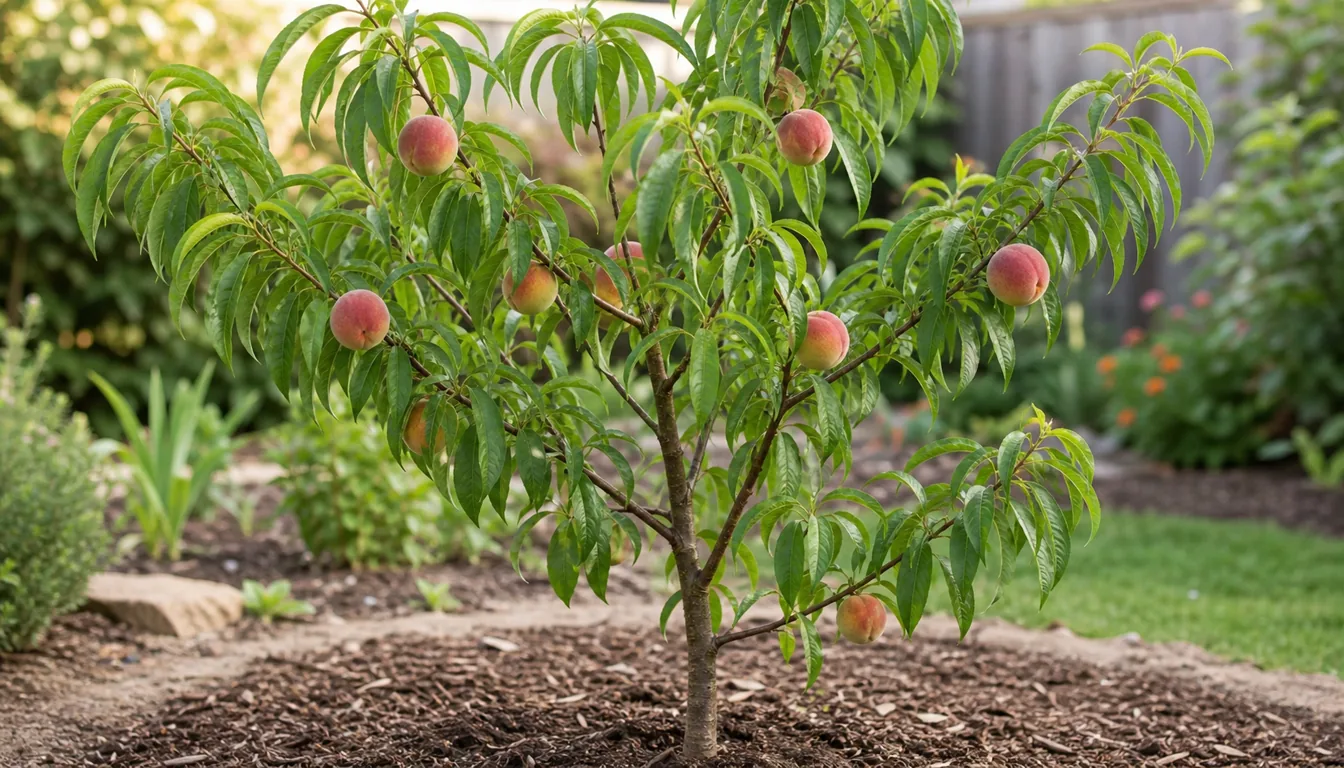
Care snapshot
Peach Trees Bear Young, but They Need Management
Peach trees are deciduous stone fruits in the same genus as plums. They grow fast, flower early, and can fruit within a few years, which is why they feel rewarding in a backyard.
That speed has a tradeoff. Peach trees need regular pruning, fruit thinning, pest watching, and disease timing, since an ignored tree quickly becomes a leafy tangle with small fruit and more rot.
Peach trees typically stay productive for only 10 to 15 years, a much shorter working life than apples, which can bear fruit for decades with good care.
Most home peach trees are kept about 8-15 feet tall with an open-center shape. That size makes pruning, picking, netting, and spray coverage realistic without turning the tree into a full orchard project.
The genus Prunus also includes plums, cherries, and apricots, and all of them share broadly similar pruning and disease logic even though peaches need it applied more strictly.
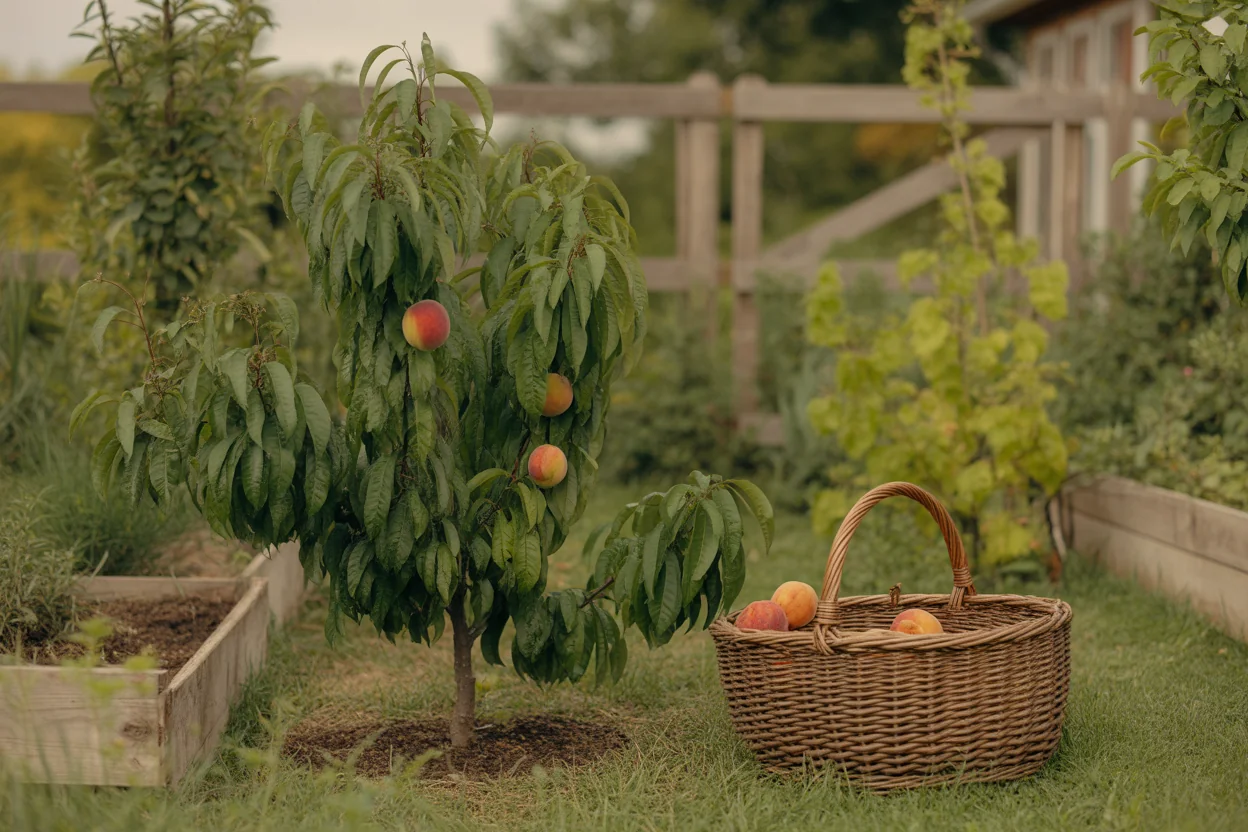
Choose by Chill Hours Before Fruit Color
The most important peach tree decision is not yellow flesh versus white flesh. It is whether the cultivar matches your winter chill, spring frost pattern, and local disease pressure.
Many peach trees need hundreds of winter chill hours before flower buds open normally. A high-chill cultivar in a mild winter climate may bloom poorly, while a low-chill cultivar in a cold site may wake too early and lose flowers to frost.
Chill hours are measured as cumulative time spent roughly between 32 and 45 degrees Fahrenheit during dormancy, not simply a count of cold days on the calendar.
Freestone types are easier for fresh eating, baking, and preserving because the flesh separates from the pit. Clingstone types can be very juicy, but they are less convenient when you want clean slices.
Semi-freestone types exist as a middle ground, offering flesh that releases more easily than clingstone but without quite the clean separation of a full freestone peach.
If humidity is high, ask local extension or a serious nursery about cultivars with better resistance to bacterial spot, brown rot, and leaf curl. A locally suited tree matters more than a famous catalog name.
Peach variety choice is tied to chill hours, disease pressure, and harvest timing. A great-flavored cultivar still disappoints if it blooms too early for your frost pattern or lacks resistance in humid regions.
- Low-chill sites
- Use cultivars bred for mild winters; protect bloom from sudden cold snaps.
- Cold-winter sites
- Choose hardy, later-blooming cultivars when spring frost is common.
- Small yards
- Semi-dwarf trees are easier to prune and cover than unmanaged standards.
- Humid climates
- Prioritize disease tolerance and a realistic spray or sanitation plan.
Full Sun Builds Flower Buds and Sweet Fruit
Peach trees need 6-8 or more hours of direct sun. Shade gives you long shoots and leaves, but it weakens flower bud formation and lowers fruit sugar.
Plant on the sunniest open side of the yard, away from large shade trees and tall fences. Morning sun is useful because it dries leaves and flowers after dew, which helps slow fungal disease.
Reflected heat and light from a south-facing wall can sometimes push bloom dangerously early in borderline climates, trading a warmer microclimate for a higher frost risk at bloom time.
Avoid the lowest frost pocket in the yard. Peach tree blossoms open early, and one cold night at bloom can remove the crop even when the tree itself survives.
Cold air behaves much like water and settles into the lowest points of a yard overnight, which is exactly why siting on even a gentle slope helps cold air keep draining away from the bloom.
- Best site: open full sun with airflow.
- Avoid: deep shade, tight corners, and wet low spots.
- Cold sites: favor a slight slope where cold air can drain.
- Hot sites: mulch the root zone while keeping the canopy sunny.
Water Deeply During Fruit Sizing
Young peach trees need consistent moisture while roots establish. Mature trees are more resilient, but drought during fruit swell can leave peaches small, dry, or prone to drop.
About 1-2 inches of water a week is a reasonable starting target for a mature tree during active fruit swell, adjusted up during unusually hot, dry stretches.
Use the same slow-soak logic as deep watering, wetting the root zone thoroughly, then letting the upper soil begin to dry before watering again.
Use a slow soak to support fruit sizing, then let air return to the root zone. Peaches punish constant wetness quickly.
Uneven water during final swell affects flavor and cracking. Deep watering during dry spells supports size, but constant wet soil near harvest can dilute flavor and worsen disease on ripening fruit.
Split pits sometimes result from the same uneven-moisture stress that causes fruit cracking, since a sudden burst of water after a dry stretch expands the flesh faster than the pit inside can accommodate.
Drainage Matters More Than Rich Soil
Peach trees prefer well-drained loam or sandy loam with moderate fertility. Heavy clay can work only if water drains away and the tree is not sitting in a sealed planting bowl.
Set the root flare at or slightly above grade, then mulch broadly with wood chips. Keep mulch pulled back from the trunk so moisture does not sit against bark.
A too-deep planting hole tends to settle over time, gradually pulling the graft union below soil level and letting the rootstock sucker and eventually take over the tree.
Peaches are short-lived compared with apples or pears, so early structure matters. A well-drained site and open-center pruning help the tree dry quickly after rain, which is critical where fungal disease is common.
Replant disease makes it risky to plant a new peach tree in the exact spot where an old stone fruit tree died, since soil-borne pathogens and toxins can linger and stunt the replacement.
- Best texture
- Loose loam or sandy loam with steady drainage
- Planting depth
- Root flare visible; graft union above soil where present
- Mulch
- 2-4 inches over the root zone, not against the trunk
- Feeding
- Moderate spring feeding only when growth and leaf color show it is needed
Prune, Thin, and Train Instead of Letting It Run
Most home peach trees are trained to an open-center form, a short trunk with several main scaffold limbs and no crowded central leader. Light reaches fruiting wood, and air moves through the canopy.
Peach trees fruit mostly on one-year wood, so gentle pruning is not enough forever. Remove dead, diseased, crossing, shaded, and overly upright shoots, while keeping enough young wood for next year's crop.
A light summer pruning pass, in addition to the main dormant prune, helps control vigorous regrowth and keeps the canopy open through the rest of the growing season.
Do the thinning early enough that the tree can redirect energy. Waiting until fruit is already heavy may save a few branches, but it will not improve size and return bloom as much as an early pass.
For reliable fruit, buy a grafted cultivar on a suitable rootstock. Seeds from grocery peaches are fine experiments, but they rarely give a predictable orchard tree.
Rootstock choice affects more than just tree size, since different rootstocks also vary in soil adaptability and disease resistance, separate from whatever fruiting variety is grafted onto them.
- Prune during dormancy or just before growth resumes, following local disease guidance.
- Keep the center open enough for sun and spray coverage.
- Remove mummified fruit and cankered wood as soon as you notice it.
- Thin young fruit before branches bend under the crop.
- Support overloaded limbs only as a temporary fix; prune and thin better next season.
Leaf Curl, Brown Rot, Borers, and Birds
Peach trees can be easy in dry climates and frustrating in humid ones. The difference is usually disease timing, canopy airflow, sanitation, and whether the cultivar fits the region.
Peach leaf curl distorts new leaves after cool wet spring weather. Brown rot attacks flowers and ripening fruit.
Borers damage the lower trunk, while birds and squirrels often find the crop right before you do.
Sanitation matters as much as products. Remove fallen fruit, prune out dead wood, and do not leave mummified peaches hanging in the canopy, since they carry disease pressure into the next season.
Plum curculio is a specific weevil that scars young fruit with a distinctive crescent-shaped mark, a symptom easy to tell apart from other insect or disease damage once you know what to look for.
Peach trees need more preventive attention than many backyard fruits. Brown rot, leaf curl, borers, and plum curculio are much easier to reduce with sanitation, pruning, and timed sprays than to fix after fruit is already damaged.
Most dormant sprays need to go on before buds swell, since spraying the same product after leaves have emerged can burn tender new growth instead of preventing disease.
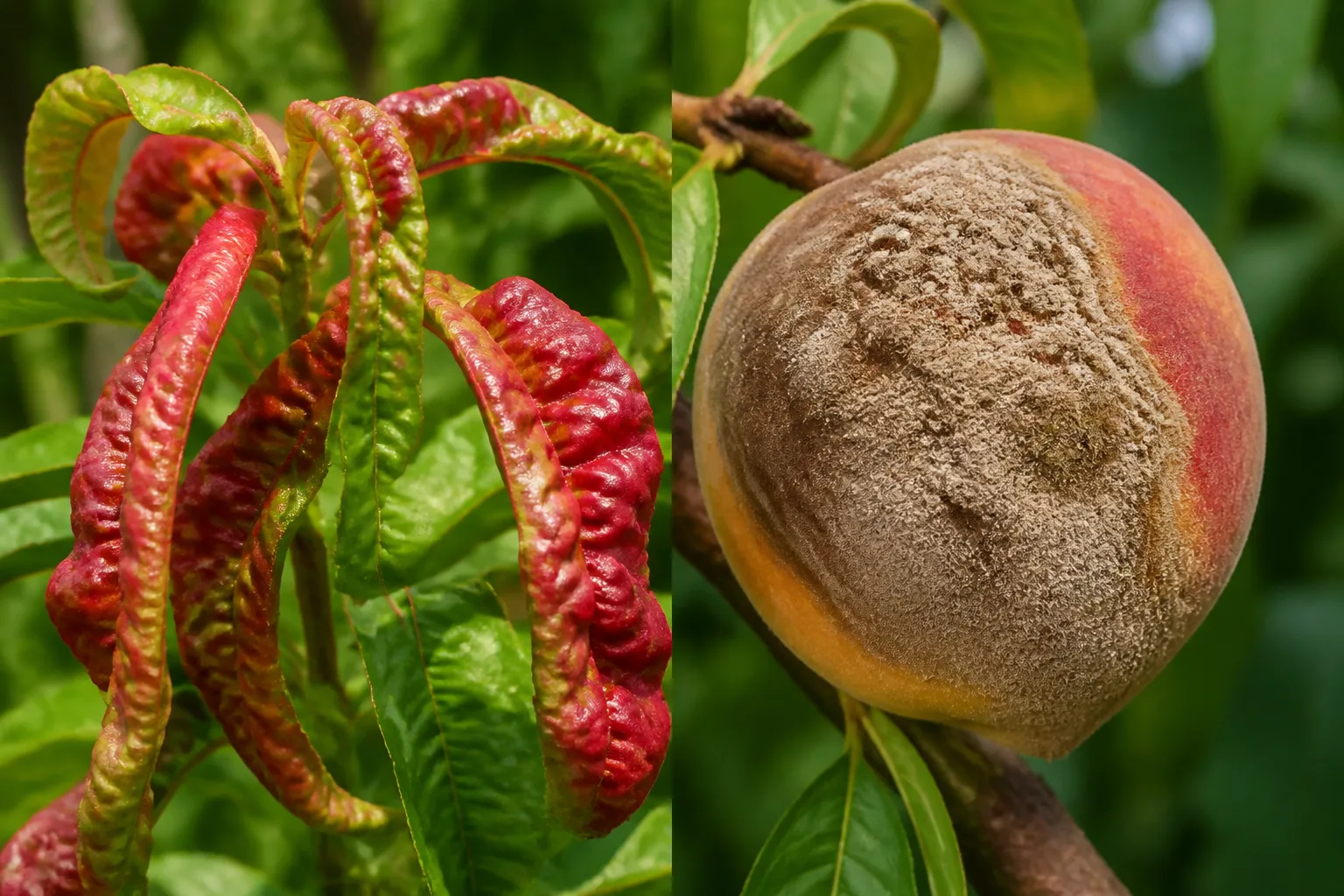
Preventive dormant sprays may be needed in wet climates. Treatment after leaves distort is usually too late.
Thin fruit, improve airflow, remove mummies, and follow local spray timing when disease is severe.
Look for gum and sawdust-like frass near the trunk base, especially on stressed young trees.
Use netting or timely harvest before birds, squirrels, and wasps take the ripest fruit.
Seasonal Peach Tree Care
Late winter is pruning and dormant disease-prevention season for many peach trees. Exact spray timing depends on local extension advice, but the key is that leaf curl prevention happens before symptoms show.
Checking the forecast before spraying matters, since rain arriving soon after application often washes off the treatment before it has a chance to work.
Spring is bloom, frost watch, and thinning season. Once fruit sets, thin early instead of waiting until branches are already overloaded.
Covering small trees overnight with sheets or frost cloth is a realistic backyard option when a hard freeze threatens open bloom, buying just enough protection to save the crop.
Fall is cleanup, mulch refresh, and planning season. Compare your peach tree performance with other orchard crops such as apple trees.
If late frost is the main issue, pear trees may be a calmer second fruit.
Thinning is the step many new growers skip. Leaving every young peach on the branch creates small fruit and broken limbs, while spacing fruit about a hand-width apart gives the remaining peaches room to size up.
Prune, remove diseased wood, and apply dormant treatments where locally recommended.
Protect bloom from frost when practical, then thin fruit after set.
Water deeply, harvest often, and remove dropped fruit.
Clean up leaves and fruit, then avoid late nitrogen that pushes tender growth.
Fruit Is Edible; Pits and Leaves Are Not Pet Snacks
Ripe peach flesh is edible, but pits, leaves, stems, and wilted trimmings are not safe for pets or livestock to chew. Cracked kernels are the highest concern.
Keep dropped fruit cleaned up if dogs patrol the yard. Whole pits can also create choking or blockage risks even before toxicity becomes the issue.
The toxicity risk in peach pits comes from compounds that release cyanide specifically when the kernel inside is crushed or chewed, not from the ripe fruit flesh itself.
Peach tree flowers support early pollinators, so avoid insecticide sprays while blossoms are open. If you need more bee support nearby, mix in pollinator plants outside the spray zone.
A balanced edible yard might include one managed peach tree and a lower-maintenance fruit such as fig. Add small berries such as raspberries before planting several high-care stone fruits at once.
Fallen peaches should not sit under the tree. They attract wasps, mammals, and disease organisms, and they keep pest cycles close to next year's crop.
Frequently Asked Questions
How many chill hours does a peach tree need?
Peach tree chill needs vary by cultivar. Some low-chill types need only a few hundred hours, while many traditional cultivars need much more, so choose by local winter conditions.
Do I need two peach trees for fruit?
Most peach trees are self-fertile, so one tree can fruit. A second compatible cultivar may extend harvest, but it is not usually required for pollination.
When should I prune a peach tree?
Prune a peach tree during dormancy or just before growth resumes, adjusting timing for local disease pressure and frost risk.
Why are my peaches small?
Small peaches are usually caused by too much fruit on the tree, weak sun, drought stress, poor pruning, or a young tree carrying more crop than it can size.
What is the best shape for a peach tree?
Most backyard peach trees are easiest to manage as open-center trees with several scaffold limbs and a sunny, airy middle.
Are peach trees safe for pets?
Ripe peach flesh is edible, but pits, leaves, stems, and wilted trimmings should be kept away from pets and livestock.
Sources & References
Related Plants
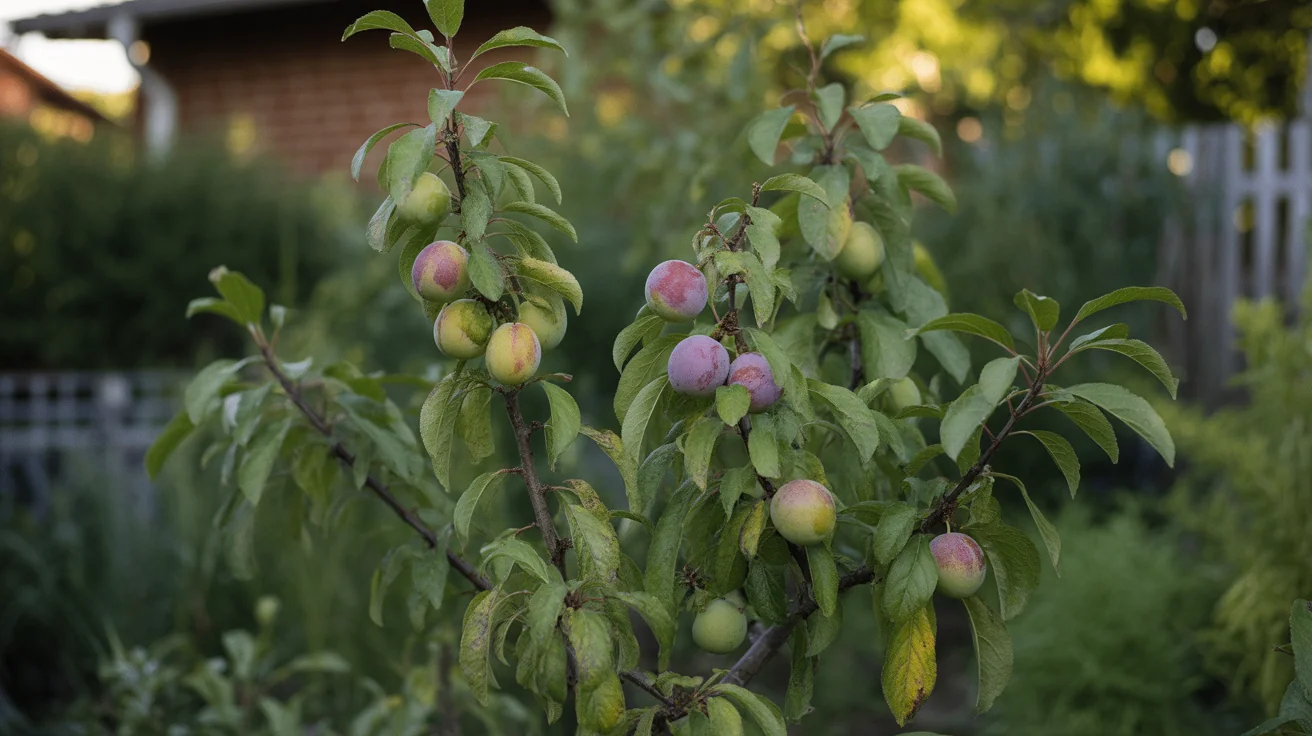
Plum Tree
Another stone fruit with similar pruning needs and often different disease pressure.
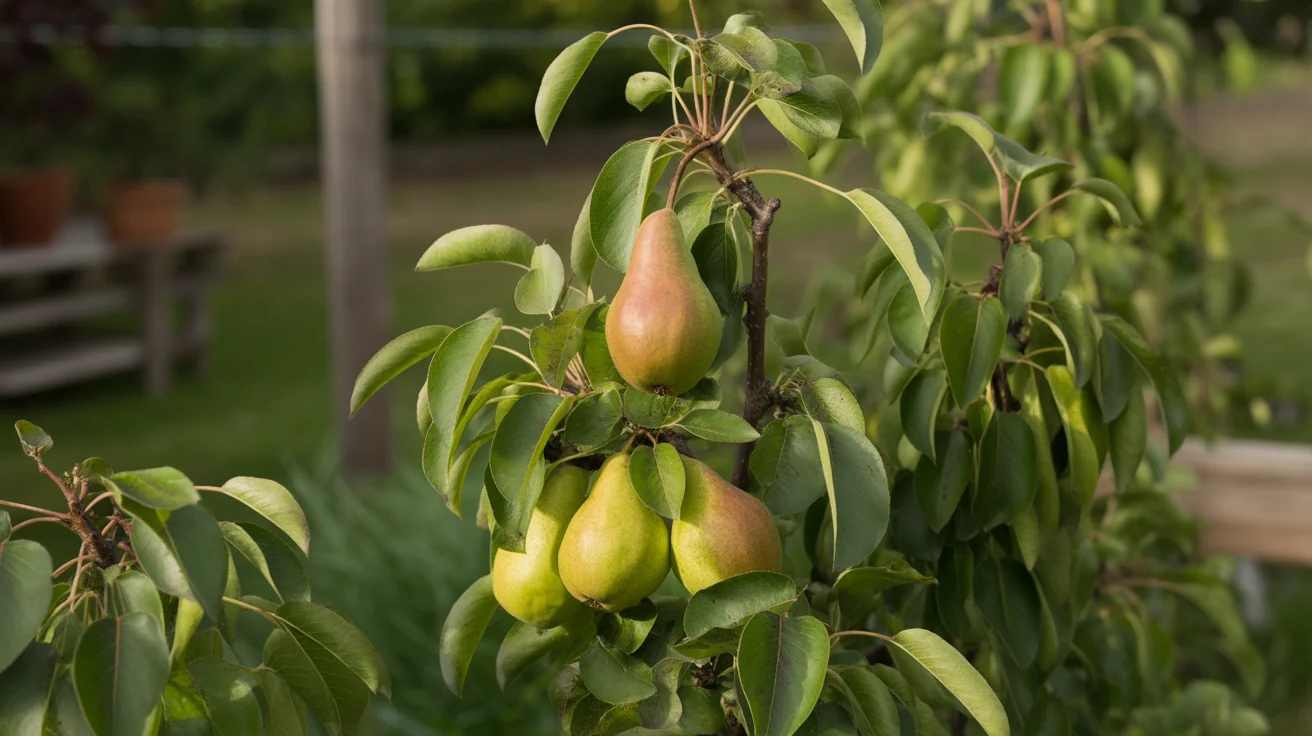
Pear Tree
A backyard fruit tree that usually tolerates cold climates better than peaches.
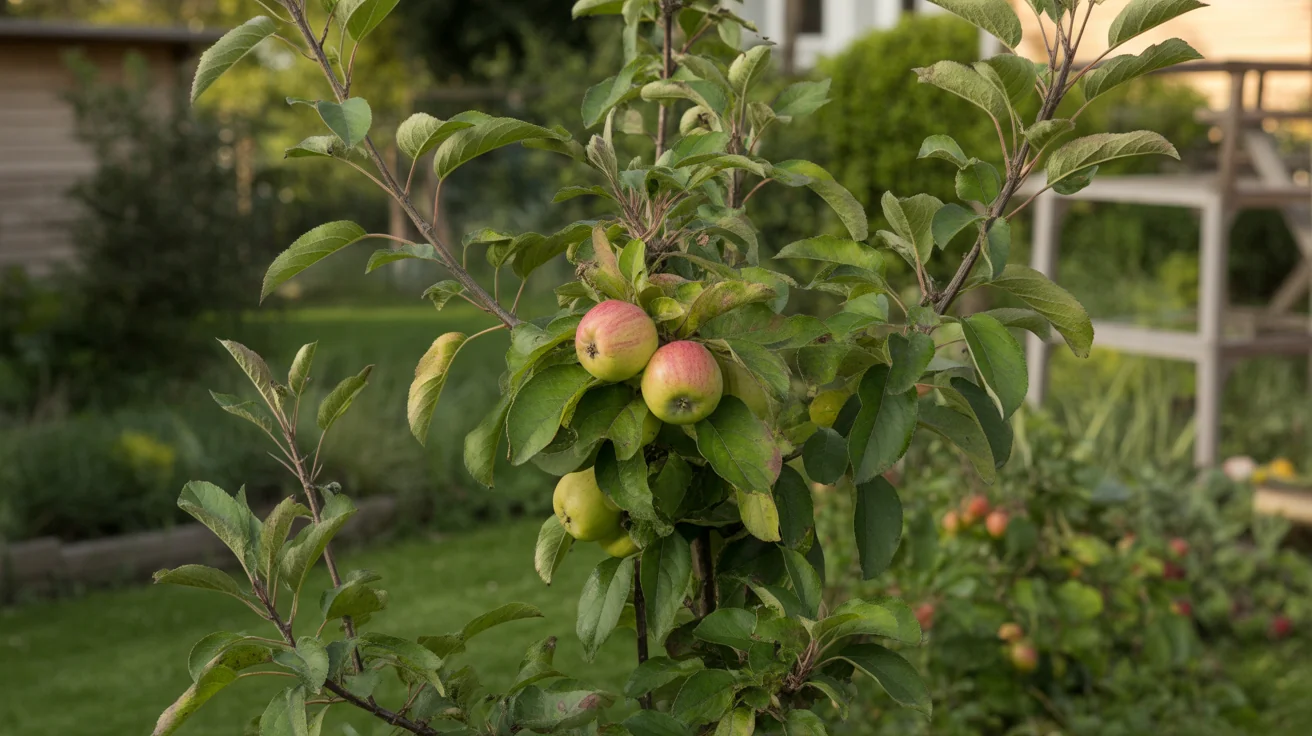
Apple Tree
A classic home orchard tree with stronger cultivar and rootstock planning needs.
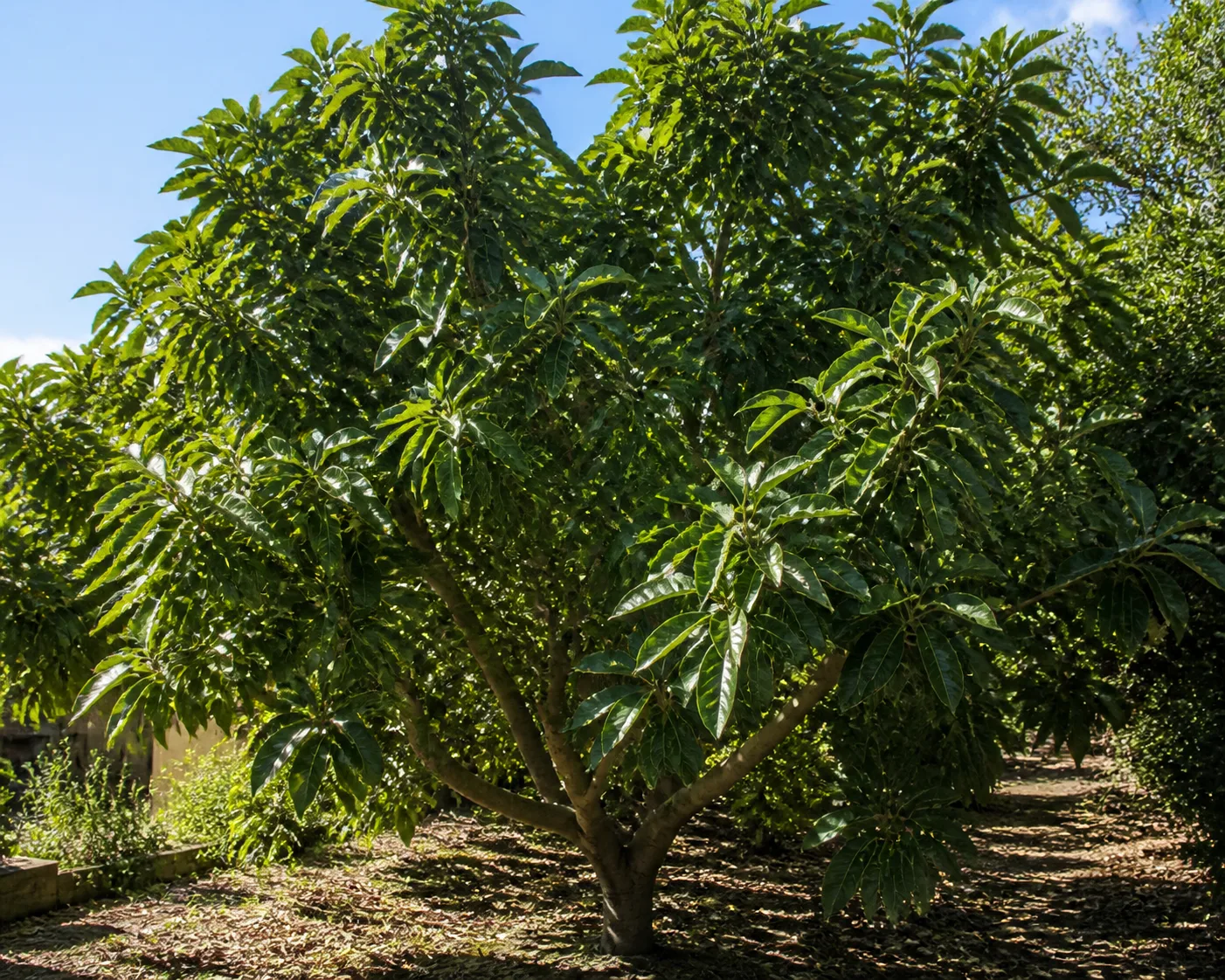
Avocado Tree
Avocado tree is a subtropical evergreen fruit tree for frost-free gardens, warm patios, and bright indoor…
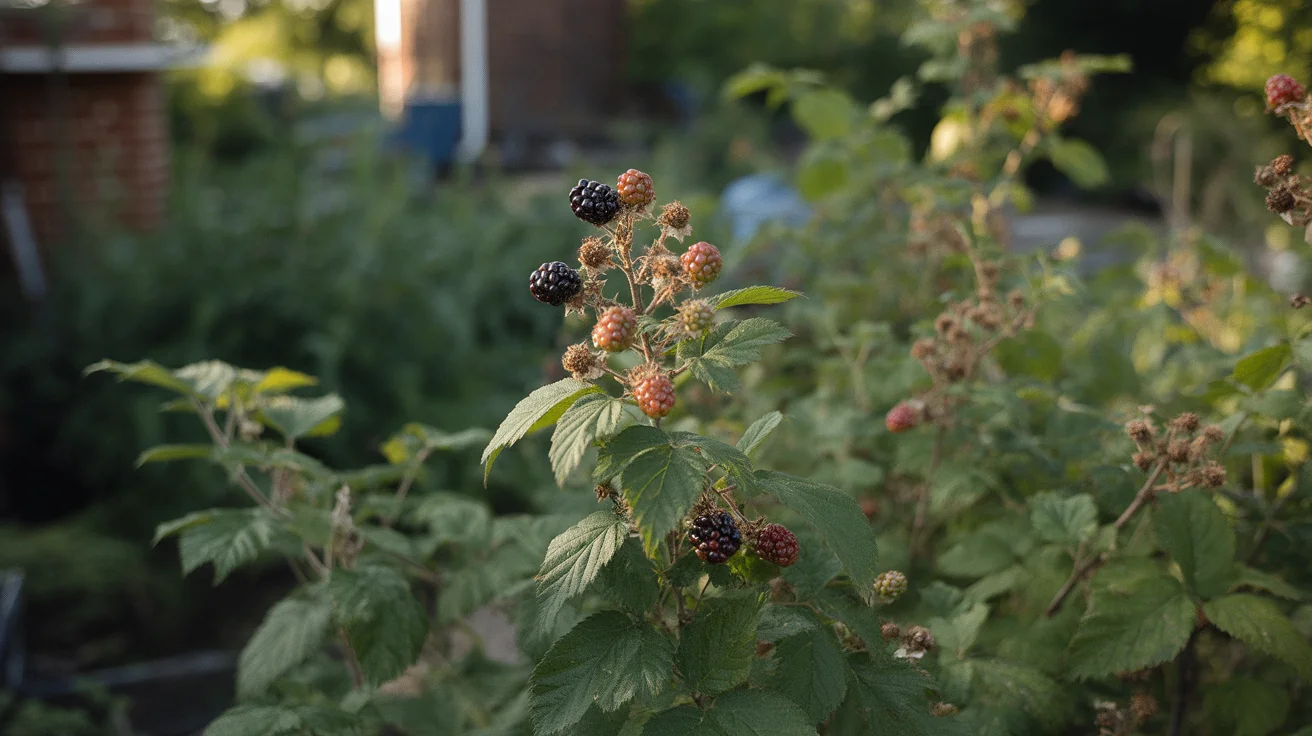
Blackberry
Blackberries are perennial brambles grown for summer fruit on managed canes.
Blueberry
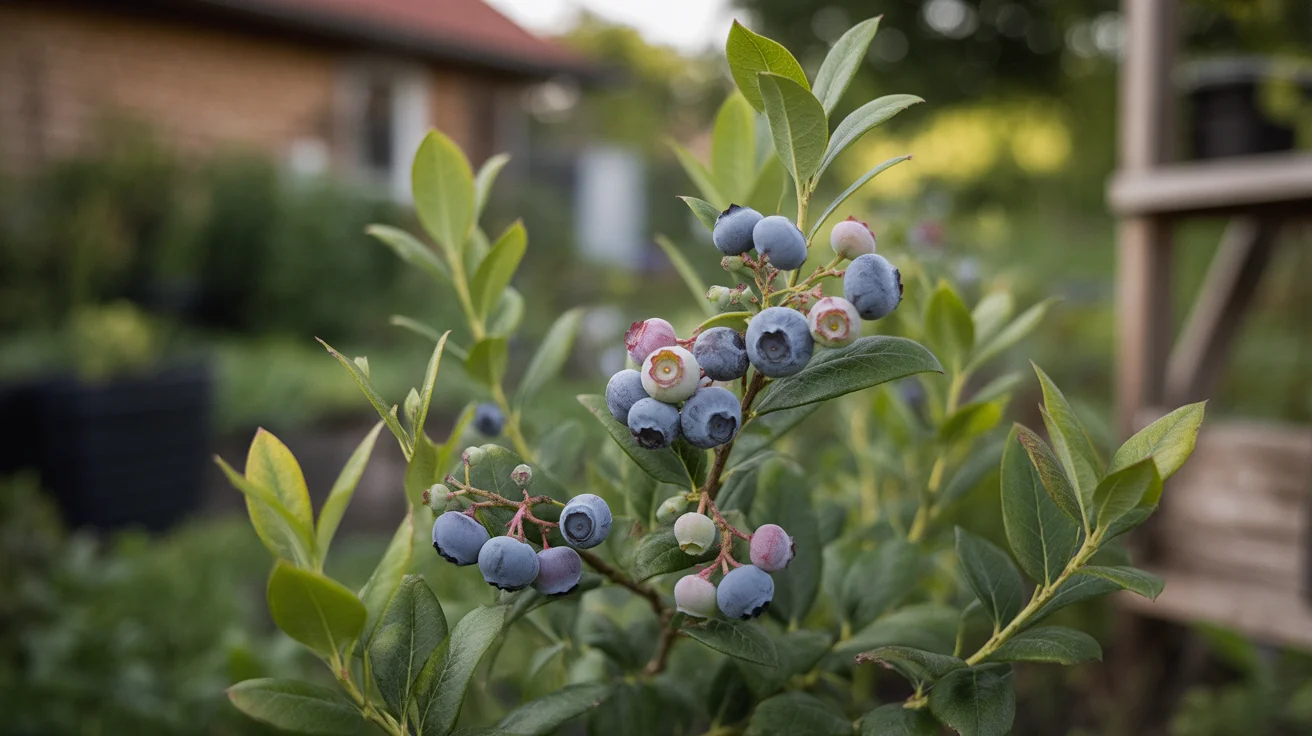
Blueberries are long-lived fruiting shrubs that reward careful soil prep more than constant fussing.