
How to Grow a Pear Tree From Pollination to Picking Fruit
Pyrus communis Rosaceae
Pear trees can be long-lived, productive backyard fruit trees when the variety, rootstock, pollination partner, sun, and pruning plan fit the site. They are often easier than peaches, but fire blight, pear psylla, codling moth, and harvest timing still need attention.
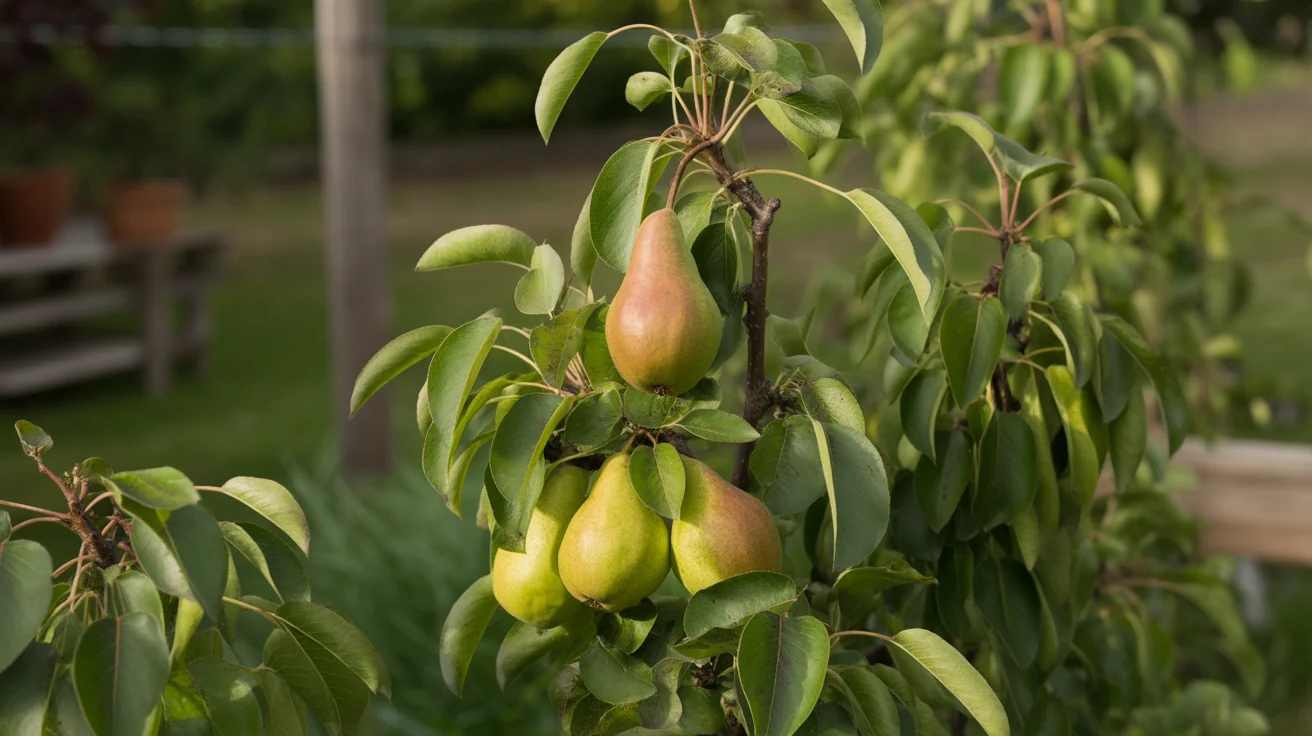
Care snapshot
Pear Trees Reward Planning More Than Constant Fuss
Pear trees are deciduous pome fruits that can live for decades, flower heavily in spring, and carry firm fruit that improves after proper harvest and ripening.
The big decisions happen before planting, rootstock size, chill requirement, disease tolerance, and pollination partner. A well-matched pear tree often needs less drama than a badly matched one that grows beautifully but never crops.
Many European pear trees naturally grow more upright than peaches or plums. Train that habit early instead of fighting it later with heavy cuts.
Pear wood is notably harder and denser than most other fruit tree wood, part of why well-sited pear trees can live and bear fruit for so many decades.
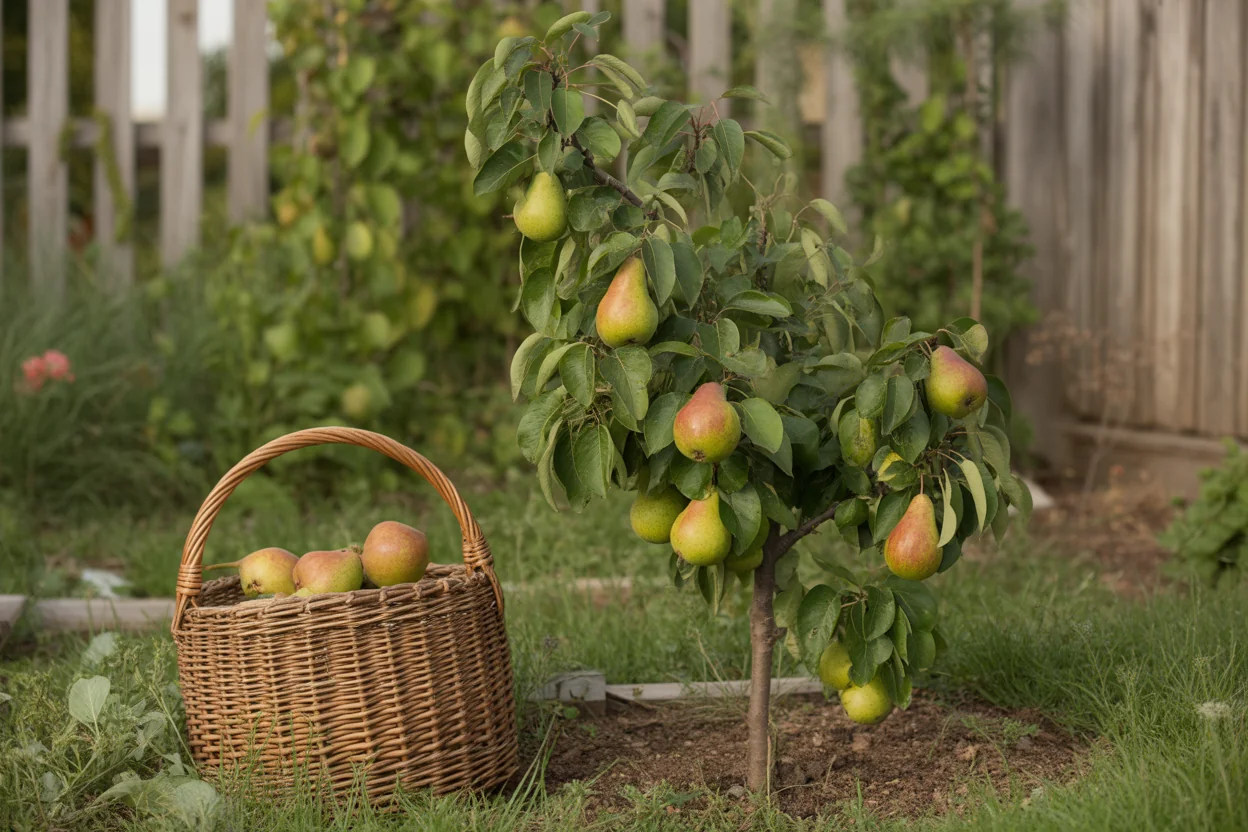
Cultivars, Rootstock, and Pollination Partners
Choose a pear tree by chill hours, bloom time, fire blight resistance, rootstock size, and eating style. Fruit names matter less if the tree cannot bloom and set in your climate.
Bartlett remains the single most widely grown pear cultivar in North America, despite offering only moderate fire blight resistance compared with newer disease-resistant introductions.
In fire-blight regions, resistance should outrank novelty. A famous dessert pear that blights every wet spring is a worse backyard tree than a slightly less famous cultivar that keeps clean shoots.
European pears such as Bartlett, Bosc, Anjou, and Comice are usually picked firm and ripened indoors. Asian pears are crisp when ripe on the tree and behave more like apple-textured fruit.
Asian pears are frequently sold under the name apple pears in grocery stores, a direct reference to their crisp, apple-like texture.
If your yard is small, compare rootstock size before buying. Semi-dwarf trees are easier to prune, net, and harvest than standards, much like choosing a manageable peach tree for a backyard.
Many pears need a pollination partner, and European and Asian pears do not always overlap cleanly. Check bloom time and compatibility before planting, especially if you only have room for two trees.
- European pears
- Classic buttery texture; usually picked firm and ripened after harvest
- Asian pears
- Crisp texture; often eaten soon after tree ripening
- Fire blight resistance
- Important in warm, humid, storm-prone spring climates
- Rootstock
- Controls much of the tree size, anchorage, and soil tolerance
Full Sun Makes Pears Worth Growing
Pear trees need 6-8 or more hours of direct sun for strong flower bud formation, fruit size, and sugar. Shade gives leafy growth before it gives good fruit.
Choose an open site with airflow so leaves and flowers dry after rain. That matters because dense, still air increases disease pressure around blossoms and young shoots.
Morning sun specifically helps more than afternoon sun, since it dries dew off blossoms earlier in the day, right during the window when fire blight bacteria most easily infect open flowers.
A slightly sloped, open site solves more than one problem at once, since light, air drainage, and disease pressure all improve together.
Avoid planting right beside a heat-radiating driveway or south-facing wall in warm climates, since the extra warmth can push bloom into an earlier, more frost-vulnerable window.
- Best site: open sun, good air movement, and no standing water.
- Avoid: north-side shade and crowded fence corners.
- Cold yards: favor slight slopes where cold air can drain.
- Hot yards: keep roots mulched instead of moving the tree into heavy shade.
Deep Watering While Roots Establish
Young pear trees need steady moisture for the first few seasons. Established trees tolerate dry spells better, but drought during fruit sizing can reduce fruit size and cause stress drop.
Water slowly and deeply, following the same principle as deep watering. A shallow daily sprinkle keeps roots near the surface and wets foliage for no good reason.
Drip irrigation also cuts down on the leaf-wetting that raises fire blight risk, an advantage overhead sprinklers cannot offer during bloom season.
Pear trees dislike soggy roots. If water stands after rain, fix drainage or choose a different site before planting.
A simple test, digging a hole and timing how fast it drains after filling with water, is worth doing before committing a planting site to a full-size tree.
Young pears need slow, deep watering while the framework develops. Mature trees can handle more dry weather, but drought during fruit sizing leads to smaller pears and can make gritty texture more noticeable.
Good Drainage Beats Heavy Feeding
Pear trees grow best in well-drained loam with moderate fertility and a slightly acidic to neutral pH. They can handle heavier soil better than some fruit trees only when drainage is still decent.
Do not create a rich little bathtub in clay. Loosen a wide area, keep the root flare visible, and let roots move into native soil instead of circling in compost.
A soil test before planting is useful mainly for catching a major pH or fertility problem early, well before the tree is already in the ground.
Avoid late heavy nitrogen. Soft, fast growth can be more attractive to pests and more vulnerable to fire blight.
Fire blight bacteria specifically infect through soft, actively growing shoot tips, which is exactly why vigorous late-season growth is the riskiest tissue on the whole tree.
Pear trees are more tolerant of heavier soil than peaches, but drainage still matters for long-term health. A tree that sits wet after winter rain is slower to establish and more vulnerable to root stress.
- Texture
- Loam or sandy loam is easiest; clay needs drainage planning
- pH
- Slightly acidic to neutral is usually suitable
- Planting
- Wide hole, visible root flare, graft union above soil
- Fertilizer
- Use soil test guidance; avoid forcing lush late growth
Train a Central Leader and Buy Grafted Trees
Most pear trees are trained with a central leader and well-spaced scaffold branches. The goal is a strong tree with light reaching the fruiting wood, not a dense tower.
Scaffold branches ideally spread both vertically along the trunk and radially around it, avoiding a cluster of branches crowded at the same height and angle.
Prune lightly but consistently. Heavy heading cuts can trigger upright water sprouts, while ignored trees become too tall to harvest and too dense to manage.
Wide branch angles are structurally stronger than narrow, upright ones, which is why training scaffold limbs to a wider angle early helps prevent breakage once they carry a full fruit load.
Training starts the day the tree is planted. A good rootstock still needs early structure if you want clean harvest ladders later.
- Choose a grafted tree on the right rootstock size.
- Plant with the graft union above the soil line.
- Select a central leader and remove competing leaders early.
- Space scaffold branches vertically and around the trunk.
- Remove shoots below the graft and any diseased wood promptly.
Standard pear trees grafted onto seedling rootstock can take five to seven years to bear their first real crop, while dwarfing rootstocks often cut that wait by half.
Fire Blight, Pear Psylla, Codling Moth, and Scab
Pear trees are not pest-free fruit trees. The main pressure depends on region, but fire blight, pear psylla, codling moth, mites, scab, and borers are worth learning before symptoms appear.
Fire blight is the disease that changes pruning behavior. Blackened shoots that look scorched should be pruned out in dry weather, with cuts made well below visible symptoms and tools disinfected between cuts.
Disinfecting pruning tools between every single cut, not just between trees, matters when removing fire blight, since the bacteria spreads easily on blades from one cut to the next.
Pear psylla leaves sticky honeydew and sooty mold, while codling moth larvae tunnel into fruit. Regular scouting after bloom is more useful than panic spraying after damage is obvious.
Codling moth is the same pest responsible for wormy apples, since its larvae attack both pome fruits with the same tunneling damage.
For a broader low-spray yard, pair resistant cultivars, cleanup, and targeted monitoring with the same measured approach used in natural garden pest control.
Fire blight changes how you prune and choose cultivars. In regions where it is common, resistant varieties and prompt removal of infected shoots matter more than chasing perfect fruit shape.
Fire blight changes the pruning conversation because infected shoots need prompt removal in dry weather with clean cuts. If strikes appear, treat it like pear tree fire blight, not a cosmetic leaf problem.
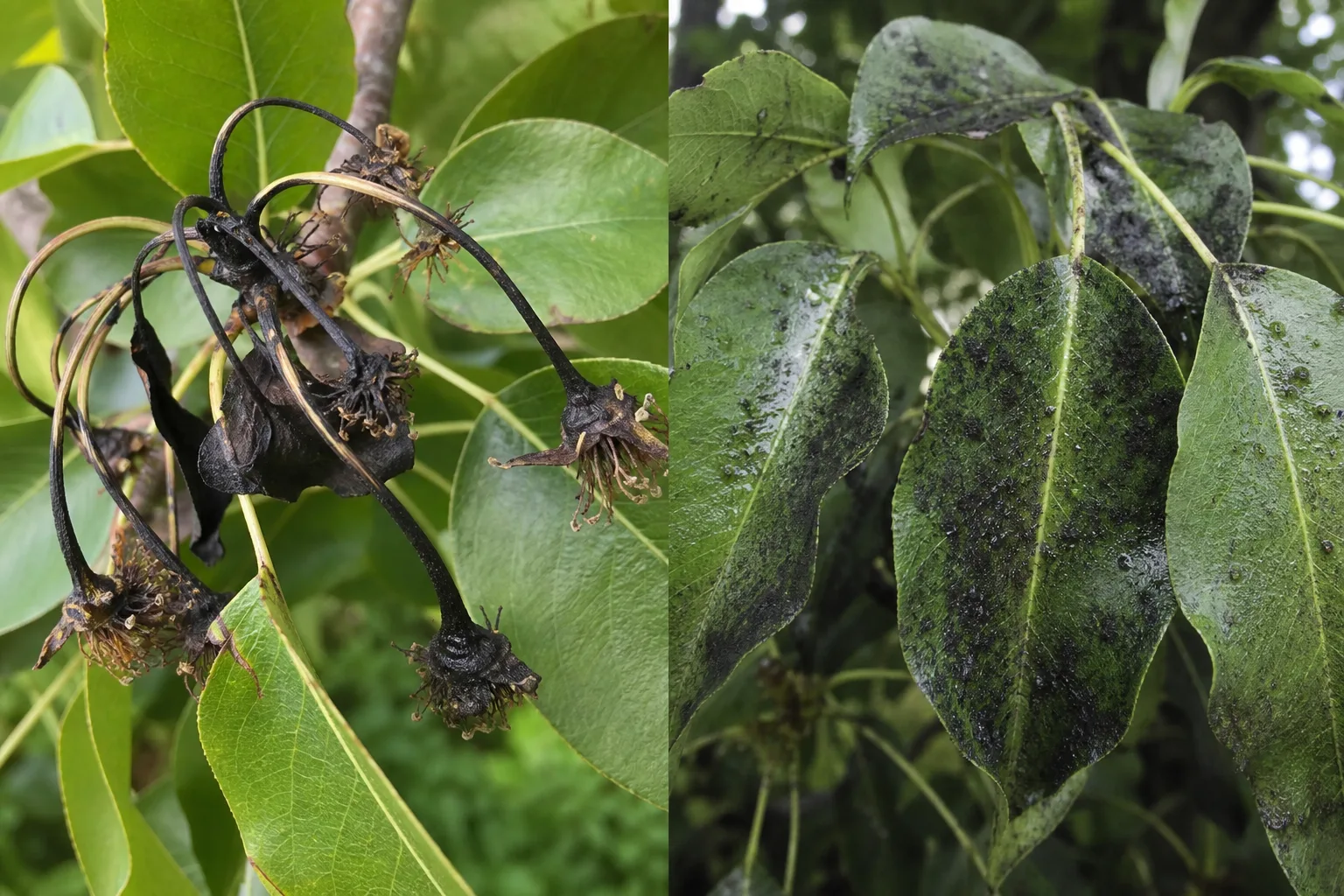
Choose resistant cultivars, avoid excess nitrogen, and remove infected shoots correctly.
Watch for honeydew, sooty mold, and weakened shoots. Dormant oil may help where recommended.
Monitor after petal fall and remove infested or dropped fruit.
Improve airflow, clean leaves, and choose resistant cultivars in wet regions.
Pear rust mites are tiny enough to escape notice until leaves turn a dull bronze color, a symptom gardeners often mistake for drought stress or nutrient deficiency.
Harvest Pears Firm, Then Ripen Them Indoors
Late winter is the main structural pruning window for many pear trees. Remove dead, diseased, crossing, and steep competing growth before the canopy wakes up.
Avoid pruning during or right before wet, warm spring weather specifically, since fresh cuts are an easy entry point for fire blight bacteria at exactly the time infection risk peaks.
Spring is bloom, pollination, disease watch, and fruit thinning season. If clusters set heavily, thin fruit so remaining pears have space and branches do not overload.
Summer care is mostly water, pest checks, and light cleanup. Avoid big pruning during fire blight weather unless you are removing infected shoots correctly.
Checking twig tips regularly during active fire blight weather matters, since catching a strike early and cutting well below it limits how far the infection can travel into the tree.
European pears are usually harvested mature but firm, then ripened indoors. If they soften fully on the tree, the core can turn mushy before the outside looks bad.
European pears are often picked mature but firm, then ripened off the tree. Waiting until they feel soft on the branch can leave you with gritty or overripe fruit before the inside develops properly.
Prune structure and remove diseased wood.
Confirm pollination, watch fire blight, and thin fruit after set.
Water deeply in drought and monitor psylla, moths, and mites.
Pick European pears firm, ripen indoors, and remove fallen fruit.
Safe Fruit, Careful Seeds, and Pollinator Timing
Ripe pear flesh is edible, but seeds, leaves, stems, and wilted prunings should not be treated as pet or livestock snacks. The risk is similar in principle to apple seed and leaf concerns.
Clean up windfalls near patios and dog runs. Fermenting fruit attracts wasps, wildlife, and rodents even when fresh fruit is otherwise useful.
Pear seeds contain the same cyanide-releasing compounds found in apple seeds, though a genuine health risk requires chewing and swallowing a fairly large quantity.
If you want a mixed edible yard, use pear trees with smaller crops such as strawberries. Add blackberries where you want fruit earlier in the season and less ladder work.
Pear blossoms are a valued early food source for mason bees, which stay active pollinating in cool spring weather when honeybees are often less willing to fly.
Do not let mummified fruit hang through winter. Removing old pears and fallen debris reduces overwintering disease pressure and makes spring monitoring much easier.
Frequently Asked Questions
Do I need two pear trees to get fruit?
Many pear trees need a different compatible cultivar blooming at the same time for good fruit set. Some are partly self-fertile, but most crop better with a partner.
How long does a pear tree take to bear fruit?
A grafted pear tree often starts with light crops in 3-6 years, depending on rootstock, variety, pruning, and growing conditions.
How much sun does a pear tree need?
A pear tree needs 6-8 or more hours of direct sun for strong bloom, fruit size, sugar, and lower disease pressure.
Why are my pears hard on the tree?
European pears are usually picked firm and ripened indoors. If left to soften fully on the pear tree, they can become gritty or mushy near the core.
What is fire blight on pear trees?
Fire blight is a bacterial disease that blackens blossoms and shoots on pear trees. It is worse on susceptible cultivars during warm wet spring weather.
Are pear trees safe for pets?
Neither the ASPCA nor NC State gives a pet toxicity rating for the pear tree, so keep seeds, leaves, stems, and wilted prunings away from pets and livestock.
Sources & References
Related Plants
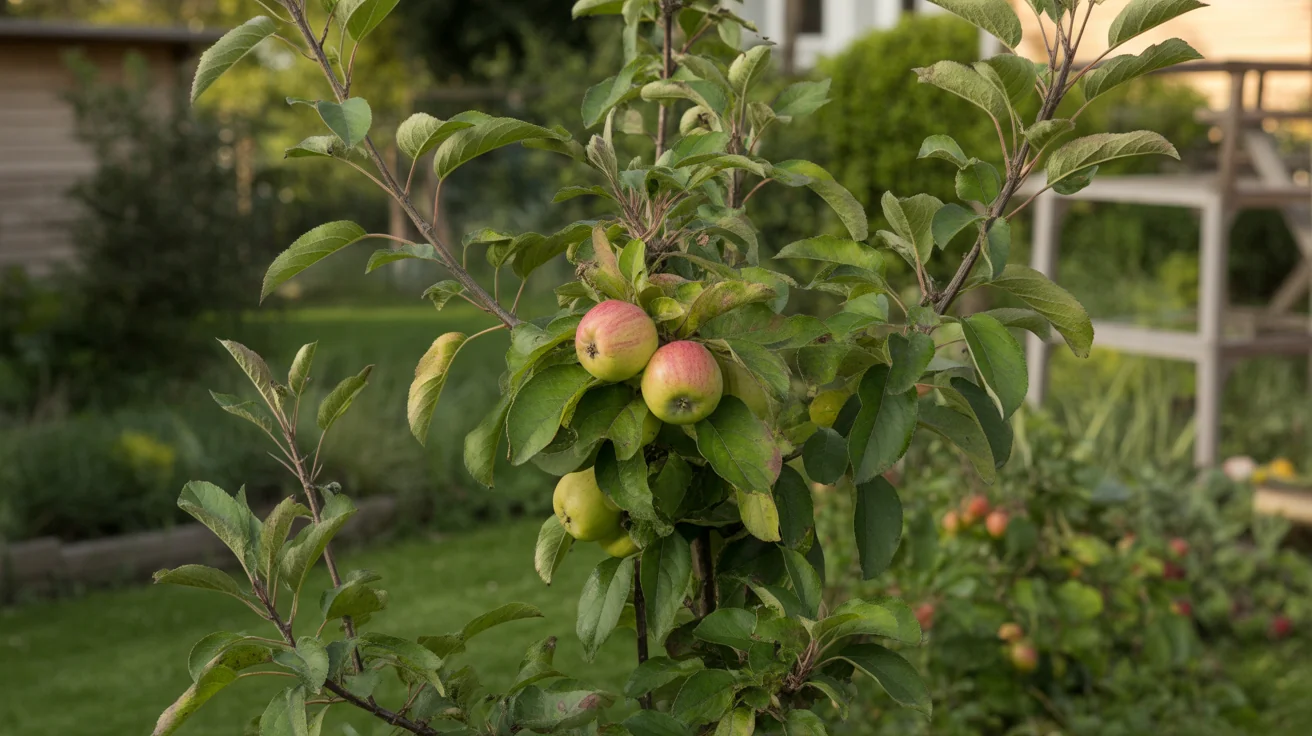
Apple Tree
Another pome fruit with similar rootstock, pollination, and pruning decisions.
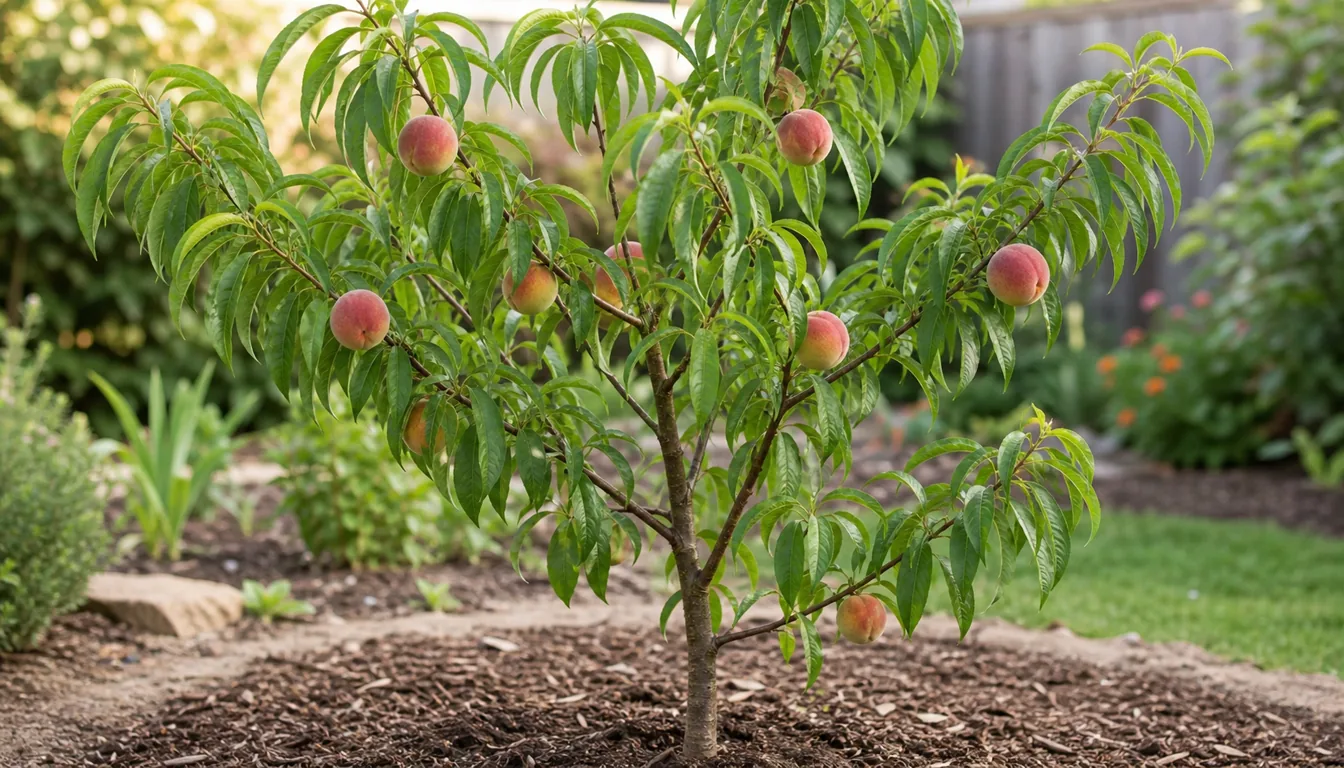
Peach Tree
A faster-bearing stone fruit with more pruning and disease timing pressure.
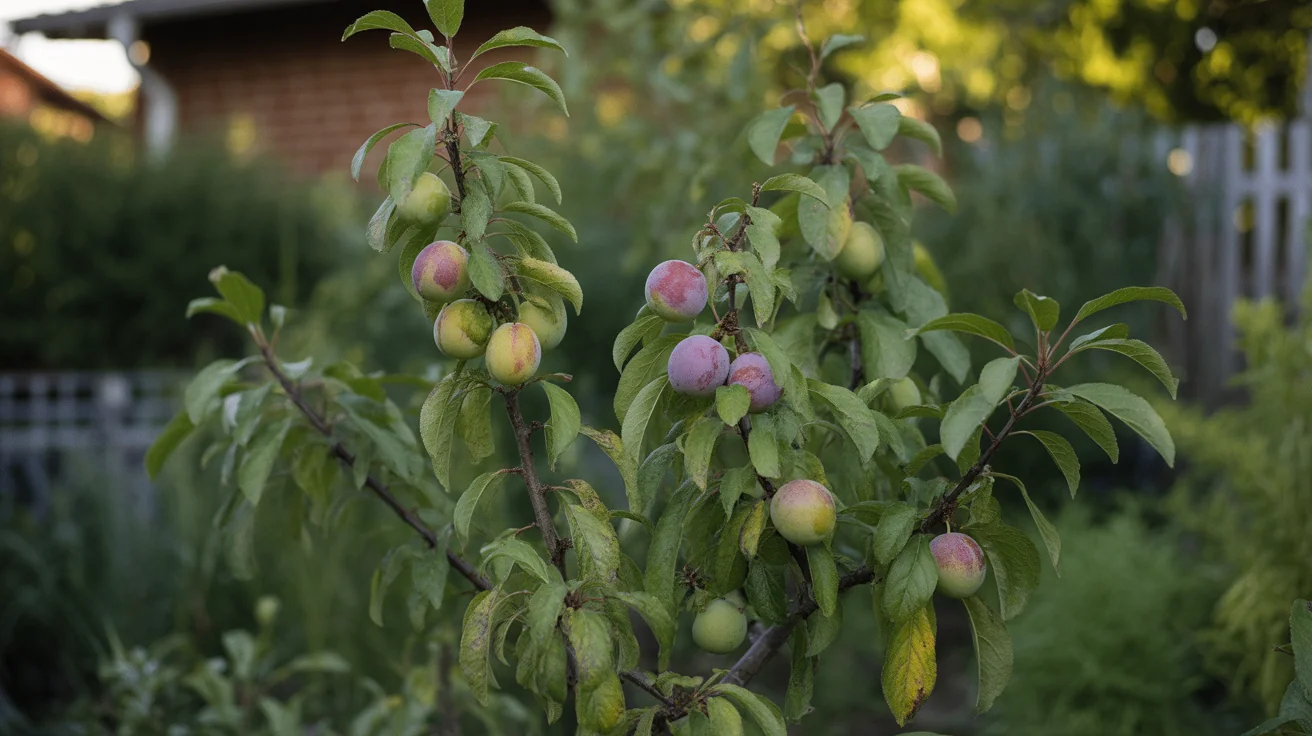
Plum Tree
A stone fruit option with different pollination and disease patterns.
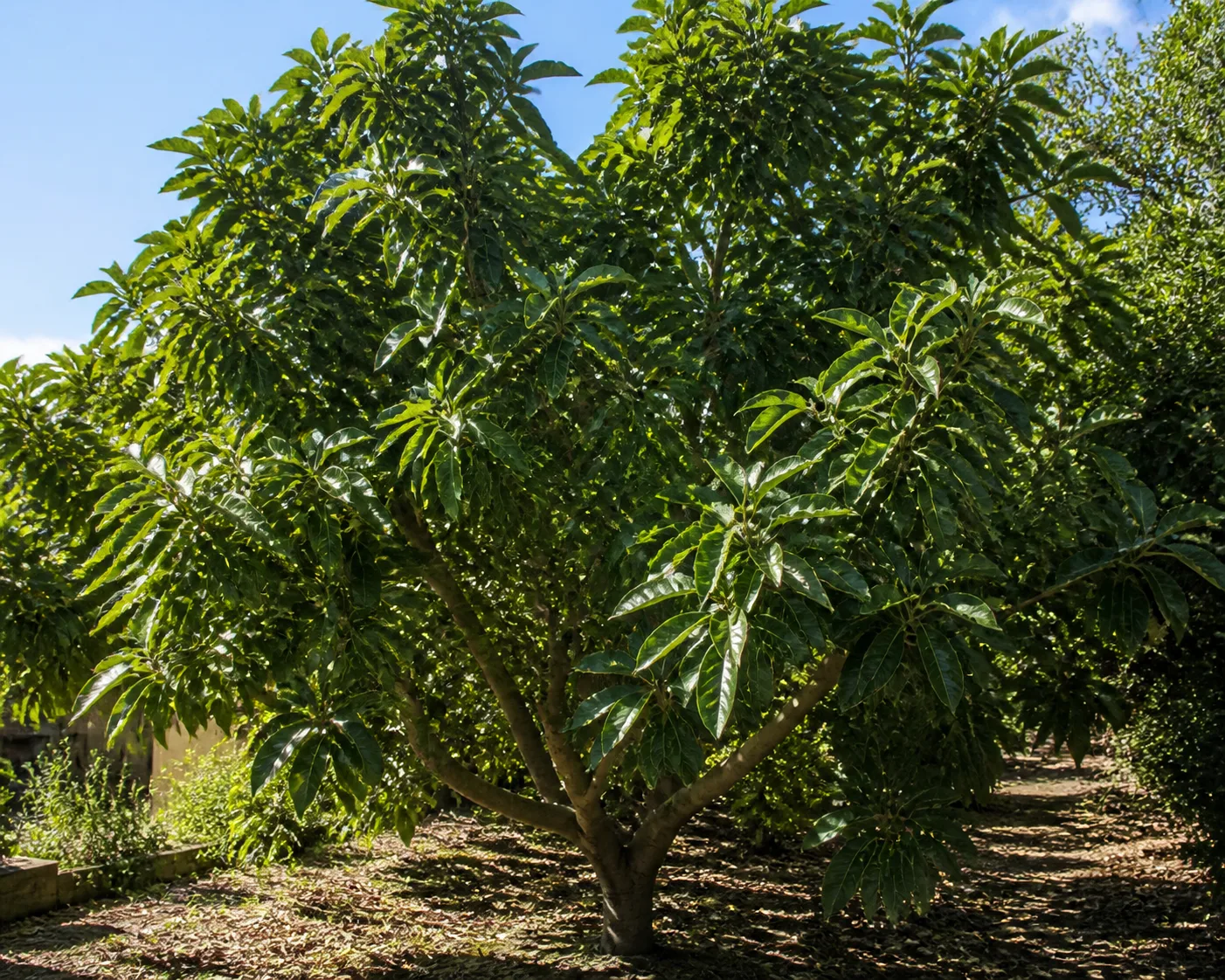
Avocado Tree
Avocado tree is a subtropical evergreen fruit tree for frost-free gardens, warm patios, and bright indoor…
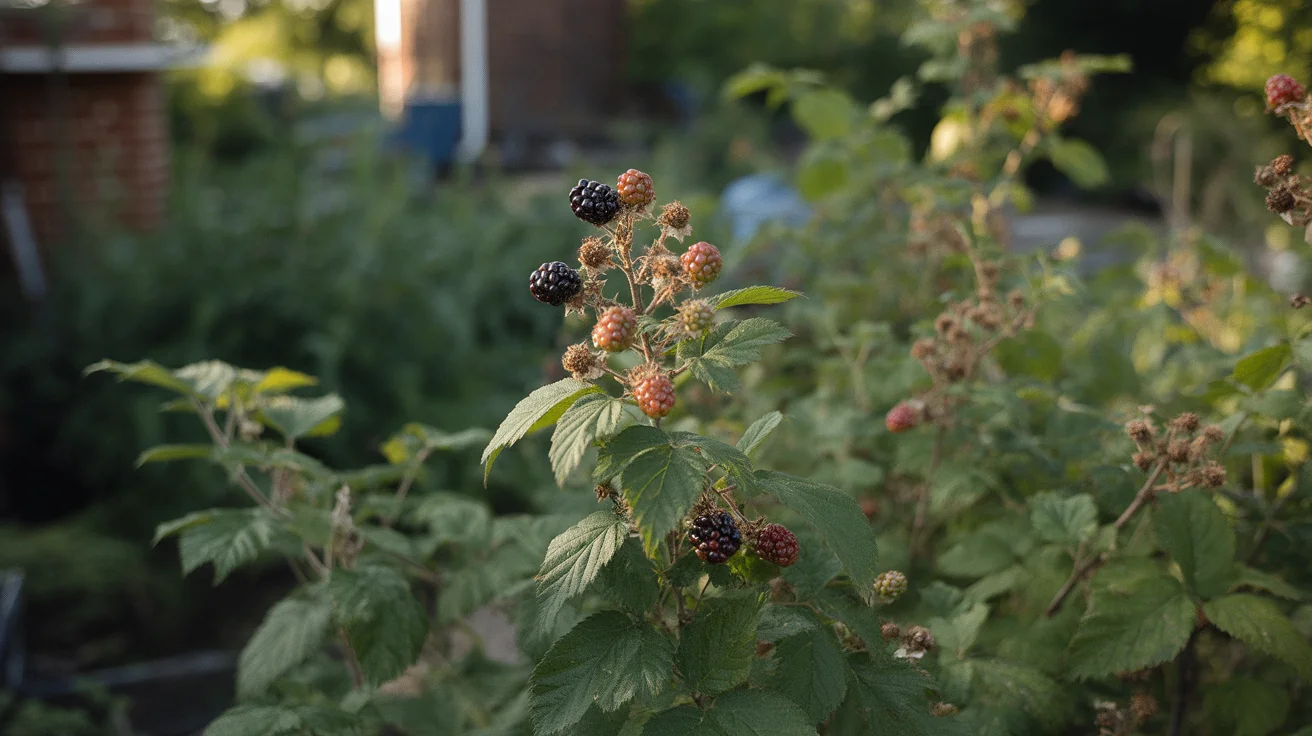
Blackberry
Blackberries are perennial brambles grown for summer fruit on managed canes.
Blueberry
Blueberries are long-lived fruiting shrubs that reward careful soil prep more than constant fussing.