At a glance
- Cool-Season Timing
- Early fall, with spring as the second window
- Warm-Season Timing
- Late spring into summer, once the lawn is growing
- Ideal Soil Moisture
- Moderately moist, not dry or wet
- Frequency
- Once every couple of years to twice a year or more, by soil and traffic
Whether to aerate at all comes first. A lawn that drains well and takes a screwdriver easily may not need it this year, and the checks for that come before the dates.
Does Your Lawn Need Aerating This Year?
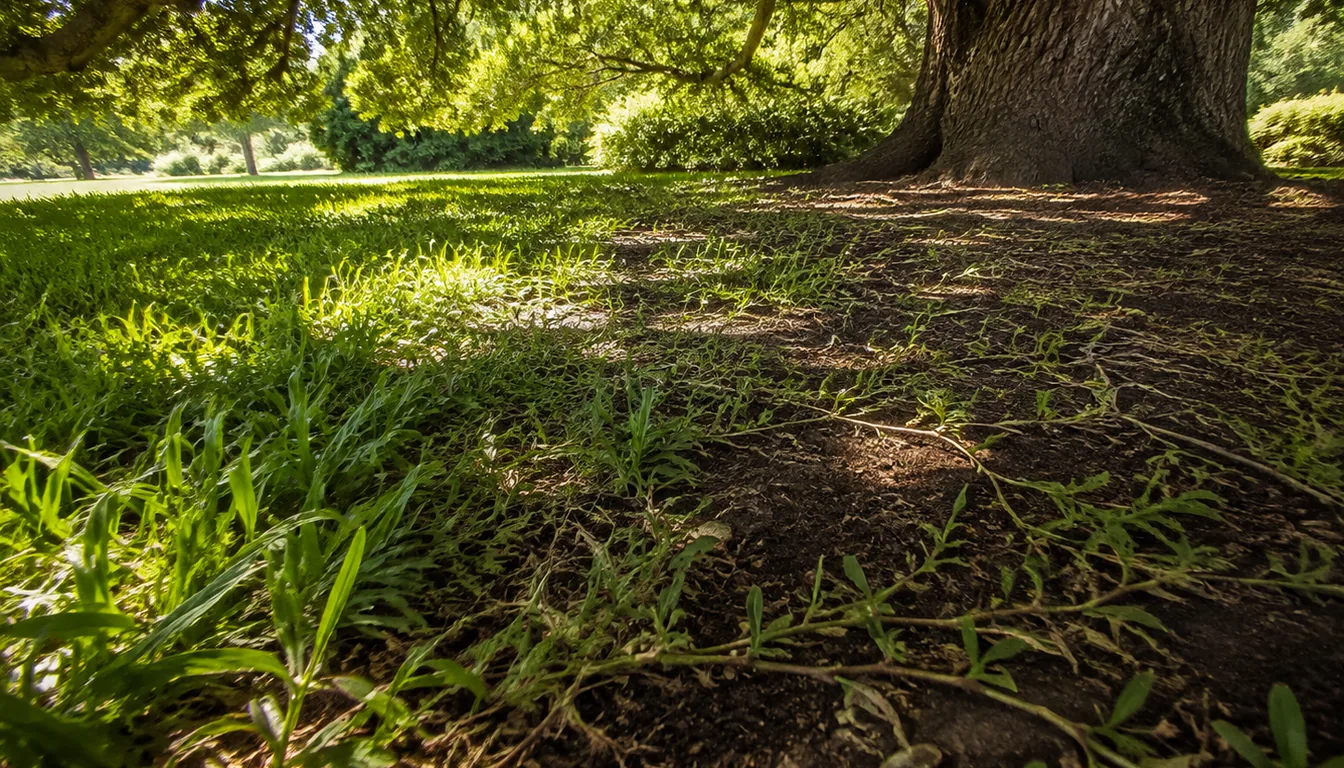
Traffic from people, pets, vehicles and construction equipment presses the top 4 to 6 inches of soil together. Compacted soil takes in water slowly, so rain runs off or ponds on level ground, roots stay shallow, and the grass wilts easily and loses ground to weeds.
Four checks show whether compaction or thatch is the problem.
- Screwdriver. Push a screwdriver into soil that is already moist. If it goes in with little resistance, the lawn probably does not need aerating, and if it is hard to push in, it may. Dry soil is hard to penetrate too, so test after rain or watering.
- Footing. Walk across the lawn. If it feels like walking on concrete, compaction could be the problem.
- Water. Puddles that stay on level ground after rain, or runoff on a slope, can mean water is not moving down through the soil.
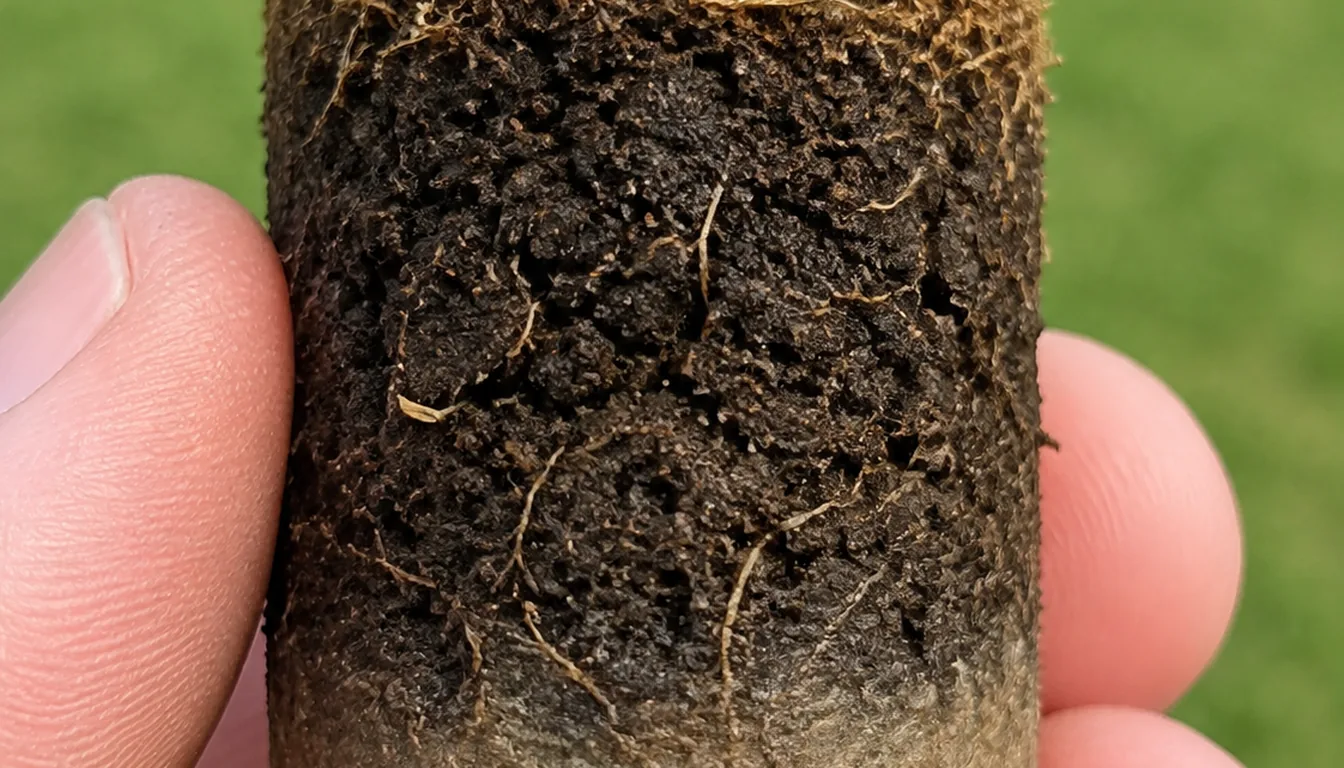
- Thatch. Cut a pie-shaped wedge 2 inches deep and measure the layer of dead stems between the green grass and the soil. A layer of 1/2 inch or less usually is not a problem, and a thicker one calls for thatch management.
Compacted soil makes thatch worse. It holds little oxygen, which slows the earthworms and other organisms that break thatch down, and the plugs a core aerator pulls up carry microorganisms that help decompose it. When thatch is the bigger problem, dethatching versus aerating shows which job fits.
How often you aerate depends on soil and traffic. In Iowa, lawns on heavy clay or with heavy foot or pet traffic are aerated twice a year, and once a year is enough on well-drained soil with little traffic.
Clemson's answer for South Carolina is "as often as needed", which runs from once every couple of years to 2 to 4 times in a growing season, and it adds that centipedegrass and St. Augustinegrass tolerate traffic poorly and may need it more often than bermudagrass, zoysiagrass or tall fescue.
When Should You Aerate a Cool-Season Lawn?
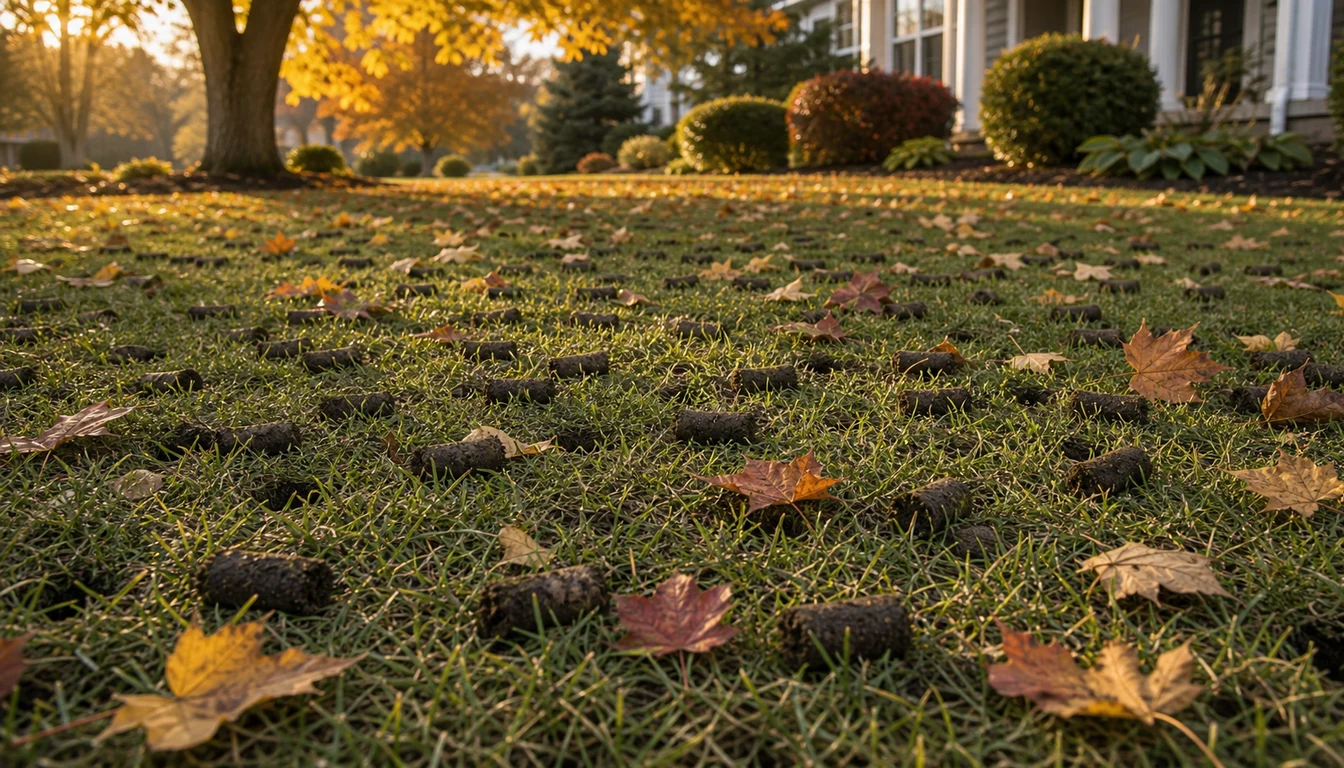
Kentucky bluegrass and tall fescue grow fastest in the cool weather of spring and fall and rest in summer heat and drought. Because the tines also sever roots, the grass needs to be in a growing stretch to send out the new shoots and roots that fill the holes, and early fall gives that with less heat stress and less chance of weedy annuals moving in. The lawn then needs at least four weeks of good growing weather to recover.
Shoot growth is best at air temperatures of 55 to 75°F and root growth at soil temperatures of 50 to 65°F, the cool weather of spring and fall. The dates depend on climate, as these state windows show.
| State and grass | Window |
|---|---|
| Minnesota, cool-season turf | Mid-August through mid-October, or late April through May |
| Iowa, Kentucky bluegrass and other cool-season lawns | September, or April |
| Maryland, tall fescue | Late summer into early autumn |
Michigan and Ohio have their own state guides, aeration timing in Michigan and when to aerate in Ohio.
Spring is the second window, once you have mowed the lawn twice. Weeds are the risk of a spring job, because crabgrass germinates once the soil stays above 55°F for at least three days and nights, which in Iowa is typically around mid-April.
Summer aeration can work too. In Minnesota it succeeds when regular, frequent watering follows.
The mowing, feeding and weed-control dates that surround aeration are laid out for the whole year in the lawn care calendar.
When Should You Aerate a Warm-Season Lawn?
Bermudagrass, zoysiagrass, centipedegrass, St. Augustinegrass and carpetgrass are best aerated in late spring and summer, while they are actively growing. NC State narrows that to late spring or early summer for the warm-season grasses it covers.
In Maryland, zoysia is dormant from mid-October to mid-May, which puts fall and early spring outside its window, and the University of Maryland lists late spring into early summer (mid-May to June) for core-aerating compacted areas. The cue to wait for is green-up and active growth, because a lawn that is still brown has no new growth to fill the holes.
NC State says a warm-season lawn can be fertilized, seeded or topdressed right after coring, with fertilizer timed to the calendar for that grass. That calendar is in the lawn fertilizing guide.
How Do You Aerate, and What Comes Right After?
How well the tines work depends on soil moisture. Dry soil keeps them from going deep, and wet soil plugs them and turns the job messy, with more compaction afterward.
The machine should be a core aerator with hollow tines or spoons that bring plugs to the surface. Spike-type tools only punch holes, and they compact the soil around each one.
- Fertilize a week aheadIowa State and Minnesota Extension both feed the lawn one week before aerating, which speeds the grass in filling the holes.
- Test the soilIf it sticks to your shoes, or to a probe pushed into the ground, it is too wet, so wait for it to dry. Pick a mild day.
- Mark what is buriedFlag sprinkler heads, shallow irrigation lines and underground utility, cable and septic lines before the tines go in.
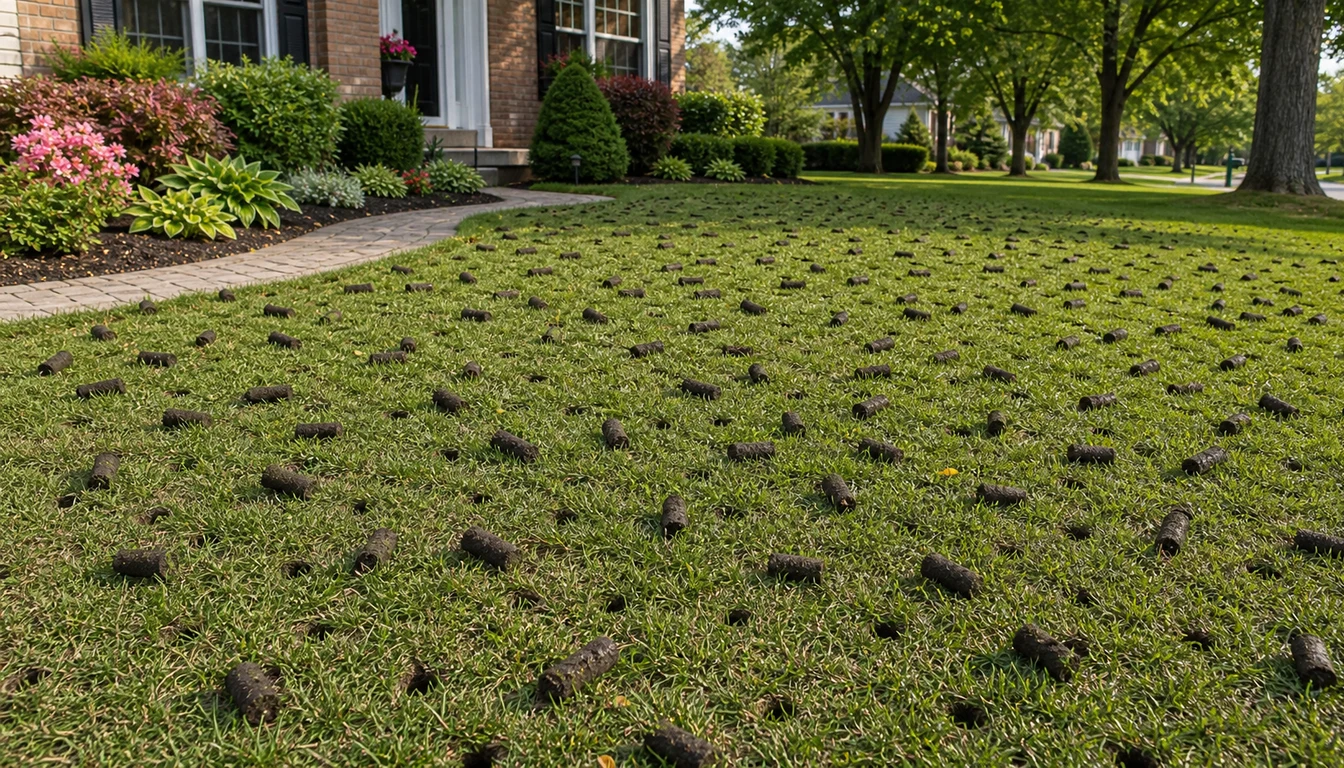
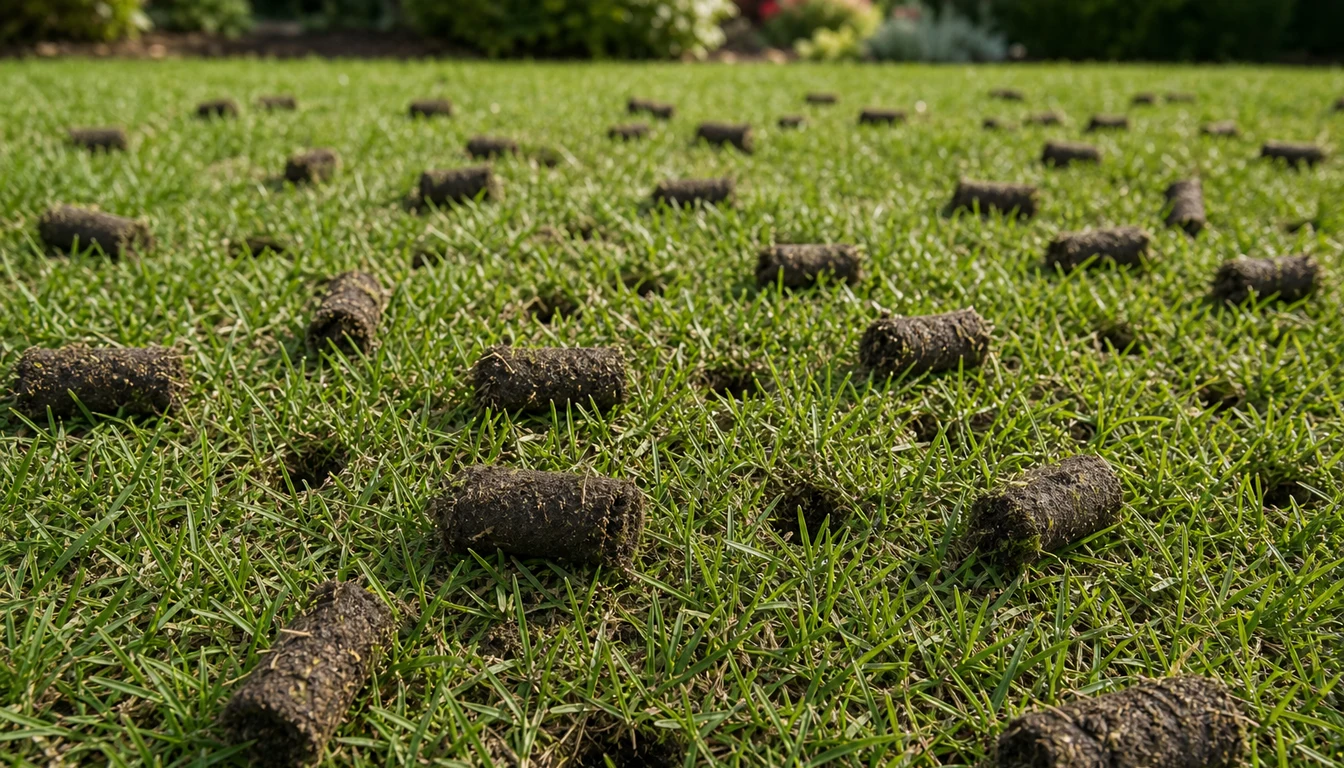
- Make the passesRun the aerator across the lawn, then again at a right angle, and add passes until the surface shows 20 to 40 holes per square foot, from plugs about 3/4 inch wide and 3 inches long.
Fine compost can go on in the same job. Spread about 1/4 inch with a shovel, work it into the turf with a leaf rake, aerate, and then drag a mat across the lawn to break up the plugs and mix the compost in.
After the passes
Leave the plugs where they fall. Rain and traffic break them down within two to four weeks. If their look bothers you, drag a mat or a weighted piece of fencing across the lawn to break them up, or let them dry partially and then rake them into the grass.
An aerated lawn dries out faster than it did before, so irrigate after aerating if the weather is dry.
Should You Seed the Same Day You Aerate?
Aeration holes help seed make good contact with the soil, and late summer is when cool-season seed does best. In Iowa, mid-August through mid-September is the best time to renovate a thin lawn, because seed germinates quickly in the warm soil, the warm days and cool nights that follow speed the new grass, and fewer weed seeds sprout.
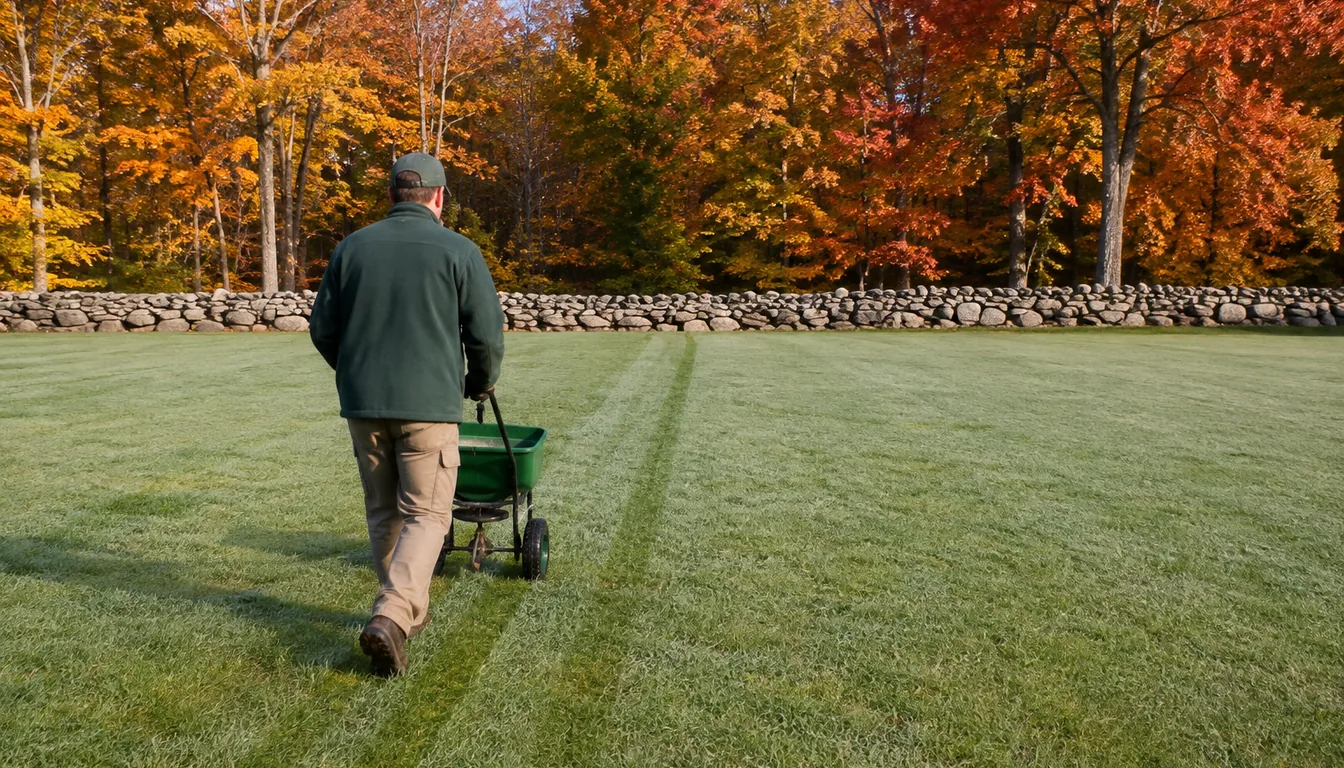
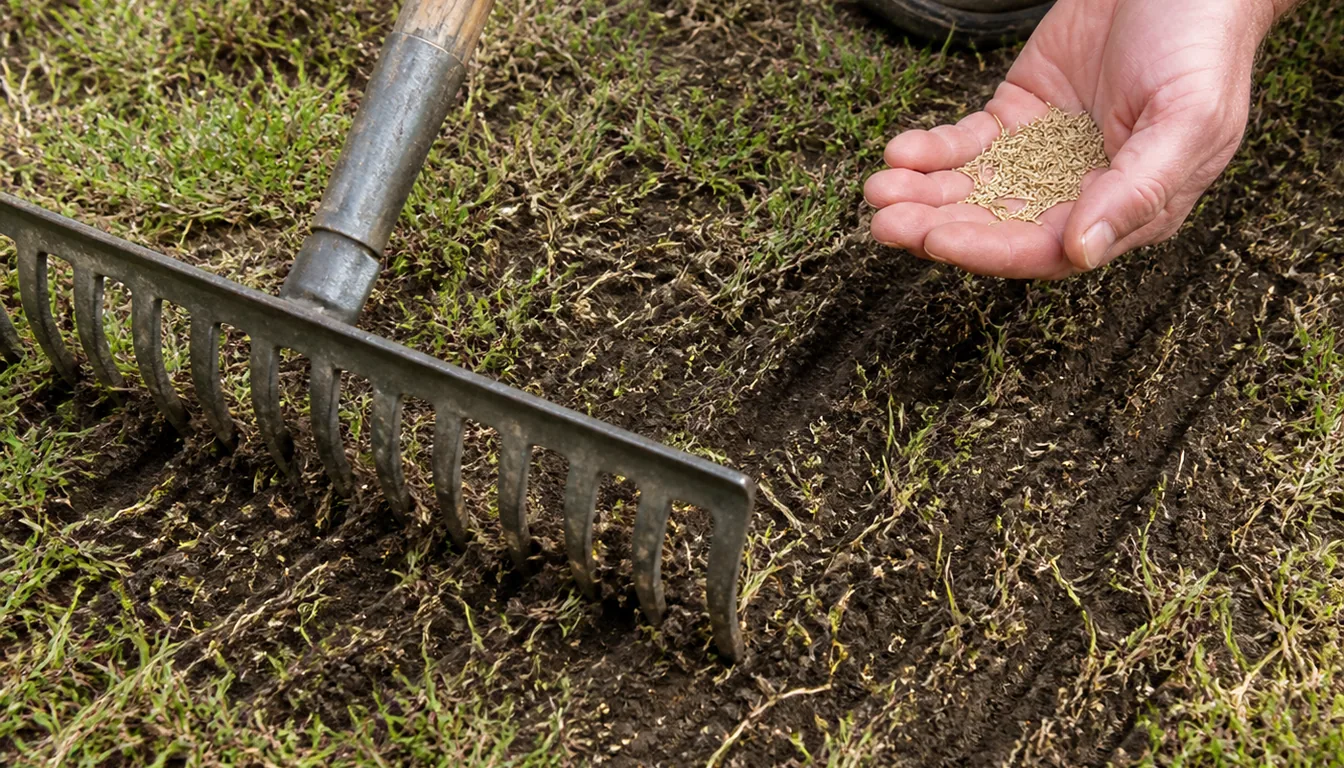
For a thin lawn, Iowa State runs a core aerator over it 3 or 4 times, sows the seed with a drop seeder, and then drags the area to mix the seed in with the broken-up cores, and NC State allows seeding right after coring as well.
Clemson Extension, writing for South Carolina, gives different timing. It lets the holes heal for about a month before seeding, because seed that lands in or near the holes grows much better than seed between them, which leaves the lawn speckled. Each state writes for its own conditions, so use the Extension advice for your own state. Midwest states each publish their own seeding windows, which overseeding a Midwest lawn collects.
A broadleaf herbicide with 2,4-D, MCPP and dicamba needs about four weeks before seeding, and the label's interval comes first. When you do seed, two things help.
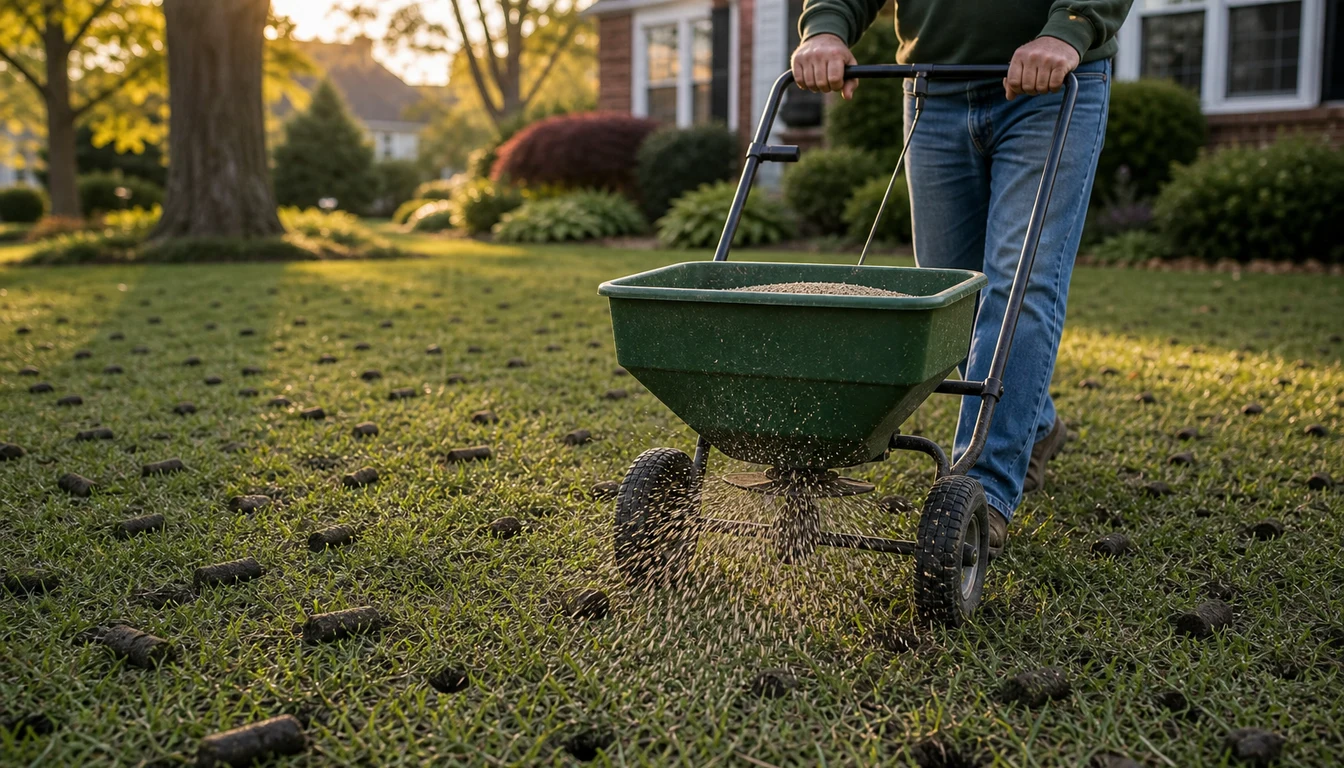
- Apply a starter fertilizer at the rate on its label when you seed, since nitrogen and phosphorus help new turf establish quickly.
- Keep the seedbed moist with frequent, light watering, usually at least once a day.
The new-grass watering plan, the mowing guide for new grass and how to overseed a lawn cover the rest of the job.
Pro Tips
- Aerate a cool-season lawn in early fall, when cool weather and the growing days that follow help it recover.
- Aerate a warm-season lawn only after it has greened up and is growing, in late spring or early summer.
- Push a screwdriver into moist soil first, because if it goes in easily the lawn may not need aerating this year.
- Wait until soil is moderately moist, since dry soil keeps the tines shallow and wet soil plugs them.
- Make a second pass at a right angle until the surface shows 20 to 40 holes per square foot.
- Apply a crabgrass preventer after aerating, not before, and leave it off any area you are seeding.
- Leave the plugs on the lawn, where they break down in two to four weeks.
Frequently Asked Questions
Should I aerate my lawn every year?
Not always. In Iowa, lawns on heavy clay or with heavy foot or pet traffic are aerated twice a year, and once a year is enough on well-drained soil with little traffic. Clemson says to aerate as often as needed, which in South Carolina runs from once every couple of years to 2 to 4 times in a growing season. A screwdriver that goes into moist soil easily is a sign the lawn probably does not need it.
Is it better to aerate in spring or fall?
For cool-season grasses, fall is the better choice, because there is less heat stress and less chance of weedy annuals moving in. Iowa State names September and April as the two best months in Iowa. For warm-season grasses, Clemson says late spring and summer and NC State says late spring or early summer, once the lawn is growing.
How long does a lawn take to recover after aeration?
A cool-season lawn needs at least four weeks of good growing weather to recover. The plugs on the surface work their way back into the soil within two to four weeks.
Do I need to pick up the plugs after core aeration?
No. Leave them on the lawn, where rain and traffic break them down in two to four weeks. If you do not like how they look, drag a mat across the lawn or let them dry partially and rake them in.
Should I water before aerating my yard?
Only if the soil is dry. Dry soil keeps the tines from going deep and wet soil plugs them, so the soil should be moderately moist. If it sticks to your shoes or to a probe, wait for it to dry.
How soon after aerating should I spread grass seed?
The Extension services differ. Iowa State sows the seed in the same pass as the aerator and drags it in, and NC State allows seeding right after coring. Clemson, writing for South Carolina, lets the holes heal for about a month first, because seed that lands in or near the holes grows better than seed between them.
Is a spike aerator as good as a core aerator?
No. Spike-type tools only punch holes and compact the soil around them. A core aerator removes plugs of soil, and Clemson calls core aeration the most effective of the options.
Can I aerate and seed in the middle of summer?
Aeration can work in summer, and in Minnesota it succeeds when regular, frequent watering follows. Seeding a cool-season lawn in midsummer misses its windows, though. Iowa State puts the best time at mid-August through mid-September, and Minnesota Extension says seeding is limited mainly to late summer and early fall. Warm-season lawns are the exception, and Maryland lists late spring into early summer for starting a zoysia lawn.
Sources & References
- Aerating Lawns (HGIC 1200), Clemson Cooperative Extension
- Core Aeration of Lawns, Iowa State University Extension
- Overseeding a Lawn, Iowa State University Extension
- Spring Lawn Care, Iowa State University Extension
- Lawn Care Calendar, University of Minnesota Extension
- How to Control Thatch in Your Lawn, University of Minnesota Extension
- Seeding and Sodding Home Lawns, University of Minnesota Extension
- Extension Gardener Handbook, Lawns, NC State Extension
- Lawn Maintenance Calendar, University of Maryland Extension
- Renovation of Lawns, Penn State Extension