
How to Grow Daffodils and Help the Bulbs Flower Again
Narcissus spp. Amaryllidaceae
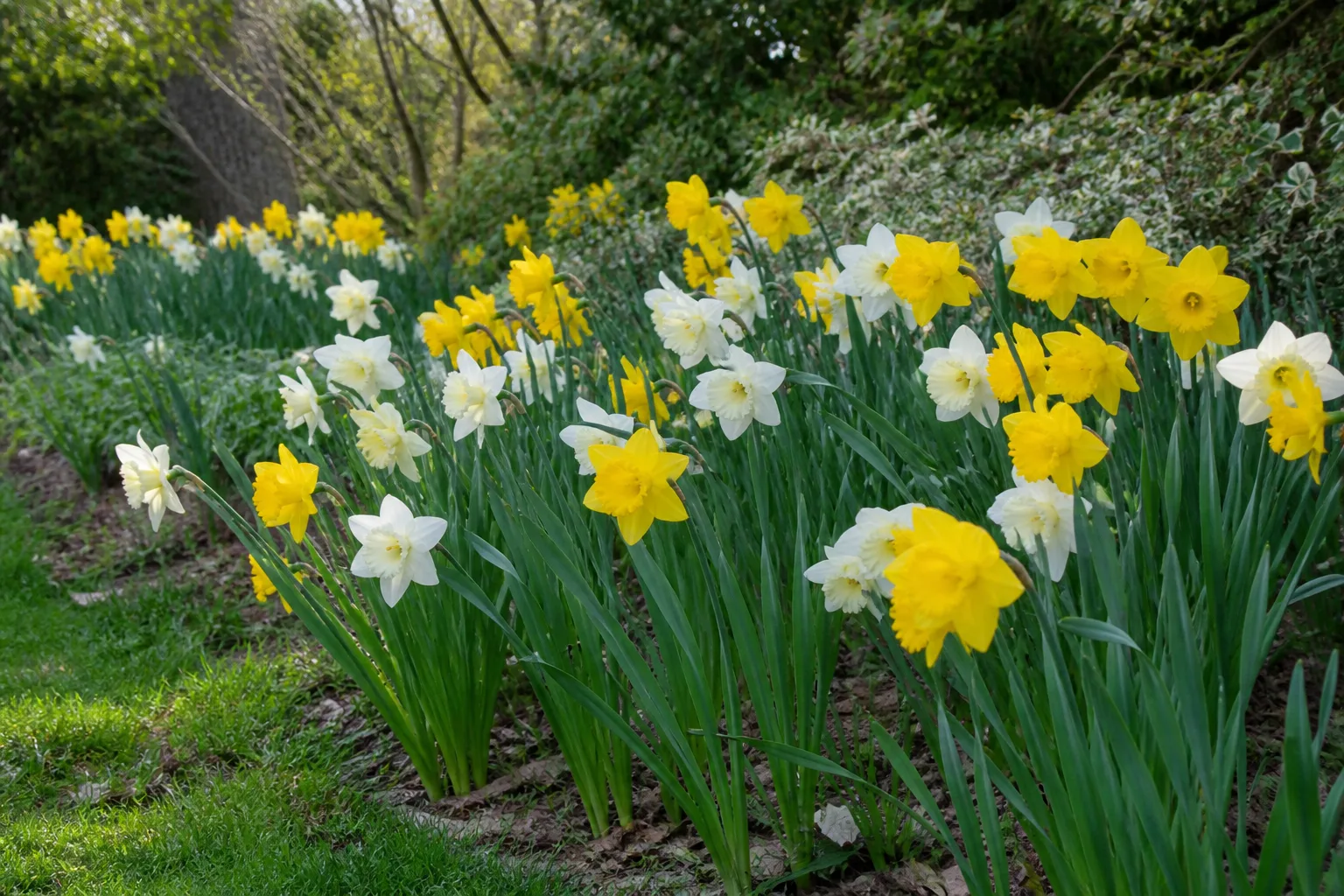
Daffodils are hardy fall-planted bulbs grown for reliable spring flowers, deer resistance, and decades of return bloom. Plant them deep in well-drained soil, give the foliage time to recharge after flowering, and most clumps will naturalize with very little fuss.
Care snapshot
What Daffodils Are Really Good For
Start with the plant habit, since Daffodils are not planted for one perfect weekend of bloom. Their real value is that a good clump can return for years, multiply slowly, and open when most perennial beds are still waking up.
Most garden daffodils are Narcissus hybrids with a true bulb underground, strap-like leaves, and a flower made from outer petals around a cup or trumpet. Heights range from little 6-inch miniatures to 24-inch border types.
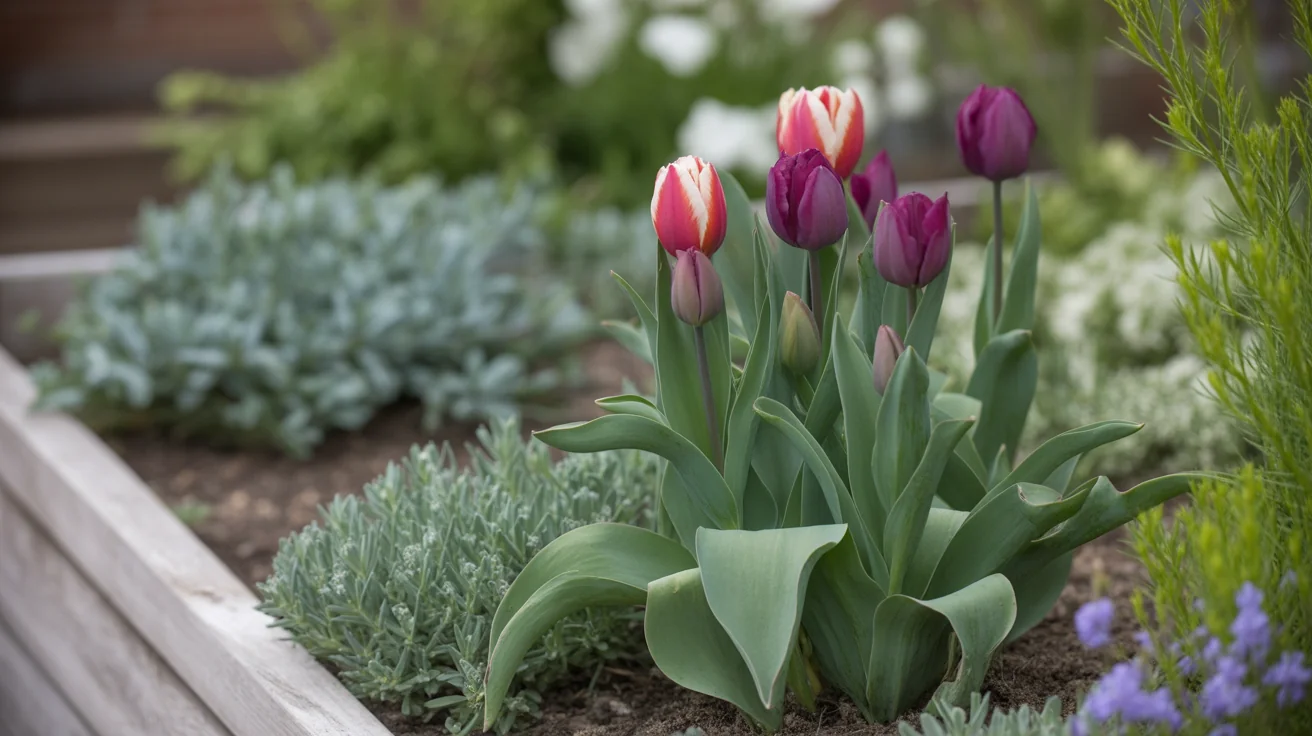
They work differently from spring tulips. Tulips often give their strongest show in the first year, while daffodils are usually better for naturalizing because deer, rabbits, and many rodents leave the bulbs alone.
Daffodils are geophytes, meaning the bulb is the storage engine that carries the plant through dormancy. Good bloom next spring depends on how much energy the leaves send back after this spring's flowers fade.
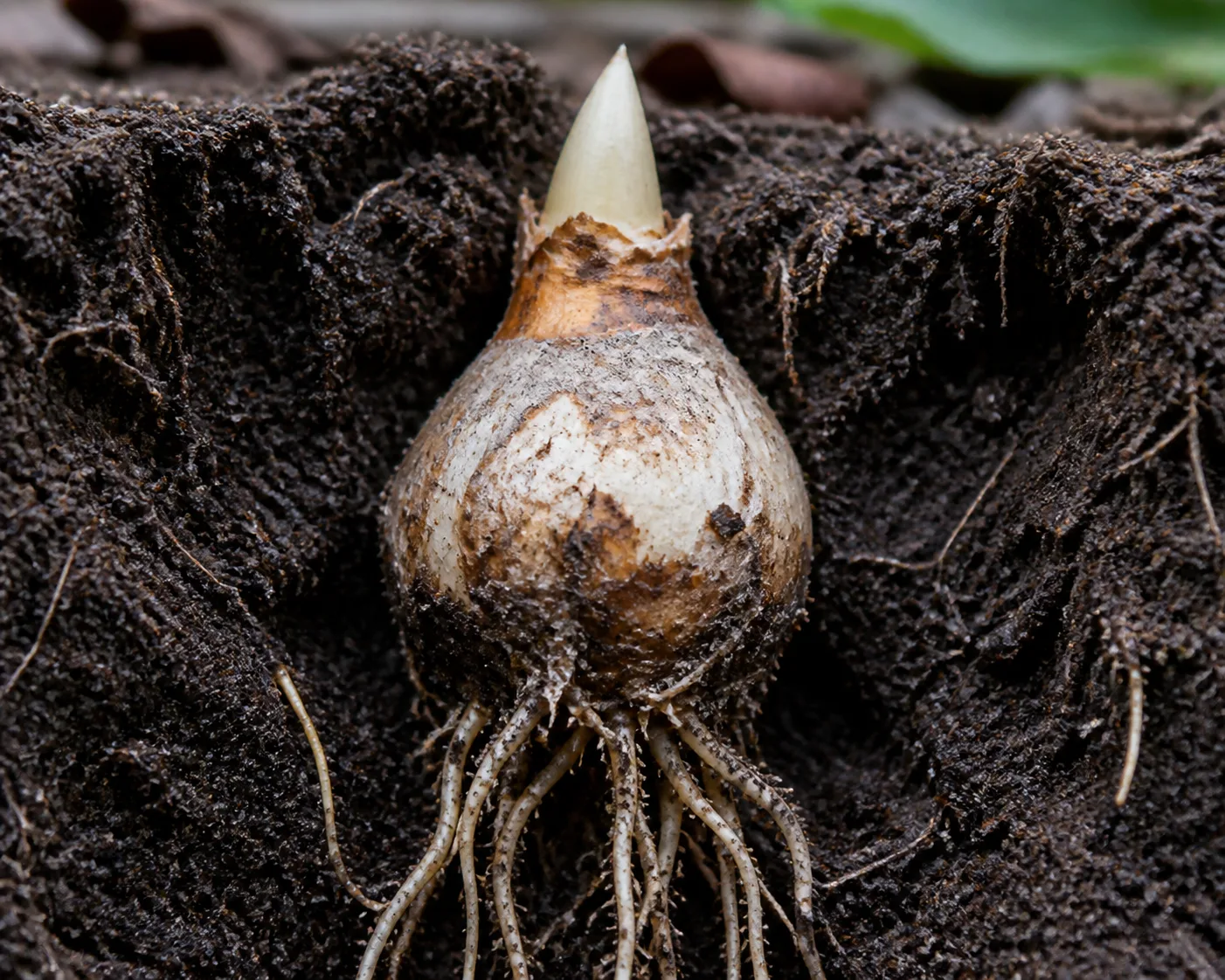
Daffodil bulbs are true tunicate bulbs built from layered, modified leaf scales wrapped in a papery skin, unlike the solid stem tissue inside a gladiolus corm, which is why daffodil bulbs stay firm and layered when you slice one open.
Choosing Daffodil Types Without Overthinking It
The official daffodil divisions are useful for shows, but most home beds need a simpler choice, weighing bloom window, height, color, and whether the variety is known to naturalize well.
Climate narrows the choice too. Cold-zone gardeners can use most classic large-cupped and trumpet types, while warm-zone gardeners should look for tazetta, jonquil, or other low-chill selections instead of assuming every bagged bulb will perennialize.
For a front border, pick shorter cyclamineus, miniature, or small-cupped types that stand up to wind. For a meadow edge or shrub border, choose trumpet, large-cupped, or jonquil types that can be seen from a distance.
Plan daffodils by bloom window, not just color. Early, midseason, and late cultivars can stretch the show for several weeks, while large-cup types, small-cup types, doubles, and miniature forms solve different jobs in beds, lawns, and containers.
- Trumpet and large-cupped
- Classic bold flowers, often 14-24 inches, strong for borders and cutting
- Miniature types
- Shorter plants for containers, rock gardens, path edges, and windy sites
- Jonquil and tazetta types
- Often fragrant, useful in milder climates where classic cold-zone types struggle
- Naturalizing mixes
- Best value for lawns, orchard edges, and informal drifts where bulbs can spread
The Royal Horticultural Society sorts daffodils into 13 official divisions by flower form, from classic trumpets to split-cup and double types, and that same system is what show judges and bulb catalogs use behind the scenes.
Light: Spring Sun Matters More Than Summer Shade
Sun exposure decides the result, since Daffodils bloom best with at least 6 hours of spring sun while their leaves are green. They do not need that same open exposure all summer, because the bulbs go dormant after the foliage yellows.
That is why beds under deciduous trees can work beautifully. Bare branches let in March and April sun, then summer leaves shade the dormant bulbs after the recharge period has finished.
Read the foliage before moving a clump, since weak leaves usually tell you more about future bloom than the flower count from one spring.
- Best site: full sun or open deciduous shade during bloom and foliage growth.
- Warm climates: morning sun and light afternoon shade help flowers last longer.
- Weak-bloom clue: heavy foliage with few stems in a darker bed.
- Companion idea: plant near later perennials such as daylilies that expand after bulb foliage fades.
Daffodils are one of the few spring bulbs tough enough to naturalize directly in lawn turf, since the foliage only needs a few extra weeks before the first mow to fully recharge the bulb.
Watering: Moist in Spring, Drier in Summer
Newly planted bulbs need one good soak in fall so soil settles around the roots. After that, established daffodils usually rely on normal rain unless spring turns unusually dry.
During active growth, keep the root zone lightly moist, not soggy. A slow soak is better than daily sprinkling, since the same deep watering habit helps bulb roots reach down instead of hovering near the surface.
Once leaves yellow, stop treating the bed like an active flower patch. Summer dormancy is when wet soil becomes dangerous, especially in clay beds, low spots, or areas hit by automatic lawn sprinklers.
Spring moisture helps bulbs finish their growth cycle, but summer dormancy should be comparatively dry. Irrigating a dormant bulb bed like annual flowers can keep the soil wet when the bulbs would rather rest.
Soil, Depth, and Spacing
Plant standard daffodil bulbs about 2-3 times as deep as the bulb is tall, which usually puts the top of the bulb near 6 inches below the soil surface. Miniatures can sit shallower.
The pointy end goes up, the flatter basal plate goes down, and the soil should drain well enough that a hole does not stay wet after rain. In heavy clay, raise the planting area rather than burying bulbs in a rich pocket that holds water.
Spacing depends on the look you want. Three inches apart gives a fuller first-year clump, while 5-6 inches leaves more room for offsets and is better when you want bulbs to naturalize over time.
Bulb depth matters because daffodils use the soil above them as insulation and anchoring weight. Shallow planting often gives weak stems and split clumps, while deep, heavy clay can keep bulbs wet long enough for basal rot to start.
- Planting window
- Fall, after soil cools but before the ground freezes
- Depth
- Usually 6 inches to bulb top for standard bulbs
- Spacing
- 3-6 inches, closer for display, wider for long-term clumps
- Soil
- Loose loam or amended clay that drains during summer dormancy
Daffodils tolerate a wide pH range and generally prefer soil that leans slightly acidic to neutral, so most established garden beds need no special pH correction before planting.
Letting Daffodils Multiply
Propagation works best when the plant is ready, since Daffodils multiply by making offsets beside the original bulb. You do not need to dig them every year, since a settled clump usually blooms better when it is left alone.
Divide only when bloom drops, the clump gets crowded, or you want to move bulbs. The right moment is after foliage has turned yellow and the bulbs have gone dormant, not while leaves are still feeding the bulb.
Once the leaves have fed the bulb, division is simple work, since the main decision is whether the clump is actually crowded enough to disturb.
- Wait until leaves yellow before lifting a crowded clump.
- Separate firm offsets by hand and discard soft or moldy bulbs.
- Replant right away at the correct depth, or store briefly in a cool dry place.
- Water once after replanting, then let seasonal rain take over.
Specialist growers speed up rare cultivars with twin-scaling, slicing a bulb into segments that each carry a sliver of basal plate, which produces dozens of tiny new bulbs far faster than waiting on natural offsets.
Pests, Rot, and Why Critters Usually Skip Them
One reason gardeners keep planting daffodils is that mammals usually avoid them. The bulbs contain bitter, toxic alkaloids, so deer, rabbits, voles, and squirrels often choose tastier plants first.
That resistance is useful around more vulnerable bulbs and flowers. A ring of daffodils will not create a perfect fence, but it can make a mixed spring bed less inviting than a row of exposed tulip bulbs.
The bigger risks are bulb fly, bulb mites, and rot in stressed beds. If foliage emerges weak, yellow, or twisted, dig one suspect bulb and check whether it is firm and white inside or hollow, brown, and soft.
A healthy bulb and a rotting bulb can look identical from the outside, so the only reliable check is cutting one open before you decide whether a weak clump needs digging up entirely.
A firm, white, layered interior means the bulb is fine and the problem lies elsewhere, while a hollow, brown, soft interior means basal rot has already destroyed the bulb and it should be discarded, not replanted.
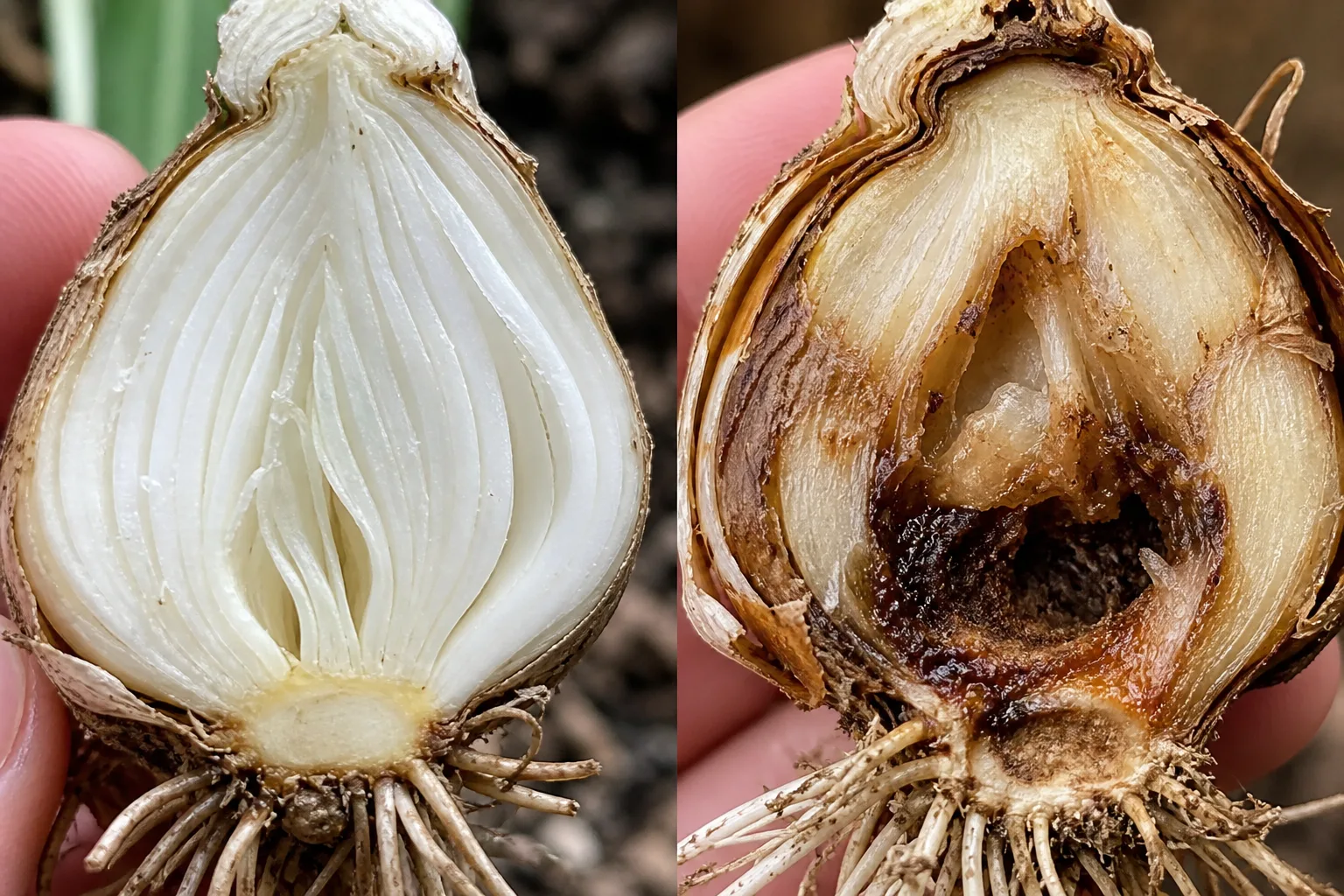
Leaves may be weak or absent. The bulb can be hollowed out by a larva.
Often follow damage or soggy soil, causing weak growth and soft tissue.
Shows as brown decay near the root plate, especially in warm wet soil.
May chew young foliage or flowers in damp beds, but rarely destroy mature clumps.
Seasonal Care From Fall Planting to Fading Leaves
The daffodil year starts in fall, not spring. Plant when soil has cooled, water once, and mulch lightly after the ground settles so freeze-thaw cycles do not heave shallow bulbs.
In spring, enjoy the flowers, then remove only the spent bloom if you want a tidier bed. The detailed deadheading daffodils job is about cutting seed pods while leaving the leaves alone.
Those leaves need about 4-8 weeks after bloom to feed next year's flowers. Do not braid, mow, tie, or hide them under heavy mulch, but let them yellow naturally, then pull or cut away the dead foliage.
If a clump sends up leaves but no flowers, work through the likely causes before replacing it. Shade, crowding, shallow planting, early leaf removal, and warm winters are the usual suspects behind daffodils not blooming.
The leaves are the recharge system for next year. Let foliage yellow naturally after bloom, even if the flowers are gone, since tying or cutting green leaves early is the reason many daffodil patches bloom heavily once and then fade.
Plant firm bulbs, water once, and mulch after soil cools.
Water during dry spells and cut spent flowers if seed pods start forming.
Leave green foliage until it yellows and collapses naturally.
Keep dormant bulbs on the dry side and divide crowded clumps if needed.
Daffodils need a real stretch of winter chilling to trigger normal bloom, so bulbs planted in a mild winter that never gets cold enough can push up leaves but skip flowering entirely that spring.
Safety and Garden Role
For people, pets, and wildlife, Daffodils are ornamental bulbs, not edible plants. All parts can cause stomach upset if eaten, and the bulb is the most dangerous part for dogs, cats, livestock, and curious kids.
Wear gloves if you handle many bulbs or divide large clumps, because sap can irritate sensitive skin. Store unplanted bulbs away from onions, garlic, and anything else someone might mistake for food.
That ecological role is useful but secondary to the bulb safety issue, so place clumps where pets and children are not likely to dig them up.
The same alkaloids that make daffodils deer-resistant also make them unsafe to eat. Keep bulbs separate from edible alliums during storage and planting, since the dry bulbs can look confusingly similar in a busy shed.
The specific compound behind daffodil toxicity is called lycorine, an alkaloid concentrated most heavily in the bulb, which is why the bulb poses more risk than a nibbled leaf or petal.
Frequently Asked Questions
Do daffodils come back every year?
Yes, daffodils are perennial bulbs in most cool and temperate gardens. They return best when planted deep, grown in spring sun, kept from summer wetness, and allowed to keep their leaves until they yellow naturally.
When should I plant daffodil bulbs?
Plant daffodil bulbs in fall after the soil cools but before the ground freezes. In cold zones that may be September or October, while in milder climates it may be November or early winter.
Why do my daffodils have leaves but no flowers?
Leaf-only daffodils usually point to too much shade, crowded bulbs, shallow planting, warm winters, or foliage that was cut too early the previous year. Start by giving the leaves a full recharge period, then divide or move the clump if bloom does not return.
Can daffodils grow in containers?
Yes, daffodils grow well in containers for spring display. Use a deep pot with drainage, plant bulbs close but not touching, water after planting, and protect pots from repeated freeze-thaw cycles in cold climates.
Are daffodils deer resistant?
Yes, daffodils are among the more reliable deer-resistant spring bulbs because the plant contains bitter toxic compounds. Hungry animals can still sample almost anything, but daffodils are far less tempting than tulips.
Are daffodils poisonous to pets?
Yes, since daffodils are toxic to cats, dogs, and livestock, especially the bulbs. Keep stored bulbs out of reach and contact a veterinarian if a pet chews or swallows plant parts.
Sources & References
Related Plants
Tulip
Classic spring bulb with a wider color range but less critter resistance than daffodils.
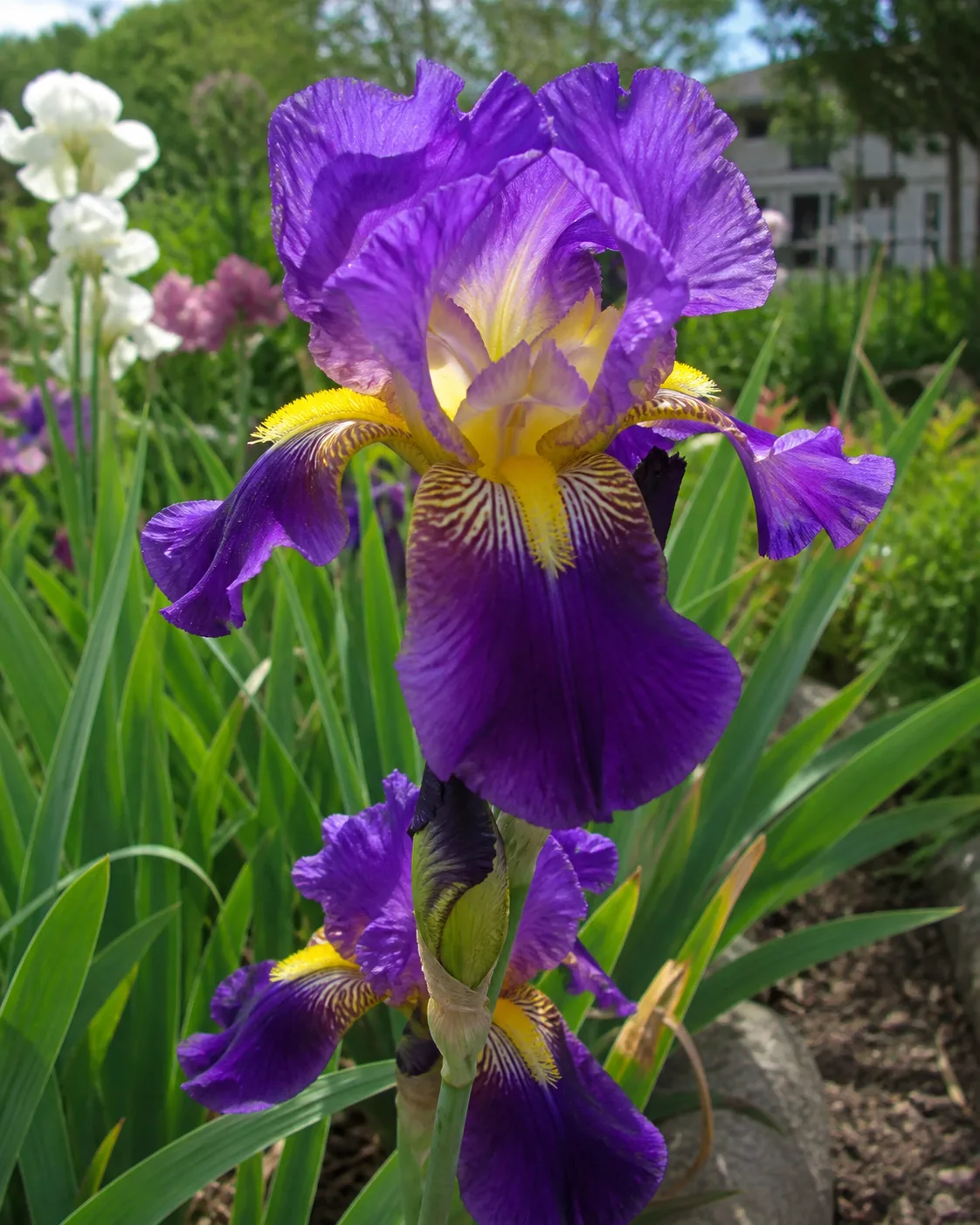
Bearded Iris
Late-spring perennial with upright foliage that can follow daffodils in sunny beds.
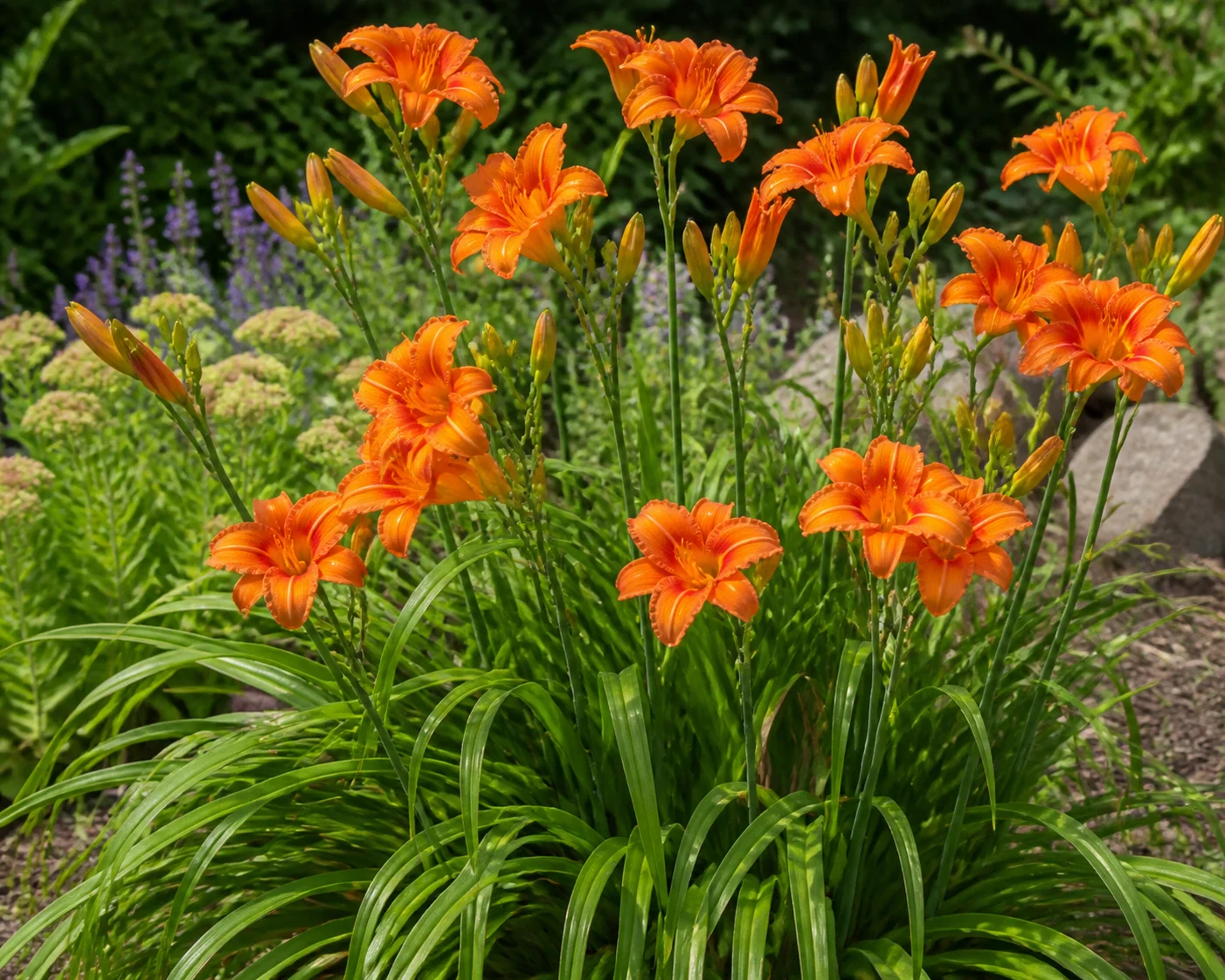
Daylily
Summer-blooming perennial that hides yellowing daffodil foliage as the bulb season ends.
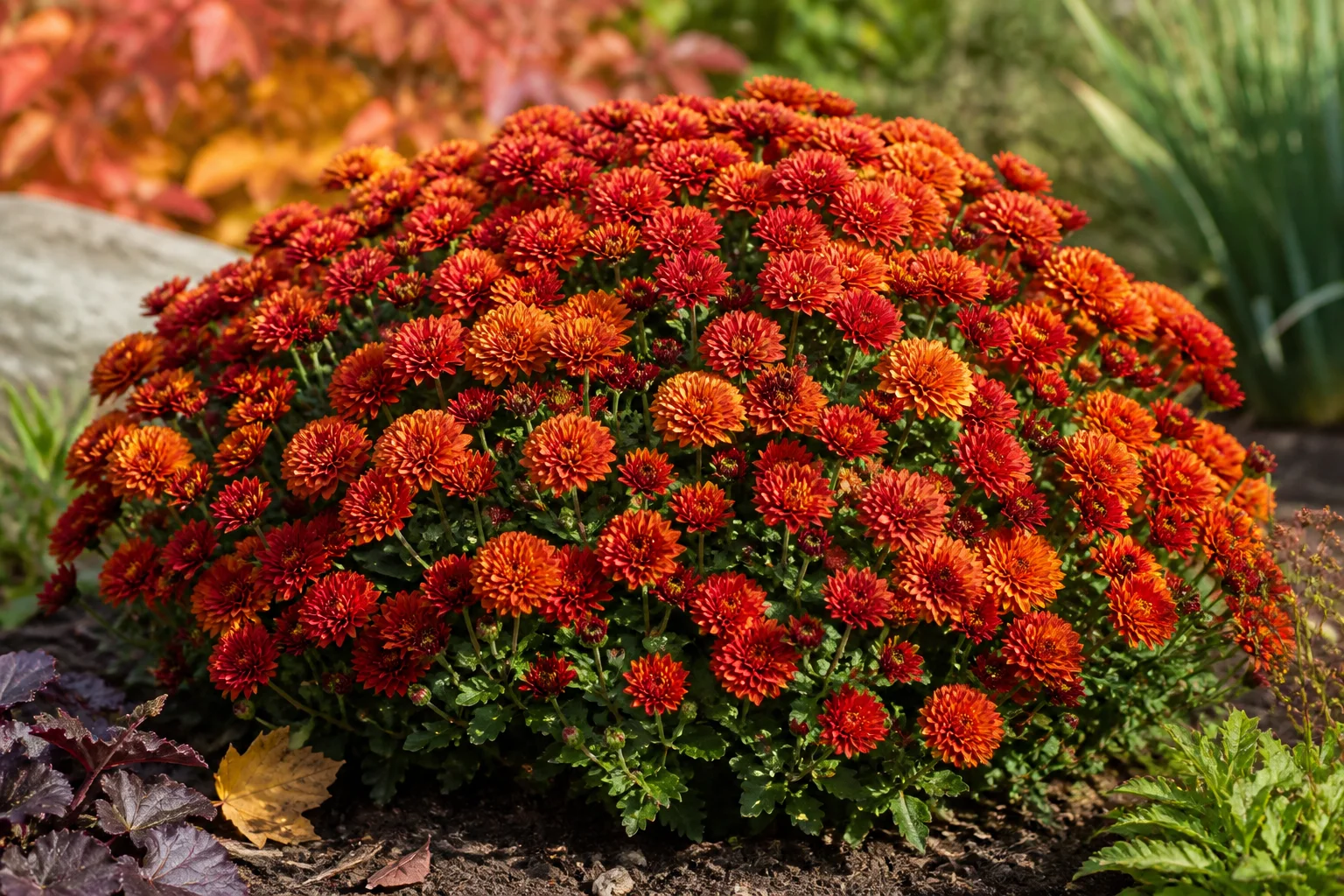
Chrysanthemum
Garden mums are the compact chrysanthemums most people buy for fall color.
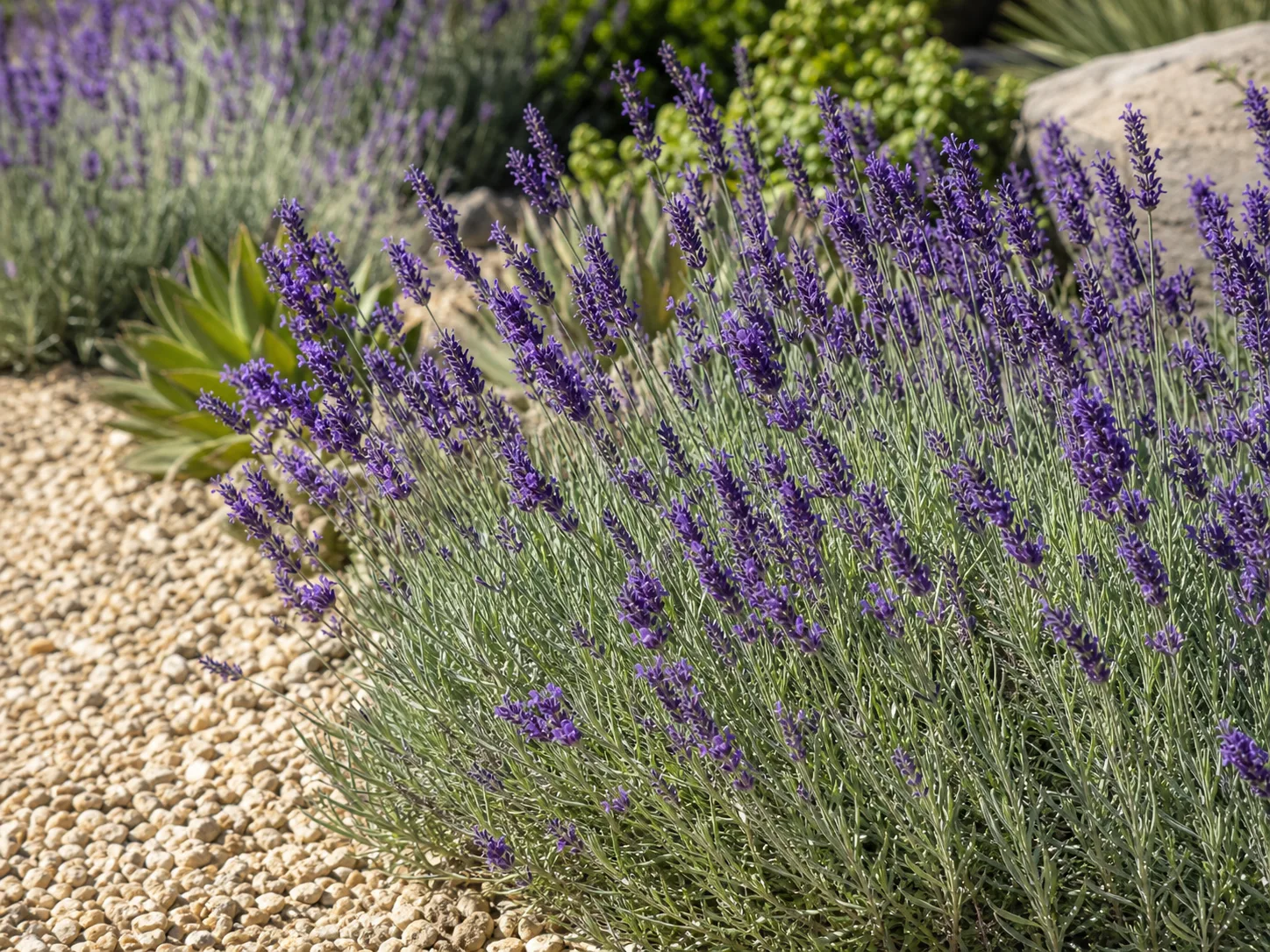
English Lavender
English Lavender is a woody Mediterranean subshrub grown for fragrant purple flower spikes, silvery foliage…
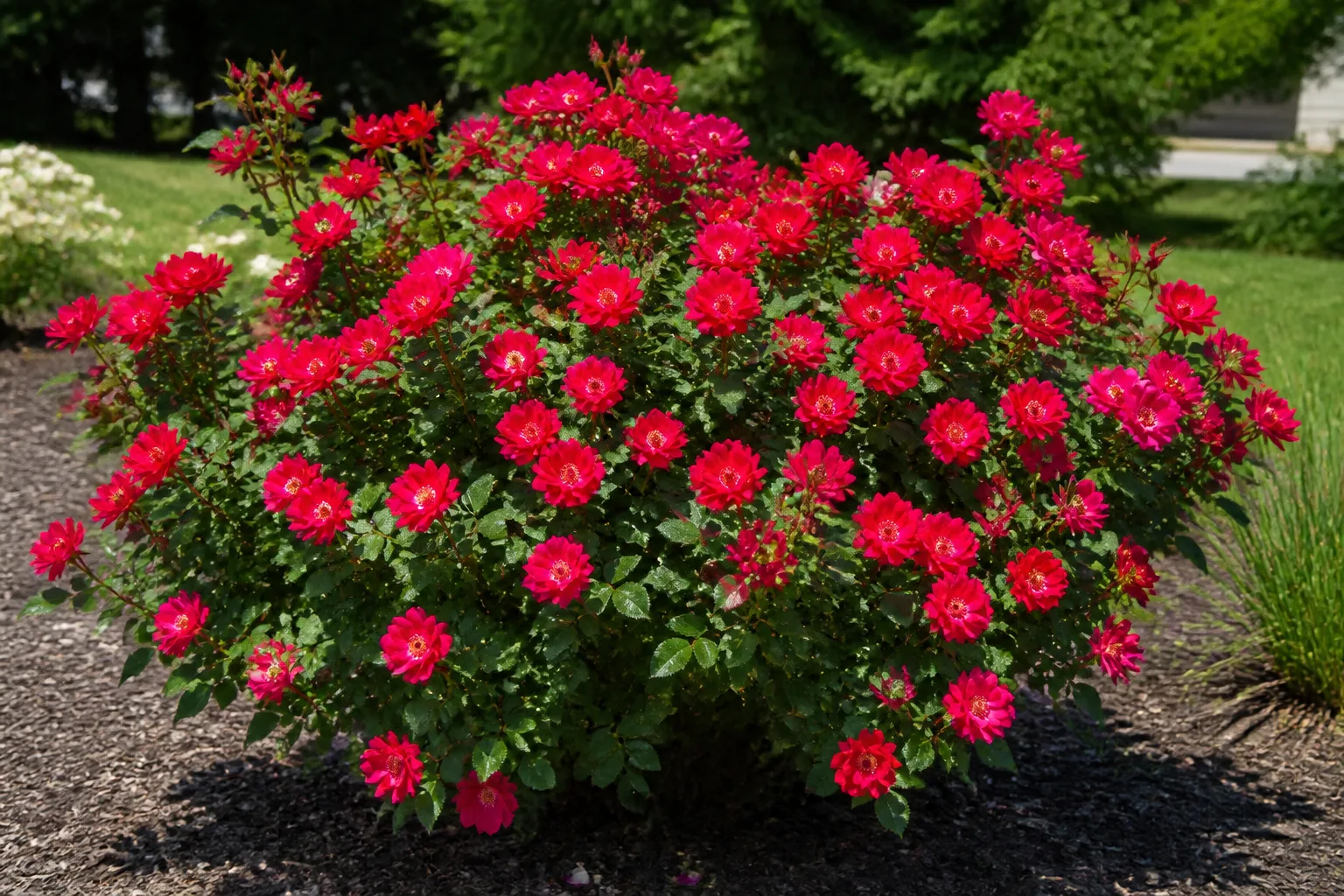
Knock Out Rose
Knock Out Roses are landscape shrub roses bred for repeat bloom, compact habit, and better disease resistance than many…