
What Are Garden Mums? Growing Chrysanthemums for Fall Color
Chrysanthemum morifolium Asteraceae
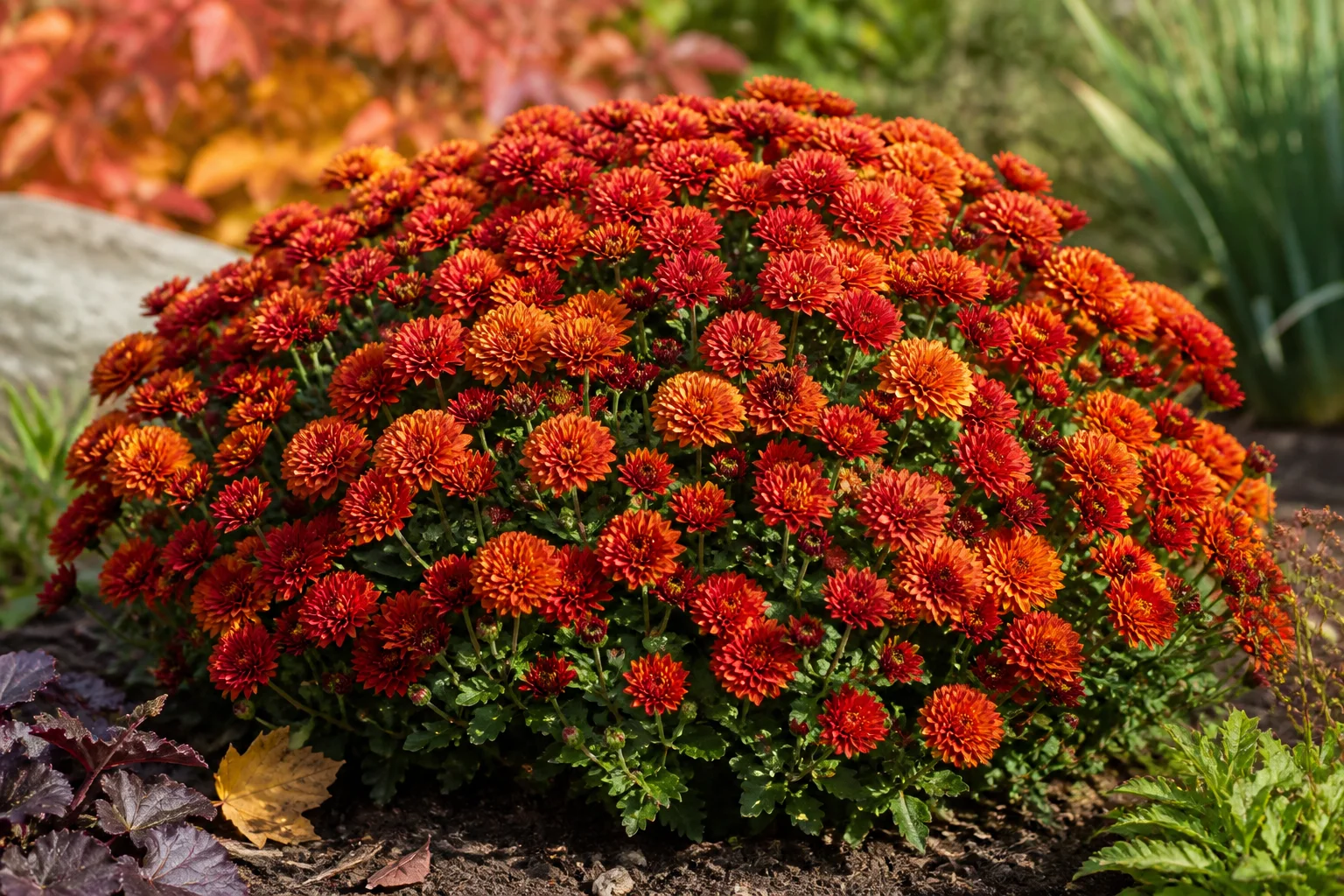
Garden mums are the compact chrysanthemums most people buy for fall color. They bloom best in full sun, steady moisture, and soil that drains well.
If you want them to return, buy hardy garden mums early enough for roots to settle before winter.
Care snapshot
Garden Mum or Florist Mum? Read the Plant Before You Buy
Chrysanthemum morifolium is the garden mum behind most fall porch pots, border mounds, and florist-style displays. The trick is knowing whether you bought a temporary show plant or a hardy garden mum worth planting for future years.
The same plant can be sold as a gift pot, a porch display, or a perennial border mum, but those uses are not equal. A greenhouse-finished pot may have dozens of buds and very little time to establish outdoors.
Most cushion mums stay around 12-18 inches tall and wide, while upright or specialty forms can reach 2-3 feet.
The compact dome is not accidental. Growers pinch stems earlier in the season so buds cover the plant instead of sitting only at the tips.
Mums are short-day plants, so they build leaves through summer and set buds as nights lengthen. That timing is why they shine after many summer fall blooming flowers have either peaked or started looking tired.
That short-day breeding trick is not new.
Chrysanthemums have been cultivated in China since at least 1500 BC, and by the 8th century the flower had reached Japan, where it became so deeply culturally important that the emperor's own throne is still officially called the Chrysanthemum Throne today.
Start with the job you want the plant to do.
A front-step pot needs a tight cushion mum with buds already opening, while a border plant needs a hardy strain planted early, with enough room to root before frost.
Hardiness labels matter more than color names. A mum sold as hardy to Zone 5 or colder is a better perennial gamble than an unlabeled grocery-store dome, especially if you plant after Labor Day.
Check bud stage before buying.
A plant with mostly tight buds will genuinely last longer on a porch, while a plant already in full color is better for immediate instant display but may fade sooner before the rest of the fall bed catches up.
For genuinely mixed beds, pair mums with plants that cover other bloom windows well. Shasta Daisy and Black Eyed Susan carry summer.
Chrysanthemum and aster clumps together finish the season out, so the bed still has real color after the main summer show fades.
Choose between florist mums and garden mums before you plan the bed.
Florist types are bred for a finished pot and often have shallow, forced root systems, while hardy garden mums need to be planted earlier so roots can anchor before freeze-thaw weather starts.
- Cushion mums
- Compact domes, often 12-18 inches, best for pots, edging, and porch color
- Upright mums
- Looser stems, often 18-24 inches, useful in borders and cut-flower rows
- Spider, quill, anemone types
- Specialty blooms with unusual petal shapes, usually grown for display or cutting
- Minnesota-style hardy lines
- Bred for cold performance, including cushion, shrub cushion, and wave habits
Light: Sun Levels for Strong Blooms
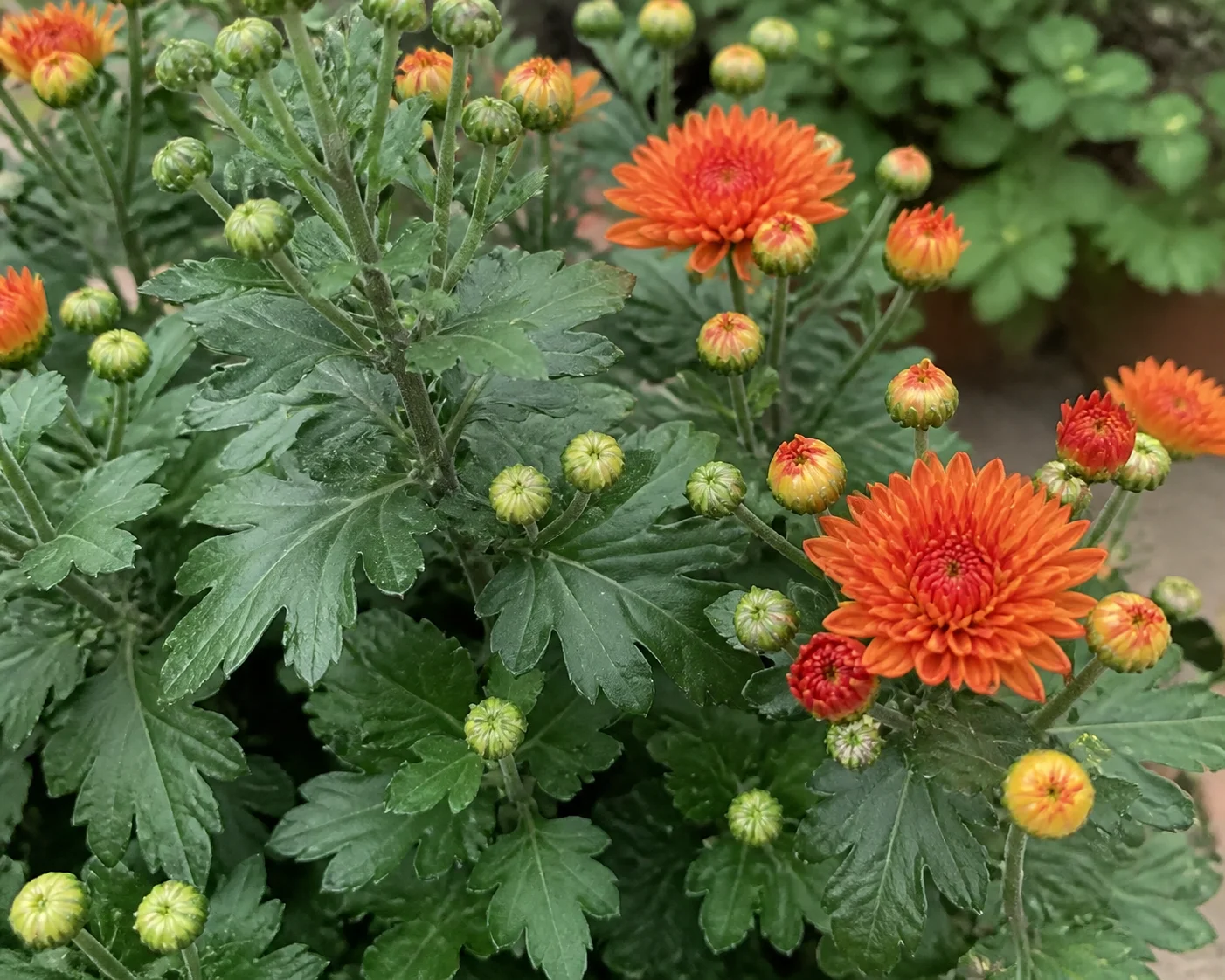
Give garden mums 6 or more hours of direct sun if you want dense plants covered in buds. Shade does not usually kill them, but it makes stems stretch and leaves you with a loose plant that opens from the outside in.
In hot southern gardens, morning sun with light afternoon protection is a fair trade. The plant still gets enough energy, while blooms fade less quickly than they would against a west-facing wall or heat-holding patio.
Use that night-light warning as part of the site read. The best spot gives sun by day and real darkness once buds begin forming.
- Best bloom: 6-8 hours of direct sun in most zones.
- Hot climates: morning sun plus light afternoon shade.
- Poor bloom clue: leafy growth, stretched stems, and few buds.
- Short-day issue: bright night lighting near the plant.
Watering Garden Mums the Right Way
Chrysanthemums need even moisture while buds are swelling, but they hate wet crowns. In garden soil, aim for a deep soak when the top couple of inches dry.
In nursery pots, expect to check almost daily during warm, windy weather.
A wilted pot mum may drop buds even after you rescue it. Water at the soil line until water drains freely, then empty saucers so roots are not sitting in a puddle.
Container mums dry much faster than border mums because the dome of leaves sheds rain away from the potting mix. Lift the pot or check below the surface before watering.
A mum can wilt from dry roots even when the top looks damp after a light shower.
- Containers: water when the top 1 inch feels dry.
- Garden beds: soak the top 6 inches during dry fall weather.
- Disease prevention: water in the morning and keep leaves dry.
- Winter prep: keep hardy mums from going bone-dry before the ground freezes.
Soil, Drainage, and Planting Depth
Drainage is the difference between a mum that returns and one that rots out after a wet winter. Plant Chrysanthemums in fertile soil that stays evenly moist but lets extra water move away from the crown.
If your bed is heavy clay, loosen the planting area and raise the crown slightly rather than burying it deeper. A modest mound with compost and fine bark is safer than a deep, rich pocket that holds water.
Winter drainage is more important than summer fertility for perennial mums. A rich low spot can grow a beautiful fall mound and still lose the crown when cold rain and freeze-thaw cycles sit around the roots.
- Dig a hole as deep as the pot and about 2 times wider.
- Loosen circling roots before setting the plant in place.
- Backfill with amended native soil and firm gently.
- Water once to settle soil, then add 1-2 inches of mulch away from stems.
Pinching, Division, and New Plants
If you want a full mound next fall, the important work happens long before the plant blooms. Pinch new stems in late spring and early summer, stopping by mid-July in many climates so the plant can set fall buds.
Overwintered mums are best divided in spring when shoots are 2-4 inches tall. Lift the clump, discard the woody center, and replant vigorous outer pieces with several shoots and healthy roots.
Stem cuttings also root well from soft, non-flowering growth in late spring. Use a clean mix, bright indirect light, and steady humidity until roots form, then pot them on before moving outside.
Keep the work small and timed well. Mums respond better to a few early pinches than to one hard correction after buds are already visible.
- Pinch soft tips when new growth reaches about 6 inches.
- Repeat every 3-4 weeks until early or midsummer.
- Divide crowded clumps every 2-3 years in spring.
- Replant divisions in full sun with crowns level to the soil.
Common Pests and Diseases on Chrysanthemums
Most mum problems start with crowding, wet foliage, or stressed pots. Aphids, thrips, spider mites, leaf spots, Botrytis, and root rots all become worse when plants sit packed together with poor airflow.
Check the newest shoots and tight buds first. Aphids often cluster there, and a quick rinse or insecticidal soap treatment works better before colonies spread.
The same timing logic applies to aphid pressure in other flower beds.
Pinching and spacing also reduce pest pressure. Dense mums trap humidity inside the mound, which makes mites, aphids, and foliar disease harder to catch before the plant is already in bud.
Look for distorted buds, sticky residue, and insects hiding in tender growth.
Hot, dry spots cause stippled leaves and fine webbing, especially on stressed container mums.
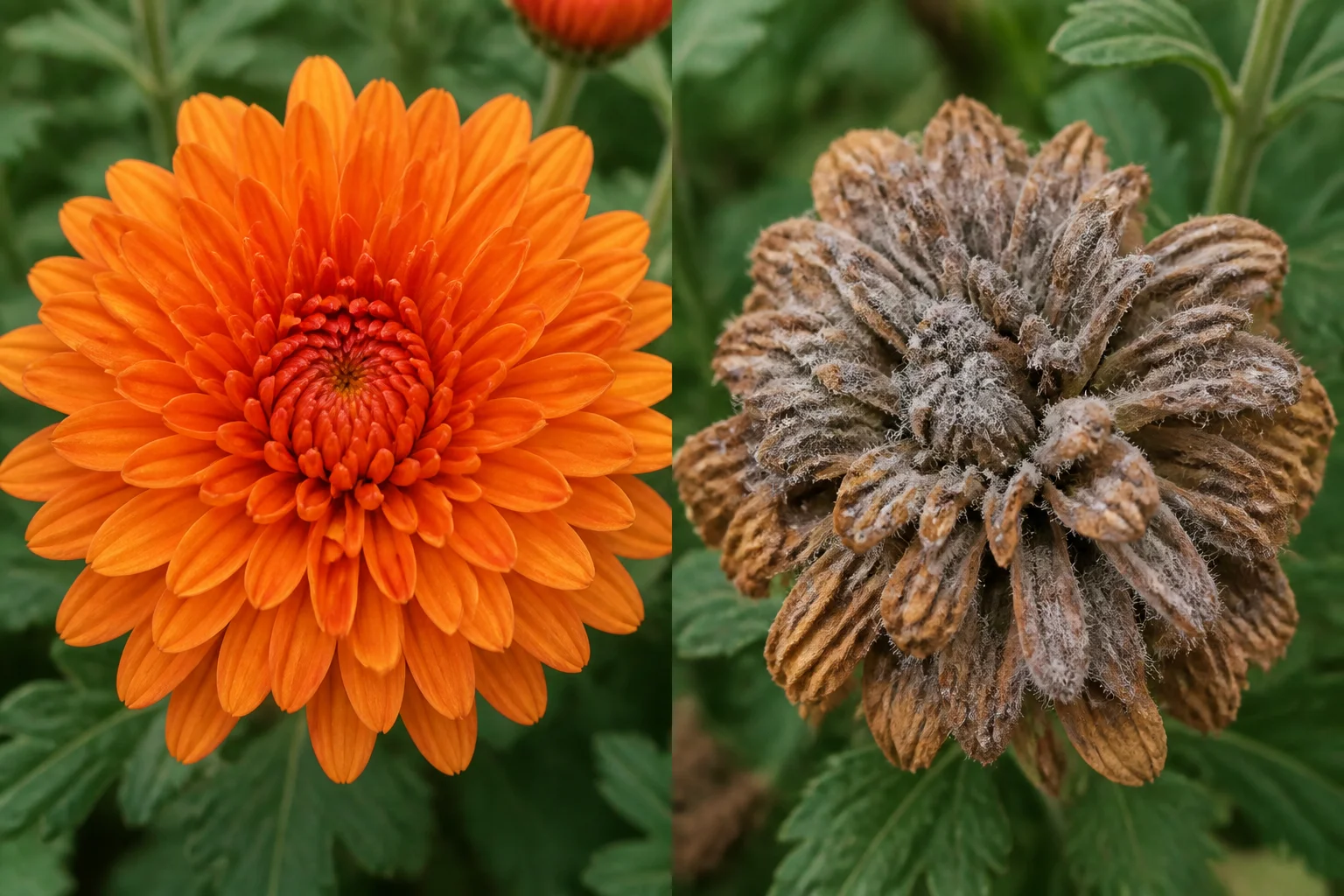
Brown petals, gray mold, or spotted lower leaves usually point to wet foliage and poor airflow.
Sudden collapse in wet soil means drainage has failed, not that the plant needs more water.
Seasonal Care by Climate
Treat spring-planted hardy mums differently from October porch pots. Spring plants spend months rooting and branching.
Late-bought pots are usually best enjoyed as seasonal color unless your winter is mild.
For perennial attempts in cold climates, plant by late August or early September when possible. The later you plant, the less time roots have before freezing soil, which is why many fall purchases behave more like annual versus perennial color.
Do not cut hardy mums flat right after bloom in cold areas. Leave stems until a hard frost, then protect the crown with loose mulch so freeze-thaw cycles do not heave roots out of the soil.
In cold zones, survival depends less on the fall flower show and more on what happens afterward. Leave some stems standing after frost, mulch loosely once the ground starts to freeze, and avoid cutting the crown flat while winter moisture can settle into it.
Remove winter mulch gradually, divide crowded clumps, and pinch new growth for bushier plants.
Keep soil evenly moist, stop pinching by mid-July, and watch for mites during hot dry spells.
Deadhead spent blooms, water during dry weeks, and use deadheading mums guidance for longer color.
Leave top growth for insulation in cold zones, then add 3-4 inches of loose straw, pine needles, or evergreen boughs.
Safety, Pets, and Garden Impact
Stated plainly, Chrysanthemums are useful late nectar plants, especially single and semi-double forms where pollinators can reach the center. Very dense decorative types are showier for porches but less useful than open flowers.
They are not aggressive spreaders in ordinary beds, but they are not a substitute for native fall bloomers. If wildlife value is the main goal, mix mums with beneficial-insect plants and native asters.
For pets, treat mums as toxic enough to manage. Cats, dogs, and horses can react to the plant's irritant compounds, so keep pots out of chewing range and call a veterinarian if a pet eats more than a small nibble.
Frequently Asked Questions
Are garden mums annuals or perennials?
Chrysanthemums are herbaceous perennials by type, but many fall-bought pots act like annuals because they are planted too late to root before winter. Hardy garden mums planted in spring or late summer have a much better chance of returning.
When should I plant mums if I want them to come back?
Plant hardy garden mums in spring if you can. Late August or early September can still work in many Zone 5-7 gardens, but October planting is mostly for seasonal color because roots have little time before freezing soil.
Why did my chrysanthemum stop blooming so quickly?
Short bloom usually comes from drought stress, too much shade, heat against pavement, or buying a plant that was already near the end of its flush. Keep soil evenly moist, give full sun, and remove spent flowers while firm buds remain.
Do chrysanthemums need to be pinched?
Yes, if you are growing them as garden plants. Pinch soft new tips when stems reach about 6 inches, repeat through early summer, and stop before bud-setting season so the plant has time to bloom in fall.
Can I overwinter potted mums?
You can try, but potted mums freeze harder than in-ground plants. Move the pot to an unheated, protected spot that stays cold but not deeply frozen, keep the soil barely moist, and replant outdoors in spring.
Are chrysanthemums safe for cats and dogs?
No, Chrysanthemums are listed as toxic to cats and dogs, with possible vomiting, diarrhea, drooling, incoordination, and skin irritation. Keep them away from pets that chew plants.
Sources & References
- North Carolina Extension Gardener Plant Toolbox - Chrysanthemum x morifolium
- University of Minnesota Minnesota Hardy - Chrysanthemum Breeding
- Virginia Cooperative Extension - Overwintering Mums
- ASPCA - Chrysanthemum Toxicity to Pets
- Missouri Botanical Garden Plant Finder - Chrysanthemum morifolium 'Bedazzled Bronze'
Related Plants
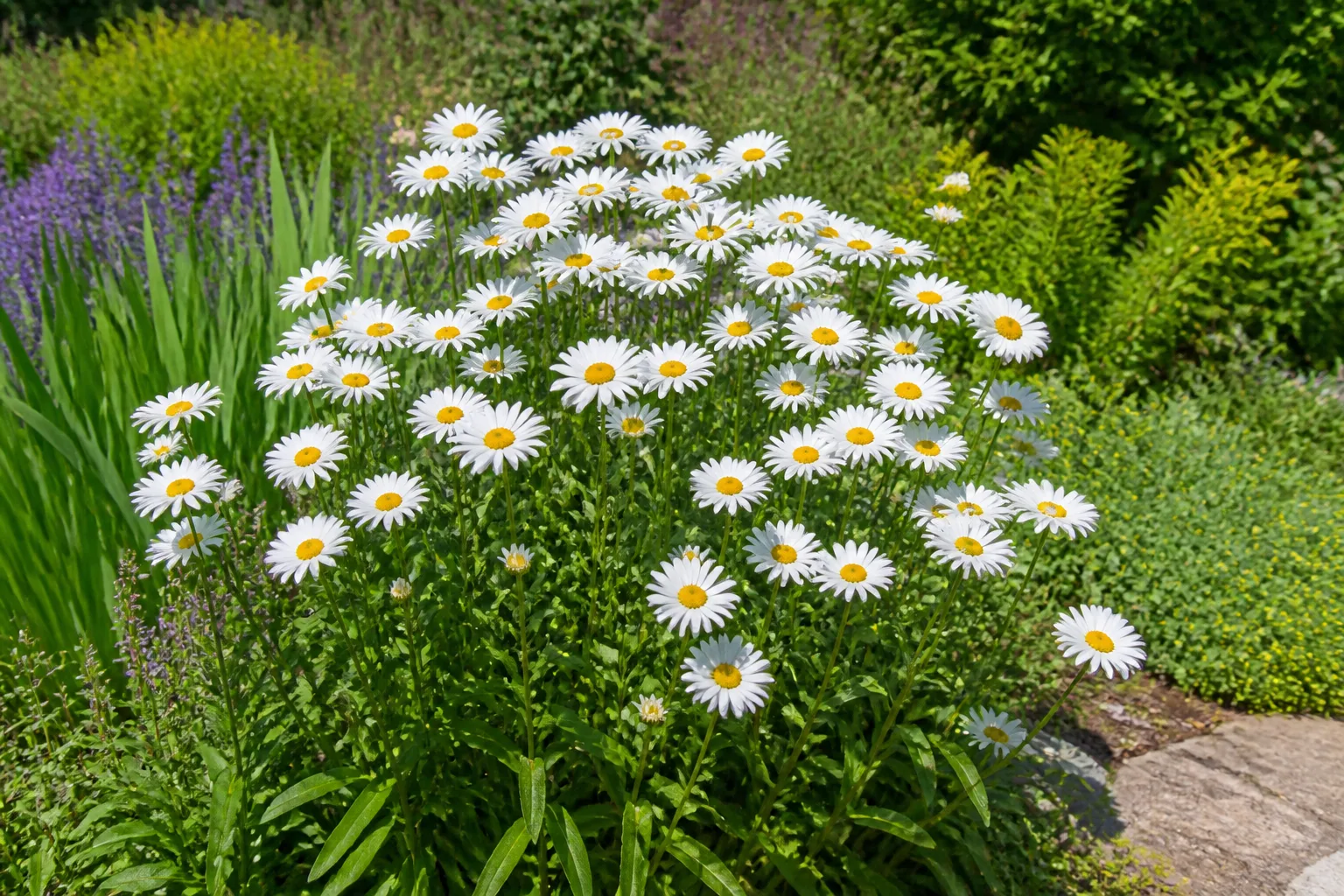
Shasta Daisy
White, daisy-style perennial for sunny borders that blooms earlier in the season.
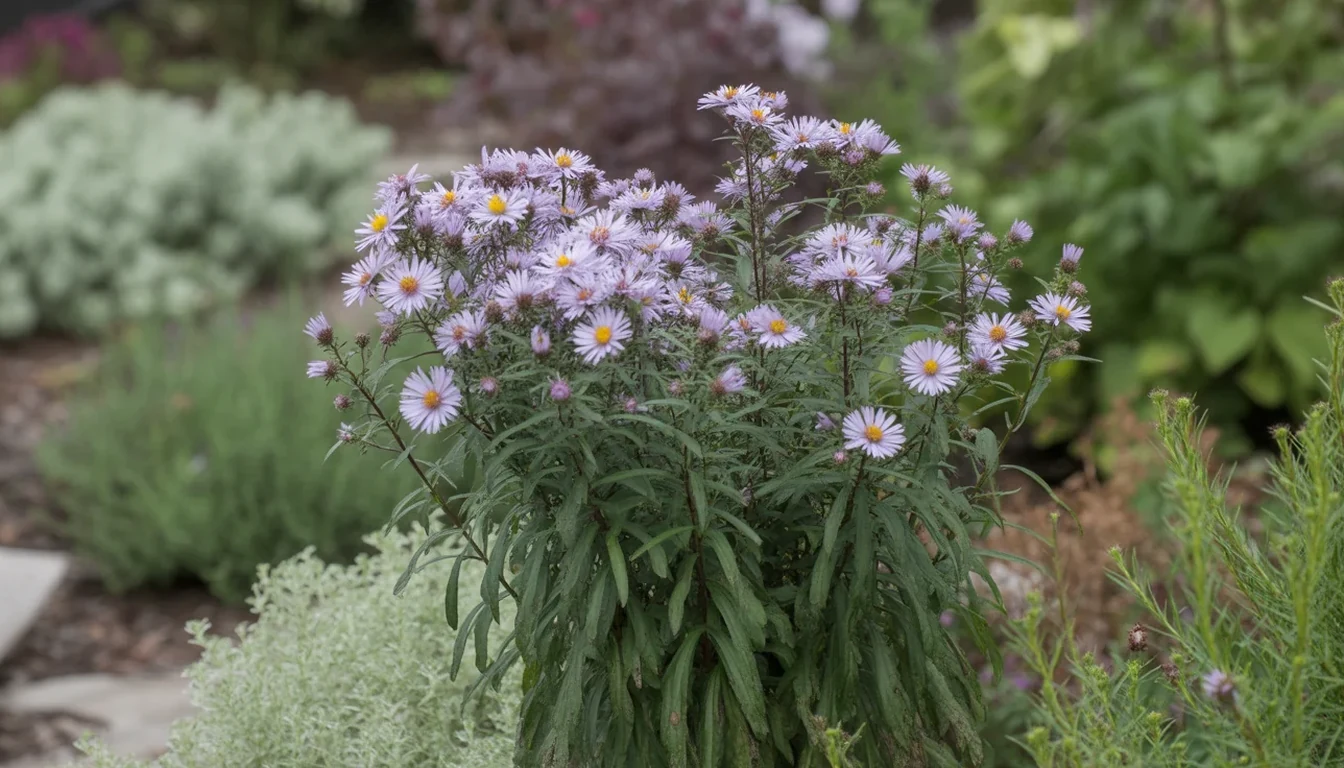
Aster
Another fall-blooming perennial that pairs well with mums in mixed borders.
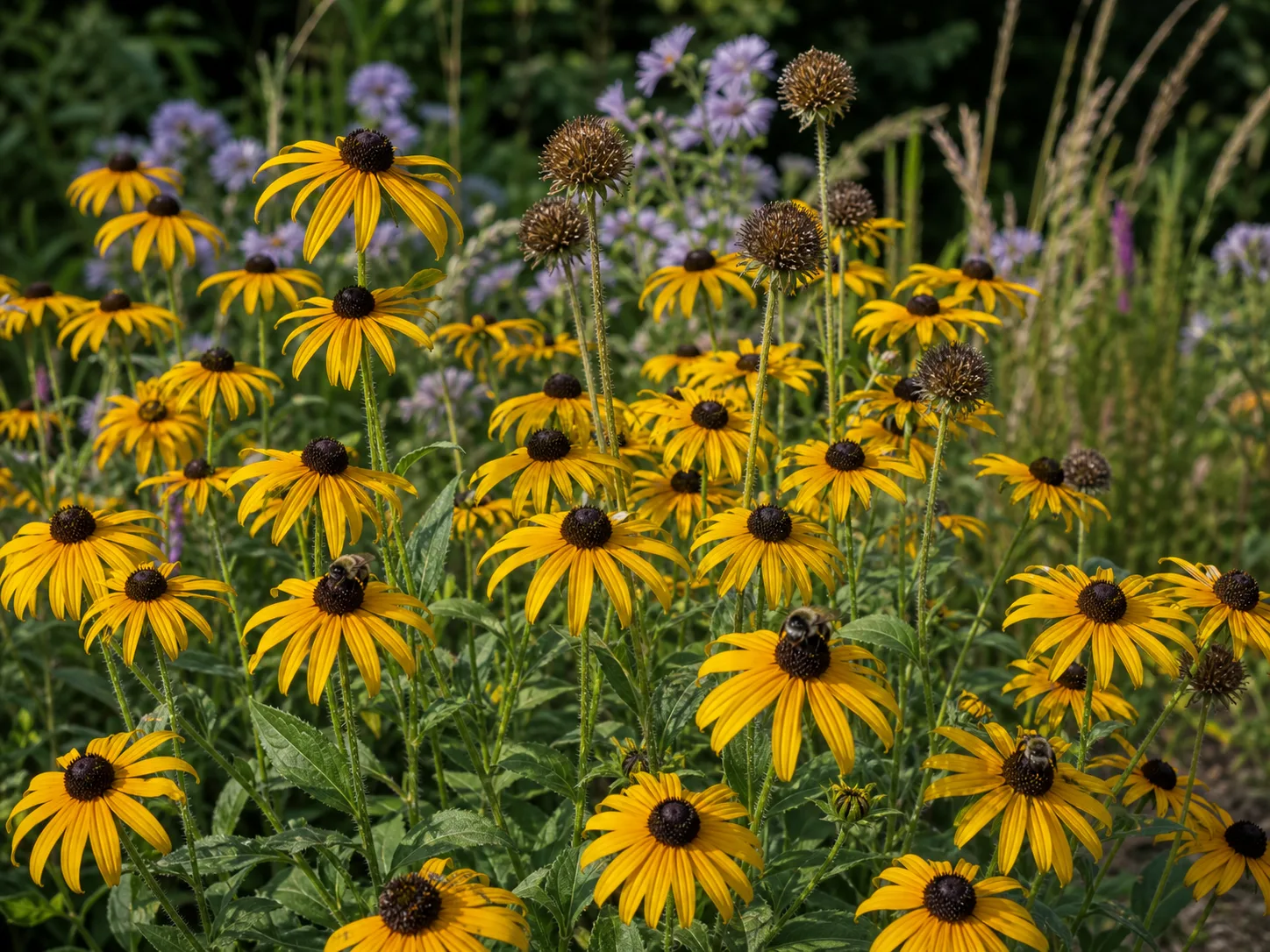
Black-Eyed Susan
Bright midsummer bloomer that bridges the gap before mums open.
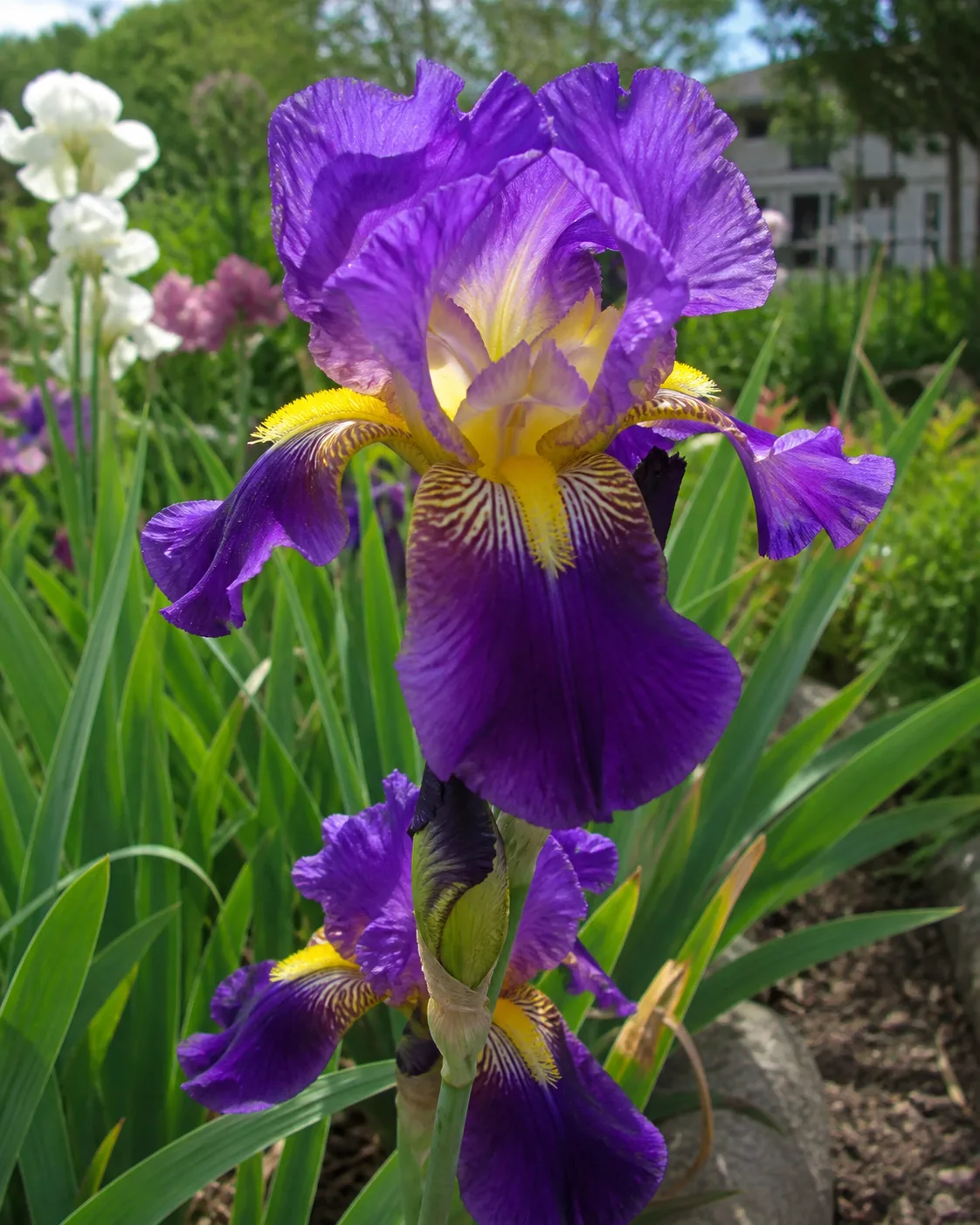
Bearded Iris
Bearded iris are tough, sun-loving perennials grown from shallow rhizomes, not deep bulbs.
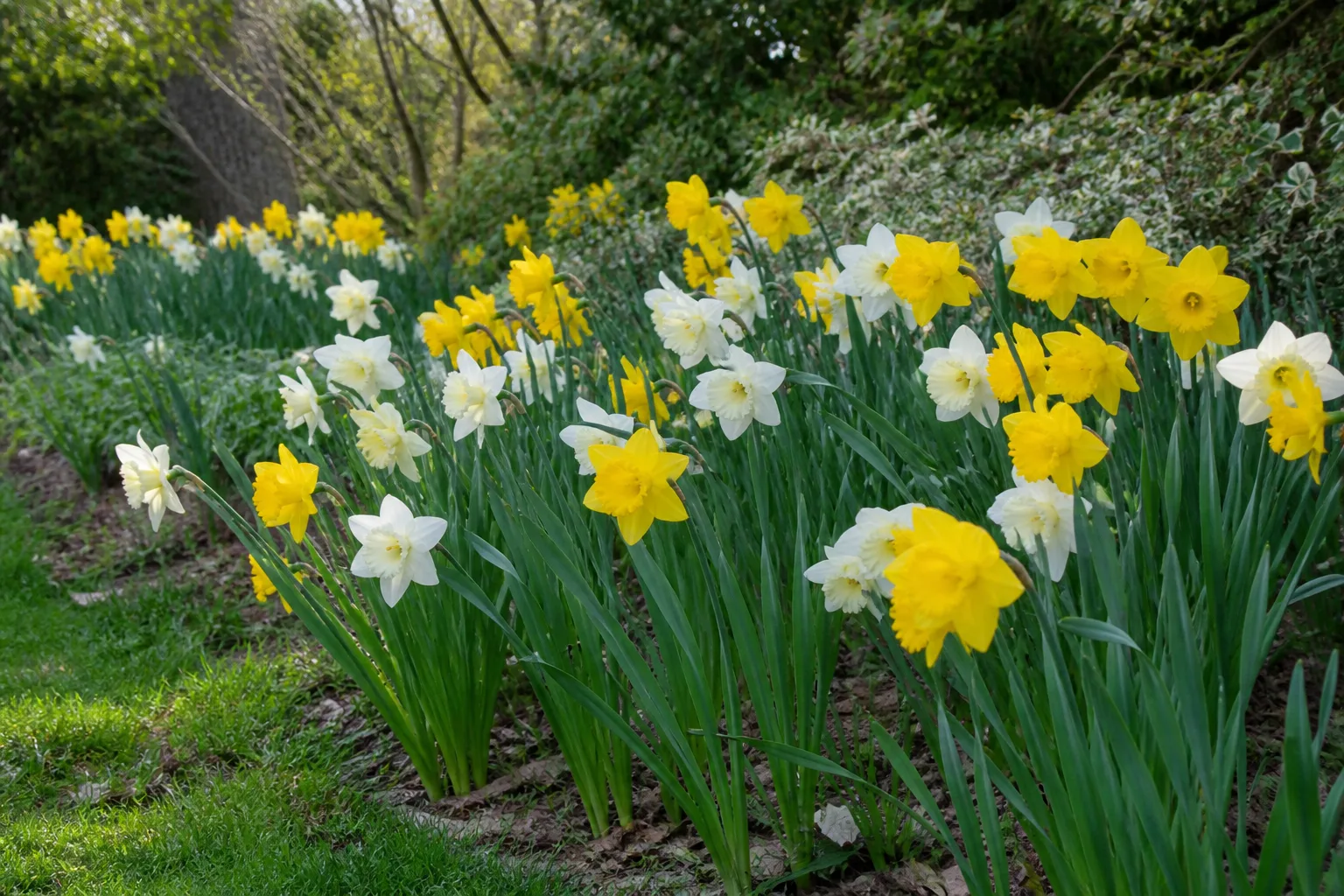
Daffodil
Daffodils are hardy fall-planted bulbs grown for reliable spring flowers, deer resistance, and decades of return bloom…
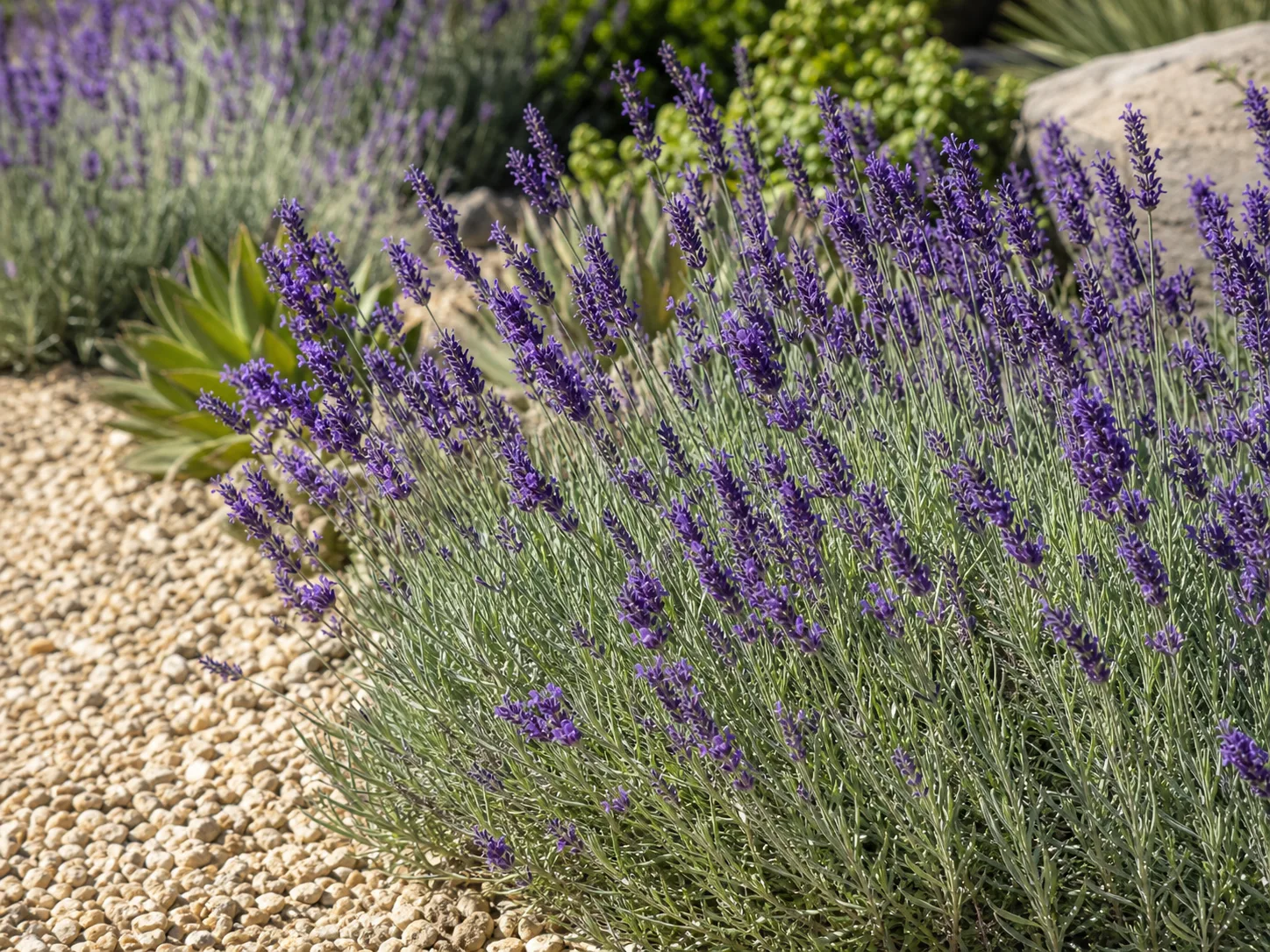
English Lavender
English Lavender is a woody Mediterranean subshrub grown for fragrant purple flower spikes, silvery foliage…