Forecast
Delay work when frost, heavy rain, heat, or wind would undo it.

Seasonal planning tool
Explore general monthly checks for temperate Northern Hemisphere gardens. Your USDA zone adds winter-hardiness context; local weather, soil, and plant growth decide the timing.
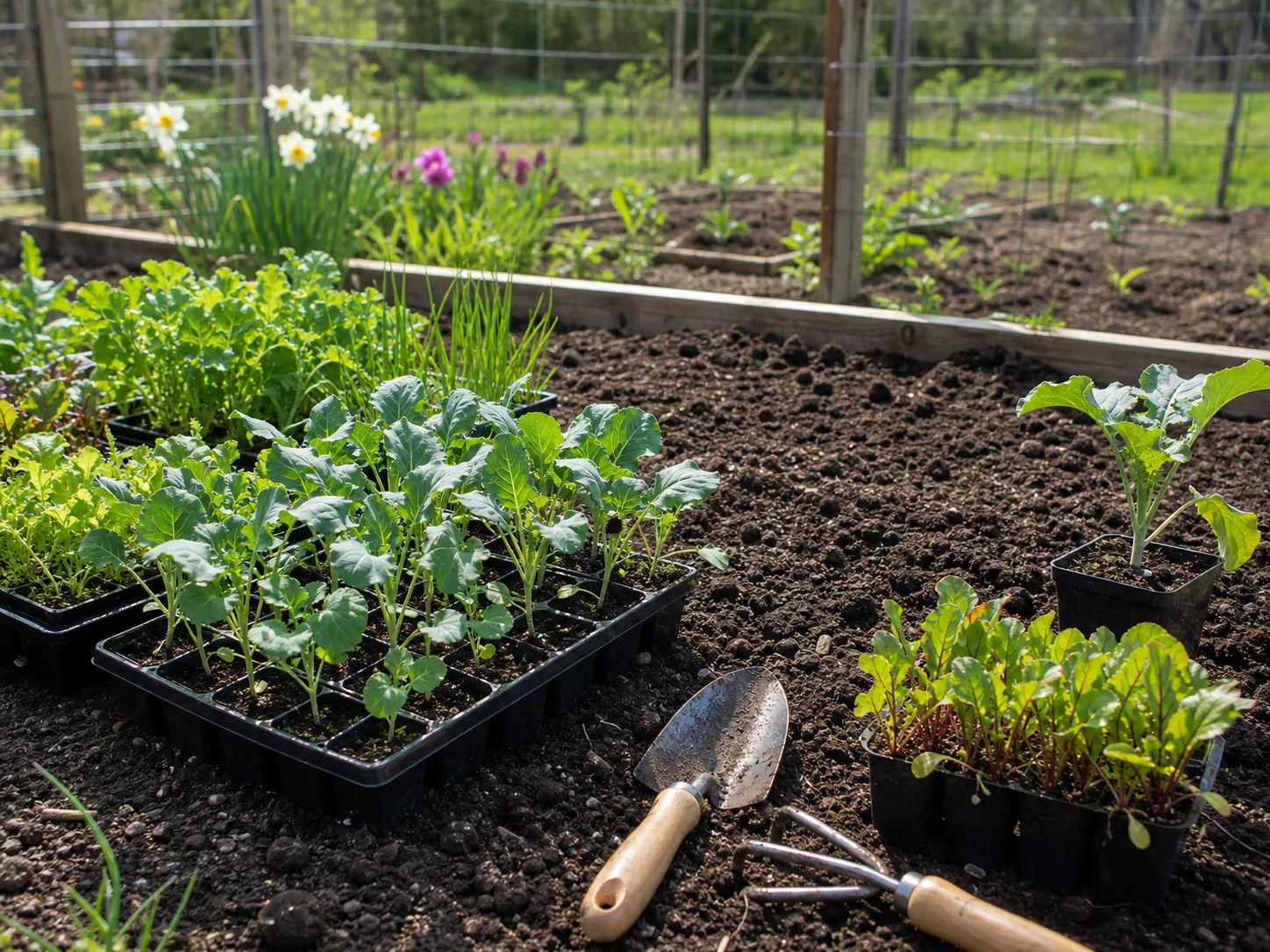
The month gives you a shortlist. These observations help you judge whether a task fits current conditions.
Delay work when frost, heavy rain, heat, or wind would undo it.
Check temperature, moisture, and whether the ground can be worked without compaction.
Use buds, new growth, bloom, fruit, or dormancy as the plant's current signal.
Compare this season with your own frost, bloom, pest, and harvest records.
Open a month for planting priorities, maintenance checks, and seasonal risks.
A zone narrows the expected cold range. Local weather and plant growth still decide the working day.
Use soil condition and frost risk to time early planting, cleanup, and cool-season lawn work.
Track heat, rainfall, flowering, harvest, and pest pressure while plants are growing quickly.
Check winter damage, tool condition, stored supplies, and projects that should wait for active growth.
Use dates from local weather records to calculate the interval between frosts.
Regional contextCompare hardiness with regional heat, rainfall, and seasonal constraints.
MethodsUse a step-by-step guide for the exact planting, watering, pruning, or lawn task.