
How to Choose a Plum Tree and Grow It for Backyard Fruit
Prunus domestica Rosaceae
Plum trees are rewarding backyard stone fruits when the type, pollination partner, sun, pruning, and disease plan match the site. European plums, Japanese plums, and hybrids behave differently, so good care starts with the right cultivar rather than a generic fruit-tree routine.
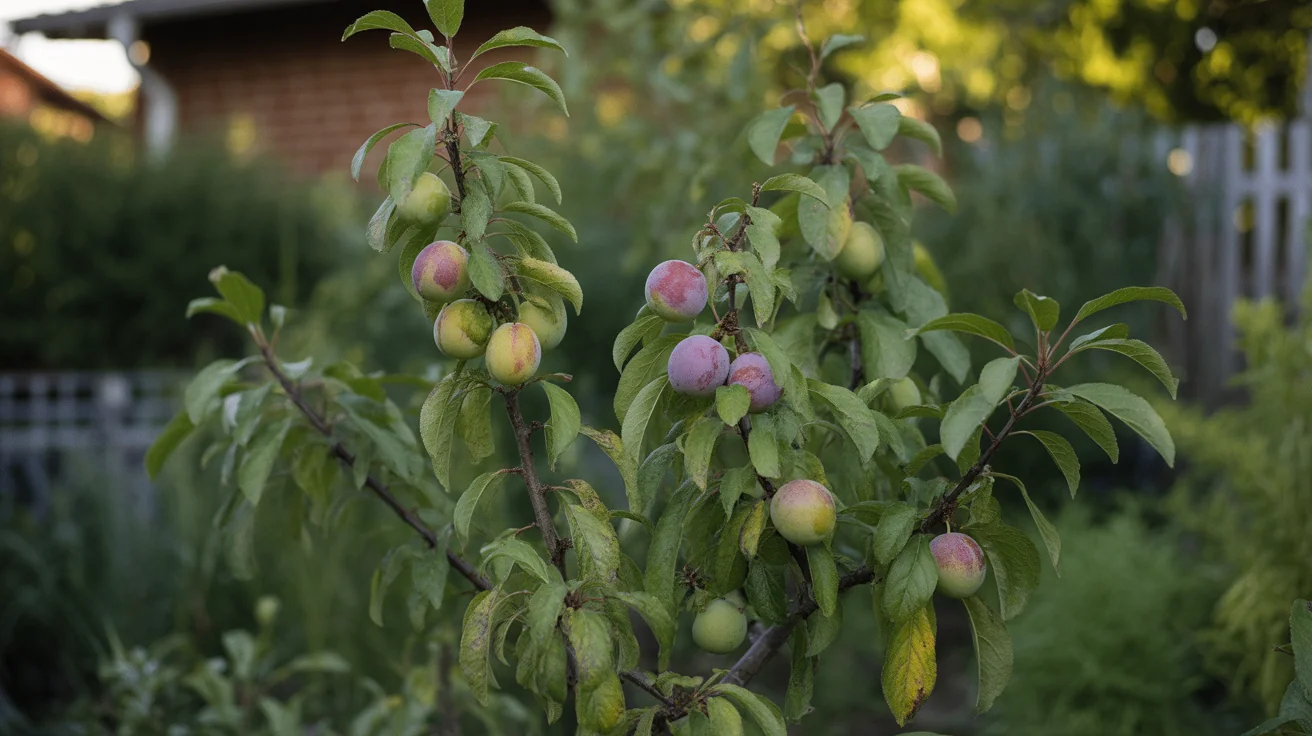
Care snapshot
Plum Trees Are Not One Generic Fruit Tree
In garden terms, Plum trees are deciduous stone fruits in the genus Prunus, alongside peach trees and cherries. They bring spring bloom first, then summer fruit if pollination and weather line up.
A backyard plum tree can be compact, but the care changes by type. European plums are often more cold-hardy and sometimes self-fertile, while Japanese plums tend to bloom earlier and often need a compatible partner.
Most home plum trees are kept about 8-20 feet tall, depending on rootstock and pruning. That size is reachable for thinning, harvest, and disease cleanup.
Plums often grow more vigorously than new gardeners expect. That vigor is useful for recovery, but it also means crowded interior shoots can shade fruiting wood if pruning is skipped.
Plum stones are surrounded by a fibrous cling layer in some cultivars and a smooth freestone layer in others, a genetic trait that decides how easily the flesh separates for canning or drying.
A young plum tree's first flush of vigorous upright growth is normal recovery energy, not a training failure, and it settles into a more balanced habit once the tree begins carrying real crops.
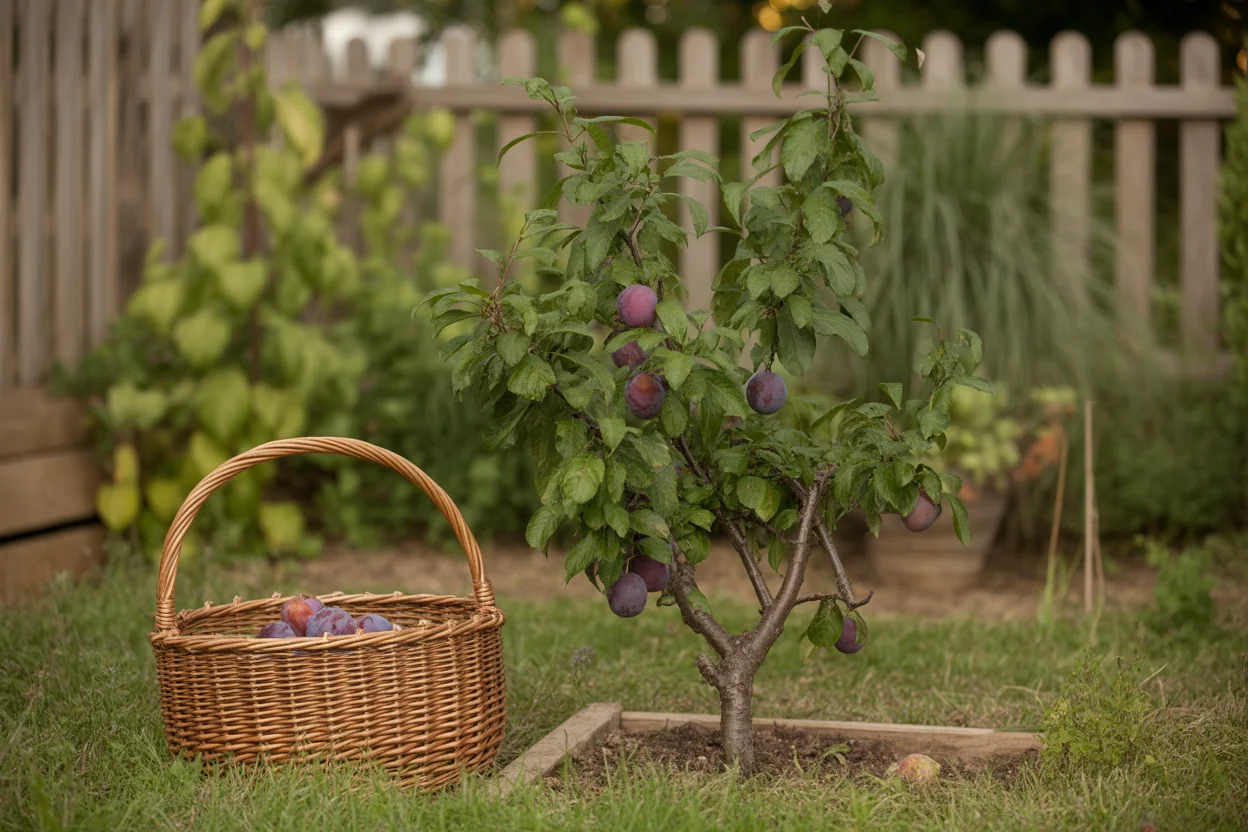
European, Japanese, and Hybrid Plums
Choosing a plum tree by fruit color alone is risky. Chill requirement, bloom timing, disease pressure, and pollination compatibility decide whether the tree crops reliably.
European plums usually suit colder climates better and are often used fresh, dried, or preserved. Japanese plums often produce larger juicy fruit, but many bloom earlier and can be more frost-sensitive.
Keep European and Japanese plum pollination separate unless a nursery confirms compatibility. A partner from the wrong group may bloom near the same week and still fail to do the pollination job.
If your yard already has a pome-fruit plan with pear trees, treat plum tree pollination as its own system. Pears, apples, peaches, and plums do not solve each other's pollination needs.
European, Japanese, and native-hybrid plums do not all pollinate each other well. The right pair depends on bloom timing and plum type, so a single beautiful tree may bloom heavily and still set little fruit.
- European plums
- Often more cold-tolerant; many are good for drying, preserves, and fresh eating
- Japanese plums
- Often larger and juicy; many need compatible partners and bloom early
- Hybrids
- May improve cold hardiness, disease resistance, or regional fit
- Self-fertile cultivars
- Useful for small yards, though a partner can still improve yield
Damson plums, a small, tart European type long used for preserves, tolerate cooler, wetter summers better than most Japanese dessert varieties bred for fresh eating.
A nursery selling grafted trees in containers rather than bare-root stock lets buyers see actual leaf color and vigor before committing, which matters more for plums than for many other fruit trees given how much cultivar behavior varies.
Full Sun for Bloom, Sugar, and Dry Leaves
The bloom and fruiting cue is light. Plum trees need 6-8 or more hours of direct sun for flower bud formation, fruit sweetness, and sturdy young wood.
Morning sun helps dry blossoms and foliage after dew. That matters because brown rot, leaf spots, and other fungal problems get worse when the canopy stays damp.
Light also helps leaves dry after rain, so the best site supports both sugar and disease control.
- Best site: open full sun with airflow.
- Avoid: low frost pockets and crowded corners.
- Cold climates: pick later-blooming cultivars when possible.
- Hot climates: mulch roots instead of giving the canopy heavy shade.
A plum tree planted against a south-facing wall gains extra reflected warmth that can push bloom earlier, a benefit in cool climates but a frost risk anywhere that still sees late spring freezes.
Leaf color can hint at a light problem before fruiting does, since chronically shaded plum foliage often stays a duller green and drops earlier in fall than foliage grown in full sun.
Steady Moisture Without Wet Feet
Young plum trees need regular deep watering while roots establish. Mature trees tolerate short dry spells, but drought during fruit swell can cause small fruit, stress drop, or cracked skins after sudden rain.
Use deep watering rather than surface sprinkling. Soak the root zone, then let the upper soil begin to dry before watering again.
Place water where feeder roots are active, since soaking the trunk collar creates risk without helping the crop much.
Young plum trees need steady water while roots establish, especially during the first two summers. Mature trees tolerate more dryness, but drought during fruit swell can reduce size and increase drop.
A soaker hose laid along the drip line delivers water more evenly across the root zone than a single point-source hose left running in one spot.
Fruit that cracks after a heavy rain following a dry spell is usually a watering-consistency problem, not a disease, since the skin cannot expand fast enough to match a sudden intake of water.
Plant in Drainage You Can Trust
The planting bed matters because Plum trees grow best in well-drained loam or sandy loam with moderate fertility. Heavy clay can work only if it drains after rain and does not hold cold water around roots.
Plant with the root flare visible and the graft union above soil. Mulch broadly, but keep mulch away from the trunk to reduce bark rot and rodent damage.
Use the planting table as a reality check before digging, since drainage problems are much easier to solve before the tree is in the ground.
- Best texture
- Loose loam or sandy loam with steady drainage
- Drainage test
- Water should not stand around the planting site after rain
- Mulch
- 2-4 inches over roots, pulled back from trunk
- Fertilizer
- Use moderate spring feeding only if growth or soil tests justify it
A soil test taken before planting catches a pH problem while it is still cheap to correct with amendments, rather than after a tree is already struggling in ground that is too alkaline or too acidic.
Planting on a slight mound in heavy soil raises the root zone just enough to shed excess water that would otherwise pool around the crown through a wet winter.
A temporary watering ring of soil built around the newly planted root zone concentrates irrigation exactly where new roots are still spreading during that critical first season, instead of letting water scatter across bare ground nearby.
Prune for Light, Then Thin the Crop
Pruning depends partly on type, but every plum tree needs light inside the canopy. Remove dead, diseased, crossing, crowded, and strongly upright shoots before they shade fruiting wood.
Do not over-prune into a water-sprout factory. Plum trees respond best to steady structural work and sanitation cuts rather than one severe rescue job.
Thin heavy crops when young fruit are small. Spacing plums a few inches apart reduces limb breakage, improves size, and lowers rot where fruit would otherwise touch.
Buy grafted trees for predictable fruit. Seeds from grocery plums are interesting experiments, not a reliable way to build a small orchard.
- Start with a grafted cultivar suited to your chill hours.
- Train the main structure while branches are young.
- Remove black knot galls and diseased wood promptly.
- Thin crowded fruit after natural fruit drop.
- Clean tools between diseased cuts.
A central-leader or open-vase shape is chosen at planting time and reinforced for the first several years, since correcting a poorly trained structure later means removing far more wood than shaping it early would have.
Suckers that sprout from below the graft union are rootstock growth, not the fruiting variety, and removing them promptly keeps the rootstock from outcompeting the grafted top.
Brown Rot, Black Knot, Curculio, and Aphids
Pest work starts with diagnosis. Plum trees often fail from disease and pest timing, not from lack of fertilizer, and brown rot, black knot, plum curculio, aphids, scale, mites, and birds are the usual backyard suspects.
Brown rot thrives on crowded, wet fruit and leftover mummies. Black knot forms dark swollen galls on branches and needs prompt removal before it spreads.
Use the same measured pest logic as natural garden pest control, identifying the problem, reducing habitat, cleaning up infected material, then using targeted treatment if needed.
Plum curculio and brown rot reward early attention. Clean fallen fruit, thin clusters, and monitor shortly after petal fall, because damage that starts early is usually visible only when fruit is already scarred.
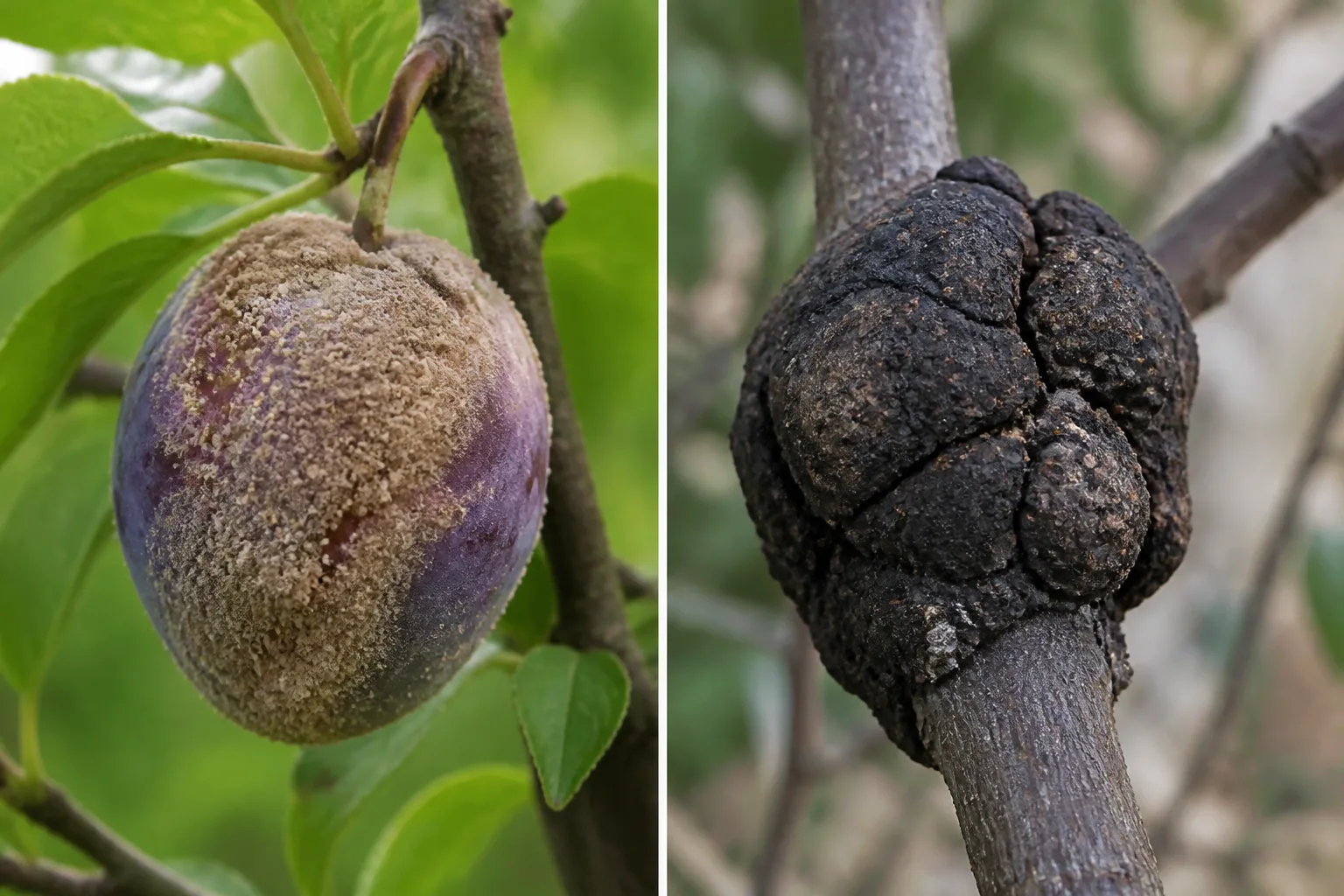
Thin fruit, prune for airflow, and remove mummified fruit from tree and ground.
Cut out galls in dry weather and dispose of infected wood away from the garden.
Watch young fruit for crescent scars and clean up dropped fruit quickly.
Inspect tender growth and avoid excess nitrogen that fuels soft pest-prone shoots.
A sticky trap hung in the canopy during bloom gives an early warning of plum curculio activity before the insect has a chance to scar a full crop of young fruit.
Overwintering pest and disease pressure both drop significantly when fallen leaves and fruit are cleared from under the tree each fall, denying next spring's outbreak a ready source of inoculum.
Seasonal Plum Tree Care
Late winter is planning, pruning, and sanitation season for many plum trees. In wet disease-prone areas, local extension timing matters because some stone-fruit cuts are safer in drier weather.
Spring is bloom, frost watch, pollination, and early pest scouting. Avoid broad insecticides while blossoms are open, because pollinator activity decides much of the crop.
Fall is the time to remove dropped fruit, refresh mulch, and compare the workload with lower-chill fruit such as figs before adding another tree.
Thinning plums is less dramatic than thinning peaches, but it still helps. Removing crowded fruit early reduces limb stress, improves size, and gives pests and rot fewer tight clusters to hide in.
Japanese plums often bloom early, which makes frost pockets risky. If your yard has a low cold spot, planting higher on a slope can matter more than a small difference between cultivars.
Prune structure, remove diseased wood, and plan any dormant treatments.
Protect bloom from frost where practical and confirm pollination.
Water deeply, thin fruit, harvest in stages, and remove damaged fruit.
Clean the ground and avoid late fertilizer that pushes soft growth.
A late frost after bloom can look like a pollination failure at first glance, since both problems show up the same way, as flowers that open normally but never set fruit.
Marking bloom and harvest dates each year builds a personal calendar for that specific tree and site, which is often more accurate than a generic regional guide.
Fruit Is Edible; Pits and Wilted Growth Are Not
Ripe plum flesh is edible, but pits, leaves, stems, and wilted prunings should not be chewed by pets or livestock. Cracked pits are the bigger concern because the inner seed is exposed.
Clean up fallen plums where dogs, children, wasps, or wildlife gather. Fermenting fruit can create separate problems even when fresh fruit is safe to eat.
For a mixed fruit yard, combine one managed plum tree with smaller harvests such as blueberries. Add strawberries where you want fruit close to the ground and earlier in the season.
Wilted or damaged Prunus foliage, including plum leaves, can develop compounds similar to those in the pits, so trimmings should be cleared away rather than left where animals might browse them.
A plum tree's spring bloom draws in early-season pollinators before many other garden plants have opened, making it a meaningful early food source in a yard's overall pollinator calendar.
Frequently Asked Questions
Do I need two plum trees for fruit?
Some plum trees are self-fertile, but many set better or require a compatible partner. Check the cultivar label for European, Japanese, or hybrid pollination needs.
How long does a plum tree take to bear fruit?
A grafted plum tree often starts bearing light crops in 3-5 years, depending on cultivar, rootstock, sun, pruning, and growing conditions.
What is the difference between European and Japanese plums?
European plums are often more cold-tolerant and useful for drying or preserves. Japanese plums often have larger juicy fruit but may bloom earlier and need compatible partners.
How much sun does a plum tree need?
A plum tree needs 6-8 or more hours of direct sun for strong bloom, sweet fruit, and lower disease pressure.
Why are my plums rotting on the tree?
Rotting plums are often caused by brown rot, crowded fruit, poor airflow, wet weather, or mummified fruit left on the tree from earlier infections.
Are plum trees safe for pets?
Ripe plum flesh is edible, but plum tree pits, leaves, stems, and wilted prunings should be kept away from pets and livestock.
Sources & References
Related Plants
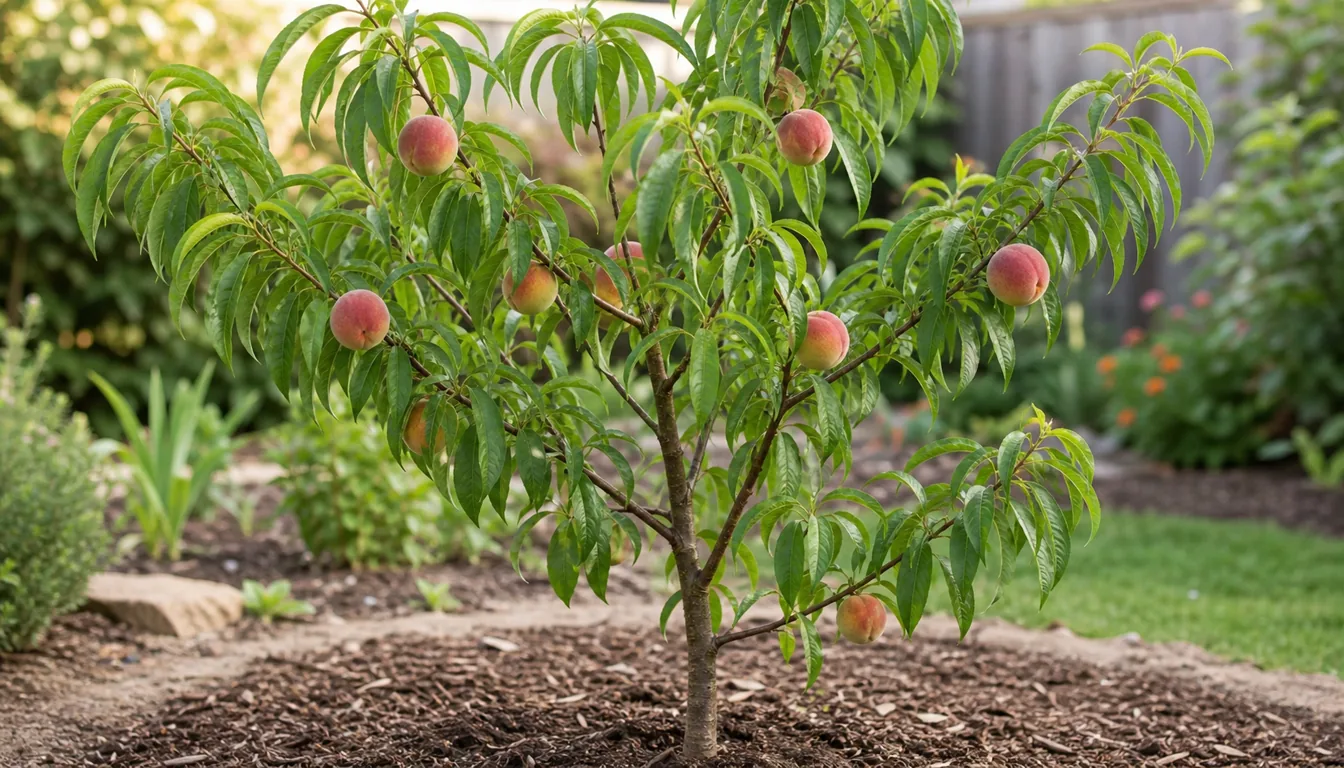
Peach Tree
A stone fruit with similar sun needs but heavier pruning and disease timing pressure.
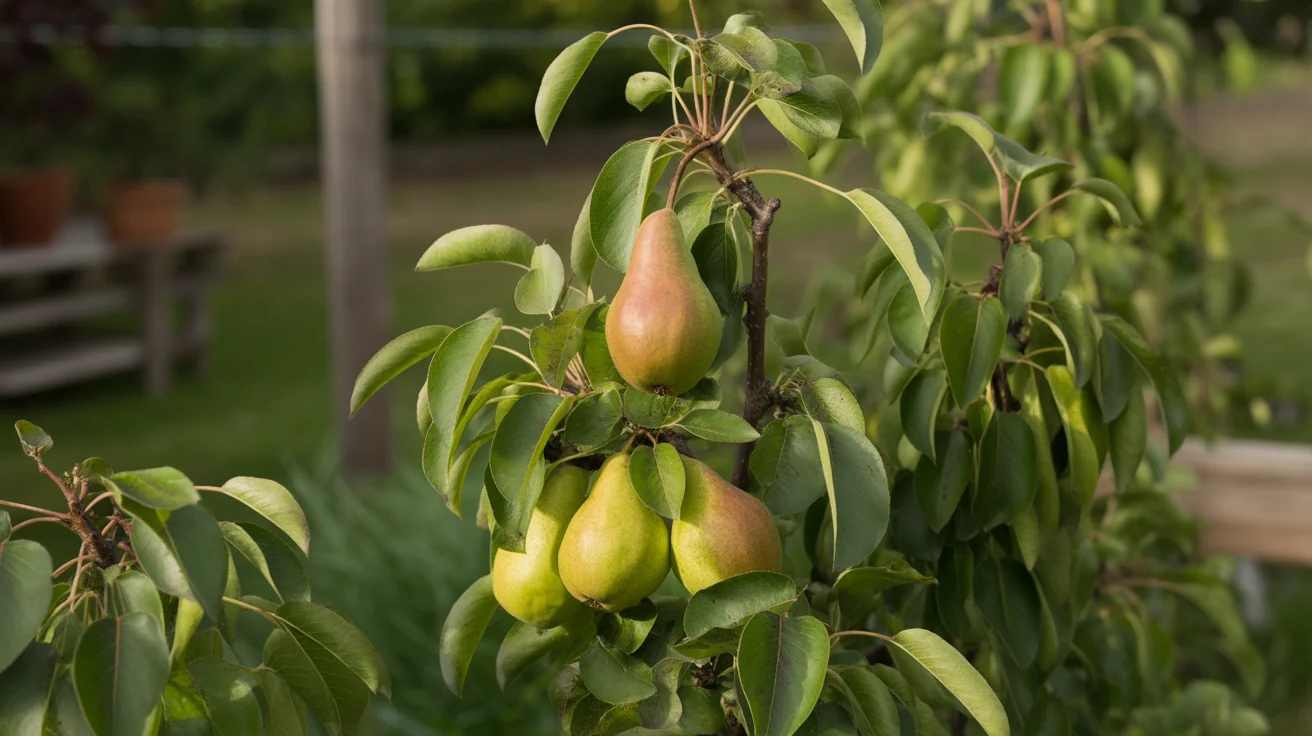
Pear Tree
A pome fruit with different pollination and pruning habits.
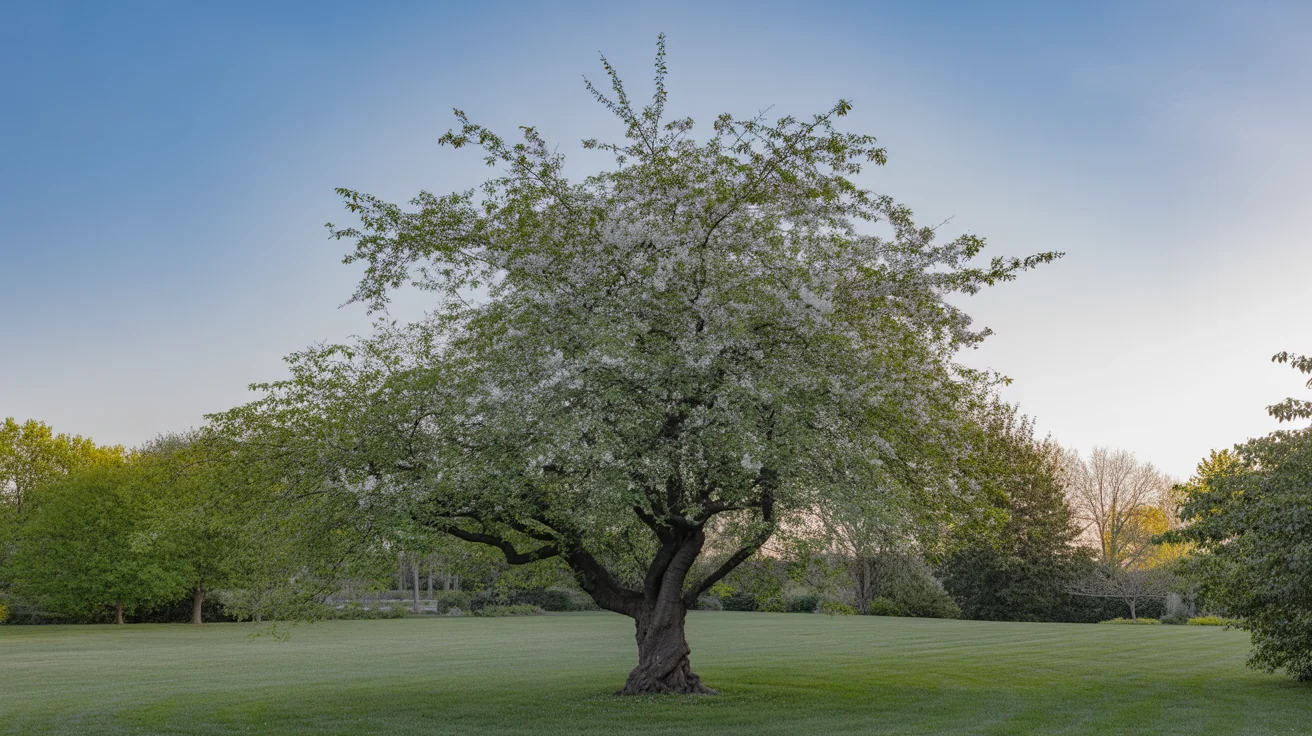
Cherry Blossom Tree
An ornamental Prunus relative grown for spring bloom instead of fruit.
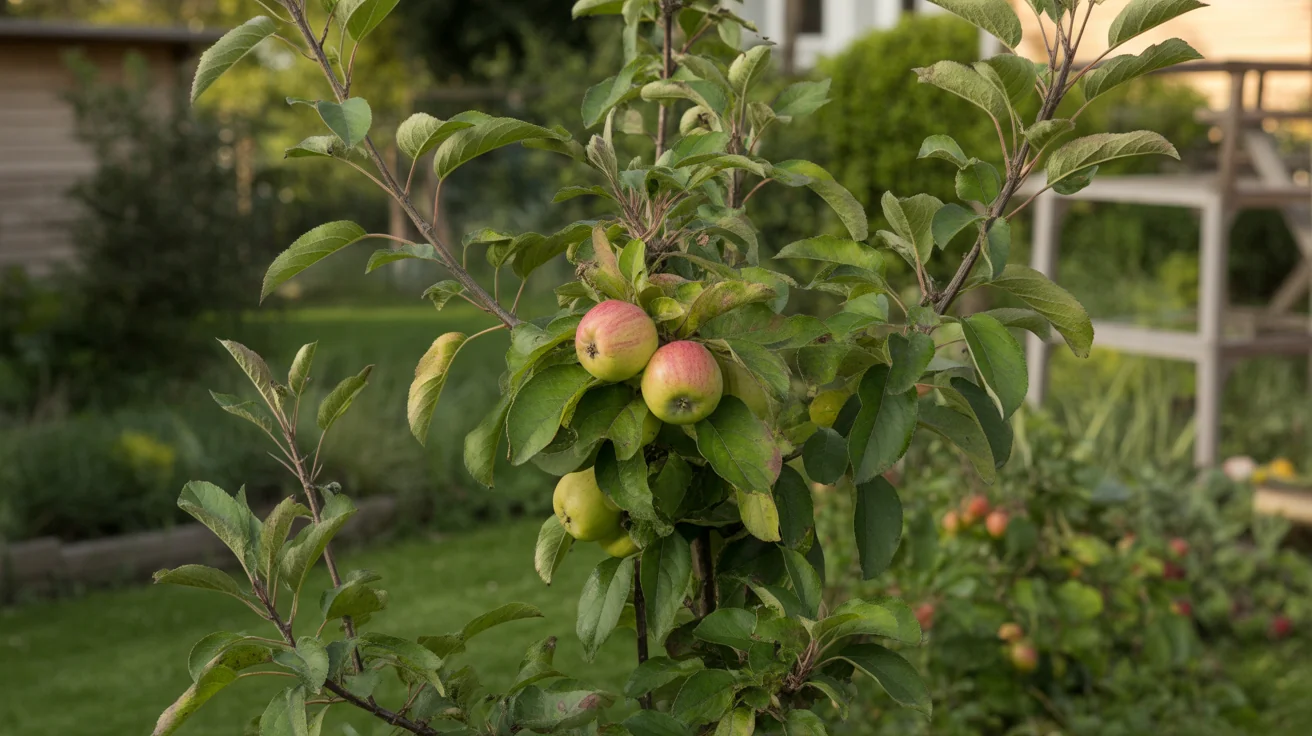
Apple Tree
Apple trees can be excellent backyard fruit trees when the variety, rootstock, pollination partner, sun, and pruning…
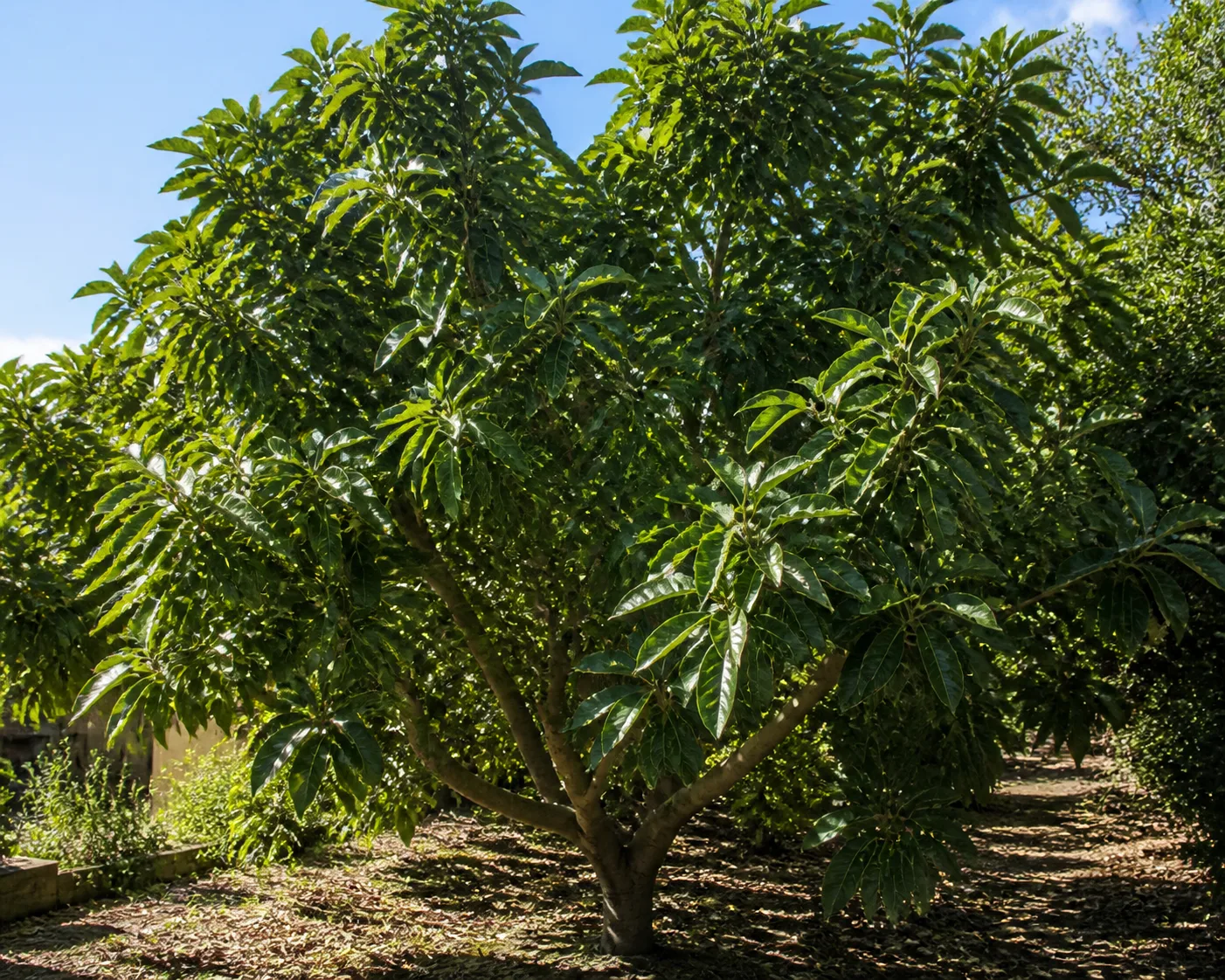
Avocado Tree
Avocado tree is a subtropical evergreen fruit tree for frost-free gardens, warm patios, and bright indoor…
Blackberry
Blackberries are perennial brambles grown for summer fruit on managed canes.