
Shade Shrubs Fail on Water More Often Than Light
Shade has three different sites. Match shrubs to dry, moist, or acidic ground, compare flowering limits, and choose for light below trees or walls.
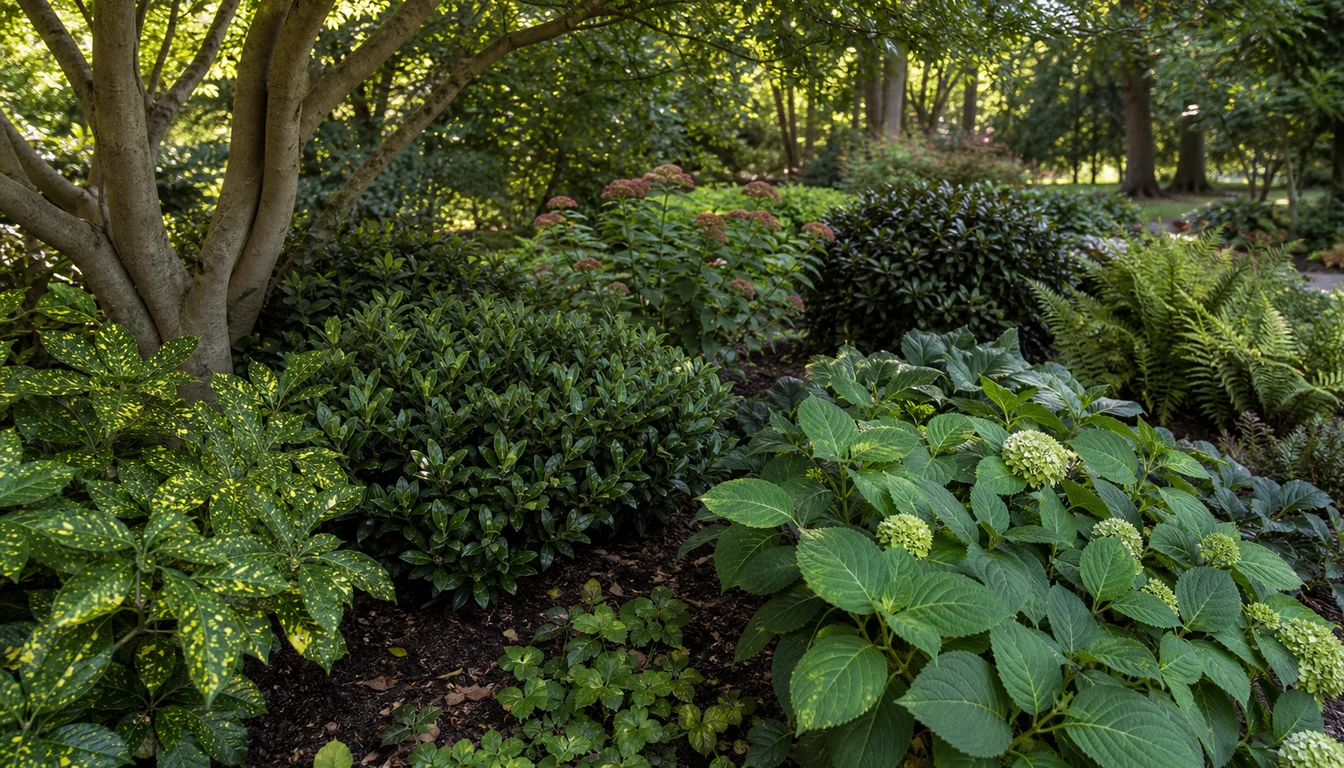
At a glance
A shrub sold as shade tolerant can thrive in one garden and sulk in another a street away. The word covers sites that have almost nothing in common beyond a shortage of sun.
Those sites sort into a handful of kinds. How to tell which kind of shade you have, why the ground under a mature tree defeats most planting, which shrubs suit each site, and what to expect from flowers once the light drops.
What Kind of Shade Does Your Shrub Bed Get?
Shade is a category rather than a condition. It covers sites that need genuinely different plants, which is why a shrub sold as shade tolerant can thrive for one gardener and sulk for another.
Start by counting hours of direct sun. Part shade is roughly three to six, full shade is under three, and deep shade is effectively none, and which hours those are changes the answer again.
Then look at what is casting it, because high canopy shade passes dappled light all day, shade beside a wall is darker but moves as the sun does, and the shade under dense evergreens never moves at all.
The split that decides more than any of that is wet against dry, since moist shade will grow a wide range of shrubs and dry shade will grow very few.
Settle it with a hole rather than a guess, digging a small one a day after decent rain and looking at what the soil is doing at root depth.
High canopy shade
Cast by a mature tree. Passes dappled light all day, and the soil under it is usually dry because the tree takes the water first.
Building shade
Cast by a wall or fence. Darker than canopy shade but it moves through the day, and the soil is often the moistest of the three.
Evergreen shade
Cast by dense conifers or broadleaf evergreens. Constant, dark and dry, and the hardest site of the three to plant.
Why Does Dry Shade Defeat So Many Shrubs?
Dry shade under a mature tree is the hardest site most gardens contain, and almost everyone diagnoses it as a light problem.
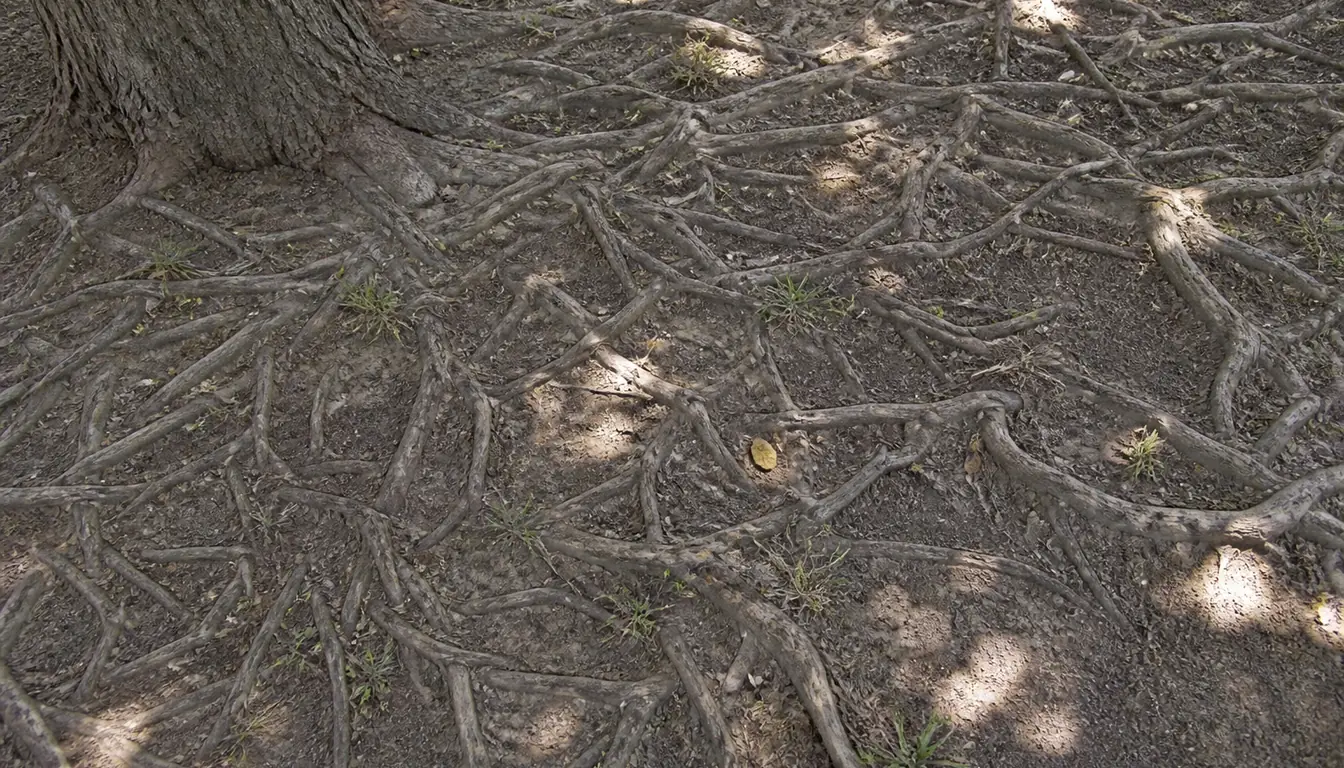
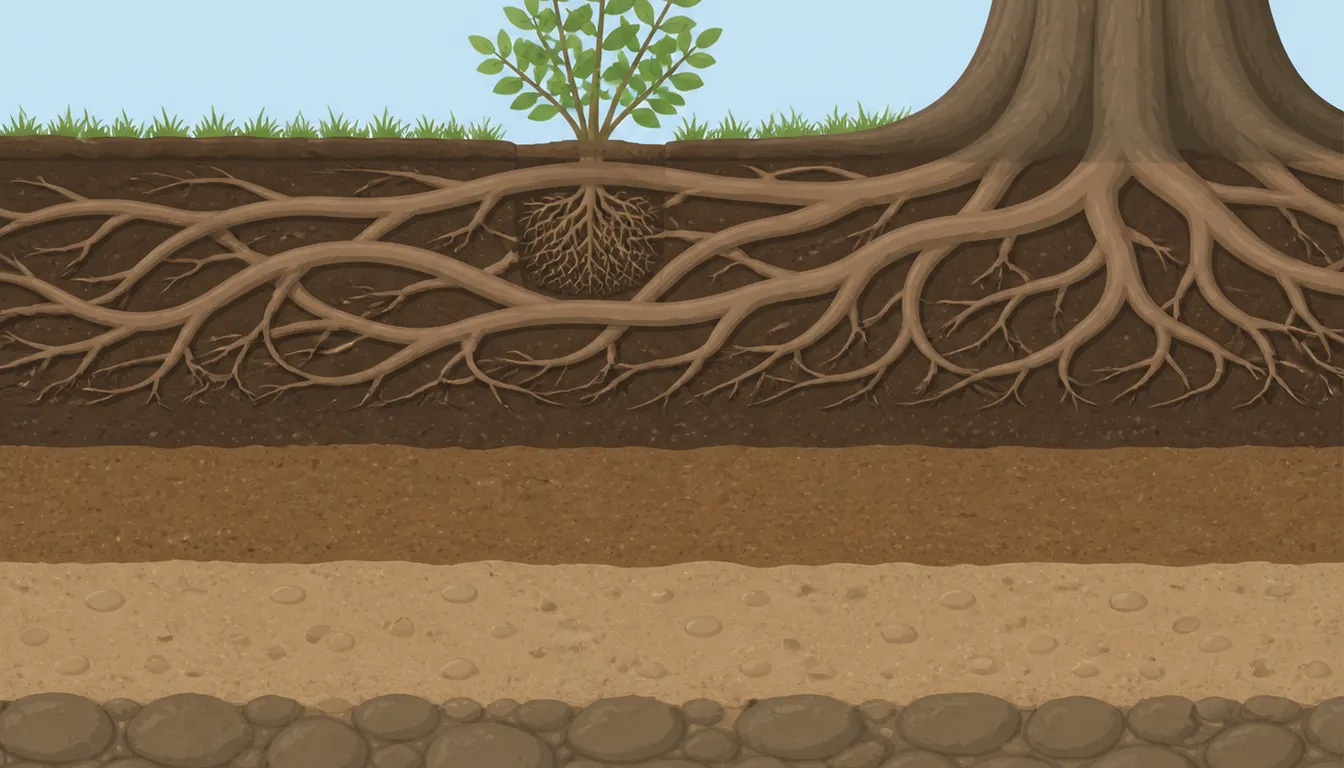
The cause is underfoot, because a mature tree keeps most of its feeder roots in the top layer of soil and that is exactly the layer a new shrub has to establish in. What defeats the planting is root competition rather than darkness, since the tree draws water and nutrients out of that layer faster than anything planted into it can.
Improving the soil does not fix it and usually makes things worse, because enriched ground is more attractive to the tree and its roots move into your new bed within a season or two.
Feed from the surface instead, since a mulch of leaf mold or compost laid on top rots down into the soil without disturbing the root mat underneath.
What actually works is buying small and then watering. A small root ball fits between existing roots rather than displacing them, and the first two summers decide whether the shrub establishes at all, so watering through that period matters more than any soil preparation.
The instinct to dig your way out of it is the one to resist.
Which Shrubs Fit Moist Shade, Dry Shade, or Morning Sun?
Sorting shade shrubs by how they look tells you nothing about whether they will survive your site, while sorting by light and moisture together does.
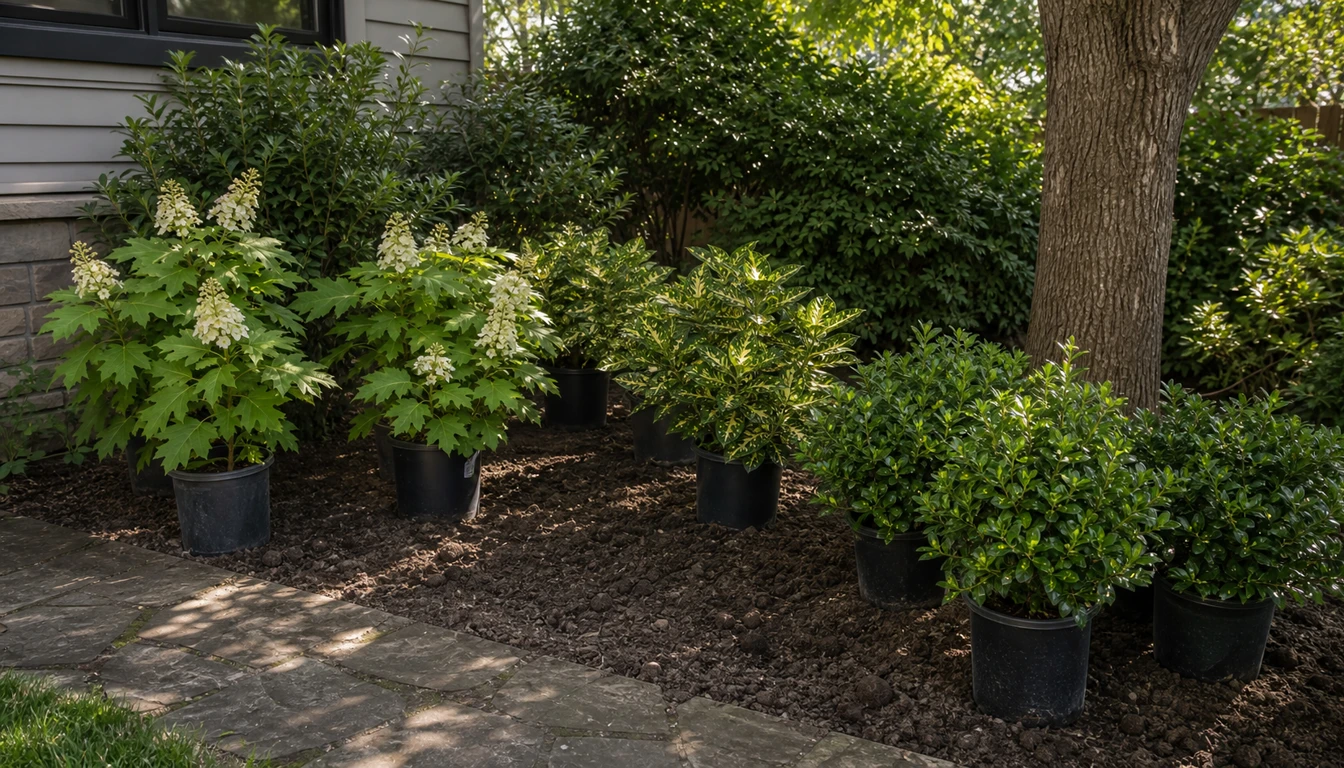
For genuinely dry shade the list is short and worth memorizing, since aucuba, sweetbox, yew and holly establish where almost nothing else will. A wider view of what grows in shade generally is worth having beside it.
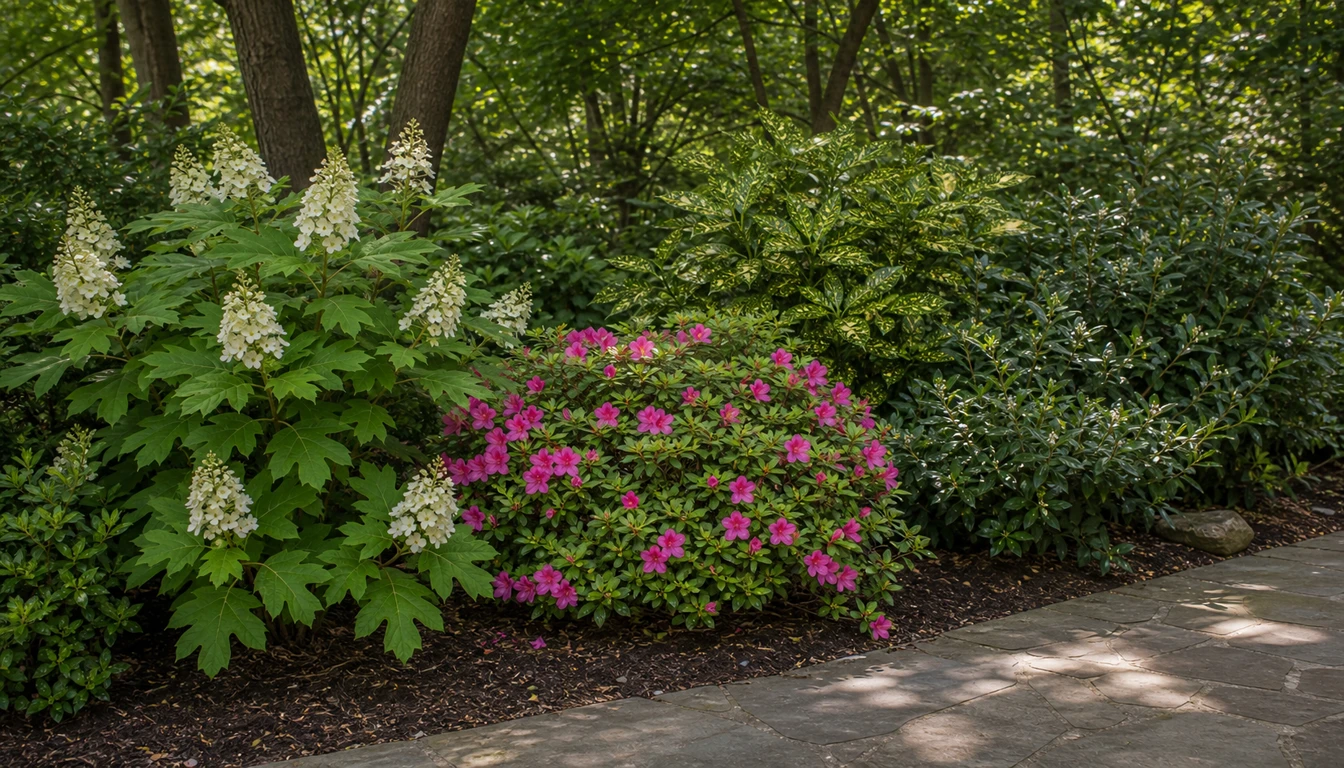
Moist shade opens the choice considerably, and oakleaf hydrangea, camellia and azalea all want moisture whatever the light does.
Most of what is sold as a shade shrub is really a part shade shrub, and rhododendron and gardenia both thin out and stop flowering below about three hours of sun.
Evergreens hold the bed through winter when the deciduous shrubs are bare, and the choice between holly and boxwood comes down to size and leaf texture rather than shade tolerance. The wider shrub directory covers the ones that want more sun than this page assumes.
One group carries a soil requirement that overrides everything above. Azalea, rhododendron and camellia need acid ground and will yellow in alkaline soil no matter how perfect the light is, and the difference between azalea and rhododendron matters less than that shared requirement.
Buy one or two and watch them for a season before committing the bed, which costs a fraction of replanting a border that was wrong about the site.
| Shrub | Shade it takes | Moisture | What it gives |
|---|---|---|---|
| Aucuba | Deep shade | Dry to moist | Bold speckled evergreen leaves |
| Sweetbox | Deep shade | Dry to moist | Evergreen, winter scent |
| Yew | Deep shade | Dry to moist | Dense evergreen structure |
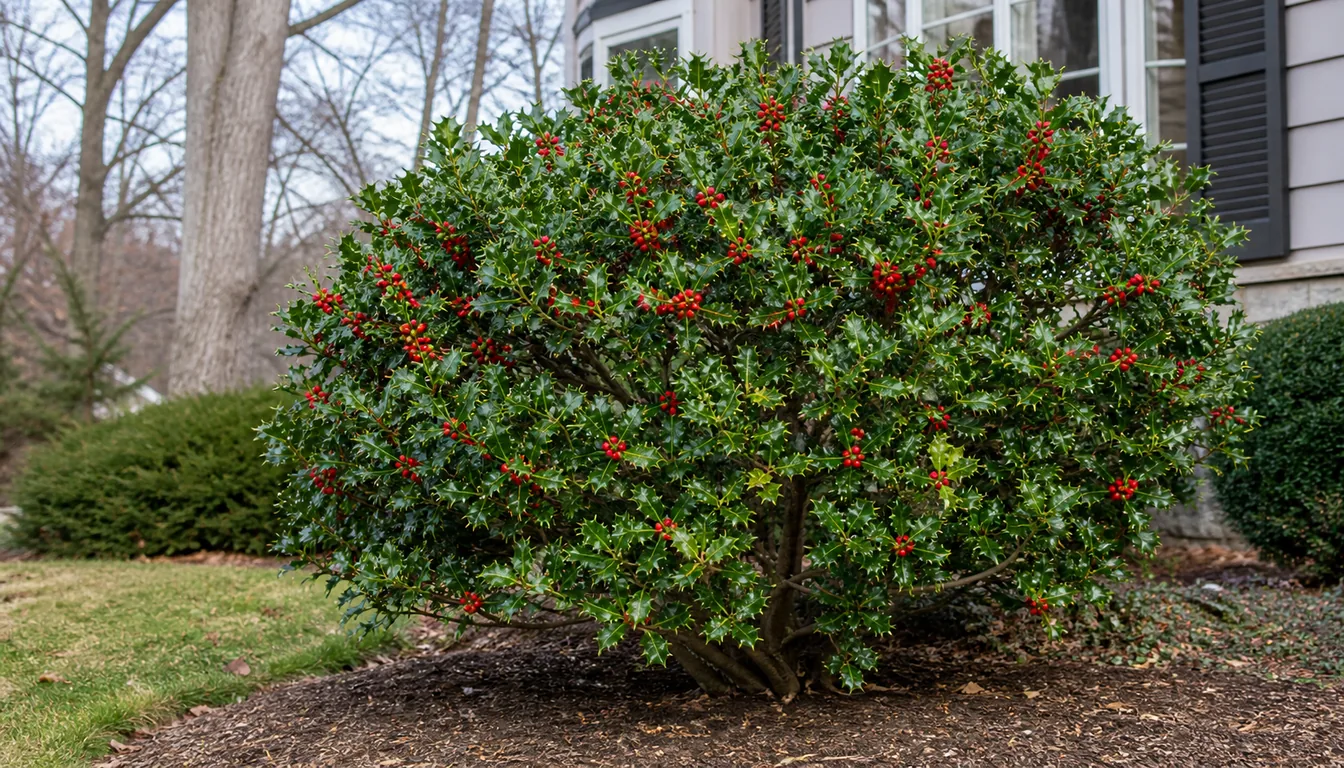
| Holly | Full shade | Dry to moist | Evergreen, berries |
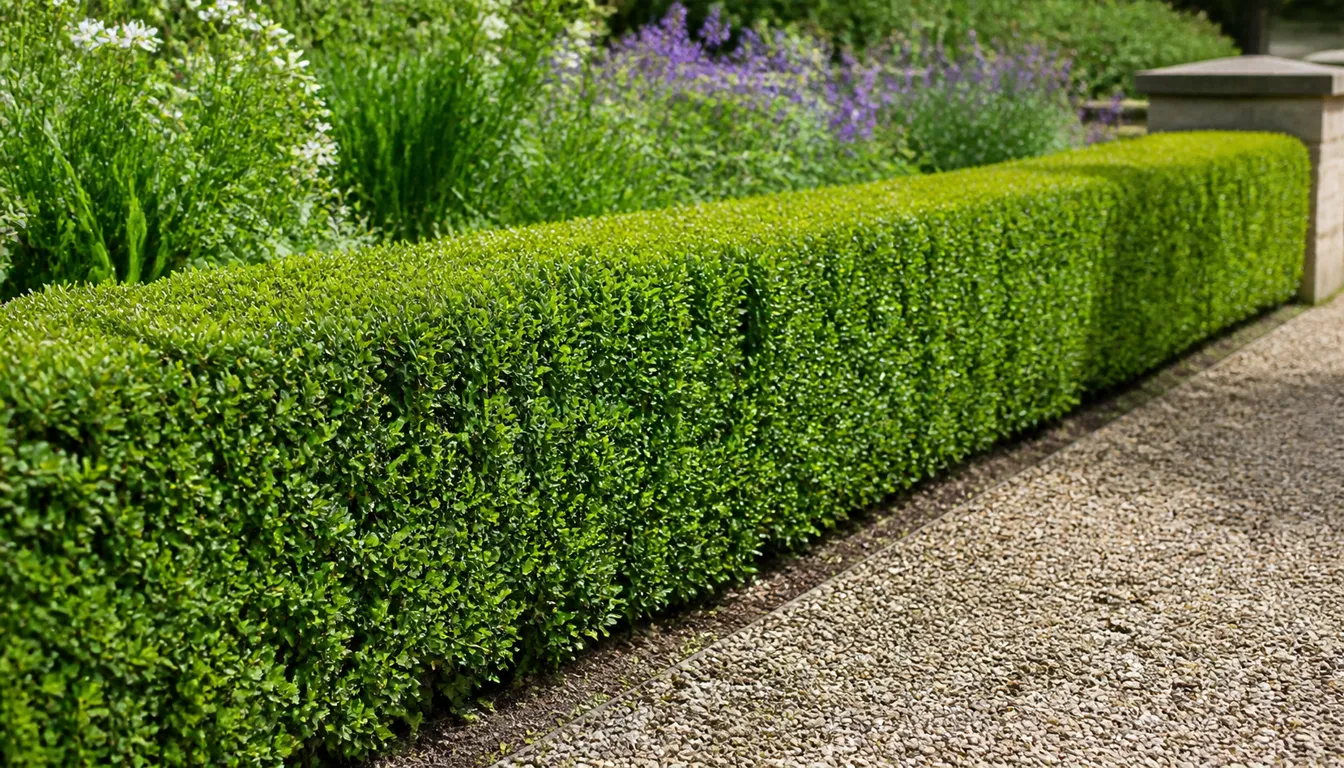
| Boxwood | Part to full shade | Moist, well drained | Fine evergreen form |
| Oakleaf hydrangea | Full to part shade | Moist | Flowers, fall color |
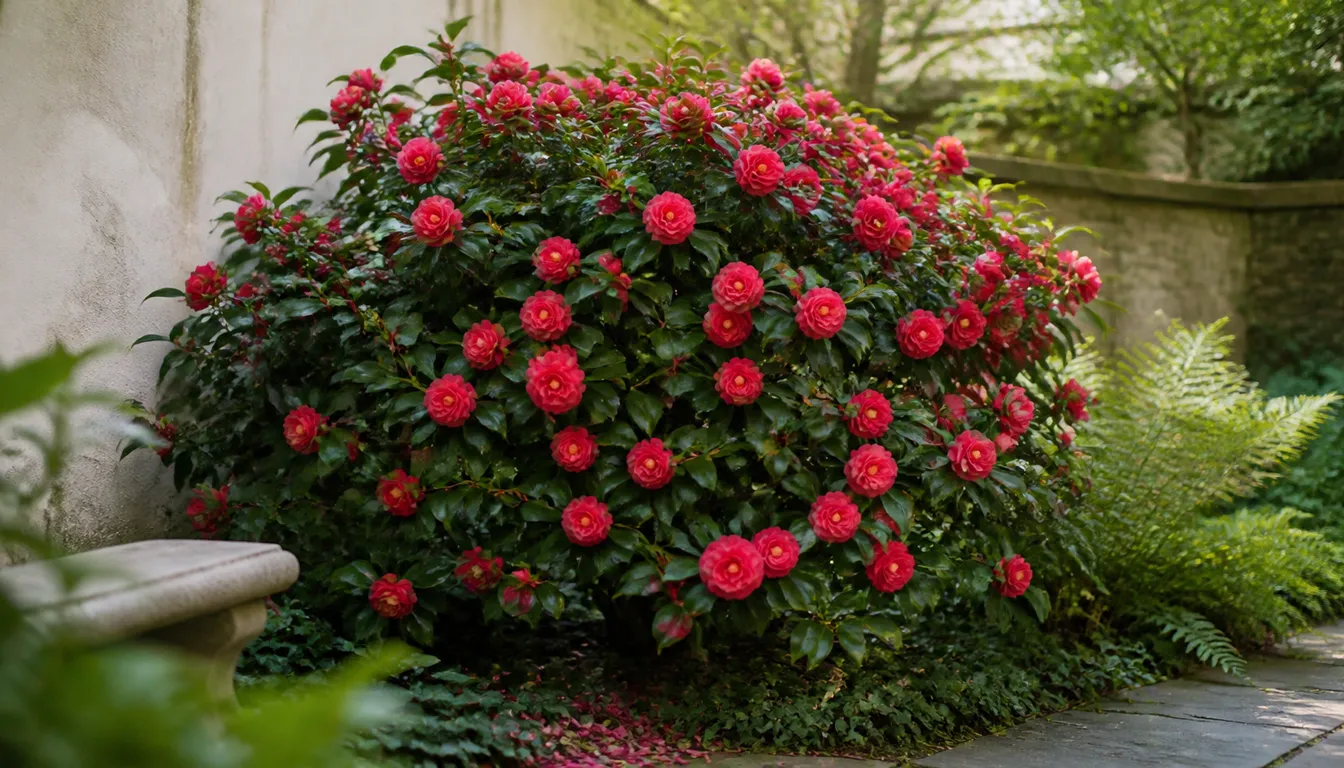
| Camellia | Full to part shade | Moist, acid | Winter and spring flowers |
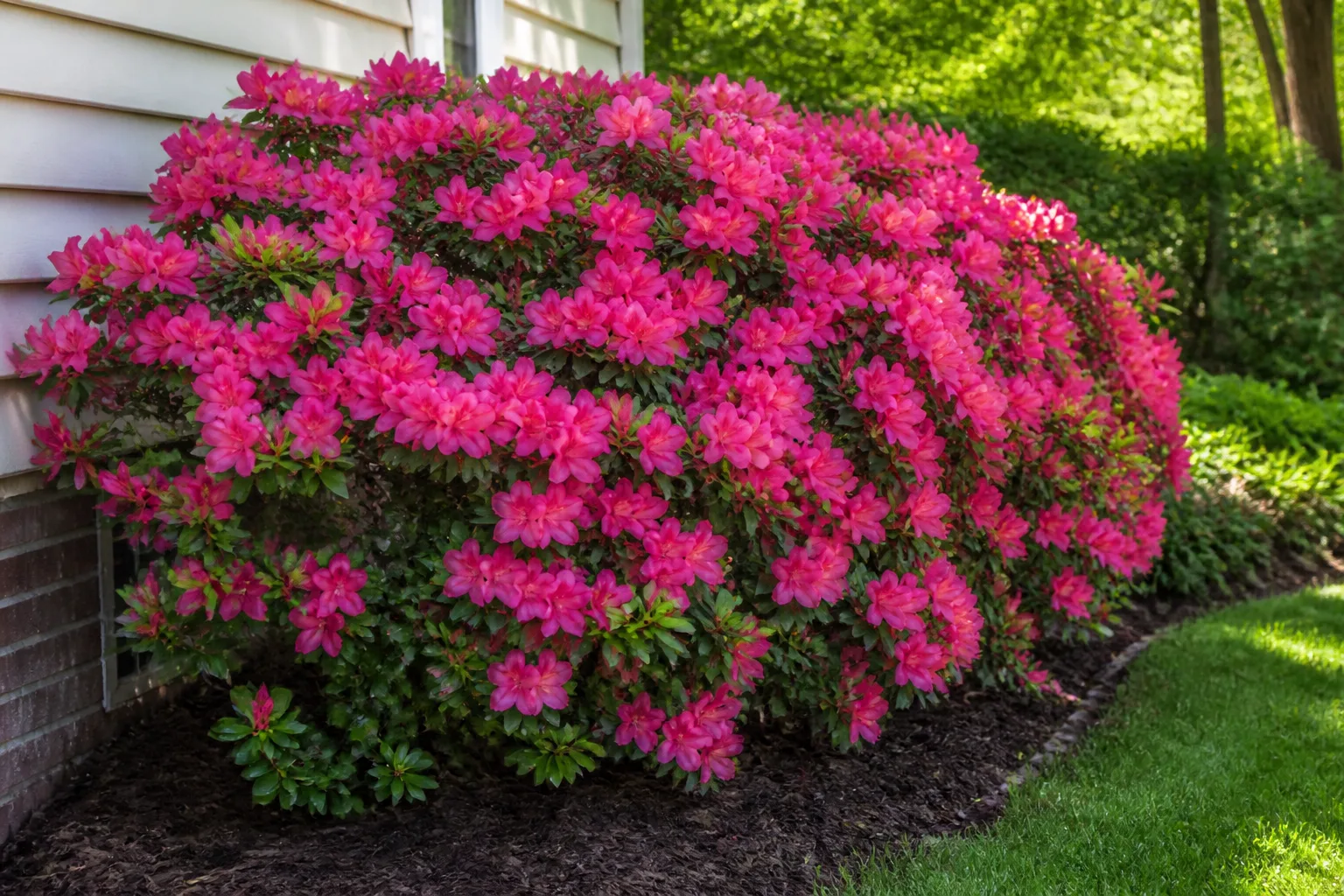
| Azalea | Part shade | Moist, acid | Spring flowers |
| Rhododendron | Part shade | Moist, acid | Spring flowers, evergreen |
| Gardenia | Part shade | Moist, acid | Scented summer flowers |
Can Flowering Shrubs Bloom Well in Shade?
Surviving in shade and flowering in shade are two different thresholds, and the second one is higher. A shrub can look perfectly healthy in deep shade for years and never open a bloom.
That is why shaded beds are built on leaves, which are present from spring to frost and carry a planting further than a fortnight of flower, exactly as they do in any good shade perennial planting.
A few still flower usefully in real shade. Hydrangea and camellia manage it, and sweetbox does something better in the darkest months by producing scent you notice before you find the flowers.
Why Do Evergreen Shade Shrubs Scorch in Winter?
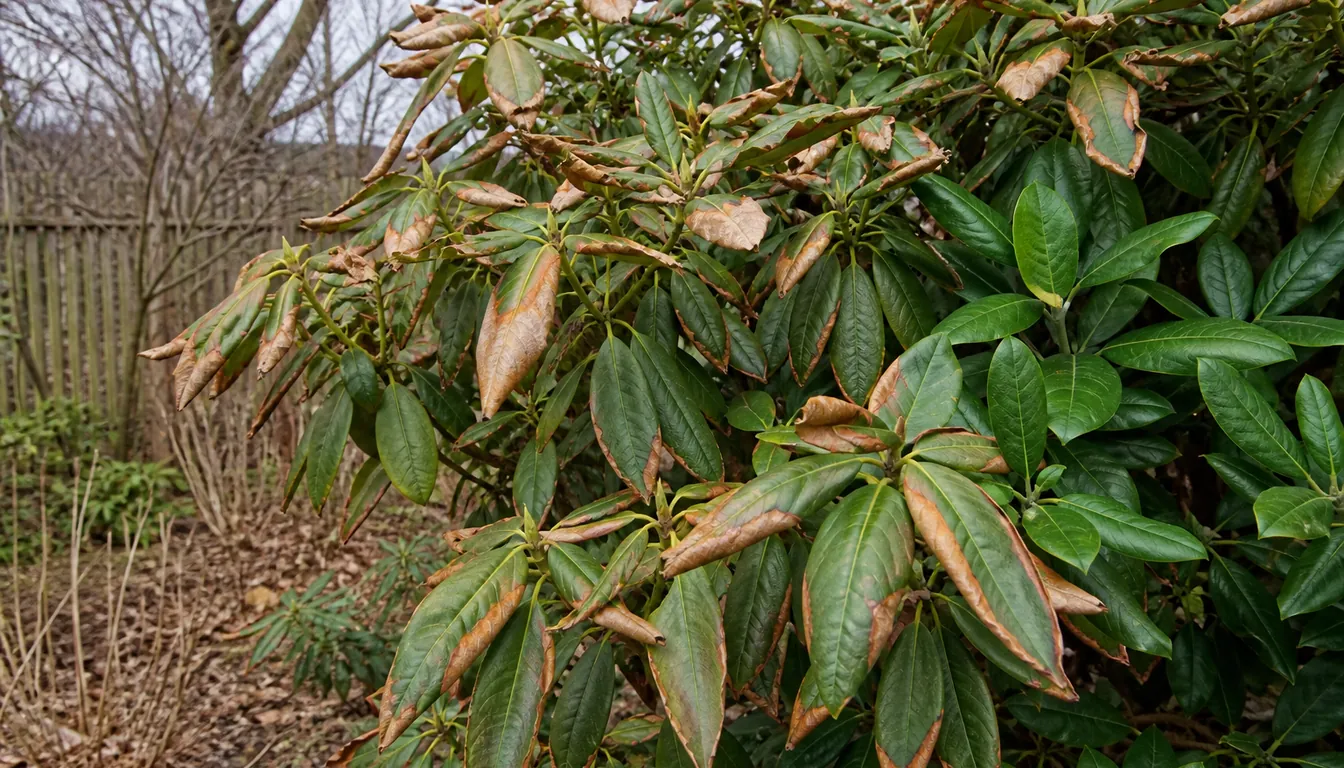
A broadleaf evergreen loses water through its leaves on bright cold days while frozen ground stops the roots replacing it, and the margins brown as a result. It shows on the exposed side of the shrub, which is why one half can look ruined while the other stays glossy.
Wait rather than act, because new growth in spring covers the damage and cutting back before then removes wood that would have recovered.
Quick Tips
- Count hours of direct sun before buying anything, since part shade and deep shade need different plants entirely.
- Dig a small hole a day after rain. Soil that has already dried tells you it is a dry shade site rather than a shady one.
- Plant small in dry shade, because a small root ball fits between a tree's existing roots instead of displacing them.
- Water new shade planting through its first two summers, which decides establishment more than soil preparation does.
- Mulch from the surface with leaf mold rather than digging compost in under a mature tree.
- Check soil pH before buying azalea, rhododendron or camellia, since all three yellow in alkaline ground whatever the light.
Recommended Plants
7 shrubs worth considering.
Aucuba
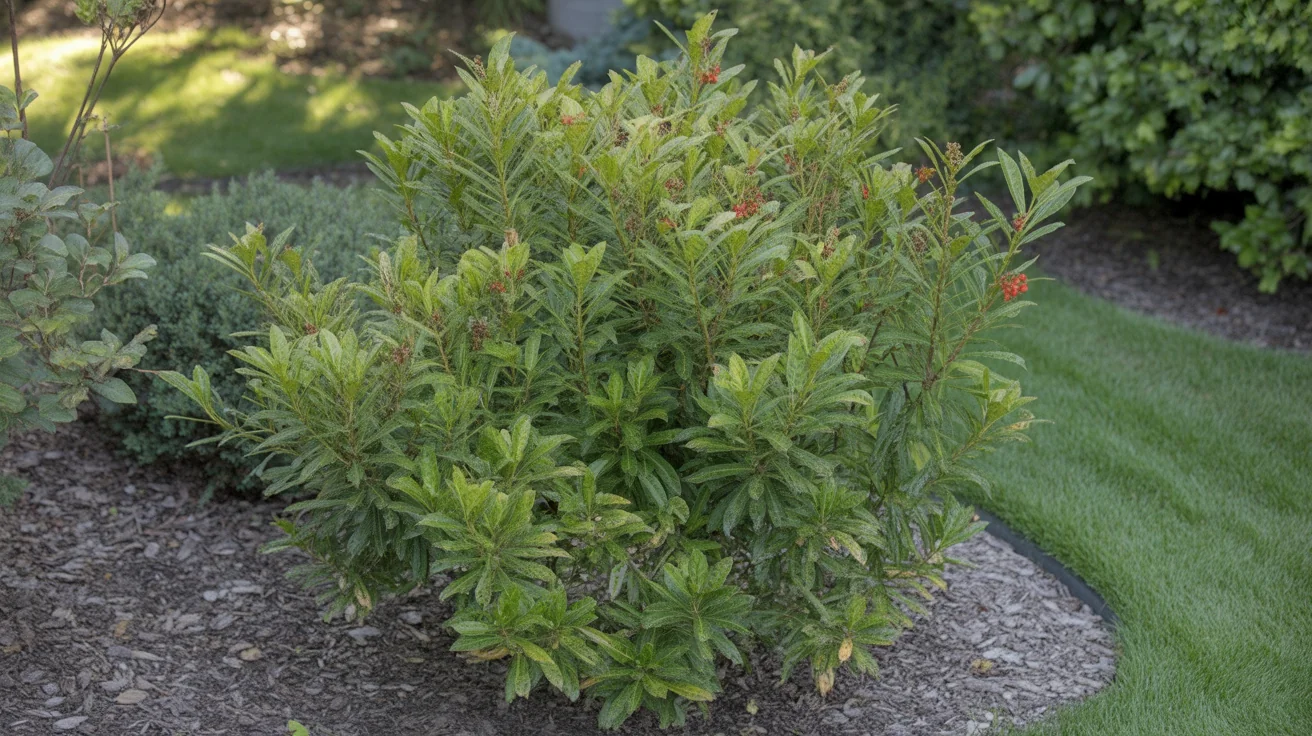
Aucuba is the shrub for bright shade with dry root competition. It keeps evergreen structure near north walls, porches…
Yew
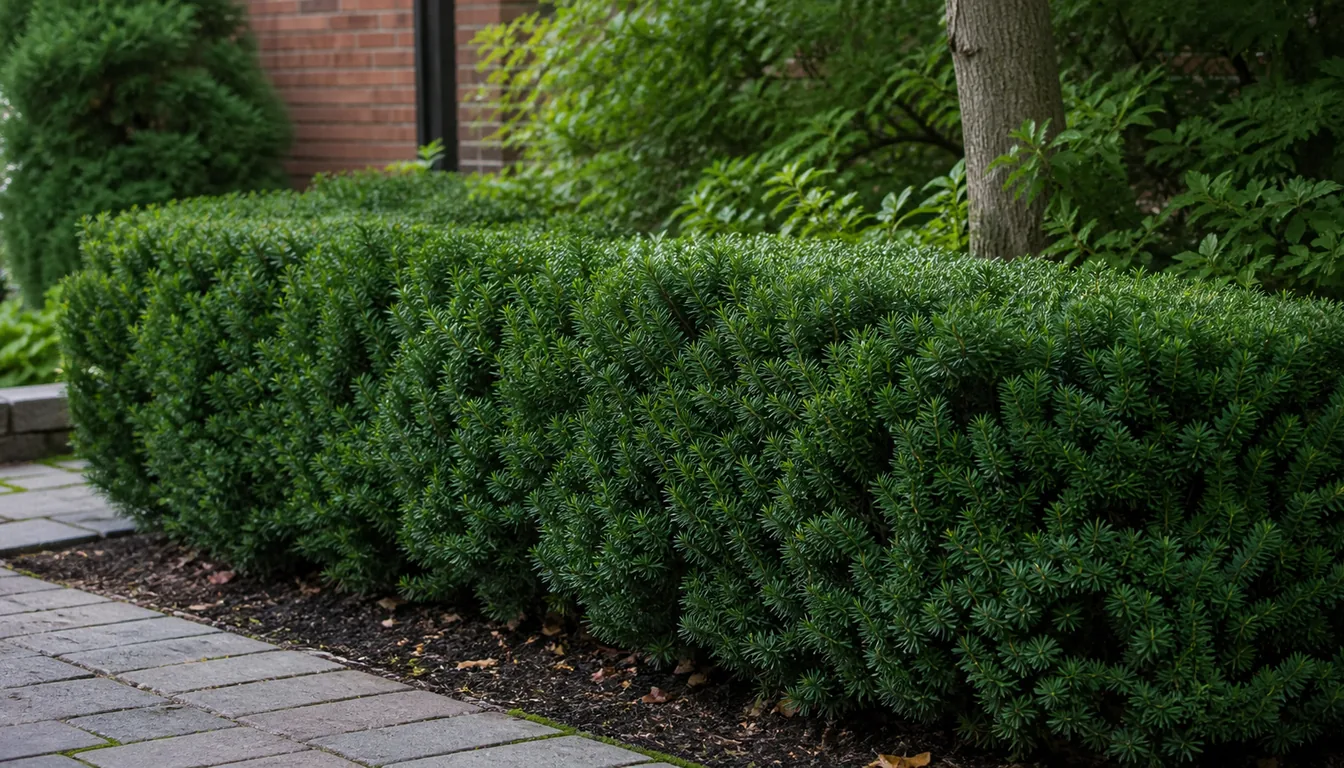
Yew is a long-lived evergreen structure shrub for shade, hedges, and formal planting, but it belongs only where toxic…
Holly
Most hollies carry berries only on female plants, and only when a male of a compatible type blooms nearby at the same…
Boxwood
Boxwood works when you need a small evergreen line that stays clipped, dense, and quiet year-round.
Camellia
Camellia is a cool-season flowering evergreen for sheltered acidic sites, not a dry-shade filler.
Azalea
Azaleas bring spring flowers, and some cultivars bloom again later in the year.
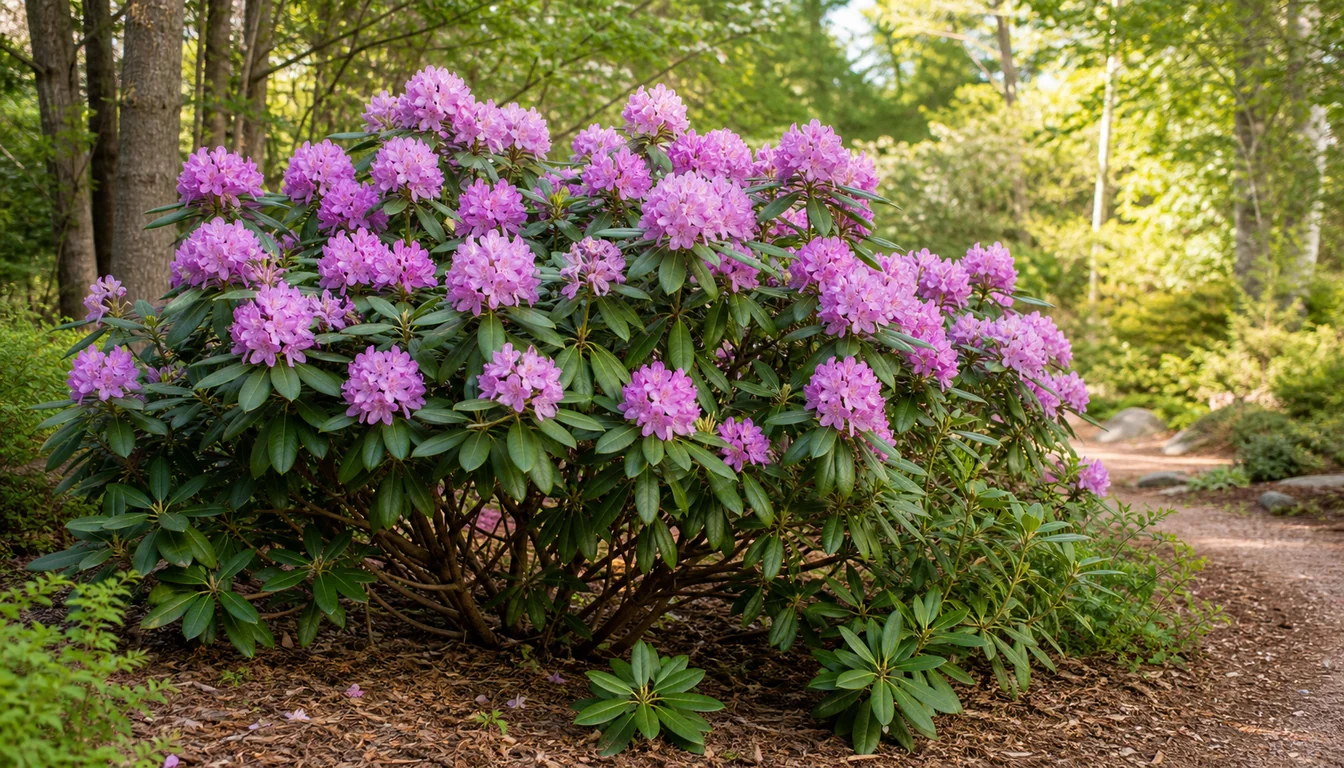
Rhododendron
Rhododendron is a broadleaf flowering shrub grown for spring trusses and glossy leaves, but its care starts below the…
Frequently Asked Questions
What shrubs grow in full shade?
Aucuba, sweetbox, yew and holly handle the least light of the widely available shrubs and will also cope with dry ground, which most shade shrubs will not. Oakleaf hydrangea and camellia manage full shade too, provided the soil stays moist.
Why do shrubs keep dying under my tree?
Because the problem is water rather than light, since a mature tree keeps its feeder roots in the top layer of soil and takes the moisture out of it faster than a new shrub can. Plant small so the root ball fits between existing roots, and water through the first two summers rather than trying to improve the soil.
Should I improve the soil before planting in dry shade?
Not by digging it, because cutting through a mature tree's surface roots damages the tree and the roots move straight back into the enriched soil anyway. Lay leaf mold or compost on the surface instead and let it rot down without disturbing the root mat.
Why does my shade shrub grow but never flower?
Flowering takes more light than leaf growth does, so a shrub can be perfectly healthy in deep shade and still never bloom. Build a shaded bed on foliage and treat flowers as a bonus, or move the plant to a spot with at least three hours of sun if the bloom is what you wanted.
Why did my rhododendron leaves turn brown over winter?
That is usually winter scorch rather than disease, caused by the leaves losing water on bright cold days while frozen ground stops the roots replacing it. It shows on the exposed side of the shrub, and spring growth covers it, so cutting back early removes wood that would have recovered.
Do shade shrubs need special soil?
Most do not, but azalea, rhododendron and camellia all need acid ground and will yellow in alkaline soil regardless of how good the light and moisture are. Check your soil before buying any of those three, because no amount of shade tolerance compensates for the wrong pH.