Azalea vs Rhododendron
Every azalea belongs to the genus Rhododendron, but gardeners use the two names for recognizable groups within that genus. Identify the exact plant before choosing by size, leaf habit, hardiness, or flower form.
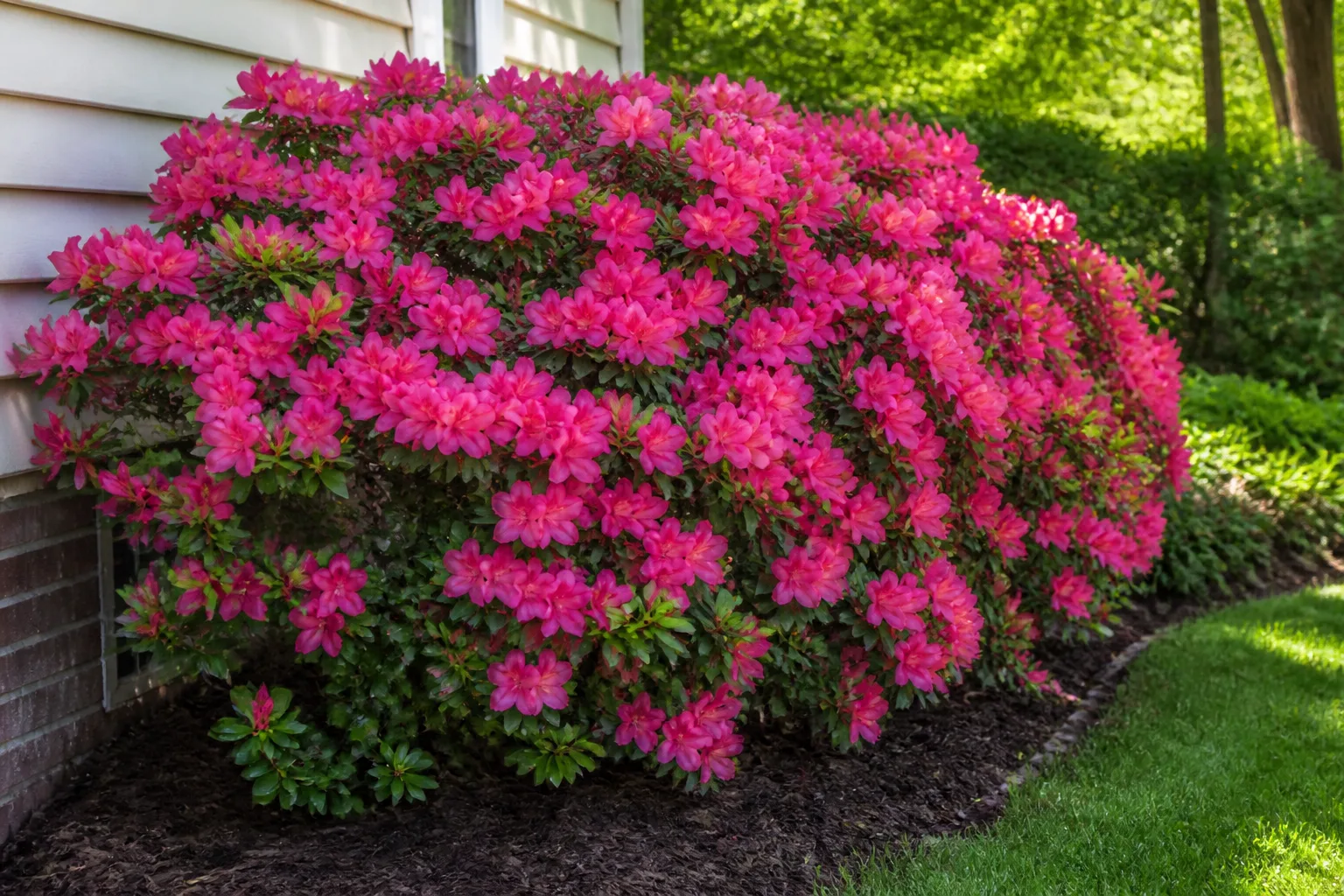
Azalea
Rhododendron spp. (azalea groups)
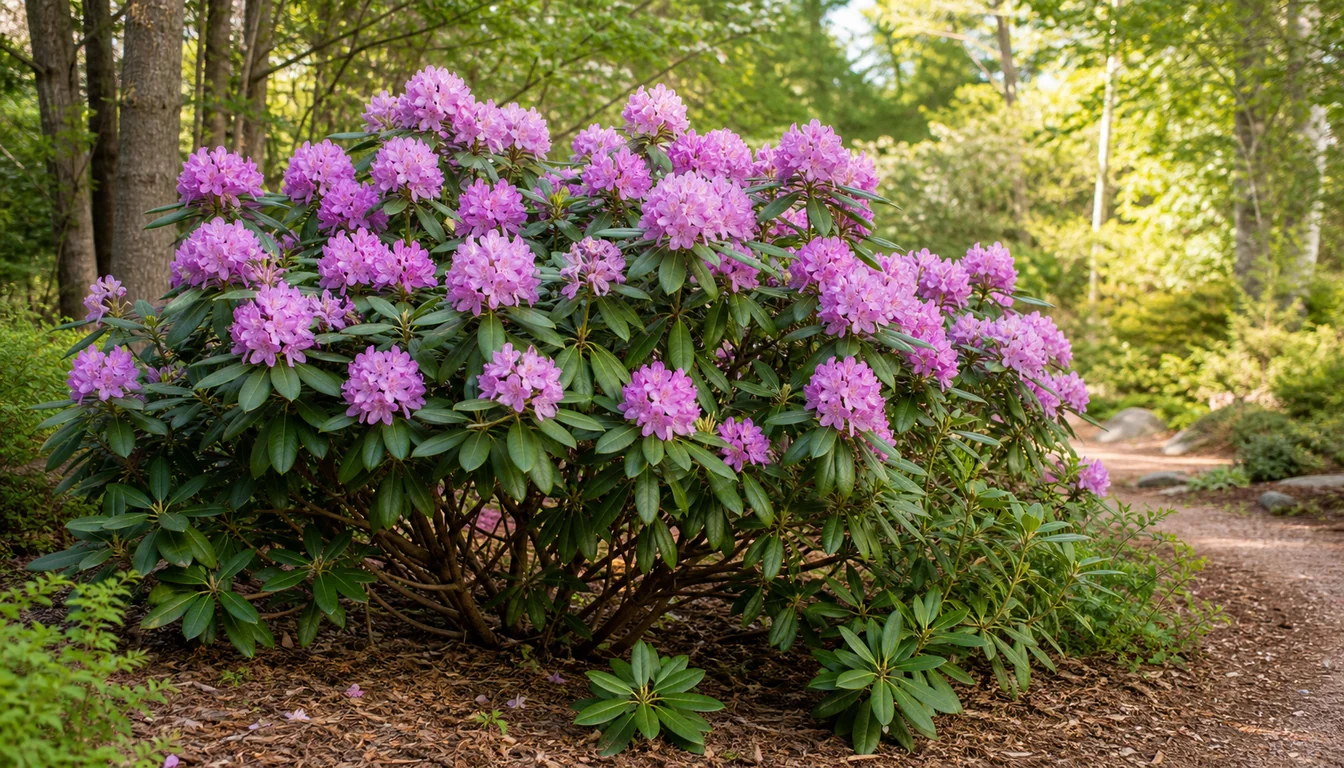
Rhododendron
Rhododendron spp.
The short answer is that all azaleas are rhododendrons, but not every rhododendron is called an azalea. Azalea is a familiar horticultural name for several groups inside the genus Rhododendron.
That relationship makes a simple winner verdict misleading. A compact evergreen azalea, a tall deciduous native azalea, and a broadleaf evergreen rhododendron can differ more from one another than the two store labels suggest.
Use flower and leaf clues for identification, then make the planting decision from the species or cultivar's mature size and hardiness. Both groups need acidic, well-drained soil and shallow-root care.
Specifications
Compare the traits that change the growing decision.
| Feature | Azalea | Rhododendron |
|---|---|---|
| Botanical relationship | Several horticultural groups within Rhododendron | The genus that includes azaleas and other groups |
| Stamens | Usually five | Often ten or more in plants called rhododendrons |
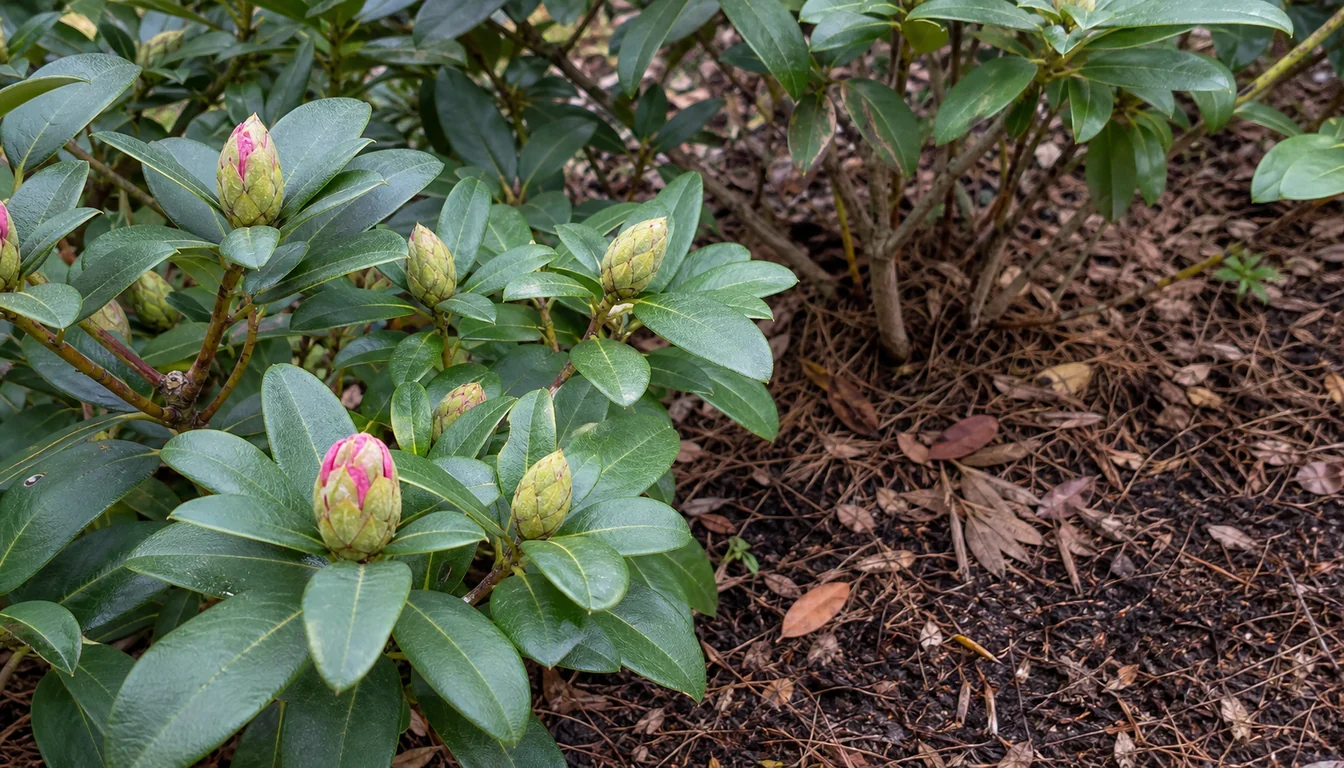
| Flower form | Often funnel-shaped, commonly one flower per stem | Often bell-shaped and grouped in a terminal truss |
| Leaf clues | Often smaller, sometimes hairy, without scales underneath | Often broader and leathery, sometimes scaly or dotted underneath |
| Leaf habit | Evergreen or deciduous | Many familiar garden forms are evergreen |
| Mature size | Varies from low cultivars to tall native shrubs | Varies from compact cultivars to large shrubs |
| Shared root-zone need | Acidic, moist, well-drained soil with shallow-root protection | Acidic, moist, well-drained soil with shallow-root protection |
Identification clues describe tendencies, not a perfect key for thousands of species and cultivars. Use the flower, leaf underside, and leaf habit together, then confirm the label.
For buying, the cultivar's measured size and hardiness outrank the broad name. An azalea can grow too large for a window bed, and a selected rhododendron can stay compact enough to fit it.
Best Use Cases
Choose by the job the planting needs to do.
Identifying an unlabeled shrub
Flower and leaf clues
Azaleas usually have five stamens, funnel-shaped flowers, and leaves without the scales found on some rhododendrons.
Plants commonly sold as rhododendrons often carry flowers in end clusters and have ten or more stamens, but exceptions make a complete label more reliable than one clue.
Choosing for a small bed
Mature size matters
Many compact azalea cultivars fit foundation beds, but the azalea name does not guarantee a small shrub.
Some rhododendron cultivars also stay compact, so compare the listed mature width rather than rejecting the whole group.
Woodland structure
Foliage through the year
A deciduous azalea opens the view and light during winter, while evergreen azaleas keep smaller leaves.
A broadleaf evergreen rhododendron can provide heavier year-round structure where the cultivar has enough room.
Why is an azalea also a rhododendron?
Botanical classification places azaleas inside the genus Rhododendron. The word azalea remains useful because it points gardeners toward groups that often share recognizable flower and leaf traits.
The retail label ‘rhododendron’ usually refers to other members of the same genus, especially broadleaf evergreen shrubs with clustered flowers. It does not mean azaleas sit outside the genus.
Think of the names as nested labels:
- Rhododendron names the whole genus.
- Azalea names several groups within it.
- A species name narrows the plant further.
- A cultivar name can identify the mature form sold by a nursery.
This is why a broad comparison can guide identification but cannot supply one universal height or hardiness range. Those values belong to the exact plant.
How can you tell the familiar garden groups apart?
Count stamens on a fresh, open flower when the parts are visible. Clemson Extension describes azaleas as usually having five, while plants called true rhododendrons commonly have ten or more.
Then look at the flower arrangement.
Azalea flowers are often funnel-shaped and carried singly on many stems, creating a broad sheet of color. Familiar rhododendrons often hold bell-shaped flowers together in a rounded terminal cluster called a truss.
Leaves provide another clue after bloom. Azalea leaves commonly lack scales and may have visible hairs, while a rhododendron leaf can be broader, leathery, and marked with scales or dots underneath.
No single trait settles every hybrid. Use several visible clues together, especially when the plant has lost its label.
Deciduous foliage does not disqualify an azalea. Many azaleas lose their leaves, although evergreen forms are common in home landscapes, and some plants called rhododendrons also break the usual pattern.
Do azaleas and rhododendrons need different care?
Their basic site needs overlap strongly. NC State recommends moist, well-drained acidic soil, dappled shade, and protection from harsh afternoon sun for the genus.
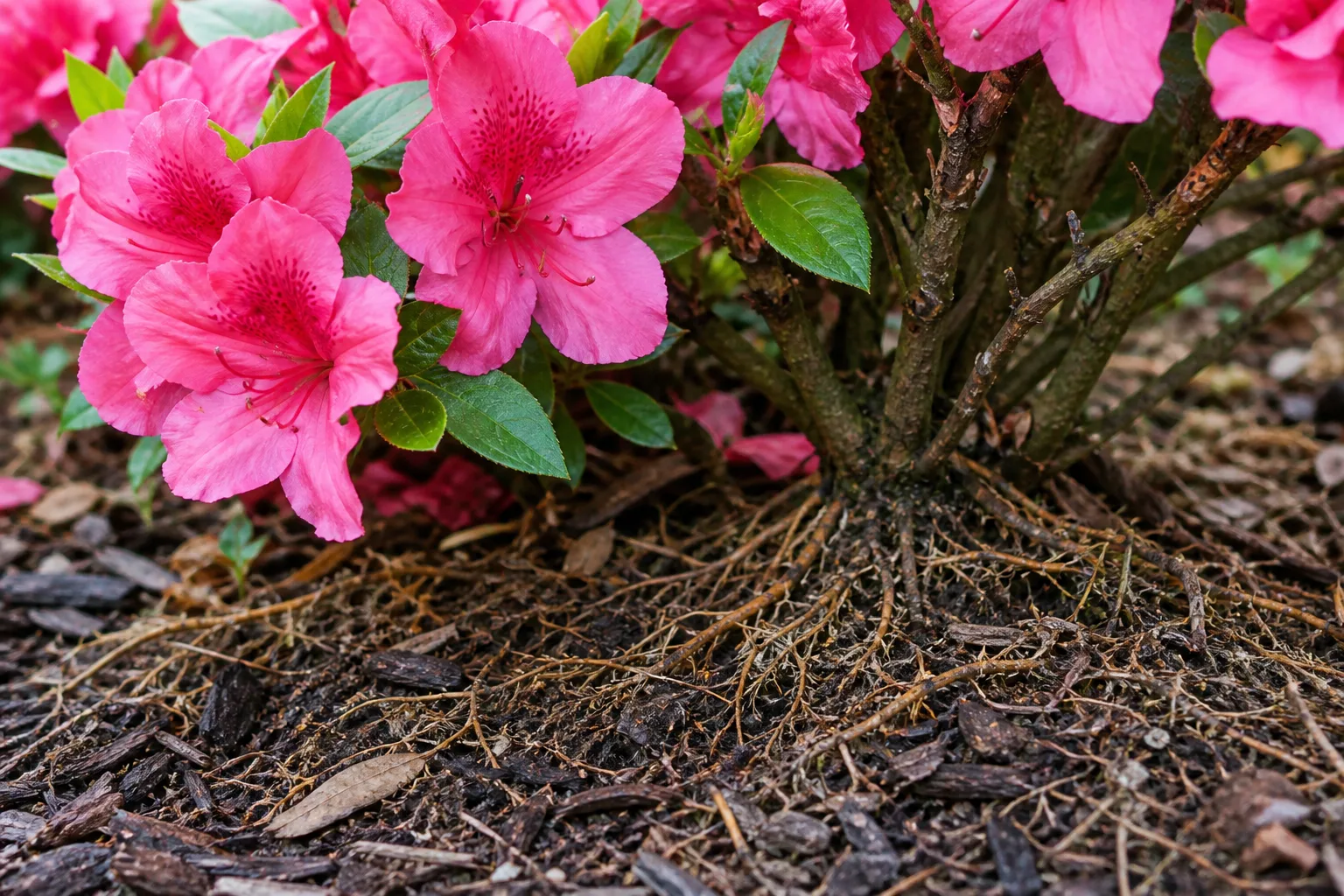
Drainage matters because the fine roots sit close to the surface and can rot in saturated soil. Set the root ball high enough for the site, keep deep cultivation away from the base, and use a surface mulch to reduce moisture swings.
OSU gives a useful target of pH 4.5–6.0 for rhododendrons and azaleas. Test the soil before adding sulfur because guessing can push an already acidic bed too far.
Concrete foundations and walks can raise nearby soil pH. Yellow leaves can therefore reflect an unsuitable root zone rather than a fertilizer shortage.
Which one should you buy for the available space?
Choose from the measured space and the conditions, not from a rule that azaleas are always small and rhododendrons are always large. Both labels cover a wide range.
Write down the bed's usable width, the maximum height below windows or wires, the hours of direct sun, and whether water remains after rain. Compare those facts with the mature dimensions and hardiness of each named cultivar.
For a low foundation layer, a compact evergreen azalea may be the easiest fit. A taller deciduous azalea can instead serve as a loose woodland shrub, while a broadleaf evergreen rhododendron can hold a larger background through winter.
Look at foliage outside bloom season before buying. Flowers last for a limited window, but leaf size, density, and winter habit affect the view for much longer.
The exact cultivar is the real choice. The azalea-versus-rhododendron label helps you read the plant, while the cultivar tells you whether it belongs in your bed.