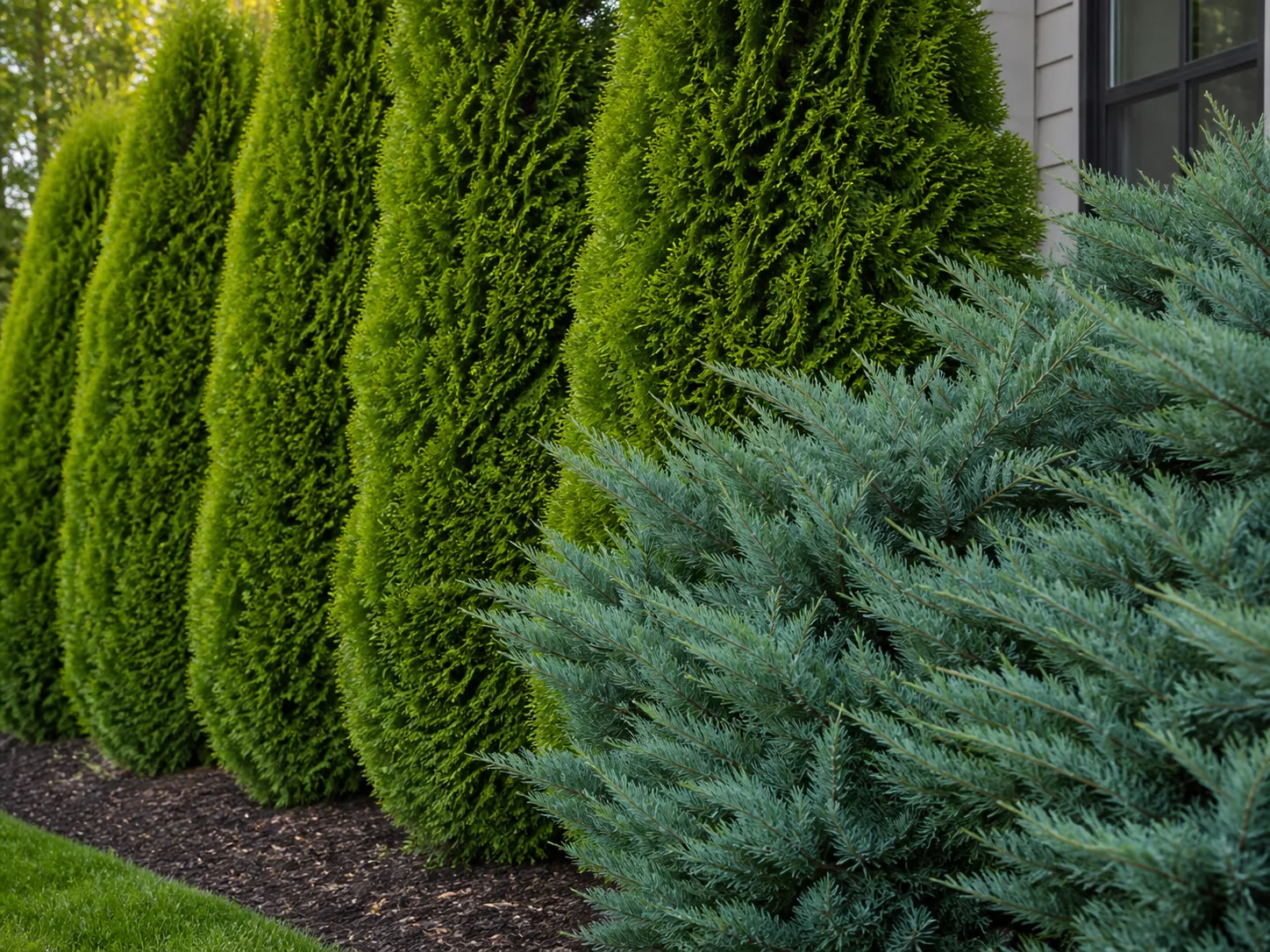
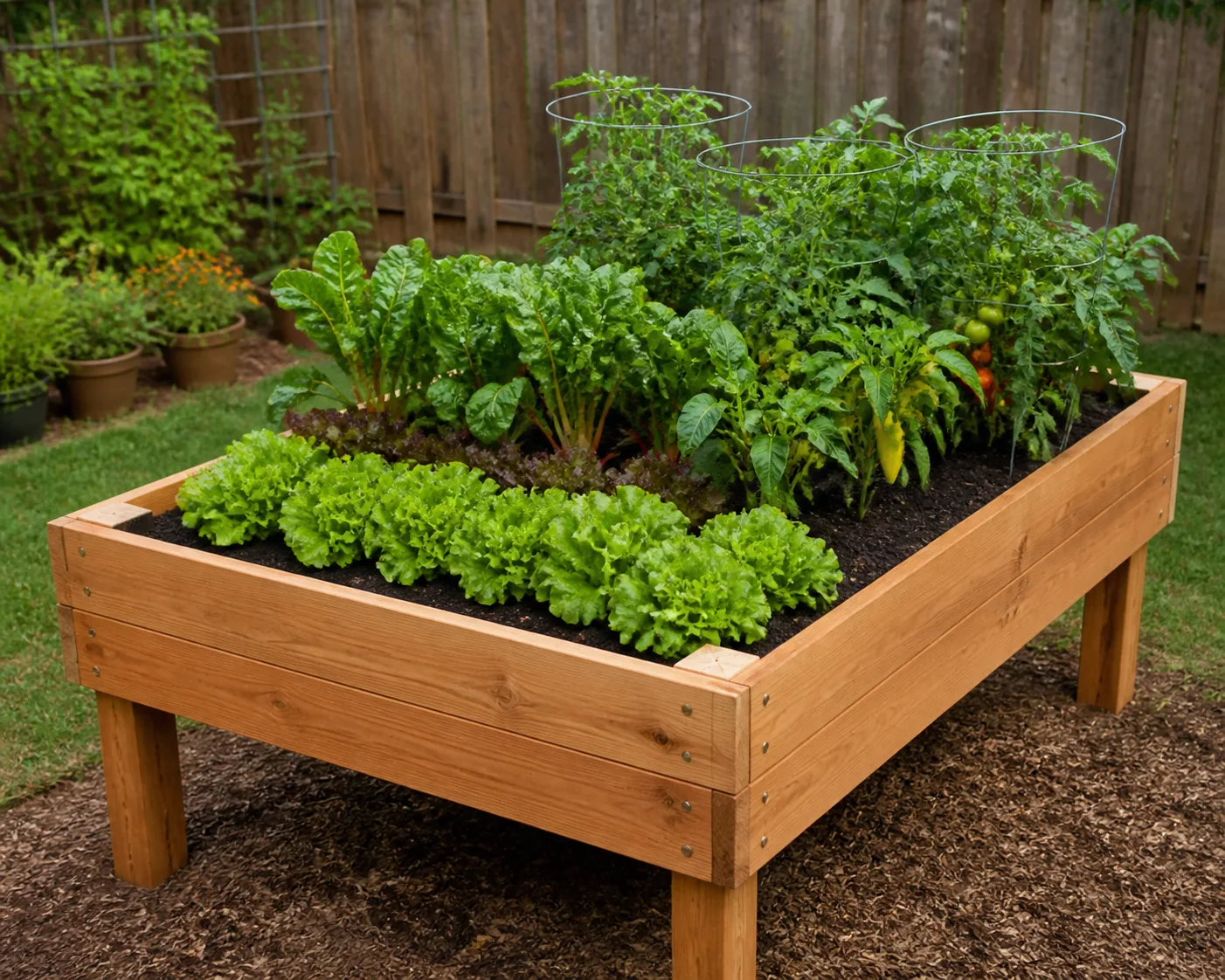
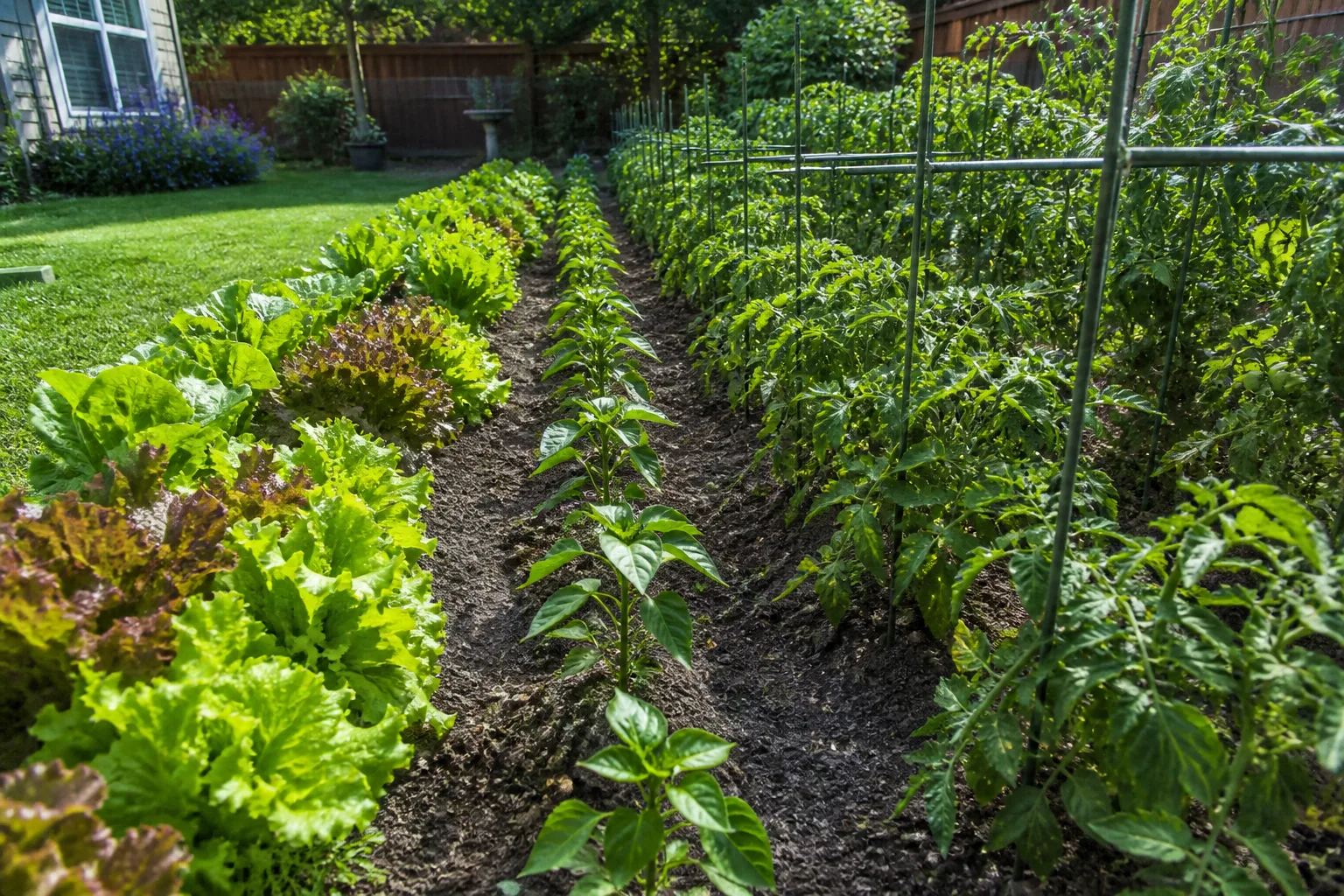
Morning Sun vs Afternoon Sun
Morning sun gives direct light while air and surfaces are cooler, which often suits scorch-prone foliage. Afternoon sun adds light during the hottest part of the day, which works for heat-tolerant plants only when the total exposure, soil moisture, and local climate fit.
Morning Sun
Direct light before midday
Afternoon Sun
Direct light after midday
Equal hours of morning and afternoon sun do not create equal growing conditions. Afternoon exposure commonly arrives with warmer air, hotter walls and containers, and greater drying pressure.
Morning sun is often the safer part-day exposure for thin leaves, moisture-loving plants, and houseplants moving outdoors. It also helps dry dew early, which can matter in fruit and disease-prone plantings.
Afternoon sun is useful when a plant truly needs strong direct light and tolerates the accompanying heat. The correct choice comes from the whole microclimate, not from the clock alone.
Specifications
Compare what each exposure does to the plants growing in it.
| Feature | Morning Sun | Afternoon Sun |
|---|---|---|
| Typical direction | East or southeast | West or southwest |
| Air and surface heat | Usually lower | Usually higher |
| Overnight dew | Begins drying earlier | May persist through the morning shade |
| Container drying | Often slower after midday shade | Often faster during peak warmth |
| Scorch pressure | Lower for acclimated plants | Higher on sensitive leaves |
| Reflected heat risk | Site dependent | High beside west-facing walls and paving |
| Useful starting fit | Part-shade and heat-sensitive plants | Heat-tolerant, high-light plants |
| What confirms the choice | Plant response through warm weather | Plant response through warm weather |
Direction is a clue rather than a guarantee. Trees, fences, rooflines, slopes, latitude, season, clouds, and reflected surfaces can change both the duration and heat of direct sun.
A plant tag describes a broad exposure class. The observed hours, hottest leaf period, and plant response determine whether a particular spot fulfills it.
Best Use Cases
Choose by the conditions the site actually has.
Thin-leaved or part-shade plants
Direct light without peak heat
Morning exposure can provide useful direct light before leaf and soil temperatures climb.
Western afternoon exposure can scorch sensitive foliage, especially beside reflective walls or paving.
Fruiting crops or orchard plants
Total daily light still controls
Early sun dries dew and starts photosynthesis without the highest heat load.
Afternoon sun can extend direct exposure, but four hot hours do not replace the longer full-sun site many fruiting plants require.
Houseplants moving outdoors
Acclimate to stronger light
A short morning window after bright shade gives tender leaves a gentler transition to outdoor light.
Sudden midday or afternoon exposure can bleach foliage and dry a small container before the plant adapts.
Hot, reflected planting pocket
Wall and pavement amplify heat
Morning sun followed by shade often reduces the combined stress from direct light and reflected heat.
Afternoon sun can suit dry-climate plants, but the same exposure can overwhelm a cultivar that is merely labeled for full sun.
Why does the time of direct sun matter?
Sunlight changes across the day while air, walls, pavement, containers, and soil are also heating. A western bed can therefore expose leaves to direct light and high surrounding temperatures at the same time.
Colorado State describes morning sun with afternoon shade as favorable for many plants because the later shade protects them from extreme heat. It warns that western and southwestern reflected heat can make afternoon sites unusually limiting.
Morning light has another useful effect. It dries dew earlier, and Penn State notes that faster canopy drying helps reduce conditions that favor some orchard diseases.
Afternoon exposure is not automatically harmful. Plants adapted to hot, open sites may perform well there when their roots have suitable soil volume and moisture.
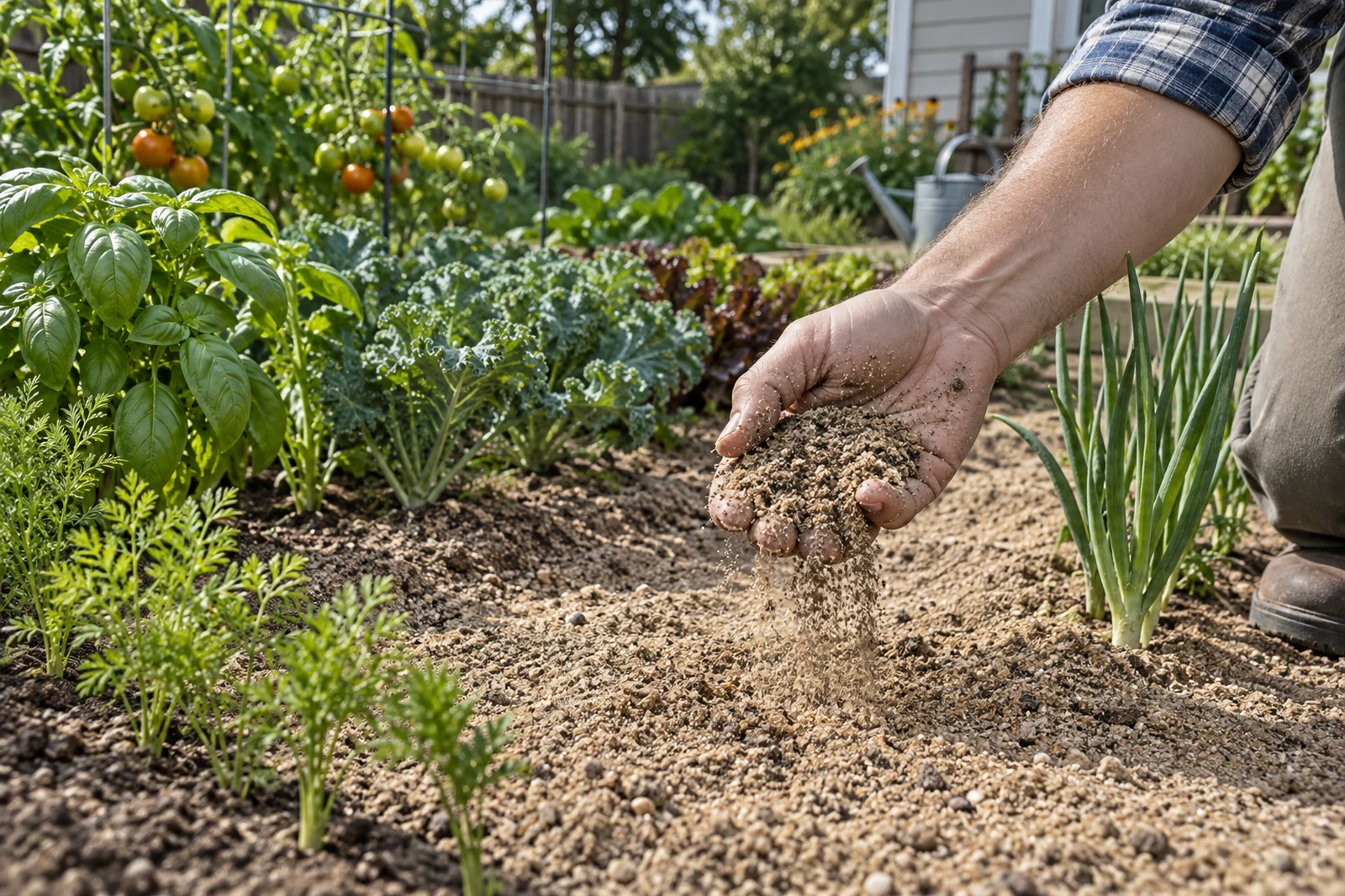
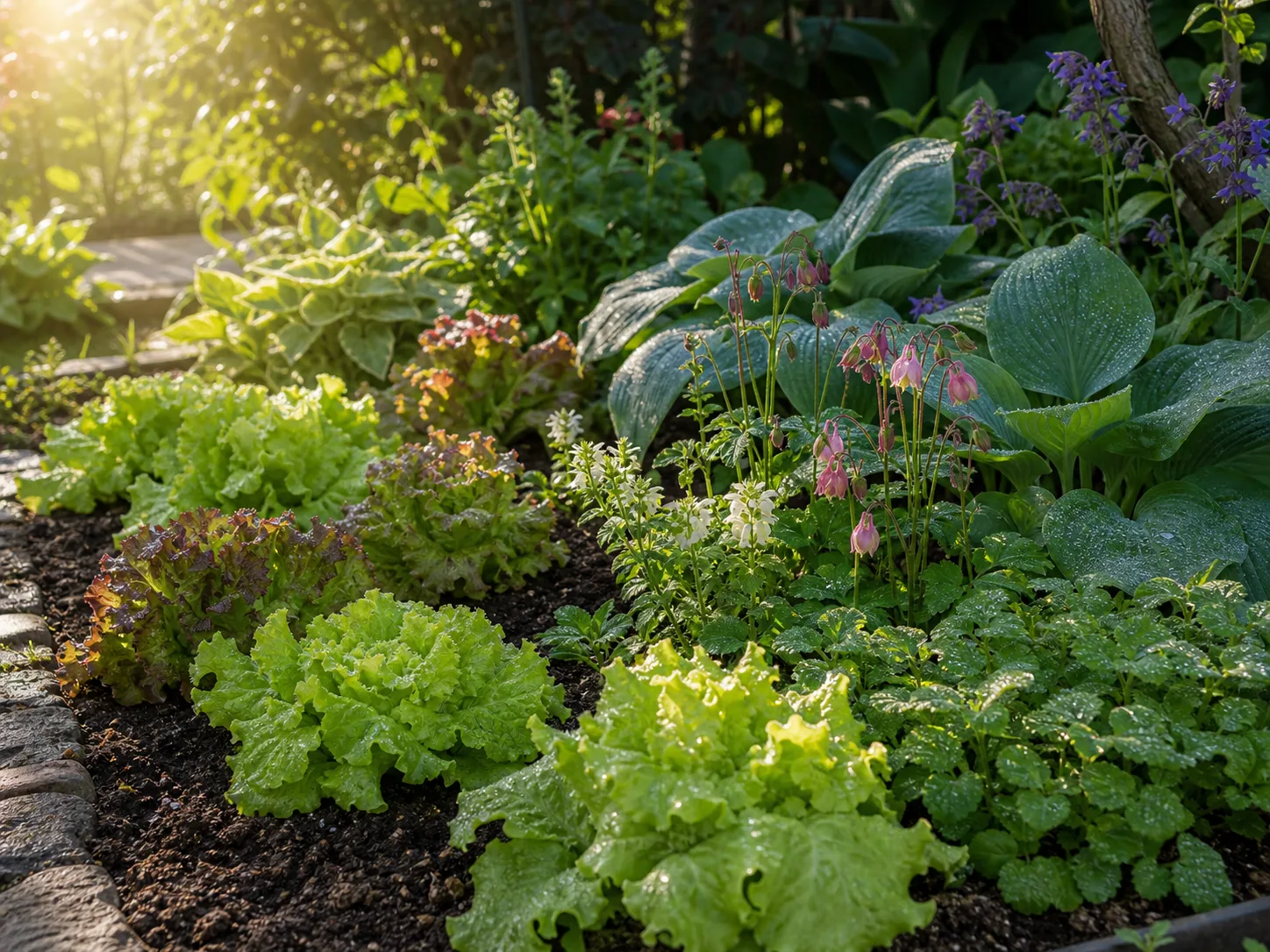
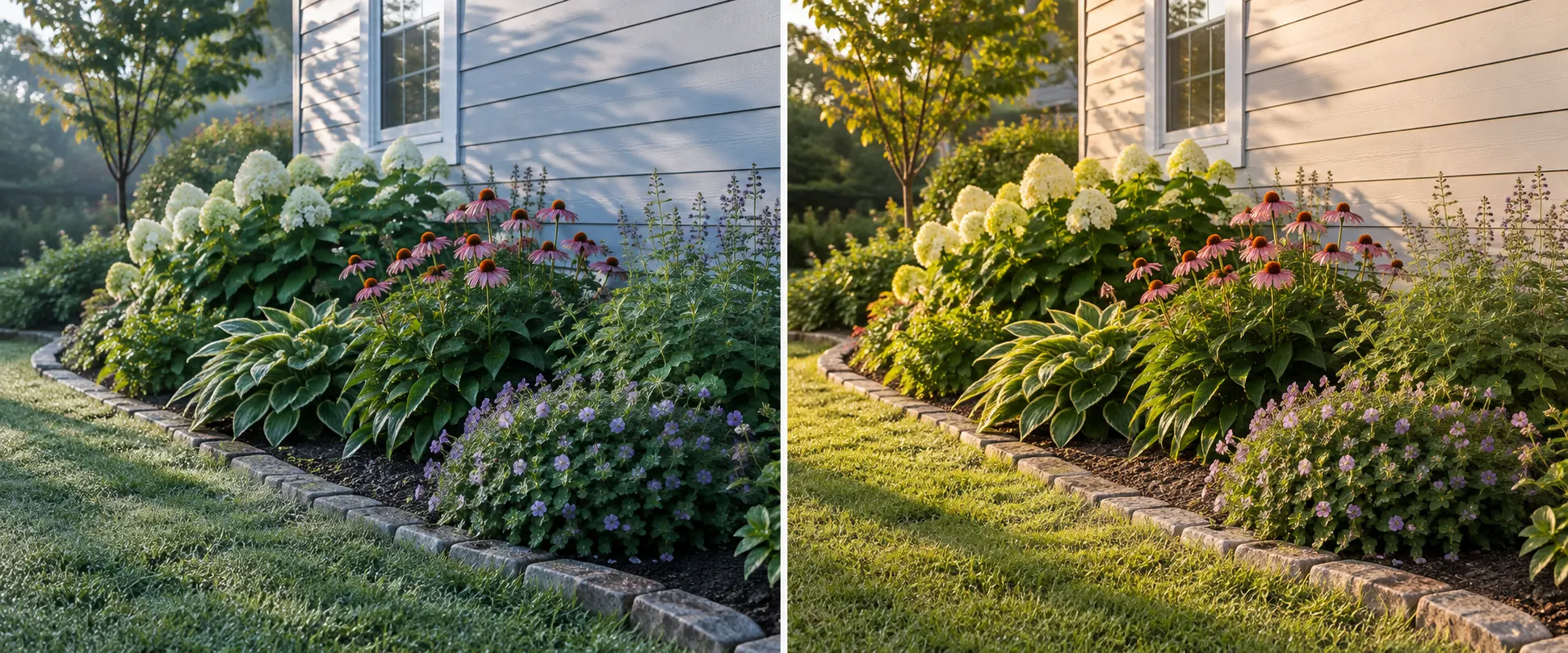
The visual comparison shows the same bed under different heat loads. The plant list has not changed, but the leaf temperature, container temperature, and drying conditions have.
How can you measure morning and afternoon exposure?
Watch the actual planting spot instead of judging from compass direction alone. A nominally east-facing bed may remain shaded by a neighbor's tree, while light can reach a west-facing corner through a gap for only one hour.
Use this simple sun map on a clear day:
- Mark the bed, wall, windows, trees, and fences on a rough sketch.
- Note which parts receive direct sun every one or two hours from morning through evening.
- Record when shade begins and whether it is solid, dappled, or reflected light.
- Repeat near the warmest part of the growing season, when the sun path and tree canopy differ from spring.
- Add heat clues such as a west wall, stone mulch, pavement, wind exposure, and small pots.
Do not turn one observation into a permanent fact. Deciduous trees leaf out, neighboring plants grow, and the seasonal sun angle moves shadows across a yard.
A phone light meter can compare relative brightness, but the plant decision still needs duration and heat context. A bright reading at 9 a.m. cannot predict the temperature beside a brick wall at 4 p.m.
Does a full-sun label require afternoon sun?
No. Full sun describes an amount of direct exposure, not a mandatory west-facing position.
Extension sources use different hour bands for sun categories, which is one reason a single number should not overrule regional guidance. Colorado State also notes that altitude and reflected heat change the practical intensity of a site.
Read the tag in this order:
- Confirm the recommended range from sun to shade.
- Check whether the named species or cultivar has heat-sensitive foliage.
- Compare the nursery's regional advice with your climate and elevation.
- Ask whether the plant needs abundant light for flowers or fruit, or mainly needs protection from heat.
- Check mature water demand and the available root volume.
A “full sun” plant can still benefit from late shade in a very hot inland climate. The same cultivar may need a longer exposed day in a cool coastal or northern garden.
For plants labeled part shade, morning sun is often a sensible starting point, but it is not a universal rule. A dense canopy that supplies only dim early light may be too dark, while a dry east-facing slope can still stress a moisture-loving plant.
Which outdoor plants benefit from each exposure?
Morning sun commonly suits plants whose leaves scorch or whose roots need even moisture. Bigleaf hydrangea is a useful example because hot afternoon exposure and reflected heat can damage leaves and raise water demand in warm regions.
Hostas, ferns, caladiums, and many woodland perennials also tend to fit morning sun followed by shade. The exact cultivar and local climate still matter because some selections tolerate more direct light than others.
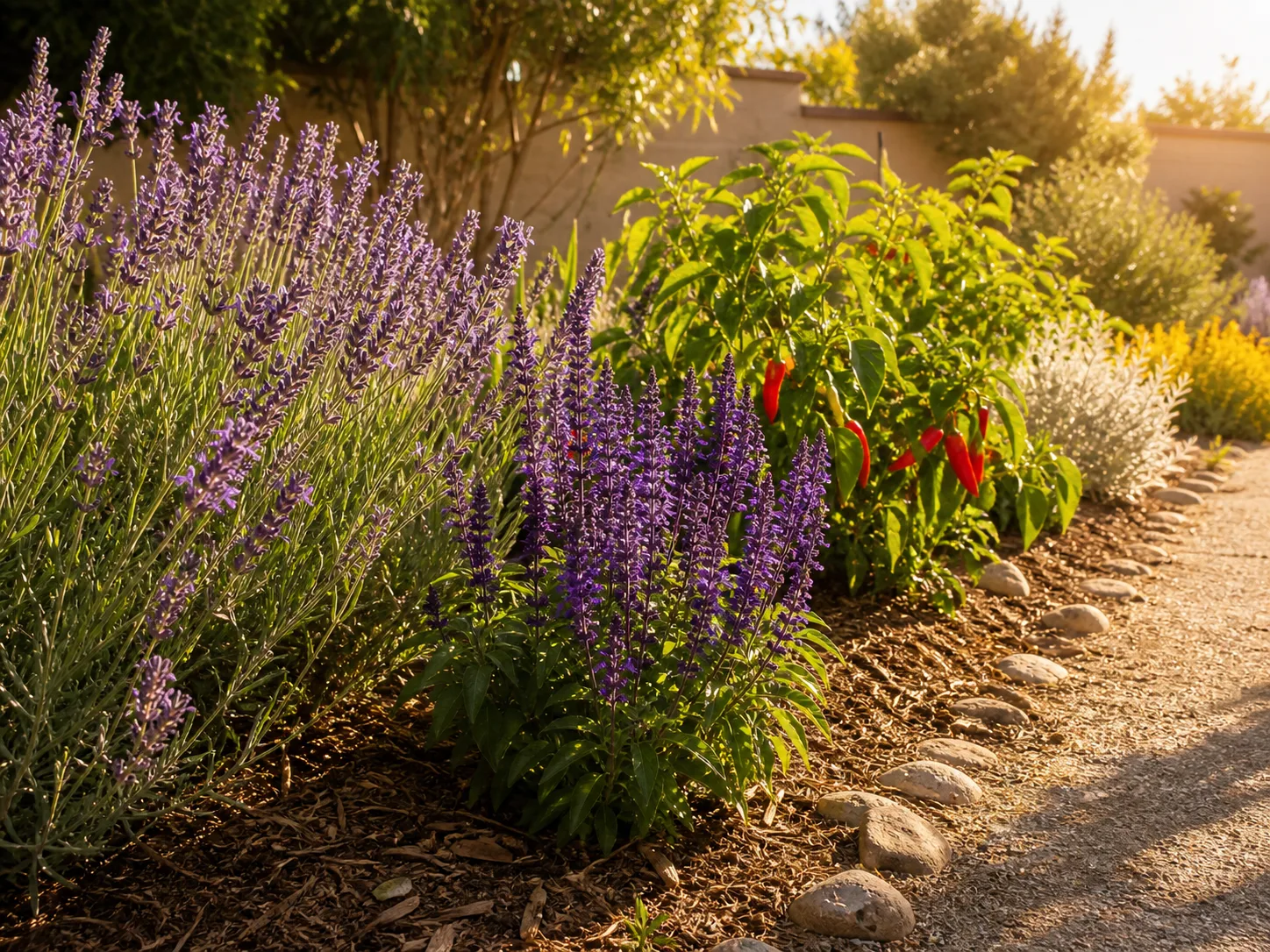
Afternoon sun can serve lavender, sedum, ornamental grasses, and other plants adapted to hot, bright sites. Their success still depends on drainage, establishment, and the temperature reflected from nearby hardscape.
Fruiting crops need a separate decision. Tomatoes, peppers, tree fruit, and berries usually need substantial total direct light, so a short morning-only or afternoon-only window may not provide enough even if that window is intense.
Use these checks before planting:
- Choose morning exposure when the label says part shade, leaves are thin, or the climate has hot dry afternoons.
- Choose afternoon exposure when the plant requires high light, tolerates heat, and the root zone can support the added drying.
- Choose a longer open site when flower or fruit production depends on more total sun than either part-day location receives.
- Choose another plant when reflected heat, shallow soil, or irrigation limits make the intended site unrealistic.
A shade-adapted shrub still needs the correct moisture and mature space. Moving it out of afternoon sun will not repair compacted soil or a dry root zone.
How do east- and west-facing windows change houseplant light?
An east-facing window commonly delivers direct morning light, while a west-facing window receives later direct sun. Glass, screens, roof overhangs, nearby buildings, and distance from the pane can reduce or redirect what reaches the leaves.
Indoor light is also much weaker a few feet away from the glass than it appears to your eyes. Move the plant itself through the space when comparing positions.
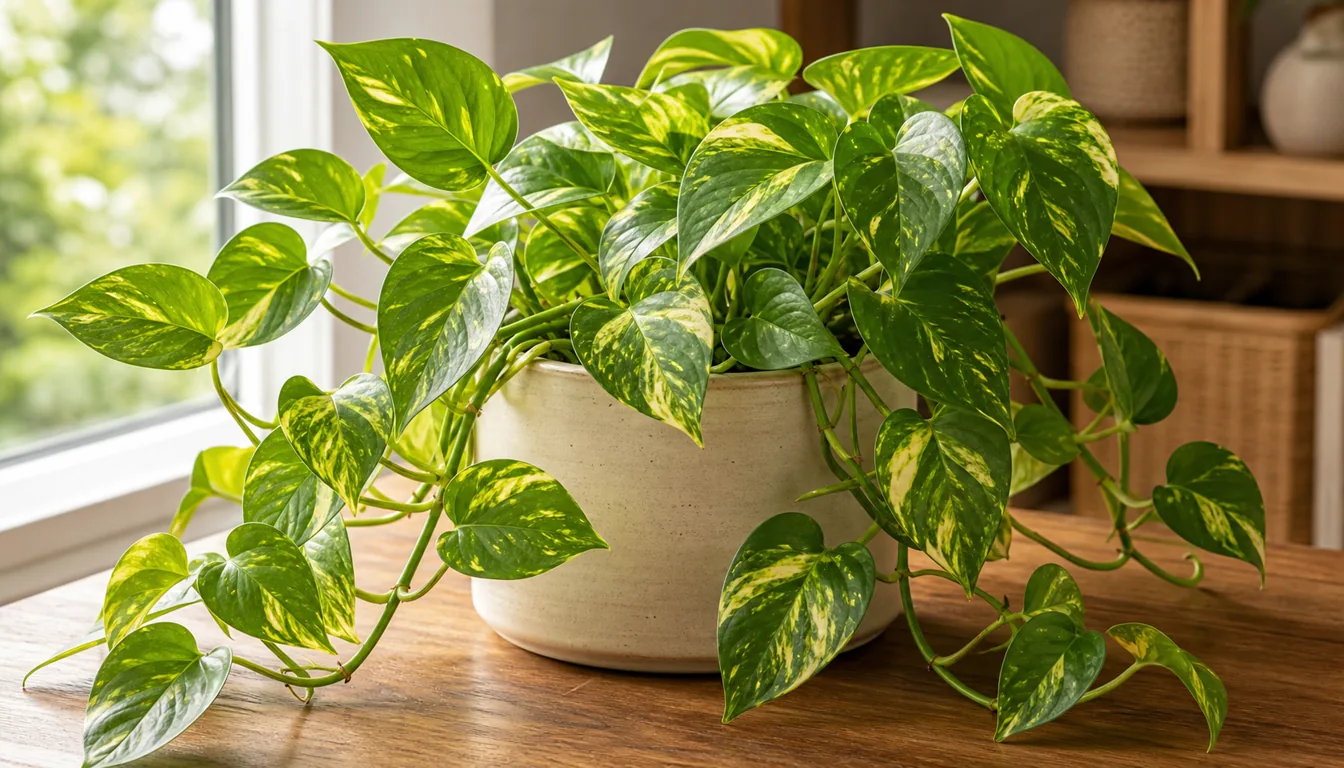
UMN advises moving houseplants toward south- or west-facing light gradually over one to two weeks in spring. A sudden jump can scorch pothos, philodendron, peace lily, fern, and other shade-adapted foliage.
When moving a houseplant outdoors, begin in bright shade and add a short period of morning sun only after the plant shows no bleaching. Outdoor sunlight is far stronger than light filtered through a window.
Succulents and cacti may accept more west-window sun, but a plant raised under low shop or winter light still needs acclimation. Thick leaves do not prevent sudden sunscald.
How can you tell if afternoon sun is too strong?
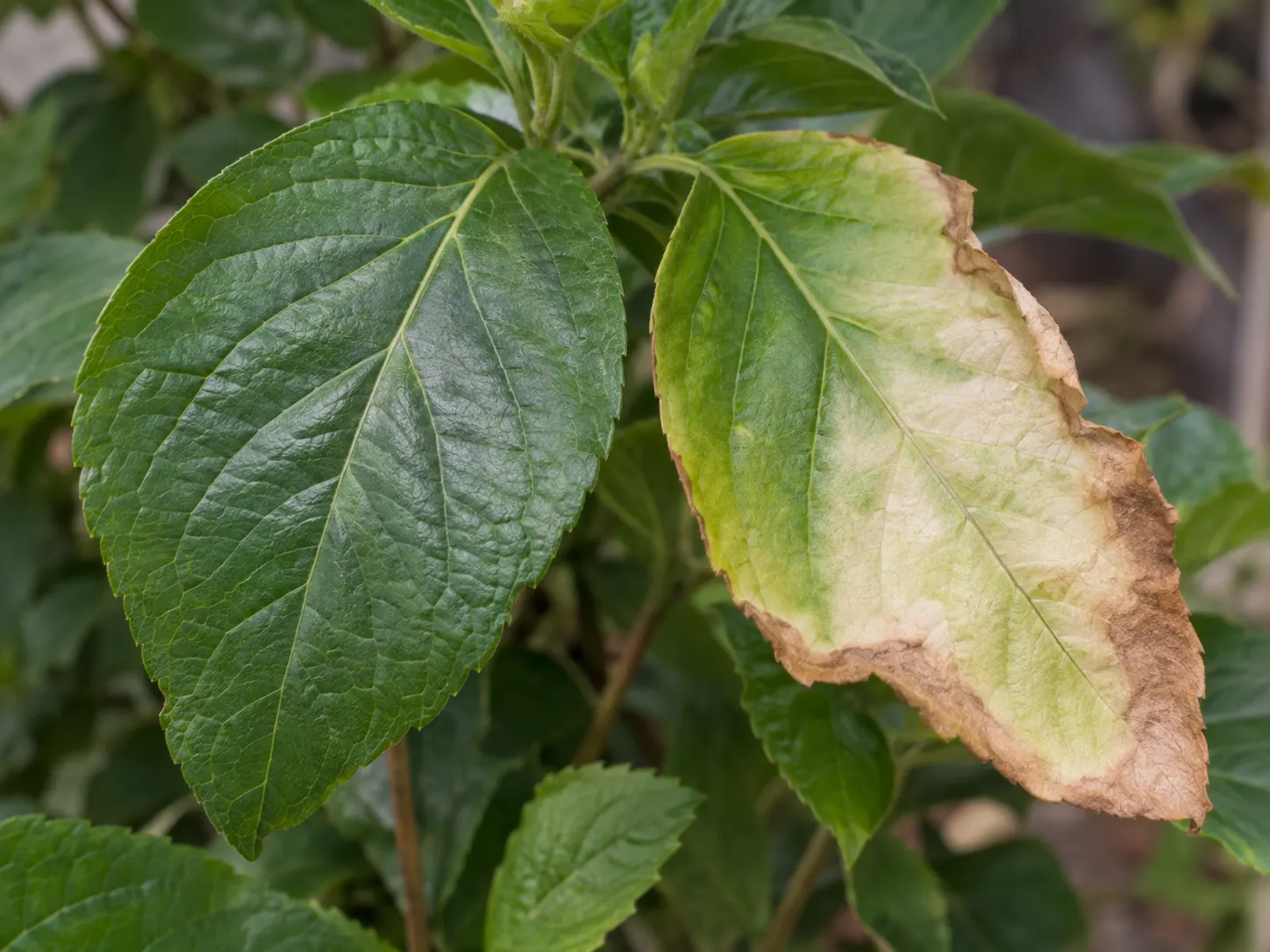
Sunscald often begins on the side facing the strongest light. Affected tissue may bleach pale green, yellow, tan, or nearly white before it becomes dry and crisp.
Drought stress can happen at the same time, but it is not identical. A thirsty plant may wilt broadly while the soil is dry, whereas sun damage can mark exposed leaf surfaces even when deeper soil still contains moisture.
Use the pattern to choose a response:
- Pale or tan patches limited to exposed leaves point toward excess light or heat.
- Brown margins with a dry root ball suggest moisture loss may also be involved.
- Long weak stems leaning toward light suggest the position is too dim, not too bright.
- Damage beside a west wall or reflective window makes the surrounding heat part of the diagnosis.
Move a container into bright shade or shorten its direct exposure, then acclimate more slowly. For an established bed, temporary afternoon shade, a correctly placed larger plant, and mulch over the root zone can reduce stress without relocating everything.
Do not flood the soil to treat a scorched leaf. Water according to root-zone moisture because saturated roots create a second problem.
Damaged tissue will not turn green again. Judge the correction from healthy new growth and from whether the injury stops spreading, then remove a badly damaged leaf only when the plant can spare it.
Sources & References
- Light Intensity — Colorado State University Extension
- When Houseplants Go Outside — University of Minnesota Extension
- Home Orchards: The Planting Site — Penn State Extension
- Mountain Microclimates — Colorado State University Extension
- Hydrangeas Bring Beauty and Variety to Oregon Gardens — Oregon State University Extension