
What's a Rhododendron? How to Protect Shallow Roots
Rhododendron spp. Ericaceae
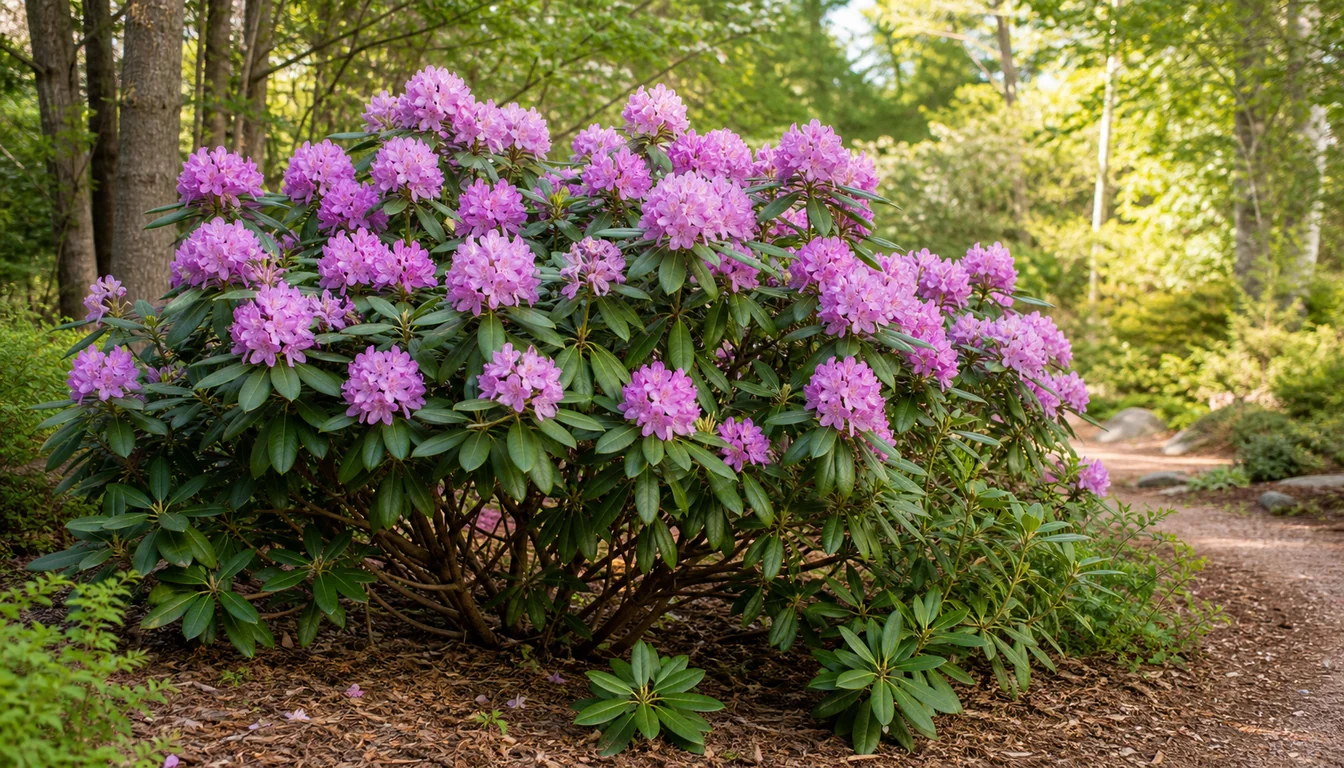
Rhododendron is a broadleaf flowering shrub grown for spring trusses and glossy leaves, but its care starts below the show. It needs an acidic, airy root zone and a protected site where flower buds do not dry, freeze hard, or burn before they open.
Care snapshot
What Is a Rhododendron in a Garden?
Rhododendron is a large genus of woody shrubs in the heath family, usually grown for evergreen structure and clusters of spring flowers above shallow fibrous roots.
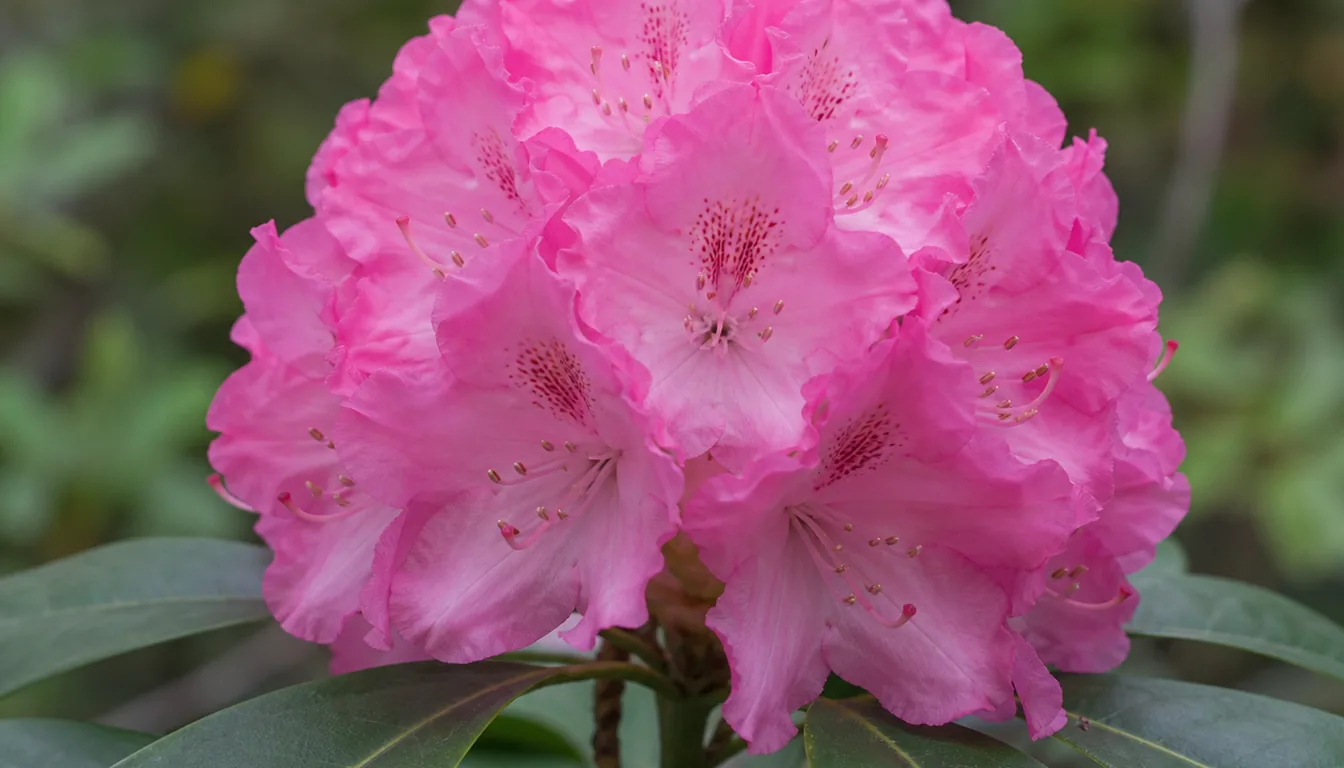
Rhododendron is a woody shrub in the heath family, grown for clusters of spring flowers called trusses and for broad evergreen leaves on many garden types.
It is not just a shade filler, because the show depends on flower buds that formed long before the bloom season.
Protect the buds above the plant and the shallow roots below it.
This care frame separates Rhododendron from tougher evergreen shrubs that can sit in ordinary soil and recover from rough pruning. A rhododendron may stay green for months while the next bloom has already been lost.
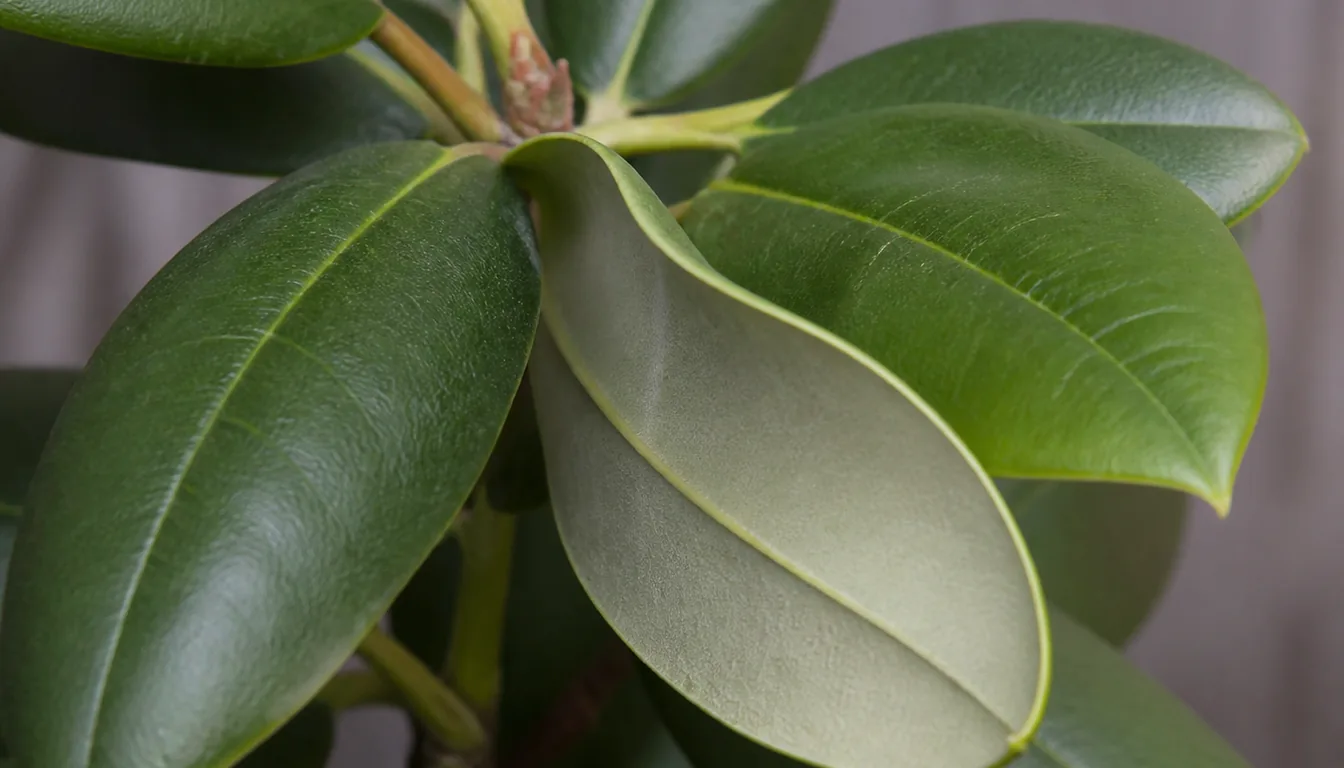
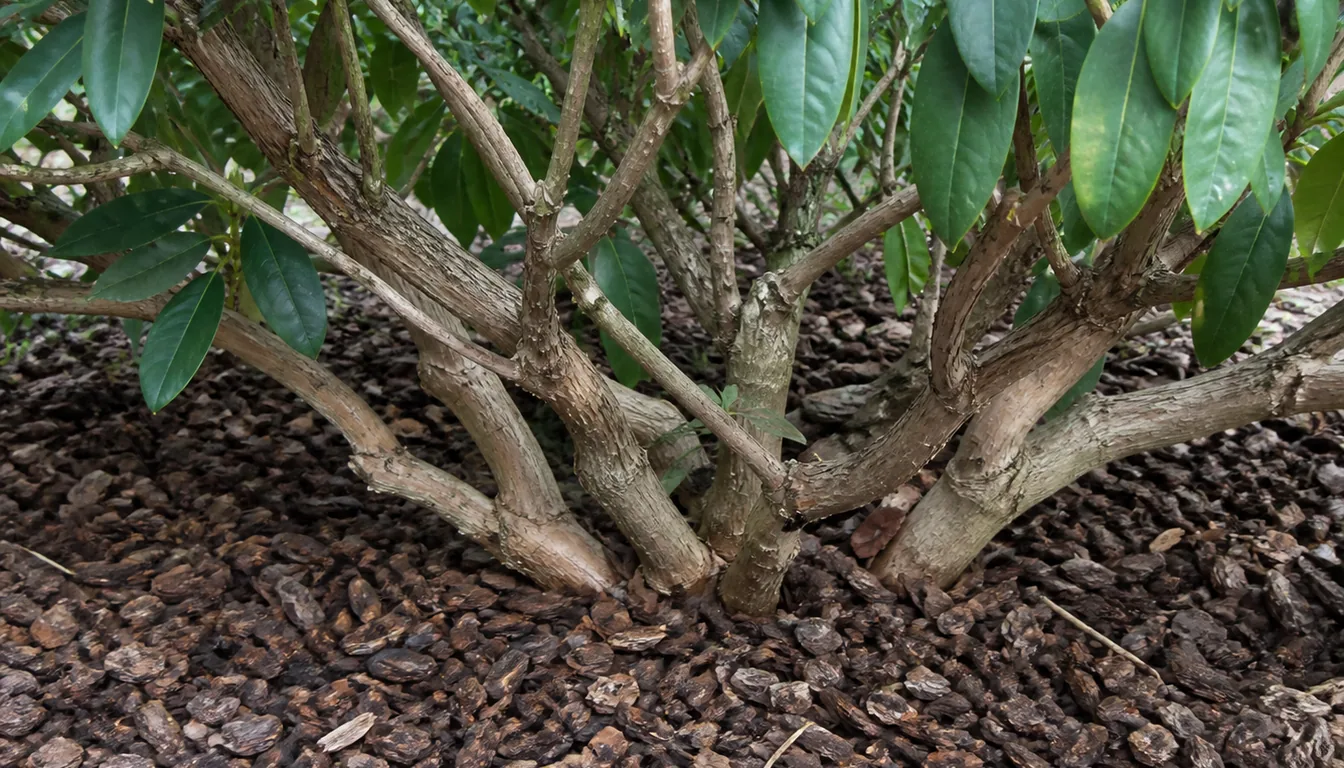
When you inspect one in a garden center, look past the flowers. Check whether the leaves are broad and leathery, whether the plant has a woody branching base, and whether the tag names a cultivar with a mature size.
The common mistake is to treat the shrub like a spring decoration and then forget the year-round plant behind it. A rhododendron is still using winter shelter, summer moisture, and leaf health to decide what next spring looks like.
- Botanical identity
- Rhododendron species and hybrids, in the heath family Ericaceae
- Garden habit
- Evergreen or deciduous woody shrub with shallow fibrous roots
- Main display
- Terminal clusters of trumpet- or bell-shaped spring flowers
- Best light
- Bright shade or morning sun with afternoon protection
- Soil
- Acidic, organic, aerated soil that drains without drying hard
- Sizing rule
- Cultivar height, width, and cold hardiness vary widely
Which Rhododendron Fits Your Winter and Final Width?
Flower color should not be the first filter on a Rhododendron tag.
Mature width, bud hardiness, heat tolerance, and bloom timing decide whether the shrub still fits after the first pretty spring.
Compact cultivars can suit a foundation bed, while larger forms need space to layer outward. If a tag gives only a pot size and color, treat the plant as unknown until you can confirm its mature spread.
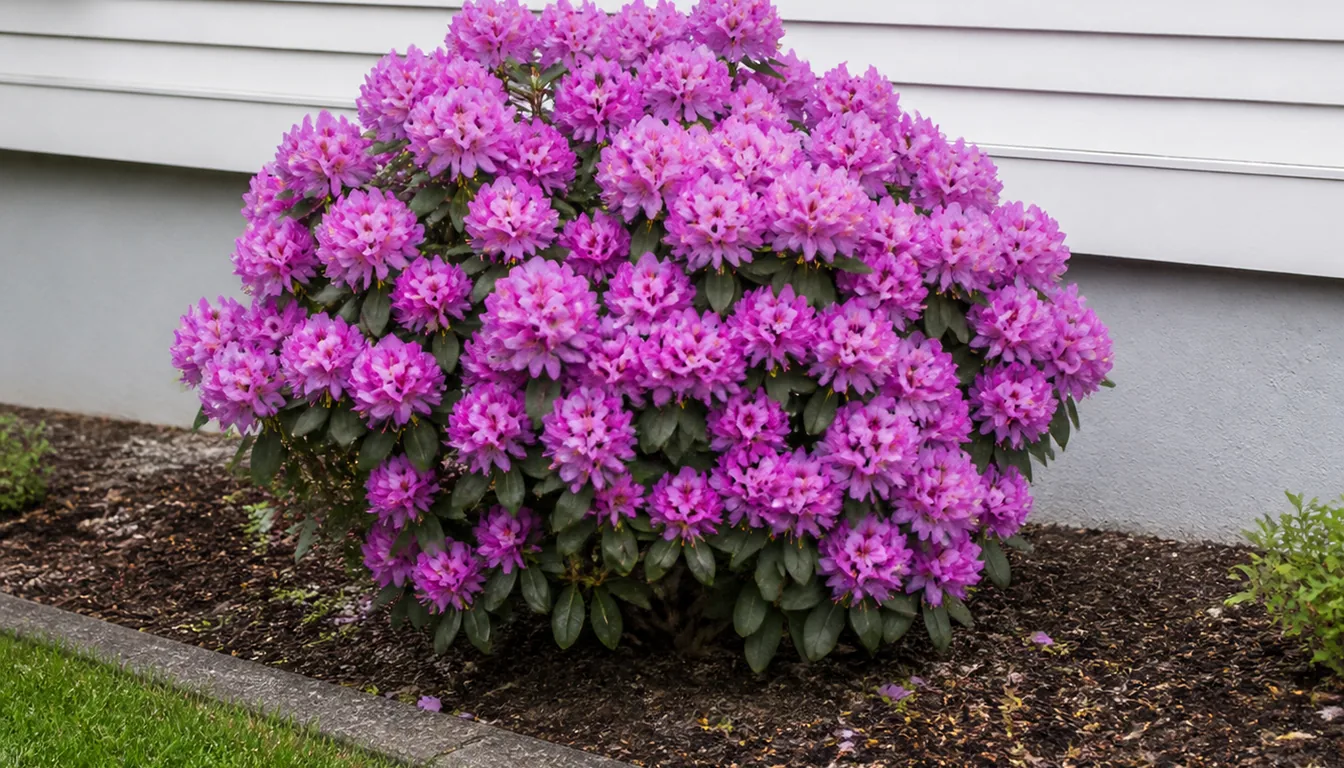
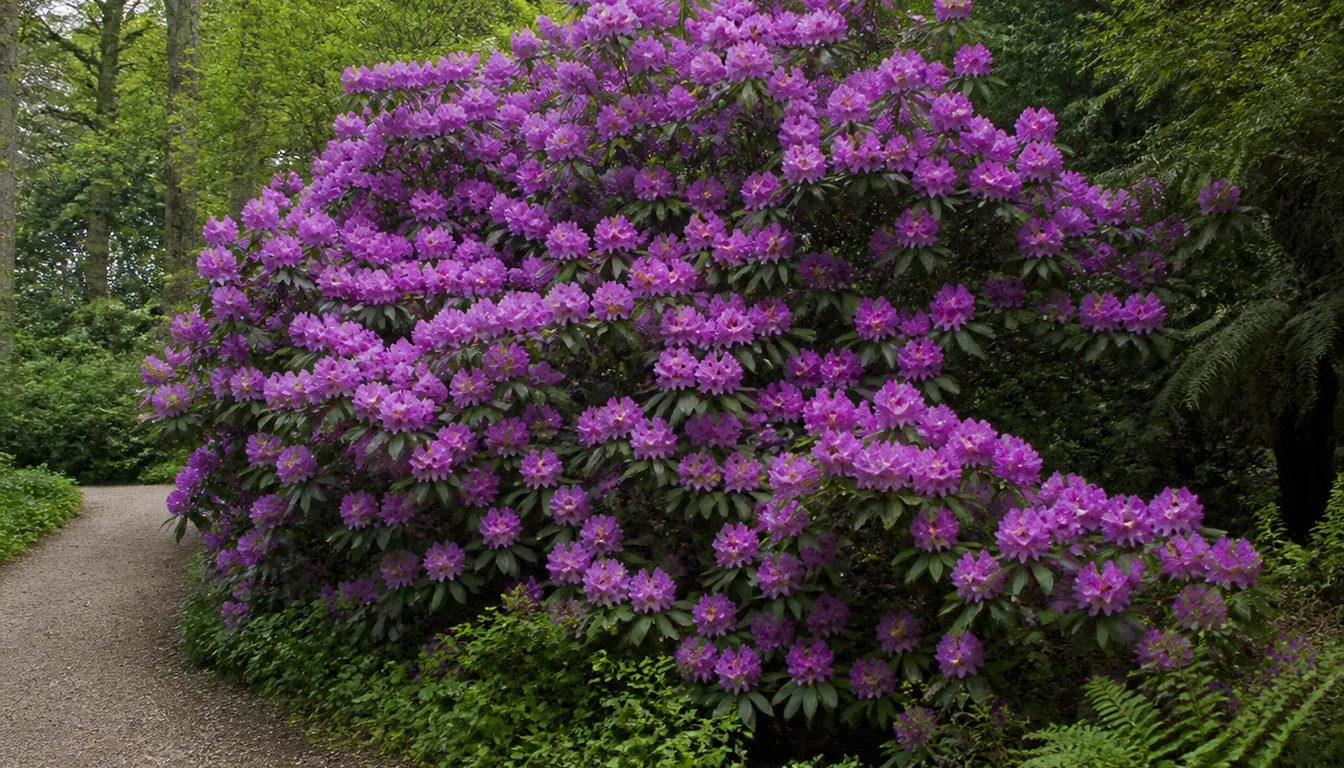
A cold-hardy cultivar still needs a site that protects buds from drying wind. A heat-tolerant cultivar still needs cool mulch and afternoon relief, because hot roots can undo the benefit of a good tag.
If the plant will crowd a path at maturity, choose a smaller cultivar before planting.
Bloom season matters too. An early-blooming cultivar may open before late frosts are finished, while a later one can miss part of that risk in colder gardens.
Evergreen leaf size is another clue. Large-leaved types look lush in shade, but they also show windburn and scorch clearly when the site is wrong.
- Small entry bed
- Choose a compact cultivar with a listed final width.
- Cold windy site
- Look for bud hardiness and winter wind shelter.
- Warm garden edge
- Use heat-tolerant selections in bright open shade.
- Azalea confusion
- Use azalea vs rhododendron when size and leaf habit are unclear.
Where Do Rhododendrons Grow Reliably?
A hardiness zone tells you whether a Rhododendron may survive the winter, but it does not prove the plant will bloom well.
Cool roots, moist air, wind shelter, and acidic soil decide whether survival turns into a good shrub.
Cold regions usually worry about bud injury, frozen soil, and winter wind. Warm regions usually worry about hot roots, reflected afternoon heat, and leaves that stay stressed long after spring flowers fade.
If your yard fails two of those conditions, choose a different shrub before fighting the same stress every season. A rhododendron in the wrong microclimate often becomes a yearly rescue project.
- Cold edge
- Choose bud-hardy cultivars and avoid open winter wind.
- Hot edge
- Use open shade, organic mulch, and reliable summer water.
- Clay soil
- Plant high in a broad amended bed, not a deep wet hole.
- Alkaline area
- Test before planting, because pH correction is easier before roots spread.
How Much Sun Can a Rhododendron Take?
Rhododendron usually does best with morning sun, high open shade, or filtered woodland light.
That gives buds energy without putting broad evergreen leaves through the hottest part of the day.
Deep shade can leave the shrub leafy but weak on bloom, while harsh afternoon sun creates browned leaf edges, curled leaves, and dry buds. Use shade shrubs for cool garden beds for alternatives if your site has dry shade, reflected heat, or no room for the mature width.
A site that looks bright in April can become too hot by July. Check reflected heat from walls and paving during summer, not only the number of sun hours in spring.
In cold regions, frozen soil changes the light equation. Evergreen leaves can lose water on sunny windy days while the roots cannot replace it, so winter shelter matters even when summer shade looks right.
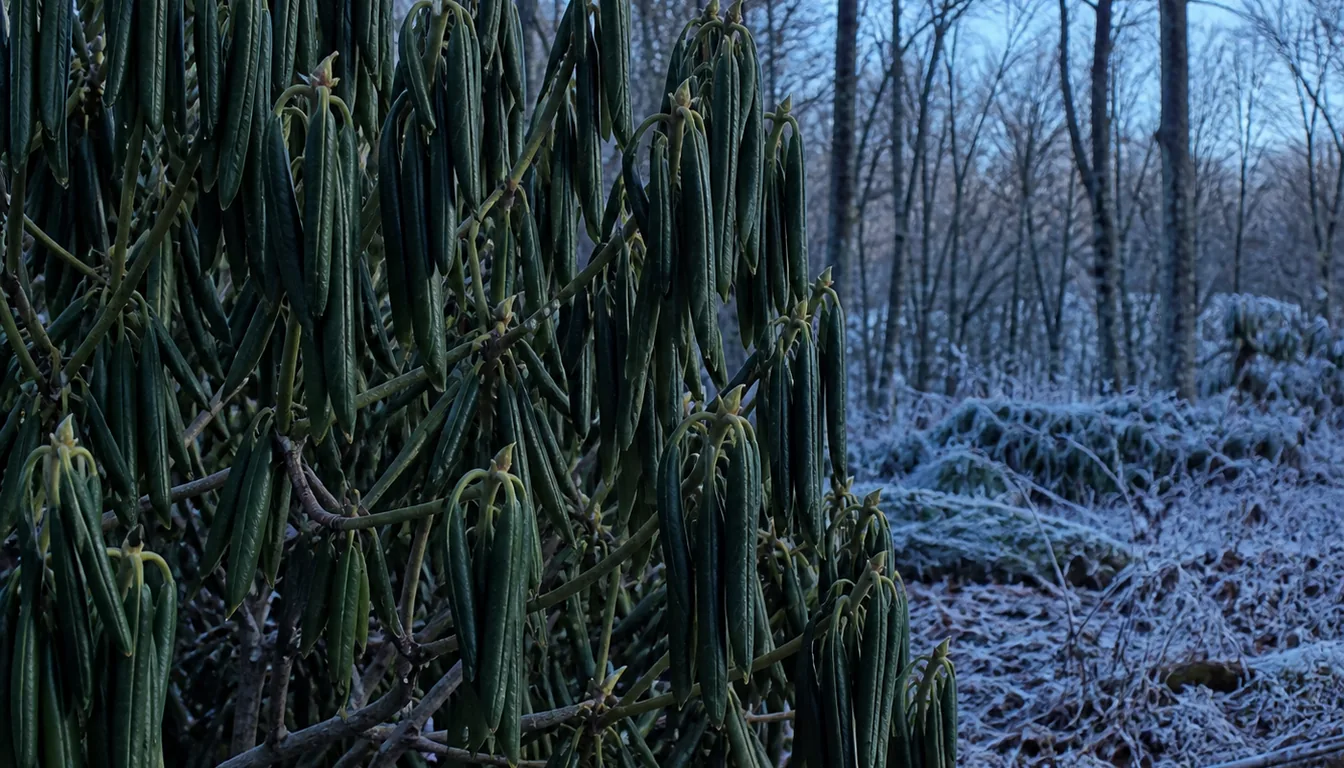
If you already planted in too much sun, do not rush to move a stressed shrub during heat. Add temporary afternoon shade, widen mulch, and correct watering first, then transplant in a mild season only if the site cannot be improved.
- Morning sun reaches the plant, but nearby trees or a wall protect it after lunch.
- Leaves do not face reflected heat from brick, pavement, or a south-facing wall.
- Winter wind is broken by trees, fencing, or nearby evergreen structure without making the bed dark.
How Do You Build an Acid Bed for Shallow Roots?
The root system of Rhododendron sits shallow, so a narrow amended hole in heavy soil does not solve the real problem.
Build a broad acid bed where water can enter slowly and air can stay around the fine roots.
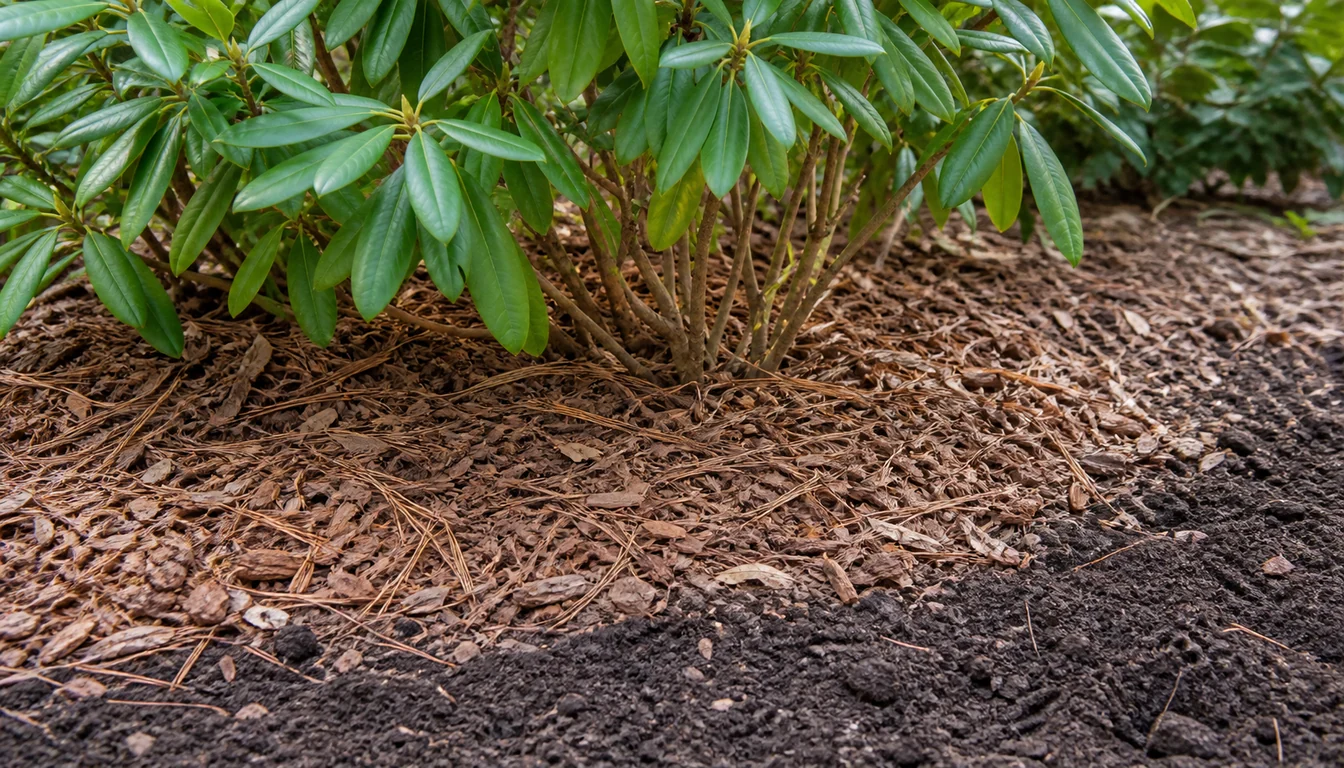
Plant the root ball slightly high rather than burying the crown, and blend pine bark fines, composted leaves, or other coarse organic matter across the bed instead of dumping amendments into one wet pocket.
Water matters most during dry spells and while buds are forming. Slow soaking around the drip line is better than quick splashing near the trunk, and deep watering only helps when the bed drains well afterward.
Do not use fertilizer to correct yellowing until soil reaction and drainage have been checked. If the pH is too high, nutrients can be present in the soil while the plant still cannot use them well.
Mulch should protect the roots without burying the crown.
The bed edge matters more than the trunk circle. Roots spread outward near the surface, so water and mulch should cover the full root zone instead of forming a small ring at the stems.
Avoid lime, concrete runoff, and alkaline fill soil near the bed. These can push the root zone away from the acidic conditions rhododendron needs, even when the planting hole looked right on day one.
For an existing plant in poor soil, work from the surface and the bed edge rather than digging through roots. Topdress with coarse organic matter, keep mulch renewed, and improve drainage around the bed before disturbing the root zone.
Do not cultivate under the branches. The fine roots sit close enough to the surface that hoeing weeds or digging in annuals can damage the part of the plant that keeps the leaves hydrated.
- Soil reaction
- Acidic soil, often near pH 4.5 to 6.0.
- Drainage
- Moist after watering, never puddled or sour.
- Planting height
- Root flare slightly above settled grade.
- Mulch
- Two to three inches spread wide, off the trunk.
- Root rot clue
- Wilting in wet soil points to rhododendron root rot.
How Should You Water a Young Rhododendron?
A new Rhododendron can flower from nursery buds before it has rooted into your bed.
That early bloom is not proof the site is working.
The establishment job is boring but important. Keep moisture even, keep mulch wide, and check the root ball after rain because nursery media can dry or stay wet differently from the surrounding soil.
A first-year shrub that wilts in the afternoon but recovers by morning may be adjusting to heat and root limits. A shrub that stays limp in wet soil needs drainage diagnosis, not more water.
By the second season, look for firm leaves, steady branch tips, and buds forming at healthy shoot ends. Those signs matter more than a single flush of fertilizer-driven growth.
- Water the root ball and the surrounding bed, not just the trunk.
- Pull mulch back from the stems if it starts to pile against the crown.
- Remove competing weeds by hand instead of cultivating through the shallow roots.
- Delay heavy pruning until the plant has recovered from planting stress.
Should You Fertilize or Move a Rhododendron?
Fertilizer is a support move for Rhododendron, not the first rescue.
A plant in alkaline, compacted, or soggy soil can look hungry while the real problem is that roots cannot function.
If new growth is pale but the bed drains well, test soil pH or use a fertilizer labeled for acid-loving plants at the recommended rate. Heavy feeding can push soft growth that suffers in heat or winter cold.
Transplanting is stressful because the roots are shallow and fine. Move the shrub only in mild weather, keep the root ball intact, and prepare the new bed before lifting the plant.
A newly moved rhododendron should be judged by leaf firmness and steady bud development, not by instant new growth.
If a plant has been fed hard but still looks weak, stop and read the site again. Fertilizer cannot fix buried crowns, compacted clay, alkaline runoff, or a root ball that dries inside a wetter bed.
- Check drainage before feeding a yellowing shrub.
- Keep fertilizer off dry roots and water it in gently.
- Avoid late-season feeding that pushes tender growth.
- Refresh organic mulch before assuming the plant needs more nutrients.
When Do Rhododendrons Form Next Spring's Buds?
A no-bloom Rhododendron often failed before spring arrived.
Late-summer drought can weaken buds before you ever see a flower.
Winter wind can dry evergreen leaves and buds while frozen soil keeps roots from replacing water.
Pruning belongs right after bloom when shape correction is needed, because later cuts can remove the buds that would have opened next year. Use old-wood flowering shrub pruning as the timing reference when the timing feels uncertain.
Deadheading spent trusses is optional, but it can help young plants look tidy if you can do it without snapping the new shoot beside the old flower. That shoot is part of the next branch structure.
For large size correction, thin in stages instead of shearing the whole shrub.
Hard rejuvenation can work unevenly on old wood. If the shrub has one healthy side and one bare side, remove dead and crossing stems first, then wait to see where strong shoots return before making the next cut.
Do not prune just because the plant finished blooming. Prune because a specific branch is dead, broken, rubbing, blocking a path, or making the shrub too dense for air and inspection.
Old, leggy plants need patience. Remove dead wood cleanly, shorten only the branches you must shorten, and let new growth show you where the plant can rebuild before making the second round of cuts.
Keep the root zone evenly moist while next spring's buds are setting.
Watch for hard leaf curl and exposed buds on windy sides.
Remove dead wood and awkward branch tips before new buds matter.
Use rhododendron bud blast when buds brown, collapse, or fail to open.
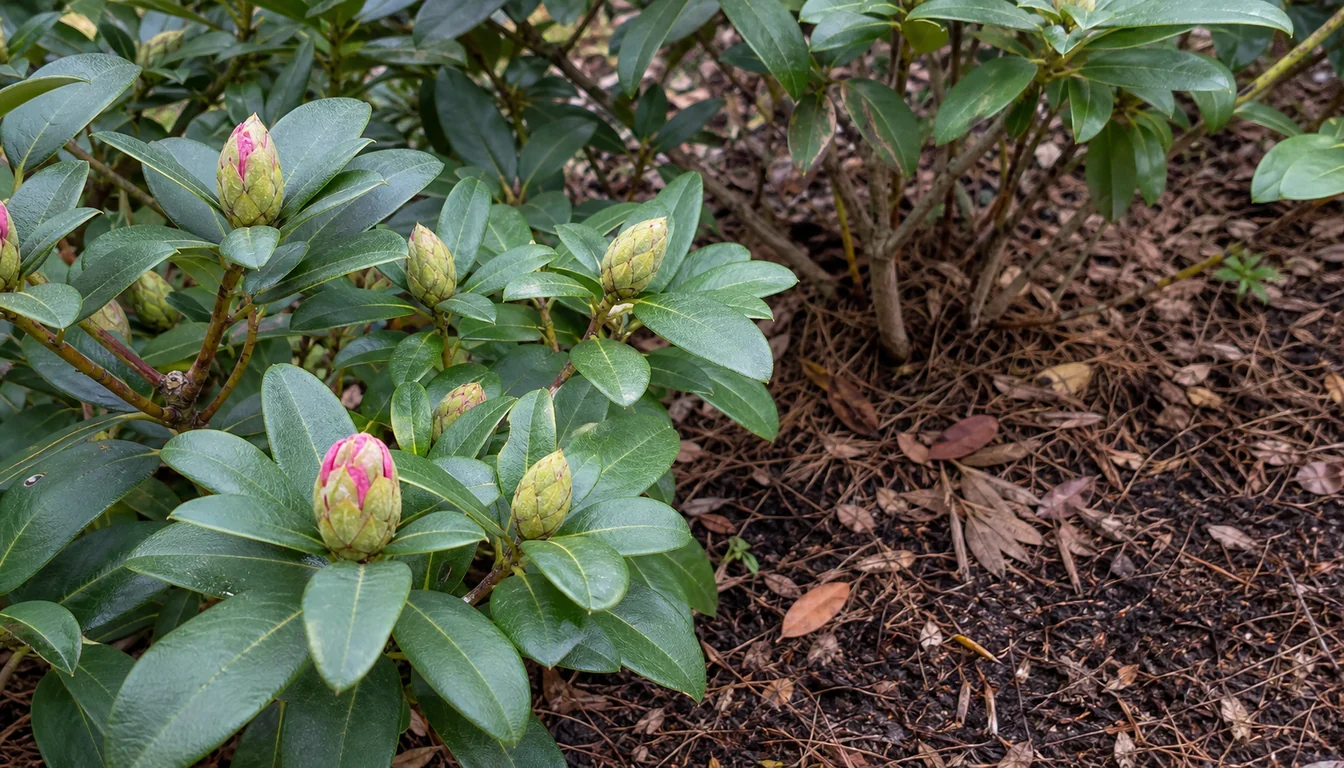
Why Are Rhododendron Leaves or Buds Turning Brown?
Rhododendron problems look similar when you stand several feet away, so separate buds, leaves, and whole-shrub wilt before you spray, feed, or prune.
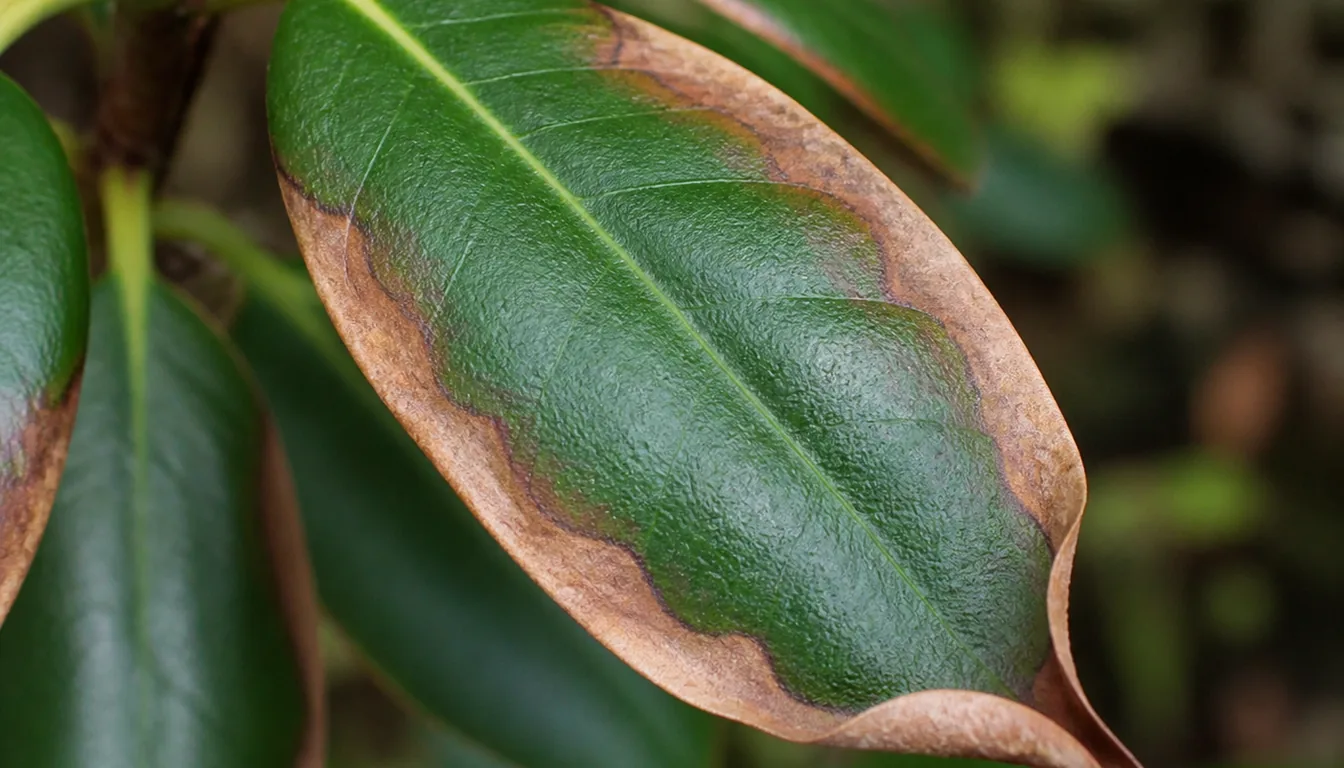
Brown leaf edges usually point to exposure or roots.
Hot sun, winter wind, drought, and damaged roots can all show as scorch, so rhododendron leaf scorch is a site diagnosis before it is a product choice.
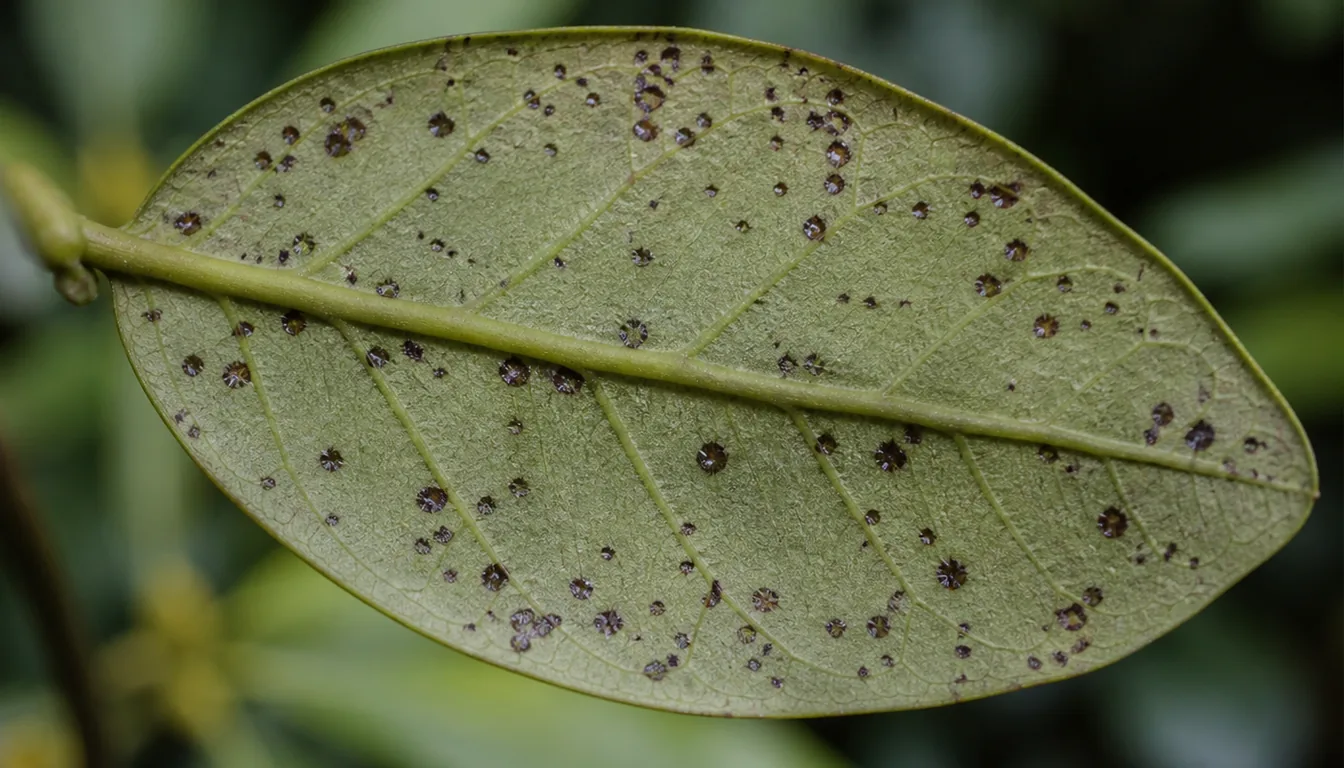
Speckled leaves need a closer look underneath.
A profile can tell you which symptom path to follow, but it should not blur the fixes together. Root rot, scorch, and bud blast each need a different first action.
If two symptoms happen together, start with the roots and site before treating the leaves.
Lace bugs are a good example. They can be treated as insects, but plants in hot exposed sites often get hit again because the leaves stay stressed.
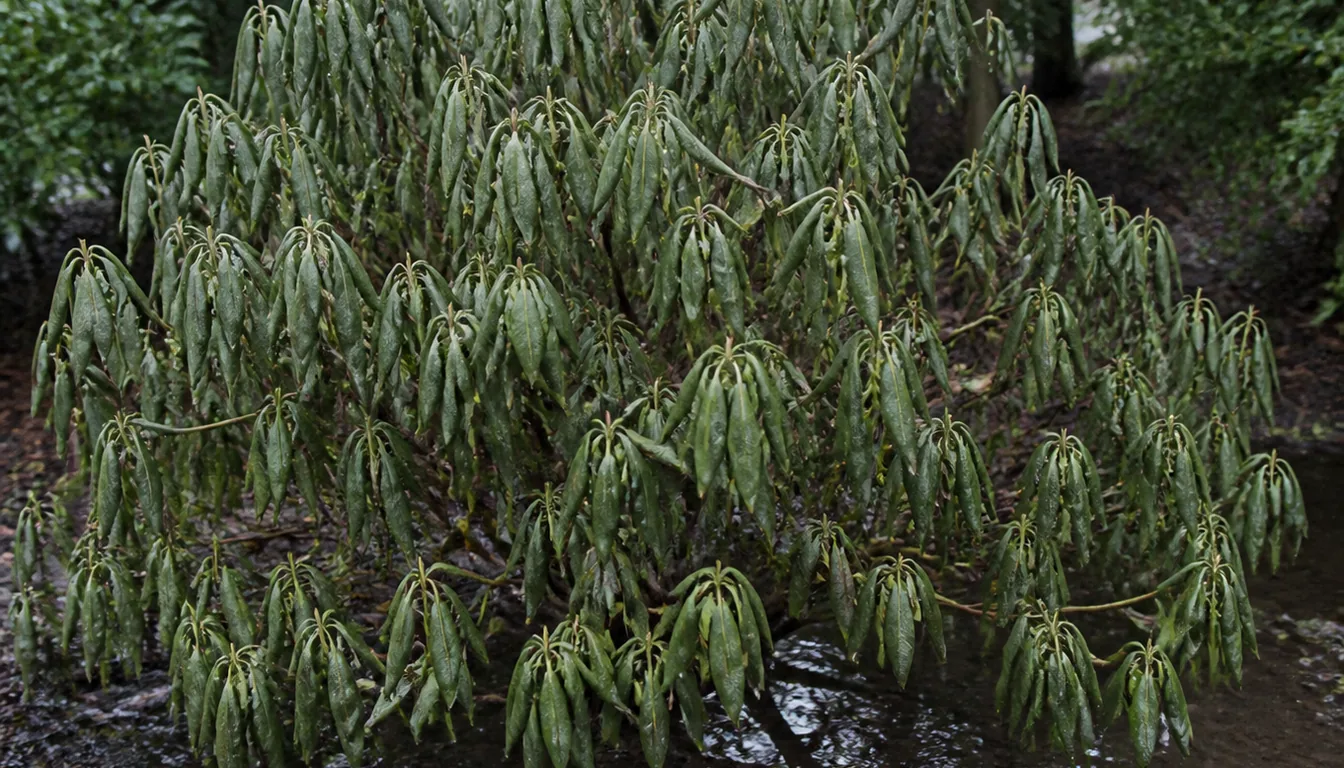
A sudden wilt after heavy rain is more urgent than a few older yellow leaves. Stop watering, check whether the bed smells sour or stays wet, and keep the root-rot page separate from normal moisture advice.
Bud trouble also has a timeline. If buds never formed, look back to summer light, water, and pruning.
If buds formed but browned later, look at winter exposure, late freezes, and disease.
Check drought during bud set, winter exposure, disease, and pruning date.
Check afternoon sun, wind, dry mulch, and damaged roots.
Check drainage and root health before watering again.
Check soil pH and drainage before adding general fertilizer.
Where Does Rhododendron Bulk Help a Landscape?
A mature Rhododendron is both a spring flower shrub and a year-round evergreen mass.
Place it where the flowers can be seen from a window or path, and where the broad leaves still look useful after bloom.
It pairs naturally with acid-loving neighbors such as mountain laurel, pieris, ferns, and woodland bulbs. If you mainly need year-round screening, evergreen shrub choices may point to tougher plants for wind, heat, or tight hedges.
The best placement gives the shrub a permanent view line. A shaded entry, woodland path, or window-facing bed lets the spring trusses matter without forcing the plant into an exposed lawn edge.
Leave enough room behind and beside the plant for airflow and inspection. A rhododendron pressed tight against a wall is harder to water correctly and easier to miss when leaf undersides need checking.
In mixed borders, put lower perennials and bulbs where they will not compete with the shallow roots. The shrub should anchor the bed, not fight every year with aggressive groundcovers.
Frequently Asked Questions
What is the best place to plant Rhododendron?
Plant Rhododendron in morning sun or bright open shade with acidic soil, steady moisture, and protection from hot afternoon sun and winter wind.
Why did my Rhododendron not bloom?
Rhododendron may skip bloom after late-summer drought, winter bud injury, too much shade, or pruning after flower buds formed. Check bud condition before adding fertilizer.
Does Rhododendron need acidic soil?
Yes. Rhododendron needs acidic, airy soil that stays evenly moist because alkaline or soggy soil blocks nutrients and stresses shallow roots.
When should I prune Rhododendron?
Prune Rhododendron right after flowering if pruning is needed. Later cuts can remove next year's flower buds.
Is Rhododendron safe for pets?
No. Rhododendron foliage and flowers are toxic if eaten, so keep it away from pets that browse shrubs.
Sources & References
- Rhododendrons and Azaleas, Clemson Cooperative Extension
- Growing Rhododendrons and Azaleas, University of Minnesota Extension
- Rhododendrons and Azaleas for the Garden
- Rhododendron Diseases and Insect Pests
- Rhododendron Care, Royal Horticultural Society
- Evergreen Shrubs and Trees for Pennsylvania, Penn State Extension
- Rhododendron, NC State Extension Gardener Plant Toolbox
- Toxic and Non-toxic Plants: Rhododendron | ASPCA
Related Plants
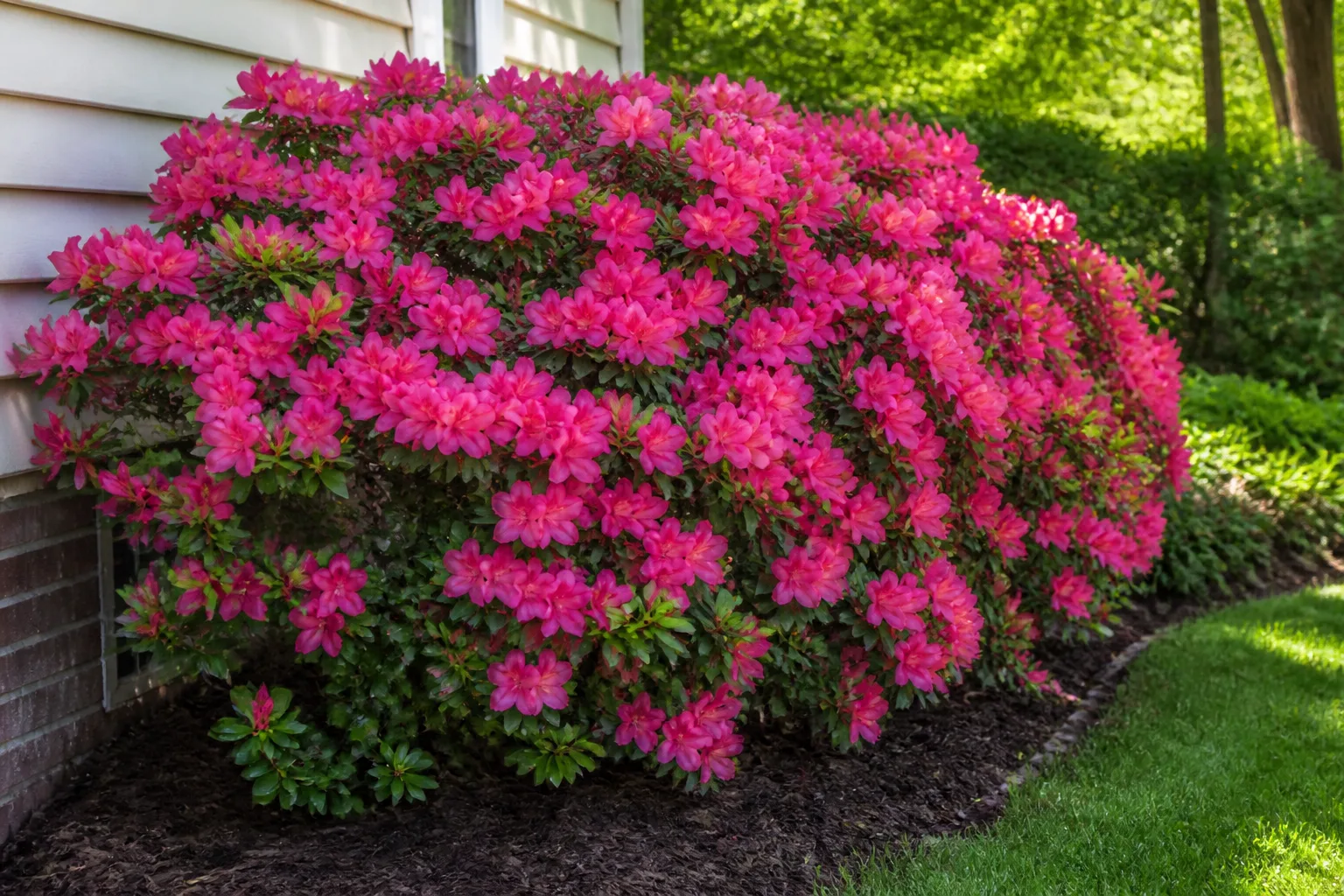
Azalea
Smaller acid-loving relative with showy spring flowers and similar soil needs.
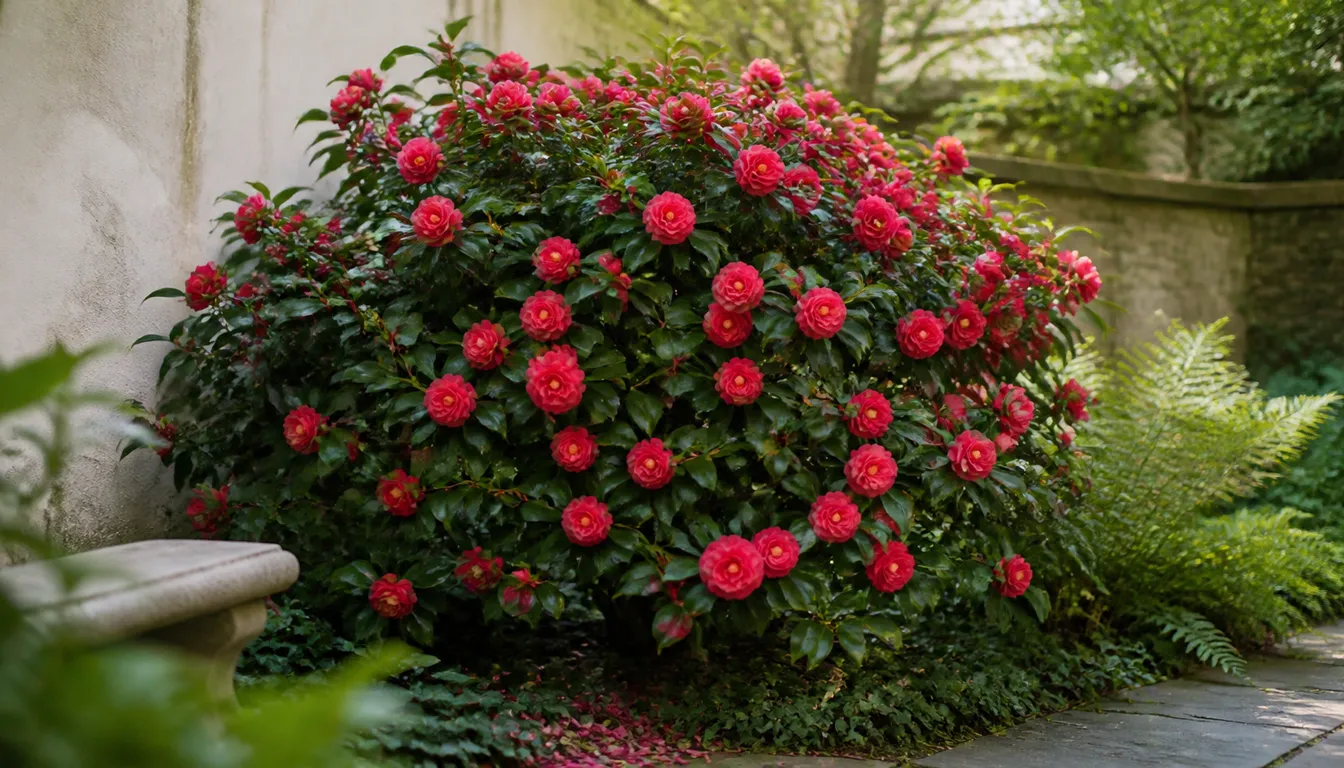
Camellia
Glossy evergreen shrub for sheltered acidic sites and cool-season flowers.
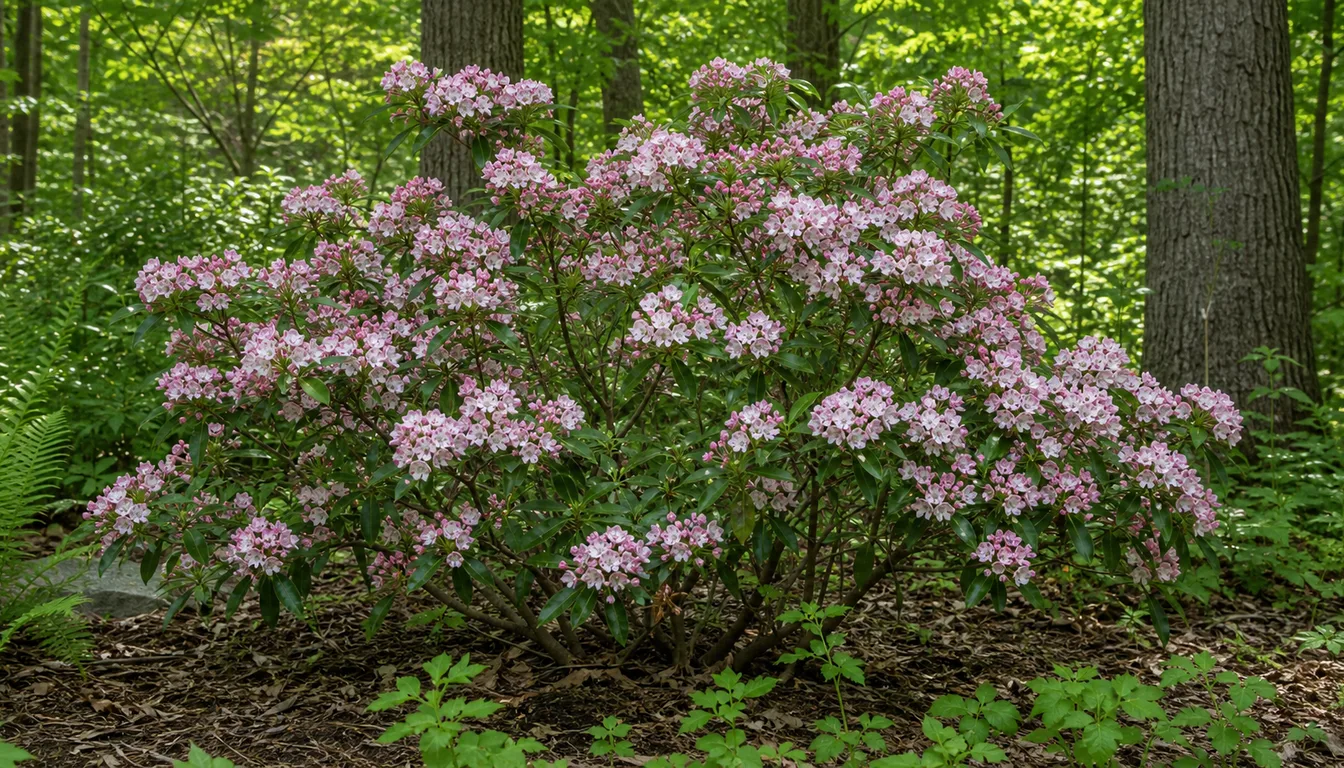
Mountain Laurel
Native broadleaf evergreen that shares acidic soil and partial shade preferences.
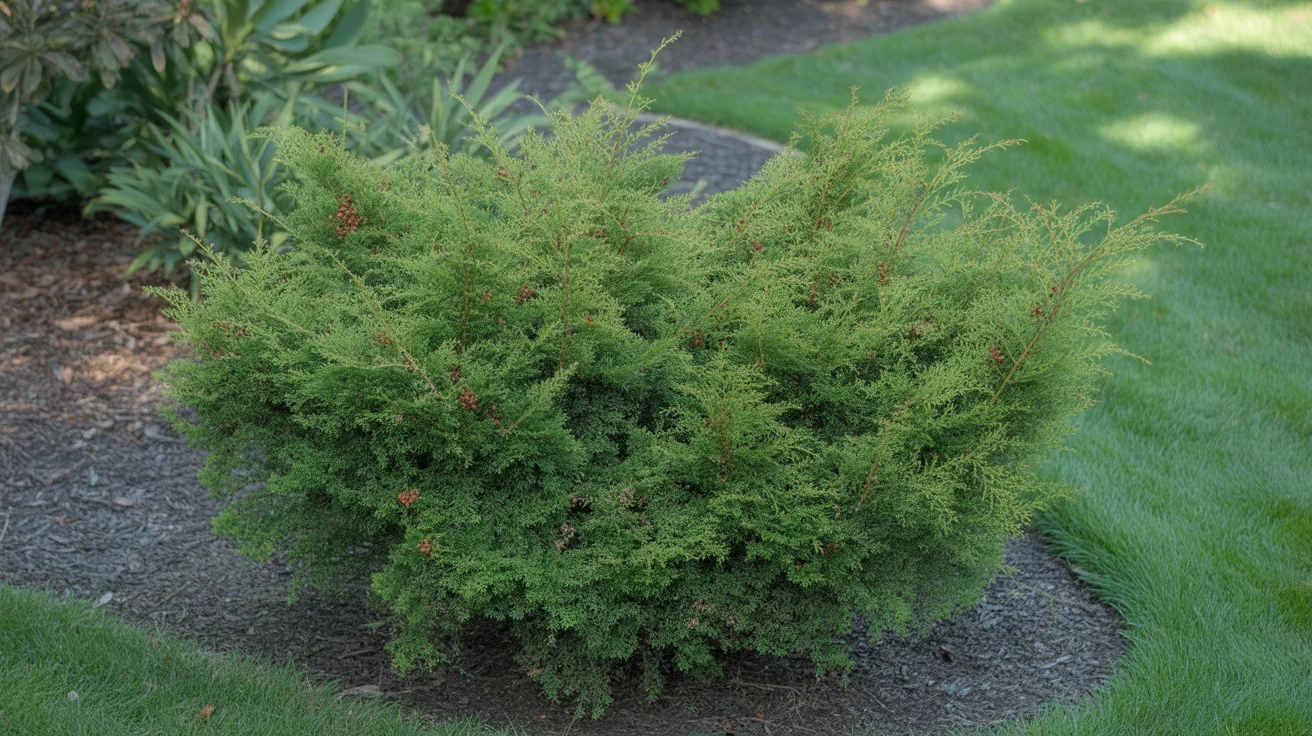
Arborvitae
Arborvitae can form a dense living screen where its mature width, exposure, and water needs fit the site.
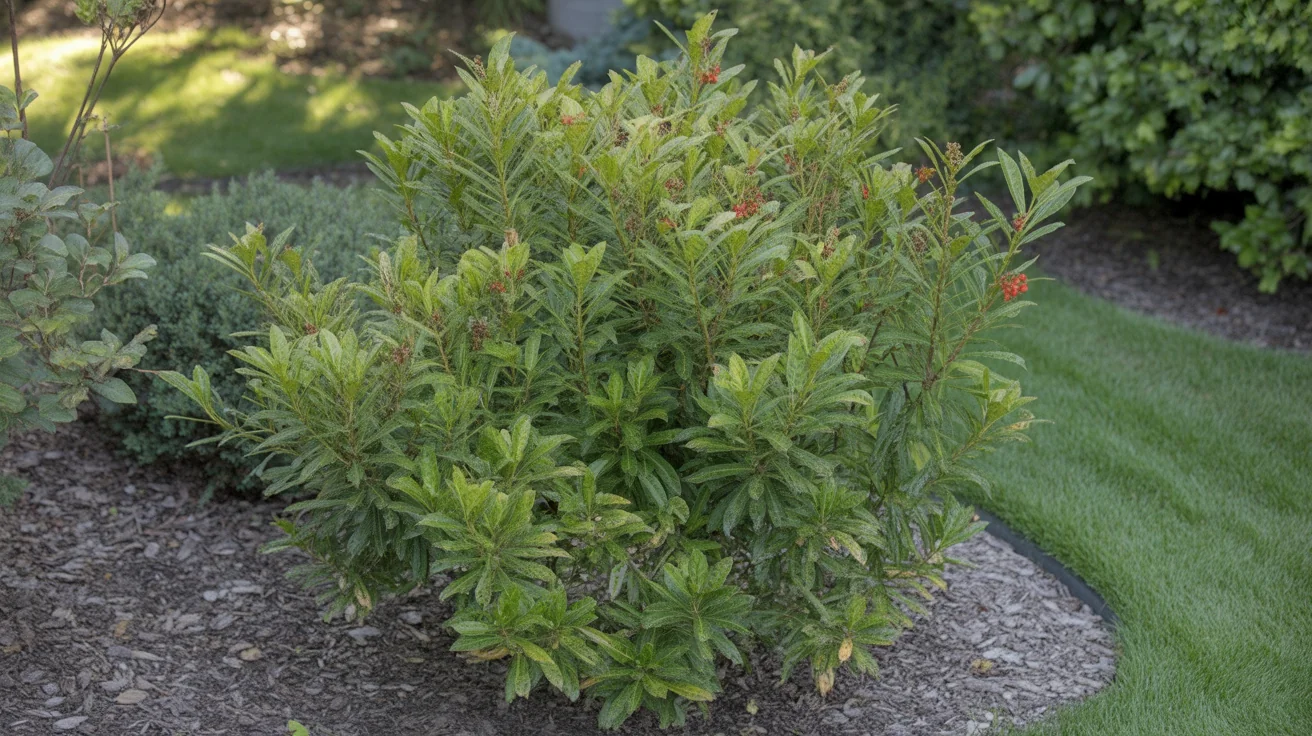
Aucuba
Aucuba is the shrub for bright shade with dry root competition. It keeps evergreen structure near north walls, porches…
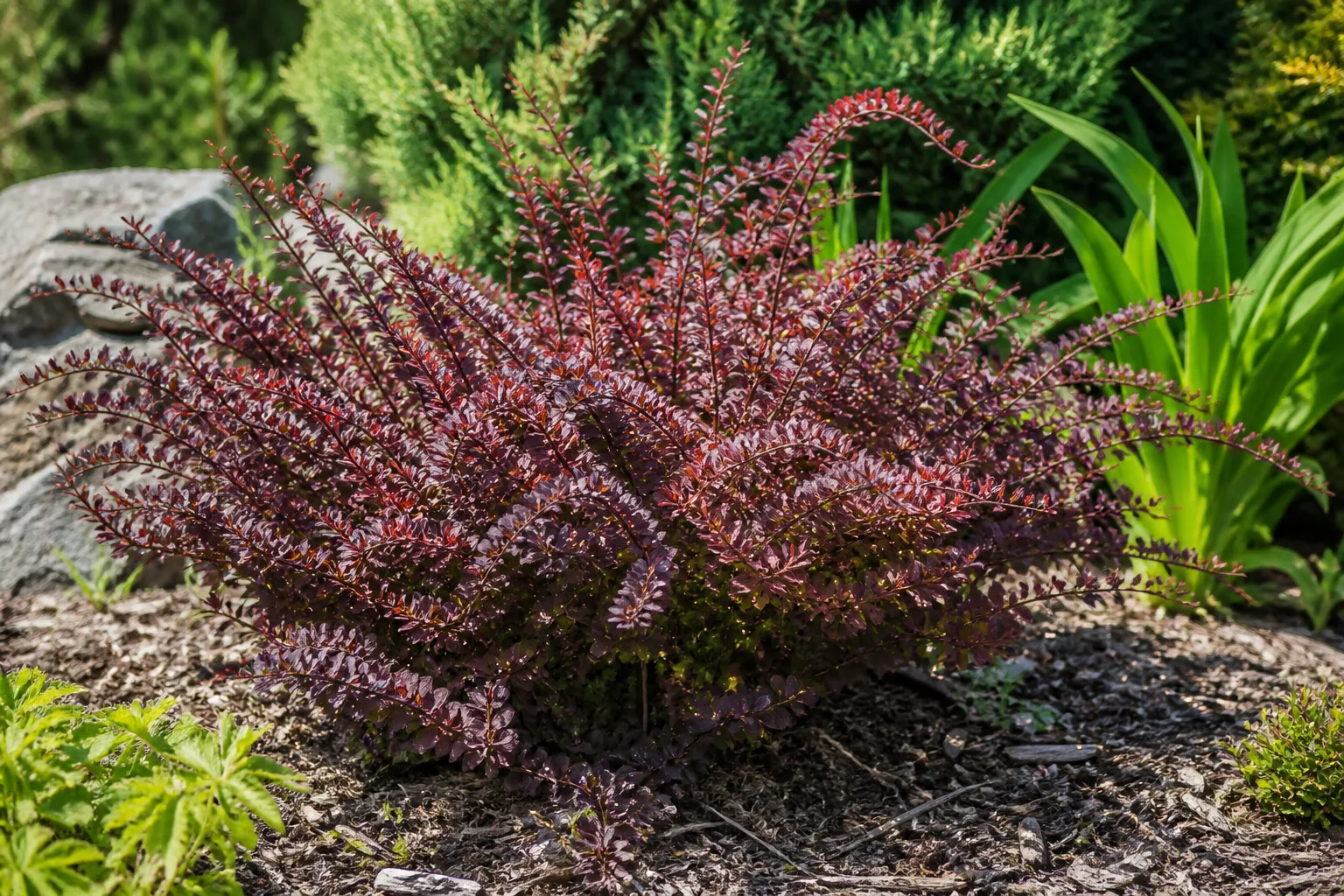
Barberry
Japanese barberry (Berberis thunbergii) is a thorny, deer-resistant shrub whose berries birds carry into woods, so…