verifiedSource Reviewed
String of Hearts: Trailing Vine With Minimal Demands
Ceropegia woodii
Family: Apocynaceae
wb_sunnyLight
Bright indirect light, a few hours of soft direct sun
water_dropWater
Low; let at least top half of soil dry
heightHeight
Vines 2-9 ft long indoors
publicZone
Zone 10-12 outdoors, houseplant elsewhere

Native Region
South Africa, Eswatini, Zimbabwe
biotechBotanical Profile and Growth Habit
Zone 10-12 conditions outdoors match this plant's roots in South Africa, where rocky hillsides keep the soil fast draining and bright. Indoors, we mimic that by using sunny windows and lean soil so the vines stay compact and healthy.
Warm indoor rooms that feel right for Monstera also suit String of Hearts, but this plant carries far less foliage weight on each stem. Thin trailing vines hold pairs of heart-shaped leaves that can blush pink or silver when light is strong.
In small pots, mature vines often reach 2-4 ft, and well-established plants can easily top 6 ft of length. Tubers, called tubercules, form along the stems, letting the plant store water and energy the way some succulents do.
Indoors across cooler zones, we grow it as a long-lived houseplant in hanging baskets or on shelves, similar to how folks treat vining pothos types. The main visual difference is the finer stems and smaller, patterned leaves.
paletteCultivars and What Actually Changes
Zone 10 growers with bright patios will notice that darker or more heavily variegated forms grow slower than plain green types. Less green surface means less energy, so these fancy cultivars trade speed for color and pattern.
String of Hearts is sold under names like "Silver Glory," "Variegated," and "Reverse Variegated." Leaves range from mostly silver with a thin green rim to creamy pink margins with a green center. The basic care is the same for all of them.
For bright east windows that already handle a Fiddle Leaf Fig, the standard green-and-silver form is forgiving and quick to fill a pot. Variegated strings do better just back from the glass so leaves do not scorch, especially in Zone 11 sun.
In apartments where light is weaker, we usually steer people toward non-variegated strings or tough vines like heartleaf philodendron instead. Variegated String of Hearts will often stretch and fade if light drops too low.
Guide — See AlsoAir Purifying Plants for Cleaner Indoor AirLearn how to pick, place, and care for air purifying plants so they help your indoor air instead of just looking pretty.
chevron_rightwb_sunnyLight: Where It Actually Thrives
Zone 10-11 sunshine through glass can be harsher than this plant wants if it sits right against a south window. A bit of distance from the glass or a sheer curtain keeps the small leaves from crisping at the edges.
Across most homes, bright indirect light with a couple hours of soft morning sun is the sweet spot. If a window can keep a Snake Plant happy without burning it, it is usually perfect for String of Hearts in a hanging pot.
In lower light situations that still qualify as decent for low-light houseplants, expect wider gaps between leaves and longer internodes. Vines look sparse, and the silver markings fade toward a uniform dull green.
Under grow lights, we aim for bulbs placed 12-18 in above the vines, running about 10-12 hours per day. Light levels that keep variegated pothos bright will also hold the pattern on variegated String of Hearts.
- check_circlePlace near an east or bright north window for soft light.
- check_circlePull back 1-3 ft from strong south or west windows.
- check_circleWatch for pale, stretched leaves as a sign of not enough light.
- check_circleLook for crispy edges or bleached patches as signs of too much sun.
- check_circleRotate the pot monthly so both sides get even light exposure.
Email Updates
Join the KnowTheYard update list
Zone-specific advice, seasonal reminders, and new plant guides — no filler.
water_dropWatering: Treat It More Like a Succulent
Zone 10-12 outdoor rains are often heavier than this plant can handle in the ground, which is why we keep it in containers. Indoors, that same sensitivity to constant moisture means we water deeply, then ignore it until the mix dries again.
In a typical indoor climate where a ZZ Plant is considered drought tolerant, String of Hearts wants almost as much restraint. The top 50-75% of the soil should feel dry before you even reach for a watering can.
Across cooler zones with heated homes, winter air dries soil faster at the surface but slower near the bottom of pots. That is where root rot sneaks in on vines and other plants, which you can read about in guides on yellowing drought-tolerant houseplants.
During the main growing season, we soak until water drains from the bottom, then empty saucers. In winter, we cut that back, sometimes watering only every 3-4 weeks, similar to how often we water potted succulents indoors.
warningMost Common Watering Mistake
More String of Hearts plants die from chronic overwatering than from neglect. If you are unsure, wait a few more days and check for firm leaves and tubers before adding water again.
Use the checks below as a sequence, not separate chores; each one helps confirm whether the lower half of the pot is actually dry.
- 1Stick a finger 1-2 in into the mix; if it feels cool and damp, wait.
- 2Lift the pot; a light pot often signals dry soil ready for watering.
- 3Water until it flows from drainage holes, then discard excess.
- 4Avoid daily sips, which keep the root zone constantly damp.
- 5If you see yellowing and mushy stems, pause watering and improve airflow.
Guide — See AlsoBest Herbs to Grow Indoors for Real Harvests, Not Spindly PotsChoose indoor herbs that can actually produce in your light, temperature, and container setup, then match each one to th
chevron_right
potted_plantSoil and Potting Mix That Work
Zone 10 gardeners with gritty native soil already have the right idea for this plant. It prefers a sharply draining mix that lets water run through fast and leaves pockets of air around the fine roots.
Indoors, a standard houseplant blend is usually too heavy, especially in deep decorative pots. We treat String of Hearts more like a succulent vine and copy ratios we use for drought-tolerant indoor plants.
For most homes, a good starting mix is 50% high-quality potting soil, 25% perlite or pumice, and 25% coarse bark or cactus mix. This keeps nutrients available but stops water from sitting around the roots for days.
In older homes with cooler, dimmer rooms where soil dries slowly, lean harder on drainage materials. You can set it up similar to how you would pot epiphytic or drought-adapted houseplants, with very airy media and tight pots.
Ideal pHSlightly acidic to neutral, around 6.0-7.0
Drainage levelHigh; water should clear the pot within 30 seconds
Organic matterModerate; avoid mixes that stay soggy and compact
Repotting frequencyEvery 2-3 years, or when vines thin and soil breaks down
Pot choiceShallow pots with drainage holes; terracotta helps in humid climates
account_treePropagating String of Hearts Vines
Six inches of healthy vine is all you need to start a new String of Hearts. Spring through early summer gives the fastest rooting, because the plant is already in active growth and day length is increasing.
Those tiny tubers along the stems are your shortcut. Each bead-like swelling can turn into a new plant when it has warmth, bright light, and a gritty mix that dries out quickly.
For most of us growing in bright windows with other indoor foliage plants, the easiest method is rooting vine sections right on top of fresh soil. This avoids waterlogged roots and keeps the plant adjusted to potting mix from day one.
lightbulbBest Propagation Window
Aim for late spring to mid-summer when nights stay above 65°F indoors. Cuttings taken in winter root much slower and are more likely to rot if the mix stays cold and damp.
Once the season is right, keep the process simple; too much handling dries the vines before the nodes can settle.
- 1Snip 4-6 inch sections with at least 3-5 nodes and a couple of tubers if possible.
- 2Strip the leaves from the bottom 2 nodes so nothing sits buried and rots in the mix.
- 3Fill a shallow pot with cactus mix plus 30–40% perlite for sharp drainage.
- 4Lay the vine on the surface and pin each node down with a hairpin or bent paperclip.
- 5Mist the top lightly, then water through and let excess drain so the mix is damp, not soggy.
- 6Keep in bright, indirect light and rewater only when the top 1–2 inches are dry.
Water rooting works too, but it creates water roots that sulk when moved to soil. If you like watching roots form in a glass, use a narrow jar and move cuttings to soil once roots hit 1 inch long.
warningAvoid Rot in New Cuttings
More String of Hearts cuttings die from staying wet than from drying out. Use a fast-draining mix, a pot with a large drain hole, and never leave the container sitting in a saucer of water.
Guide — See AlsoBest Indoor Plants for Every Room and Light LevelA practical guide to choosing the best indoor plants for your home, covering beginner-friendly picks, low light champion
chevron_rightpest_controlCommon Pests on String of Hearts
Twelve months of warm indoor air make this plant a magnet for sap-suckers if air is dry and the vines are dusty. Healthy, well-lit vines shrug off pests much like Snake Plant does, but stressed plants go downhill fast.
Spider mites are the top problem in heated homes, especially if you grow it near other trailing vines like Pothos or heartleaf philodendron. Mealybugs and the occasional aphid cluster show up on crowded windowsills too.
If mites show up on this plant, they are usually also hiding on other Houseplants. Treat the whole group using the steps in the spider mite control guide so they do not bounce back between pots.
pest_controlSpider mites
Look for fine webbing between leaves and stems, especially near the window side. Leaves get a gray, speckled look and may curl, very similar to early damage described for Monstera mite issues.
pest_controlMealybugs
Cottony white blobs collect where vines cross or near tubers. Vines feel sticky from honeydew, and you may notice sooty mold on nearby pots or trays.
pest_controlAphids
Green or black soft-bodied insects cluster on new growth and flower stalks. Leaves may pucker or twist, but they are easy to rinse away early with a strong sink spray.
pest_controlFungus gnats
Tiny black flies hover over the pot when you water. They signal consistently wet soil, so treat them as a warning that root issues could follow if you do not act.
After that scan, treat only what you actually see; unnecessary sprays stress the fine vines and make sticky foliage harder to rinse clean.
lightbulbSimple Pest Routine
Once a month, take the pot to the sink. Rinse both sides of the vines with lukewarm water, then inspect the nodes and tubers closely. Combine this with any fertilizing you do to build one quick care habit.
If fungus gnats keep circling, let the pot dry deeper between waterings and consider the methods from the fungus gnat control guide. Sticky traps plus a drier mix often clear them in a week or two.
calendar_monthSeasonal Care by Light and Temperature
Four distinct indoor seasons matter more than outdoor Zone 10-12 weather for this houseplant. The vines react to changes in day length and heating cycles, even if the pot never leaves your living room.
Spring growth kicks in as days reach 12+ hours of light. This is when you can safely trim, repot, and start new cuttings, similar to timing we use for repotting other trailing houseplants.
Summer brings the longest vines but also the highest risk of scorch in west windows. Think of light here like Zone 9 patios for Monstera; bright and warm is good, direct afternoon sun is too much.
Fall is your slowdown phase. Watering should ease back as new growth pauses, just as you would for thicker-leaved plants that handle dry spells, like ZZ Plant on a windowsill.
local_floristSpring
Increase watering as vines start growing and consider a weak, balanced feed every 4–6 weeks using products described in the indoor fertilizer guide.
wb_sunnySummer
Provide bright, filtered light and rotate the pot monthly. Check vines weekly so they do not bake directly on hot glass.
ecoFall
Cut water by about 25–30% and stop repotting. Remove any leggy or damaged sections while the plant still has a bit of energy.
ac_unitWinter
Hold off on feeding, keep it a few inches away from cold windows, and water only when the pot is almost completely dry.
That seasonal rhythm matters more than the calendar date; the vines respond to light, room heat, and how fast the pot dries.
infoIf You Grow Outdoors in Warm Zones
In frost-free areas, some gardeners hang this plant outdoors in dappled shade for summer, similar to how they treat Boston Fern in baskets. Bring it in before nights dip below 55°F to avoid cold damage.
Guide — See AlsoHow to Prune Houseplants to Keep Them Full and HealthyLearn exactly how to prune common houseplants so they stay compact, full, and healthy instead of leggy and bare.
chevron_righthealth_and_safetySafety and Ecological Notes
One small hanging pot is usually all you see of this plant indoors, but it still matters where you place it. Curious pets, kids, and open windows all change how cautious you should be.
String of Hearts sits in the same broader family as some toxic ornamentals, but it is not as notorious as Dieffenbachia or Peace Lily. Current references list it as mildly toxic at worst rather than highly poisonous.
Cats and dogs that chew on the vines might drool or have a mild upset stomach. Symptoms are usually self-limiting, but you should still keep it out of reach if your pets already nibble on plants like Spider Plant fronds.
Outdoors in warm Zones 10–12, it can grow faster, but it is not known as an aggressive invader the way English ivy or wandering tradescantia can be. Containers or hanging baskets keep it easiest to manage.
warningBasic Safety Steps
If a child or pet eats a large amount, call your vet or poison control and keep the plant sample handy. Rinse mouths with water and watch for ongoing vomiting or drooling that lasts more than a couple of hours.
If the plant has to sit low, choose companions that do not invite the same chewing risk and keep the trailing stems trimmed above paw height.
lightbulbChoosing Pet-Safer Companions
If you want a hanging plant for a low shelf where pets patrol, consider non-toxic options like Air Plant displays or Parlor Palm on a plant stand instead of trailing vines.
eco
Keep Exploring
Related Plants
 Houseplants
Alocasia
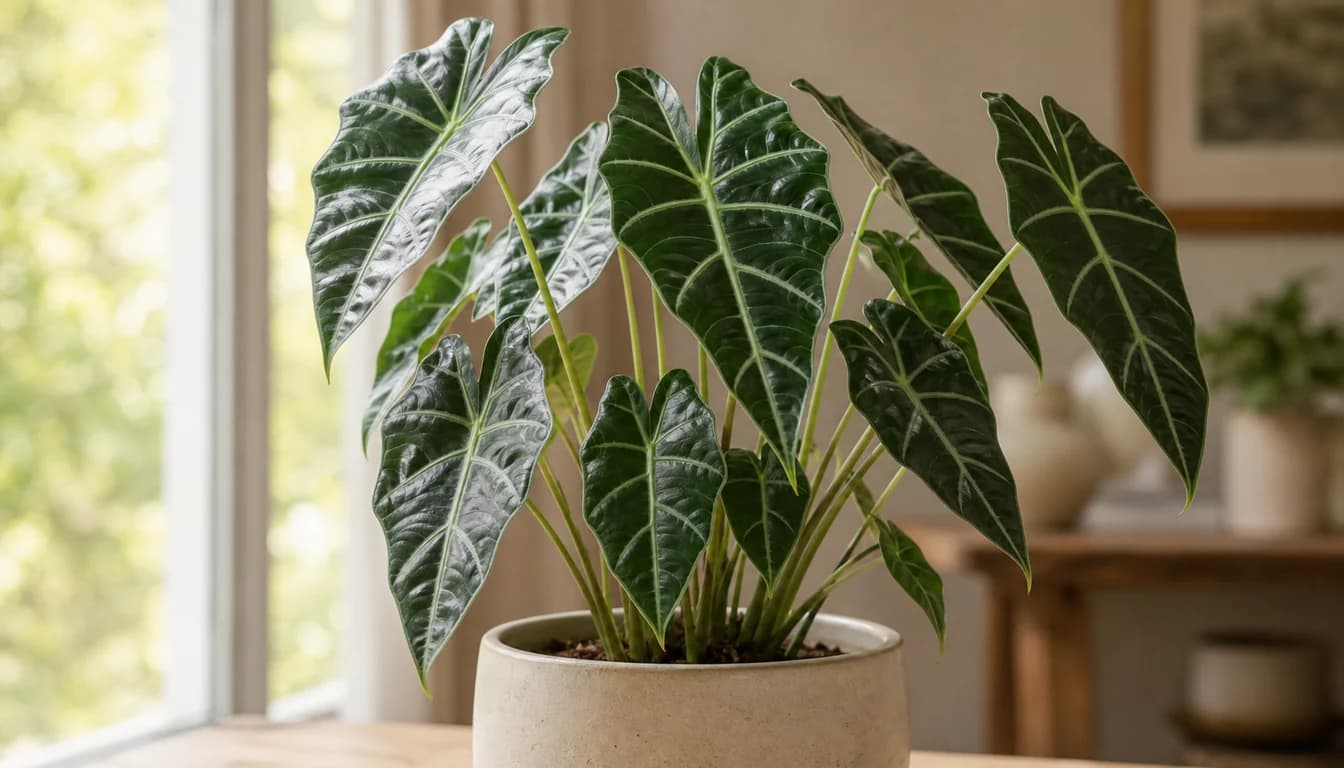
Large, arrow-shaped leaves and strong veins make Alocasia a centerpiece houseplant. It likes bright, warm, humid spots and dislikes cold drafts and soggy soil.
 Houseplants
Dieffenbachia
Broad, patterned leaves and upright canes make Dieffenbachia a bold indoor plant for warm homes. It handles typical indoor light, needs steady but not soggy
 Houseplants
String Of Bananas
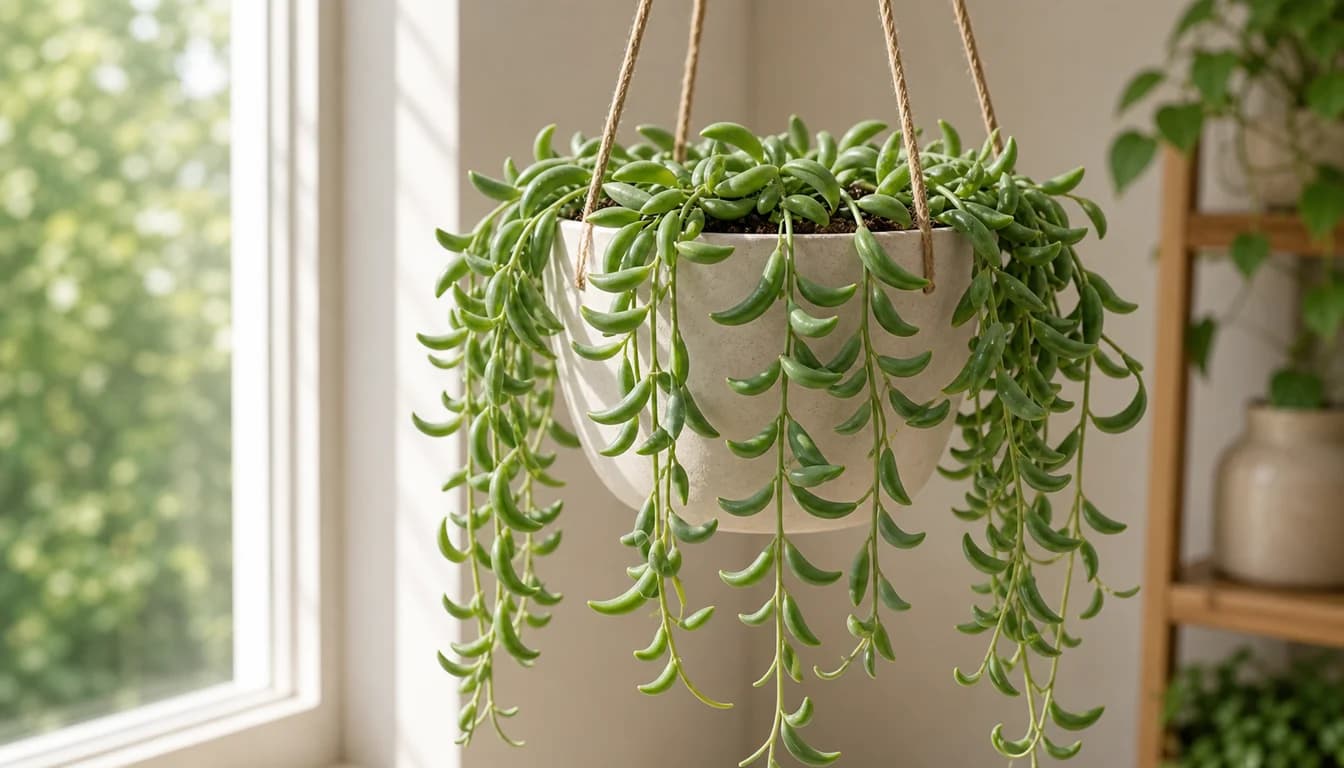
String of Bananas is a hanging succulent that shows water stress in its leaves before the soil looks dramatic. Grow it for plump, bright vines, not just lon
quiz
Frequently Asked Questions
Is String of Hearts easy to care for indoors?expand_more
Yes, String of Hearts is fairly low-maintenance if you give it bright indirect light and let the soil dry well between waterings. Most issues come from overwatering or keeping it in soil that drains too slowly.
How fast does String of Hearts grow?expand_more
In good light, vines can add several inches per month during warm seasons, reaching 2-4 ft in a year or two. Growth slows in low light or if the potting mix stays cold and wet.
Can String of Hearts live outside year-round?expand_more
Ceropegia woodii only survives outdoors year-round in Zone 10-12, where winters are warm and frost-free. In cooler climates, treat it as a houseplant and bring it inside well before night temperatures drop below 50°F.
Can I grow String of Hearts outside year-round?expand_more
You can grow String of Hearts outdoors year-round only in frost-free climates similar to USDA Zones 10–12. Keep it in bright shade or filtered light, protect it from heavy rain, and bring it in if nights drop below about 55°F.
Why is my String of Hearts not trailing much?expand_more
Short, stubby vines usually mean light is too low or the plant was recently repotted into a large pot. Move it closer to bright, indirect light and avoid upsizing the pot by more than 1–2 inches in diameter at a time.
How often should I repot String of Hearts?expand_more
Repot every 2–3 years, or when roots and tubers fill the pot and watering runs straight through. Choose a slightly wider, shallow pot and refresh the mix with a gritty, succulent-style blend instead of jumping to a much deeper container.
menu_book
Sources & References
- 1.Ceropegia woodii, Royal Horticultural Society Plant Detailsopen_in_new
- 2.Ceropegia woodii Profile, Missouri Botanical Gardenopen_in_new
- 3.Houseplants: Choosing and Caring for Plants Indoors, University of Minnesota Extensionopen_in_new
- 4.Ceropegia woodii profileopen_in_new
- 5.Ceropegia woodii care sheetopen_in_new
- 6.Managing Insect and Mite Pests on Houseplantsopen_in_new
- 7.Poisonous Houseplants Informationopen_in_new