Plantingschedule11 min read
How to Repot Houseplants Without Stressing the Roots
Learn when to repot houseplants, how much bigger the new pot should be, which mixes fit different plant types, and how to water after repotting.
Repotting is not just moving a plant into a prettier container. Done well, it resets root space, improves drainage, and gives tired potting mix fresh structure; done badly, it leaves roots buried in too much wet soil or packed into an oversized pot.
The basic rule is simple: repot because the root zone needs it, not because the plant looked lonely in a small pot. Once you know the signs, the right season, and the right soil texture, most houseplants handle the move just fine.
potted_plantWhen a houseplant actually needs repotting
Repot when the root zone gives you a reason. Roots circling the inside of the pot, water racing straight through, soil shrinking away from the pot wall, or a plant that dries out far too fast are all real signals.
This happens often with vining growers like Pothos and Philodendron. Slower plants like ZZ Plant and Snake Plant can stay happy root-snug much longer.
If the mix smells sour, stays wet for many days, or keeps growing fungus gnats, the issue may be structure instead of root crowding. In that case, refreshing soil can help even when the pot size stays the same; pair that call with fungus gnat cleanup if moisture has already become a pest problem.
- fiber_manual_recordGood reasons: Root crowding, collapsing soil, chronic wetness, fast drying
- fiber_manual_recordWeak reason: Buying a large decorative pot with no root need
- fiber_manual_recordRoot-snug exception: Many drought-tolerant plants like staying tighter
potted_plantHow much bigger should the new pot be
Bigger is not better. The safest jump is usually 1-2 inches wider than the current pot for small and medium houseplants. Large floor plants may handle a slightly bigger step, but oversized pots stay wet too long and are a common path to root rot.
That is especially true for slower drinkers like ZZ Plant or Snake Plant. A huge pot full of damp mix gives roots more cold, wet soil than they can use. Faster growers such as Monstera still do better with measured size increases instead of jumping to a bucket.
The same restraint helps Peace Lily avoid sitting in a cold moat of wet mix.
Upsize gradually, not dramatically. You want fresh room around the root ball, not a moat of extra mix that stays soggy.
- fiber_manual_recordSmall plants: Usually 1 inch wider
- fiber_manual_recordMedium plants: Usually 1-2 inches wider
- fiber_manual_recordSlow growers: Stay conservative on pot jumps
Guide — See AlsoBest Herbs to Grow Indoors for Real Harvests, Not Spindly PotsChoose indoor herbs that can actually produce in your light, temperature, and container setup, then match each one to th
chevron_rightyardMatch the mix to the plant type
One generic indoor mix does not fit every plant. Chunky, airy blends suit roots that hate sitting wet, while thirstier foliage plants prefer a little more moisture-holding material.
For tropical foliage like Monstera, use a base mix loosened with bark or perlite so roots get air. Philodendron and Pothos respond well to that same airy structure.
For Peace Lily or other moisture lovers, you still want drainage, but not a blend that dries out in a day.
Succulent and semi-succulent plants need a sharper mix. When you repot ZZ Plant, Snake Plant, or Aloe Vera, think more in the direction of slower watering rhythms and open drainage, not heavy peat.
- fiber_manual_recordTropicals: Potting mix plus bark or perlite for airflow
- fiber_manual_recordMoisture lovers: Retentive but still draining mix
- fiber_manual_recordSucculent types: Gritty, fast-draining blend
Email Updates
Join the KnowTheYard update list
Zone-specific advice, seasonal reminders, and new plant guides — no filler.
checklistA clean repotting sequence that protects roots
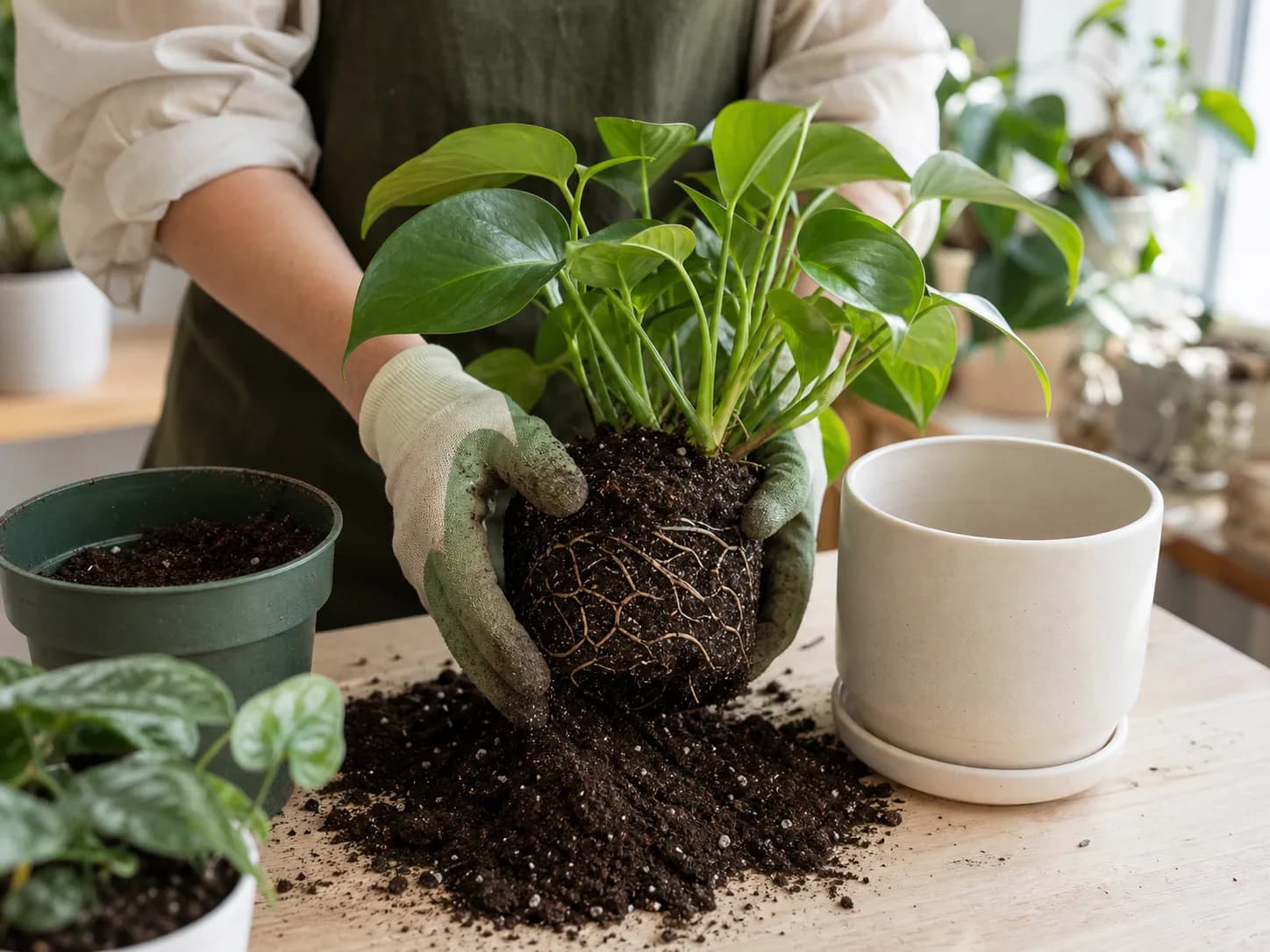
Water the plant lightly the day before if the root ball is bone dry. That makes it easier to slide out without tearing roots, but you do not want the pot muddy.
Tip the plant out, loosen only the outer circling roots, and remove clearly dead or mushy sections with clean shears. Most healthy root balls do not need aggressive shredding. Place enough fresh mix in the new pot so the plant sits at the same height it was before.
Backfill gently, tap the pot to settle air pockets, and water thoroughly once so the mix knits around the roots. After that first soak, let the plant move into its new rhythm rather than topping it off every day.
Repotting is root work, not stem work. Do not bury the crown deeper than it sat before.
That one rule prevents a surprising number of post-repot setbacks.
- fiber_manual_recordPrep: Pot, fresh mix, saucer, clean shears
- fiber_manual_recordRoot handling: Loosen the outside, trim only dead or rotten parts
- fiber_manual_recordFinish: One thorough watering after the move
Guide — See AlsoBest Low-Light PlantsChoose and care for resilient, low-light houseplants for north-facing rooms, bathrooms, and shaded corners. Practical pl
chevron_rightwater_dropAftercare in the first two weeks
Fresh mix holds water differently than old compacted soil, so your old schedule may be wrong for a while. Keep the plant in bright indirect light and skip heavy fertilizer right after repotting.
Most plants need a short adjustment period. A Monstera or Pothos might look unchanged, while a Peace Lily droops for a day or two before settling in. Drought-tolerant plants should be allowed to dry appropriately, not kept constantly damp out of sympathy.
If you are unsure when to water again, default to soil checks instead of a fixed date and use overwatered plant recovery as your reference if the new pot stays too heavy for too long.
- fiber_manual_recordLight: Bright indirect light while roots recover
- fiber_manual_recordFertilizer: Wait about 4-6 weeks in most fresh mixes
- fiber_manual_recordWatering: One thorough post-repot soak, then recheck soil before watering again
warningCommon repotting mistakes that cause setbacks
The classic mistake is overpotting. A plant in too much mix stays wet too long, which is how simple repots turn into yellow leaves and root loss. Another mistake is keeping the old watering schedule even though the soil volume and structure have changed.
Decorative containers without real drainage are another trap. Many people drop a nursery pot into a cachepot and forget to empty it; that is a fast route to trouble on plants like ZZ Plant and Dracaena.
Finally, do not repot just because a plant looks rough. If the real problem is low light, pests, or chronically wet roots, moving it to a bigger pot may make the situation worse instead of better.
- check_circleDo not oversize: the new pot
- check_circleDo not trap water: in a decorative outer pot
- check_circleDo not fertilize immediately: to force recovery
Guide — See AlsoButterfly Garden Plants for Continuous BloomsLearn how to choose and place butterfly garden plants so you have nectar and host options from spring through fall in zo
chevron_righttips_and_updates
Pro Tips
- check_circleRepot because roots or soil need it, not because the current pot looks small.
- check_circleUse the smallest pot increase that gives roots new room.
- check_circleMatch the mix to the plant's watering style before you match it to the pot color.
- check_circleWait to fertilize until roots settle into the fresh mix.
- check_circleIf the plant was already struggling, diagnose water and light before assuming a bigger pot will help.
quiz
Frequently Asked Questions
What season is best for repotting houseplants?expand_more
Late winter through spring is usually easiest because plants are moving into active growth. You can repot at other times if roots or soil demand it, but recovery may be slower.
Should I break up a root-bound plant completely?expand_more
Usually no. Loosen the outer circling roots and trim only dead or rotten sections. Most healthy roots do not need aggressive tearing.
How soon should I water after repotting?expand_more
Water thoroughly once right after repotting so the new mix settles around the roots. After that, wait for the plant's normal dryness cue instead of watering again immediately.
Can I reuse old potting soil?expand_more
Only if it is still clean, airy, and disease-free, which is not common. Most tired indoor mixes are better replaced than reused.
Related Guides

Air Purifying Plants for Cleaner Indoor Air
Learn how to pick, place, and care for air purifying plants so they help your indoor air instead of just looking pretty.
11 min read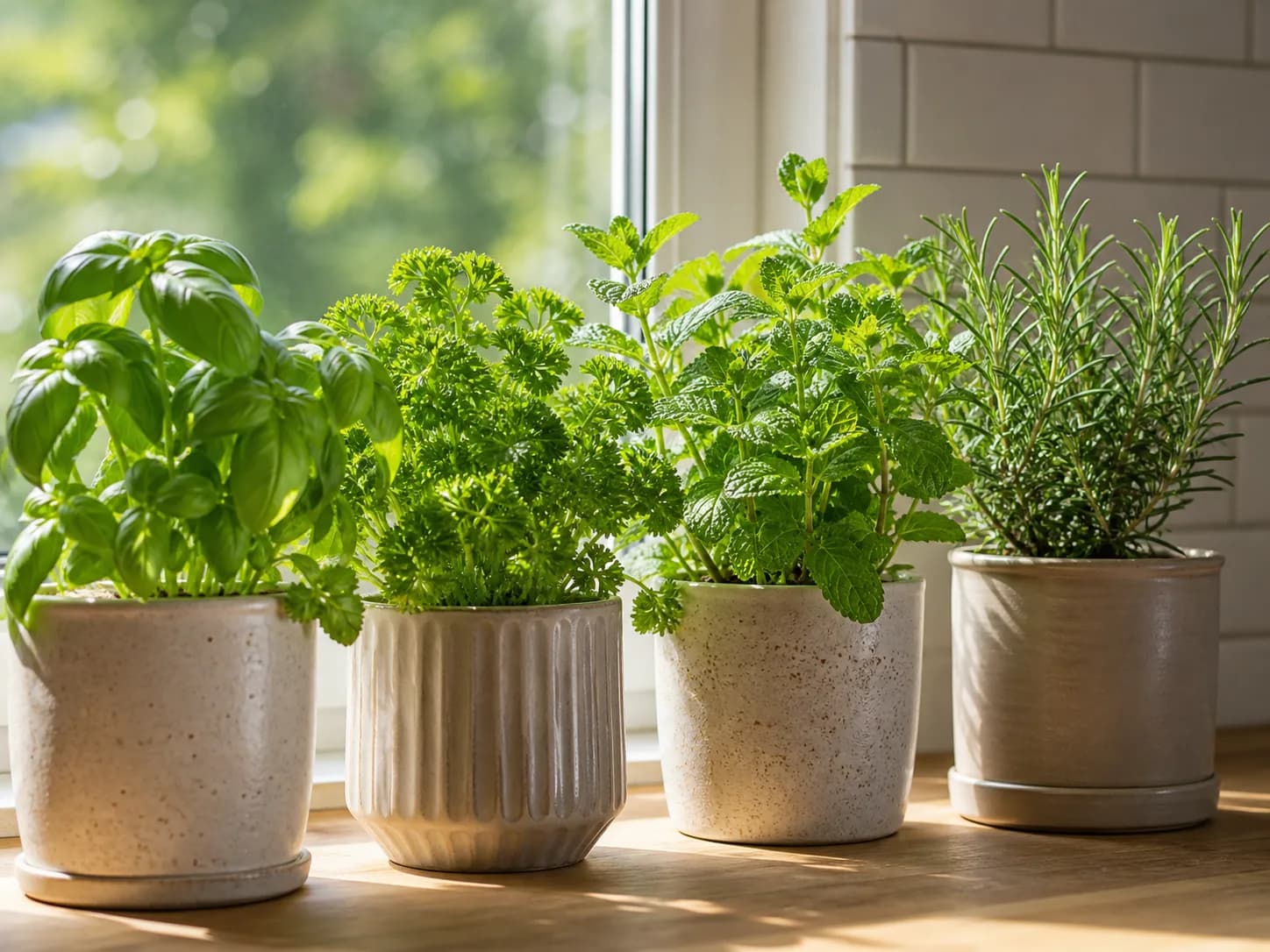
Best Herbs to Grow Indoors for Real Harvests, Not Spindly Pots
Choose indoor herbs that can actually produce in your light, temperature, and container setup, then match each one to the right harvest rhythm and watering style.
10 min read
Best Indoor Plants for Every Room and Light Level
A practical guide to choosing the best indoor plants for your home, covering beginner-friendly picks, low light champions, bright light lovers, watering basics, and how to avoid the most common mistakes.
13 min read