
Is It Bad to Water Plants at Night?
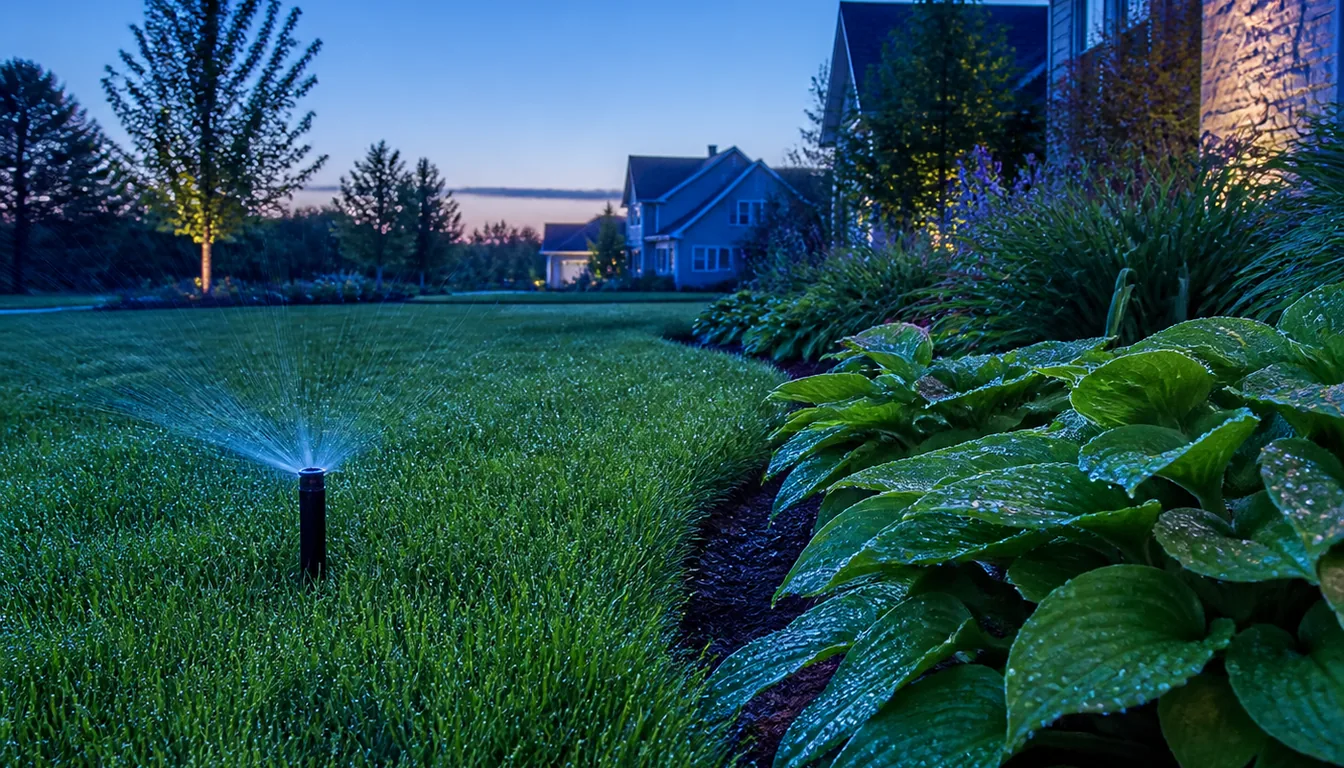
Watering plants at night is not automatically bad. Water on leaves is the main timing concern, because a cool, humid night can extend leaf wetness and give some fungi and bacteria more time to infect susceptible plants.
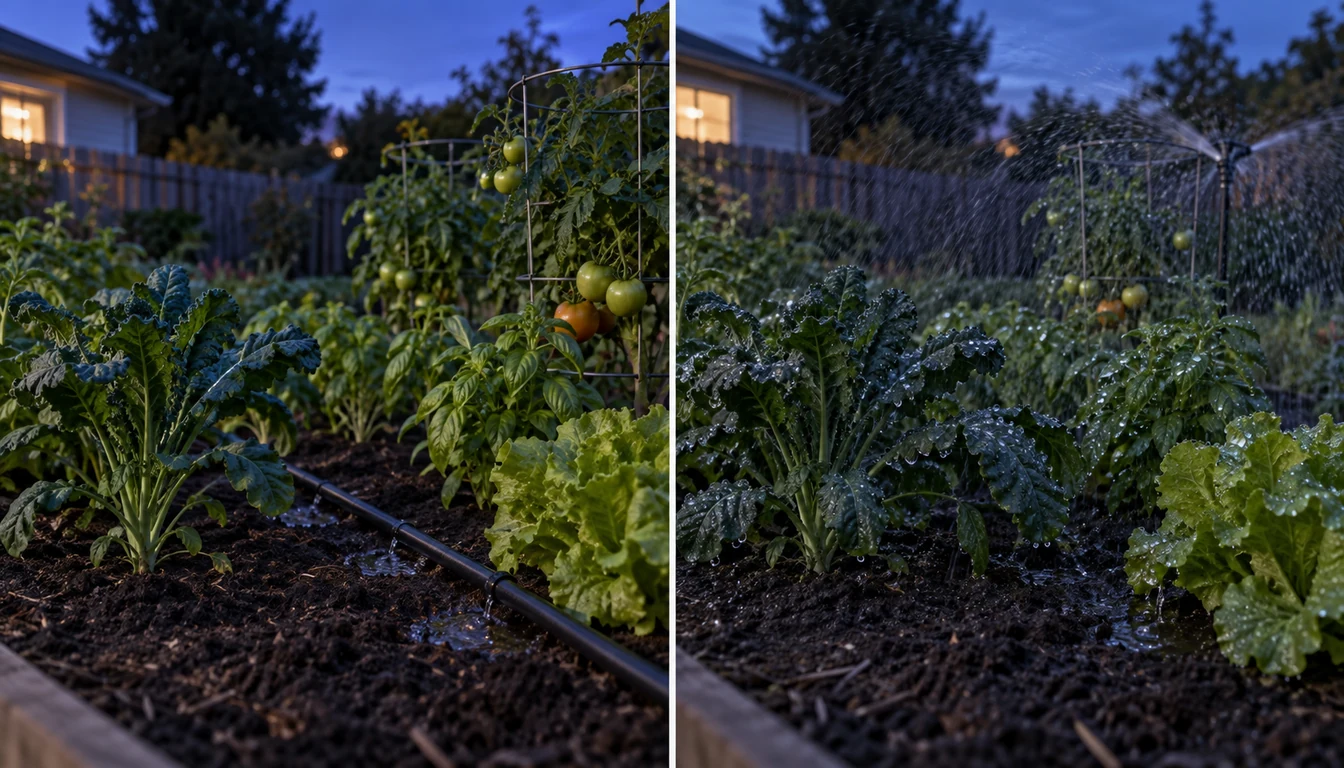
Water delivered directly to the root zone behaves differently. Drip tubing, a soaker hose, or a watering can aimed at the potting mix can run after sunset without soaking the canopy, provided the soil or container drains and the plant actually needs water.
Early morning remains the best default for overhead irrigation. If a wilting plant is running out of water on a hot evening, however, watering the root zone now is safer than waiting while the plant continues to dehydrate.
[ky_keyfacts] Best default outdoors | Water early in the morning Safest late method | Drip, soaker hose, or a low stream aimed at soil Highest-risk combination | Overhead spray, dense foliage, high humidity, and a cool still night Houseplant priority | Test the potting mix and empty collected runoff Emergency rule | A genuinely dry plant should not be left stressed just to obey the clock [/ky_keyfacts]
At a glance
Does the Clock Matter More Than the Watering Method?
The clock changes evaporation and drying time, but it does not turn water into a problem by itself. A sprinkler wets leaves and stems.\n\nDrip irrigation can change soil moisture with almost no increase in leaf wetness.
Morning is preferred for a sprinkler because sunlight and air movement usually dry the canopy afterward. At night, the same droplets may remain until morning, particularly inside a crowded bed or turf canopy.
Drip irrigation has a smaller timing penalty. The disease argument for morning irrigation is strongest when the irrigation system wets leaves.
| Situation | Better choice | Why |
|---|---|---|
| Overhead sprinkler on lawn or dense beds | Early morning | Leaves can dry after the cycle |
| Drip or soaker hose at soil level | Morning or evening | The canopy stays largely dry |
| Dry container during evening heat | Water the mix now | A small root ball can become dangerously dry before morning |
| Already-wet soil | Do not water | Timing cannot repair excess moisture |
| Water restriction assigns a night window | Use the allowed window | Keep spray cycles efficient and inspect runoff |
Why Wet Leaves Overnight Can Raise Disease Risk
Many plant pathogens need free moisture on a leaf surface before infection can begin. A longer wet period does not guarantee disease, but it gives susceptible tissue, a suitable pathogen, and favorable temperature more time to line up.
Dense growth makes the problem worse because inner leaves receive less air movement.\n\nTomatoes, cucumbers, roses, phlox, and closely mown turf can hold droplets where the canopy is coolest.
Disease history matters more than a blanket rule.\n\nIf the same bed develops leaf spots or mildew each year, stop adding overnight leaf wetness and improve spacing at the next planting.
Leaf-wetness duration Rain, dew, temperature, cultivar resistance, sanitation, and airflow all affect the outcome, so one late watering does not justify preventive spraying.
When Should You Water a Lawn?
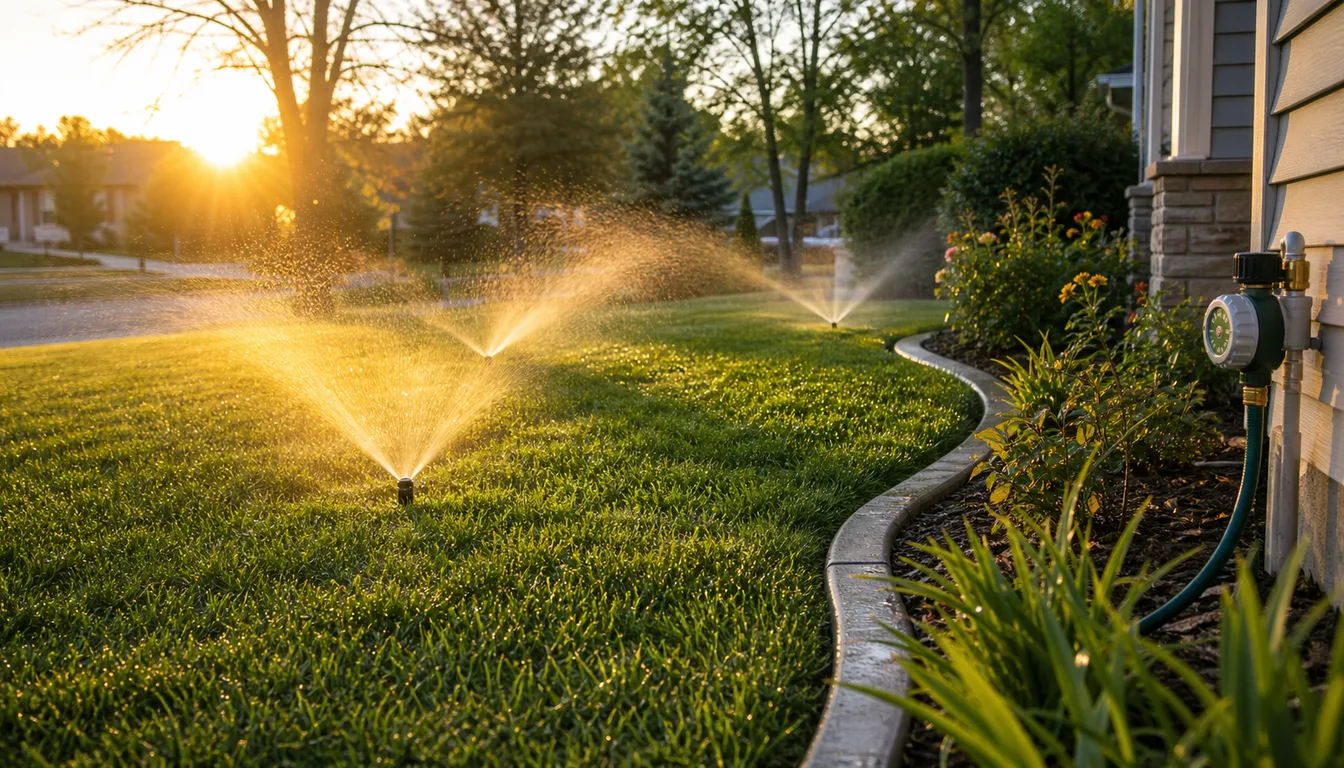
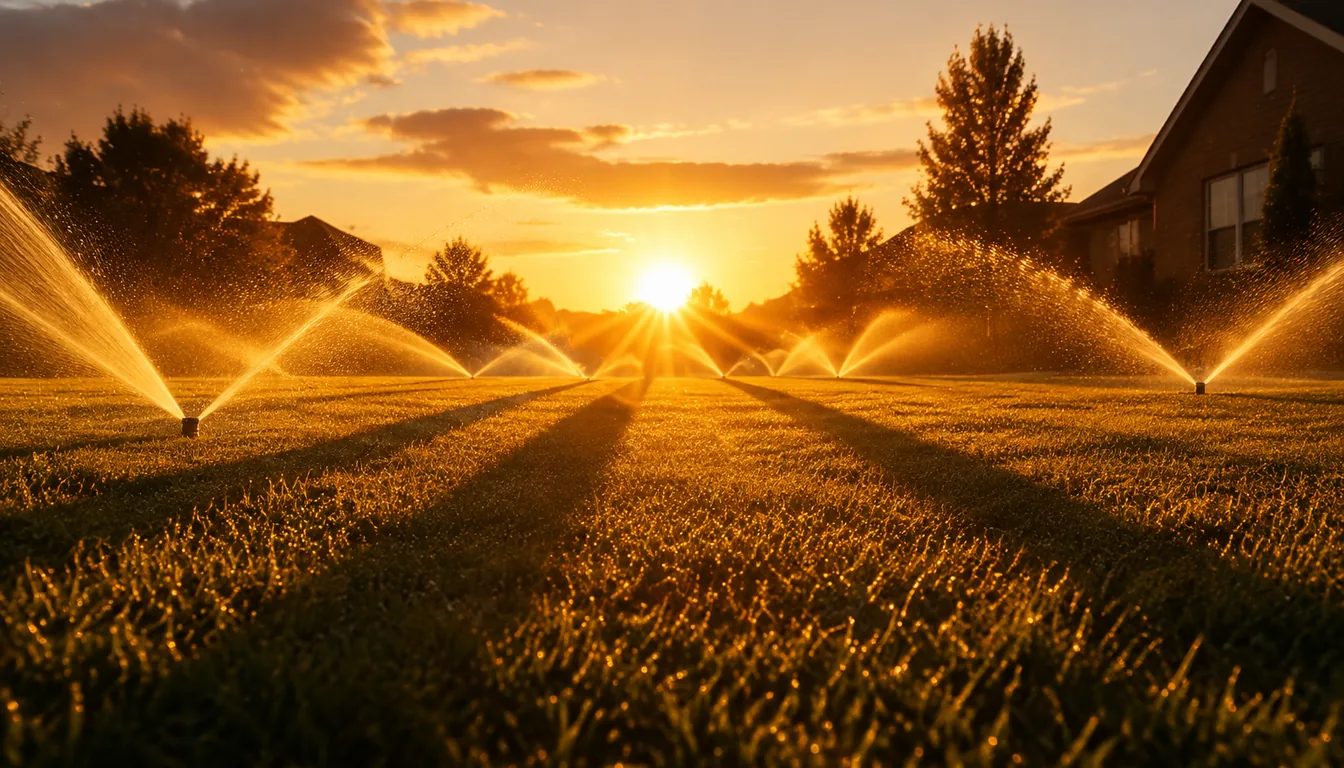
Lawns are the clearest case for early-morning irrigation.
A sprinkler must wet the blades to reach the soil, and a dense turf canopy can stay humid long after the water stops.
Run the system early enough to finish before daytime heat increases evaporation. The exact start time depends on the number of zones, local rules, slope, soil intake, and how quickly the controller can complete a cycle.
Measure output instead of trusting minutes on the dial. Place several straight-sided containers across a zone, run it for a known time, compare the depths, and correct dry or oversprayed areas before increasing the whole schedule.
Clay or compacted slopes may need cycle-and-soak irrigation. Split the intended application into shorter runs with pauses between them so water enters the soil instead of moving down a driveway.
- Water because the root zone is drying, not because the calendar says Tuesday
- Repair tilted, blocked, or mismatched sprinkler heads
- Stop a cycle that produces runoff or puddling
- Account for rain before the next scheduled run
- Mow at the height recommended for the turf species
- Investigate recurring patches before applying a fungicide
How to Water Garden Beds and Outdoor Containers After Sunset
In a vegetable or flower bed, put the outlet below the foliage.
Drip lines beneath mulch, a soaker hose, or a wand held close to the soil keeps useful water near roots and limits splash between plants.
First test the soil several inches below the surface. Dry mulch can hide moist soil, while a brief shower can wet the surface without reaching the active root zone.
Containers need a separate decision because their volume is small. A hanging basket or tomato pot can move from moist to wilted in one hot afternoon.\n\nWater thoroughly when the mix is dry at the appropriate depth and allow excess to drain.
Do not compensate for late timing with a token splash. Shallow watering may never reach the lower part of a large pot or bed.
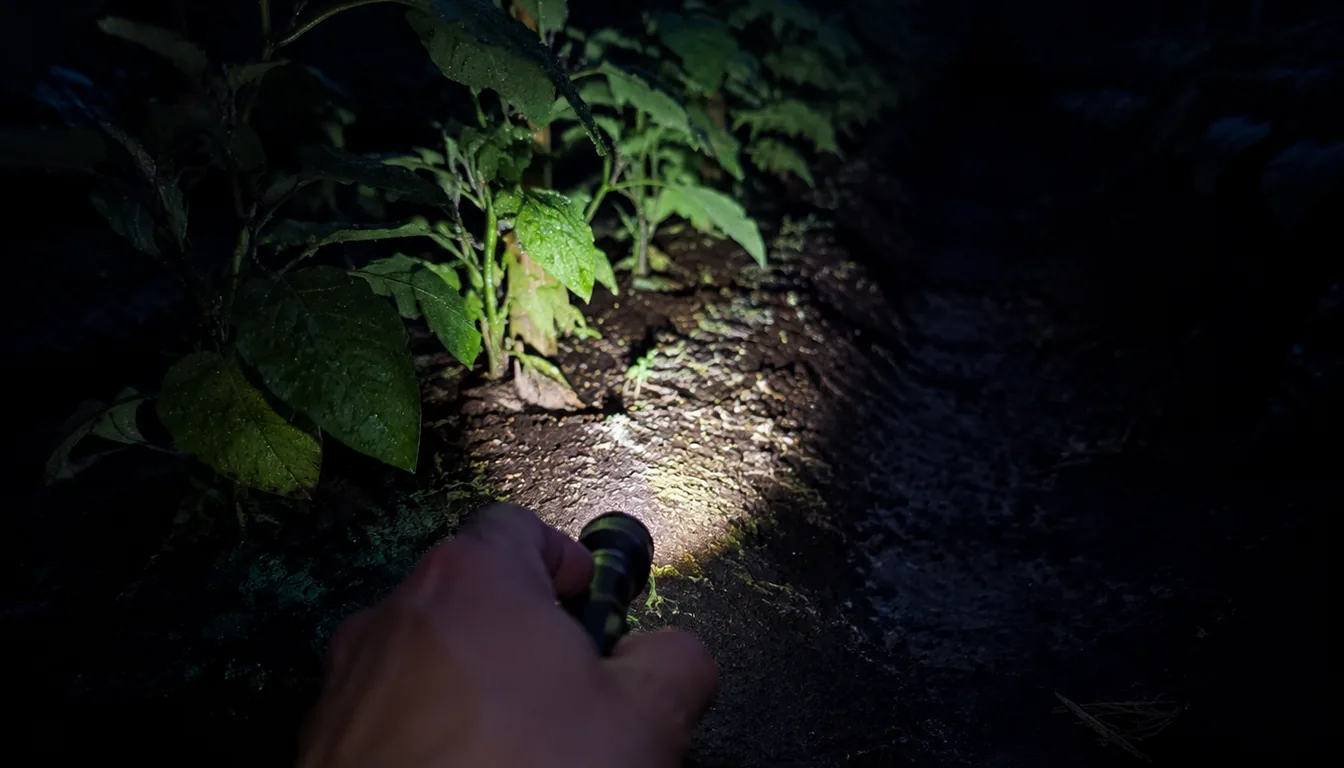
- Check the root zonePush a finger or narrow trowel below the dry surface and compare more than one location.
- Choose the lowest delivery pointPut the hose outlet on soil or mulch rather than above the canopy.
- Apply slowlyPause if water pools or runs away, then resume after it has soaked in.
- Confirm drainageEmpty a removable saucer and make sure container drainage holes are open.
- Recheck in daylightThe next morning, note whether foliage is still wet and whether soil remains saturated.
Can You Water Houseplants at Night?
You can water a houseplant at night when the potting mix is dry enough to need it.
Indoor plants do not experience the same sunrise drying pattern as an outdoor bed, so drainage and watering frequency matter more than the hour.
Lift the pot or feel the mix at the depth appropriate for that species. A peace lily in active growth may need water while a snake plant in a cool room remains moist for many days.
Water the mix evenly until excess exits the drainage holes, then discard collected runoff. A decorative cachepot must be checked because water can remain hidden around the nursery pot.
Avoid pouring water into crowns, rosettes, or leaf sheaths that stay wet in still air. Succulents are especially vulnerable when a cool room and a slow-draining mix keep roots wet long after watering.
Tropical foliage plant
Water when its tested root zone has dried to the level that species prefers, then drain fully.
Succulent or cactus
Wait for the mix to dry much more thoroughly and avoid a cold, wet overnight root zone.
Pot without drainage
Move the plant to a draining inner pot rather than trying to solve the risk with timing.
How Weather Changes the Night-Watering Decision
A warm, breezy evening is different from a cool, saturated one. Air movement and lower relative humidity shorten leaf-wetness time, while fog, dew, and a sheltered site extend it.
Season changes water demand as well.\n\nA schedule that was reasonable in July can leave roots wet for days in October after growth and evaporation slow.
Before running an evening cycle, consider what the next twelve hours will bring. Skip unnecessary irrigation ahead of rain, and be cautious before a cold night when the soil is already moist.
Drought, wind, and young roots can reverse the priority. A newly planted shrub with a dry root ball may need a slow evening soak even when morning would normally be preferable.
What Should You Do After an Accidental Late Soak?
Usually, do nothing dramatic.\n\nOne night of wet leaves or wet soil rarely calls for repotting, aerating, or applying a pesticide.
Turn off the next automatic cycle and let conditions normalize. In the morning, empty saucers, move portable pots out of standing water, and restore normal airflow.
If soil stays saturated for several days, look for a blocked drain, compacted layer, leaking valve, or container sitting inside trapped runoff. Fix that physical cause before adding fertilizer or disease treatment.
Watch susceptible foliage over the following days, but remove leaves only when they are clearly diseased or dead. A preventive spray chosen without a diagnosis adds cost and can injure plants or non-target organisms.
- Cancel the next scheduled irrigation
- Drain saucers and cachepots
- Check for a stuck valve or broken emitter
- Keep feet and equipment off saturated soil
- Photograph new symptoms so their spread is easier to judge
- Seek a plant-specific diagnosis if wilting continues while soil remains wet
Pro Tips
- Use early morning as the default when sprinklers wet foliage.
- At night, move water delivery down to the soil whenever possible.
- Test below mulch or the potting-mix surface before deciding to water.
- Separate lawn spray zones from drip-irrigated beds.
- Empty hidden runoff from cachepots and removable saucers.
- Adjust automatic schedules after rain and as temperatures fall.
- Treat repeated leaf spots as a diagnosis problem, not proof that one late watering caused them.
Frequently Asked Questions
Is it always bad to water plants at night?
No. Root-zone watering can be safe at night when the plant needs water and the soil drains. The larger concern is overhead irrigation that leaves susceptible foliage wet through a cool, humid night.
Should I wait until morning if a plant is wilting at sunset?
Check the root zone first. If it is genuinely dry, water the soil that evening rather than prolonging drought stress. If the soil is moist, wilting needs another diagnosis.
Can drip irrigation run at night?
It can, because drip irrigation usually keeps the canopy dry. Follow local restrictions, prevent runoff, and schedule from measured soil moisture and plant demand.
Can I water houseplants before bed?
Yes, when the potting mix has dried enough for that species. Water thoroughly, allow drainage, and remove runoff from the saucer or cachepot.
Does one late sprinkler cycle cause fungus?
Usually not by itself. Disease requires a susceptible plant, a pathogen, and favorable conditions. Repeated long periods of leaf wetness raise risk, so shift overhead irrigation to morning when possible.
Sources & References
- Penn State Extension, Does It Matter What Time of Day You Irrigate with Drip Irrigation?
- Penn State Extension, Garden Myths: Watering
- University of Minnesota Extension, Watering Lawns
- Colorado State University Extension, Irrigating the Vegetable Garden
- Penn State Extension, The Gear Your Houseplants Really Need
Related Guides
A Drought Tolerant Plant Is Not Drought Tolerant Yet
Colorado State puts it in one sentence. Drought tolerant plants are not drought tolerant until…
11 min read
An Overwatered Tree Hides It for a Year, Then Thins
A tree gives you almost no warning. Colorado State says the symptoms of root problems may appear…
12 min read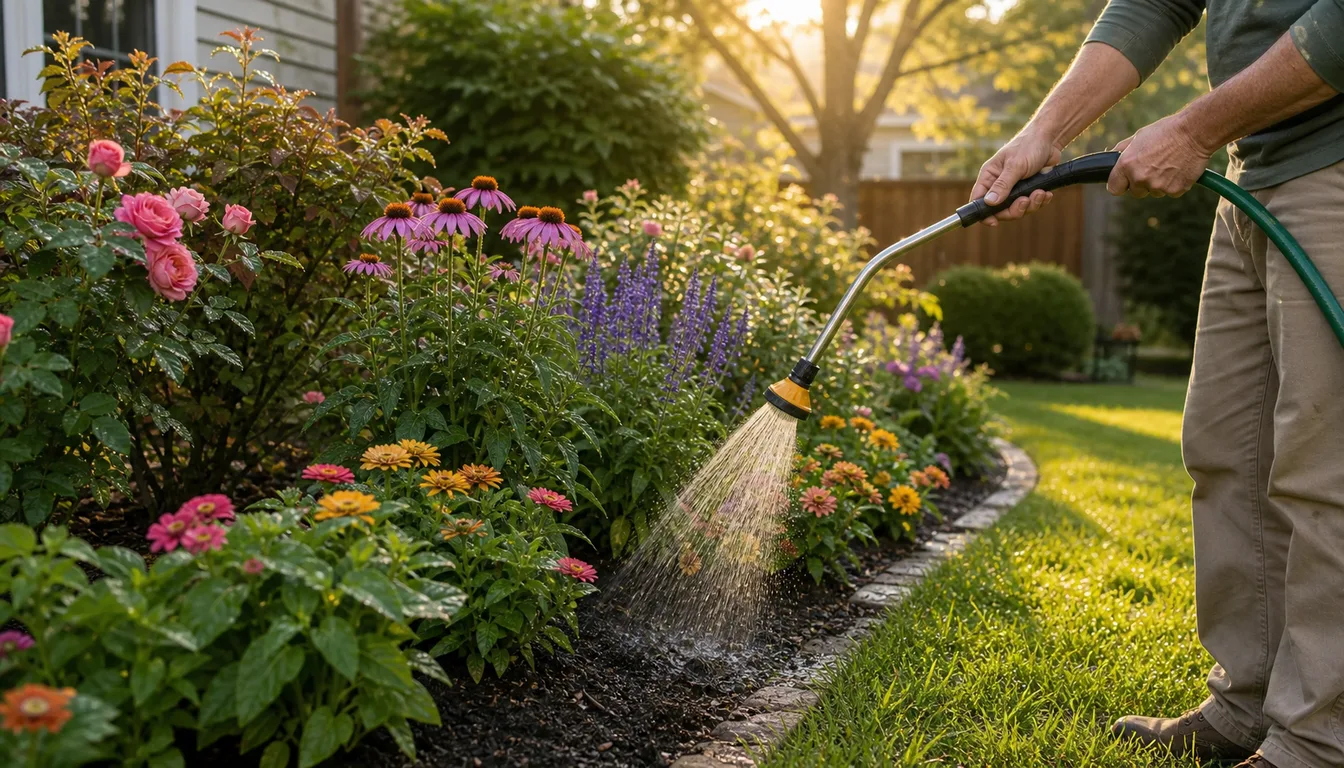
Best Time to Water Flowers for Stronger Blooms
Watering flowers at the wrong time does more damage than skipping a day.
10 min read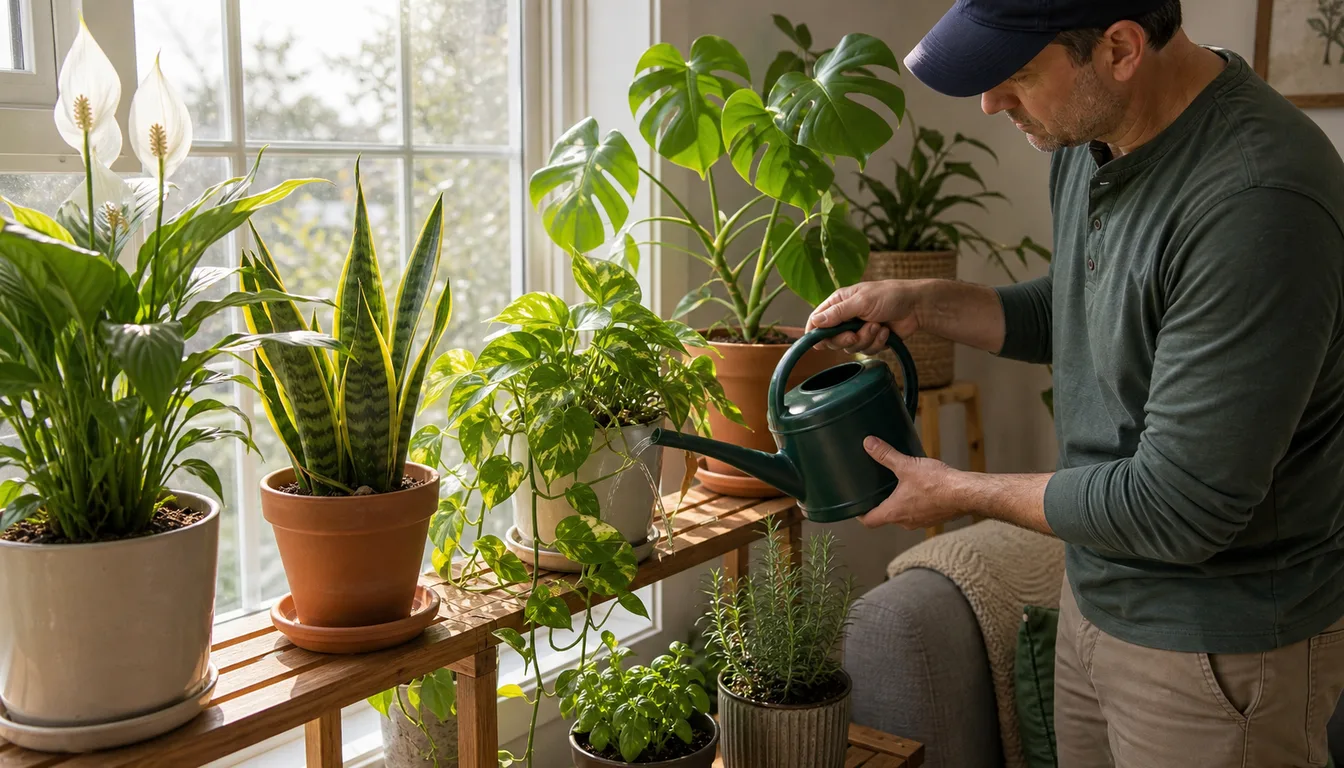
Best Time to Water Indoor Plants: Morning or Evening?
Morning is the better default for watering indoor plants.
6 min read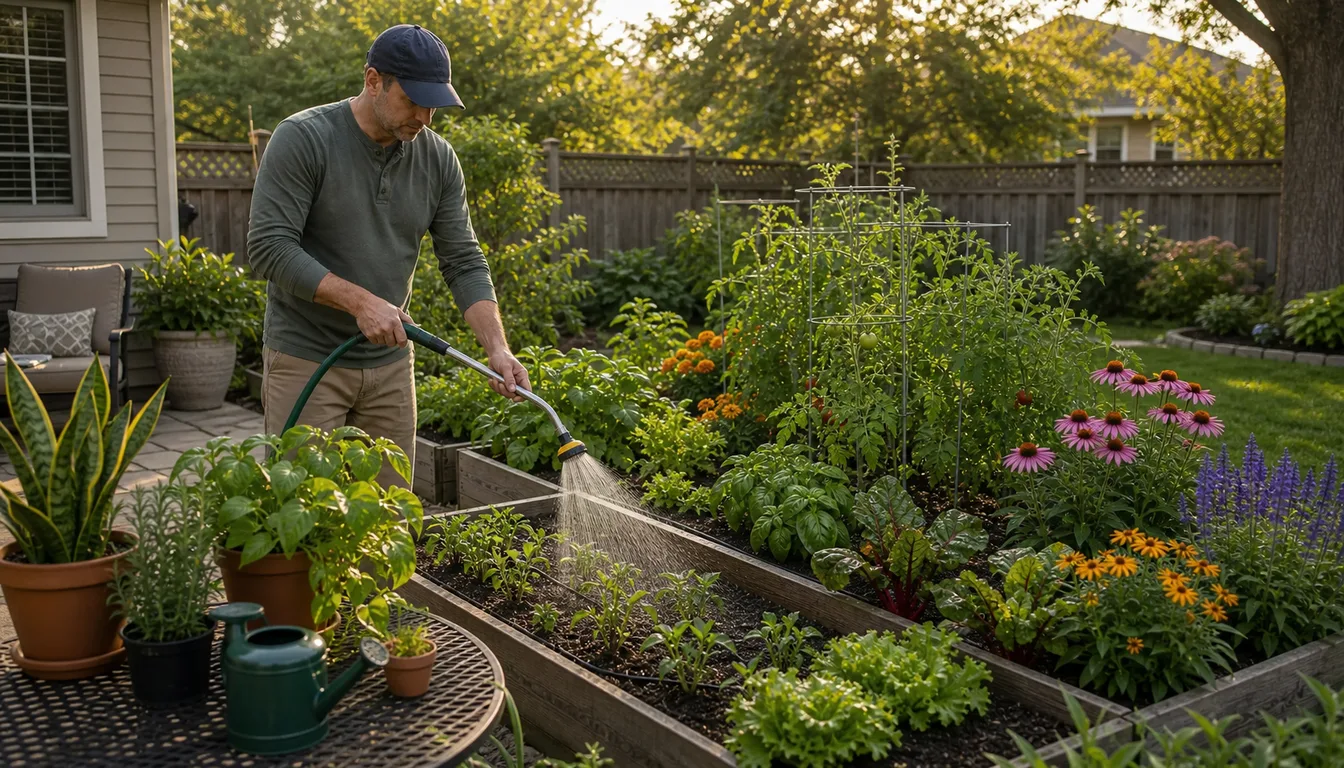
Best Time to Water Plants for Healthier Roots
Watering at the wrong time wastes water and stresses plants, even if you are generous with the…
11 min read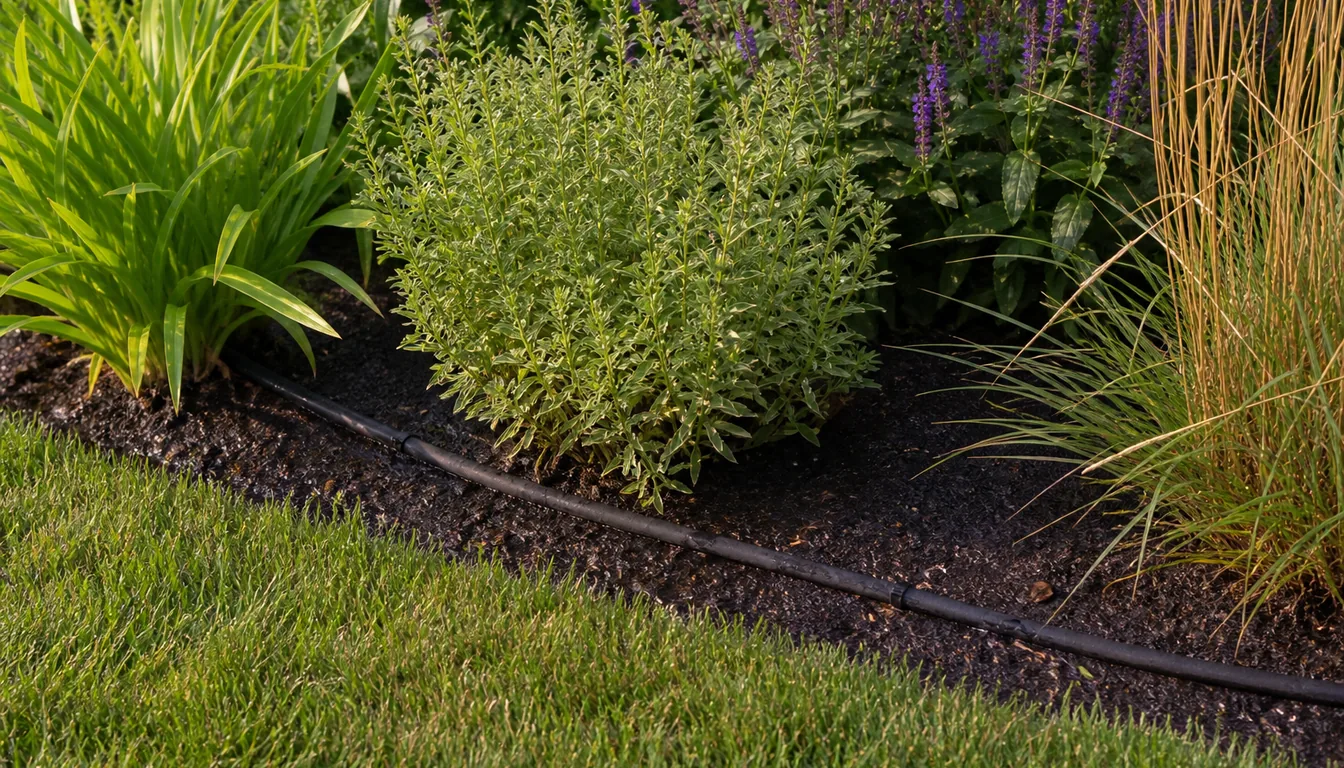
Deep Watering vs Frequent Watering: What Roots Need
Deep watering usually serves established lawns, vegetables, trees, and shrubs better than repeated…
17 min read