
How Much Water Do Plants Need? Wet the Root Zone, Then Wait
Plants need enough water to moisten the soil where their roots take it up, and then no more until that soil dries to the point the plant tolerates. The amount is set by root-zone depth, which is why one number cannot cover a houseplant, a vegetable bed, and a tree.
For in-ground beds and lawns, the usual starting point is about 1 inch of water a week, rain included, which University of Minnesota Extension converts to about 62 gallons for every 100 square feet. A container is watered until water runs from the drainage holes, and a tree or shrub until the top 6 to 9 inches of soil under its canopy are moist. Soil type, weather, and season change how often you repeat it.
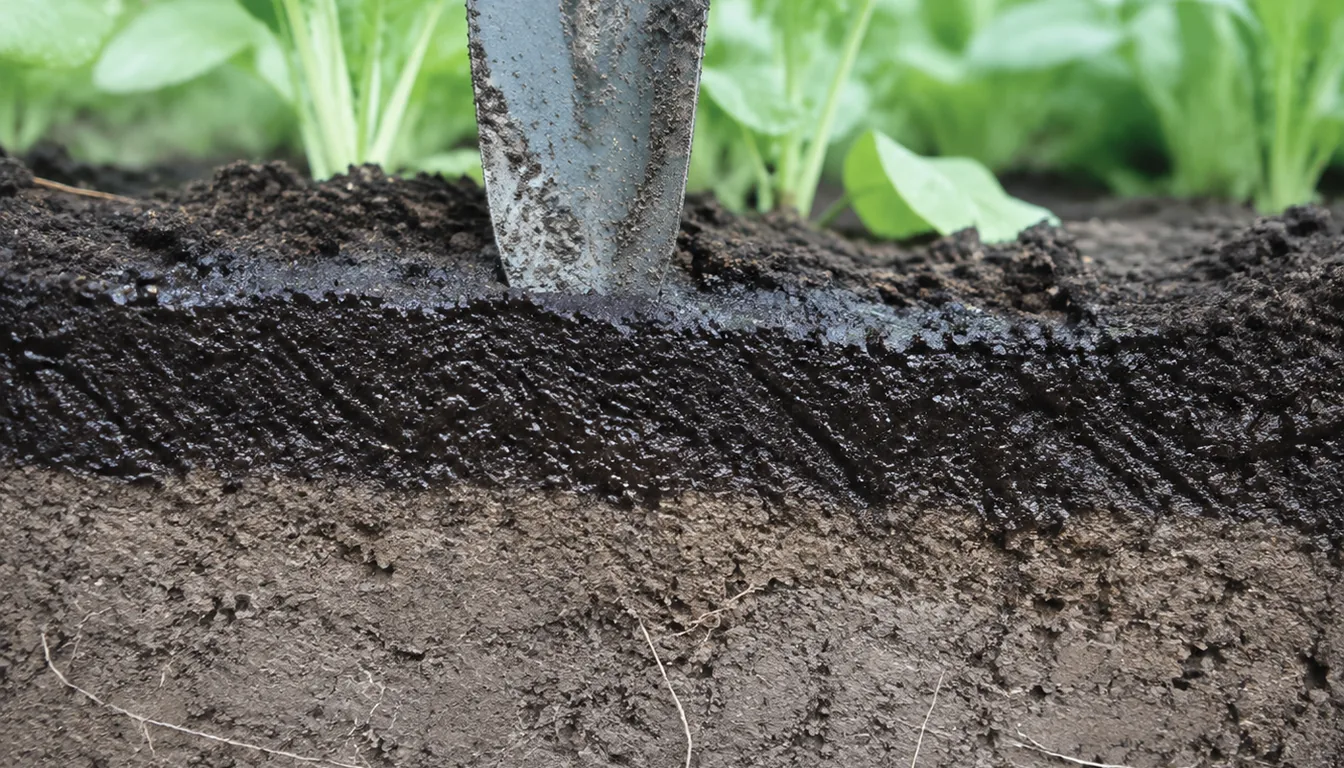
At a glance
How deep should the water go for each kind of plant?
Each group of plants takes up water from a different depth, so the check and the target change with it. The table pulls together the extension guidance for each group.
| Planting | When to water | How much to apply |
|---|---|---|
| Houseplant or container | Mix is dry about 2 inches down, or 1 to 3 inches in larger pots | Enough to wet the whole pot, until water drains from the holes |
| Vegetable bed | Soil is dry 2 inches below the surface | About 1 inch a week, rain included |
| Lawn | A screwdriver no longer slides easily into the soil | About 1 inch a week, rain included, often split into two waterings |
| Established tree or shrub | Top 6 to 9 inches of soil under the canopy are dry | Enough to moisten those 6 to 9 inches across the root spread |
Trees need the deepest check. University of Minnesota Extension explains that most of the small roots that absorb water sit in the top 12 to 18 inches of soil and spread well beyond the trunk. Shrub roots run about 1.5 to 3.5 times as wide as the plant. Water poured at the trunk misses most of them. The same reasoning explains why deep watering works better than frequent light sprinkling.
What does 1 inch of water a week mean in gallons and minutes?
An inch of water is a depth spread over an area. University of Minnesota Extension puts it at about 62 gallons per 100 square feet. A 20 by 30 foot vegetable garden, which is 600 square feet, needs about 372 gallons after a week without rain.
Rain counts toward the total. In the same extension example, a week with three-eighths of an inch of rain leaves five-eighths of an inch to supply, about 232 gallons for that garden. A rain gauge or local weather report gives the figure.
One inch is a baseline for moderate weather. Colorado State University Extension estimates that vegetables use about a quarter inch of water a day in typical summer weather, and more in hot, windy spells, so a vegetable bed in peak summer heat can need 1.5 inches a week or more.
Minutes only mean something once you know what your hose or sprinkler delivers.
- Time a bucketRun the hose at your normal watering flow into a marked 5-gallon bucket and note how long it takes to fill. Filling 62 gallons then takes about 12 times as long.
- Or set out cansFor a sprinkler, place several straight-sided containers such as tuna cans across the area and time how long they take to collect half an inch, as the EPA suggests.
- Check the soilWait a couple of hours, then dig to the target depth. In its tree-watering test, University of Minnesota Extension waits two hours and adds another half inch if the soil at that depth is still dry.
- Record the resultNote the run time that wet the root zone, then count the days until that depth dries again. That gap is your interval when no rain falls.
Hand watering is where most people underestimate. University of Minnesota Extension warns that a handheld hose often applies less than it seems, which is why measuring the flow once is worth the few minutes. Low-flow tools such as a soaker hose need the same soil check, because their output also depends on pressure and layout.
How much water does a houseplant or container need?
A pot is watered in one thorough application, then left alone until it dries again. Illinois Extension advises soaking the mix until excess water drains into the saucer, then emptying the saucer. Virginia Cooperative Extension adds that dry mix may need several applications before the whole volume is wet. Checking 1 to 3 inches down after watering shows whether dry pockets remain.
- Water until it runs from the drainage holes, then let it finish dripping
- Empty the saucer or cachepot, since Virginia Cooperative Extension advises not leaving a pot in its tray for more than 60 minutes
- For bottom watering, set the pot in 2 to 3 inches of water for about 15 to 30 minutes, until the surface feels moist
- Lift the pot afterward so you learn its wet weight, which the University of Maryland Extension suggests comparing with its dry weight
How soon the next watering comes depends on the plant and the pot. Virginia Cooperative Extension gives succulents and cacti thorough waterings about once or twice a month, while tropical foliage plants such as pothos and monstera may need water once or twice a week. Small pots dry faster than large ones, and unglazed clay dries faster than plastic. Brighter light, warmer rooms, and dry winter air from heating all speed drying, while a cool spot by a winter window slows it.
Plant growth slows in autumn and winter, and Virginia Cooperative Extension advises monitoring closely then to avoid overwatering. The amount per watering stays the same, a full soak that drains. What changes is the wait before the pot is dry enough to need it. The interval for each kind of plant is covered in how often to water houseplants, and drought-adapted plants such as snake plant and jade follow the drier routine in watering succulents.
How soil, slope, mulch, and season change the amount
The weekly total stays roughly the same, but how you split it depends on what the soil can hold. Sandy soil takes water quickly and holds little, so University of Minnesota Extension suggests watering a sandy vegetable garden twice a week with half an inch each time, about 31 gallons per 100 square feet. Clay and loam rich in organic matter can take the full inch once a week. For trees, the same extension gives the example of a clay soil needing 1 inch once a week where a sandy soil may need half an inch every 3 to 4 days.
Clay accepts water slowly. Oklahoma State University Extension notes that water applied faster than it soaks in runs off, and University of Minnesota Extension recommends shorter, more frequent waterings on clay slopes so the water has time to soak in between. Stop and wait when water starts to pool.
Mulch keeps the water you apply. Mulched soil holds moisture longer and may need watering less often, and the mulch also cuts evaporation and weed competition.
Season changes the interval more than the dose. Soil stays moist longer in the cool days of spring and fall and dries much faster in summer heat, so University of Minnesota Extension suggests testing how long your soil holds water in both seasons.
How to tell whether a plant got too much or too little
Wilting alone does not answer the question, because both problems cause it. Roots need air as well as water. University of Minnesota Extension explains that overwatering fills the soil pores that normally hold oxygen, which can suffocate roots, and that this is especially harmful in clay and compacted soil. Damaged roots then cannot supply the leaves, so an overwatered plant can wilt in wet soil.
| What you see | Soil or pot | Likely cause |
|---|---|---|
| Wilting, yellowing on old and new leaves, soft stems, fungus gnats | Wet for long periods, may smell rotten | Too much water or poor drainage |
| Wilting, dry or brittle leaves, brown tips | Dry, shrunk from the pot edge, pot feels light | Too little water |
| Tree leaves droop during the day and recover by morning | Dry 6 to 9 inches down | Water running short, the first visible sign in trees |
For an overwatered pot, the extension remedies are clearing blocked drainage holes, letting the mix dry, and repotting into fresh mix. For an underwatered pot, Virginia Cooperative Extension recommends bottom watering, refilling the saucer as needed until the mix is fully wet. Closer diagnosis is covered in signs of overwatering and spotting underwatered plants.
Pro Tips
- Push a screwdriver or long skewer into the soil before watering. If it slides in easily, the soil is still moist.
- Subtract the week's rainfall from the 1-inch target before you water a bed or lawn.
- Time your hose filling a 5-gallon bucket once, so later watering can be measured in gallons.
- Pull back mulch before checking soil moisture, because the mulch can be dry while the soil below is wet.
- Empty saucers and decorative outer pots after the drainage water has collected.
Frequently Asked Questions
How many gallons is 1 inch of water?
About 62 gallons per 100 square feet, according to University of Minnesota Extension. A 600-square-foot garden needs about 372 gallons to receive 1 inch.
Is it better to water in the morning or evening?
Early in the day is the better habit, because leaves that stay wet into the evening are more prone to leaf disease. University of Minnesota Extension adds that a plant wilting from drought should be watered right away, even in the afternoon or evening.
How do I know if my houseplant needs more or less water?
Feel the mix about 2 inches down and lift the pot. Dry mix and a light pot mean it is ready. Wilting with wet mix points to too much water or poor drainage, so check the drainage holes before adding more.
How deep should water soak in for trees and shrubs?
University of Minnesota Extension recommends moistening the top 6 to 9 inches of soil across the root spread, then watering again when that depth has dried. Most of the absorbing roots sit in the top 12 to 18 inches.
Can I rely on rain for my garden?
Only when it adds up to the weekly need. Measure it with a rain gauge and supply the difference. University of Minnesota Extension also points out that rain forecast for later in the week does not help plants that need water today.
Sources & References
- University of Minnesota Extension, Watering the vegetable garden
- University of Minnesota Extension, Watering established trees and shrubs
- Colorado State University Extension, CMG GardenNotes #714: Irrigating the Vegetable Garden
- U.S. Environmental Protection Agency WaterSense, Watering Tips
- Oklahoma State University Extension, Lawn Watering Tips
- Illinois Extension, Watering Houseplants
- University of Maryland Extension, Watering Indoor Plants
- Virginia Cooperative Extension, Properly Watering Container Houseplants (SPES-804)
Related Guides
A Drought Tolerant Plant Is Not Drought Tolerant Yet
Colorado State puts it in one sentence. Drought tolerant plants are not drought tolerant until…
11 min read
An Overwatered Tree Hides It for a Year, Then Thins
A tree gives you almost no warning. Colorado State says the symptoms of root problems may appear…
12 min read
Best Time to Water Flowers for Stronger Blooms
Watering flowers at the wrong time does more damage than skipping a day.
10 min read
Best Time to Water Indoor Plants: Morning or Evening?
Morning is the better default for watering indoor plants.
6 min read
Best Time to Water Plants for Healthier Roots
Watering at the wrong time wastes water and stresses plants, even if you are generous with the…
11 min read
Deep Watering vs Frequent Watering: What Roots Need
Deep watering usually serves established lawns, vegetables, trees, and shrubs better than repeated…
17 min read