At a glance
- Weekly target
- About 1 inch of water, counting rain
- Check
- Dig down and feel the soil 2 to 4 inches below the surface
- Best time of day
- Morning, when it is cool but warming
- Containers in a heat wave
- Daily, sometimes twice
How do you know the garden needs water?
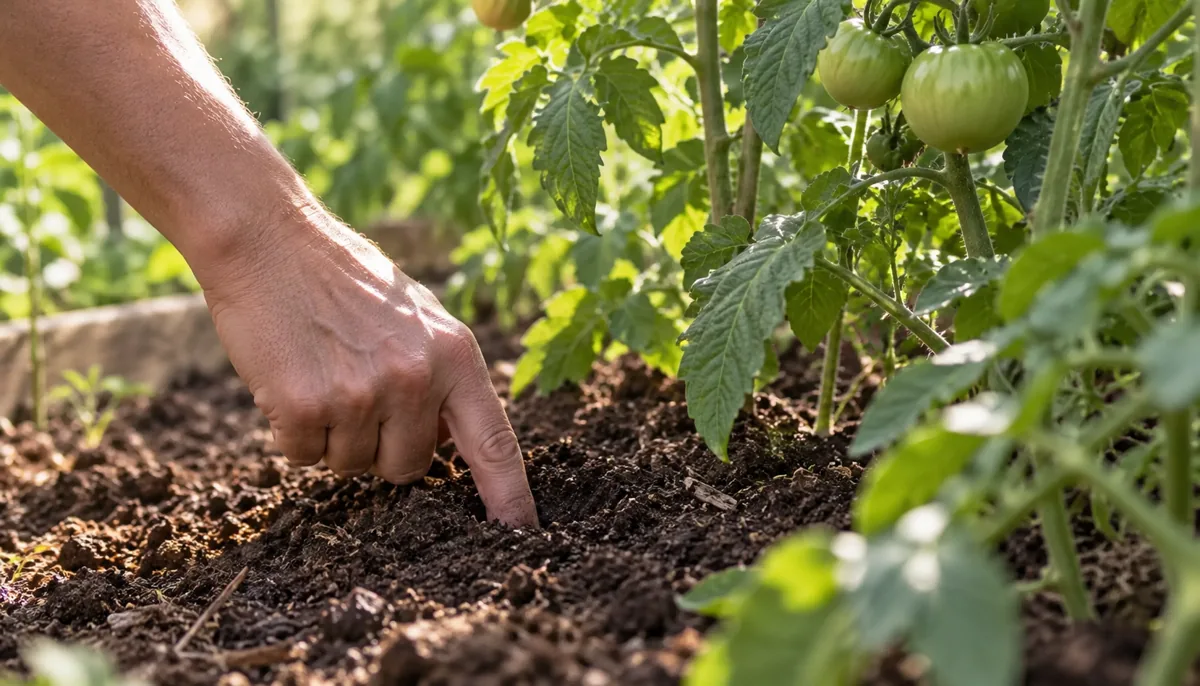
Check the soil by removing the mulch and digging into it with a spade or trowel. The top inch may be dry while the soil below is still somewhat moist, so a dry surface alone does not mean it is time to water.
Sources set the dry depth differently, from 2 to 4 inches in the garden to a finger press for containers. Colorado State also gives a squeeze test, since soil that sticks together when squeezed is moist and should not be irrigated, and soil that does not stick together is ready for water.
| Source | Water when |
|---|---|
| University of Minnesota Extension (garden) | The soil is dry two inches below the surface |
| Colorado State University Extension (garden) | The top 2 to 4 inches of soil are dry to the touch |
| University of Maryland Extension (containers) | The soil feels dry when you press a finger into it |
How often the soil reaches that point depends on how it holds water. On sandy, well-drained soil you may need to water twice a week, while for heavier clay soils or loamy soils rich in organic matter, watering once a week is fine. Mulch helps soil retain water, so you may water less often.
How much water does a vegetable garden need?
Rain counts toward the weekly inch, so read a rain gauge or the weather report and let the hose make up the difference. If a week brings only three-eighths of an inch of rain, you supply the other five-eighths.
- Vegetable garden
- 1 inch of water, counting rain
- Tomatoes
- About 1 to 1.5 inches a week during the growing season
- Sandy soil
- Twice a week, one-half inch each time
- Root zone
- Adequate moisture to at least 6 inches deep, if not more
One inch of water over 100 square feet is 62 gallons. For a 20-by-30-foot garden (600 square feet), a week without rain means 372 gallons, and the missing five-eighths of an inch from the example above comes to 232 gallons.
With a hand-held hose you may underestimate how much water you applied, so measure the rate. Time how long the hose, set the way you normally water, takes to fill a 5-gallon pail, then multiply that time by 12 to find how long an inch over 100 square feet takes.
Shallow watering leads to weak roots, so give long soakings at the root zone. Dig a small hole afterward to see how deep the water went.
How should you apply the water?
Water in the morning, when it is cool but warming. Less water evaporates, it soaks in deeply before the day's heat makes plants lose moisture through transpiration, and the leaves dry during the day, which lowers the risk of disease. In hot weather, Minnesota Extension puts the ideal window at 5 to 9 a.m.
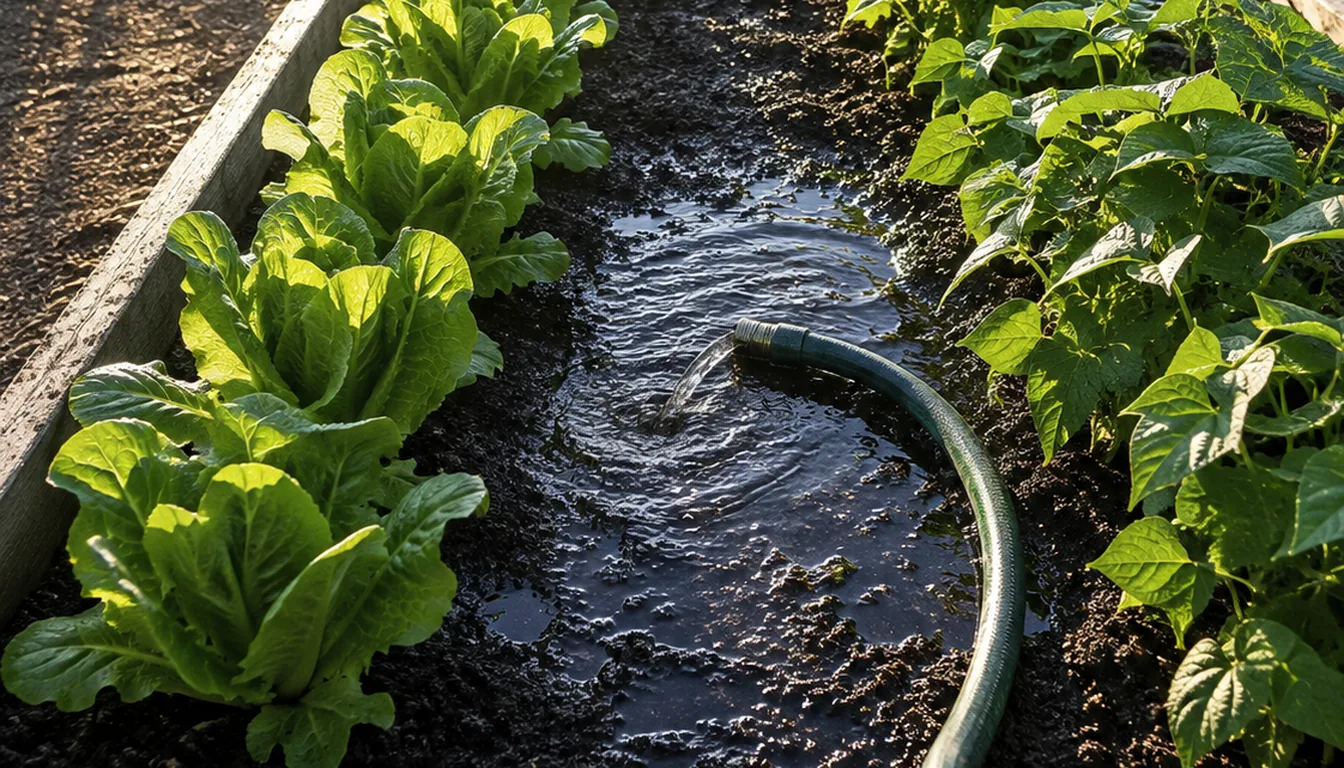
Put the water at the base of the plants, because roots need the water and wet leaves can cause leaf diseases. Lower the flow so it does not wash soil away from the roots, and apply it slowly enough that it does not puddle and run off.
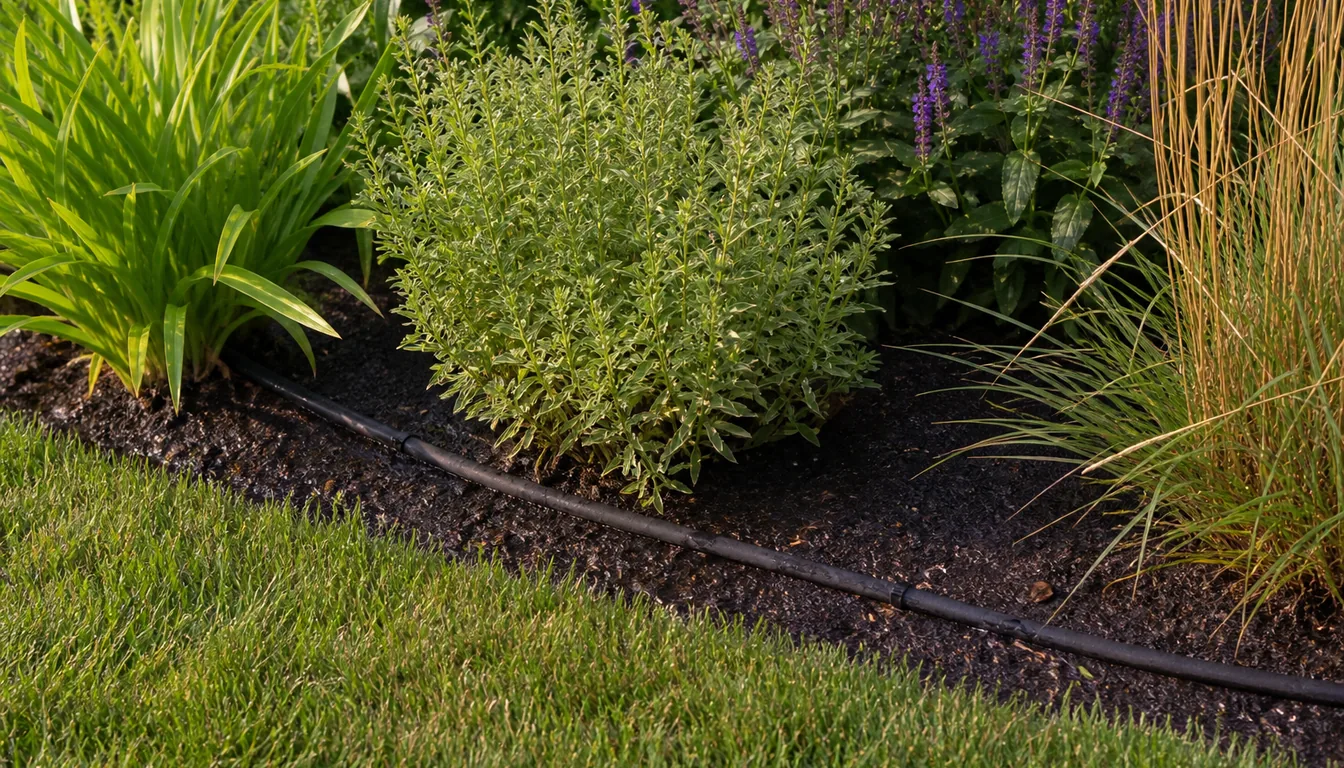
A drip line or soaker hose puts the water on the soil at the base of the plants without wetting the foliage. Drip irrigation can use 30 to 50% less water than sprinklers and other methods and keeps the foliage dry, which reduces disease on leaves and fruit, according to Iowa State.
- Soak the bed firstRun the system until the soil is wet 10 to 12 inches down.
- Dig a hole to checkNote how long the soaking took, because that time tells you how long to run the system in the future.
- Run it every 1 to 2 daysWater only to replace what evaporation and transpiration remove, usually for a few hours.
Mulch minimizes evaporation from the soil surface and reduces irrigation need by around 50%. Use an organic mulch 1 to 3 inches deep, with larger pieces going deeper, and spread it in early summer once the soil has warmed.
A timer at the faucet shuts the water off after a set time, which helps reduce overwatering, and it needs adjusting after rain so it does not water on top of rainfall. On a shared irrigation line, group plants with similar needs, such as cucumbers, zucchini and squash.
Which crops need water most, and when?
As a rule of thumb, water matters most during the first few weeks of growth, right after transplanting, and during flowering and fruit production. Some crops have their own critical stage, so give those stages water first when supply is short.
| Crop | Needs water most |
|---|---|
| Beans | Blooming and fruit setting. Beans use the most water of any common garden vegetable, 0.25 to over 0.50 inches a day |
| Tomatoes, peppers and eggplant | Flowering and fruiting |
| Cucumbers, summer and winter squash, and other vine crops | Flowering and fruiting |
| Corn | Tasseling, silking and ear development |
| Cabbage, broccoli, cauliflower, kohlrabi and Brussels sprouts | Consistent moisture throughout, most critical during head development |
| Lettuce and other leaf vegetables | Head development, with a consistent supply of moisture |
| Carrots and other root crops | Consistent moisture |
| Onions | Consistent moisture and frequent irrigation, because their root system is small and inefficient |
| Peas | Pod filling |
How do heat and containers change the plan?
In dry weather, watering early, before the heat starts, can protect the plants, because well-watered soil stays cooler than dry soil, and soil that the sun has dried out does not absorb water well, so the water runs off.
In a heat wave, top off the mulch with a fresh 1 to 2 inches, which keeps the soil cool and slows evaporation.
If plants are wilting or showing other signs of heat stress, Minnesota Extension says to water them as soon as possible, even in the heat of the afternoon or evening. A rain shower forecast for the day after tomorrow does not help a plant that needs water today.
Container vegetables
A container holds a limited volume of potting mix, so the roots need to be kept moist at all times. Press a finger into the mix to check, and water until water runs out of the drainage holes, because several shallow waterings are not nearly as effective as one long application.
A large container holds more moisture and needs water less often than a small one, and plants need more water as they grow larger and the temperatures rise. In a heat wave, water containers daily, and sometimes twice.
The mix in a container that goes too long without water can shrink away from the edge, and water then flows through the gap and leaves the mix dry. Repeated waterings rehydrate it, or you can set the container halfway into a bucket or sink of water until the surface of the mix is moist. Empty the saucer after watering or after rain.
What do the plants tell you about thirst?
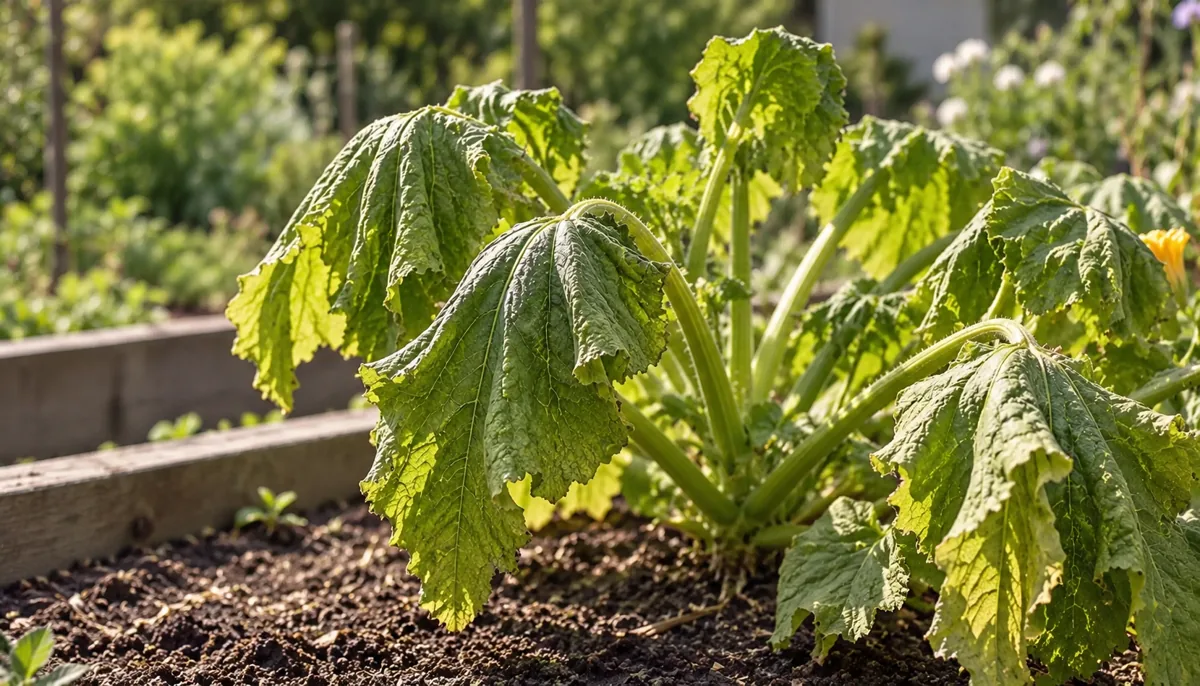
Hot, windy days pull moisture from leaves faster than roots can replace it, so even well-watered plants can wilt, curl or stall out. Check the soil, not the leaves, because heat alone can cause wilting even when moisture is adequate.
Leaf color helps on some crops. A bean plant with adequate moisture is a bright, dark grass green, and water stress gives its leaves a slight grayish cast.
Blossom end rot on tomatoes
Erratic watering is the most common cause. When the plant gets too dry or too much water over periods of time, its ability to take up calcium from the soil is diminished, so water weekly in dry weather and mulch to keep moisture even.
Dropped blossoms and tadpole-shaped beans
Beans that were too dry at some time drop blossoms and bloom less, and pods fat at the top and skinny at the end are another symptom of water stress. Hot winds can also make beans drop blossoms when soil moisture is adequate.
Cracked, knobby or hot-flavored roots
Carrots and other root crops show water stress this way, and potatoes become knobby if they get too dry.
Small or missing fruit
Under drought stress, plants may produce small fruit, such as undersized tomatoes or melons, or no fruit at all.
Tough, bitter or bolting crops
Under drought stress, cabbage and turnips may become tough, fibrous or bitter, and lettuce and spinach may bolt.
Partly filled corn ears
With a little water stress the ear may not fill out fully, and some ears may not develop at all.
What happens when the garden gets too much water?
Roots take in oxygen from the soil to survive. If water saturates the ground, little or no oxygen is available, so plants may decline and die because their roots are too wet. Some plants may collapse and die after a few days if flooded, and others may survive with bland fruit.
Waterlogging in compacted, dense soil is especially damaging to roots in warm weather, when they need more oxygen than they do in cold temperatures.
A gardener can do little if too much rain falls. One solution is to build raised beds.
Pro Tips
- Water in the morning, when it is cool but warming, so the water soaks in before the heat and the leaves dry during the day.
- Put the water at the base of the plants, slowly enough that it does not puddle and run off.
- Check the soil, not the leaves, because heat alone can make plants wilt even when the soil is moist.
- Spread 1 to 3 inches of organic mulch to cut evaporation, using the deeper layer for larger pieces.
- Put plants with similar water needs on the same irrigation section, such as cucumbers, zucchini and squash.
- Drip irrigation can use 30 to 50% less water than sprinklers and keeps the foliage dry.
Frequently Asked Questions
Is it better to water a vegetable garden in the morning or evening?
Morning is better. Colorado State says to irrigate when it is cool but warming, which reduces evaporation and lets the water soak in before the heat makes plants lose moisture, and the leaves dry during the day, which reduces disease risk. Wet leaves in the evening can cause leaf diseases, but Minnesota Extension adds that wilting plants should be watered as soon as possible, even in the afternoon or evening.
How often should I water container vegetables in summer?
Water containers daily during heat waves, and sometimes twice. Press a finger into the mix to check, and water until water runs out of the drainage holes. A large container holds more moisture and needs water less often than a small one.
When do vegetables need the most water?
As a rule of thumb, water matters most during the first few weeks of growth, right after transplanting, and during flowering and fruit production, according to Colorado State. Beans use the most water of any common garden vegetable, 0.25 to over 0.50 inches a day.
Can I water the garden with a timer?
Yes. A timer at the faucet shuts the water off after a set time, which helps reduce overwatering. Adjust it after rain so that it does not water on top of rainfall.
How does mulch change how often I water vegetables?
Mulch minimizes evaporation from the soil surface and reduces irrigation need by around 50%, according to Colorado State. Use 1 to 3 inches of organic mulch, deeper for larger pieces. Remove the mulch before you dig to check the soil moisture.
Sources & References
- University of Minnesota Extension, Watering the Vegetable Garden
- Colorado State University Extension, PlantTalk: Watering Vegetables
- Penn State Extension, Heat Proofing Your Vegetable Garden
- Colorado State University Extension: Home Vegetable Garden Management During a Drought in Colorado
- Iowa State University Extension and Outreach: Using Drip Irrigation in the Garden
- Iowa State University Extension and Outreach: Blossom End Rot
- University of Minnesota Extension: Keep Gardens Thriving Through the Heat
- University of Maryland Extension: Maintaining Container Grown Vegetables
- Oregon State University Extension: Growing Vegetables in Central Oregon