
What's a Cucumber? How to Grow Crisp, Straight Fruit
Cucumis sativus Cucurbitaceae
Cucumber pays back fast when you make the right structural choice before planting: trellis or sprawl, slicer or pickler, direct seed or transplant.
Warm soil, even moisture, and fast picking matter more than fancy tricks once the vines start moving.
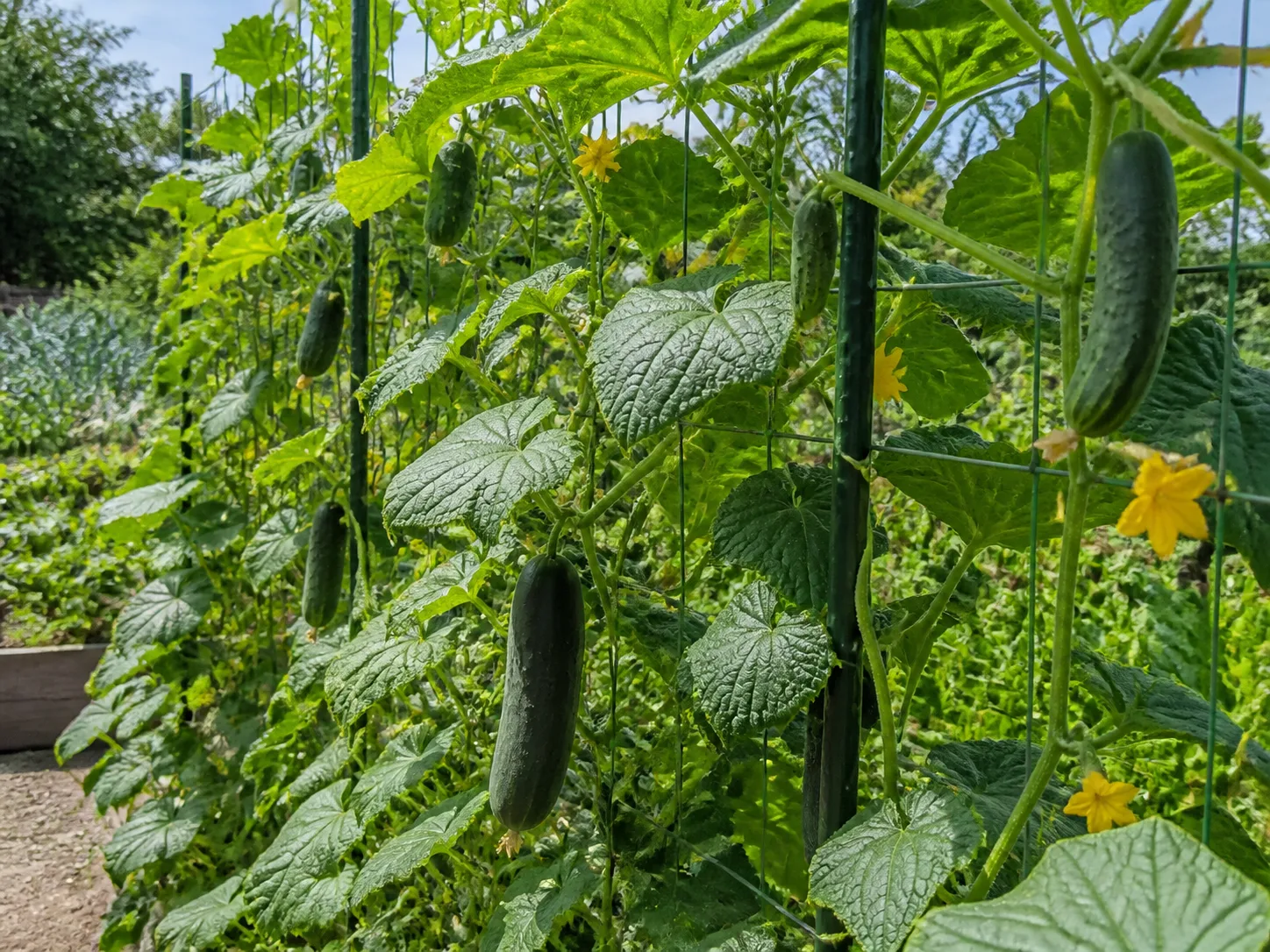
Care snapshot
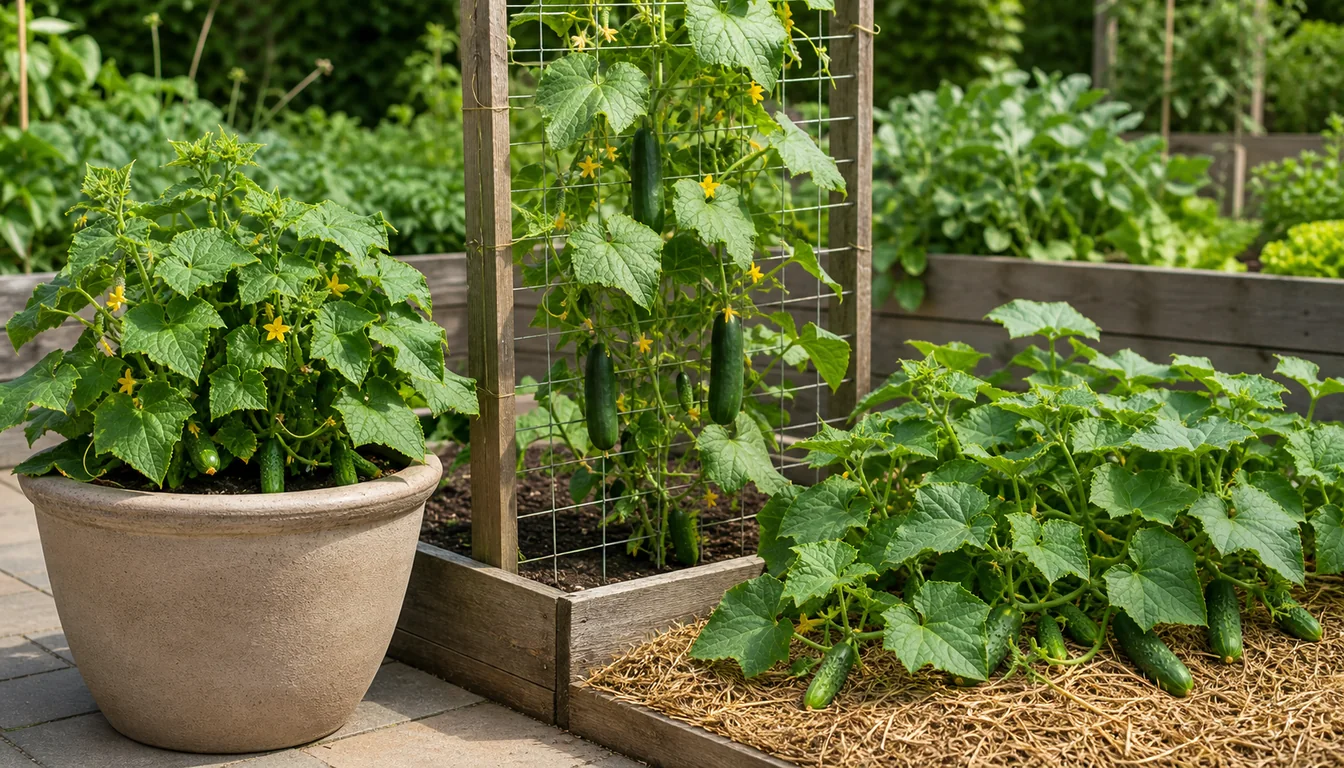
Which Cucumber Type Fits Your Space and Harvest?
Choose between a climbing slicer, a compact patio plant, and a pickling vine before you plan the bed, support, or harvest rhythm.
Cucumber is Cucumis sativus, a warm-season annual vine in the Cucurbitaceae family grown for tender fruit. Its climbing tendrils, separate male and female flowers, and shallow roots shape the support, pollination, and watering choices that follow.
A trellised slicer can share space beside tomatoes, while a sprawling pickling vine wants open ground and fast access.
Seed catalogs also sort cucumbers by flower type, not just fruit use. Gynoecious varieties produce mostly female flowers for a concentrated early harvest, while parthenocarpic types set seedless fruit without pollination at all, a genuine advantage for greenhouse or row-cover growing where bees rarely reach the flowers.
- Slicing types
- Longer fruit for salads and sandwiches; best when picked before seeds toughen.
- Pickling types
- Shorter, firmer fruit; happiest when harvested small and often.
- Bush types
- Good for containers and small beds; lower total yield but easier to manage.
- Vining types
- Highest yield potential when given a trellis or wide patch to run.
Trellised slicer
- Best when bed space is tight.
- Easiest fruit to spot and pick on time.
- Usually the cleanest option after rain.
Pickling patch
- Needs fast access because harvest is frequent.
- Works best when fruit is picked young and firm.
- Can sprawl if you truly have open ground.
Bush container
- Good for patios and short runs.
- Needs the steadiest watering of all three.
- Trades some yield for easier management.
When Should You Plant Cucumbers Outdoors?
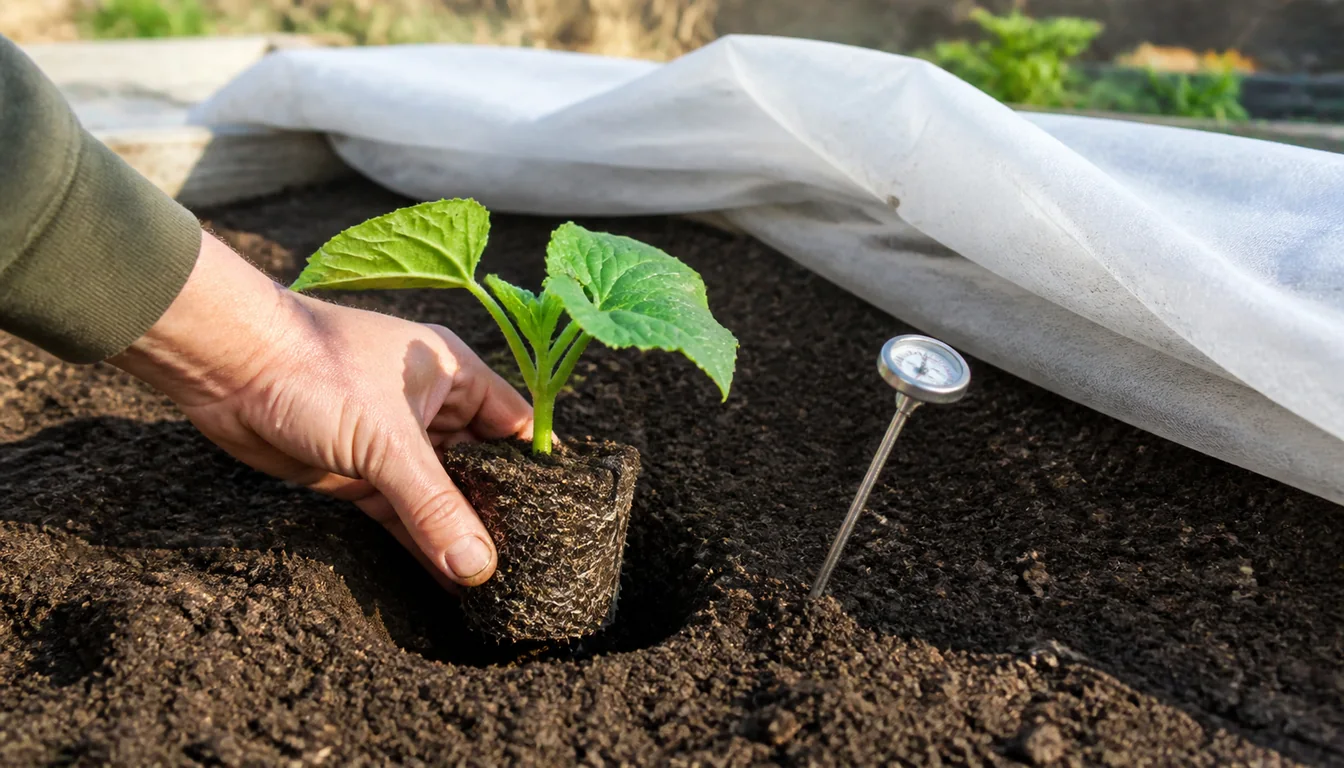
Because cucumber seed sulks in cold ground and transplants hate root shock, wait until the bed is warm and nights have settled above 55F.
Direct seeding works best once conditions are right because the roots start clean and straight.
In short seasons, transplants help, but they need gentle handling and a quick move into warm soil so the plant does not pause for two weeks.
Cucumber shares cantaloupe's need for genuinely warm soil. If the bed still feels chilly to your hand in the morning, planting is probably early.
Direct-seeded cucumbers usually go in about an inch deep, with seeds spaced 6-12 inches apart in rows or several seeds per hill on mounded soil. Thinning to the strongest seedling once true leaves appear avoids the crowded competition that stunts an entire cluster.
Black plastic mulch laid a week or two before planting can warm the bed several degrees faster than bare soil, which matters most for gardeners trying to get a jump on a short season. Once the vines are established, switching to organic mulch around the base still helps moisture and weed control without the season-long heat buildup plastic can cause in truly hot climates.
Because a single planting often peaks and declines within a few weeks, sow a second round of seed two to three weeks after the first if you want a longer harvest. Separate planting dates spread pollination demand and pest pressure instead of concentrating every vine in one short window.
- Direct-seed when the bed is already warm and settled.
- Use transplants only when the season is short enough to justify the extra handling.
- Harden plants off quickly and move them before roots circle hard in the pot.
How Do You Water and Feed Cucumbers for Straight Fruit?
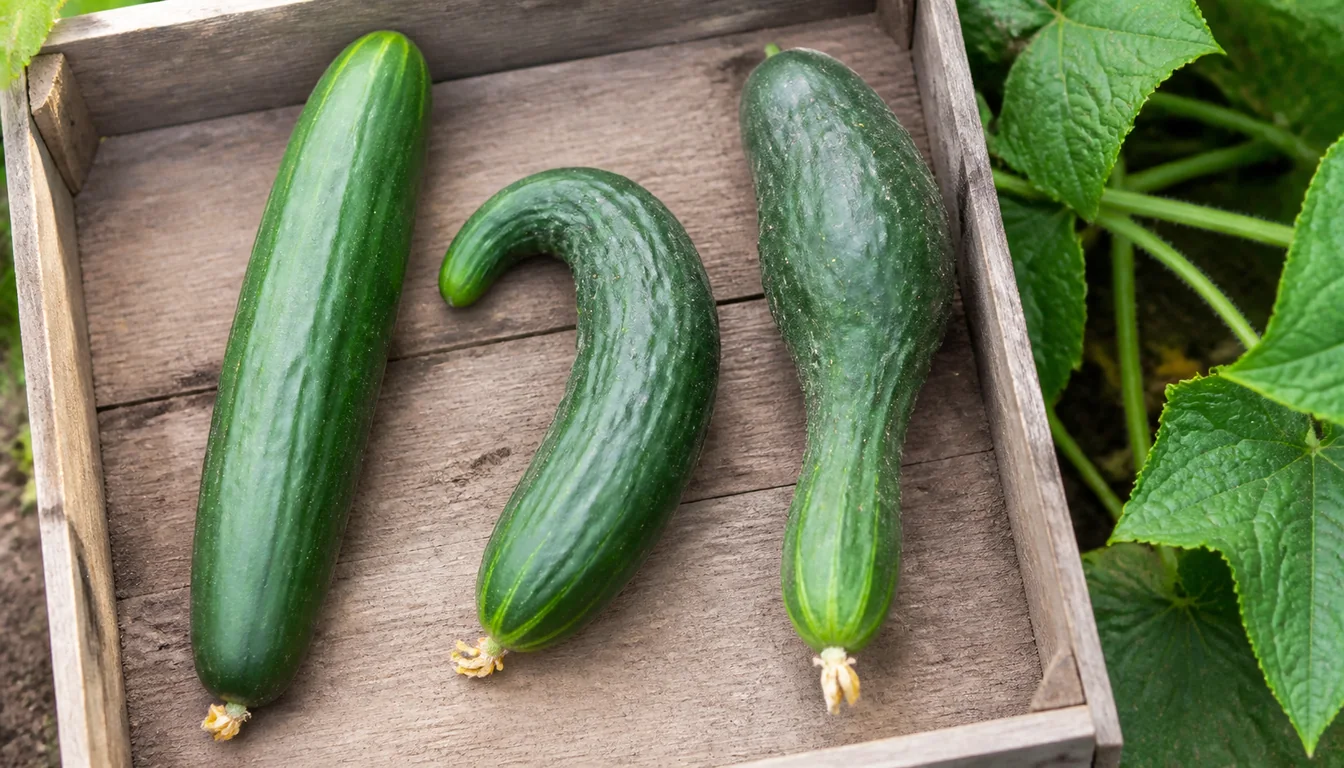
Mild flavor and straight fruit come from even growth. When the root zone swings from dusty to soaked, cucumbers turn bitter, curved, or fat on one end and skinny on the other.
Most beds need about 1-1.5 inches of water each week, but fruit load changes the real demand. Once vines are carrying a lot of young fruit, the soil has to stay more even than it did during the seedling stage.
Mulch helps the plant stay calm in hot spells. That matters even more if the patch sits beside corn, because tall neighboring crops can pull water fast while also changing the wind and shade around the vine.
Keep leaves as dry as you can. Drip or low watering at the base usually beats evening overhead spray, especially once the canopy thickens.
Cucumbers are moderate feeders that respond well to a balanced fertilizer worked in before planting, then a light side-dress once vines begin to run. Heavy nitrogen without enough phosphorus and potassium pushes leafy growth at the expense of flowers and fruit, the same tradeoff that shows up in many fast-growing vegetables.
- Water deeply enough that the root zone stays moist below the surface.
- Use mulch after the soil has warmed, not before.
- Do not let containers dry hard between soakings.
- Harvest on time so oversized fruit do not steal water from new sets.
Should You Trellis Cucumber Vines?
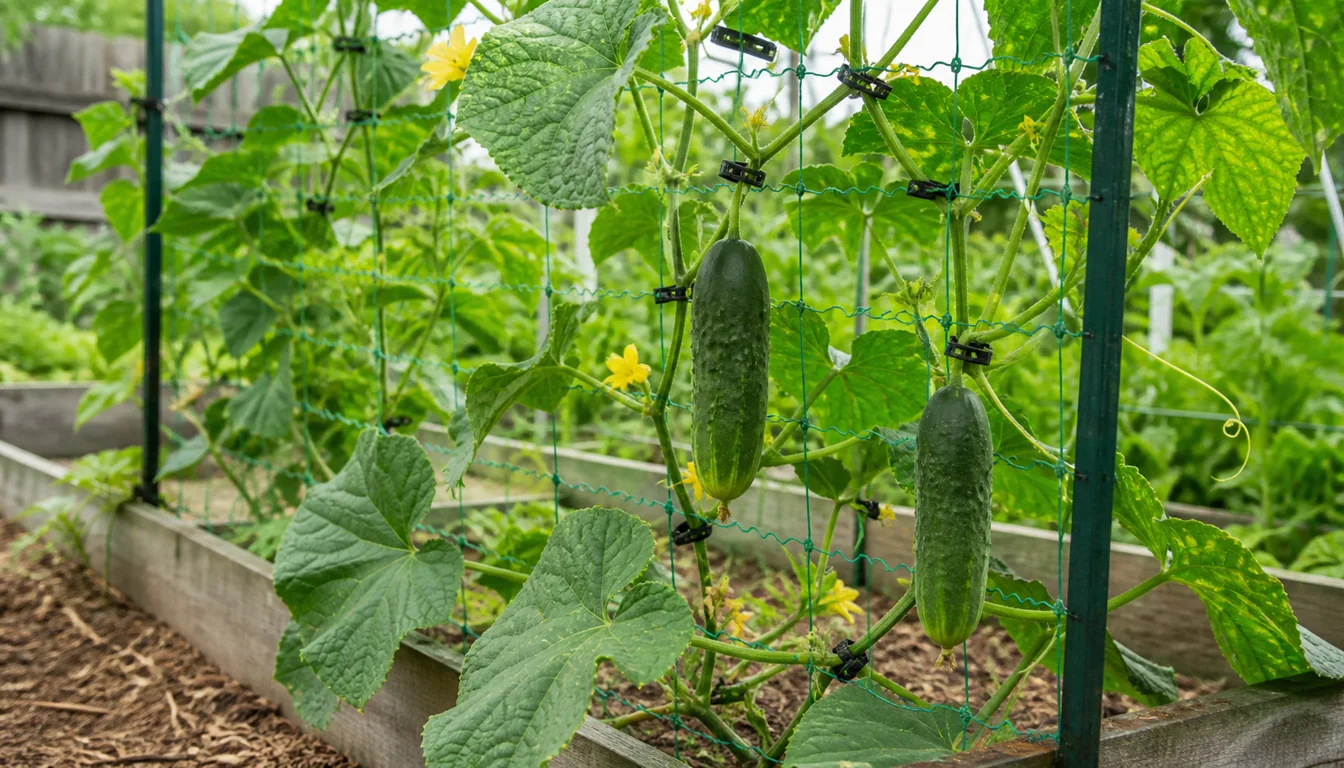
A trellis changes more than the shape of the plant.
It lifts fruit off wet soil, makes beetles easier to spot, and buys airflow that sprawling vines often lose in a crowded summer bed.
Sprawl still works if you have real room, but it is a bad fit for tight beds already packed with pumpkin or other broad vines. Once foliage overlaps, harvest gets slower and mildew gets easier.
Do not over-prune trying to make cucumber look tidy. Remove obviously damaged leaves and guide the vine where you want it, but let the plant keep enough leaf area to shade its own fruit and fuel new sets.
A trellis around 5-6 feet tall suits most vining slicers, tall enough to keep the top growth from flopping over before the season ends. Cattle panel, nylon netting, and simple stake-and-string systems all work, with the main tradeoff being how easily you can reach fruit near the top by midsummer.
- Set the trellis before sowing or transplanting.
- Guide the main vine every few days during the fast growth stretch.
- Clip fruiting stems gently instead of cinching them tight.
Why Does a Cucumber Vine Flower Without Setting Fruit?
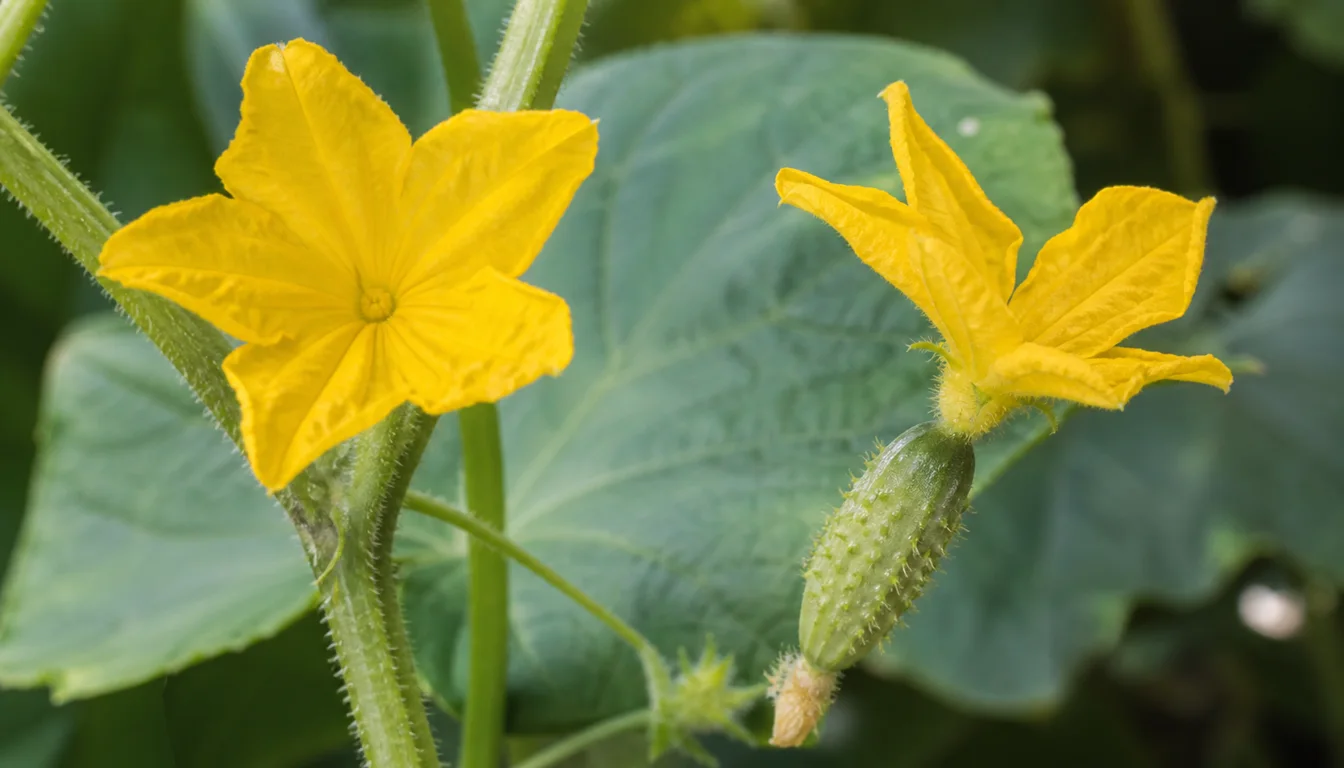
A vine full of flowers and no fruit can still be healthy. Male flowers usually open first, so a few days of bloom without baby cucumbers is normal.
Poor pollination, cold snaps, or water stress often show up as crooked or club-shaped cucumbers before the leaves show obvious stress.
Bitterness is another signal, not a mystery. Heat and dry-down push the plant into survival mode, which is why the same vine can taste fine one week and harsh the next.
Oversized fruit also slows the vine down. Once seeds harden and the skin dulls, the plant starts acting like its job is done.
Most standard cucumber varieties still need bees moving pollen from male to female flowers, so a garden with few pollinators visiting in cool or rainy weather often shows the same crooked, underfilled fruit as a plant under water stress. Hand-pollinating with a small brush, moving pollen from a freshly opened male flower to a female flower's center, can rescue fruit set during a slow pollinator week.
Often normal early male bloom, especially on vigorous young vines.
Usually pollination or moisture trouble while the fruit was sizing.
Harvest came too late and the vine has started slowing down.
What Causes Cucumber Beetles, Wilt, and Mildew?
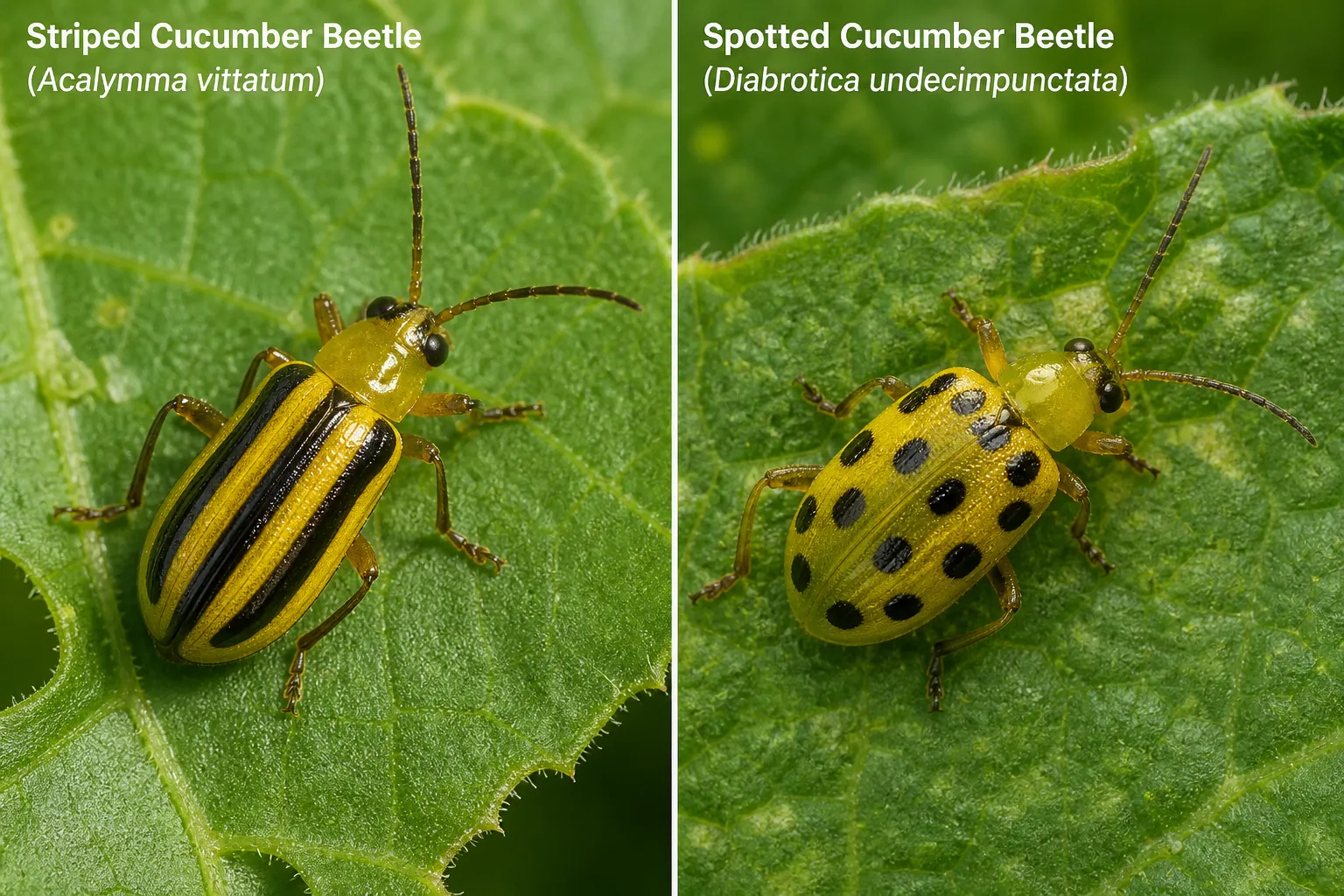
Cucumber beetles deserve your first attention because they chew young leaves and can spread bacterial wilt. Early control protects both the seedling's leaf area and the stem from infection.
Powdery mildew on cucumber is a different problem that usually arrives later, especially when vines stay crowded and leaves dry slowly. Better airflow and earlier watering matter as much as any spray when the canopy begins to whiten.
One wilted vine after a beetle flush is more urgent than a whole patch that simply looks dusty. That pattern often means disease moved through the stem instead of a simple watering miss.
Striped and spotted cucumber beetles get confused at a glance, since both are similar-sized yellow beetles that feed on leaves and flowers and both spread the same bacterial wilt. Striped cucumber beetles show three bold black stripes running the length of the wing covers, while spotted cucumber beetles carry a dozen or so black spots scattered across a plain yellow-green back instead.
Adult cucumber beetles overwinter in garden debris and nearby weedy edges, then emerge as soon as the weather warms enough for new seedlings to be tender and vulnerable. Row covers placed immediately after seeding or transplanting block that first wave until flowers need uncovering for pollination, often preventing the worst damage without any spray.
Bacterial wilt spreads specifically through cucumber beetle feeding wounds, since the bacteria live in the beetles' gut and get deposited as they chew, which is why beetle control early in the season does double duty against both direct feeding damage and the wilt disease itself. A vine that wilts fast despite moist soil is a stronger wilt signal than one that droops gradually during a hot afternoon.
Check new leaves and flower areas for chewing and striped adults.
Pull fast-collapsing vines instead of waiting for the whole patch to follow.
Thin the canopy and keep harvest moving so leaves dry faster.
When Should You Pick Cucumbers?
The vine produces best when you stay ahead of it. Check every day or two once fruit starts coming because harvest timing is part of plant care, not just kitchen timing.
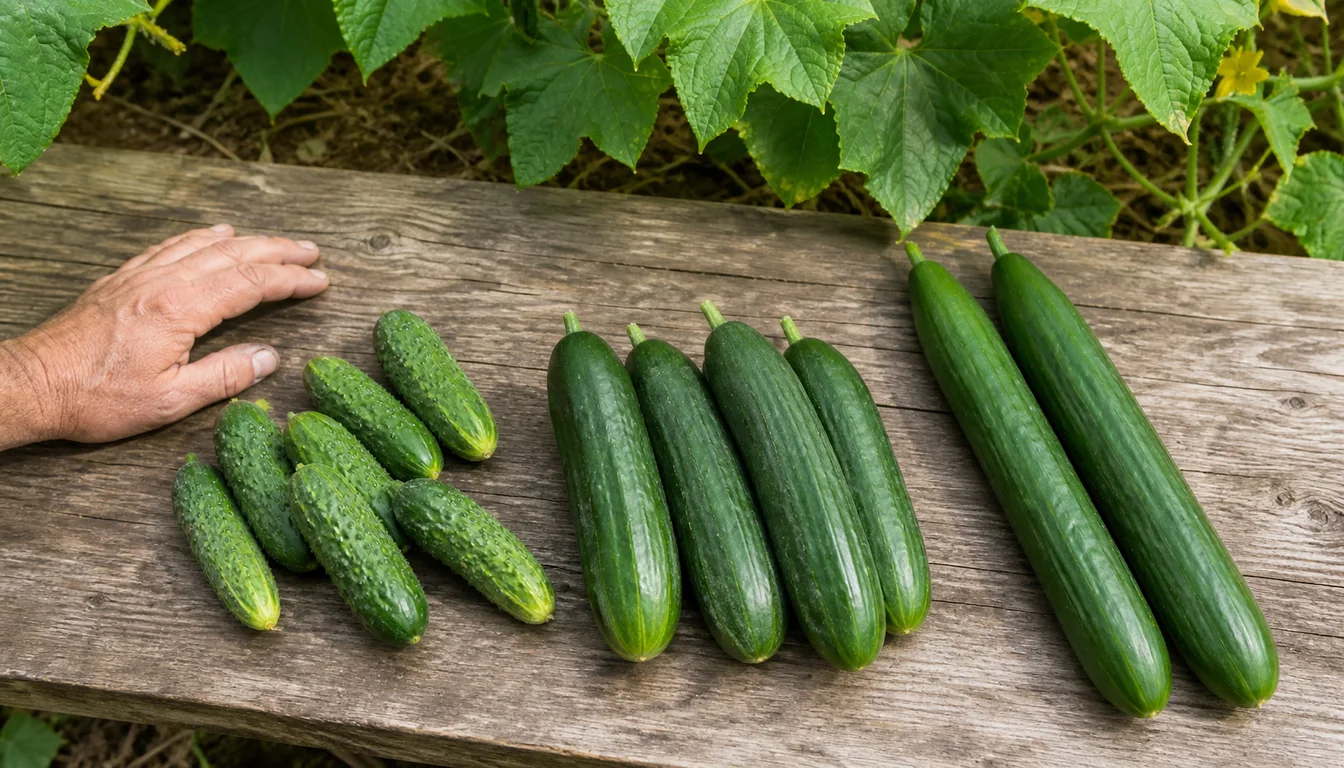
Pickling types should come off small and firm, while slicers can size up a bit more. Either way, waiting too long makes the flesh seedier and tells the plant to slow down.
Like beans, cucumber vines keep setting longer when you pick every fruit at its useful stage instead of letting oversized fruit mature on the plant.
Morning picking is usually easiest on both the fruit and the vine. The cucumbers feel firmer, the leaves are less limp, and you can see what still needs one more day.
After the main run, clear the vines before disease pressure explodes and use the open space for something faster in cooler weather, such as lettuce.
Fresh cucumbers are surprisingly chill-sensitive and can develop pitting and off-flavors below about 50 degrees F, colder than a typical refrigerator's coldest shelf. Storing them in a warmer produce drawer, loosely wrapped, keeps garden cucumbers in better condition than tucking them against the back wall of the fridge.
- Check the patch every day or two once the first useful fruit appears.
- Cut or twist fruit off while skin is still dark and seeds are still tender.
- Remove oversized fruit fast so the vine turns energy back to new sets.
Frequently Asked Questions
How warm should the soil be before I plant cucumber?
Warm enough that germination starts fast, not hesitantly. Waiting until the bed has truly warmed and nights stay above 55°F gives much better results than planting by calendar alone.
Do cucumbers really need a trellis?
They do not need one, but most backyard gardens benefit from it. A trellis saves space, keeps fruit cleaner, and helps the leaves dry faster after rain or irrigation.
Why do my cucumbers taste bitter?
Bitterness usually comes from heat and uneven moisture. The plant is telling you it went through stress while the fruit was sizing.
Why do I have flowers but no baby cucumbers yet?
Male flowers often open first, so a short delay is normal. If the vine stays flower-only for too long, start checking pollination, temperature swings, and overall plant stress.
Can cucumber grow in containers?
Yes, especially bush or smaller vining types. Use a generous pot, a support if needed, and a watering routine that never lets the mix swing from soaked to bone dry.
How often should I harvest cucumbers?
Every day or two once the first flush starts. Frequent picking is one of the simplest ways to keep the vine productive.
Sources & References
- Cucumber in the Garden, Utah State University Extension
- Growing Cucumbers in Home Gardens, University of Minnesota Extension
- Illinois Extension: Cucumber
- Cucumber, Missouri Botanical Garden Plant Finder
- Cucumber, Home Garden Series
- Growing Cucumbers, University of Illinois Extension
- Toxic and Non-toxic Plants: Cucumber | ASPCA
- Cucumis sativus (Cucumber, Cucumbers, Garden Cucumber, Garden Cucumbers, Gherkin, Gherkins, Immature Cucumbers) | North Carolina Extension Gardener Plant Toolbox
Related Plants
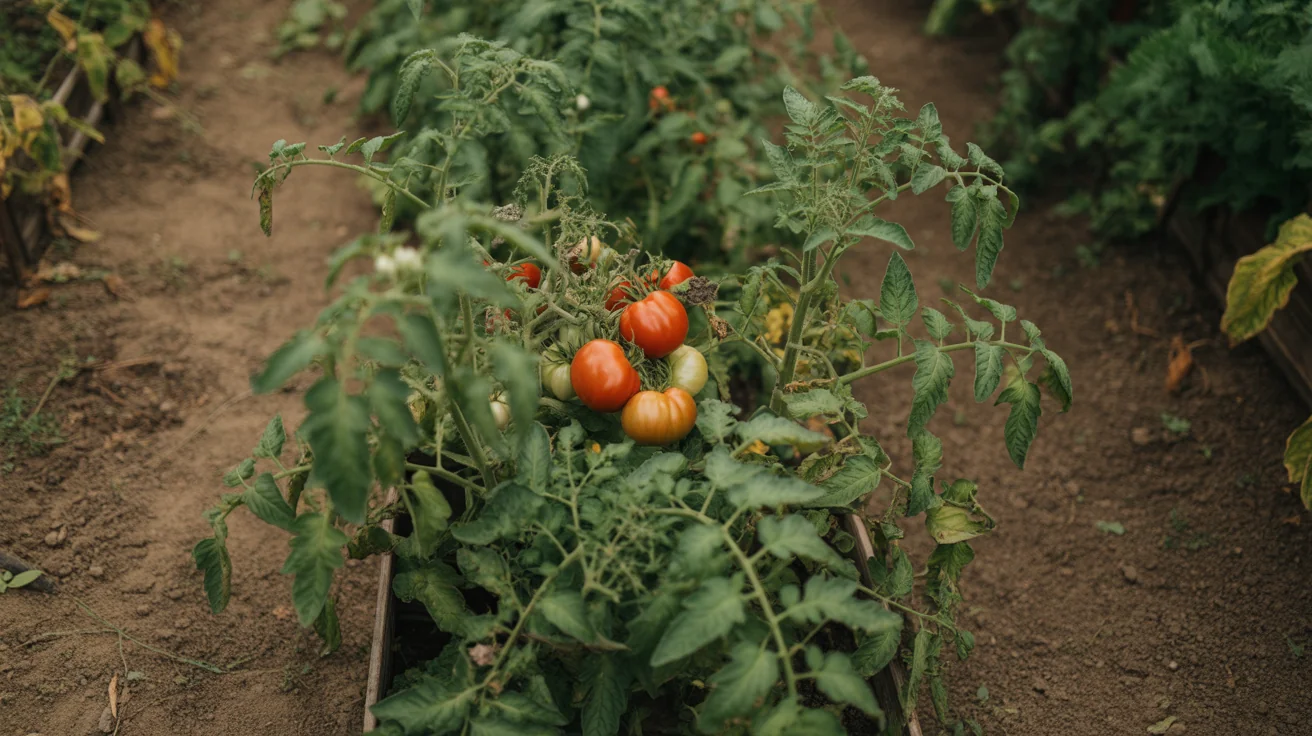
Tomato
Warm-season favorite that pairs with cucumbers in most gardens.
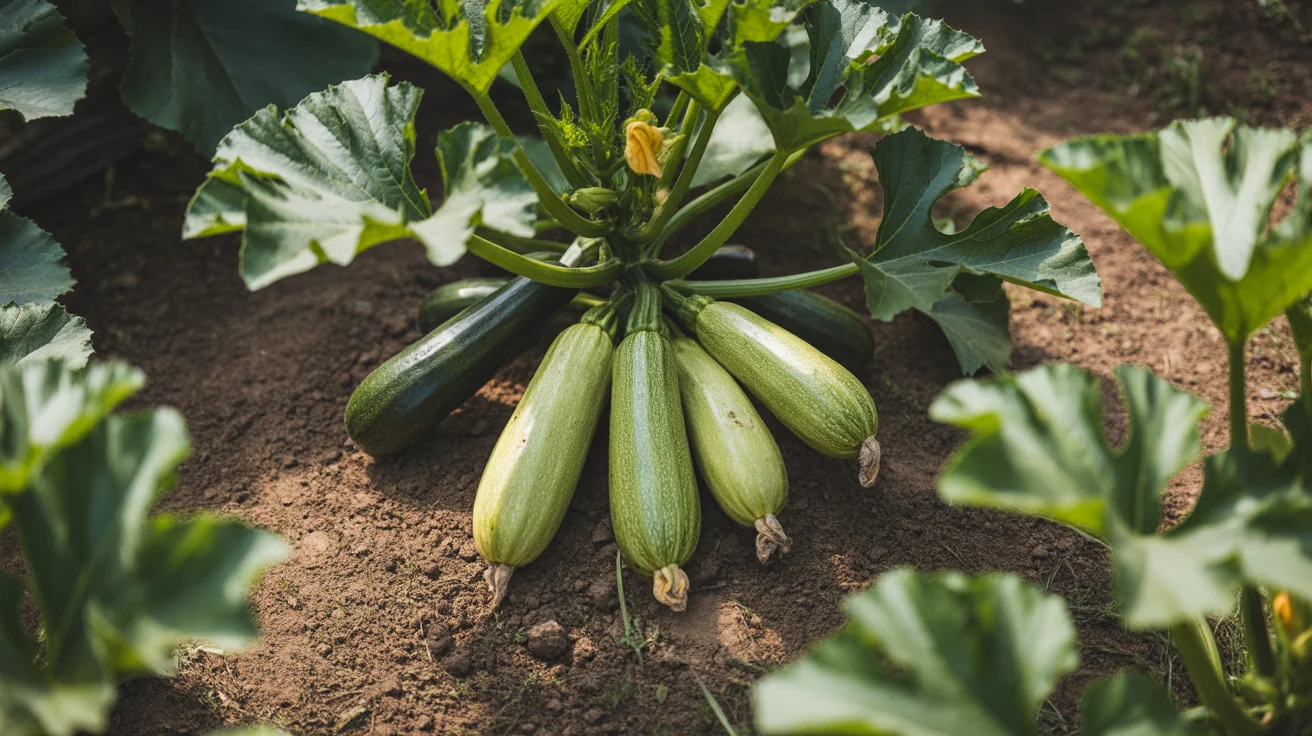
Zucchini
Another fast-growing cucurbit with similar soil and watering needs.
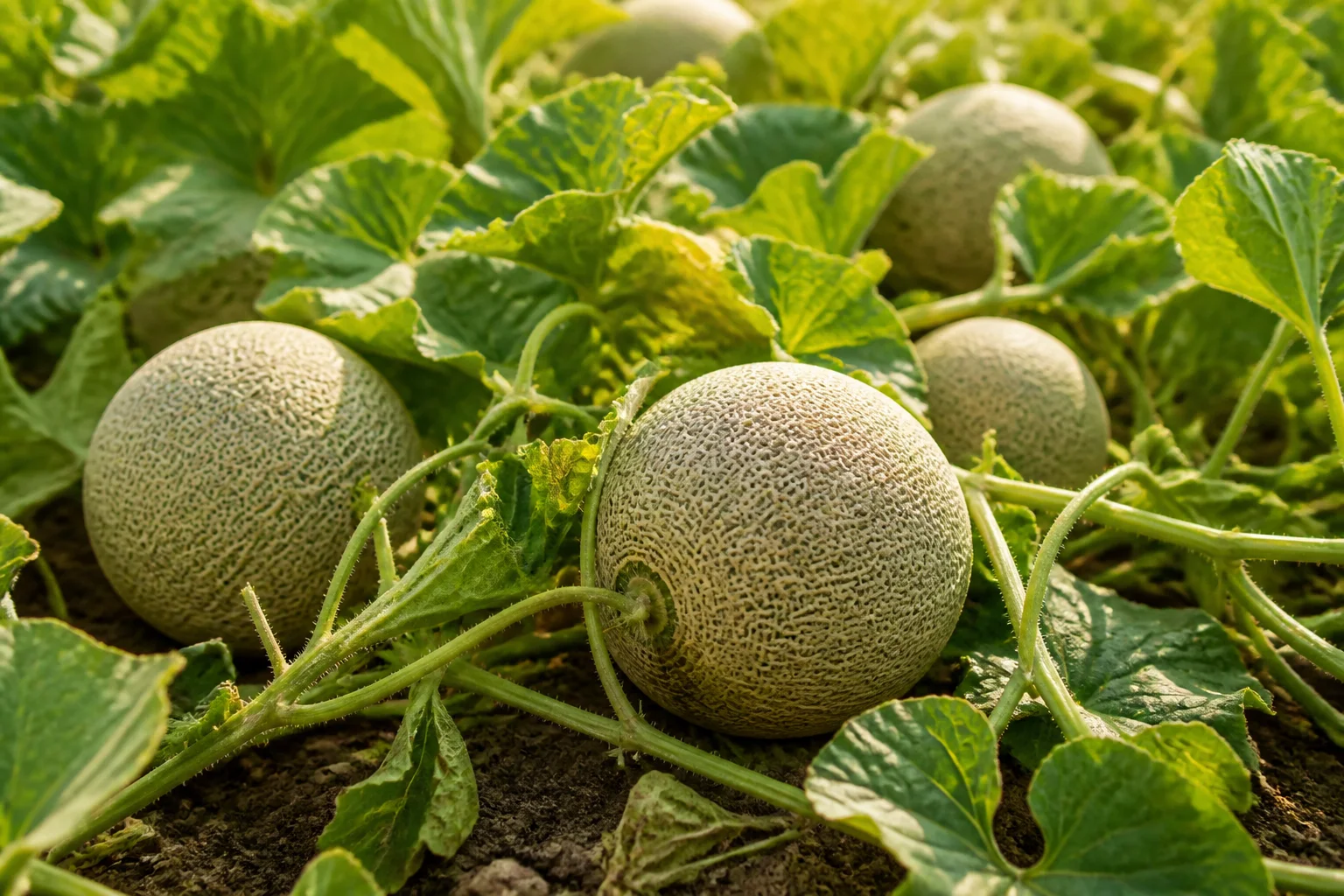
Cantaloupe
Melon relative that loves the same heat but needs more space.
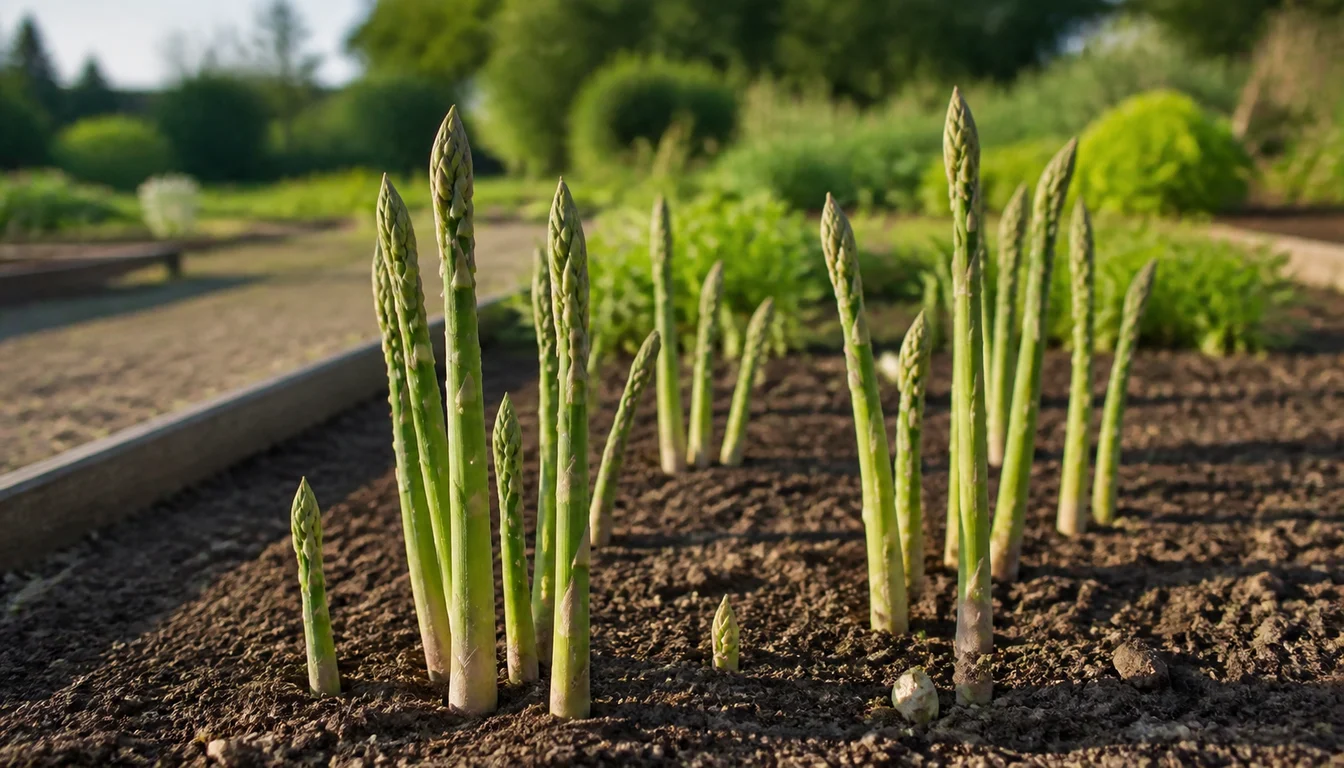
Asparagus
Asparagus rewards careful establishment with spring harvests for many years.
Beans
Two different plants share the name bean, one that stays knee-high and gives most of its crop inside two or three…
Beet
Beet care starts with one unusual fact. Each seed ball can make several seedlings, so the crop needs early thinning…