How to Deadhead Daisies for More Blooms
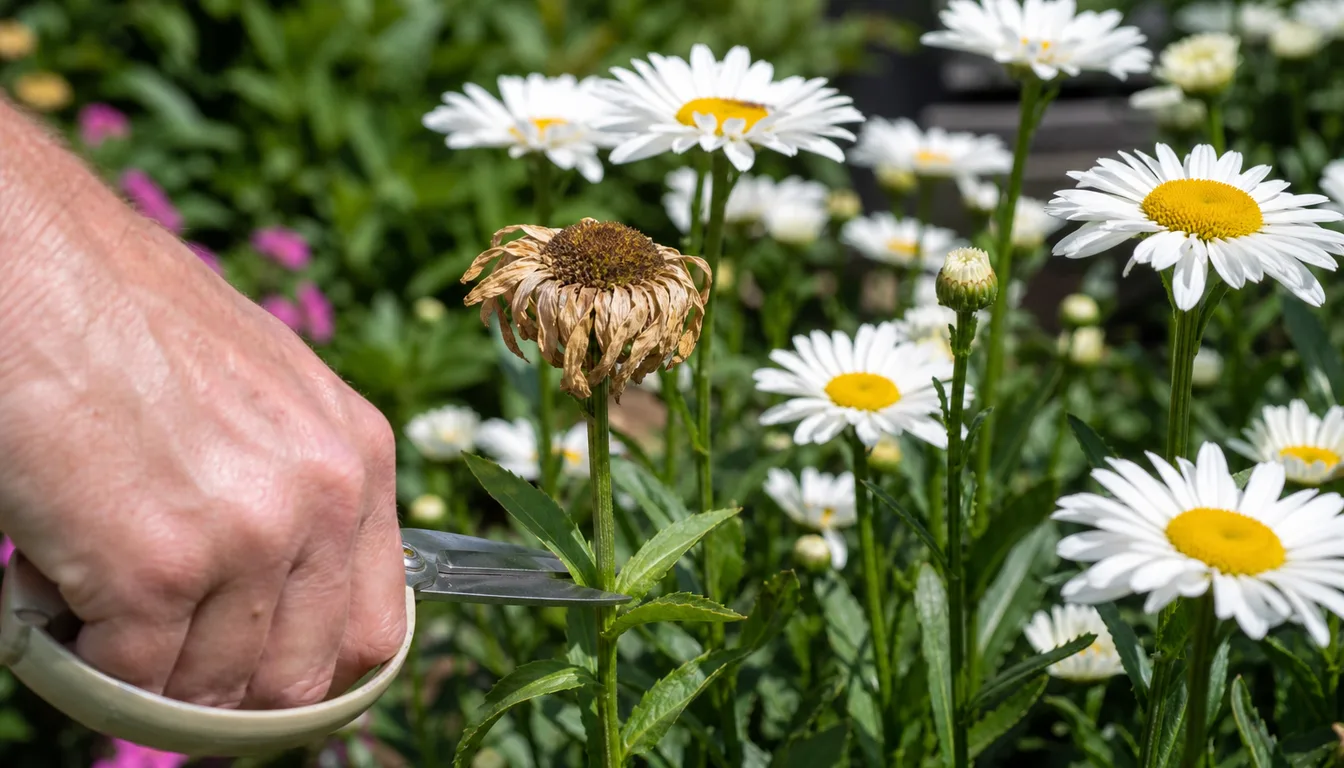
To deadhead a daisy, wait until the petals have faded or collapsed, then follow the flower stem down to a healthy leaf, side shoot, or…

Garden Guides / Pruning
Choose pruning time and cut placement by plant type, then learn how each cut changes growth, structure, flowering, and fruiting.
Use the foundation first, then choose a narrower guide for your exact task.
These guides help you decide when to cut and where, because the season and the position of a cut change what a plant grows next.
Timing guides explain why a flowering shrub cut in the wrong month can skip a year of bloom, which depends on whether it sets buds on last year's wood or this year's. Tree guides cover fruit wood, an overgrown crape myrtle, and an apple tree that was cut too hard.
Deadheading guides show where to cut each spent flower so the next buds survive. The daffodil guide explains why leaving the leaves standing for the six weeks after bloom matters more than removing the seed pod.
Lavender and rosemary do not regrow from bare wood, so these guides set how deep each cut can go. The herb guide covers basil, mint, parsley, and chives.
The houseplant guide explains why cutting back a leggy plant does not fix the low light that caused it. The tomato guide sorts side shoots by growth habit and support.
18 matching guides
Search checks titles, introductions, and summaries inside this topic. Reading depth uses the listed minutes; sorting uses update date, title, or reading time.
To deadhead a daisy, wait until the petals have faded or collapsed, then follow the flower stem down to a healthy leaf, side shoot, or…
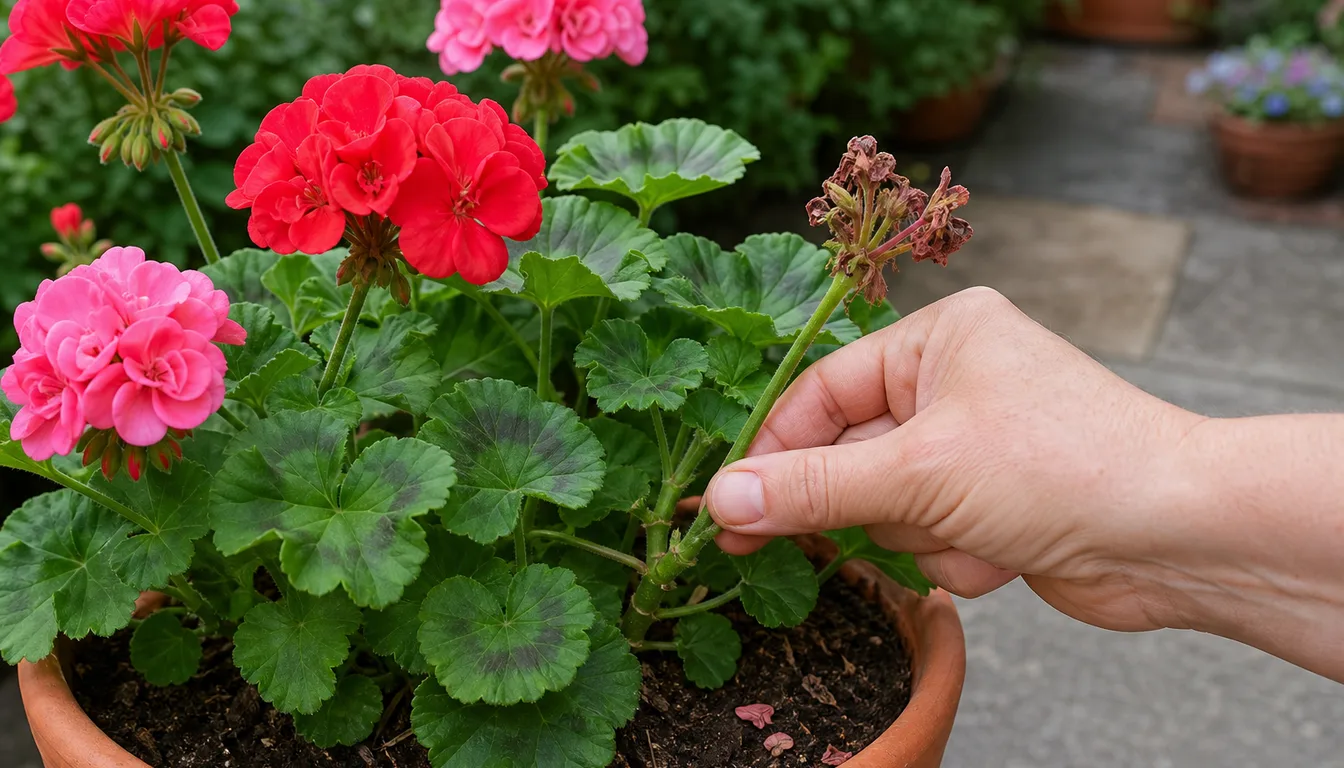
Deadhead a bedding geranium by following the faded flower cluster down its leafless stalk and removing that stalk where it joins the…
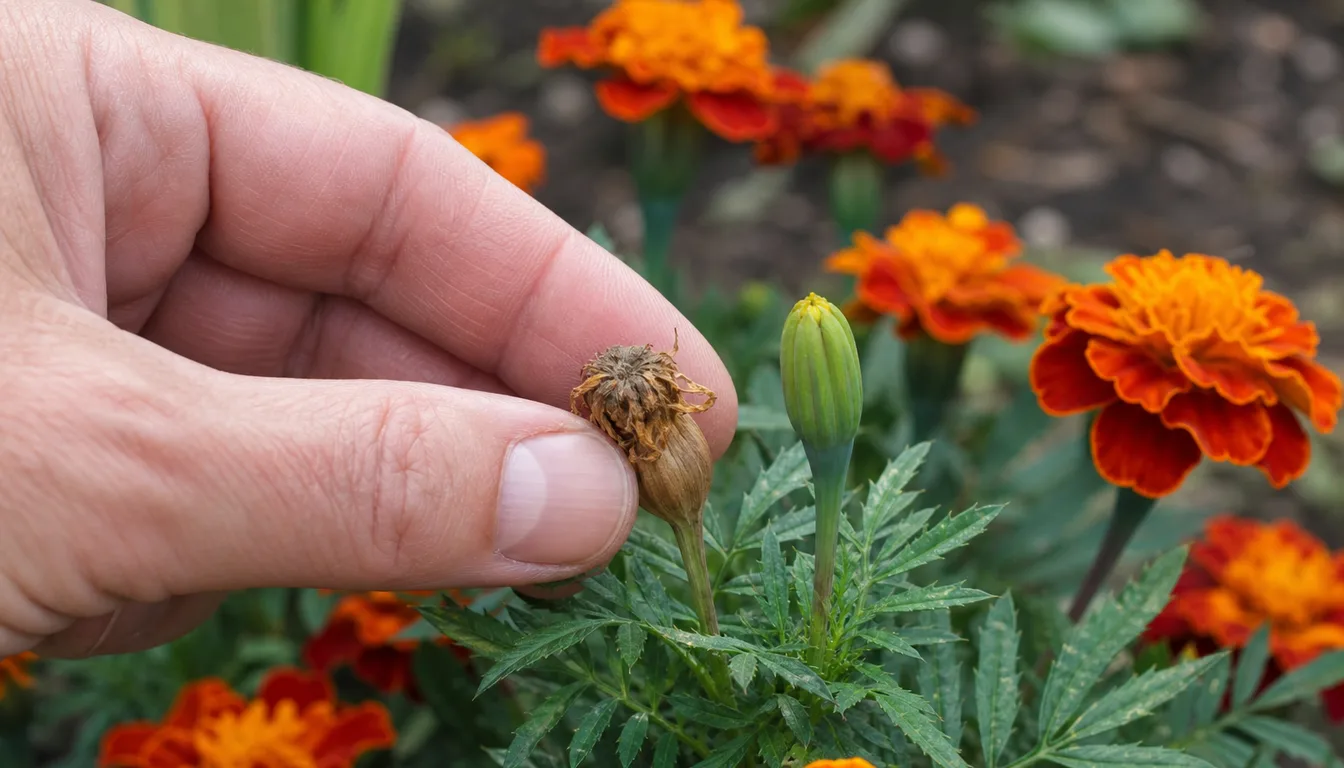
Deadhead a marigold by removing the faded flower and its short stalk just above the next healthy leaf, unopened bud, or side shoot.
Deadhead mums by following each brown flower down to the first healthy leaf pair or firm side bud, then cutting just above that point…
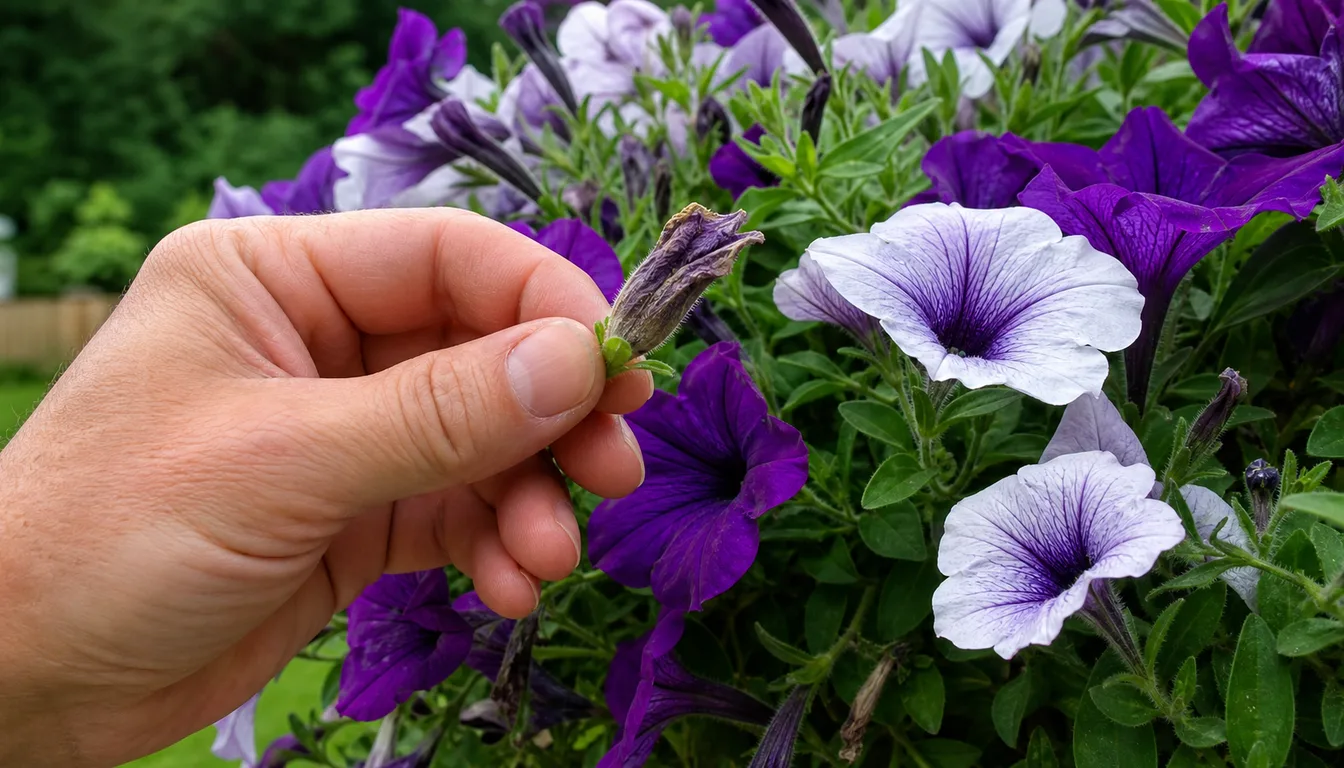
To deadhead a seed-grown or large-flowered petunia, remove the faded trumpet and the swollen seed capsule directly behind it.
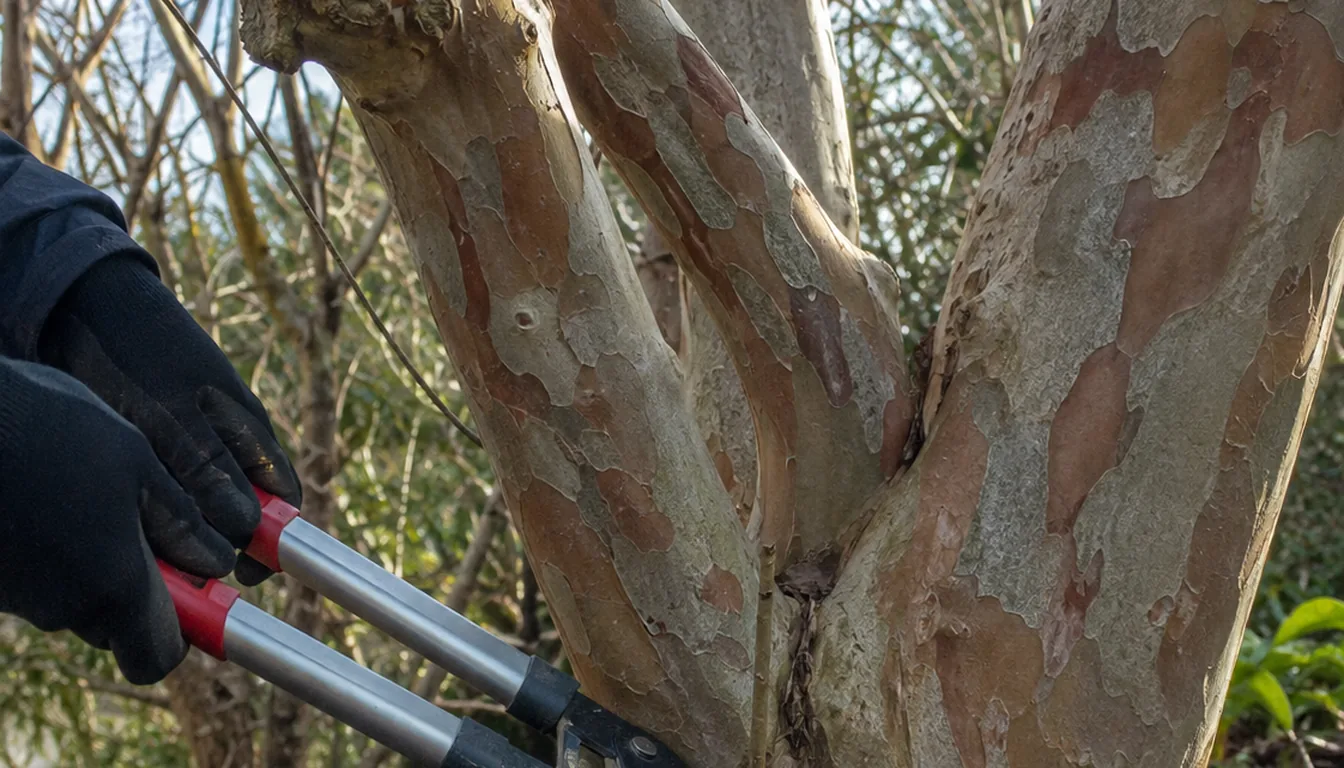
An overgrown crape myrtle should be thinned and reduced selectively, not cut flat across the top.
Remove a hazard, improve structure, or renew growth with a clear reason for each cut.
Check whether the plant flowers on old wood, new wood, or both.
Watch bud growth and branch balance before scheduling more pruning.