
How to Prune Herbs Without Cutting Away the Next Harvest
Prune an herb according to the place where it can regrow.
Cut branching herbs such as basil and mint just above a healthy node, take parsley stems from the outside at the crown, shear chives above the base, and keep routine cuts on rosemary, sage, and thyme within leafy growth.
Harvesting and pruning often use the same cut, but they do not have the same goal every time. A kitchen harvest removes usable growth, while corrective pruning also opens crowded stems, removes damage, or keeps a perennial from becoming woody and bare.
Never remove more growth than the plant can replace with the leaves and buds left behind. A stressed herb, a young transplant, and a dormant perennial all need a lighter hand than a vigorous plant in active growth.
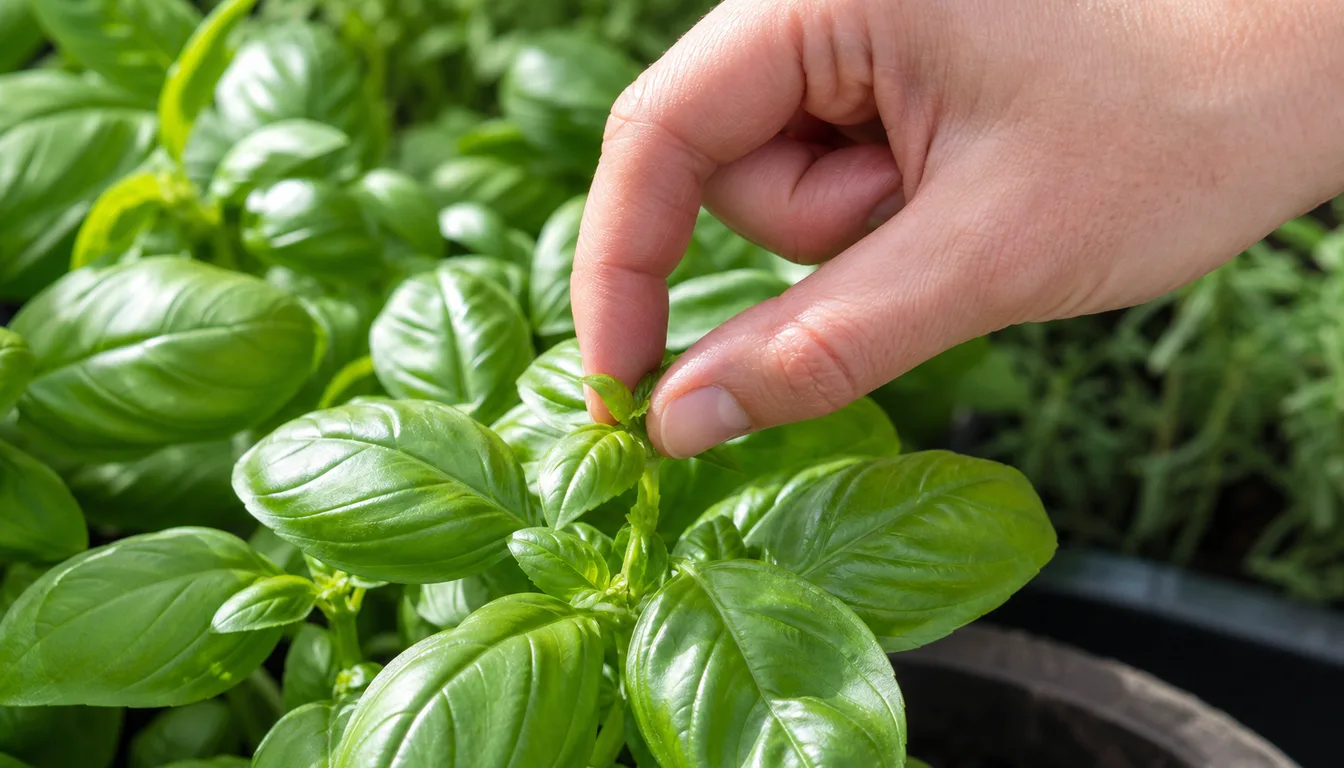
At a glance
Find the Herb's Regrowth Point Before You Cut
The useful split is not simply soft versus woody.
Herbs regrow from different places, and the correct cut follows those buds.
- Branching stems
- Basil, mint, oregano, lemon balm; new shoots form from nodes
- Basal rosette
- Parsley; new leaves rise from the crown
- Clump
- Chives; new blades rise from the base
- Woody framework
- Rosemary, sage, thyme, lavender; leafy shoots grow from older stems
A node is the joint where leaves or side shoots meet a stem. On basil and mint it is easy to see, while the buds on fine thyme or oregano stems can hide among dense leaves.
Parsley does not respond to a haircut across the top in the same way basil does. Its useful leaves sit on individual stalks that arise from a central crown.
So the oldest outside stalks come off near their base while the center keeps growing.
Feel, look, and trace the stem back to living growth before using the shears. That five-second check prevents long leafless stubs and cuts below the buds that would have produced the next harvest.
Pinch Basil and Mint Above a Node
On basil, mint, lemon balm, and tender oregano shoots, remove the growing tip just above a leaf pair or a visible side shoot. The buds at that node can then extend.
That turns one leading stem into a fuller set of branches.
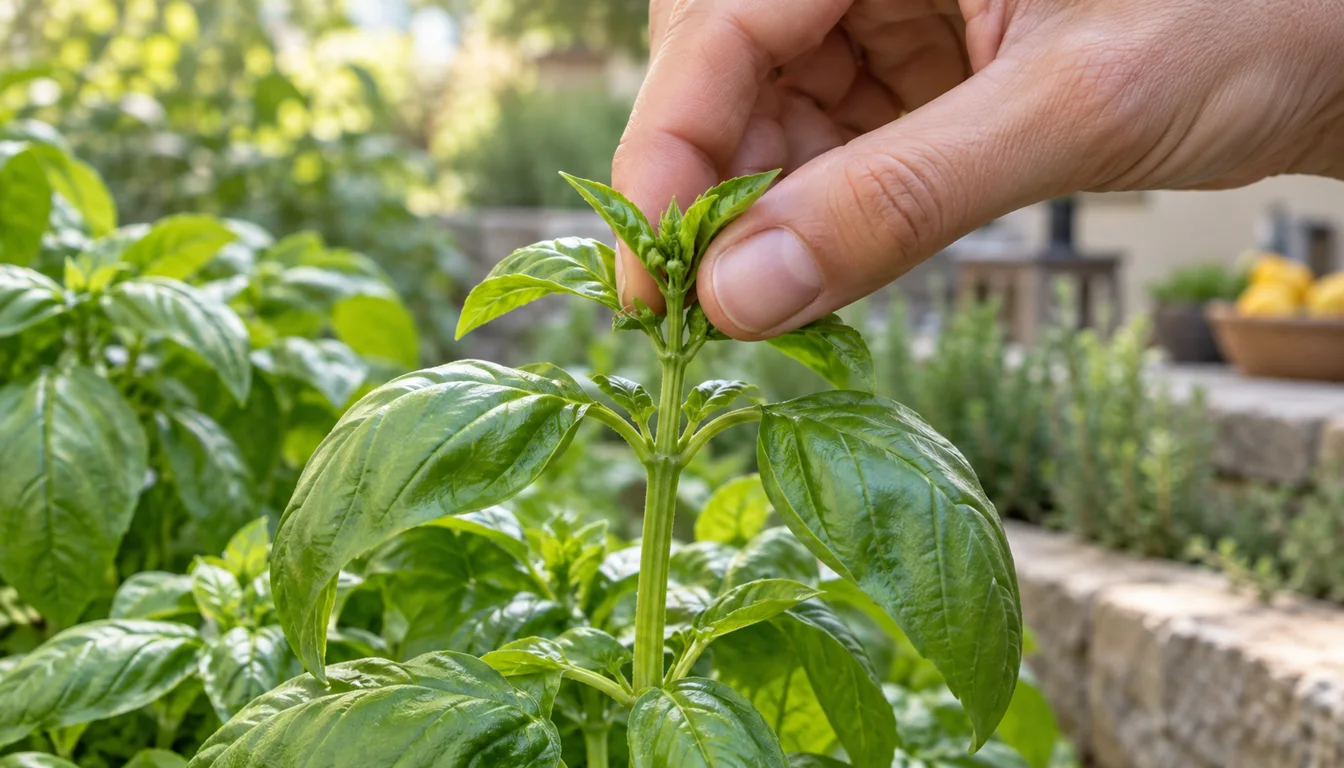
- Choose a vigorous stemFollow it down from the tip until you find a healthy leaf pair or side shoot.
- Leave the nodePinch or snip a short distance above it without crushing the buds in the leaf axils.
- Harvest a stem, not scattered leavesThe stem cut improves shape while giving a usable kitchen portion.
- Recheck new growthLet the replacement shoots extend before cutting that same point again.
Do not strip the large lower leaves and leave a naked stem with a tuft on top. Those leaves supply energy while new branches form and help shade the soil around a container-grown plant.
For basil, periodic whole-stem harvests keep growth productive better than picking one leaf from many different stems. If the plant has enough foliage, work around it over several harvests instead of shortening every leader on the same day.
Mint tolerates repeated cutting, but vigorous recovery is also how it escapes its space.
Collect runners at the soil line and keep the root spread contained rather than relying only on top pruning.
Cut Parsley and Chives From the Base, Not the Top
Parsley and chives look leafy, but neither wants the basil cut.
Their productive growth begins low on the plant.
For parsley, choose the oldest full-size stems around the outside and cut each one near the crown. Leave the small center leaves intact because they are the next harvest already developing.
Cutting only the leaflets from the top leaves tough, empty stalks in the center of the plant. Those stalks crowd fresh growth and make the plant harder to inspect for yellowing or rot.
Chives can be gathered in a small handful and cut about 1 to 2 inches above the soil.
The short green bases continue photosynthesizing while fresh blades rise from the crown.
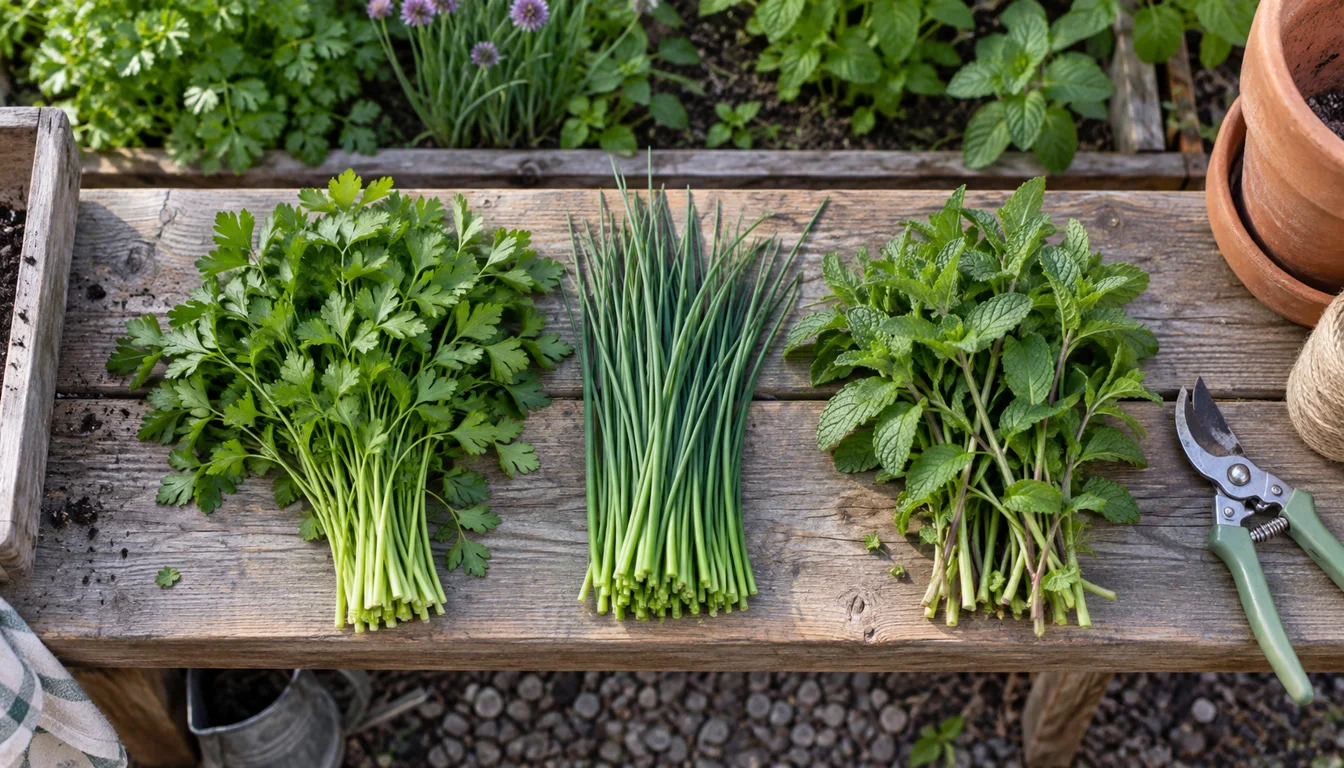
- The crown remains uncut and firmly rooted
- Small center parsley leaves remain in place
- Chive blades are cut cleanly rather than torn
- Yellow, collapsed, or diseased material leaves the bed
- Enough healthy foliage remains to power recovery
Garlic chives and common chives use the same basal pattern, although their leaf shapes differ. Divide an overcrowded perennial clump when its center weakens, since repeated shearing cannot solve a crown packed too tightly with old growth.
Pruning Delays Some Flowers but Cannot Reverse Bolting
Leaf herbs are often harvested before bloom because flowering redirects growth and can change leaf texture, yield, or flavor.
Removing an early basil flower spike keeps the plant spending more time on leafy shoots, but the same tactic cannot hold every annual indefinitely.
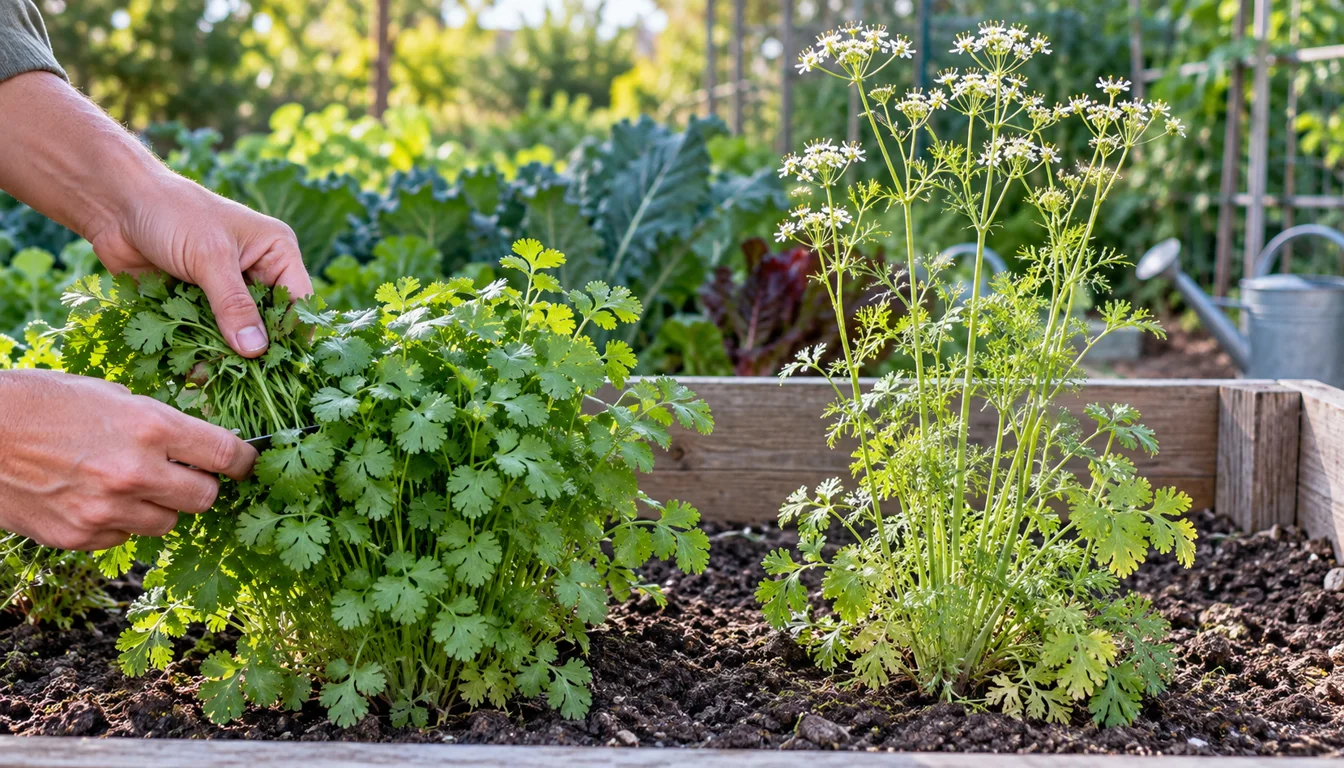
Cilantro and dill respond strongly to day length and heat. Once their stems lengthen rapidly and flower development begins, clipping the top does not turn an old plant back into a compact seedling.
| Herb | If leaves are the crop | If flowers or seed are the crop |
|---|---|---|
| Basil | Remove flower spikes with a stem cut above a node | Leave selected spikes for pollinators or seed |
| Cilantro | Harvest leaves early and sow successive batches | Let umbels mature for coriander seed |
| Dill | Take leafy stems before flowering | Leave umbels for dill flowers and seed |
| Chives | Remove spent flower stems at the base | Harvest newly opened edible flowers before they fade |
For cilantro in warm weather, succession sowing gives a more dependable leaf supply than increasingly severe pruning. Start another small patch while the current one still produces, then let selected older plants make coriander if that harvest is useful.
A flower stalk is a crop decision, not automatic proof that the herb failed. Keep it when you want seed, edible flowers, or pollinator forage, and remove it when tender leaves are the priority.
Keep Rosemary, Sage, and Thyme Cuts in Leafy Wood
Rosemary, sage, thyme, and lavender build a permanent framework as stems age.
New shoots arise most reliably where leaves and living buds remain, so routine harvests should stay within the green outer portion.
Look down the stem before cutting. If the section below the shears is bare, gray-brown, and carries no visible shoots, move the cut upward until leafy growth remains beneath it.
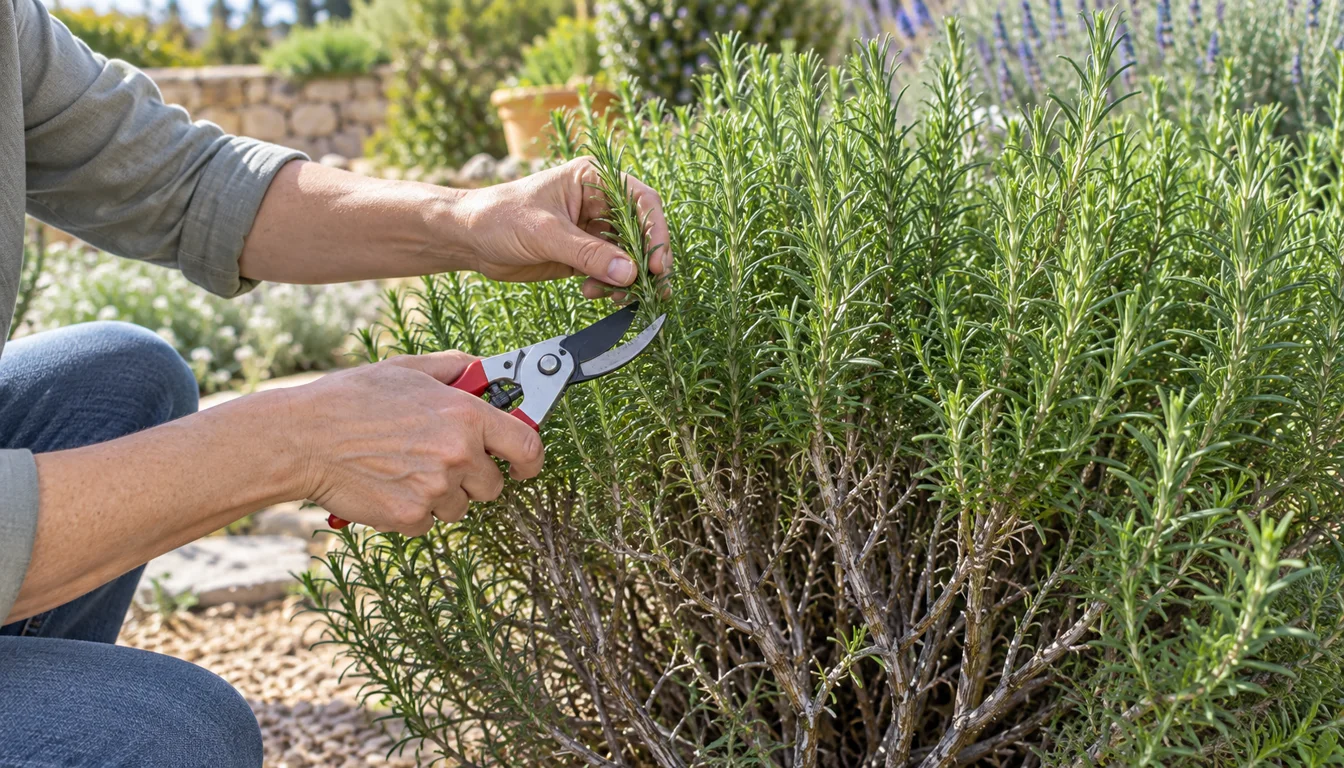
A light trim after active growth begins can remove winter injury and shorten lanky green shoots. Avoid shaping woody herbs into a tight shell year after year, because repeated surface clipping can create dense tips over a bare interior.
Sage often tolerates renewal better than an old lavender or rosemary plant, but living buds still decide the cut. Thyme mats can be lightly sheared after flowering while enough green foliage remains across the plant.
For a badly leggy specimen, replacement or gradual renewal may produce a better plant than one drastic chop.
The age, climate, winter damage, and amount of remaining leafy wood all affect how far it can recover.
Let Plant Vigor Decide How Much You Harvest
A common Extension guideline is to take no more than one-third of a healthy herb at one harvest.
It is a ceiling for vigorous active growth, not an order to remove that amount every time.
Young transplant
Wait until roots and several sets of leaves support a useful stem harvest.
Heat- or drought-stressed plant
Restore even moisture and wait for firm growth before cutting heavily.
Recently divided perennial
Remove only damaged material while the new root system establishes.
Indoor winter herb
Match the harvest to slower growth under weaker light.
Diseased plant
Remove affected tissue separately and sanitize tools before touching healthy plants.
Leave more than two-thirds when growth is slow, stems are sparse, or the plant has just begun recovering. Healthy leaves are the factory that rebuilds the material you take.
The amount also depends on the cut pattern. Removing one-third of a mint patch distributed across many stems differs from a small rosemary plant with only three leafy tips.
Removing those three would take every growing point.
Read the plant again a week later. Firm new shoots and expanding leaves support another harvest, while stalled buds, wilt, or pale growth call for more recovery time.
Choose Timing That Leaves the Herb Time to Recover
Harvest leafy herbs after dew has dried and before strong midday heat when practical.
Dry foliage is easier to handle and store, and a hydrated plant is less likely to wilt immediately after the cut.
Tender annuals can be pinched throughout active growth. Stop taking large harvests when cold, heat, drought, disease, or transplant shock has already slowed replacement growth.
Wait until the plant resumes firm new growth.
Woody perennials need regional timing rather than one national calendar date. Remove obvious winter-killed tips after new growth reveals what is alive, then make shaping cuts early enough for new shoots to mature before freezing weather returns.
Clean, sharp scissors work for tender stems, while bypass pruners make a cleaner cut on woody shoots. Wipe blades before moving from diseased tissue to a healthy plant, and discard material with active rot or severe leaf spotting instead of putting it in a kitchen bundle.
Finish the Job by Sorting the Harvest and Watching Regrowth
Separate clean culinary stems from damaged or diseased material as soon as you finish.
Do not wash herbs until shortly before use unless your storage method specifically requires washing and thorough drying.
- SortKeep sound edible growth apart from spotted, rotten, or pest-heavy stems.
- Water by soil needCheck moisture rather than automatically soaking a freshly cut herb.
- Hold fertilizerDo not force soft growth simply because the plant looks smaller after harvest.
- Watch the budsConfirm new shoots at nodes, new leaves at the crown, or fresh tips on woody stems.
- Adjust the next cutHarvest sooner if stems become lanky, or wait longer if regrowth is slow.
A correct cut leaves the plant easier to read.
Light reaches the remaining shoots, the crown stays visible, and new growth appears from the place you deliberately preserved.
If a stem dies back below a cut, inspect whether the cut entered bare wood, crushed the stem, or coincided with root stress. Remove dead material back to living tissue only after you can see the boundary clearly.
The best pruning schedule is therefore responsive rather than weekly by rule. Return when the herb has produced enough healthy growth to give you a useful harvest and still keep a working canopy.
Pro Tips
- Trace each stem to a node, crown, clump base, or leafy woody shoot before cutting.
- Harvest whole basil and mint stems above nodes instead of stripping scattered lower leaves.
- Take outside parsley stalks at the crown and protect the small center leaves.
- Treat cilantro and dill succession sowing as part of the harvest plan.
- Keep routine rosemary, sage, thyme, and lavender cuts within leafy growth.
- Use one-third as a ceiling for a vigorous herb, then take less whenever recovery is slow.
Frequently Asked Questions
Should herbs be cut above or below a node?
Cut branching herbs such as basil and mint just above a healthy node so the buds below remain on the plant. Parsley and chives use basal cuts instead, while woody herbs need foliage left below the cut.
Can I prune all my herbs by one-third?
One-third is a common maximum for a healthy, actively growing herb, not a required harvest. Take less from young, stressed, recently divided, dormant, or slow-growing plants.
Does pruning stop cilantro from bolting?
Pruning can collect leaves and remove a flower stalk, but it cannot reverse the heat- and day-length-driven shift once cilantro is bolting. Successive small sowings provide a steadier leaf harvest.
Will rosemary grow back from bare wood?
Old bare rosemary wood does not resprout reliably. Keep routine cuts in leafy growth and test gradual renewal on a small portion rather than cutting the entire plant to bare stems.
Should I fertilize an herb after a large harvest?
Not automatically. Check light, water, temperature, and plant vigor first because fertilizer cannot replace the leaf area removed and may push weak growth when another stress is limiting recovery.
Sources & References
Related Guides
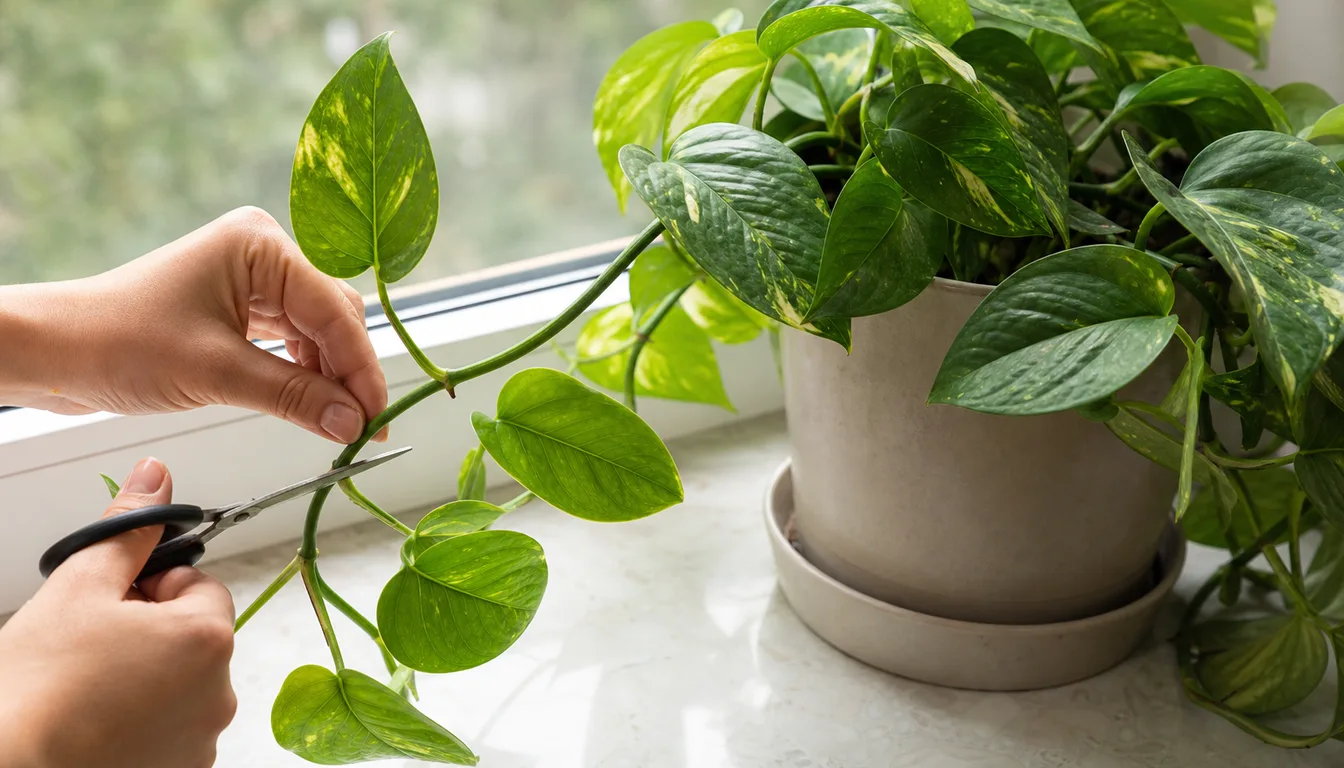
Cutting Back a Leggy Houseplant Does Not Fix It
Most people cut a houseplant back because it has gone long and bare.
11 min read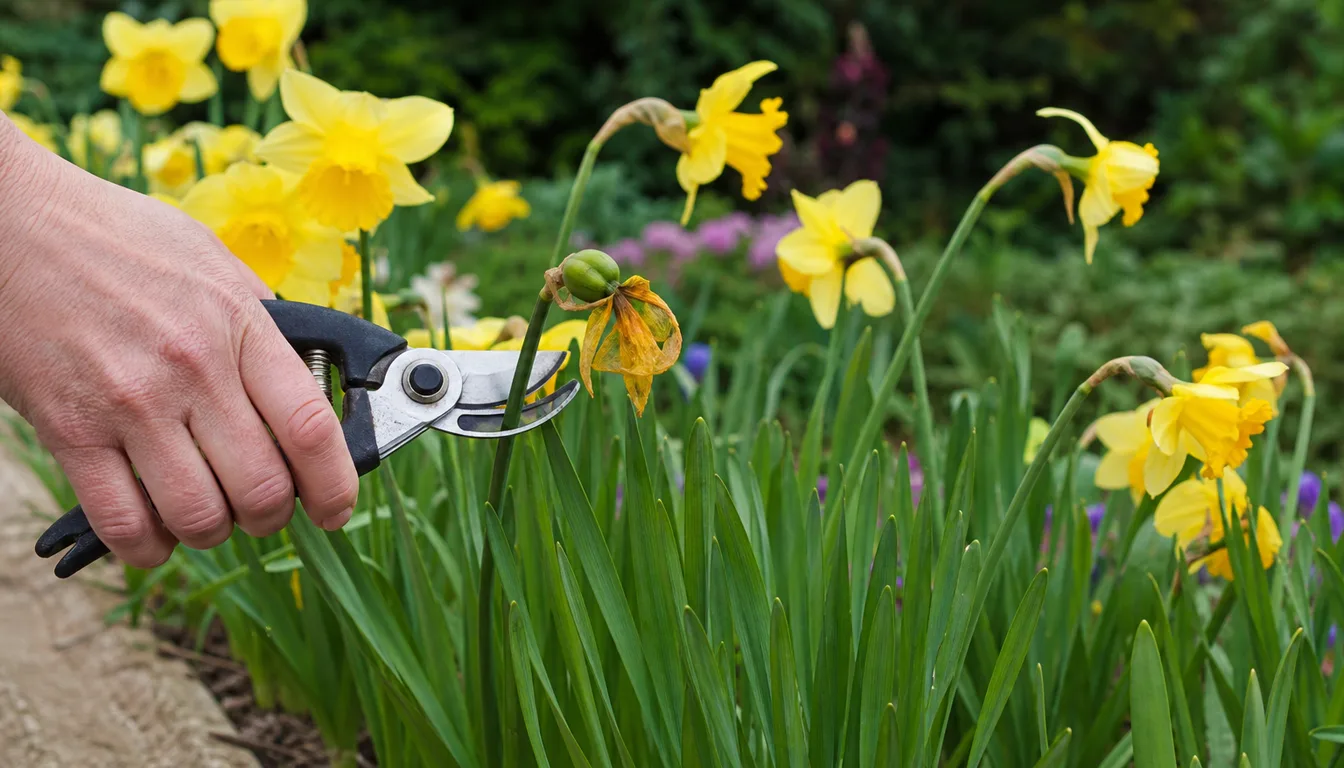
Deadheading Daffodils Matters Less Than the Six Weeks After
Almost every page about spent daffodils tells you to remove the seed pod so the bulb is not…
11 min read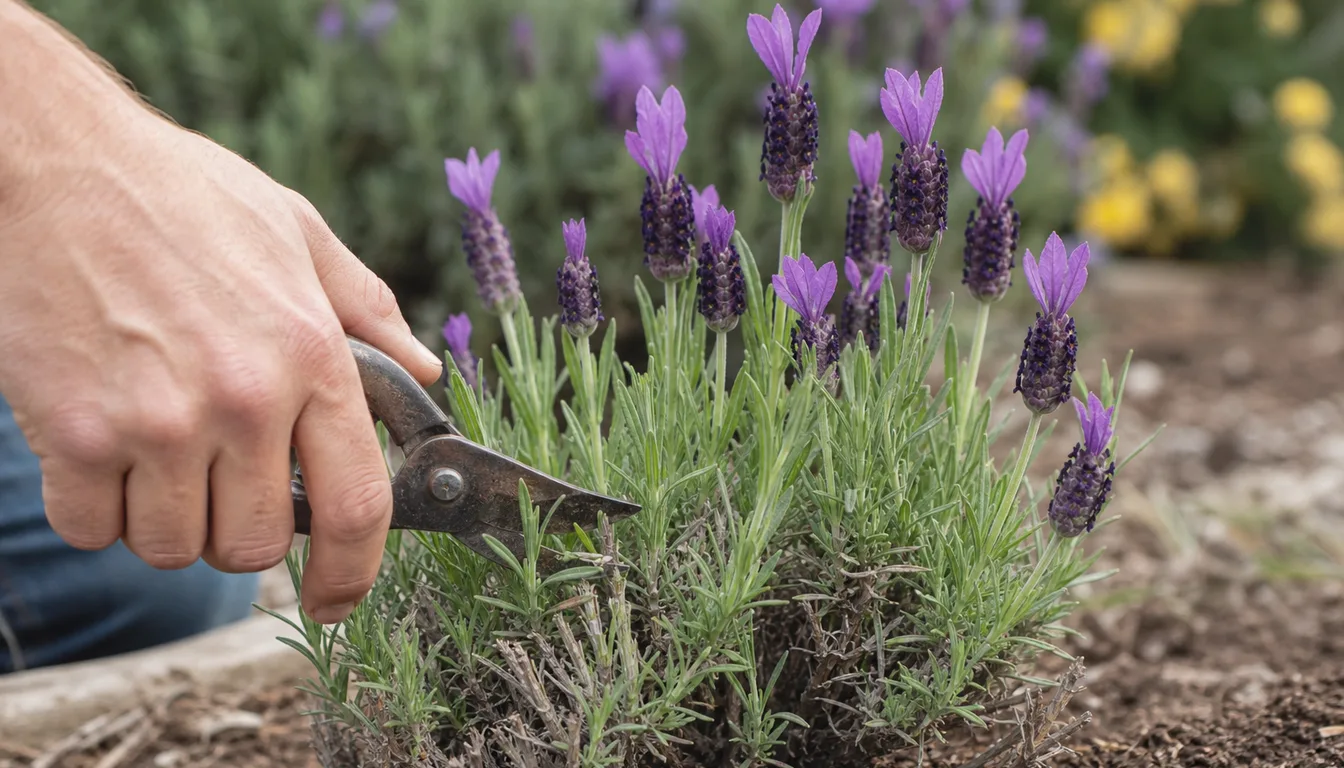
French Lavender Pruning Depends on the Plant and Season
French lavender needs light trimming within its leafy growth, rather than a hard cut into bare…
6 min read
Fruit Tree Pruning Starts With Where the Crop Forms
A fruit tree that gives small, crowded, scabby fruit is usually not underfed.
11 min read
How Deep Can You Cut a Spent Lavender Spike?
Deadheading lavender is the lightest cut you will ever make on the plant, and the one place people…
7 min read
How Do You Prune Spanish Lavender for a Second Flush?
Spanish lavender is the one that flowers first and the one that keeps going.
7 min read