Squash Bug vs Stink Bug: Identify and Control Both
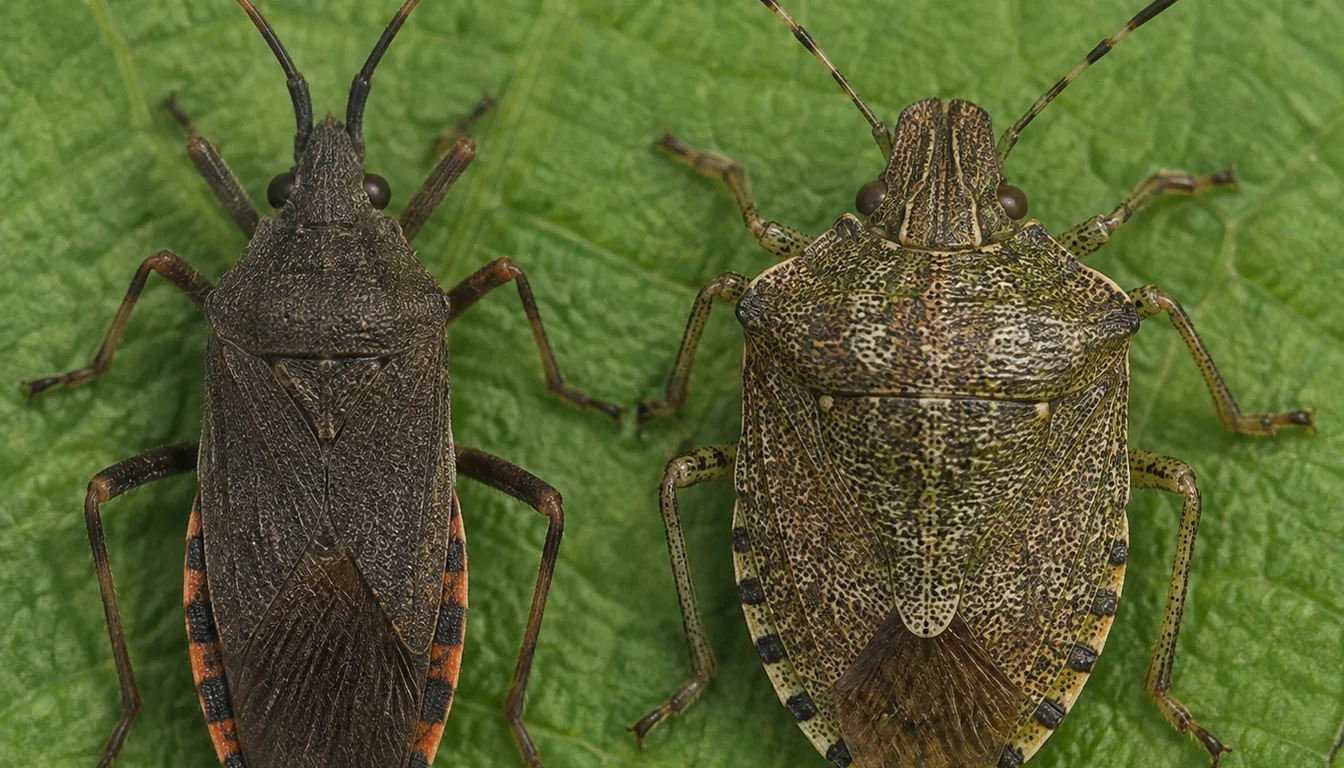
Confusing squash bugs with stink bugs is how a few insects turn into a full-blown vine collapse.

Garden Guides / Pest Control
Pest guides for gardens, lawns, and houseplants that start with naming the pest, then weigh habitat changes, barriers, and labeled products for each one.
Use the foundation first, then choose a narrower guide for your exact task.
These guides help you name the pest before you treat it, then pick the lightest control that works, from washing leaves and changing what you plant to a labeled spray.
Identification guides show how to confirm grubs, tell squash bugs from stink bugs, explain why aphids keep coming back, and list what Japanese beetles feed on. The tomato guide sorts yellow leaves by cause.
Indoor guides cover fungus gnats and spider mites. The neem guides explain why the mixing rate comes from the product label rather than a recipe, and what natural origin does and does not mean for pets, bees, and food crops.
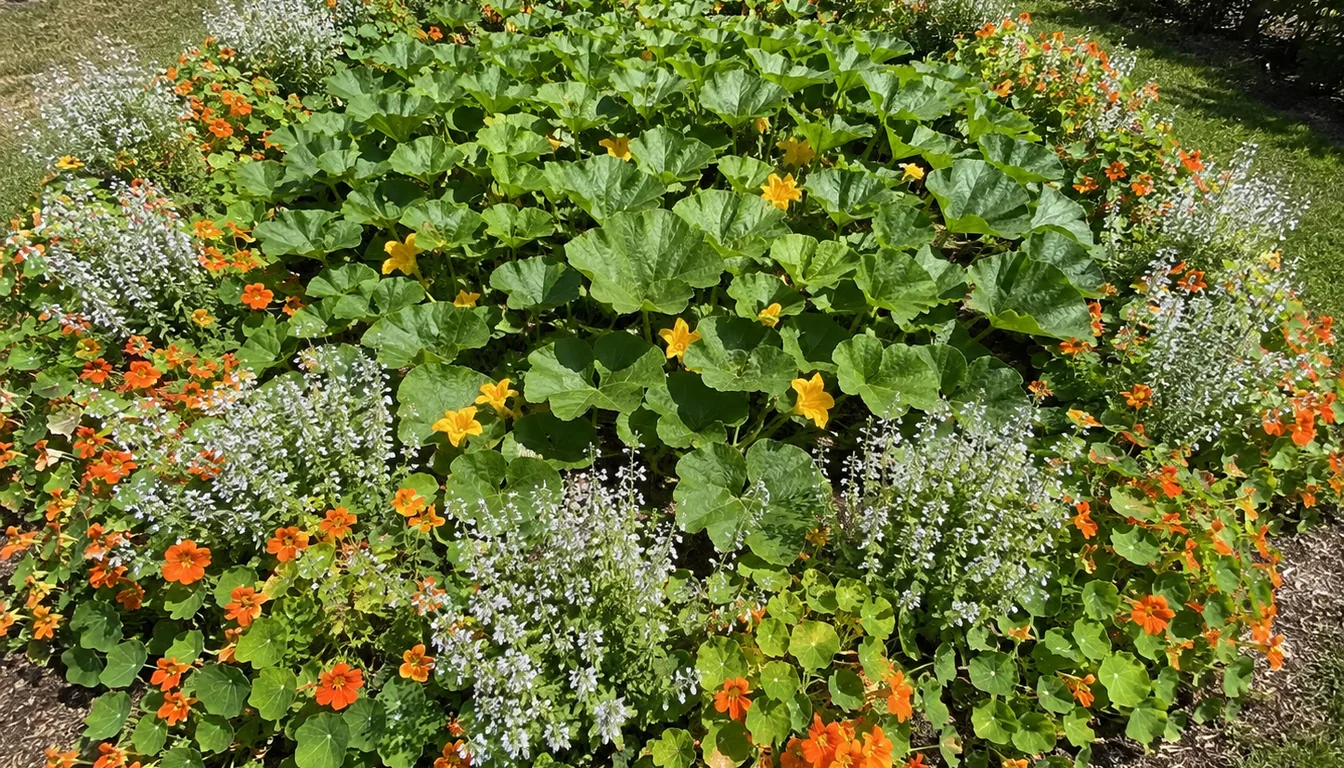
Planting guides cover plants that deer, rabbits, and Japanese beetles tend to skip, flowers that feed beneficial insects, and what companion plants such as marigolds and nasturtiums can and cannot do.
21 matching guides
Search checks titles, introductions, and summaries inside this topic. Reading depth uses the listed minutes; sorting uses update date, title, or reading time.
Confusing squash bugs with stink bugs is how a few insects turn into a full-blown vine collapse.
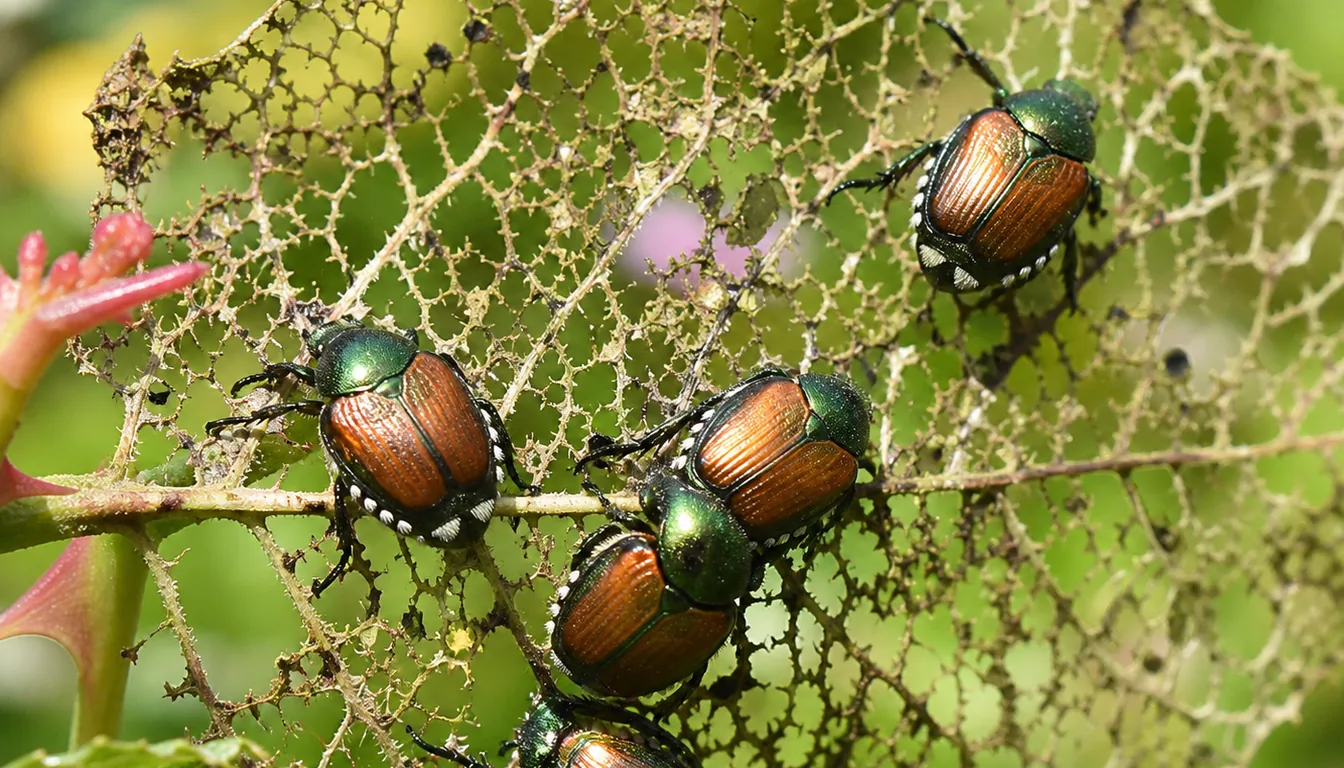
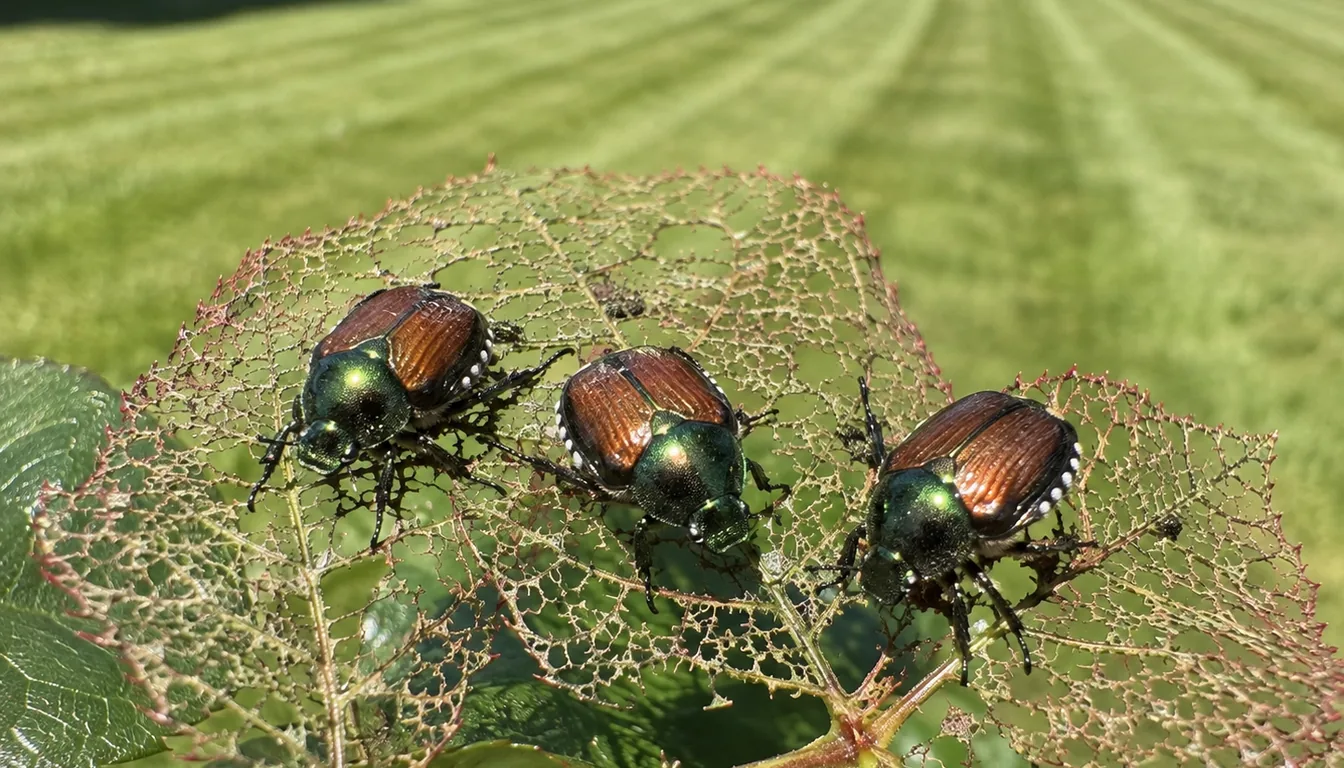
Adult Japanese beetles eat the soft tissue of leaves, flowers, and fruit on more than 300 plant species.
Lawn grubs come from eggs that adult scarab beetles lay in the soil under turf.
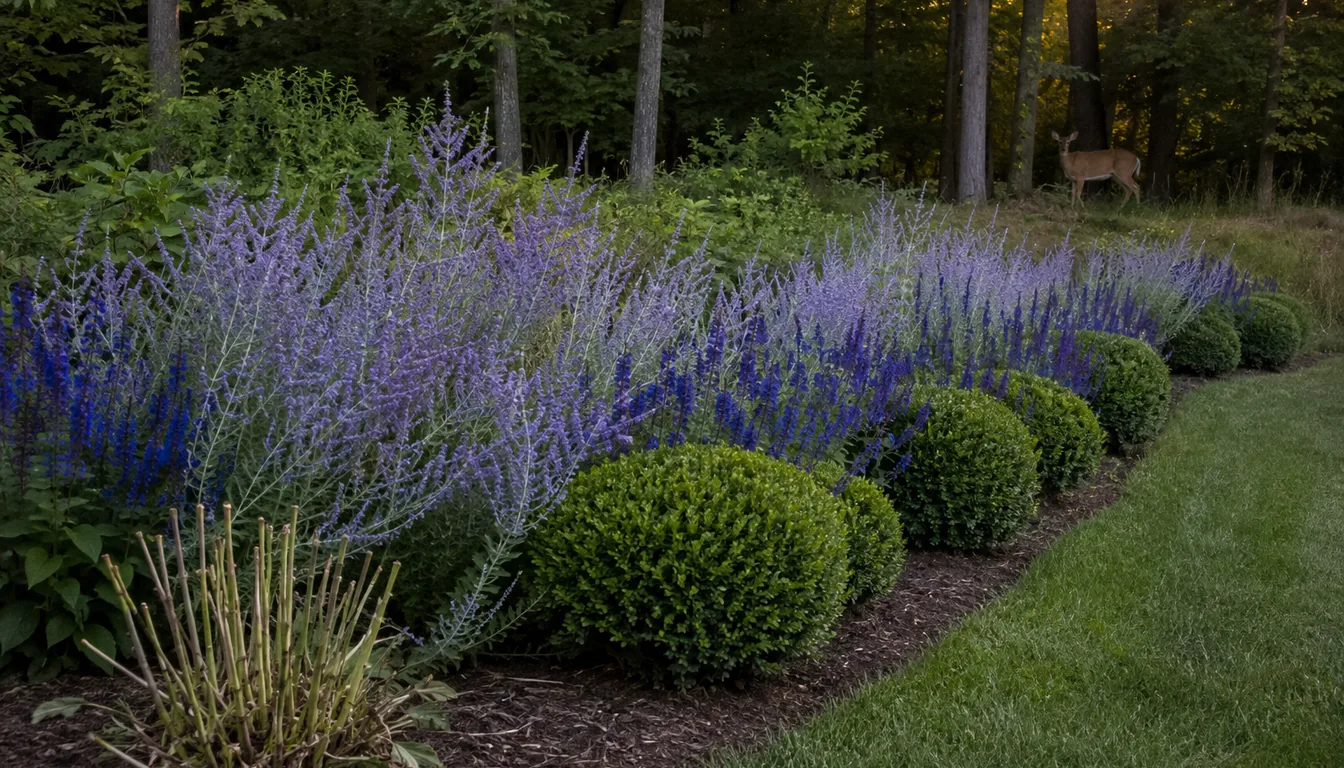
Deer pressure is not the same in every yard. A plant that survives untouched in town can get stripped overnight beside a woodlot.
Japanese beetles usually avoid or cause little damage to boxwood, clematis, chrysanthemums, conifers, daylilies, geraniums, ginkgo…
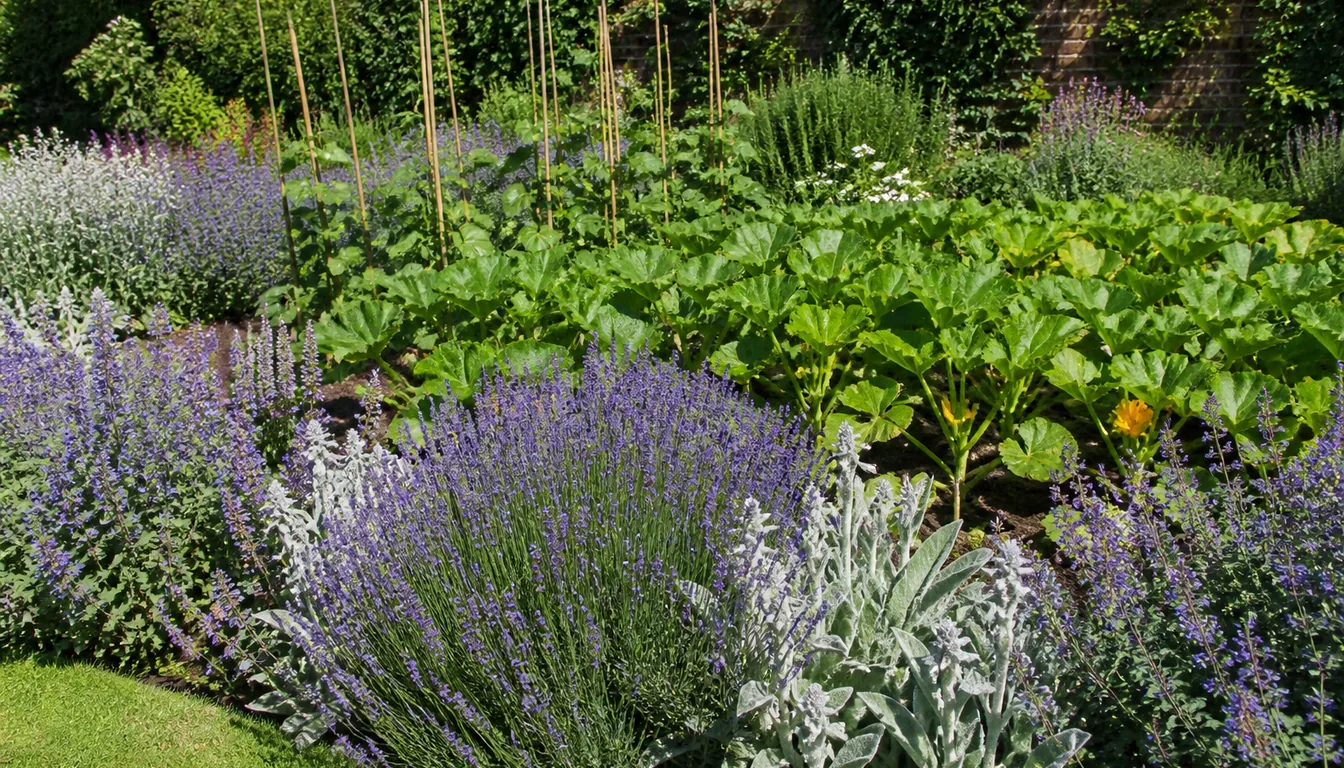
No garden plant has been shown to create a dependable scent barrier that keeps squash bugs away from squash, pumpkins, and zucchini.
Look at leaf undersides, stems, roots, and the pattern of damage.
Start with exclusion, removal, or habitat changes when they fit the problem.
Reinspect after treatment and stop when the damaging population is controlled.