
Is Neem Oil Safe for Pets, Bees, Plants, and Food Crops?
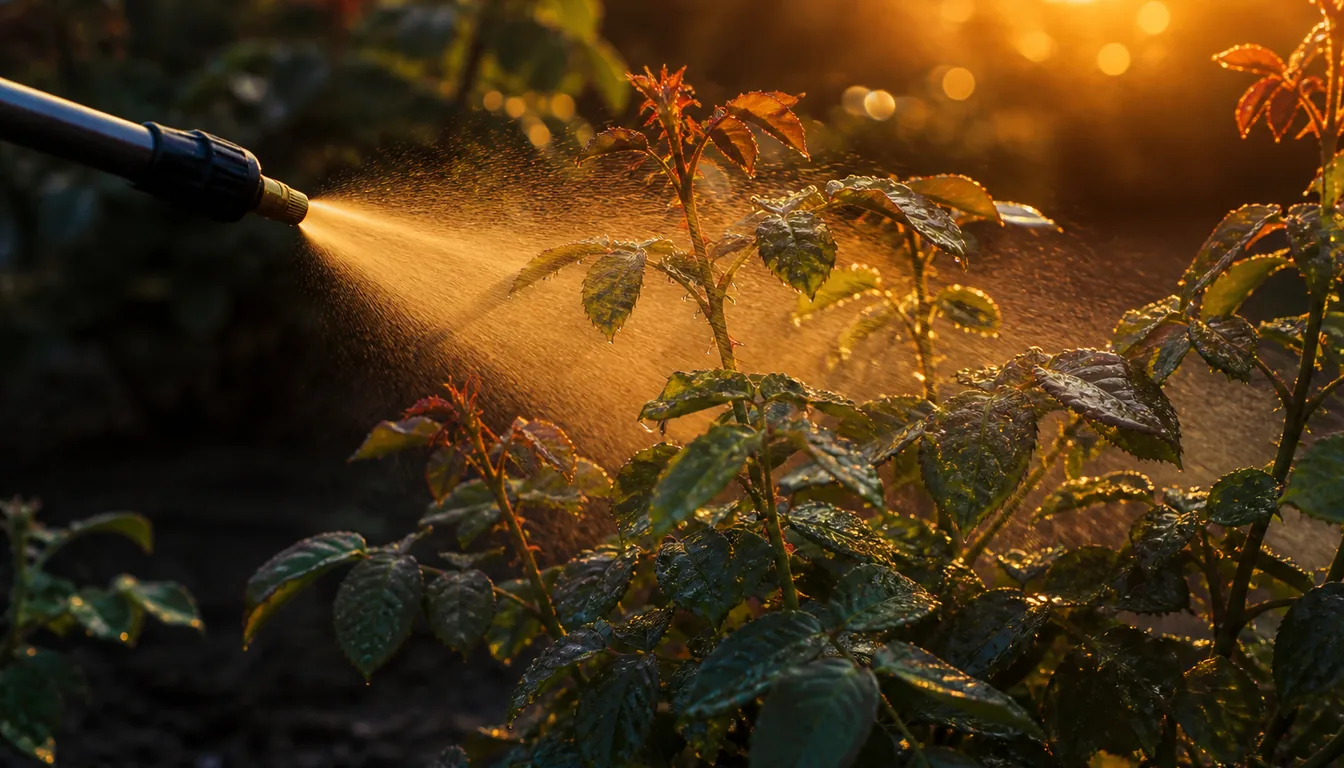
Neem products can help manage selected plant pests, but natural origin does not make a pesticide harmless. Safety depends on the formulation, dose, exposure, plant condition, and treatment site. The directions on the actual container govern how it can be used.
Neem sprays can injure foliage and harm exposed insects, including beneficial species. People and pets need protection from contact, ingestion, and spray mist, while fish and other aquatic animals need protection from drift and runoff. A product allowed on a food crop can still have specific application and harvest restrictions.
Rapid breakdown is not the same as no residue. A dry leaf, a neem ingredient’s general toxicity rating, or a short half-life cannot establish that every product is safe to touch, eat, or apply near an aquarium.
At a glance
Which Neem Formulation Are You Using?
The active ingredients explain more than the word neem on the front of a bottle. Clarified hydrophobic neem extract acts mainly as a horticultural oil on susceptible pests it contacts. Azadirachtin-containing products can also interfere with insect feeding and development. Formulated products may contain other active ingredients with their own hazards.
| Label information | Useful distinction | Unsafe assumption |
|---|---|---|
| Clarified hydrophobic neem extract | Predominantly contact-oil action | That it is merely a harmless leaf wash |
| Cold-pressed oil or azadirachtin | Feeding and development effects may matter | That all adults, eggs or pest species respond alike |
| Ready to use versus concentrate | Whether dilution is part of the job | That bottle shape reveals the active ingredients |
| Allowed plant, pest and site | Whether the intended treatment fits the directions | That outdoor permission includes indoor use |
| Precautions and first aid | How to limit and respond to exposure | That every neem product has identical risks |
A concentrate and a ready-to-use spray can contain related ingredients at different strengths. Some products combine neem with another pesticide. A missing or unreadable label leaves essential information unresolved, so transferring liquid to an unidentified bottle defeats more than accurate measuring.
Which Pest Stages and Problems Can It Reach?
Pest identity and life stage determine whether a neem treatment is a useful option. Exposed pests may be reached by contact oil, while wax, covers, folded foliage, or other protected sites can reduce contact. Azadirachtin’s effects on development also make life stage important, but this does not mean every adult survives or every egg is unaffected.
The cited Bonide clarified-neem label includes insect, mite, and fungal-disease uses. Its directions cover certain eggs and beetles as well as control of listed fungal diseases. Whether a particular treatment will help depends on that product’s target list, coverage, and timing.
A product with disease directions needs the correct disease diagnosis and its own application schedule. Dead or scarred leaf tissue will not become healthy again merely because treatment controls the cause. Progress is assessed through pest activity and new damage, rather than restoration of already injured tissue.
How Does Neem Affect Bees and Beneficial Insects?
Direct exposure matters. The cited Bonide label states that its product is toxic to bees exposed to direct treatment and prohibits spraying while bees visit the treatment area. A general description of neem as low toxicity does not cancel that product warning.
UC IPM recommends conserving natural enemies and pollinators by identifying the problem, limiting pesticide use, and targeting affected areas when a treatment is necessary. Lady beetle, lacewing, and hoverfly larvae can feed among aphid colonies. Their presence deserves inspection before the whole colony is sprayed.
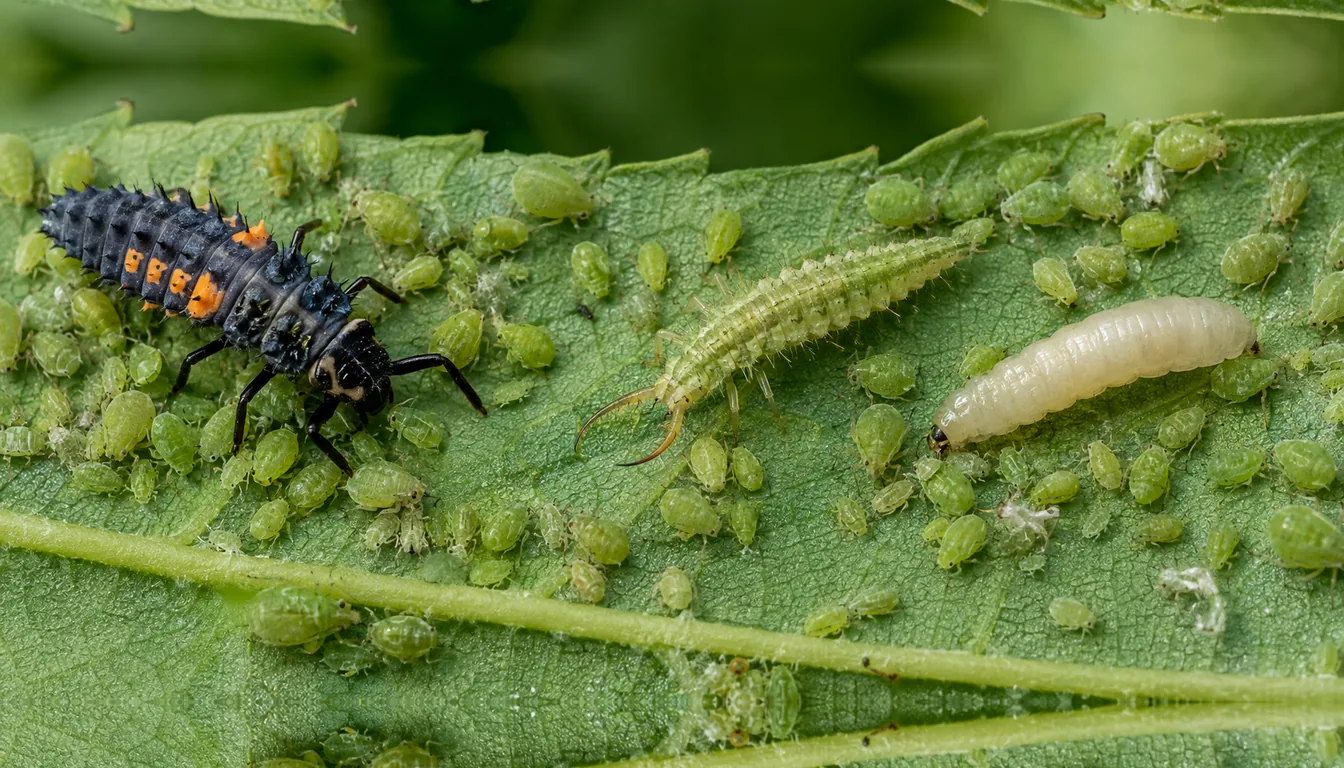
A less persistent pesticide may reduce exposure for beneficial insects arriving later compared with a long-lasting broad-spectrum product. That is not a promise of zero residue or no effect on insects already present. Natural enemies also need monitoring rather than an assumption that they will always finish an infestation unaided.
Half-life describes a decrease, not disappearance. NPIC reports a 1–2.5-day leaf half-life for azadirachtin. After one half-life, about half of that substance remains under the conditions measured. The figure does not describe every neem ingredient or set a safe return time for bees, pets, or people.
What Are the Risks to People, Pets, and Aquatic Animals?
A pesticide’s effects depend on how much reaches the person or animal and how exposure occurs. Neem products can contact skin or eyes, be inhaled as mist, or be swallowed. The label’s precautions and first-aid directions address those routes of exposure.
NPIC describes serious reactions, including deaths, in cats after neem was used for flea treatment. Those reports do not establish a safe amount for a cat to lick from a treated plant, nor do they quantify the risk from every garden use. A plant-pesticide label is not a pet-treatment instruction.
- Keep children, pets and their toys away during application and for the period required by the label
- Protect food, pet bowls and household surfaces from spray and spills
- Use the stated protective equipment and ventilation, and avoid breathing mist
- Store pesticide in its original labeled container out of reach
- Have the product label available when seeking poison-control, veterinary or manufacturer advice
Fish and other aquatic animals require separate protection. NPIC describes aquatic toxicity from neem oil and azadirachtin, and the cited product label prohibits contamination of water by spray or equipment washwater. Aquariums, ponds, drains, and routes carrying runoff all need attention before application.
Environmental breakdown times do not tell you that a contaminated pond will clear safely. Dilution, light, organisms, formulation, and repeated exposure can differ from study conditions. Unused product and rinsate need label-compliant disposal.
For a suspected human exposure, follow the container’s first-aid directions and contact poison control as directed. For a pet exposure or reaction, contact a veterinarian promptly with the product information. Waiting for a leaf to dry or for a chemical half-life to pass is not treatment advice.
What Can Cause Leaf Injury?
Oil injury can depend on concentration, additives, plant sensitivity, stress, and weather. Temperature restrictions vary by product and cannot establish safety without the other conditions. A wilted plant or a recent transplant with unestablished roots may be unsuitable for treatment even in mild weather.
The cited Bonide label excludes stressed or wilted plants and newly transplanted material before root establishment. It also calls for care with tender tissues and small-scale tolerance trials. A set number of weeks after planting cannot show that every plant has recovered.
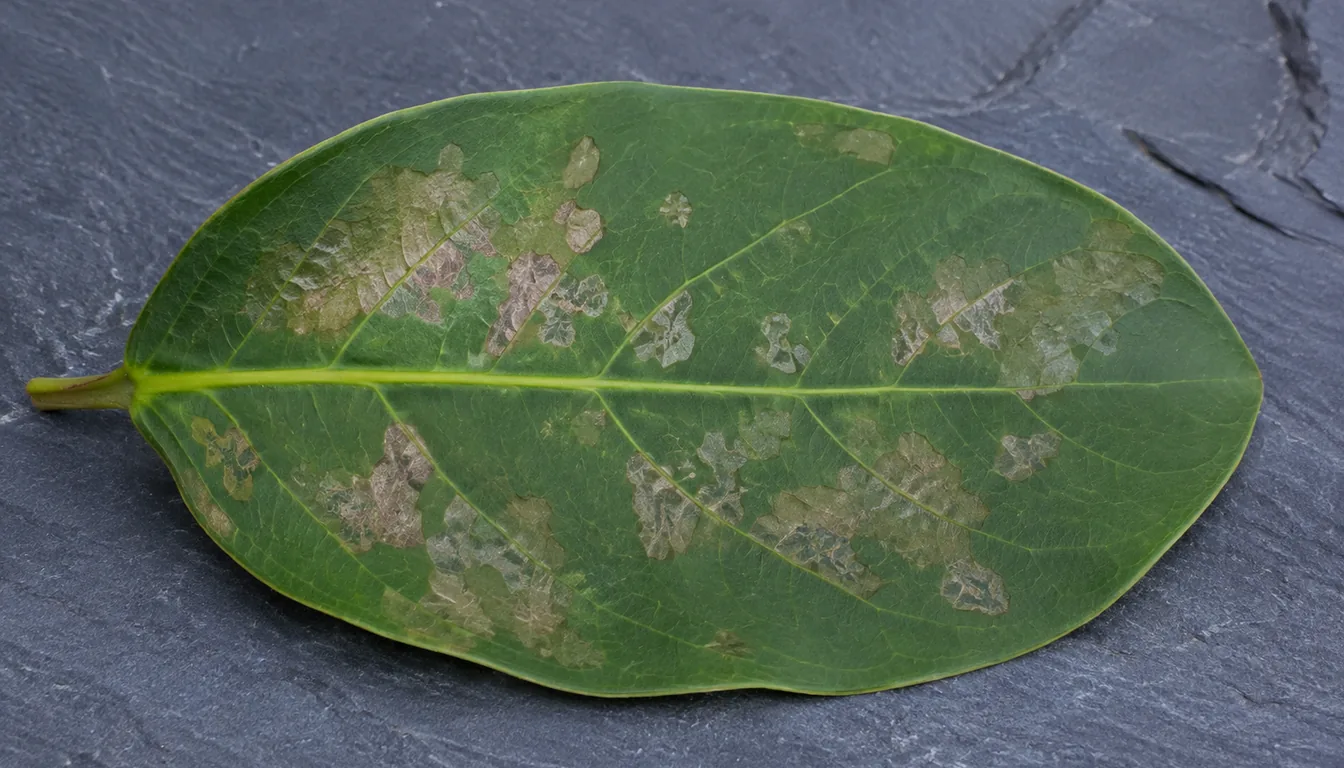
Symptoms appearing after a spray raise a useful question about exposure. They do not prove the cause or show that injury has stopped progressing. Recent light, moisture, temperature, fertilizer, and other pesticide use help interpret the change.
- Confirm the plant and useCheck that the product fits the plant, site, problem and current conditions.
- Test a small representative areaApply the intended labeled mixture to foliage that can be inspected again.
- Use product-specific timingObserve for the label’s stated period, or obtain manufacturer guidance when none is supplied.
- Assess new symptomsNew spots, curl, wilt or browning are reasons to stop and investigate before broader treatment.
A previous test with another bottle or concentration cannot establish tolerance for a new one. If injury is suspected, further spraying stops while the cause is assessed. Product-specific advice is preferable to adding soap, scrubbing leaves, or automatically soaking the pot.
Which Other Treatments Need Separation?
Horticultural oils and sulfur products can cause plant injury when used too close together. The required separation depends on the products and their directions. Both labels and the recent treatment history matter, including whichever product was applied first.
A record of the product names, dates, and rates makes that history usable. If one label’s directions conflict with another planned treatment or do not address the combination, the manufacturer or a local extension specialist can clarify the restriction before anything is applied.
A product registered with more than one pesticidal use is not permission to make an improvised tank mix. The cited Bonide label also prohibits added adjuvants. Extra soap, fertilizer, or a second pesticide can change plant exposure and compatibility even when each ingredient is familiar on its own.
When Can You Harvest a Treated Food Crop?
The crop and use must be allowed on the product, and its preharvest interval governs the wait before picking. Some products permit use up to harvest. That permission belongs to the particular formulation and directions, not to the word neem or to all edible plants.
The cited Bonide label is one example that allows use up to the day of harvest. It does not authorize exceeding the rate or applying a different ornamental-only product to food. Washing is not a substitute for a harvest interval or a way to correct an off-label application.
FDA advises washing produce under running water before eating or preparing it, including produce that will be peeled. Firm produce can be scrubbed with a clean produce brush. Soap, detergent, and commercial produce washes are not recommended.
Neither a thick rind nor an underground root removes the need to check the pesticide use. The relevant question is whether the crop, rate, timing, and application method fit the label. Equipment used for pesticides also stays separate from food preparation.
When Is Another Method More Suitable?
A treatment is easier to justify when an identified pest is causing damage that needs intervention. Washing sturdy foliage, wiping accessible colonies, removing localized infestations, and correcting growing conditions may reduce the problem without another pesticide application.
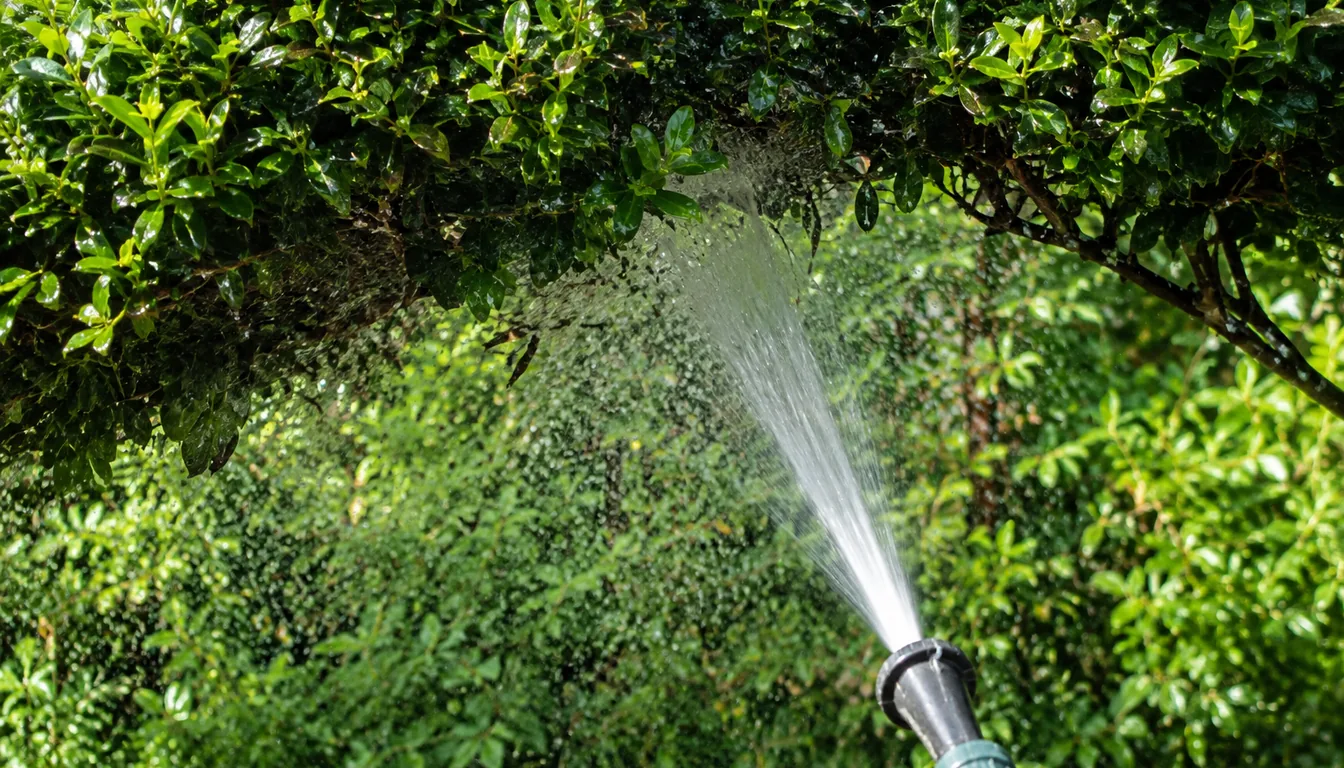
Physical removal works best when the pest is exposed and the foliage can tolerate the water force needed to dislodge it. Plant structure and coverage affect how many pests remain. Tender leaves and flowers need a gentler approach than sturdy shrub foliage.
A mite outbreak needs identification, inspection of nearby plants, and follow-up through surviving stages. Fungus gnats require attention to larvae in the growing mix, so spraying adults or leaves alone misses much of the problem. Pale growth without an identified pest also calls for assessment of light, roots, water, and nutrition rather than a preventive oil coating.
Indoor treatment brings its own exposure questions. Strong window light can still affect foliage, and an enclosed room needs appropriate ventilation and protection for occupants and surfaces. A product allowed outdoors does not automatically belong in a living room. Those conditions can make physical removal or another labeled approach the more suitable choice.
Frequently Asked Questions
Does a dry leaf mean neem residue is gone?
No. Drying describes the spray film, while chemical breakdown is a different process. Follow the product’s household-access and harvest directions instead of treating dryness as proof that a plant is safe to touch or eat.
Sources & References
- National Pesticide Information Center, Neem Oil General Fact Sheet
- University of New Hampshire Extension, What Should Neem Be Used for on Plants?
- Colorado State University Extension, Insect Control: Horticultural Oils
- Bonide, Captain Jack’s Neem Oil Concentrate Label, EPA Registration 70051-2-4
- UC IPM, Protecting Natural Enemies and Pollinators
- US EPA, Read the Label First: Protect Your Pets
- FDA, Selecting and Serving Produce Safely
- UC IPM, Biological Control and Natural Enemies of Invertebrates
Related Guides
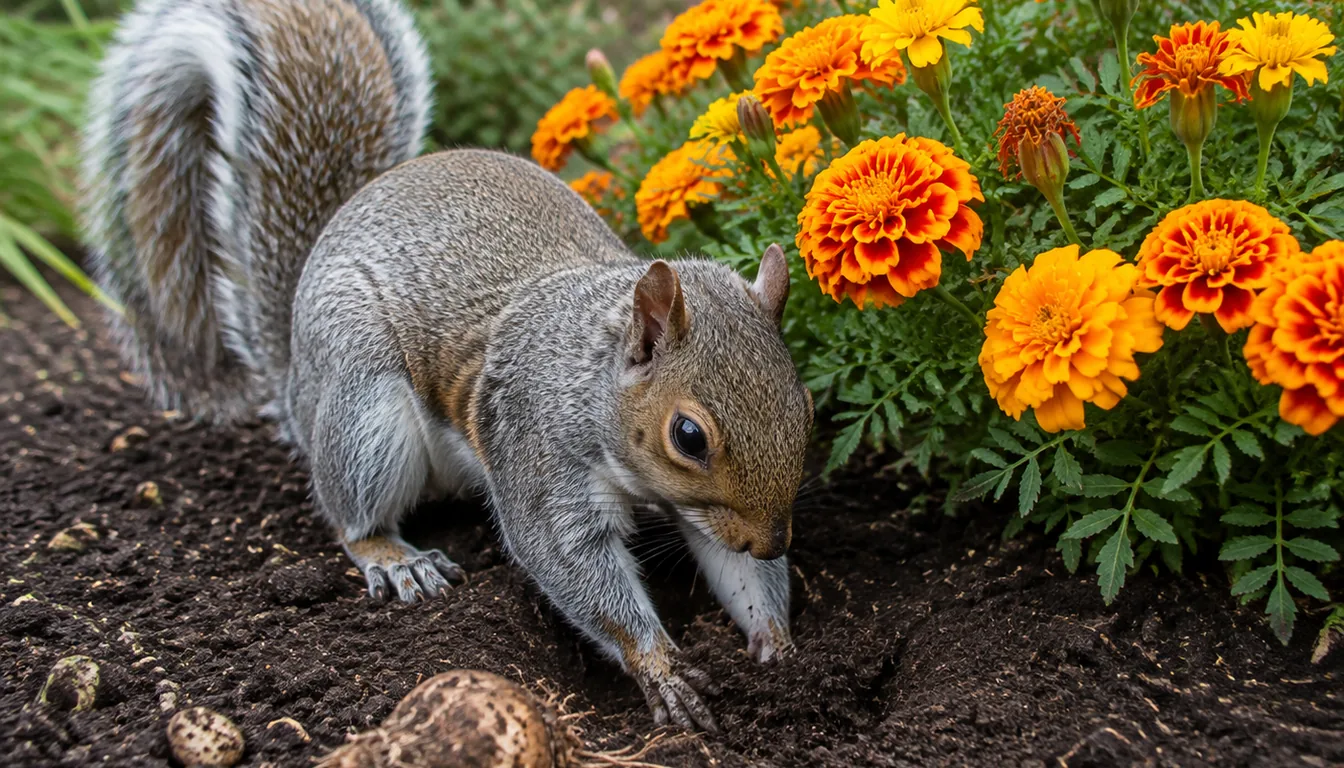
Do Marigolds Keep Squirrels Away From Your Garden?
Squirrels can strip a bed of seedlings or freshly planted bulbs in a single morning.
11 min read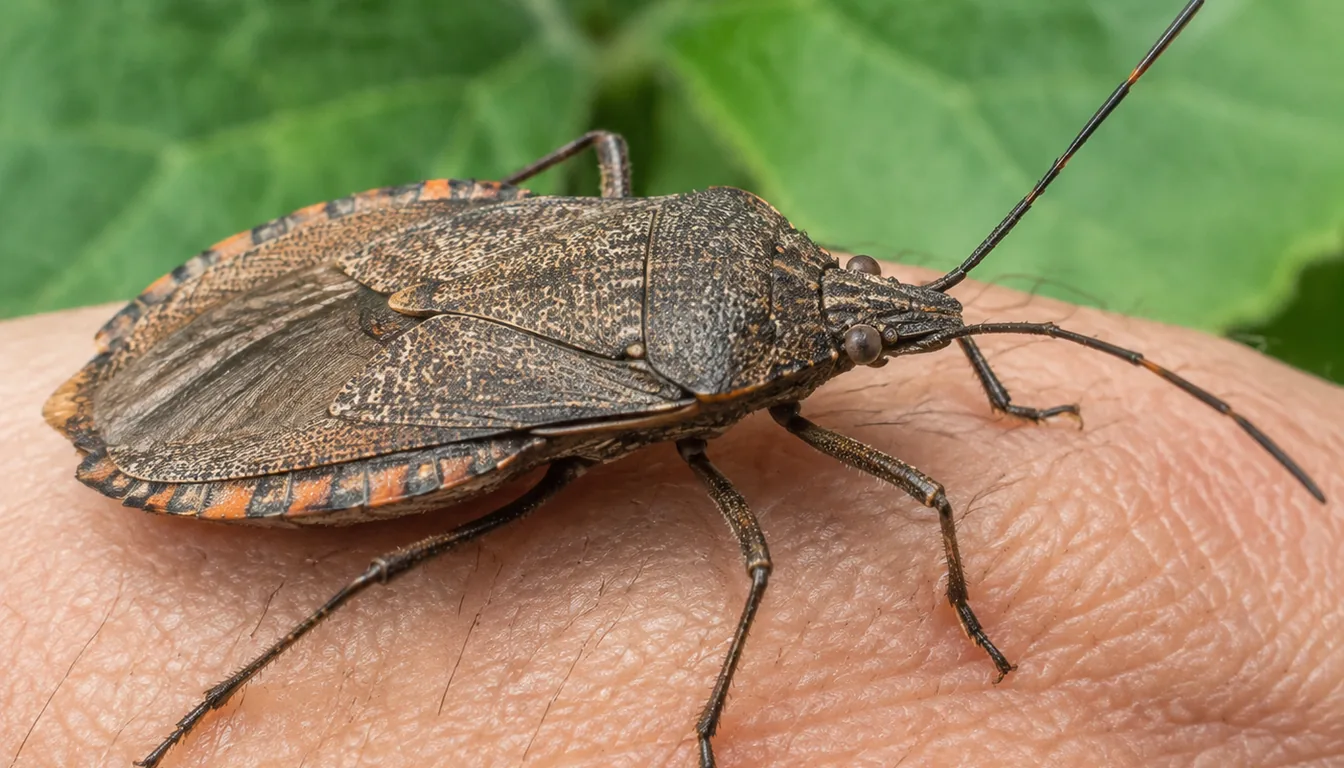
Do Squash Bugs Bite People?
No. A squash bug cannot bite you. Its mouthparts are a slender stylet built to pierce plant tissue…
9 min read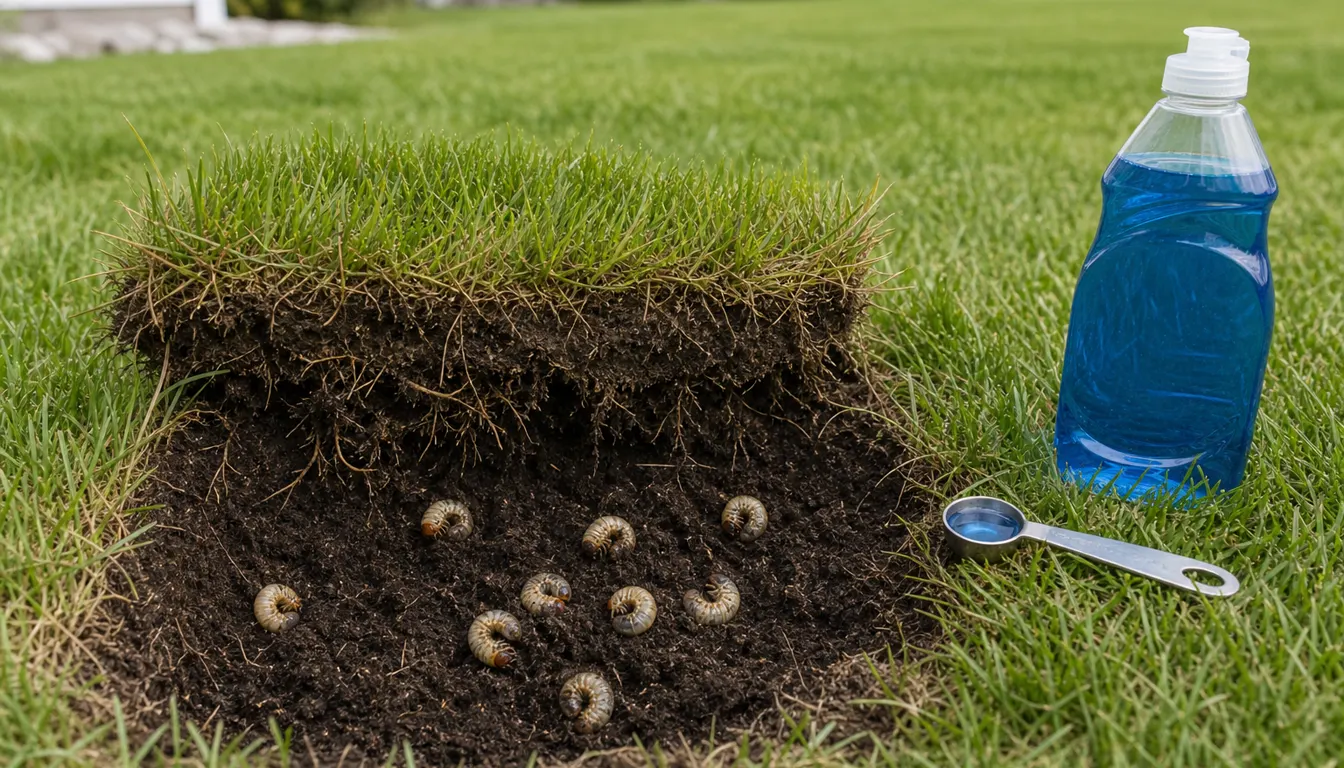
Does Dawn Dish Soap Kill Grubs? Why It Fails and What Works Instead
No. Dawn and other dish detergents do not bring white grubs to the surface, and they do not kill…
9 min read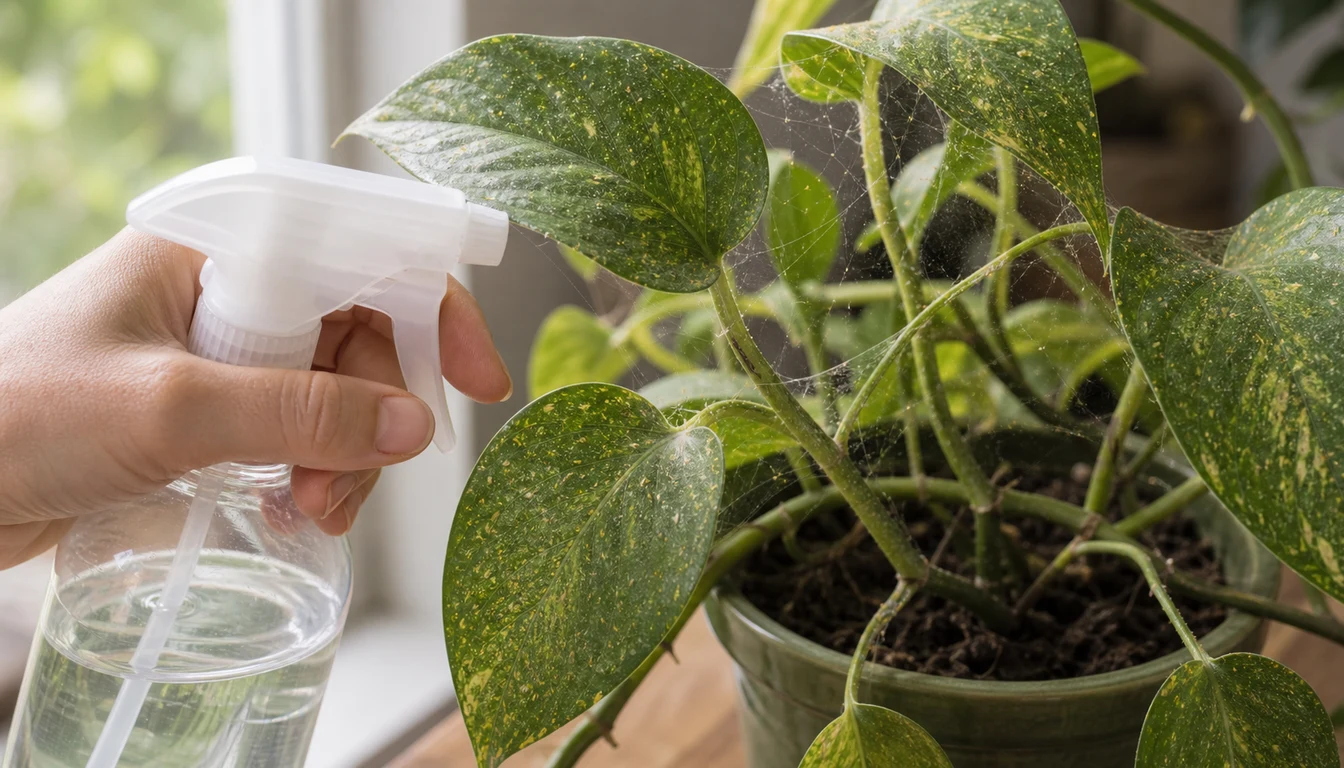
How Do You Get Rid of Spider Mites on Houseplants?
Spider mites on houseplants often can be reduced by repeatedly washing the leaf undersides.
11 min read
How Much Neem Oil Per Gallon? Read and Scale the Label Rate
There is no universal amount of neem oil per gallon. The rate belongs to the exact product and its…
11 min read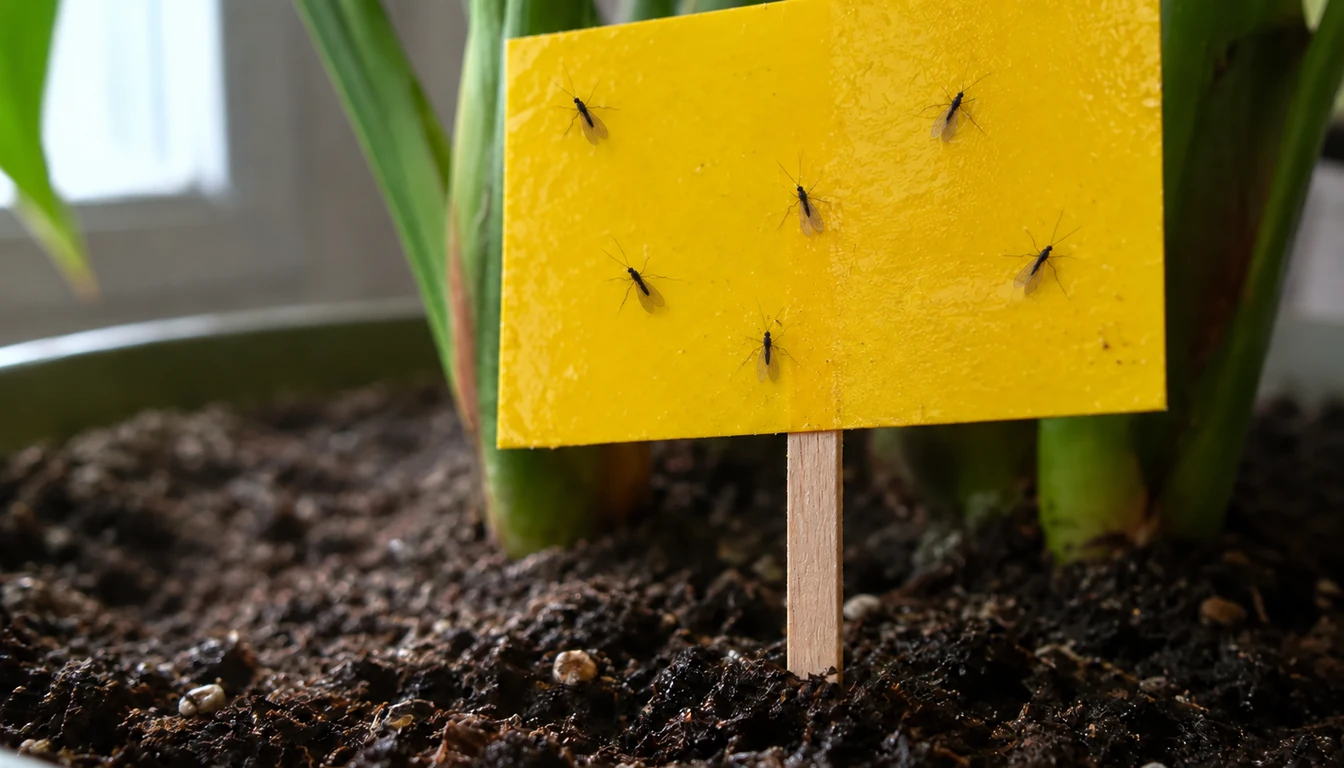
How to Control Fungus Gnats in Houseplant Soil
Fungus gnat control works best when it addresses the larvae in potting mix as well as the adults…
15 min read