How to Identify Lawn Grubs Before You Treat the Grass
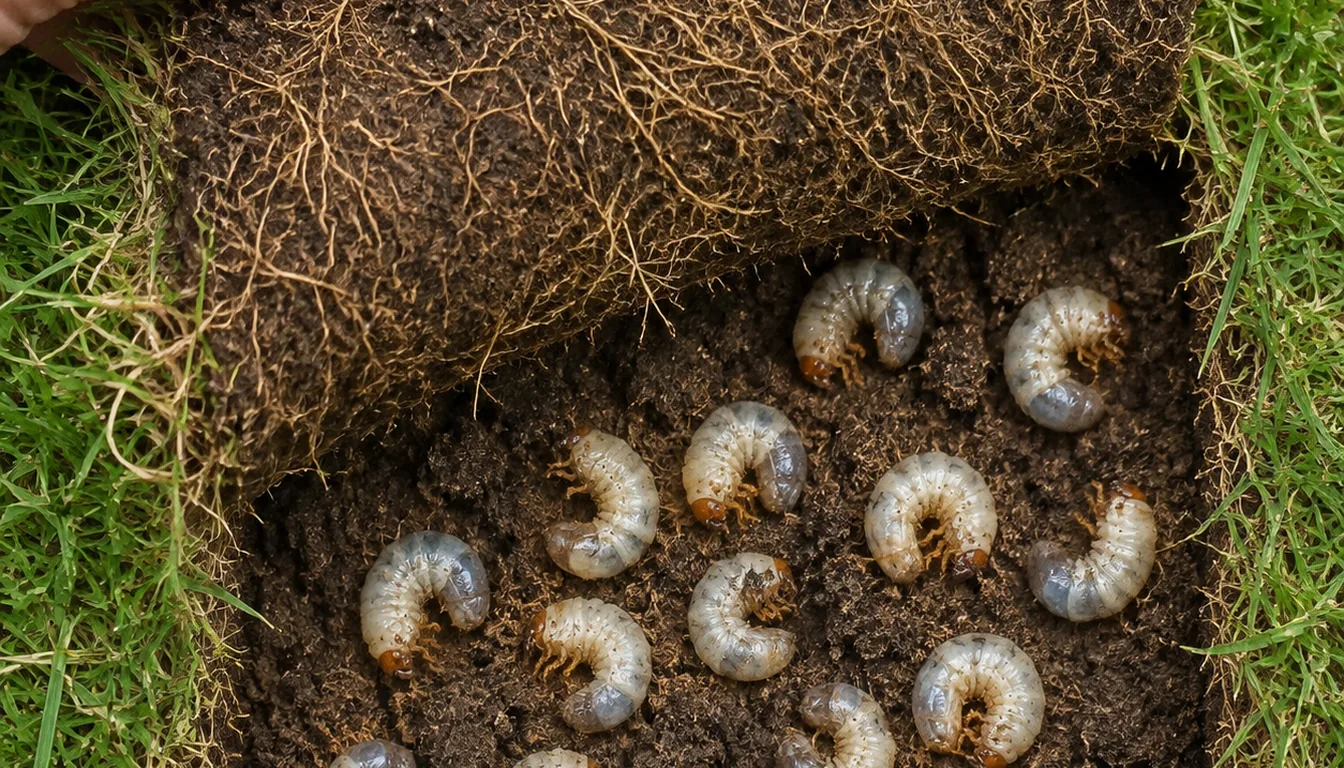
Brown grass, birds, or skunk damage can suggest white grubs, but none proves the diagnosis.

Garden Guides / Pest Control
Pest guides for gardens, lawns, and houseplants that start with naming the pest, then weigh habitat changes, barriers, and labeled products for each one.
Use the foundation first, then choose a narrower guide for your exact task.
These guides help you name the pest before you treat it, then pick the lightest control that works, from washing leaves and changing what you plant to a labeled spray.
Identification guides show how to confirm grubs, tell squash bugs from stink bugs, explain why aphids keep coming back, and list what Japanese beetles feed on. The tomato guide sorts yellow leaves by cause.
Indoor guides cover fungus gnats and spider mites. The neem guides explain why the mixing rate comes from the product label rather than a recipe, and what natural origin does and does not mean for pets, bees, and food crops.
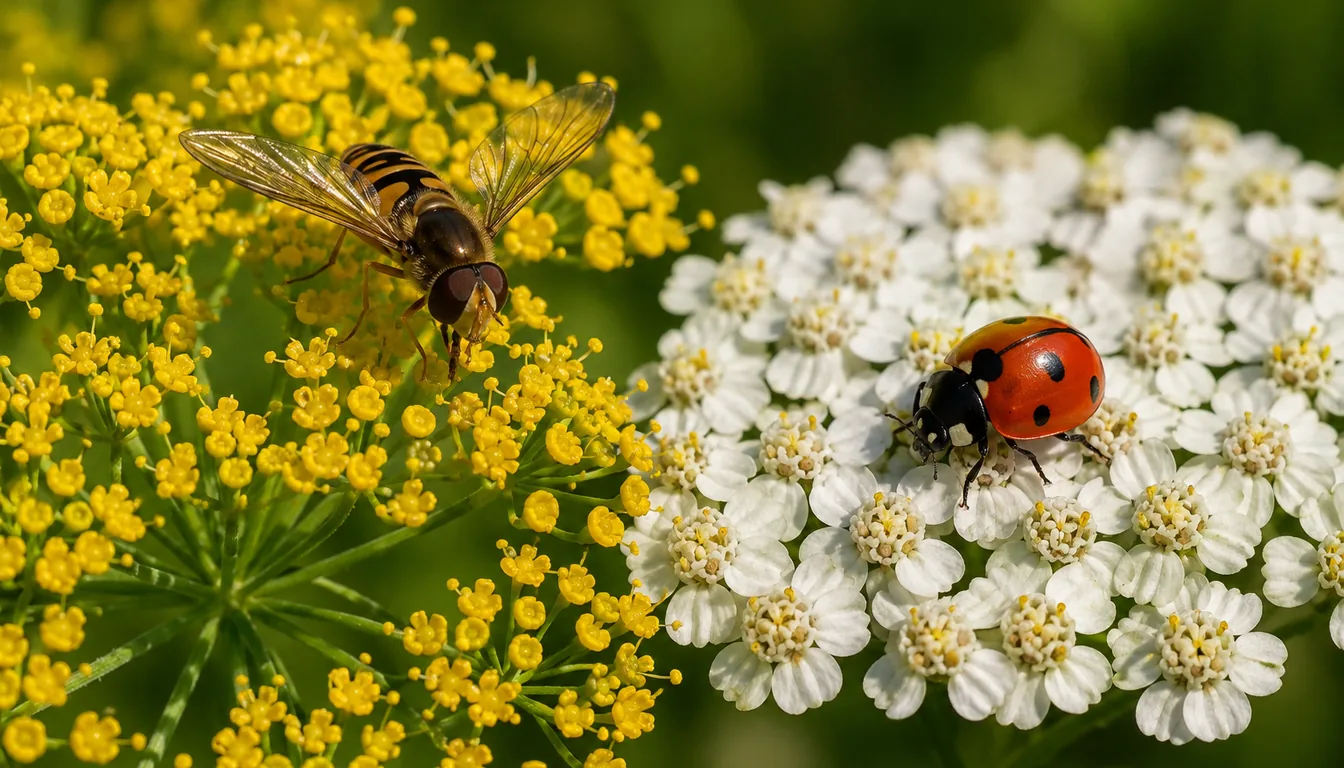
Planting guides cover plants that deer, rabbits, and Japanese beetles tend to skip, flowers that feed beneficial insects, and what companion plants such as marigolds and nasturtiums can and cannot do.
21 matching guides
Search checks titles, introductions, and summaries inside this topic. Reading depth uses the listed minutes; sorting uses update date, title, or reading time.
Brown grass, birds, or skunk damage can suggest white grubs, but none proves the diagnosis.
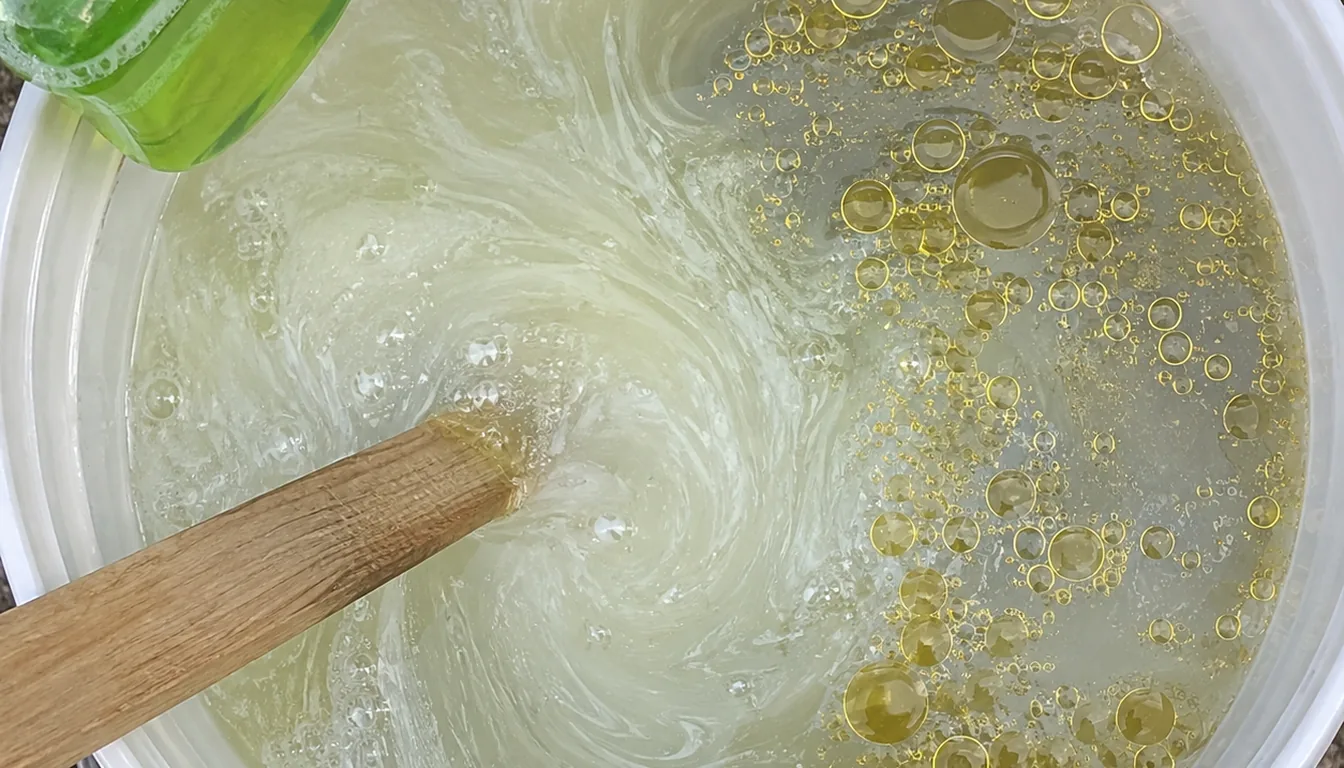
Use the mixing rate printed on your neem product, not a recipe copied from a different bottle.
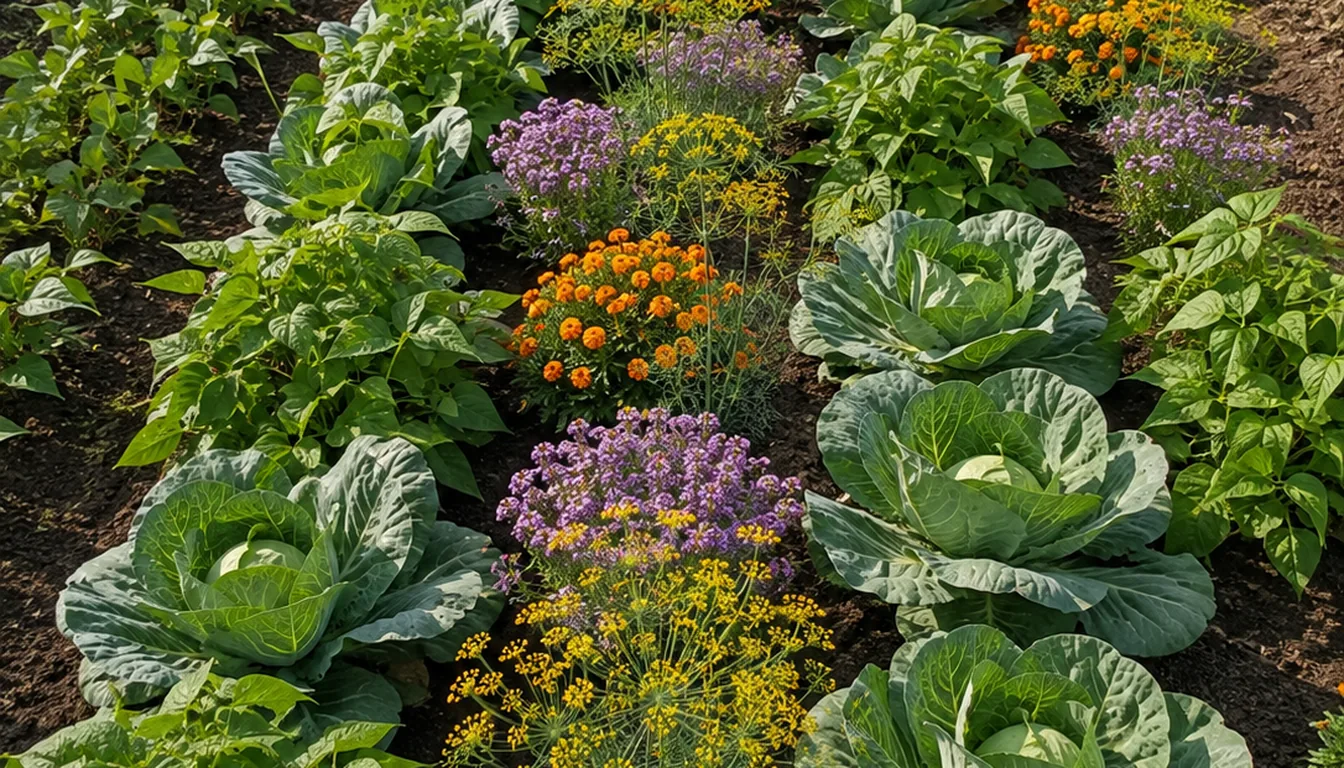
Companion planting can reduce some garden pest problems when you match a known pest with a tested intercrop, trap crop, or flowering…
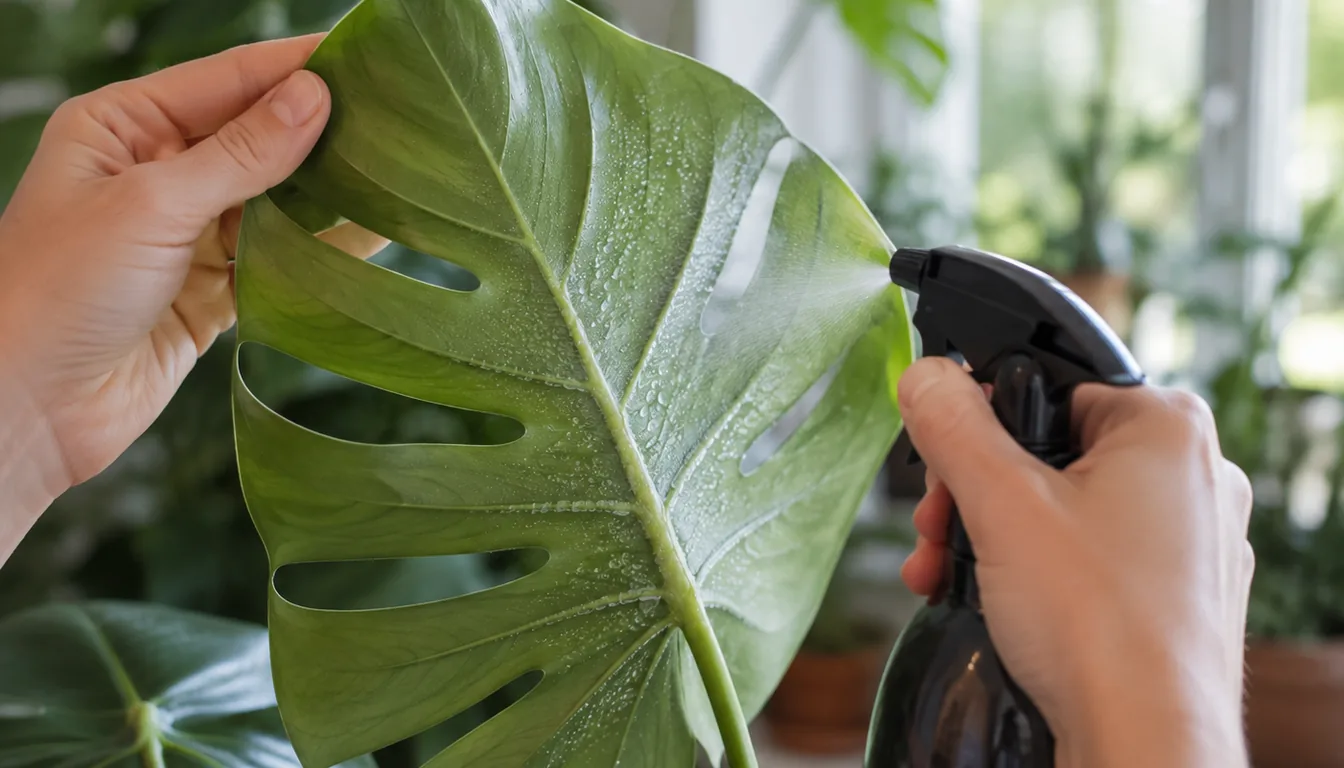
A neem treatment starts with an identified pest and a product labeled for that pest and indoor plants.
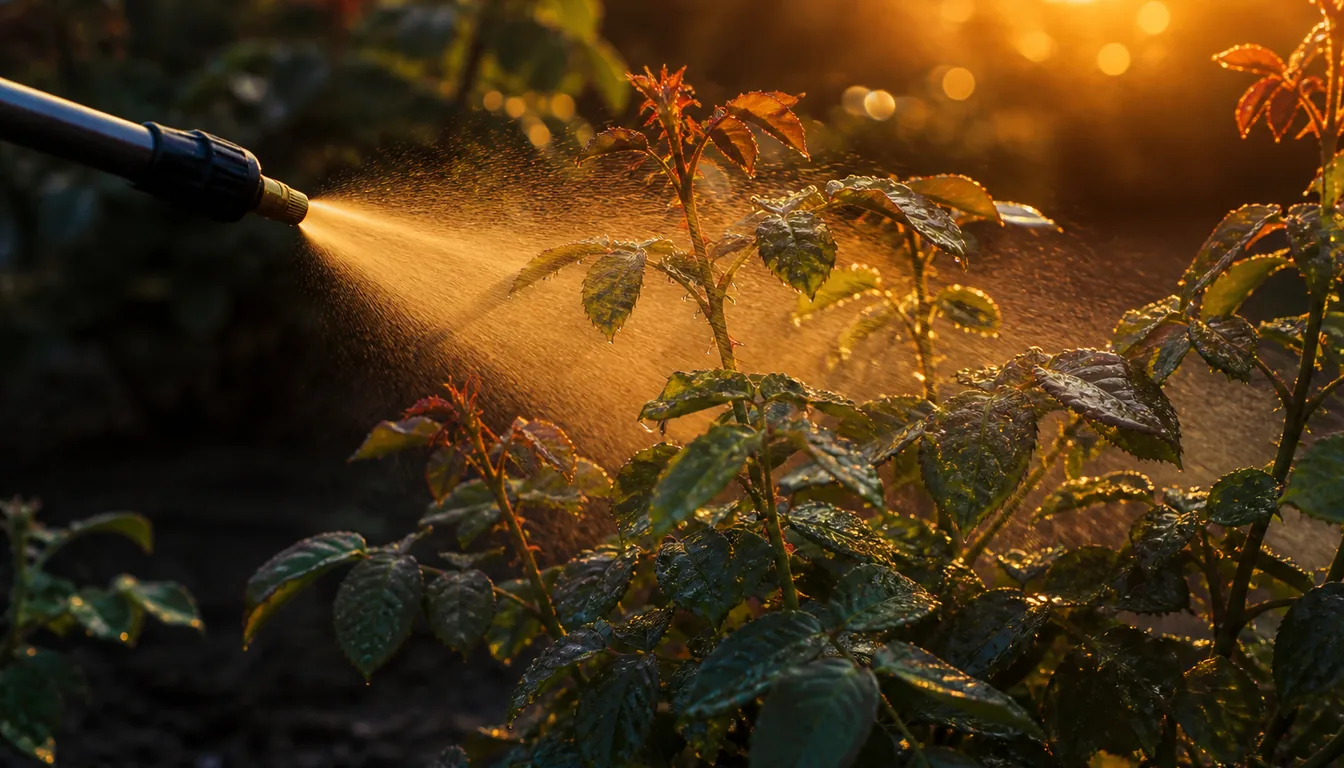
Neem products can help manage selected plant pests, but natural origin does not make a pesticide harmless.
Chemical sprays knock out pests and helpers at the same time, so your garden ends up needing more and more rescue.
Look at leaf undersides, stems, roots, and the pattern of damage.
Start with exclusion, removal, or habitat changes when they fit the problem.
Reinspect after treatment and stop when the damaging population is controlled.