
How to Mix Neem Oil for Plants Without Leaf Burn
Use the mixing rate printed on your neem product, not a recipe copied from a different bottle.
Neem products can contain cold-pressed neem oil, clarified hydrophobic extract of neem oil, azadirachtin, or a ready-to-use formula. Their concentrations and approved uses differ, so there is no safe universal spoon-per-gallon recipe.
For a concentrate, calculate the label rate for the exact amount of water your sprayer holds.
Add water and product in the label's order, maintain agitation, make only the amount you can apply, and test a small section of foliage when the plant or conditions make injury more likely.
The product label remains the final authority for the crop, pest, rate, protective equipment, application interval, harvest restriction, and disposal method.
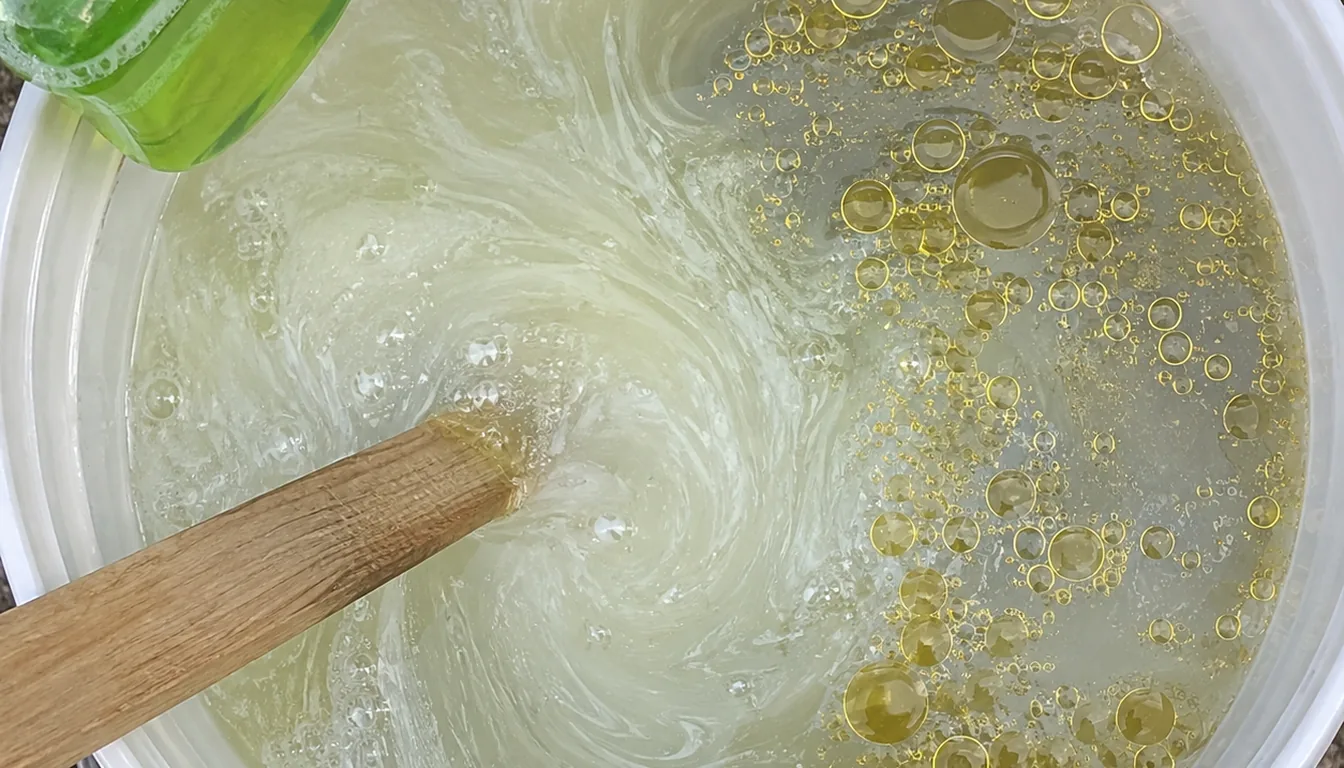
At a glance
Identify the Neem Product Before Measuring Anything
The word "neem" on the front does not tell you how the bottle should be used.
A ready-to-use spray is already diluted, while a registered concentrate contains emulsifiers or other formulation ingredients and gives its own dilution rate.
A bottle sold as cosmetic or pure neem oil may have no directions for pesticidal use on plants.
| Package wording | What it usually means | What you do |
|---|---|---|
| Ready to use | The spray is already at its intended concentration | Do not dilute unless the label specifically says to |
| Concentrate | The product must be diluted before application | Use its measuring table and listed water volume |
| Clarified hydrophobic extract | A horticultural-oil-type neem ingredient that works mainly by contact | Follow its crop, pest, and temperature restrictions |
| Azadirachtin product | A formulated insect growth and feeding inhibitor | Follow that formulation's rate and timing |
| Pure or cosmetic neem oil | Oil may not be registered or formulated for plant pest control | Do not invent a pesticide recipe from household ingredients |
Check the active-ingredient panel and the directions for use. Two products with similar front labels can carry different concentrations, target pests, plant lists, and mixing directions.
A product label is part of the application instructions, not packaging to discard.
Keep it with the original container so the rate, first-aid directions, and disposal language remain available.
Turn the Label Rate Into the Batch You Need
Find the rate that matches both the plant and the pest or disease you identified. Do not choose the strongest line simply because the damage looks severe.
- Product amount
- The ounces, tablespoons, teaspoons, or milliliters stated on the label
- Water volume
- The number of gallons or liters paired with that amount
- Application interval
- The minimum time or stated schedule between treatments
- Maximum use
- Any seasonal limit, crop restriction, or preharvest interval
Scale the product amount in the same proportion as the water. If a label states an amount per gallon and your sprayer holds one-half gallon, use one-half of that labeled amount.
For an odd-size tank, calculate label amount x actual batch volume / label water volume. Keep every volume in the same unit before calculating.
A kitchen teaspoon is a volume measure, but a random spoon is not a measuring tool. Use a marked syringe, medicine cup, or dedicated measuring spoon that will never return to food preparation.
Do not round upward for "extra strength." Oil injury rises with concentration, while a wrong pest, missed leaf undersides, or poor timing will not be corrected by adding more product.
Prepare the Sprayer, Water, and Work Area
Start with a clean sprayer that has not held an incompatible pesticide or herbicide. Residue can injure foliage even when the neem mixture itself is correct.
- Read the full directions and precautionary statements
- Confirm that the plant and intended use appear on the label
- Check the sprayer volume with plain water
- Choose a dedicated measuring tool
- Wear the protective equipment named on the label
- Move away from food, children, pets, ponds, and storm drains
- Plan a batch that can be used during the application
Use ordinary clean water unless the label specifies a temperature or water-quality adjustment.
Warm water is sometimes suggested for thick oil, but a fixed temperature such as 80 degrees F is not a general neem requirement.
Inspect the nozzle and filter with plain water first. A clogged nozzle creates coarse streams and overloaded patches instead of the even coverage that contact oils require.
Protect the mixing surface with a washable tray or absorbent material. If concentrate spills, the label's cleanup instructions should be within reach before you need them.
Mix a Neem Concentrate in the Label's Order
Many formulated concentrates disperse when added to water under agitation. Some labels give a different sequence, so use the printed order whenever it conflicts with a general method.
- Measure the waterPut part of the required water in the clean sprayer, using the volume you calculated.
- Measure the productPour the exact labeled amount into a dedicated cup or syringe without estimating by eye.
- Combine under agitationAdd the concentrate in the stated order, close the tank, and agitate until the mixture looks uniform.
- Top up accuratelyAdd the remaining water to the final batch volume rather than filling past it.
- Keep it movingRe-agitate as the label directs and whenever the sprayer has been standing.
Do not automatically add dish soap or castile soap. Registered neem concentrates are formulated to mix as directed, and an extra surfactant can change leaf wetting or increase injury.
A uniform mixture can still settle during a long pause. Shake a hand sprayer or use the tank's agitation system before resuming so the final plants do not receive a more concentrated dose than the first ones.
Use a Jar Check and a Leaf Test for Different Problems
A small clear jar can show whether the diluted product disperses in your water. It cannot prove that a plant will tolerate the spray.
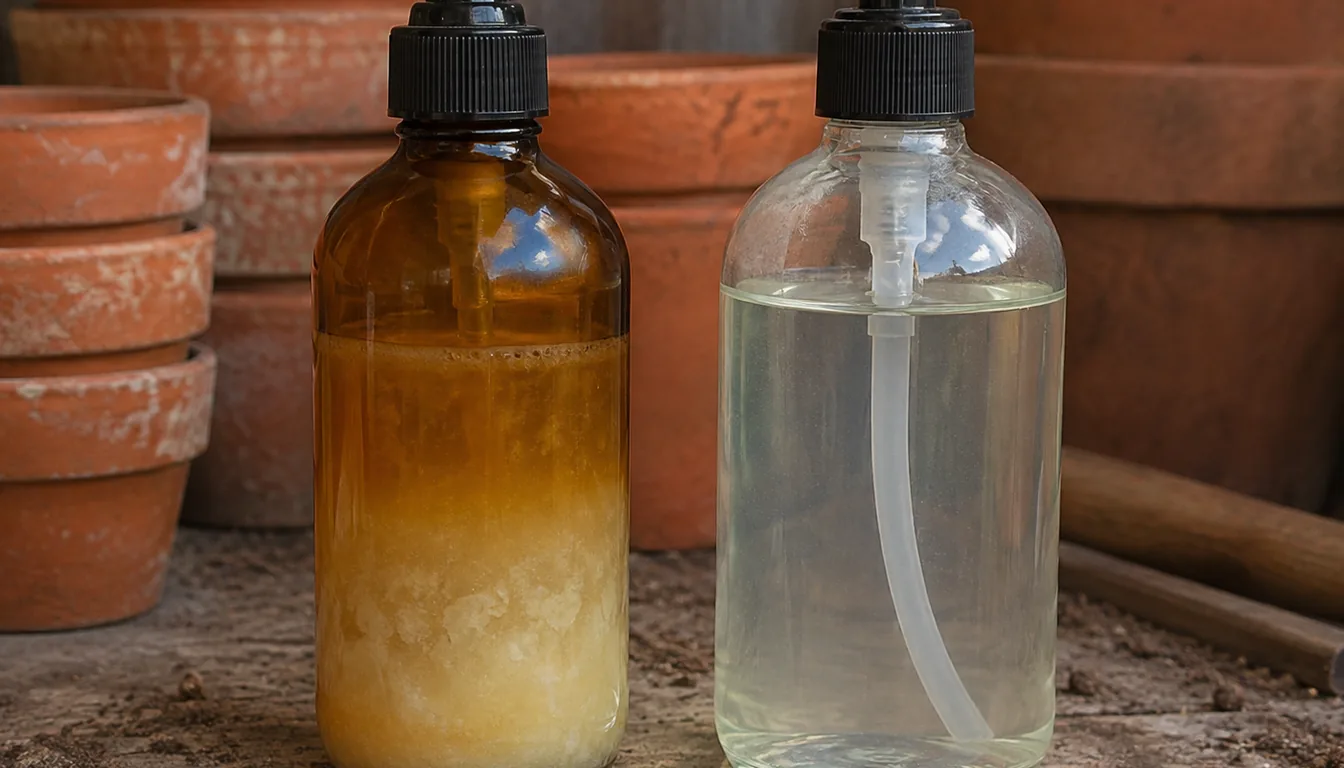
Mix a scaled sample using the same water and order planned for the tank. After agitation, watch for persistent curds, heavy sediment, or a layer that immediately refuses to redisperse.
Jar check
Reveals obvious physical separation or a mixing problem before the sprayer is filled
Nozzle check
Confirms that the mixture passes as an even mist rather than a stream or blocked pattern
Leaf test
Reveals plant injury under the current concentration and conditions
Pest check
Confirms that the target is present where the spray can actually reach it
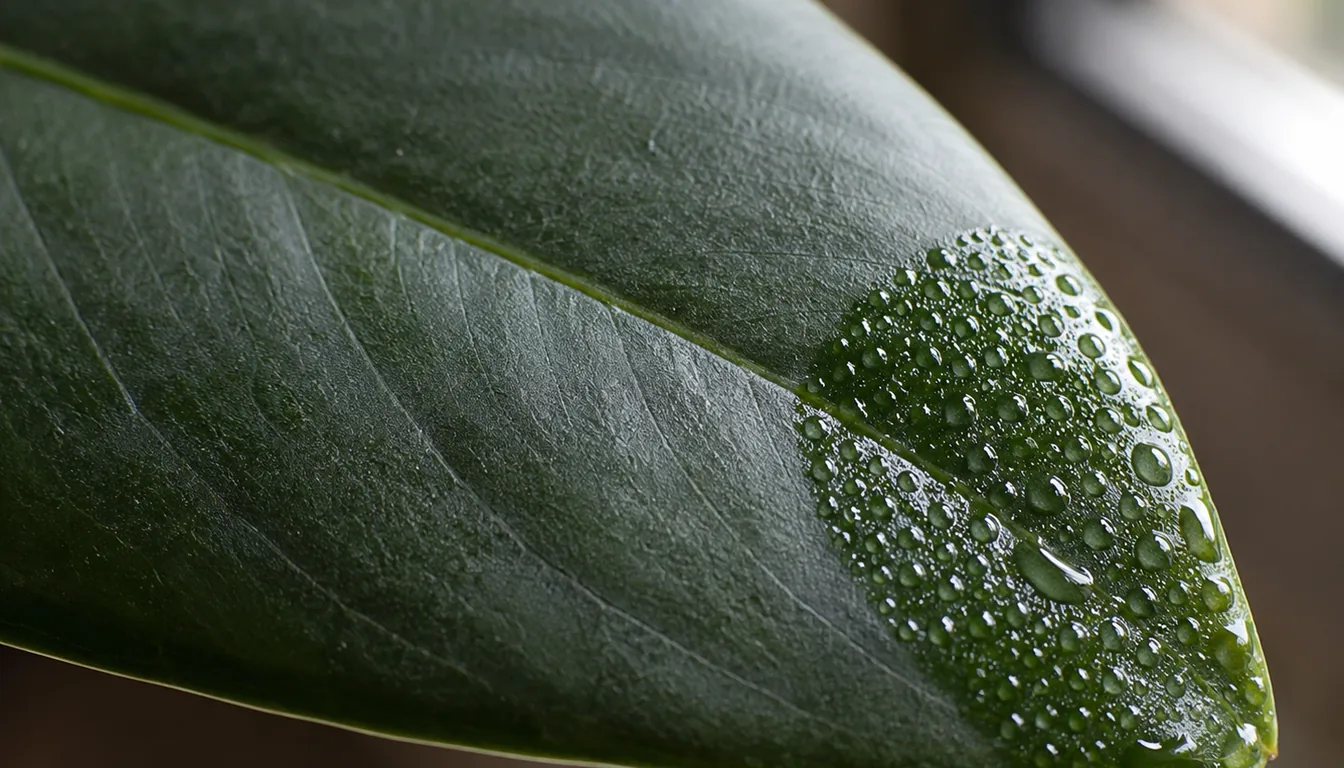
For a leaf test, treat a small, representative part of the plant and mark the area. Follow the label's waiting period for a sensitivity check, because injury can appear after droplets dry.
Look for water-soaked spots, bronzing, curling, bleached patches, or crisp margins. A clean jar and an undamaged test leaf answer two separate questions, and both matter before treating a valuable or sensitive plant.
Apply Enough for Coverage Without Drenching the Plant
Neem oil products generally need direct, thorough contact with exposed pests or susceptible plant surfaces. They do not compensate for an insect hidden inside a stem, sealed under a hard scale cover, or misidentified in the first place.
First remove severely infested leaves when that will not strip the plant. A firm water spray can reduce aphids or mites before treatment and leaves fewer insects for the product to reach.
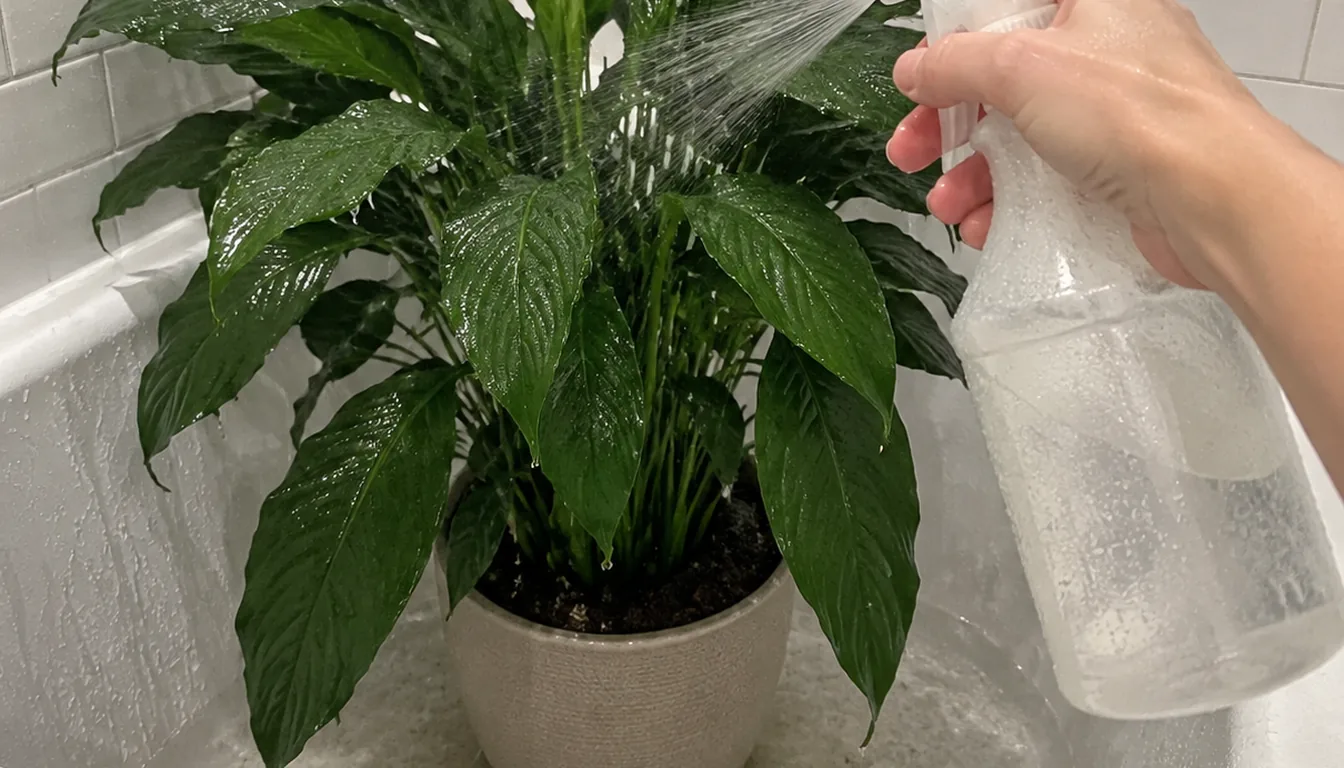
- Start at the cleanest sideWork methodically so you can see which surfaces have already been treated.
- Angle under leavesDirect a fine spray toward veins, petioles, and leaf undersides where small pests shelter.
- Coat, do not floodStop at an even film unless the label specifically directs runoff.
- Re-agitateKeep the tank uniform as you move between plants.
- Inspect laterJudge control by pest activity and new damage, not by an oily shine alone.
Treat houseplants in a ventilated utility area, tub, or protected outdoor space if the label permits that site.
Keep spray off walls, floors, furniture, and items used for food.
Outdoors, avoid wind that carries droplets away from the target.
Do not spray open flowers or visiting pollinators, and follow every label restriction intended to protect bees and aquatic life.
Reduce Leaf Burn by Reading the Plant and the Weather
Oil injury becomes more likely when foliage is tender, wilted, drought-stressed, newly transplanted, or already damaged by heat. High temperature, intense sun, slow drying, and recent use of an incompatible product can add risk.
The exact weather limits belong to the product label. Horticultural-oil guidance commonly warns against hot conditions and against applications close to sulfur, but the stated temperature and separation period can differ by formulation.
Spraying at a cooler time can reduce heat and pollinator exposure, yet "evening" does not override a label or make wet foliage harmless. Check whether leaves will dry normally and whether rain or irrigation will wash the product away.
Sensitive species and fresh growth deserve a test even when yesterday's mixture worked on another plant. Plant tolerance depends on the species, growth stage, health, concentration, and conditions at application.
Treat Edibles, Houseplants, and Pollinator Areas as Separate Uses
A product registered for roses outdoors is not automatically approved for herbs, vegetables, or indoor houseplants.
Find the use site and crop on the label before mixing a tank for it.
| Use | Check before mixing | Avoid assuming |
|---|---|---|
| Edible crop | Crop name, preharvest interval, maximum applications, washing directions | That every neem product has a seven-day waiting period |
| Indoor plant | Indoor-use permission, ventilation, surface protection, reentry language | That an outdoor concentrate belongs in a living room |
| Flowering plant | Pollinator restrictions and whether blooms may be contacted | That a low-toxicity ingredient cannot harm exposed insects |
| Aquatic edge | Buffer and aquatic-hazard statements | That a natural origin makes runoff safe |
| Seedling or new growth | Listed plant, lowest permitted rate, sensitivity warning | That a small plant needs the same spray load as mature foliage |
Wash edible produce under clean running water according to food-safety guidance, but do not use washing as a substitute for the labeled harvest interval. That interval may be zero days for one product and longer or more restrictive for another.
Keep people and pets out of the treatment area for the time stated on the label. "Dry to the touch" is sometimes the reentry point, but it is not universal.
Troubleshoot the Mix Before Increasing the Rate
Poor control often comes from diagnosis, timing, or coverage rather than dilution. Neem will not give the same result against every insect or every life stage.
Oil layer in the tank
Recheck formulation, mixing order, water volume, product condition, and required agitation
Scattered burned patches
Look for overlapping spray, hot surfaces, sensitive foliage, or an added detergent
Pests remain under leaves
Improve nozzle angle and coverage within the labeled rate
New pests appear after treatment
Check the labeled interval and whether eggs or protected stages escaped contact
No improvement after correct applications
Confirm pest identity and choose a control that targets its biology
Sticky indoor surfaces
Reduce overspray and move future applications to a protected, permitted location
Do not keep shortening the interval or doubling the concentration. That raises exposure and plant-injury risk without fixing a product that is poorly matched to the pest.
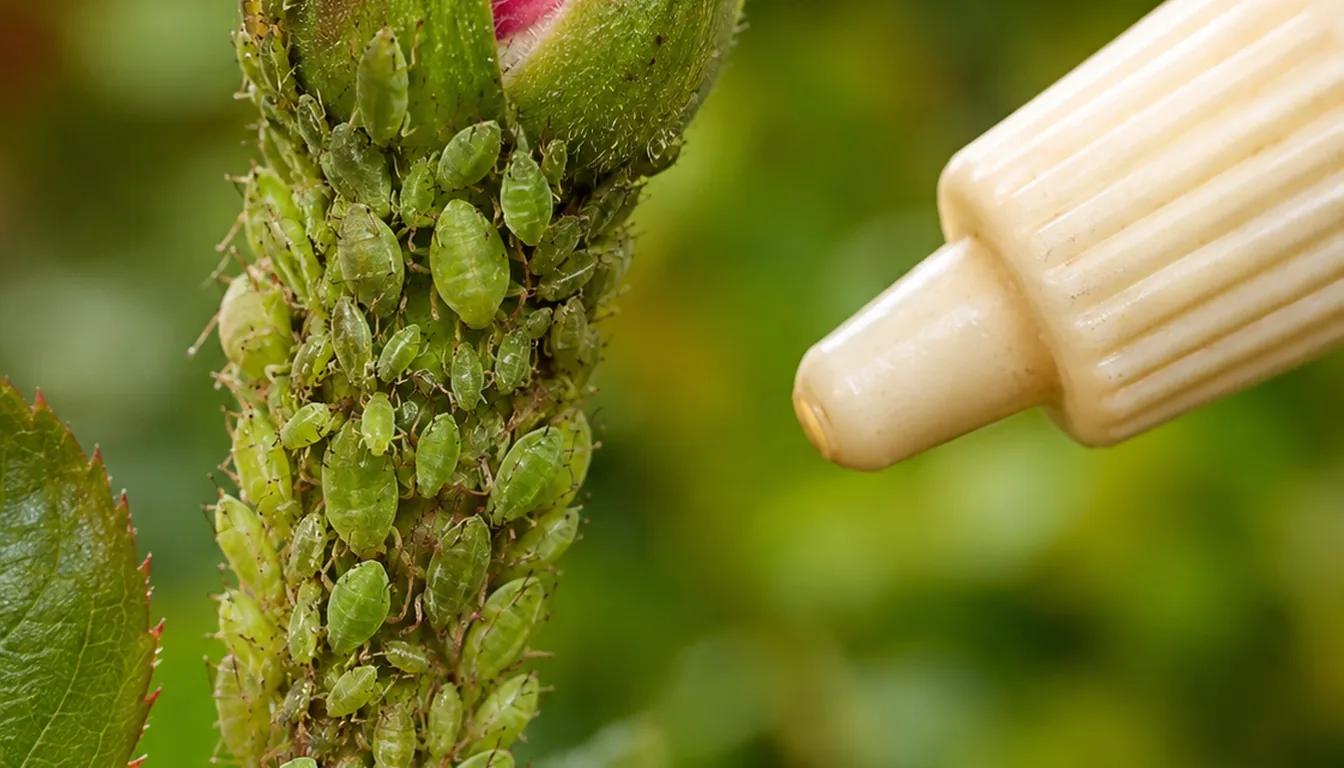
Aphids clustered on a rose shoot are exposed targets for direct coverage. Large beetles, borers inside stems, and mature armored scale present different problems and may need removal, pruning, trapping, or another labeled control.
Clean the Sprayer and Store the Concentrate by Its Label
Make only the batch you need because diluted spray may not remain stable or effective in storage. Never return mixed product to the concentrate bottle.
- Use the mixed spray only as the label permits
- Follow container-rinsing and sprayer-cleaning directions
- Keep rinsate out of sinks, toilets, storm drains, and surface water
- Store concentrate in its original labeled container
- Secure it away from children, pets, food, feed, heat, and freezing
- Follow local disposal rules for unusable product and empty containers
Do not pour leftovers onto gravel, weeds, or soil unless the label specifically permits application there. A pesticide remains regulated by its directions after the plant treatment is finished.
Record the product name, batch rate, plant, weather, and treatment date. That short note helps you respect the next application interval and identify the cause if foliage reacts.
The safest repeatable method follows one line. Keep the label, measure the real tank volume, mix in the stated order, maintain agitation, and stop when conditions or plant response say the application is unsuitable.
Pro Tips
- Read the directions for the exact neem formulation before selecting a rate.
- Measure for the water actually in the sprayer rather than its advertised maximum capacity.
- Do not add household soap unless the product label directs an added surfactant.
- Use a jar check for physical mixing and a separate leaf test for plant sensitivity.
- Re-agitate after a pause so the final plants do not receive a different concentration.
- Record the batch and application date before storing the concentrate.
Frequently Asked Questions
How much neem oil should I mix with one gallon of water?
Use the amount stated on the exact product label for the listed plant and pest. Neem products have different active ingredients and concentrations, so one gallon does not have a universal neem dose.
Do I need dish soap to mix neem oil?
Do not add dish soap automatically. Registered concentrates are formulated to disperse as labeled, and an extra detergent can increase leaf wetting or injury. Add a surfactant only when the product directions call for one.
Can I save mixed neem spray for next week?
Make only the batch you can apply as directed. A diluted mixture may separate or lose stability, and it should never be poured back into the original concentrate container.
Why did neem oil burn my plant leaves?
Possible causes include an excessive rate, overlapping spray, added detergent, sensitive foliage, plant stress, heat, strong sun, slow drying, or recent use of an incompatible product. Stop treatment and compare the conditions with the label warnings.
Can neem oil be used on vegetables before harvest?
Only when the product label lists that crop and use. Follow its preharvest interval and application limit because a blanket seven-day waiting period does not apply to every neem product.
Sources & References
Related Guides
Dawn Dish Soap for Grubs: What Actually Works
Soap solutions can help you spot-check for grubs and knock back a few pests, but they are not…
10 min read
Do Marigolds Keep Squirrels Away From Your Garden?
Squirrels can strip a bed of seedlings or freshly planted bulbs in a single morning.
11 min read
Do Squash Bugs Bite People?
No. A squash bug cannot bite you. Its mouthparts are a slender stylet built to pierce plant tissue…
9 min read
How Do You Get Rid of Spider Mites on Houseplants?
Spider mites on houseplants often can be reduced by repeatedly washing the leaf undersides.
11 min read
How Much Neem Oil Per Gallon? Read and Scale the Label Rate
There is no universal amount of neem oil per gallon. The rate belongs to the exact product and its…
11 min read
How to Control Fungus Gnats in Houseplant Soil
Fungus gnat control works best when it addresses the larvae in potting mix as well as the adults…
15 min read