
How to Use Companion Planting for Pest Control
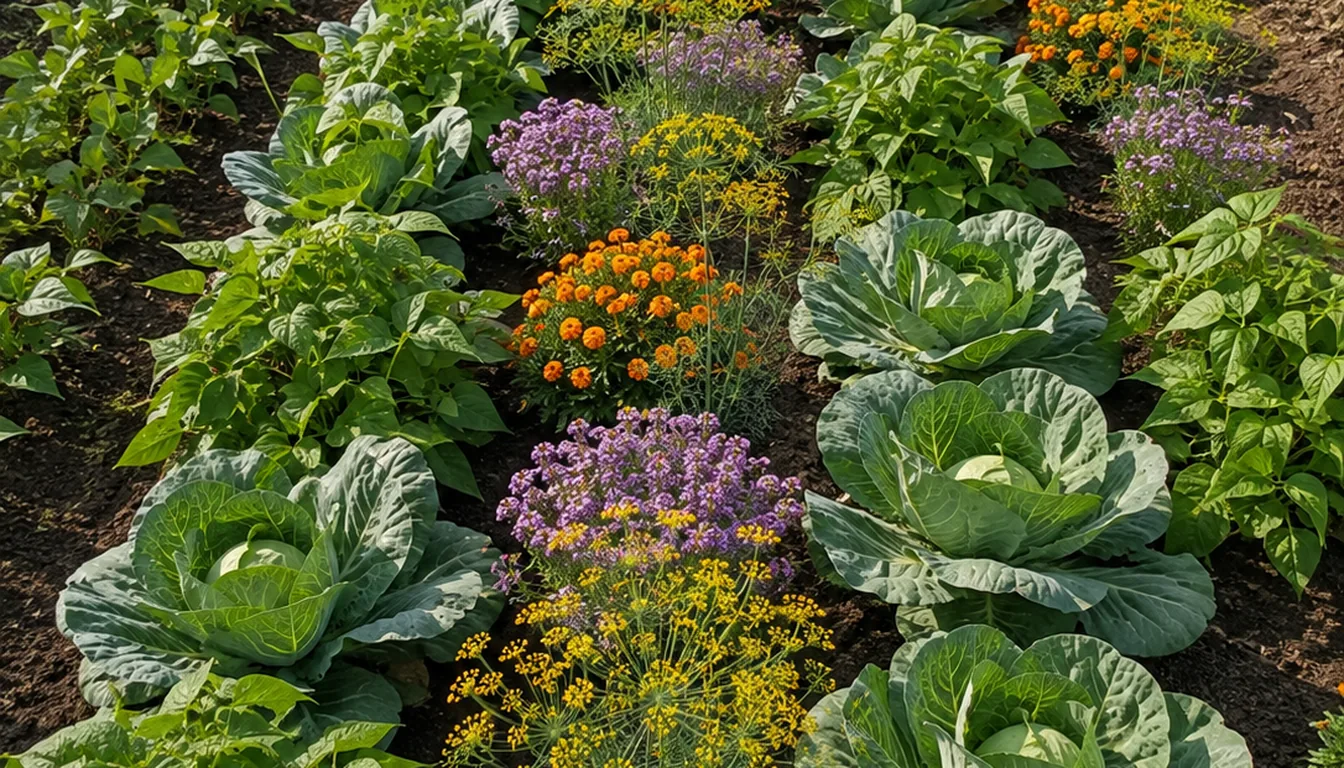
Companion planting can reduce some garden pest problems when you match a known pest with a tested intercrop, trap crop, or flowering habitat for its natural enemies. It works best as one layer of integrated pest management, not as a promise that one plant will protect every neighbor.
Start with the insect and the crop it damages. Then choose a planting with a plausible job, preserve the crop's normal spacing, and scout both plants to see whether damage is falling.
Research supports several specific combinations, including spicy brassicas used as flea beetle traps and Blue Hubbard squash used around other cucurbits. Evidence for many popular pairing charts is weak, so a pairing chart alone is not proof of protection.
At a glance
How Does Companion Planting Affect Garden Pests?
Companion planting is a broad label for several different tactics.
Treating them as separate mechanisms makes it easier to choose a useful plant and to notice when the plan is not working.
Some insects find host plants through a mixture of odor and visual cues. Intercropping can make a crop patch less obvious by adding different leaf shapes, heights, colors, and plant odors, which may reduce how often a pest lands and remains on the crop.
That effect is not a force field. A hungry insect can still find the host, and results that appear in a greenhouse or one field may not repeat with another cultivar, climate, planting density, or pest population.
Flowering companions work through a different route. Their nectar and pollen can feed adult hoverflies, lacewings, lady beetles, and tiny parasitoid wasps whose larvae or adults attack pests.
The flowers do not manufacture predators on demand. Beneficial insects also need suitable prey, shelter, water, and protection from broad-spectrum pesticides, and some will arrive too late to prevent early seedling damage.
Trap crops use attraction rather than repellency. A preferred plant draws a particular pest away from the crop you want to harvest, but the gardener must monitor and manage the concentrated pests before they reproduce or move back.
Which Companion-Planting Tactic Fits Your Pest?
Do not begin with a list of friendly plant pairs. Identify the damaged crop, inspect both leaf surfaces and stems, and look for the insect, eggs, cast skins, webbing, frass, or a consistent feeding pattern.
A companion plant can help only when its job intersects with the pest's behavior. A flower strip may support aphid predators, but it cannot stop a cutworm already feeding at the soil line.
| What you find | Useful planting tactic | Why it may help | What still matters |
|---|---|---|---|
| Flea beetles on brassica seedlings | Spicy brassica trap mix | Preferred hosts draw feeding away | Scout early and protect seedlings |
| Aphid colonies | Small open flowers | Nectar supports hoverflies and wasps | Check for predators and rising colonies |
| Cucumber beetles entering a cucurbit bed | Blue Hubbard perimeter | A more attractive squash intercepts beetles | Manage beetles on the trap crop |
| Imported cabbageworms | Tested brassica intercrop | Mixed cues can reduce crop finding | Inspect leaves and remove eggs or larvae |
| Soil nematodes | Diagnosed cover crop rotation | A suitable nonhost can reduce a specific nematode | Species and cultivar must match the assay |
| Unknown holes or wilt | No companion yet | The cause is not identified | Diagnose before changing the bed |
Match the scale of the tactic to the way the pest arrives. A perimeter trap crop makes sense for mobile beetles that enter from outside, while flowers scattered near crop rows place food within reach of small natural enemies.
Also ask whether planting can act soon enough. Physical exclusion is usually more dependable for vulnerable seedlings because row cover blocks egg laying immediately when installed over pest-free plants.
Use the most direct control for urgent damage.
Companion planting can support the longer plan while a barrier, hand removal, sanitation, or a pest-specific treatment handles the current outbreak.
How Do You Plan a Companion-Planted Bed?
Draw the food crops at their mature spacing first. Companion plants use the same light, water, nutrients, root room, and air as the crop, so squeezing them into every gap can trade insect damage for weak growth or leaf disease.
Next, mark where the target pest is most likely to enter or feed. Put a perimeter trap crop on the approach side, place an intercrop among or beside the vulnerable host, and reserve sunny pockets for flowers that need to bloom.

- Name the problemWrite down the crop, pest, usual arrival period, and plant stage that suffers the most damage.
- Choose one mechanismSelect a tested intercrop, a pest-specific trap crop, or habitat for a known natural enemy.
- Protect crop spacingUse the seed packet or local extension spacing for the mature food crop before fitting other plants around it.
- Place the tacticMatch the pest's movement with an edge, alternating row, small cluster, or flower strip.
- Keep access openLeave room to inspect leaf undersides, remove a trap plant, harvest, and water at soil level.
- Mark a comparisonKeep a similar crop patch without the tactic when space allows, then compare damage over time.
There is no universal number of companion plants per crop. A low alyssum edge, a tall dill plant, and a sprawling nasturtium occupy different amounts of space and supply different resources.
Use mature width and height instead of a fixed 12-inch rule. Keep tall companions from shading shorter vegetables, contain spreading mint outside the bed, and prune only when growth begins to block light or inspection.
In a raised bed or large container, one useful companion may be enough if it has room to flower without covering the crop. The main crop's growing conditions take priority.
How Do You Use a Trap Crop Without Spreading Pests?
A trap crop is deliberately more attractive to a target pest than the crop you plan to harvest. It succeeds only when the pest chooses it early and stays there long enough for you to act.
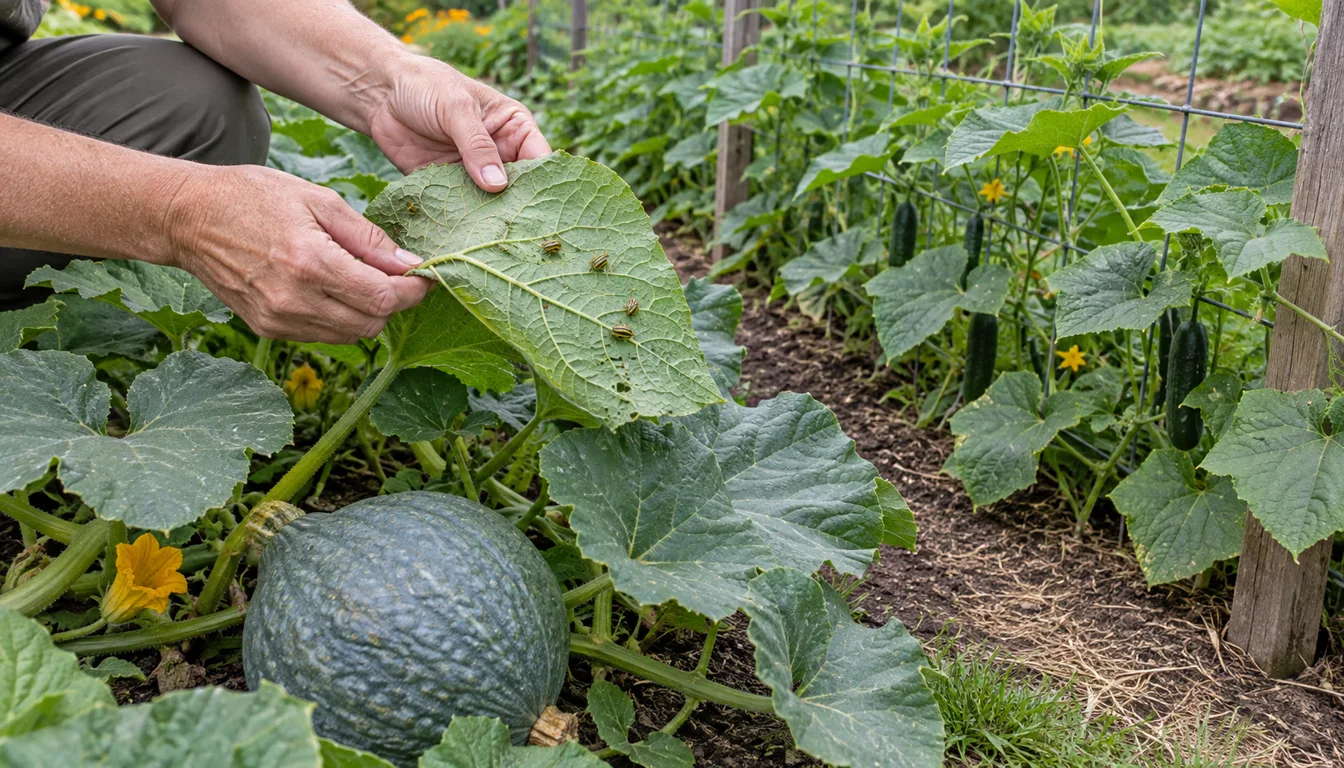
Blue Hubbard squash is a documented example for cucumber beetles, squash bugs, and squash vine borer around other cucurbits. Spicier brassicas such as arugula, mustard, rapeseed, and napa cabbage can draw flea beetles away from less-preferred brassicas.
Plant the trap crop before or at least as early as the protected crop so it is visible when the first adults arrive. Place it where incoming pests meet it, which often means a complete perimeter or the exposed edge rather than one token plant at the far end.
- The trap plant is a preferred host for the specific pest you identified
- It will be established when that pest normally arrives
- You can reach every trap plant for inspection and removal
- You know how you will destroy eggs, larvae, or adults found there
- The trap crop will not shade, climb over, or transmit disease to the main crop
- You will replace gaps that break a perimeter planting
Inspect trap plants more often than the harvest crop during the pest's arrival period. Hand-pick beetles and egg masses, remove heavily infested leaves, vacuum small beetles where practical, or apply a labeled, targeted treatment to the trap crop if monitoring shows that it is needed.
Do not let a sacrificial plant become an unmanaged nursery. If pests keep leaving the trap crop or damage rises equally on both plantings, remove the failing tactic and use a more direct control.
Trap cropping is highly specific.
A Blue Hubbard border does not protect cabbage from caterpillars, and a nasturtium covered in aphids does not prove that nearby beans would otherwise have carried those aphids.
Which Flowers Help Beneficial Insects?
Many predators and parasitoids eat pests when they are immature but use nectar or pollen as adults. A useful flower planting therefore supplies accessible food near the crop while leaving beneficial insects and their prey unharmed.
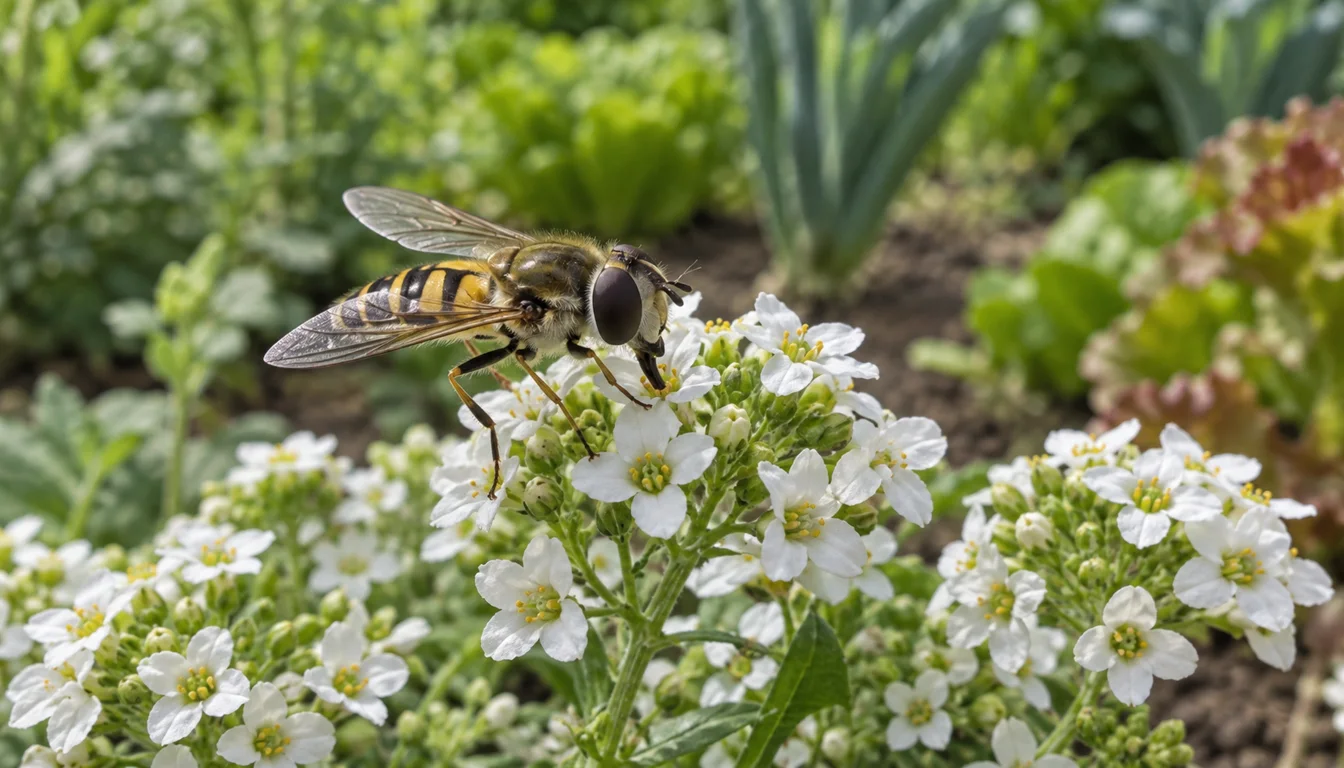
Small parasitoid wasps and flies often feed most easily from shallow, open flowers. Dill, parsley, cilantro, yarrow, alyssum, buckwheat, and other plants with small exposed florets can serve that job when they suit the site.
Flower shape alone is not enough. Plant several species with overlapping bloom periods so one resource replaces another from spring through fall, and favor single flowers whose centers remain accessible.
Early flowers
Use locally suitable early bloomers so hoverflies and other active insects find food before summer annuals open.
Small open flowers
Alyssum and carrot-family umbels expose nectar to small flies and parasitoid wasps.
Long bloom sequence
Stagger annual sowings and combine them with perennials that flower at different times.
Shelter and water
Mulch, permanent edges, and shallow water sources can support insects between feeding periods.
Some prey
Tolerate light, non-damaging pest populations so predators have food and remain in the garden.
Protected habitat
Avoid broad-spectrum and systemic insecticides that can kill natural enemies or contaminate nectar and pollen.
Do not buy lady beetles as a substitute for habitat. Adults released into an open garden often disperse, while a garden with food, prey, water, and shelter can support predators that arrive naturally.
Check flowers before spraying any pesticide, including products sold as natural. If treatment is justified, choose the narrowest labeled option, keep it off open blooms when the label allows, and follow every pollinator precaution.
Beneficial insects rarely erase a pest population. Their value is that they can slow growth, reduce crop damage, and help keep a small problem below the level that requires another control.
Which Companion Planting Combinations Have Evidence?
Research supports relationships between a particular crop, companion, pest, layout, and setting. It does not support treating the same plant as a general repellent everywhere.
| Main crop | Companion or tactic | Target | Evidence boundary |
|---|---|---|---|
| Brassicas | Arugula, mustard, rapeseed, or napa cabbage trap mix | Flea beetles | Diverse spicy brassica mixes performed better than one trap species |
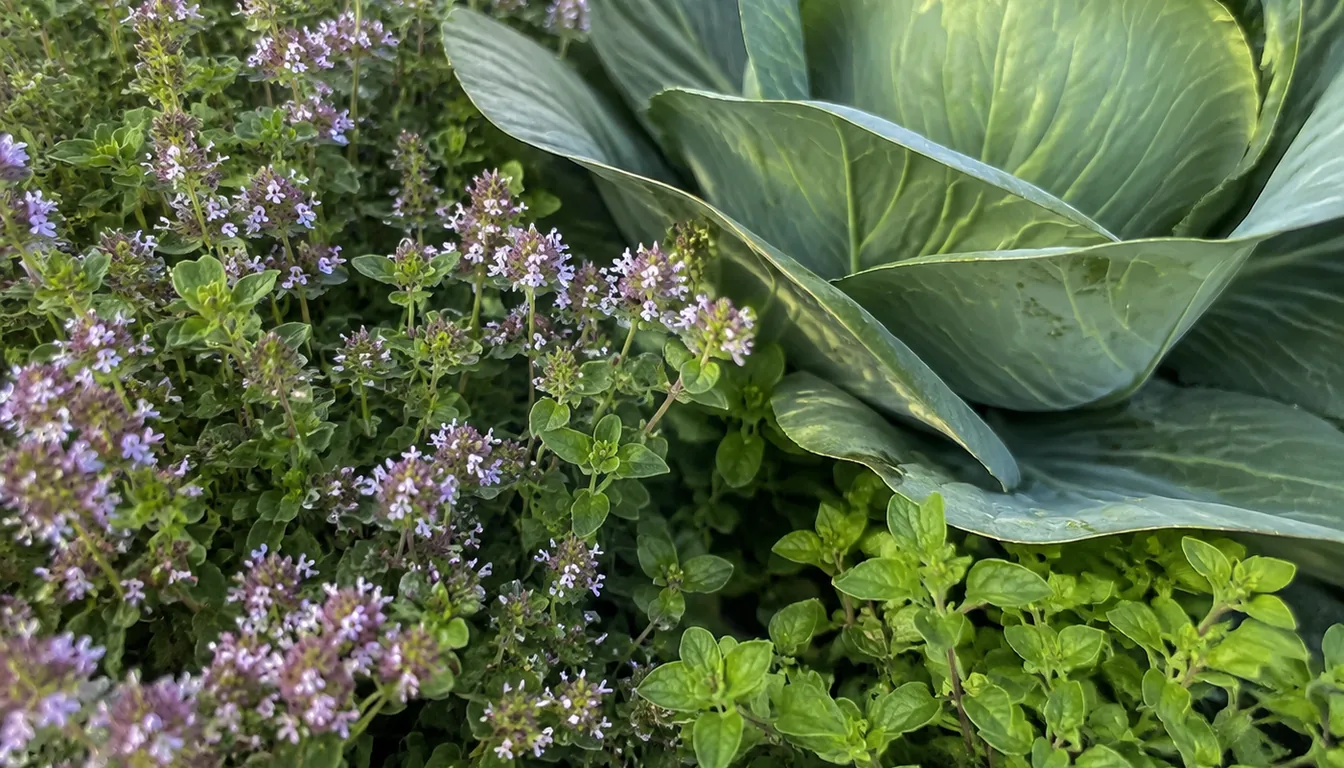
| Broccoli | Thyme, onion, and nasturtium | Cabbage looper and imported cabbageworm | Reduced damage in an Iowa field study |
| Cabbage | Marigold, onion, and nasturtium | Cabbage looper and imported cabbageworm | Reduced damage in the same regional research |
| Tomato | Basil or marigold intercrop | Thrips | Positive results exist in some field and greenhouse studies |
| Squash | Nasturtium or marigold | Squash bugs and cucumber beetles | Supported in studies cited by University of Minnesota Extension |
| Cucurbits | Blue Hubbard perimeter | Cucumber beetles, squash bugs, squash vine borer | Pest-specific perimeter trap system |
| Root-knot nematode site | Tested marigold cover crop before vegetables | Diagnosed nematode species | Cultivar and nematode must match, and interplanting is unreliable |
| Potato | Marigold border | Colorado potato beetle | Multiple studies found no useful deterrence |
The marigold distinction is especially important. Some French and African marigold cultivars can suppress certain root-knot nematodes when grown densely as a cover crop in the same soil before a susceptible vegetable.
University of Florida guidance calls for at least two months of cover-crop growth and warns that marigold cultivars differ in which nematodes they suppress or host. Interplanting a few flowers among tomatoes is not the same treatment and has not reliably reduced root-knot populations.
Tomato with basil is another example that needs a narrow claim. Some studies reported fewer thrips or better tomato growth, but that does not show that basil masks every tomato pest or eliminates treatment.
Use these examples as starting hypotheses for similar conditions. Record the cultivar, planting date, placement, pest counts, and damage so next year's plan is based on what happened in your bed rather than the pair's reputation.
Reject a pairing when no one can name its target or mechanism.
A claim that two plants grow well together may describe space use or harvest convenience, but it is not evidence of pest control.
When Should You Plant and Maintain Companions?
Work backward from the target pest rather than following one calendar for every garden. A trap crop must be attractive when adults arrive, while an insectary planting must be in bloom when predators and parasitoids need nectar.
Local extension pest calendars, last year's notes, and regular inspection give better timing than a universal instruction to start every companion two weeks early. Plant development also changes with temperature, day length, and cultivar.
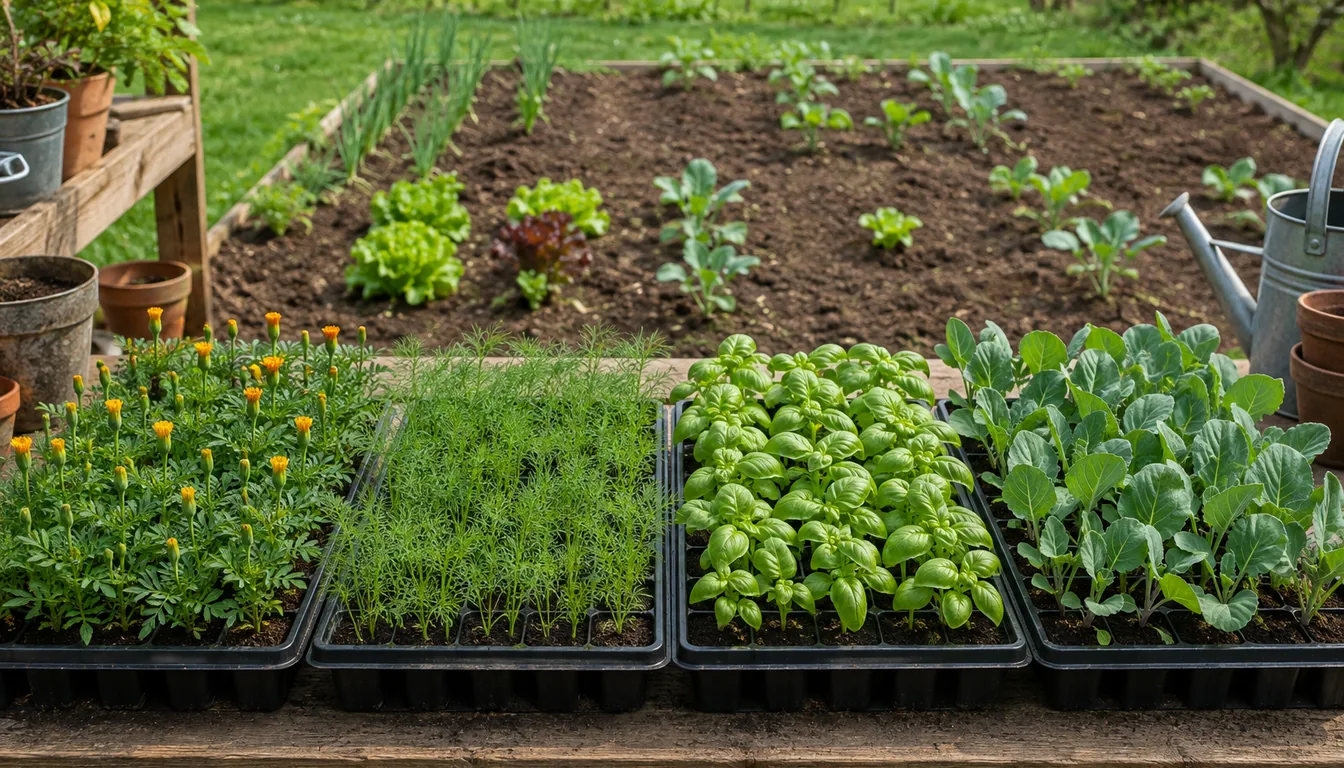
- Record when the target pest or its first damage appeared last season
- Check days to flower or mature size for each companion cultivar
- Start slow annuals indoors only when transplanting suits that species
- Sow quick flowers in small successions to extend bloom
- Establish a trap crop before the expected arrival period
- Replace gaps in a perimeter or strip while the tactic is active
- Remove flowers before seed set when volunteers would become a weed problem
Preserve airflow as all plants fill out. Water at soil level when possible, keep leaves from resting on damp soil, and cut back foliage that hides the crop or prevents inspection.
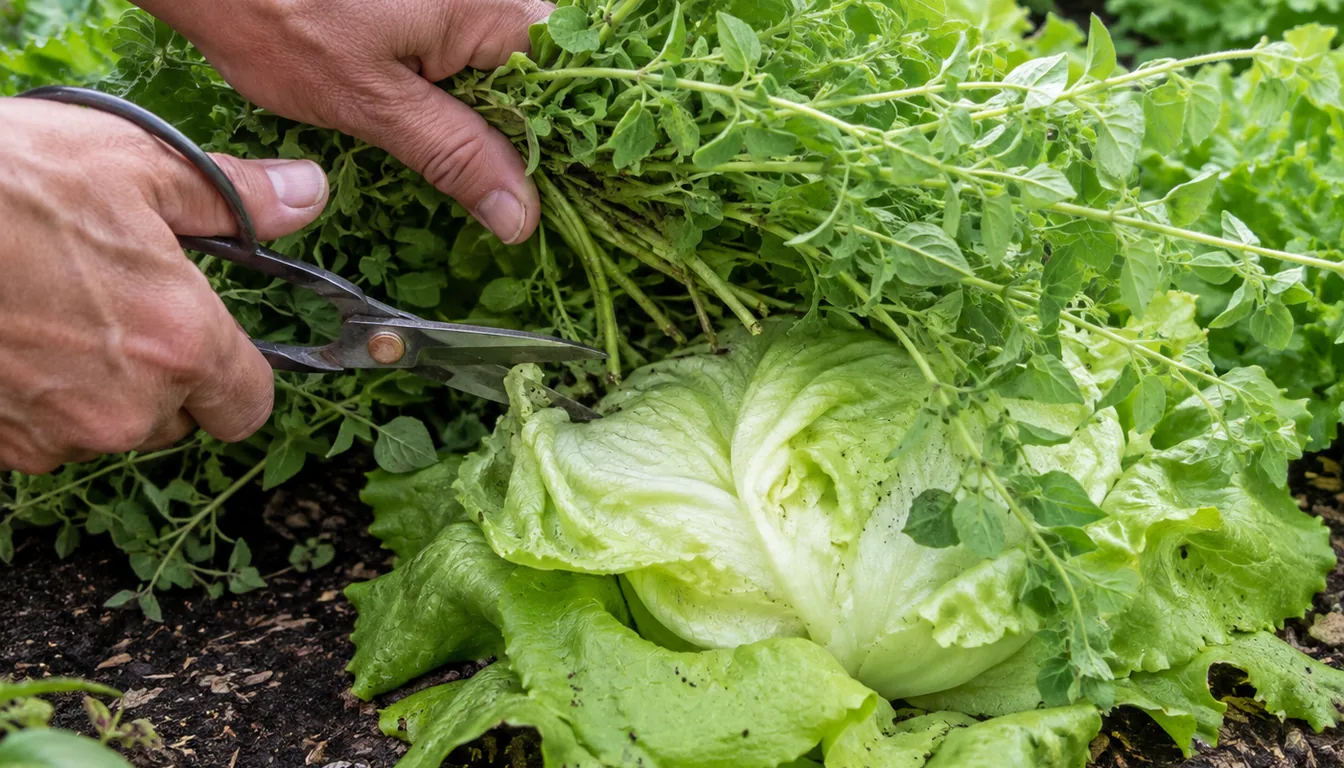
Deadheading can extend bloom for some annuals and perennials, but it is not a universal rule. Some flowers rebloom after cutting, while others need succession sowing or should be allowed to set seed for wildlife and next season.
Do not fertilize heavily to make companions grow faster. Excess nitrogen can produce soft crop growth that is attractive to some sap-feeding insects, and vigorous companions can overwhelm a small bed.
At the end of the season, remove diseased crop residue and heavily infested trap plants.
Keep healthy perennial habitat where it supports overwintering insects, and record which bloom periods or bed edges were empty.
How Do You Know Whether Companion Planting Works?
Judge the tactic by crop damage, pest activity, and natural-enemy activity over time.
Seeing bees on flowers or aphids on a nasturtium does not by itself show that the harvest crop received protection.
Choose the same inspection points each time, such as five plants along the exposed edge and five near the center. Look at comparable leaves, record the number with fresh damage, and note eggs, larvae, adults, predators, and parasitoid signs.
- Inspect on a scheduleCheck the same plants at least weekly during the known pest period and more often when seedlings are vulnerable.
- Separate old from new damageMark or photograph damaged leaves so fresh feeding is easy to recognize at the next visit.
- Count both sidesRecord pest activity on the crop and on any trap crop, plus predators or parasitoid evidence nearby.
- Compare the patternUse an untreated comparison patch when practical or compare with reliable notes from a similar previous planting.
- Set an action pointDecide what level of fresh damage or pest increase will trigger hand removal, exclusion, pruning, or treatment.
- Review the tacticKeep, move, or remove the companion according to repeated results rather than one good or bad day.
Home gardeners can set a practical action point based on the crop stage and the part they harvest. One caterpillar hole on a mature kale leaf may be acceptable, while the same larva can destroy a newly transplanted seedling.
Look for signs that natural enemies are already working. Aphid mummies, hoverfly larvae, lacewing eggs, lady beetle larvae, and parasitized caterpillars may justify watching before treating.
Escalate when fresh damage keeps rising across checks. Correct the diagnosis first, then add the least disruptive method that can protect the crop in time.
Companion planting has earned a place in the plan when the harvest crop stays below your action point without creating crowding, weeds, or a pest reservoir.
What Should You Use When Companion Planting Is Not Enough?
Integrated pest management combines prevention, monitoring, and several controls instead of asking one tactic to solve every outbreak. Companion planting usually belongs among the cultural and biological layers of a natural pest control plan.
Install floating row cover over pest-free seedlings before adult insects can lay eggs underneath. Secure the edges, uncover insect-pollinated crops when flowers need pollinator access, and inspect beneath the fabric because covers can also hide weeds, heat stress, or pests trapped inside.
Hand-pick caterpillars and beetles, prune a localized colony, wash aphids from sturdy plants, remove crop residue that shelters pests, and rotate annual crop families where rotation can interrupt a life cycle. These actions work directly and make it easier to tell whether the companion tactic adds value.
If damage still exceeds your action point, identify a product labeled for the pest, crop, and site. Treat only the affected area when the label permits, follow timing and protective directions, and avoid open flowers or active beneficial insects as directed.
Several common shortcuts deserve rejection.
One marigold cannot repel every insect, aromatic herbs do not create a reliable scent barrier, and planting more companions will not correct a wrong pest identification.
Avoid aggressive species that escape cultivation or hide the crop. Keep mint in a container, remove self-sown companions before they dominate, and select plants suited to the available sun and water.
The strongest plan is simple enough to maintain.
One known pest, one evidence-backed planting tactic, one monitoring method, and one backup control will teach you more than a crowded bed built from a universal companion chart.
Pro Tips
- Photograph the pest and fresh damage before changing the bed so later checks use the same reference.
- Let a few cilantro, dill, or parsley plants flower when their small umbels fit the site and season.
- Keep mint and other aggressive spreaders in separate containers rather than burying pots inside a food bed.
- Place tall flowers where their mature height will not shade the harvest crop.
- Inspect trap crops from the first pest arrival through the vulnerable crop stage.
- Record combinations that fail as carefully as combinations that help because both improve next year's plan.
Frequently Asked Questions
Does companion planting really work for pest control?
It can reduce some pests when a particular crop, companion, pest, and layout have a sound mechanism or research support. Results vary with climate, timing, cultivar, pest pressure, and maintenance.
Use companion planting as one IPM tactic and keep it only when repeated scouting shows less fresh crop damage.
How close should companion plants be to vegetables?
There is no universal companion-plant spacing. Keep the vegetable at its recommended mature spacing, then place the intercrop, flower patch, or trap crop where it can do its job without blocking light, airflow, inspection, or harvest.
A perimeter trap crop and a low flowering edge need very different layouts.
Do marigolds keep pests away from every vegetable?
No. Research supports some marigold combinations for certain insect pests, while studies found no useful deterrence of Colorado potato beetles.
Some marigold cultivars can suppress particular root-knot nematodes when grown as a dense cover crop before vegetables, but a few flowers interplanted beside tomatoes do not provide the same treatment.
Can companion planting replace row cover or pesticides?
Usually not. Row cover prevents egg laying when installed over pest-free young plants, while companion planting tends to influence pest movement or support natural enemies over time.
Use direct controls when damage is urgent, and apply any pesticide only when its label includes the crop, pest, and site.
Can I use companion planting in raised beds and containers?
Yes, if every plant has enough root room, light, water, and airflow at mature size. A low flower at the edge of a raised bed or one flowering herb in a large container can support beneficial insects without crowding the harvest crop.
Avoid aggressive spreaders and do not use a fixed ratio of companions to vegetables.
How long does companion planting take to reduce pests?
There is no reliable four-week or full-season promise. A trap crop can begin intercepting pests when it is established and attractive, while beneficial-insect habitat helps only after useful flowers open and natural enemies find the site.
Track fresh damage and pest activity on the same plants through the vulnerable crop period.
Sources & References
- University of Minnesota Extension, Companion Planting in Home Gardens
- Oregon State University Extension, Encouraging Beneficial Insects in the Garden
- Sustainable Agriculture Research and Education, Impact of Cover Crops on Natural Enemies and Pests
- Sustainable Agriculture Research and Education, Perimeter Trap Cropping
- University of Florida IFAS Extension, Marigolds for Nematode Management
- Penn State Extension, Steps to Controlling Insect Pests in the Garden
- UC Statewide IPM Program, Protective Covers
Related Guides
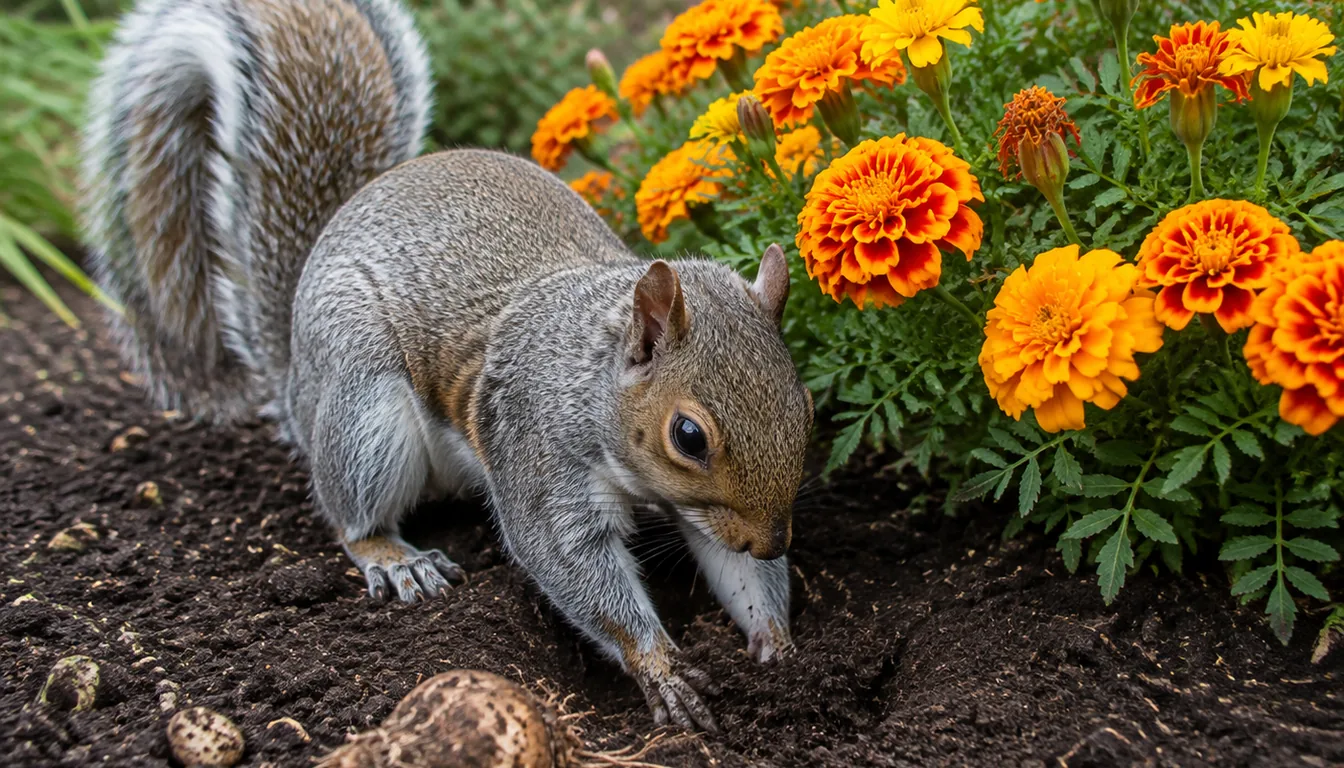
Do Marigolds Keep Squirrels Away From Your Garden?
Squirrels can strip a bed of seedlings or freshly planted bulbs in a single morning.
11 min read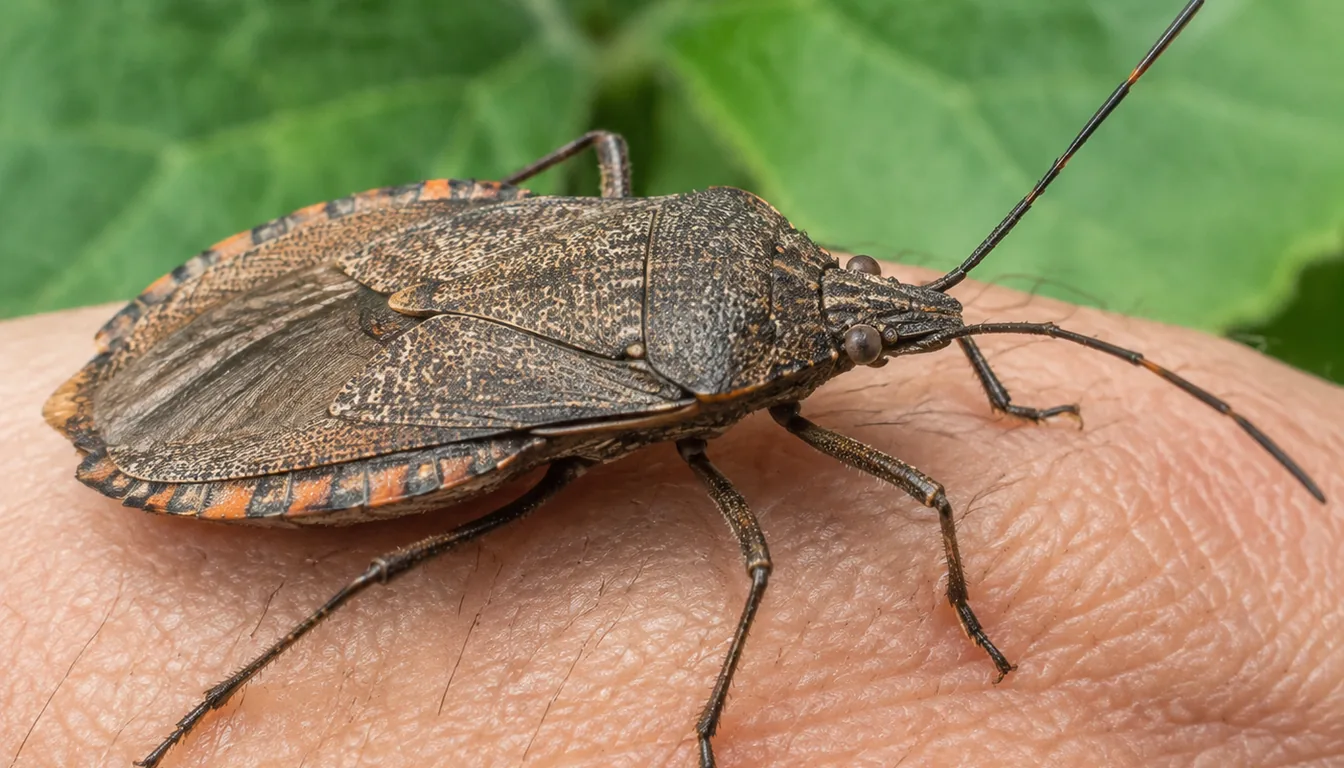
Do Squash Bugs Bite People?
No. A squash bug cannot bite you. Its mouthparts are a slender stylet built to pierce plant tissue…
9 min read
Does Dawn Dish Soap Kill Grubs? Why It Fails and What Works Instead
No. Dawn and other dish detergents do not bring white grubs to the surface, and they do not kill…
9 min read
How Do You Get Rid of Spider Mites on Houseplants?
Spider mites on houseplants often can be reduced by repeatedly washing the leaf undersides.
11 min read
How Much Neem Oil Per Gallon? Read and Scale the Label Rate
There is no universal amount of neem oil per gallon. The rate belongs to the exact product and its…
11 min read
How to Control Fungus Gnats in Houseplant Soil
Fungus gnat control works best when it addresses the larvae in potting mix as well as the adults…
15 min read