
Which Plants Do Japanese Beetles Avoid?
Japanese beetles usually avoid or cause little damage to boxwood, clematis, chrysanthemums, conifers, daylilies, geraniums, ginkgo, lilacs, magnolias, redbuds, rhododendrons, yews, and several maples and oaks. Replacing repeatedly damaged plants with these less-preferred choices can lower the amount of hand-picking and pesticide use a yard requires.
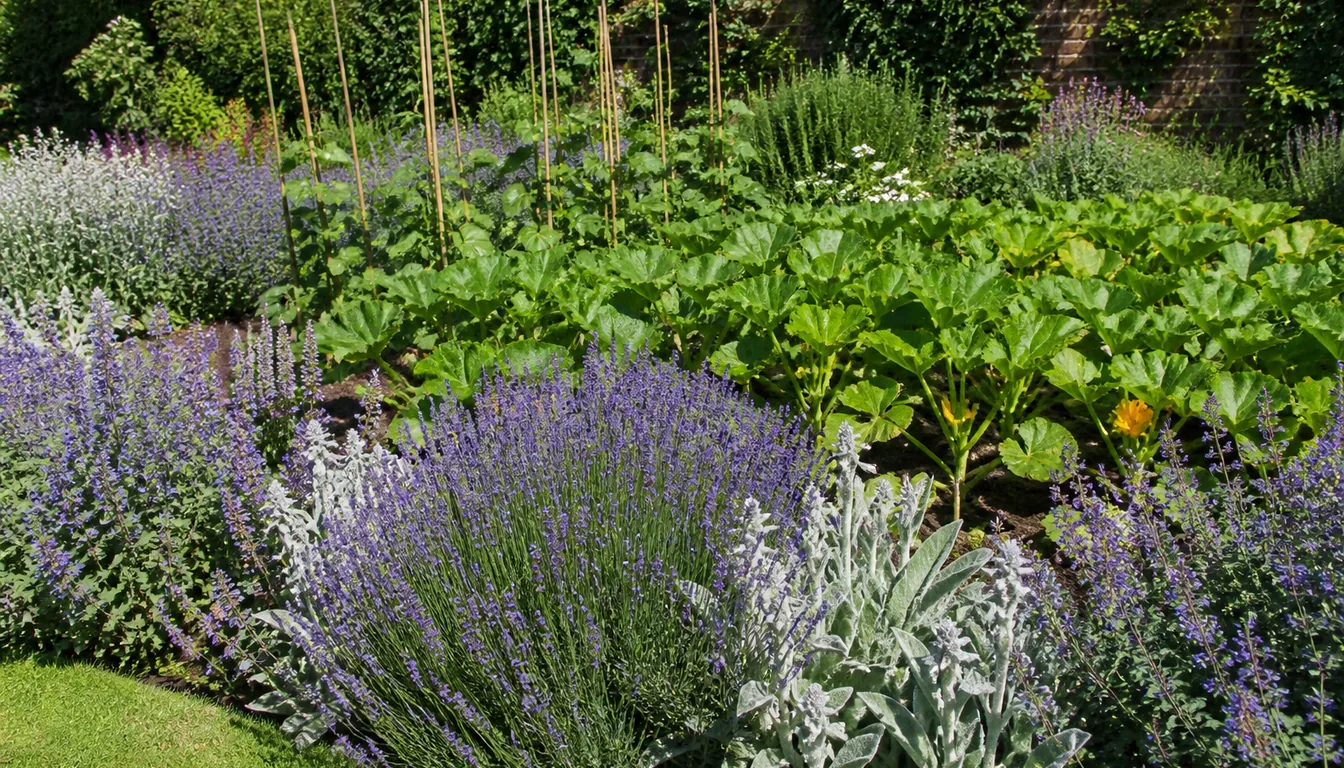
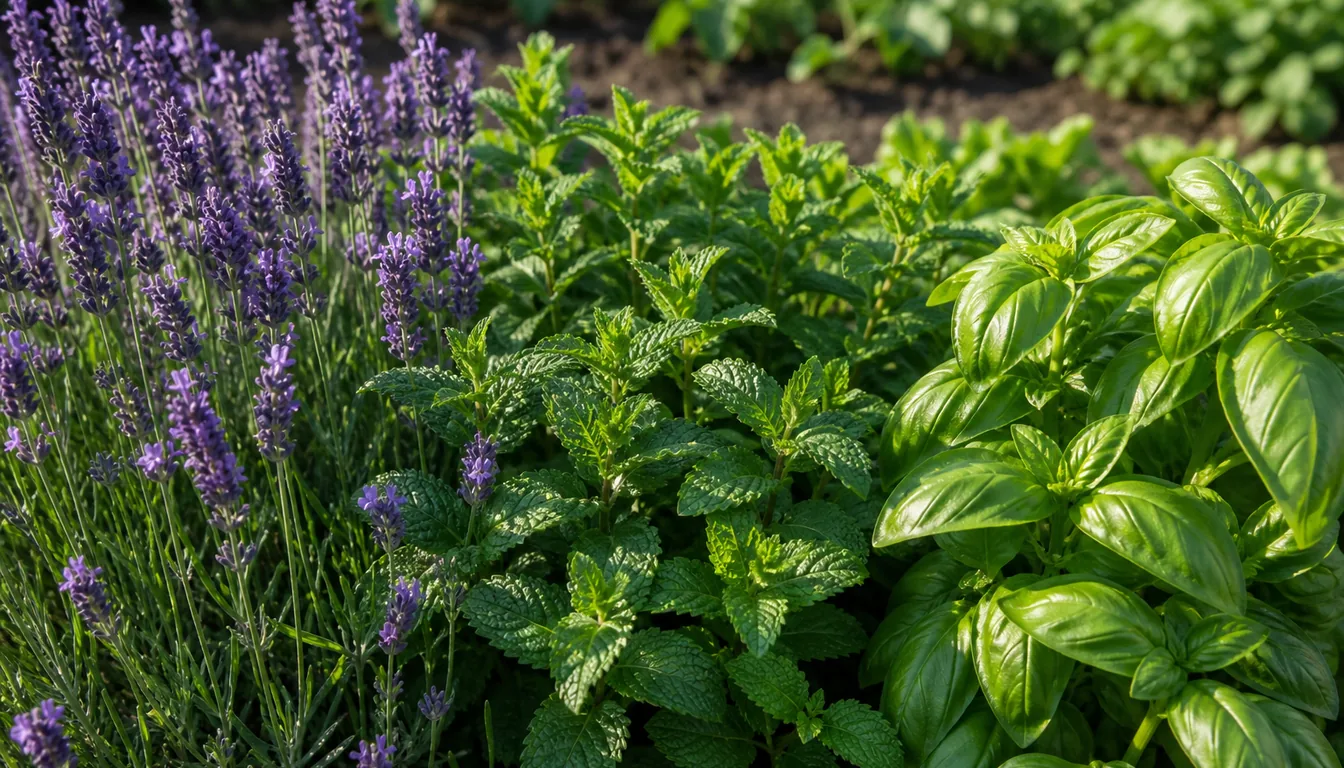
Lavender, mint, garlic, catnip, and other aromatic companions are often called Japanese beetle repellents, but planting them around a rose does not create a proven protective barrier. Use resistant plants to build a less vulnerable landscape, then monitor and manage beetles directly on the valuable plants you keep.
At a glance
Do Companion Plants Really Repel Japanese Beetles?
A resistant plant is one that adult beetles seldom damage. A repellent companion would have to reduce beetle arrival or feeding on another plant, and Extension recommendations do not support treating herb borders as a dependable force field.
That distinction changes the design job. Planting lavender near roses may add flowers and pollinator forage, while the rose can still attract beetles flying from outside the property.
Adults respond to favored hosts and to odors released from damaged foliage. Once several beetles begin feeding, the site can become more attractive to others, which is why direct monitoring matters more than a ring of scented leaves.
- Resistant plant
- The beetle seldom damages that plant itself
- Repellent claim
- Would need evidence that one plant protects another nearby
- Useful landscape strategy
- Replace chronic targets with less-preferred species
- Remaining job
- Inspect valued susceptible plants during adult flight
Keep herbs if they suit the soil, light, cooking, or pollinator plan. Do not space or fertilize them according to a made-up beetle-control recipe.
Is the Damage Really From Japanese Beetles?
An adult Japanese beetle is about 3/8 inch long, with a metallic green head and thorax, copper-brown wing covers, and small white hair patches along each side of the abdomen. Those white tufts help separate it from similar metallic beetles.
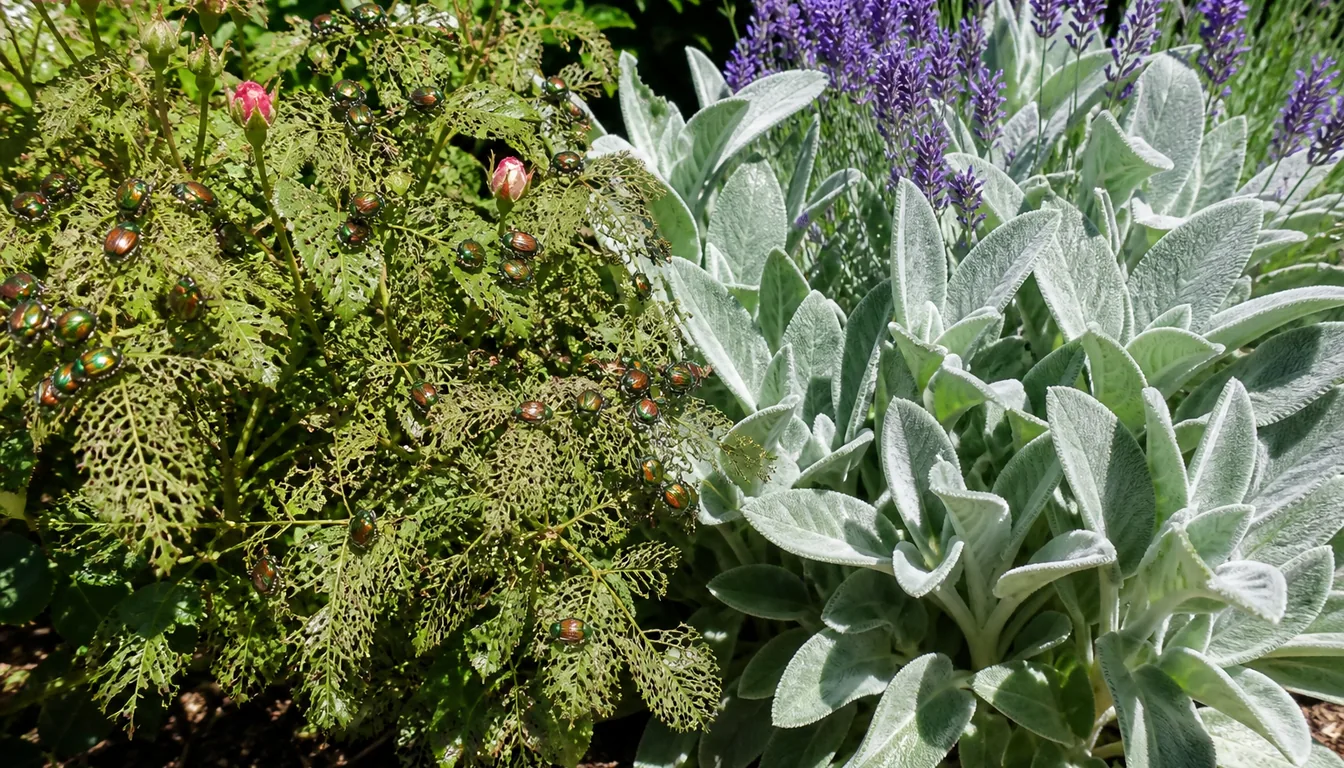
Adults often skeletonize leaves by eating the tissue between veins. They also chew flower petals, buds, and ripe fruit, and groups are easier to see on warm, sunny foliage near the top of a plant.
Do not diagnose from holes alone.
Caterpillars, sawfly larvae, leafcutter bees, slugs, and other beetles leave different patterns or appear at different times.
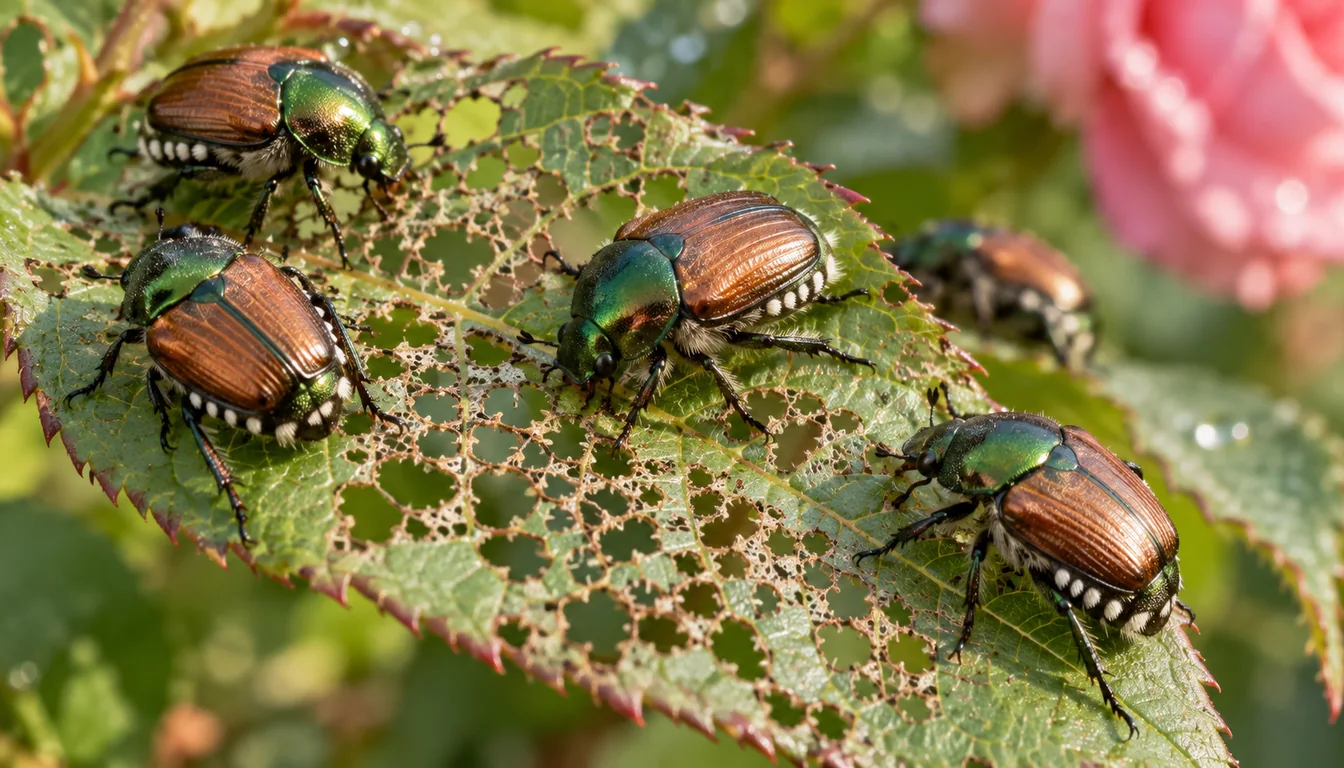
- Metallic green thorax and copper wing covers present
- White hair tufts visible along both sides of the abdomen
- Leaf tissue removed between larger veins
- Adults or fresh feeding found on the damaged plant
- Flower or fruit injury checked before blaming a leaf-only pest
A mature tree can tolerate noticeable cosmetic feeding, while a newly planted shrub or a fruit crop may justify faster action.
Judge the plant's health and the part being eaten before choosing a control.
Which Plants Are Least Likely to Be Damaged?
University of Minnesota Extension lists plants that Japanese beetles usually do not damage, including boxwood, clematis, chrysanthemum, conifers, daylily, geranium, ginkgo, Japanese tree lilac, forsythia, common lilac, magnolia, red and silver maple, oak, white poplar, redbud, rhododendron, and yew.
Treat any list as a strong starting point rather than a guarantee. Local beetle pressure, plant health, cultivar, and available food can change what an insect samples.
| Landscape role | Less-preferred choices to investigate | Site question before buying |
|---|---|---|
| Evergreen structure | Boxwood, spruce, fir, pine, yew, arborvitae | Does the species fit winter exposure, drainage, and mature size? |
| Flowering shrub | Forsythia, common lilac, rhododendron | Will bloom, soil pH, and moisture fit the site? |
| Small or specimen tree | Ginkgo, Japanese tree lilac, magnolia, redbud | Are roots, utilities, overhead space, and regional hardiness suitable? |
| Shade tree | Red maple, silver maple, oak | Is the mature tree appropriate near pavement and structures? |
| Flowering perennial | Chrysanthemum, daylily, geranium | Is the plant hardy locally, and does it need sun or shade? |
| Vertical accent | Clematis | Can its roots stay cool while the vine receives suitable light? |
Choose among these plants for their whole-site fit.
A Japanese-beetle-resistant boxwood still fails in saturated soil, and a tree that outgrows its space creates a larger problem than insect feeding.
Resistance reduces feeding risk. Adults can still fly to a neighbor's grapevine, rose, or fruit tree even when most of your planting is less preferred.
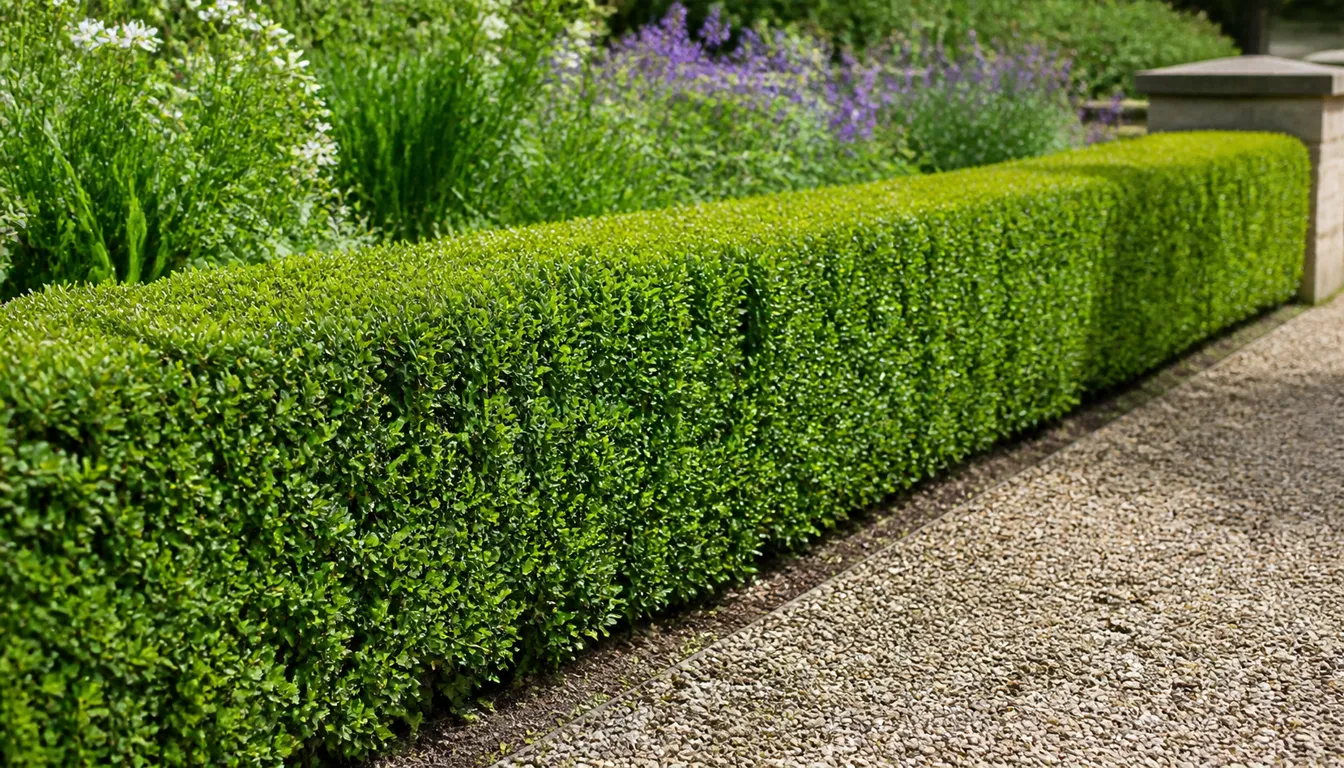
Boxwood
Evergreen structure that adult Japanese beetles usually leave alone
- Mature fit
- Choose a cultivar whose mature width fits the bed or hedge
- Main tradeoff
- Resistance does not excuse poor drainage or crowded airflow
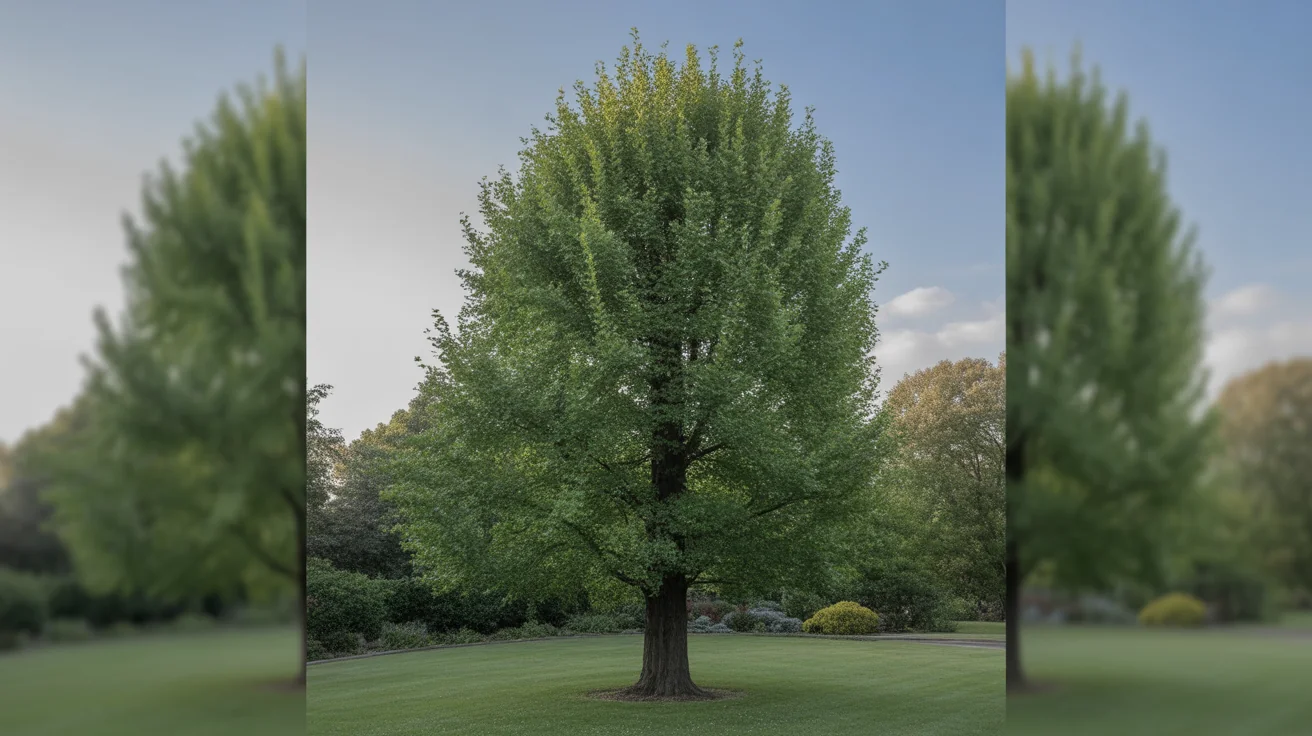
Ginkgo Tree
A specimen or street tree with low beetle appeal
- Mature fit
- Reserve room for the mature tree rather than the nursery container
- Main tradeoff
- Choose the cultivar and sex before planting because long-term form differs
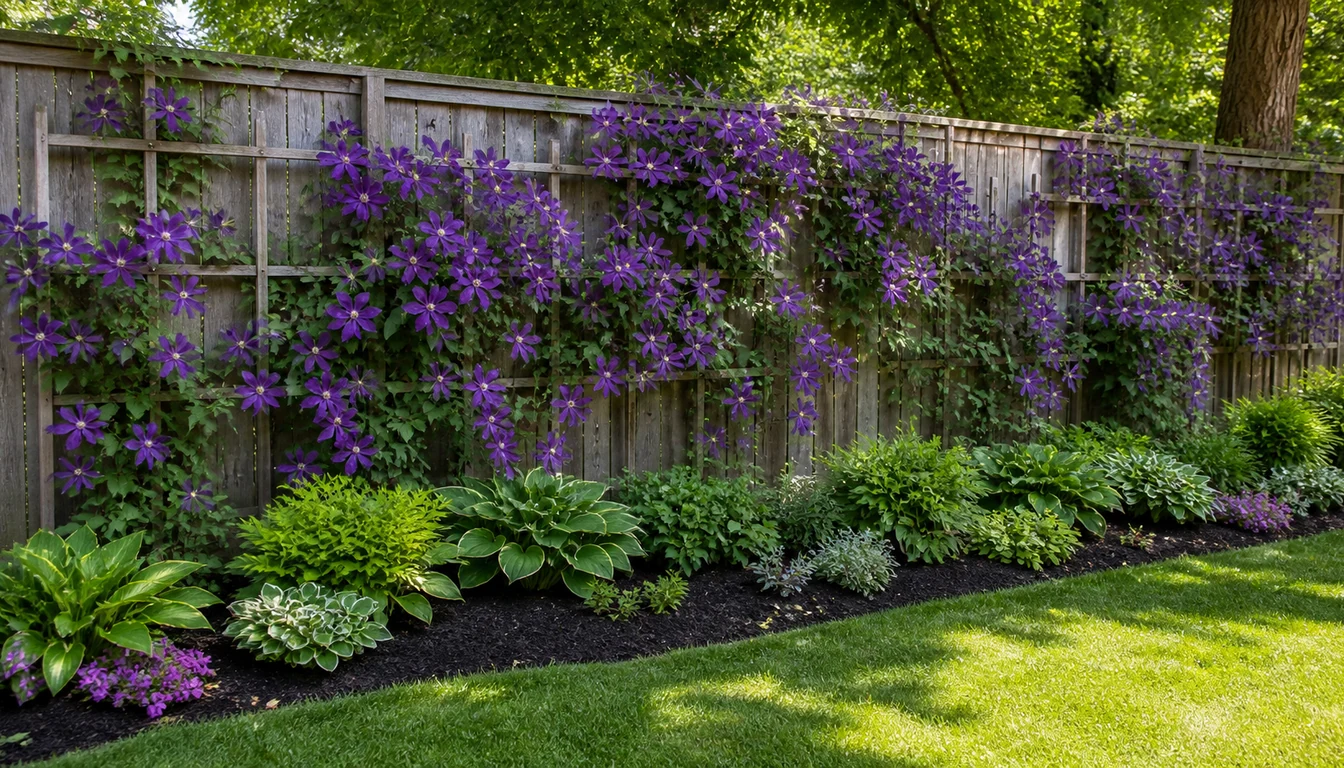
Clematis
Flowering vertical color on a narrow support
- Mature fit
- Its leaf stalks need thin trellis material they can wrap around
- Main tradeoff
- Pruning depends on the plant's group, so keep the label
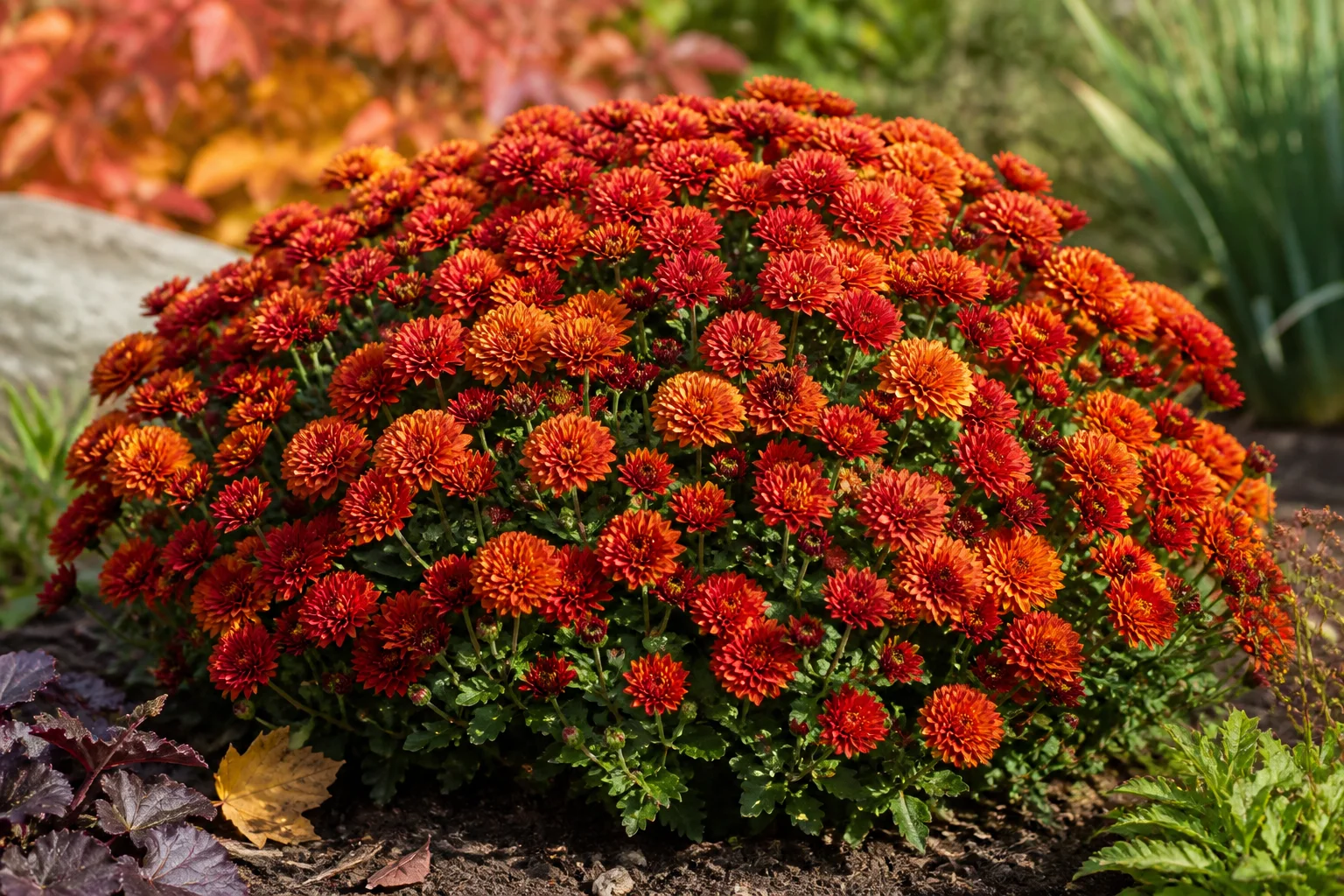
Chrysanthemum
Fall color from a flowering perennial beetles usually avoid
- Mature fit
- Place hardy garden mums in full sun and well-drained soil
- Main tradeoff
- Late-season gift mums may not establish before winter
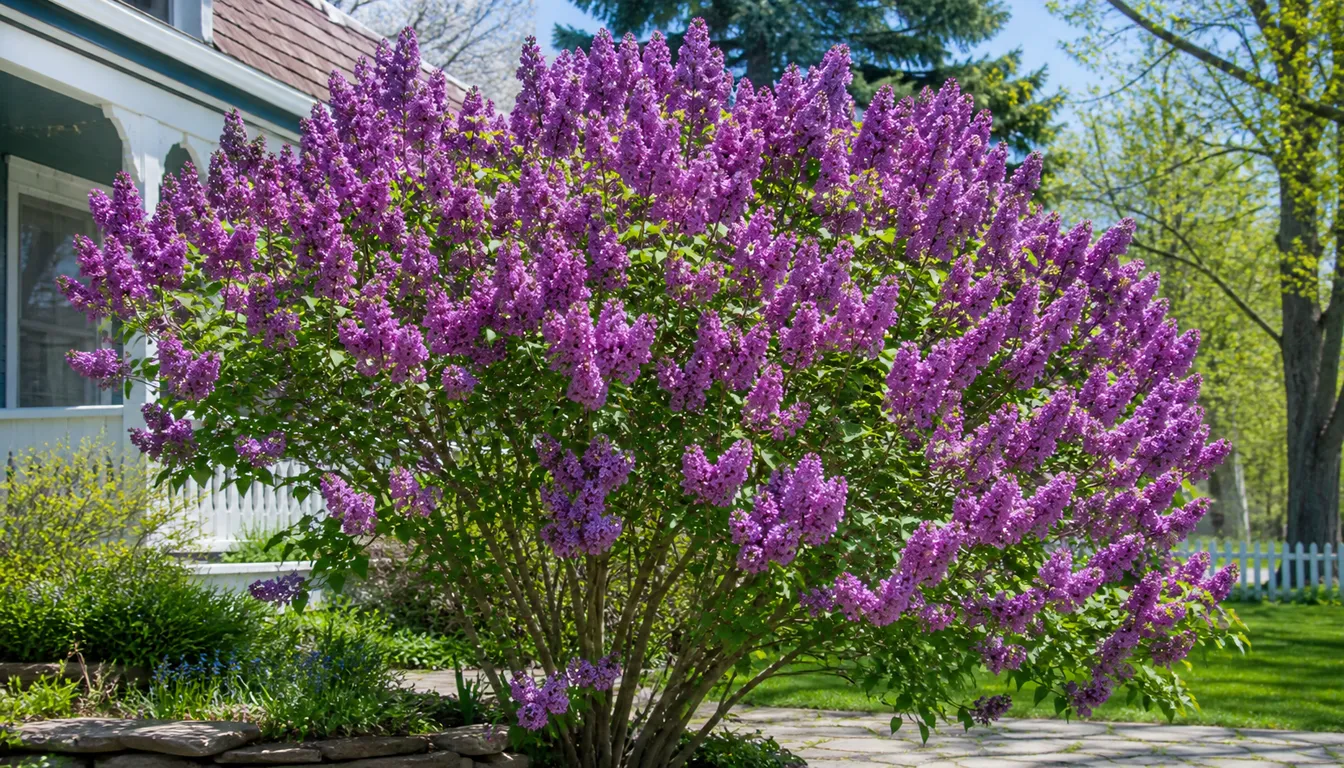
Lilac
A fragrant flowering shrub with low beetle appeal
- Mature fit
- Give it full sun and room for an open multi-stem form
- Main tradeoff
- Shade or late pruning reduces bloom even when beetles do not
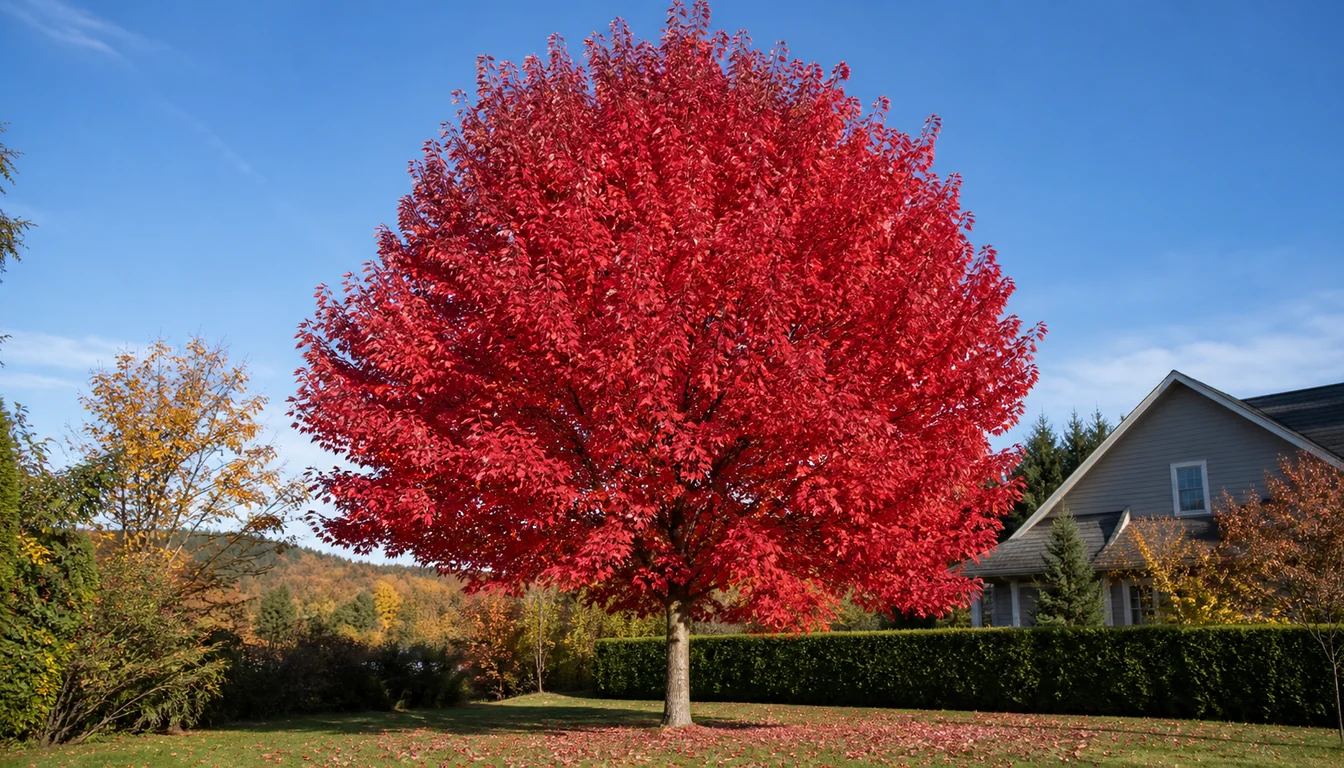
Red Maple
A broad shade tree less preferred than Japanese maple
- Mature fit
- Allow full canopy and root space away from pavement
- Main tradeoff
- Young branch structure and soil moisture still need attention
Which Plants Attract the Heaviest Feeding?
Roses and grapes are familiar high-risk hosts, and Japanese beetles also feed on many fruit crops, linden, sassafras, Japanese maple, and other ornamentals. The species eats hundreds of plants, so a susceptible list helps prioritize inspection rather than predict every bite.
Keep a valued host if its flowers, fruit, shade, or history justifies the work. Move routine inspection onto that plant instead of treating every leaf in the yard.
Keep and monitor
A healthy mature plant with tolerable cosmetic damage
Protect during flight
A rose, young tree, or fruit crop where buds, fruit, or establishment growth matters
Replace over time
A plant stripped severely every year that has a suitable resistant alternative
Do not use as a trap crop
A sacrificial favorite can attract and support more feeding without protecting the rest of the garden
Avoid planting a deliberately attractive rose or grape away from the garden as a lure unless a research-backed local program specifically recommends it. Beetles are strong fliers, and feeding beetles release cues that recruit more beetles to damaged foliage.
A mixed border can keep the landscape presentable when one plant is damaged. Its benefit comes from distributing risk, not from confusing an insect with a particular scent pattern.
How Do You Protect Roses and Other Valued Plants?
Start inspecting favored plants when adults normally emerge in your area, often from early summer onward. Look at upper leaves, flowers, and fruit on warm sunny exposures, then revisit the same plants because adult flight continues for weeks.
Small plantings can be managed by knocking beetles into soapy water in the cool morning or evening. Begin before clusters become large, because damaged foliage and feeding beetles can draw more adults.
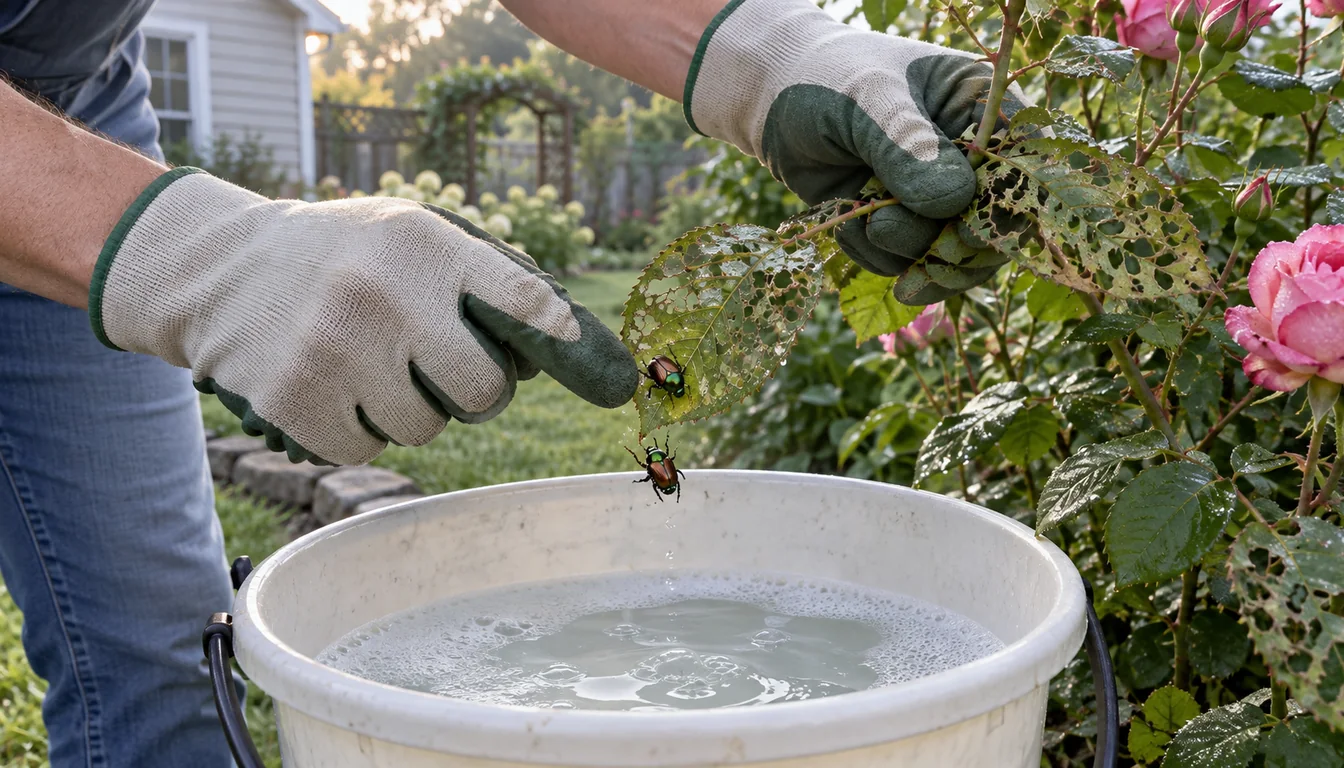
- Carry a wide containerAdd water and enough soap to break the surface tension.
- Hold it below the insectsPosition the container before touching the leaf or flower.
- Disturb the branch gentlyCool beetles often drop instead of flying.
- Check hidden surfacesLook beneath flower clusters and along the sunniest outer foliage.
- Repeat by observationReturn when new adults appear rather than following a fixed calendar.
Remove only badly damaged leaves that no longer contribute useful green tissue or create sanitation problems. Stripping every skeletonized leaf adds stress to a plant that is already losing photosynthetic area.
For wider pest decisions, the natural pest control guide explains how monitoring and thresholds fit into a garden-wide plan.
Do Japanese Beetle Traps Protect a Garden?
Commercial traps use floral odors and a sex pheromone to pull adult beetles toward the lure. University of Kentucky research found that traps can attract more beetles than they catch, leaving susceptible plants along the flight path with greater damage.
That makes a trap beside roses or a vegetable bed a poor default. A distant trap may be useful for research or monitoring in a specific program, but a small residential lot may not offer enough separation from plants you care about.
Yellow bags full of beetles can look like proof of success while the garden receives more visitors.
Judge the plant damage, not the number inside the bag.
Pheromone traps do not prevent larvae already in the soil from feeding on grass roots. Adult management and grub management are separate decisions.
When Is a Spray Worth Considering?
A healthy established ornamental often survives temporary leaf skeletonization, so no treatment may be the best choice. Protection matters more when beetles threaten fruit, flower buds, a newly established plant, or repeated defoliation that the plant cannot replace.
Read the current product label for the exact plant and site. Products differ in how quickly they work, how long they protect foliage, which crops they allow, and how they affect bees and other non-target organisms.
| Situation | Lower-impact starting point | Escalation question |
|---|---|---|
| A few beetles on reachable flowers | Hand-pick into soapy water | Are new adults arriving faster than removal controls damage? |
| Cosmetic feeding on a healthy mature plant | Tolerate and monitor | Is the canopy losing enough green tissue to affect vigor? |
| Beetles on edible fruit or leaves | Use only products labeled for that crop and harvest interval | Can netting or removal protect the harvest instead? |
| Blooming plant visited by bees | Avoid spraying flowers and pollinators | Can treatment wait until bloom ends or use a safer labeled option? |
| Tall tree with severe repeated injury | Consult a certified arborist or licensed applicator | Does the tree's value justify treatment and non-target risk? |
Neem can deter some feeding for several days but loses usefulness under heavy pressure and requires label-led repeat applications. The detailed neem application guide is limited to houseplants, so do not transfer its product or indoor-use directions to an outdoor landscape.
Broad-spectrum and systemic insecticides can harm pollinators, especially when residues reach flowers. Never treat a blooming plant while bees are visiting unless the label explicitly allows that use and the risk has been resolved.
Will Treating Lawn Grubs Stop Adult Beetles?
Japanese beetle larvae are C-shaped white grubs that live in soil and feed on grass roots. Adults can fly into a yard from elsewhere, so killing grubs under one lawn does not guarantee fewer beetles on the roses above it.
Inspect turf only when symptoms and timing support a grub diagnosis. A spongy patch that lifts like loose carpet, damaged roots, and animals digging for larvae justify sampling several spots rather than treating the whole lawn from one grub.
Different scarab larvae look similar, and products vary by grub species and life stage. Identify the grub, measure the local population, and follow regional Extension timing before choosing a biological or conventional treatment.
Adult flight from other yards limits what one lawn treatment can accomplish.
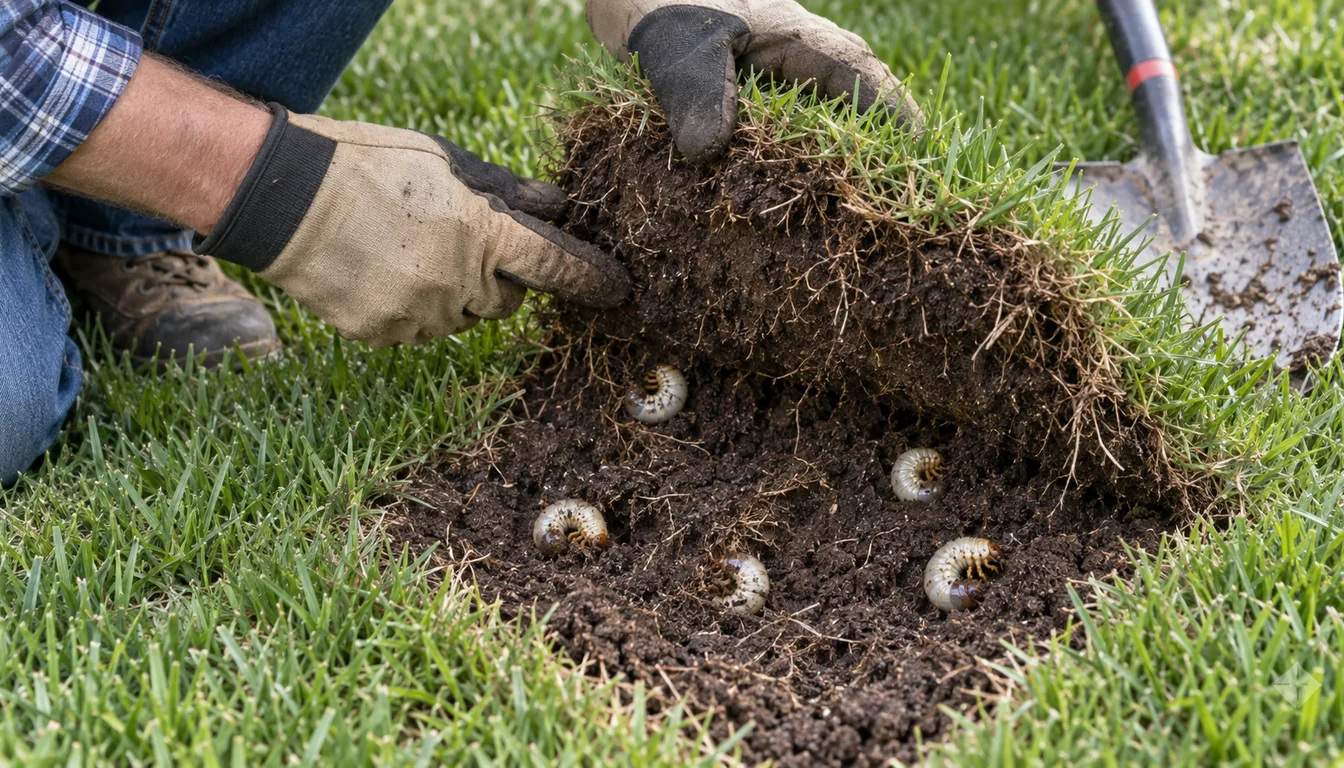
- Turf symptoms mapped instead of assuming every brown patch is grubs
- Several samples checked across damaged and healthy grass
- Larvae identified beyond the generic white C-shaped body
- Treatment threshold taken from current local guidance
- Product label matched to species, timing, site, and irrigation needs
Frequently irrigated summer turf can favor egg and young-grub survival. Change irrigation only within the limits of the grass species, drought rules, and lawn goals, because deliberately stressing turf can trade one problem for another.
Should You Keep, Protect, or Replace a Damaged Plant?
Count the cost across several summers. Ten minutes of morning hand-picking for a treasured rose may be reasonable, while spraying a large flowering tree every season can create expense and pollinator risk far beyond its landscape value.
Also separate appearance from plant survival. A lacy leaf is alarming, but an established woody plant may keep enough green canopy to recover after adult feeding ends.
Keep
Damage is temporary, the plant stays vigorous, and its value exceeds the small control job
Protect
Flowers, fruit, or new growth need help during the limited adult-flight period
Replace
Repeated severe injury demands treatment you do not want to perform
Redesign
Several favorite hosts concentrate damage in one bed and resistant plants can carry the same landscape roles
When replacing, match the alternative to light, soil, moisture, mature size, and regional ecology before using beetle resistance as a tiebreaker. A resistant plant in the wrong site still becomes a maintenance problem.
The best long-term result is a yard that remains useful and attractive even during a heavy beetle year. That comes from fewer highly preferred hosts, early detection on the ones you keep, and direct action proportional to the damage.
Pro Tips
- Use white abdominal hair tufts and copper wing covers to confirm an adult Japanese beetle before acting.
- Choose less-preferred plants for their complete site fit, then treat beetle resistance as an extra benefit.
- Inspect roses, grapes, fruit, and upper sunny foliage early in the adult flight period.
- Knock cool morning beetles into soapy water before feeding groups become large.
- Keep pheromone lures away from valued plants because the trap attracts beetles into its area.
- Sample and identify lawn grubs before buying a product, since adult beetles can arrive from other properties.
Frequently Asked Questions
What plant do Japanese beetles hate most?
No single plant reliably repels beetles from an entire bed. Japanese beetles usually cause little damage to boxwood, chrysanthemums, conifers, daylilies, geraniums, ginkgo, lilacs, magnolias, redbuds, rhododendrons, yews, and several maples and oaks.
Do marigolds repel Japanese beetles?
Do not rely on marigolds to protect another plant. Grow them for their flowers and site fit, then inspect susceptible roses, grapes, fruit, and vegetables directly.
Does garlic repel Japanese beetles?
Garlic is often repeated on companion-planting lists, but planting garlic beside a susceptible host is not a dependable control. Physical removal, suitable resistant plants, and label-led controls have clearer evidence.
What is the best way to remove Japanese beetles from roses?
For a manageable planting, hold a container of soapy water beneath the beetles and disturb the branch during the cool morning or evening. Repeat when new adults arrive and avoid removing useful green leaves unnecessarily.
Why should Japanese beetle traps stay away from the garden?
The floral and pheromone lures attract beetles toward the trap, and research found that more can arrive than the trap catches. Susceptible plants near the trap or along the flight path may suffer more damage.
Will killing grubs in my lawn protect my plants?
It may reduce a confirmed local grub population, but adults fly from other properties and can still feed in your yard. Diagnose and manage turf grubs separately from adult feeding on landscape plants.
Sources & References
- Japanese Beetles in Yards and Gardens, University of Minnesota Extension
- Japanese Beetles in the Home Garden, Penn State Extension
- Japanese Beetles in the Urban Landscape, University of Kentucky Entomology
- Japanese Beetles in the Urban Landscape PDF, University of Kentucky Entomology
- Japanese Beetles, Clemson Cooperative Extension
Related Guides
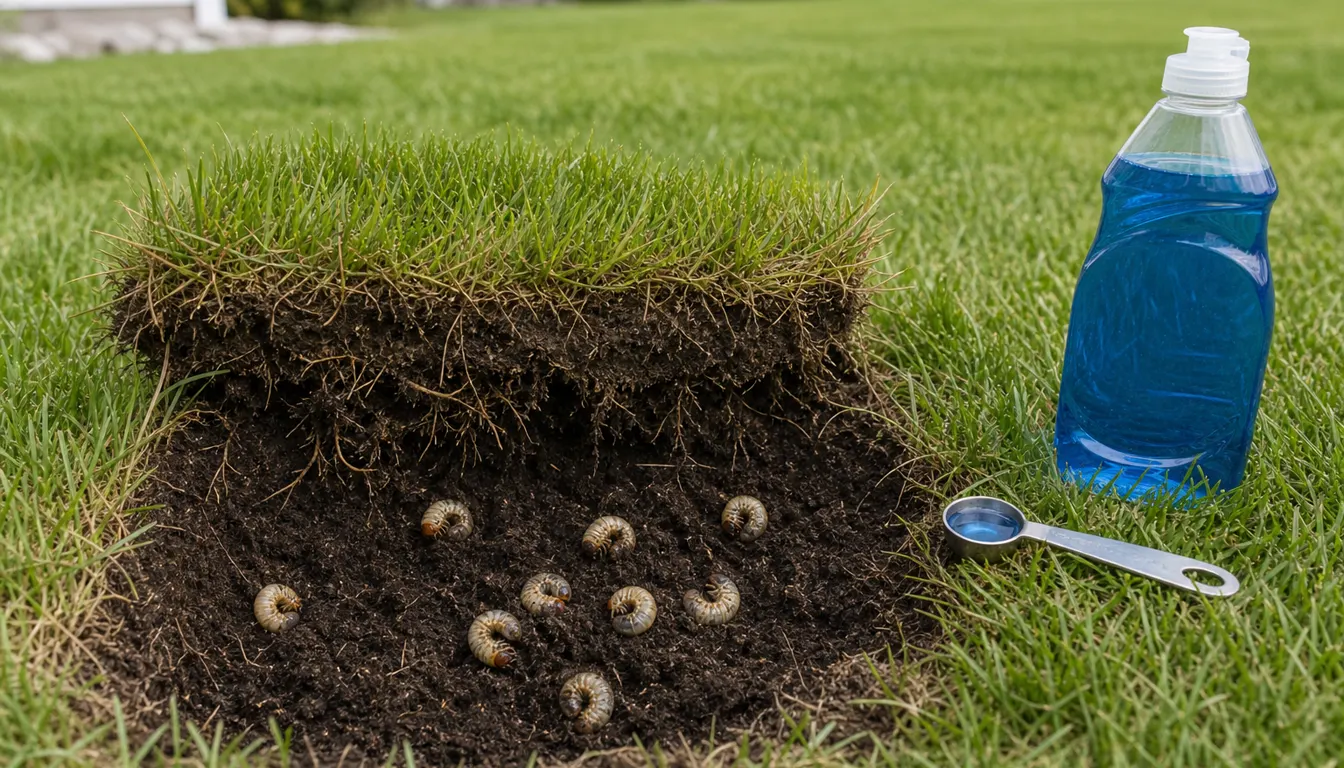
Dawn Dish Soap for Grubs: What Actually Works
Soap solutions can help you spot-check for grubs and knock back a few pests, but they are not…
10 min read
Do Marigolds Keep Squirrels Away From Your Garden?
Squirrels can strip a bed of seedlings or freshly planted bulbs in a single morning.
11 min read
Do Squash Bugs Bite People?
No. A squash bug cannot bite you. Its mouthparts are a slender stylet built to pierce plant tissue…
9 min read
How Do You Get Rid of Spider Mites on Houseplants?
Spider mites on houseplants often can be reduced by repeatedly washing the leaf undersides.
11 min read
How Much Neem Oil Per Gallon? Read and Scale the Label Rate
There is no universal amount of neem oil per gallon. The rate belongs to the exact product and its…
11 min read
How to Control Fungus Gnats in Houseplant Soil
Fungus gnat control works best when it addresses the larvae in potting mix as well as the adults…
15 min read