
How to Keep Petunias Flowering in Pots, Baskets, and Beds
Petunia x hybrida Solanaceae
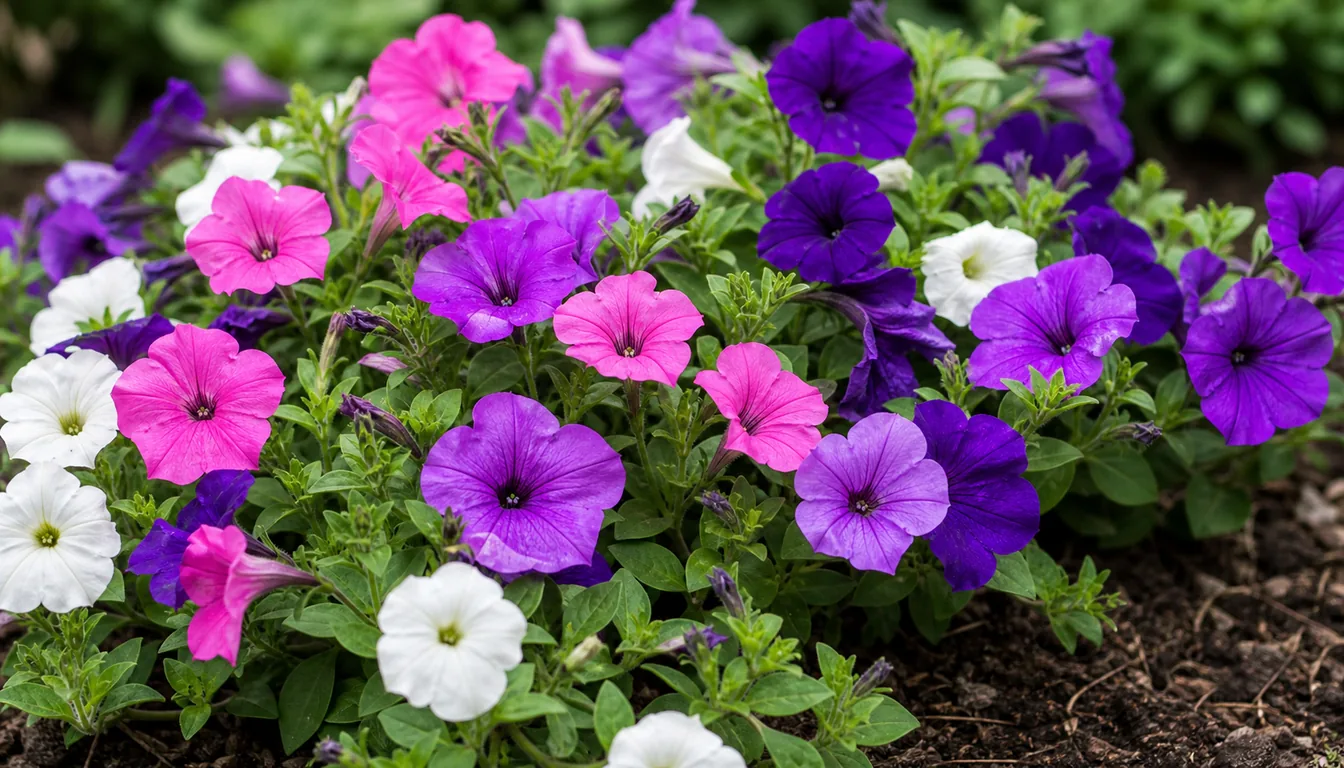
Petunias are warm-season annuals grown for months of trumpet-shaped flowers in containers, hanging baskets, window boxes, and sunny beds. They bloom heavily when they get full sun, steady moisture, regular feeding, and the right deadheading or trimming for their type.
Care snapshot
Why Petunias Need More Attention Than They Look
The useful starting point is that Petunias are grown like easy annuals, but heavy bloom takes real fuel. A basket covered in flowers is using water and nutrients faster than a simple bedding annual.
Modern Petunia x hybrida includes mounding, trailing, spreading, grandiflora, multiflora, and small-flowered types. The right choice depends on whether you need a tidy bed edge, a hanging basket, or a ground-covering wave of color.
They are in the nightshade family with tomatoes, but they are grown for flower performance, not edible use. Treat them as ornamental plants even though they are generally considered low-risk around pets.
Calibrachoa, the tiny-flowered million bells sold right beside petunias, was actually split off into its own genus once DNA and chromosome studies showed it was distinct enough from true Petunia, even though the two still look and grow almost identically.
Soil and Feeding for Constant Flowers
The soil decision comes first, since Petunias flower best in fertile, well-drained soil. In beds, mix compost into the top layer before planting, but avoid soggy low spots.
Container petunias are hungrier. A slow-release fertilizer at planting plus regular liquid feeding keeps the bloom engine running, especially for trailing types.
For baskets, light regular feeding beats occasional heavy feeding. If water runs through the pot every hot afternoon, nutrients leave with it, so use a steady dilute routine during active bloom and back off when growth slows.
Container mix for petunias should hold moisture but drain fast. Dense garden soil in a pot compacts around the roots and makes watering harder, especially in hanging baskets.
- Bed soil
- Fertile, drained soil with compost mixed before planting
- Potting mix
- Light outdoor container mix with drainage
- Feeding
- Slow-release at planting, then light regular liquid feed
- Warning
- High nitrogen gives leaves at the expense of flowers
Petunias prefer soil on the slightly acidic side, roughly pH 5.8 to 6.2, similar to many of their nightshade-family relatives, so a standard outdoor potting mix usually needs no pH adjustment at all.
Watering Pots and Baskets
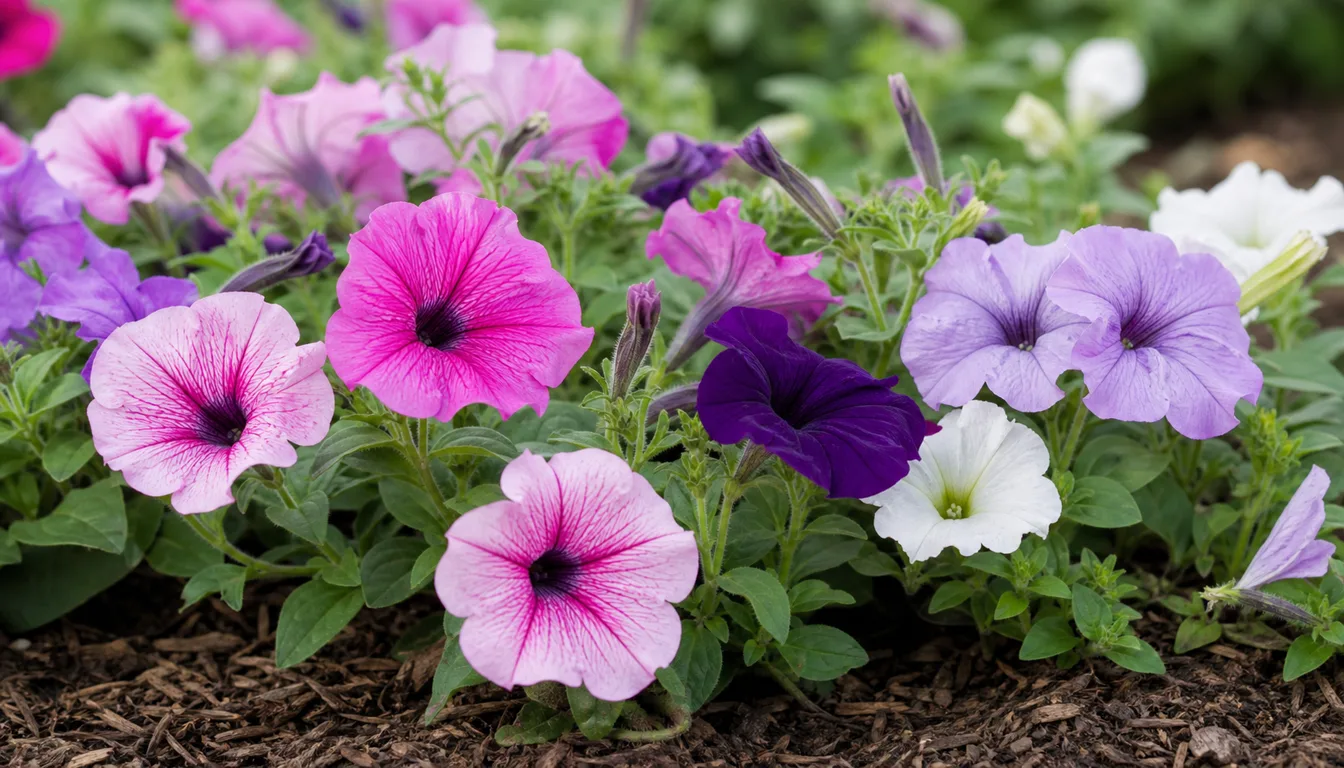
The watering target is practical, since Petunias need consistent moisture to keep blooming. Letting a basket wilt hard can cause bud drop, yellow leaves, and a pause in flowers that takes days to recover.
Containers may need daily water in summer, and small hanging baskets can need more than one check during heat waves. Use the potted plant watering method, soaking fully, draining fully, then watering again when the top inch dries.
Beds and baskets dry in different ways, so the best check changes with the container, since petals, roots, and pot weight all give clues.
The heavy-blooming basket petunias people love are also the ones that dry fastest. If a hanging basket wilts hard, water may run down the sides without rewetting the root ball, so soak slowly until the mix actually absorbs moisture.
Petunia baskets may need water twice on hot, windy days, but that does not mean the roots want to stay wet overnight. Morning watering plus a late-day check is safer than soaking on autopilot.
Petunia roots stay shallow and fibrous, concentrated mostly in the top few inches of soil or mix, which is the structural reason container plantings dry out and need water so much more often than deeper-rooted garden perennials.
Light: Full Sun for Heavy Bloom
The light target is practical, since Petunias need 6 or more hours of direct sun for dense flowering. In shade, they stretch, bloom less, and become more prone to mildew.
In mild climates, full sun is ideal. In very hot regions, light afternoon shade can keep baskets from wilting hard and help flowers last longer.
Petunias need enough sun to keep producing new buds. In partial shade the plant may look leafy and healthy, but flowering becomes thin and stems stretch toward the brightest side.
- Best bloom: open sun for most of the day.
- Hot climates: morning sun plus light afternoon shade can help.
- Poor-light clue: long stems, fewer flowers, and mildew.
- Basket note: rotate hanging baskets so one side does not thin out.
The trumpet shape and evening fragrance of many wild petunia species evolved specifically to attract night-flying moths as pollinators, which is part of why some older, less-bred varieties still smell strongest after sunset.
Seeds, Transplants, and Planting Timing
Most gardeners buy petunia transplants because seed is tiny and slow to reach blooming size. If you start seed, begin indoors early and do not cover the seed heavily because it needs light.
Set plants outside after frost danger has passed and nights are mild. Harden off transplants for a week so soft greenhouse growth does not scorch or stall.
For seed timing, follow the same indoor-start logic used in starting seeds indoors, but give petunias extra lead time compared with quick annuals.
For most gardeners, maintenance matters more than making new plants. The habits behind watering potted plants also explain why leggy baskets rebound after trimming, feeding, and deeper watering.
- Start seed indoors about 10-12 weeks before transplanting.
- Press tiny seeds onto the surface; do not bury them deeply.
- Transplant after frost when nights are mild.
- Space bedding types about 12 inches apart.
- Give spreading types more room so airflow stays decent.
Most modern petunia varieties are F1 hybrids, so seed saved from this year's plants will not grow true to the parent next year, unlike open-pollinated annuals where saved seed reliably repeats the same flower.
Pests, Disease, and Heat Stall
Aphids, slugs, budworms, spider mites, powdery mildew, and botrytis are the usual petunia problems. Most get worse when plants are stressed, crowded, or kept wet overhead.
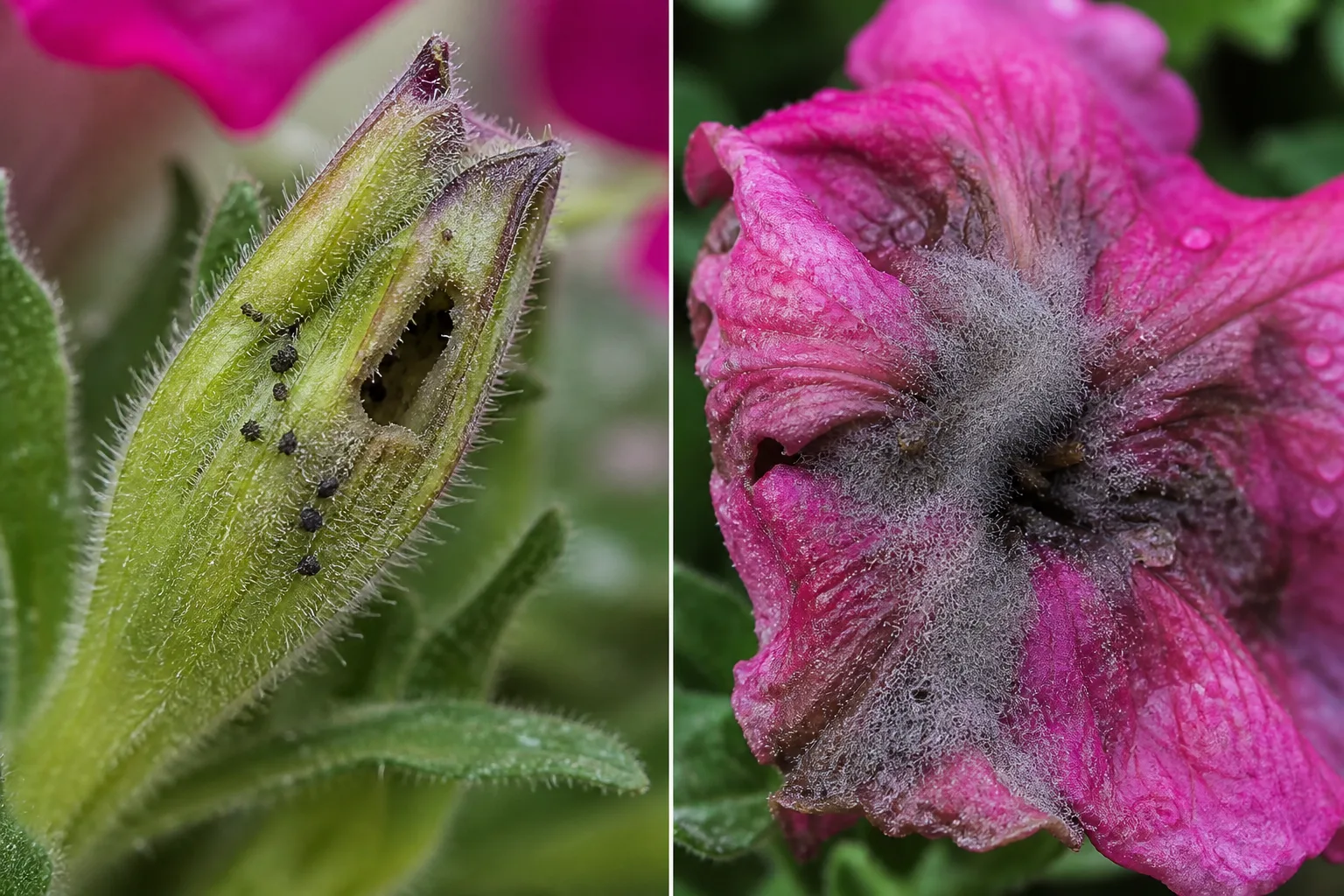
Budworms are especially frustrating because they chew holes in buds before flowers open. Check at dusk or early morning when caterpillars are easier to spot.
Budworms are easy to miss because they eat holes in buds before flowers open. If blooms look shredded overnight, inspect at dusk and remove caterpillars before they move through the whole basket.
When Petunia flowers suddenly stop opening, look for budworm frass and clipped buds before blaming fertilizer. The caterpillars often feed inside buds where damage stays hidden until the flower unfolds badly.
Budworm damage and botrytis both make petunia buds and flowers fail to open properly, one from an insect chewing inside the bud and the other from a fungus rotting wet petals, so treating them the same way wastes effort on the wrong problem.
A budworm-damaged bud shows a small chewed entry hole and dark droppings called frass, while a botrytis-affected flower turns fuzzy gray and mushy, usually starting on petals that stayed wet too long after rain or overhead watering.
Clusters on soft tips and buds. Rinse or use insecticidal soap.
Chewed buds and petals. Hand-pick early.
Gray mold on wet flowers. Remove spent blooms and improve airflow.
Fewer flowers during hot spells. Trim, feed, and keep evenly moist.
The moth behind most petunia budworm damage is the tobacco budworm, which lays eggs at dusk, so checking plants right around sunset catches the newly hatched caterpillars before they tunnel deep into a bud.
Choosing Petunia Types
Choose petunias by habit first. Grandiflora types have big showy flowers but can look rough after rain, while multiflora and spreading types usually recover faster.
Trailing and spreading petunias are the basket and window-box workhorses. They need more water and fertilizer than compact bedding types because they carry more stems and flowers.
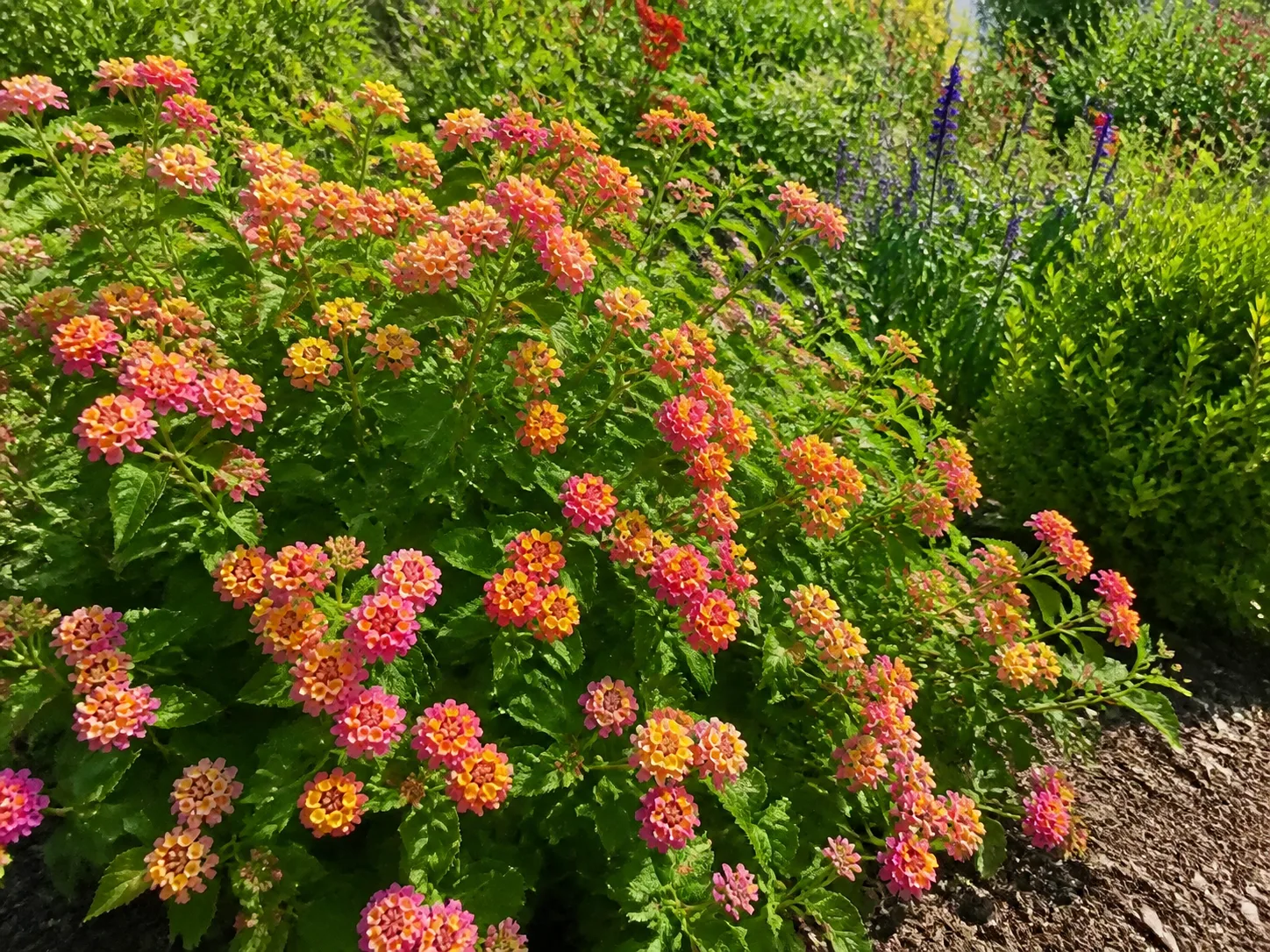
For very hot, dry sites, compare with lantana before committing to petunia baskets that will need daily attention.
Verbena is another useful comparison when you want trailing color with better heat tolerance.
Petunias differ most in habit. Grandiflora types make large showy blooms, multiflora types handle weather better, spreading types cover baskets and edges, and calibrachoa-like forms need container care rather than bed care.
- Grandiflora
- Large flowers, best where rain and wind are limited
- Multiflora
- Smaller flowers, heavier bloom, better weather recovery
- Milliflora
- Tiny flowers on compact plants for edging and small pots
- Spreading/trailing
- Strong for baskets, walls, and ground-cover color
Grandiflora flowers hold up worse in rain specifically because their large, flat petals collect water and disintegrate under the weight, while multiflora's smaller, more numerous blooms shed rain and bounce back within a day or two.
Safety and Garden Use
Handle this part plainly, since Petunias are generally considered non-toxic to cats and dogs, which makes them a useful choice for pet-accessible patios compared with true lilies or other risky ornamentals.
They are still ornamental plants, not salad greens. Avoid using flowers from treated nursery plants as edible garnish, and keep pets from grazing on large amounts of foliage.
For ecology, petunias add long-season color but are not a complete pollinator plan. Mix them with pollinator plants that offer different flower shapes and bloom windows.
The sticky feel of petunia stems and leaves comes from glandular hairs that produce a natural adhesive residue, and that stickiness can actually trap and kill small soft-bodied insects like aphids before they ever reach the buds.
Deadheading, Trimming, and Summer Reset
Deadheading depends on type. Some spreading and branded series are self-cleaning, while older grandiflora and multiflora types bloom better when spent flowers are removed.
When plants get long and sticky in midsummer, cut stems back by about one-third, water well, and feed lightly. The dedicated deadheading guide is useful when you need to judge cleanup timing.
A good reset looks harsh for a week, then pays off with cleaner branching and a fall flush. This is especially helpful for baskets that have turned into long bare strings.
A midsummer haircut is often better than weeks of weak flowering. Cutting leggy stems back and feeding lightly can restart branching, especially after heat, rain, or skipped deadheading has left the plant open in the center.
Plant after frost and begin steady watering.
Water containers often, feed lightly, and remove spent blooms as needed.
Cut leggy plants back by one-third and feed after watering.
Keep baskets going until frost, then compost spent annuals.
Frequently Asked Questions
Do petunias need full sun?
Yes, since Petunias need at least 6 hours of direct sun for strong bloom. In very hot climates, light afternoon shade can help containers avoid severe wilting.
How often should I water petunias?
Water petunias when the top inch of soil dries. Hanging baskets may need daily checks in summer, while in-ground plants usually need less frequent deep watering.
Do petunias need deadheading?
Some petunias need deadheading, especially older grandiflora and multiflora types. Many spreading or branded self-cleaning types need less, but still benefit from trimming when leggy.
Why did my petunias stop blooming in summer?
Petunias often slow during extreme heat, drought stress, weak feeding, or when stems get leggy. Trim back by about one-third, water well, and resume light feeding.
Can petunias grow in containers?
Yes. Petunias are excellent in containers and hanging baskets if they get full sun, drainage, regular water, and steady feeding.
Are petunias safe for pets?
Petunias are generally considered non-toxic to cats and dogs. They are still ornamental plants, so discourage pets from eating large amounts.
Sources & References
Related Plants
Lantana
Heat-tolerant annual or tender shrub for hotter, drier sites than petunias prefer.
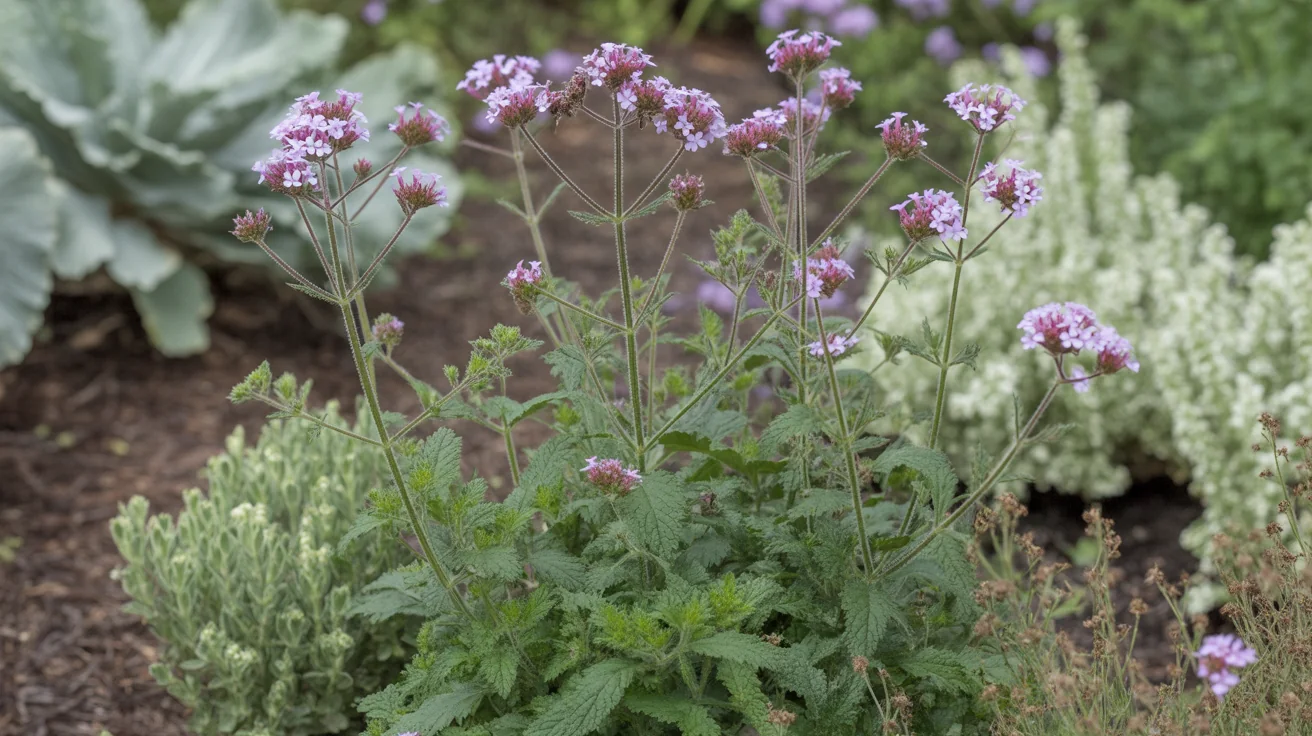
Verbena
Trailing or mounding flowers with better heat performance in many baskets.
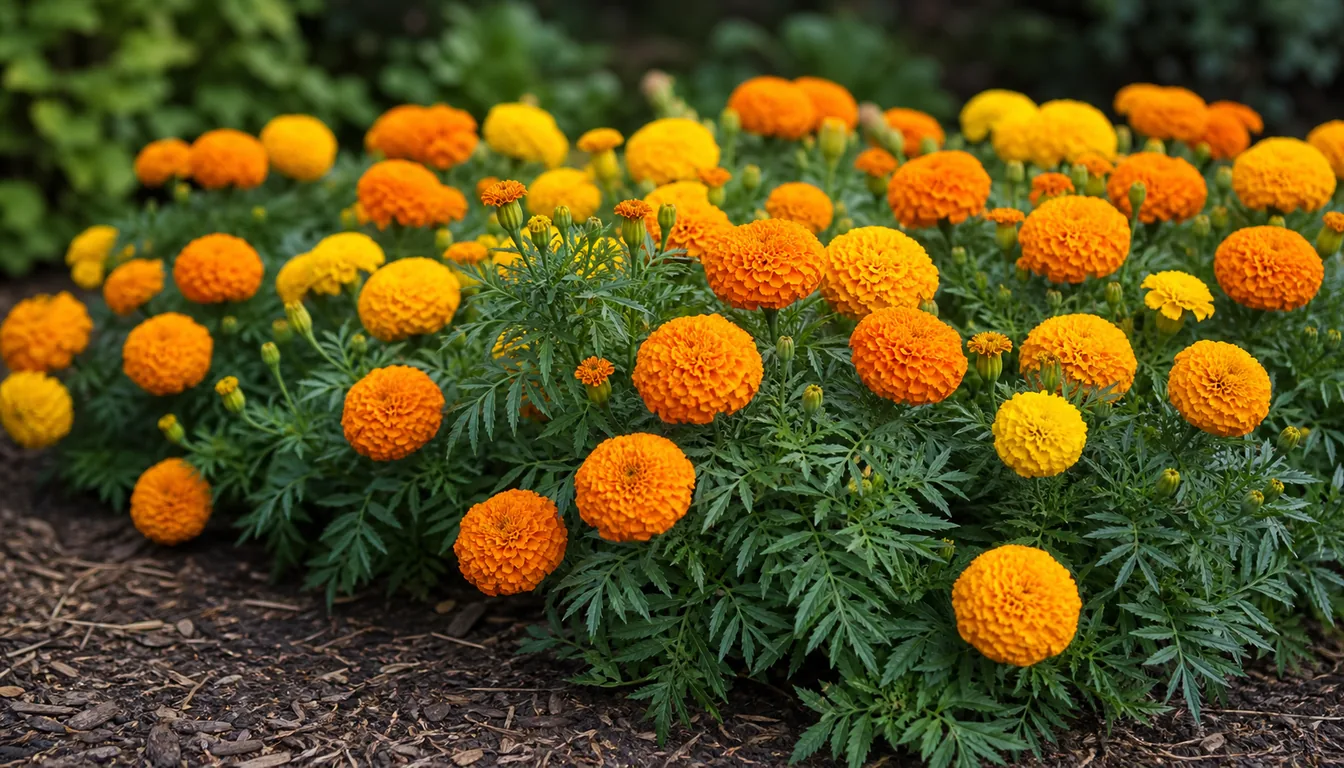
Marigold
Seed-grown annual for sunny beds, with lower water needs than many petunias.
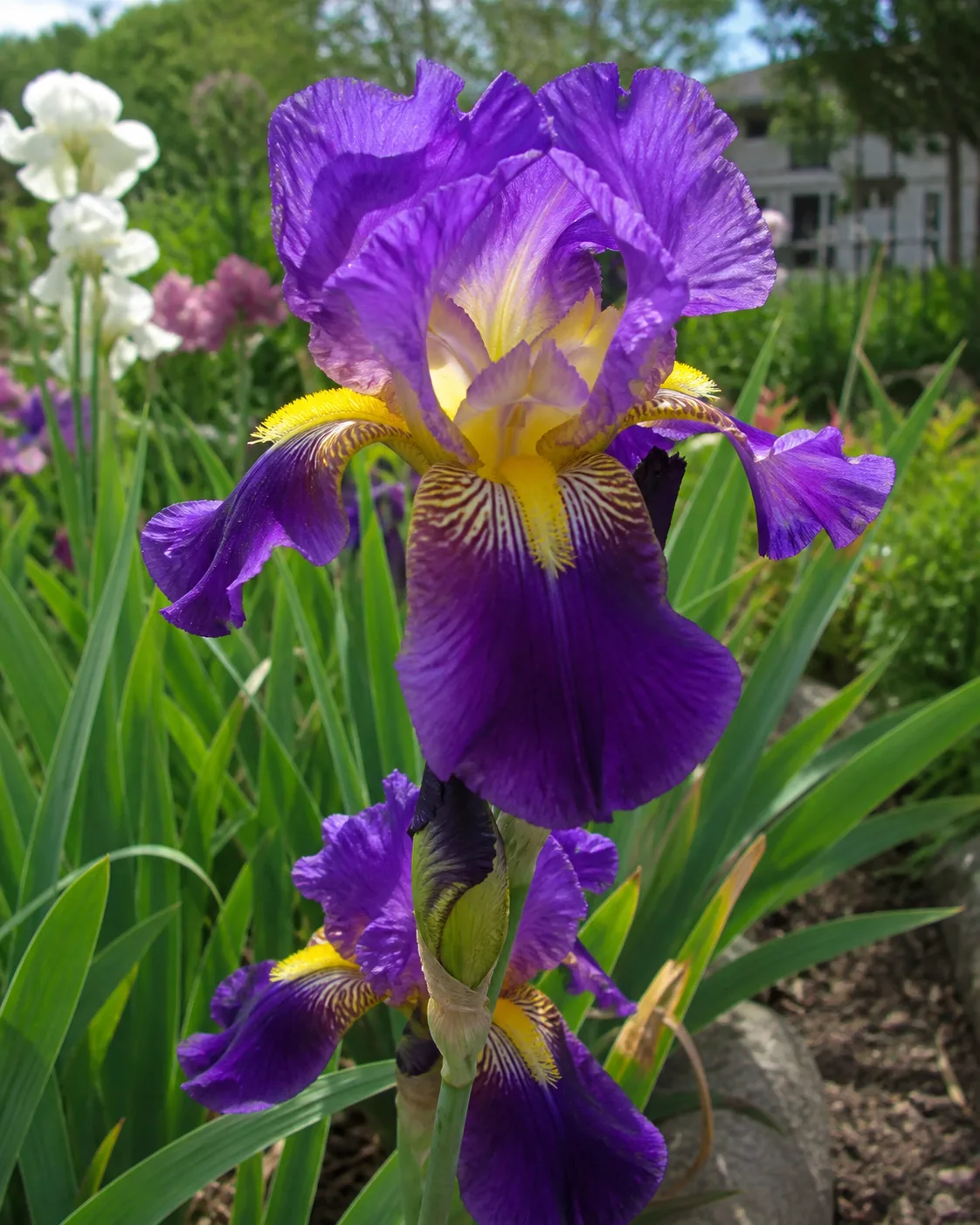
Bearded Iris
Bearded iris are tough, sun-loving perennials grown from shallow rhizomes, not deep bulbs.
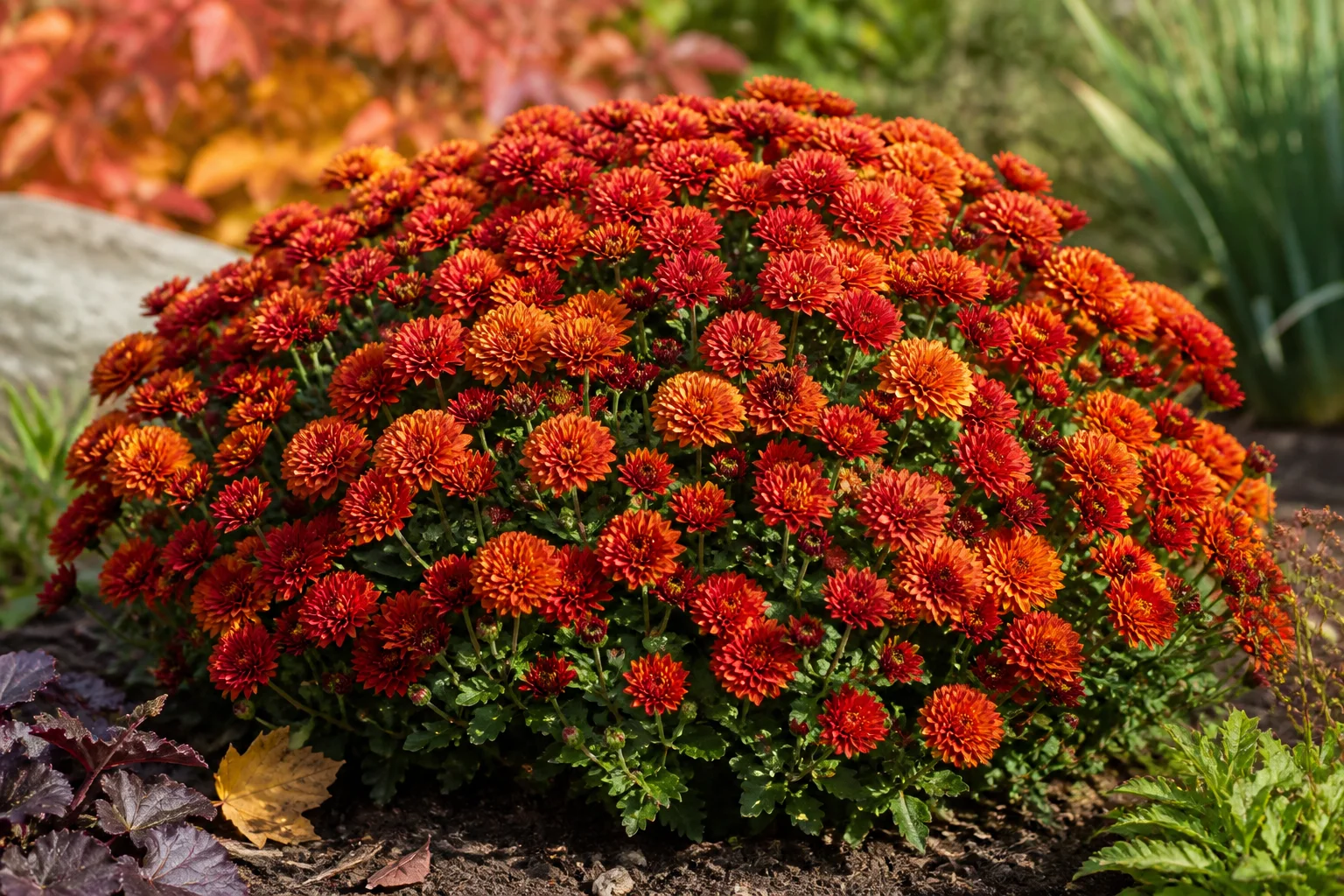
Chrysanthemum
Garden mums are the compact chrysanthemums most people buy for fall color.
Daffodil
Daffodils are hardy fall-planted bulbs grown for reliable spring flowers, deer resistance, and decades of return bloom…