
How to Grow Tropical Hibiscus and Keep It Through Winter
Hibiscus rosa-sinensis Malvaceae
Tropical hibiscus is a warm-weather shrub grown for glossy leaves and huge one-day flowers. It blooms best with strong sun, steady moisture, regular feeding, fast drainage, and winter protection anywhere frost is part of the year.
Care snapshot
Know Which Hibiscus You Bought
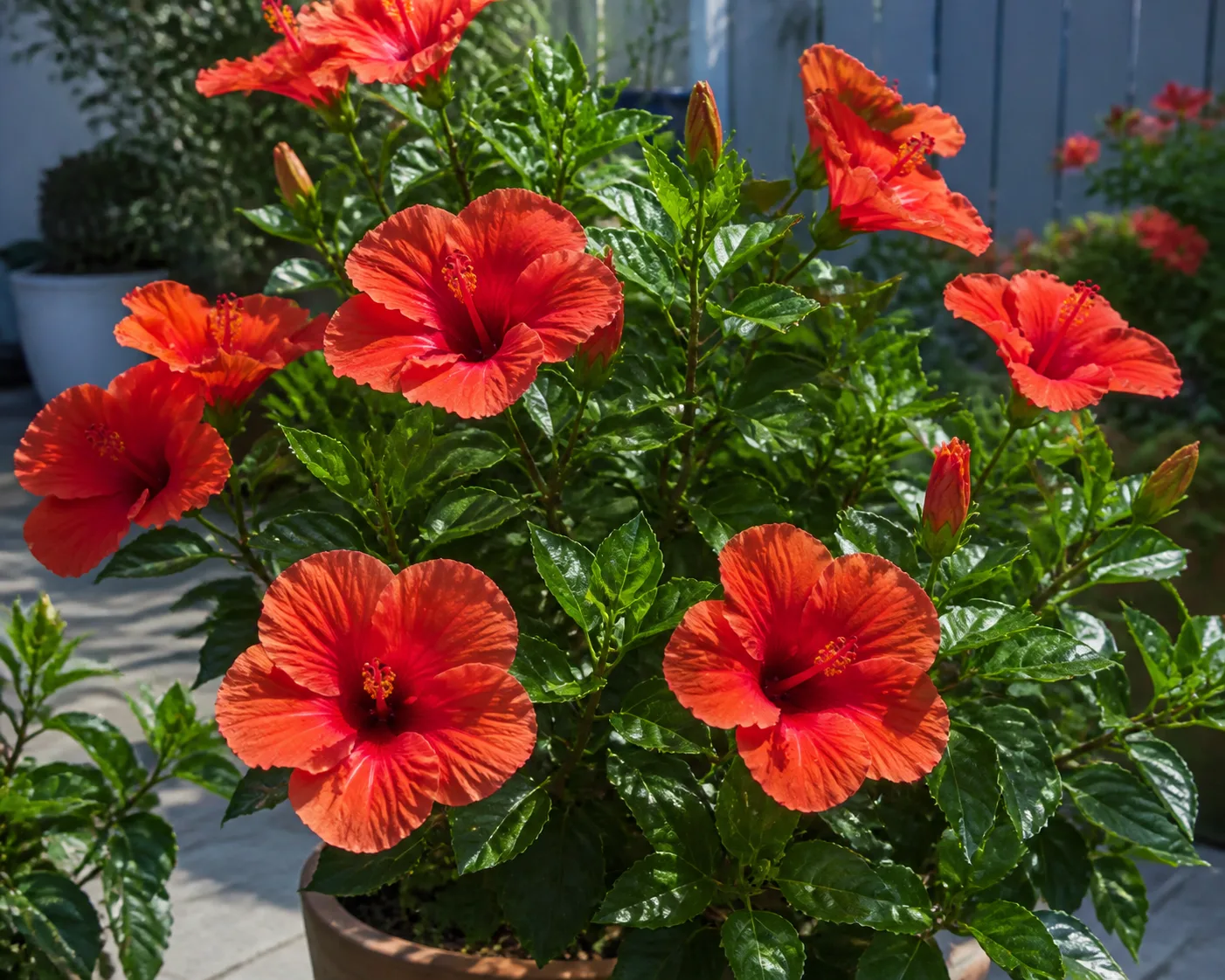
The growth habit explains the care, since Hibiscus rosa-sinensis is the tropical hibiscus sold as a patio shrub, porch pot, or frost-free landscape plant. Its flowers are huge and dramatic, but most open for only one day, so the goal is steady bud production rather than saving each bloom.
This is not the same plant as hardy perennial hibiscus or rose of Sharon. Tropical hibiscus keeps woody stems and glossy evergreen leaves in warm weather, then sulks or drops leaves when cold, darkness, or indoor air slows it down.
In frost-free climates it can become a real shrub.
In colder regions, it is closer to a long-lived patio plant that moves outside after frost and back indoors before cold nights, much like other tropical houseplants that summer outdoors.
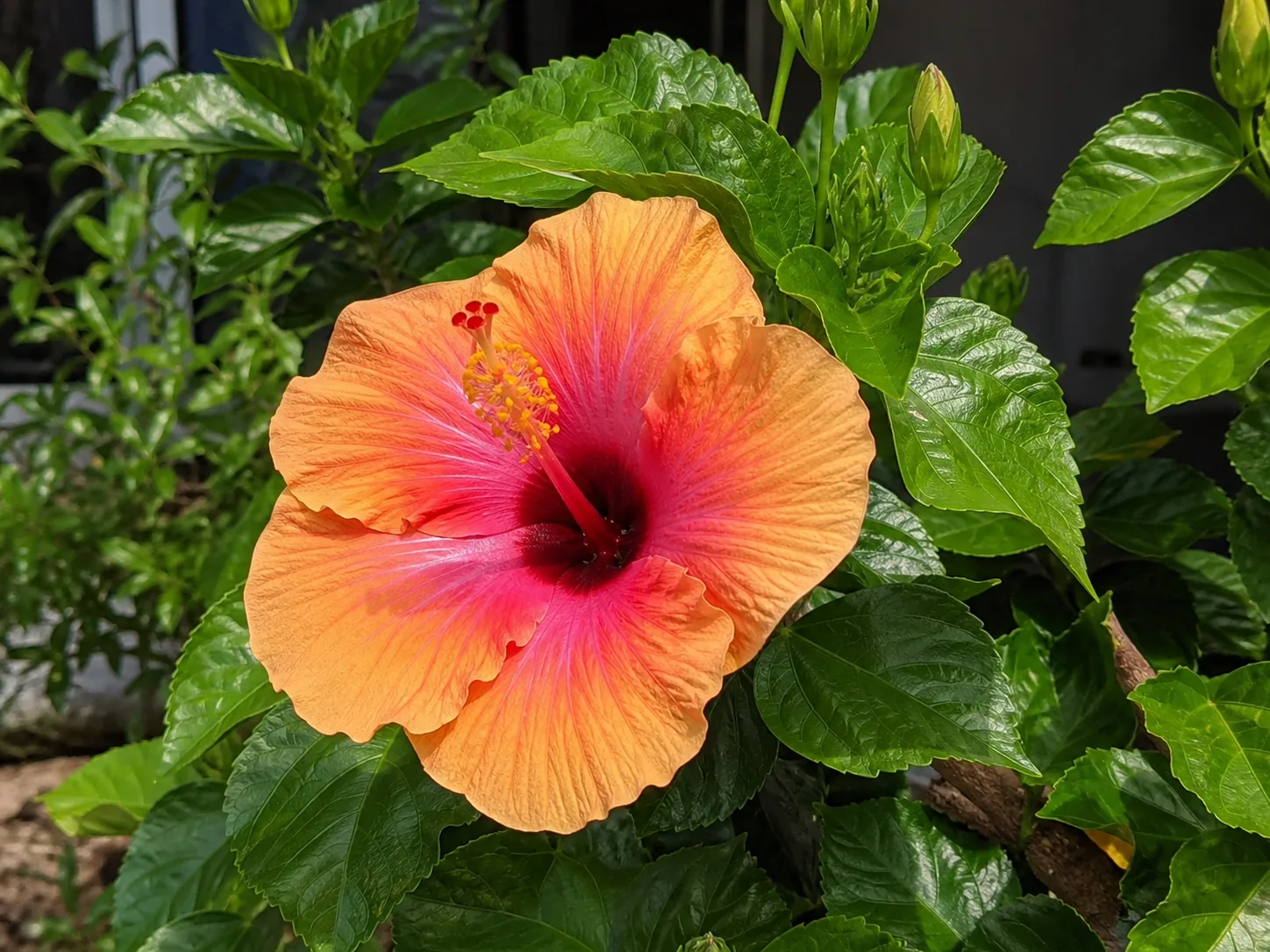
A single tropical hibiscus flower can span four to eight inches across, in colors ranging from white and yellow through orange, pink, and deep red, often with a contrasting throat. That single day of bloom is also why a healthy plant needs to be producing new buds constantly rather than resting between flushes.
Choosing a Hibiscus for Pots or Beds
Choose tropical hibiscus by mature size first, color second.
A compact patio plant is easier to overwinter, easier to water evenly, and less likely to become a doorway-blocking shrub by late summer.
Single flowers usually handle rain and wind better than heavy doubles. Doubles look lush near seating areas, but they can hold water, bruise faster, and need more grooming after summer storms.
For mixed containers, pair hibiscus with heat-tolerant companions that do not steal all the moisture. Lantana can take the hot rim of a pot better than many thirsty annuals, while the hibiscus stays in the center with deeper roots.
Hardy hibiscus, tropical hibiscus, and rose of Sharon are not interchangeable. The care mistake usually starts at the label, since hardy types die back and return from the crown, tropical types need frost-free winter protection, and woody rose of Sharon behaves like a shrub.
- Compact patio types
- Often 2-4 feet in pots; best for decks, entries, and indoor overwintering
- Standard shrub types
- Can reach 4-8 feet outdoors; better for frost-free beds or large containers
- Single flowers
- Cleaner in rain and wind, often easier for pollinators to access
- Double flowers
- Showier but heavier; best where storms and overhead watering are limited
Popular named cultivars such as 'President', 'Fiesta', and 'Painted Lady' show the range available, from single flame-red blooms to multicolor doubles with ruffled edges. Reading a plant tag's mature size and flower type before buying avoids the common mismatch between a small patio pot and a cultivar bred to become a five-foot shrub.
Light for Daily Bud Production
Start with the site, since tropical hibiscus needs 6 or more hours of strong light for heavy blooming. Outdoors that usually means full sun in mild climates and morning sun with light afternoon protection where patios bake.
The plant can survive in bright shade, but it will usually make leaves instead of buds.
If your hibiscus is green, healthy, and not flowering, light is the first thing to check before changing fertilizer.
Indoor winter light is weaker than it looks. Put the plant at your brightest window, rotate the pot every week or two, and accept that winter bloom may slow unless you add a grow light.
Hibiscus can survive in partial sun, but flower count drops fast. If the plant grows leaves but few buds, check whether nearby shrubs or rooflines steal the strongest afternoon light.
If bloom color fades by noon, compare morning and afternoon exposure rather than moving straight into shade. The tradeoff is similar to morning sun vs afternoon sun, where cooler early light protects petals, while too little total light reduces buds.
- Best outdoor bloom: full sun with enough water to match the heat.
- Hot patios: morning sun plus light afternoon shade can reduce bud drop.
- Indoors: use the brightest south or west window you have.
- Low-light symptom: long internodes, dark leaves, and few new buds.
Watering Without Causing Bud Drop
A blooming hibiscus is thirsty, especially in a black nursery pot or on a hot deck.
Water when the top inch of mix starts to dry, then soak until water drains from the bottom.
Uneven moisture is a classic bud-drop trigger. Let the pot wilt hard, then flood it repeatedly, and the plant may shed yellow leaves and unopened buds even after you correct the schedule.
After the root zone is soaked, the next check is the container itself, since pot material, wind, and canopy size change the rhythm quickly.
Use the weight test as a calibration tool, then let weather and growth rate decide how fast the next watering comes.
Big hibiscus flowers cost a lot of water. When buds yellow and drop during hot weather, the issue is often uneven moisture rather than lack of fertilizer, since one dry afternoon can interrupt a bud that took days to build.
- Summer containers may need daily water during heat waves.
- Never leave the pot standing in saucer water.
- Reduce watering indoors when light and growth slow.
- Use mulch in garden beds, but keep it pulled back from woody stems.
Soil, Pots, and Feeding
The right potting mix holds moisture but still breathes. Use a quality outdoor container mix, then add perlite or fine bark if it feels dense, since tropical hibiscus hates a heavy wet root ball.
Move up only one pot size at a time. A tiny root ball in a huge pot sits in wet unused mix, which creates the same root-stress pattern you see when overpotted Monstera or other tropicals stall.
Hardy hibiscus likes moisture but not stagnant soil. Think of a rich, evenly damp garden bed, not a boggy hole, since roots still need oxygen even though the plant tolerates more water than lavender or salvia.
- Container mix
- Moisture-retentive potting mix with added perlite, bark, or coarse material
- Pot size
- Only 1-2 inches wider than the current root ball when repotting
- Feeding season
- Spring through summer while growth and bloom are active
- Drainage warning
- No standing saucer water; yellow leaves plus wet mix means roots are stressed
Repotting every one to two years keeps a container hibiscus from running out of root room, usually done in spring just as new growth resumes. A plant that dries out unusually fast between waterings, even with good technique, is often telling you the roots have filled the pot and need more space.
Pruning and Propagating Tropical Hibiscus
Prune tropical hibiscus to shape the plant, remove winter damage, and encourage branching.
The safest time is spring, when stronger light and warmth can push new growth quickly.
Do not shear it like a hedge if you want a natural patio shrub. Cut back long stems to just above a leaf node, thin crossing branches, and keep the center open enough for air and light.
Propagation works best when the cutting is treated like a small plant under stress, so reduce bloom demand before asking it to root.
- Cut just below a node on a healthy green stem.
- Remove buds and lower leaves so the cutting is not trying to bloom.
- Dip in rooting hormone if you have it.
- Keep warm, bright, and humid until new resistance shows roots are forming.
Pests and Bloom Problems
Look for the pressure point, since Hibiscus pests usually start on tender growth and the undersides of leaves. Check before you move plants indoors, because one unnoticed colony can spread to nearby houseplants during winter.
Aphids, whiteflies, spider mites, mealybugs, and scale all feed on sap. Spider mites love hot dry stress, so the same prevention habits used for spider mites on houseplants apply here too.
Bud drop is not always insects.
Sudden drought, soggy roots, a hard move from shade to sun, cool nights, or a burst of heat can all make unopened buds yellow and fall.
Read the pattern before changing everything. Buds dropping after a location move point to shock, while buds dropping with sticky or stippled leaves point to pests, and buds dropping while the pot stays wet point back to roots.
Aphids and whiteflies often gather on hibiscus buds before flowers open. Treating early is easier than spraying open blooms, where you risk hitting pollinators and still miss insects tucked under new growth.
Aphids and whiteflies get confused at a glance, since both cluster on the same tender new growth and buds. Aphids stay put as small, soft, pear-shaped insects, while whiteflies rise up in a visible cloud the moment a branch is disturbed.
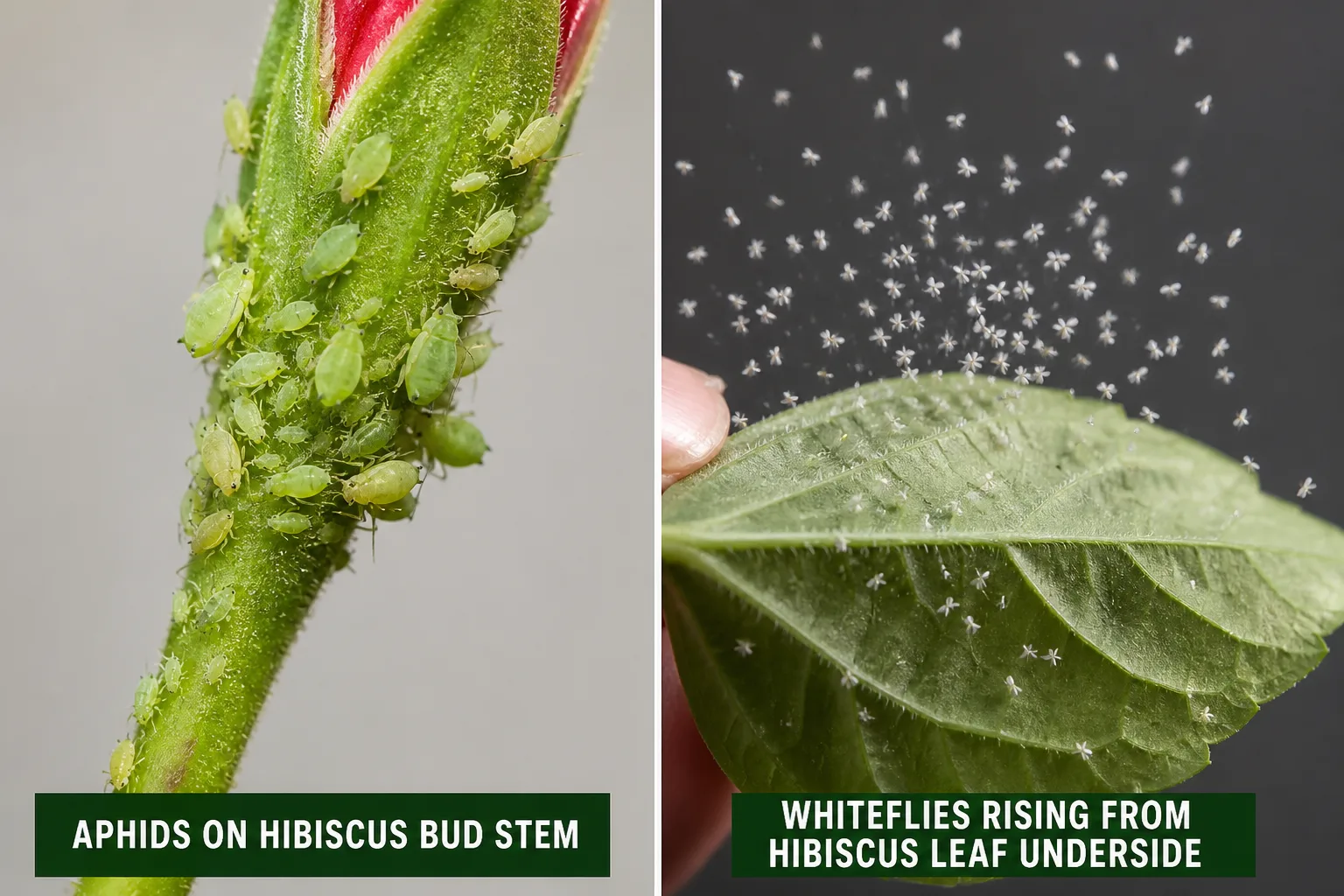
Cluster on new shoots and buds. Rinse off early and repeat insecticidal soap if needed.
Cause stippled leaves and fine webbing, especially during hot dry weather or indoor winter.
Hide on stems and leaf joints. Isolate the plant and clean small outbreaks by hand.
Check moisture swings, temperature changes, low light, and pests before blaming the cultivar.
Seasonal Care and Overwintering
In frost-free gardens, tropical hibiscus behaves like a repeat-flowering shrub. In most of the country, the seasonal rhythm is container culture, outside for heat and sun and inside for frost protection.
Move plants outdoors gradually after frost danger passes. A plant that spent winter by a window can burn if it goes straight into all-day sun, so harden it off the way you would tender seedlings.
Winter strategy depends on which hibiscus you actually own. Hardy perennial hibiscus can be cut back after frost and mulched over the crown, while tropical hibiscus should come indoors before nights fall near 50F and then be treated as a bright-window houseplant.
Repot if needed, prune lightly, resume feeding, and move outdoors gradually.
Water consistently, feed lightly, deadhead dropped blooms, and scout pests weekly.
Clean the plant, check leaf undersides, and move indoors before cold nights.
Expect slower growth, fewer flowers, and less water use in bright indoor light.
Safety, Pollinators, and Garden Use
The safety note is straightforward, since tropical hibiscus is usually grown as an ornamental, so do not treat nursery plants as edible unless you bought a food-grade plant for that purpose. Pesticide history matters more than the flower's pretty color.
The ASPCA's hibiscus listing covers Hibiscus syriacus, and NC State gives no pet rating for Hibiscus rosa-sinensis, so its safety for pets is not established. Species names and labels also get confused in retail. Keep curious pets from chewing leaves or flowers, and call a vet if vomiting or diarrhea follows plant chewing.
In warm gardens, open single flowers can draw bees and hummingbirds. For a stronger wildlife bed, mix hibiscus with long-blooming companions from pollinator planting rather than relying on one tropical shrub.
Hibiscus flowers and calyces from food-grade species are used in teas and syrups, but nursery hibiscus is grown as an ornamental and routinely treated with products not approved for food crops. That distinction is why a beautiful patio bloom should never substitute for hibiscus sold specifically for culinary use.
Frequently Asked Questions
Is tropical hibiscus a perennial?
Tropical hibiscus is perennial only where winters stay frost-free. In colder climates, grow it in a container and overwinter it indoors, or treat it as a seasonal patio plant.
How much sun does tropical hibiscus need?
Give hibiscus at least 6 hours of strong light for good blooming. In very hot patio conditions, morning sun with light afternoon shade can reduce wilting and bud drop.
Why are my hibiscus buds falling off?
Bud drop usually comes from uneven watering, sudden temperature shifts, low light, root stress, or pests such as spider mites and whiteflies. Check moisture and leaf undersides before changing fertilizer.
Can hibiscus grow indoors all year?
Hibiscus can live indoors, but it usually blooms less unless it gets very bright light or a grow light. Indoor winter care is mostly about keeping it alive, pest-free, and lightly watered until spring.
When should I bring hibiscus inside for winter?
Bring tropical hibiscus indoors before nights settle near 45 degrees F. Rinse the foliage, inspect for pests, prune lightly if needed, and place it at the brightest window you have.
Should I fertilize hibiscus every week?
Do not force-feed it, but feed lightly and regularly during active spring and summer growth, following the product label. Stop or reduce feeding when the plant is indoors, cool, or barely growing.
Sources & References
- Clemson Cooperative Extension - Hibiscus
- Royal Horticultural Society - Hibiscus Growing Guide
- University of Florida IFAS Extension - Tropical Hibiscus in Florida Gardens
- University of Florida IFAS Extension - Hibiscus rosa-sinensis: Chinese Hibiscus
- Missouri Botanical Garden Plant Finder - Hibiscus rosa-sinensis
- Toxic and Non-toxic Plants: Hibiscus | ASPCA
- North Carolina Extension Gardener Plant Toolbox - Hibiscus rosa-sinensis
Related Plants
Rose
Classic sun-loving shrub with repeat flowers and a very different pruning rhythm.
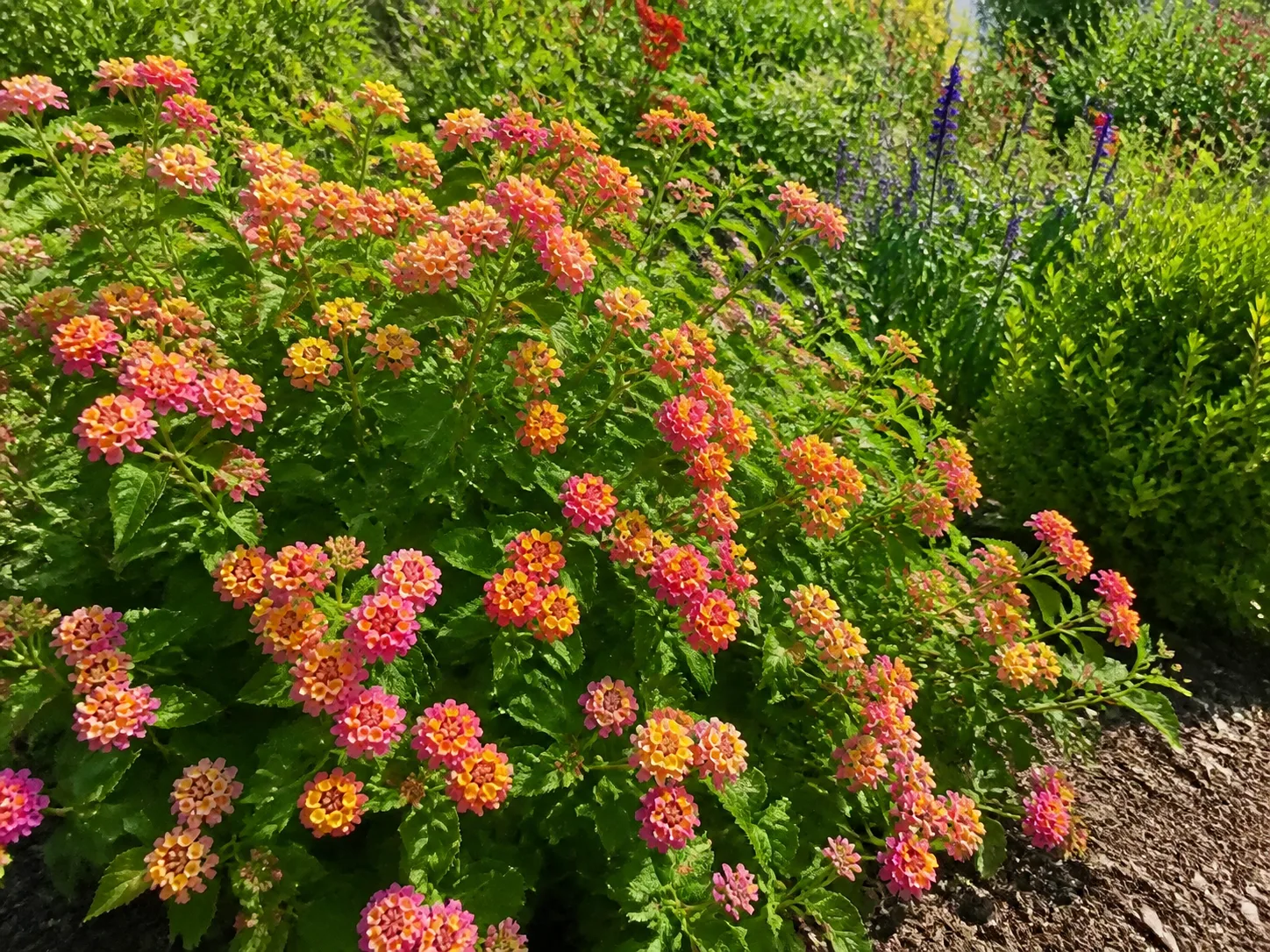
Lantana
Heat-loving patio and border plant that handles dry spells better than hibiscus.
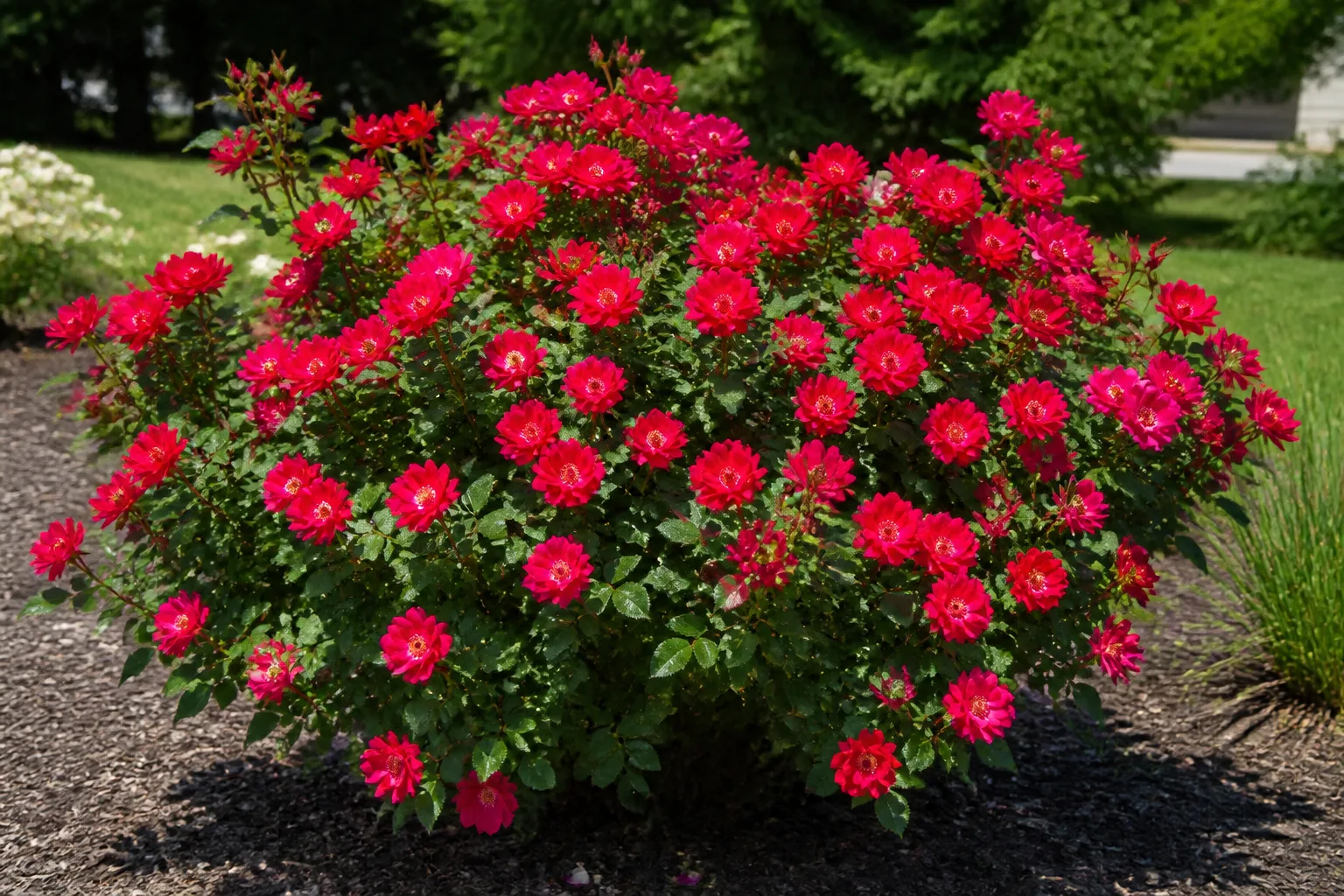
Knock Out Rose
Low-maintenance rose series for sunny beds where tropical hibiscus may overwinter only in mild climates.
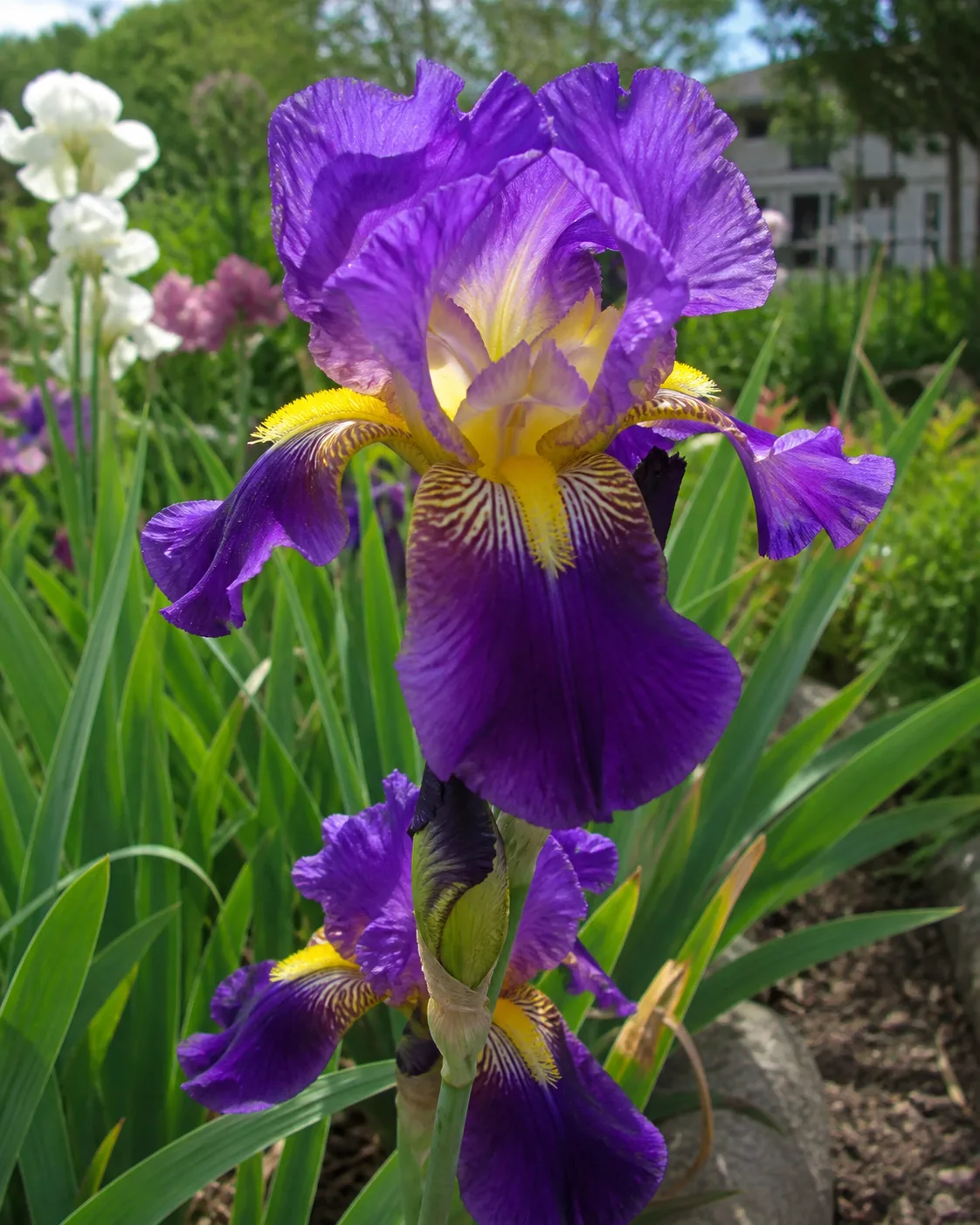
Bearded Iris
Bearded iris are tough, sun-loving perennials grown from shallow rhizomes, not deep bulbs.
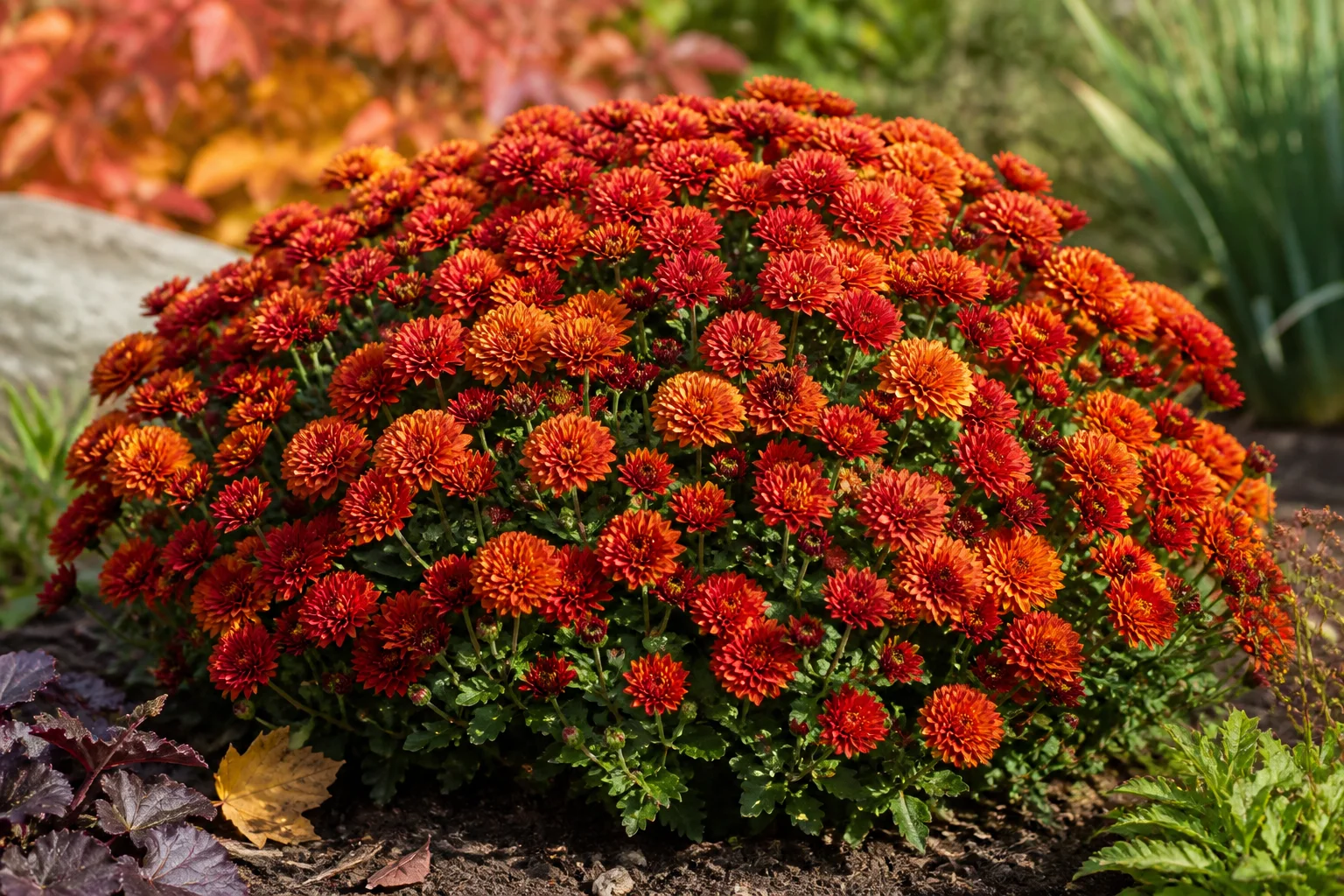
Chrysanthemum
Garden mums are the compact chrysanthemums most people buy for fall color.
Daffodil
Daffodils are hardy fall-planted bulbs grown for reliable spring flowers, deer resistance, and decades of return bloom…