
How to Grow Tulips and Choose Bulbs That May Return
Tulipa spp. Liliaceae
Tulips are cool-season spring bulbs grown for upright flowers, clean foliage, and bold early color. They are simple to plant, but their long-term performance depends on winter chilling, drainage, bulb depth, and whether the cultivar is meant to naturalize or behave like a one-season display.
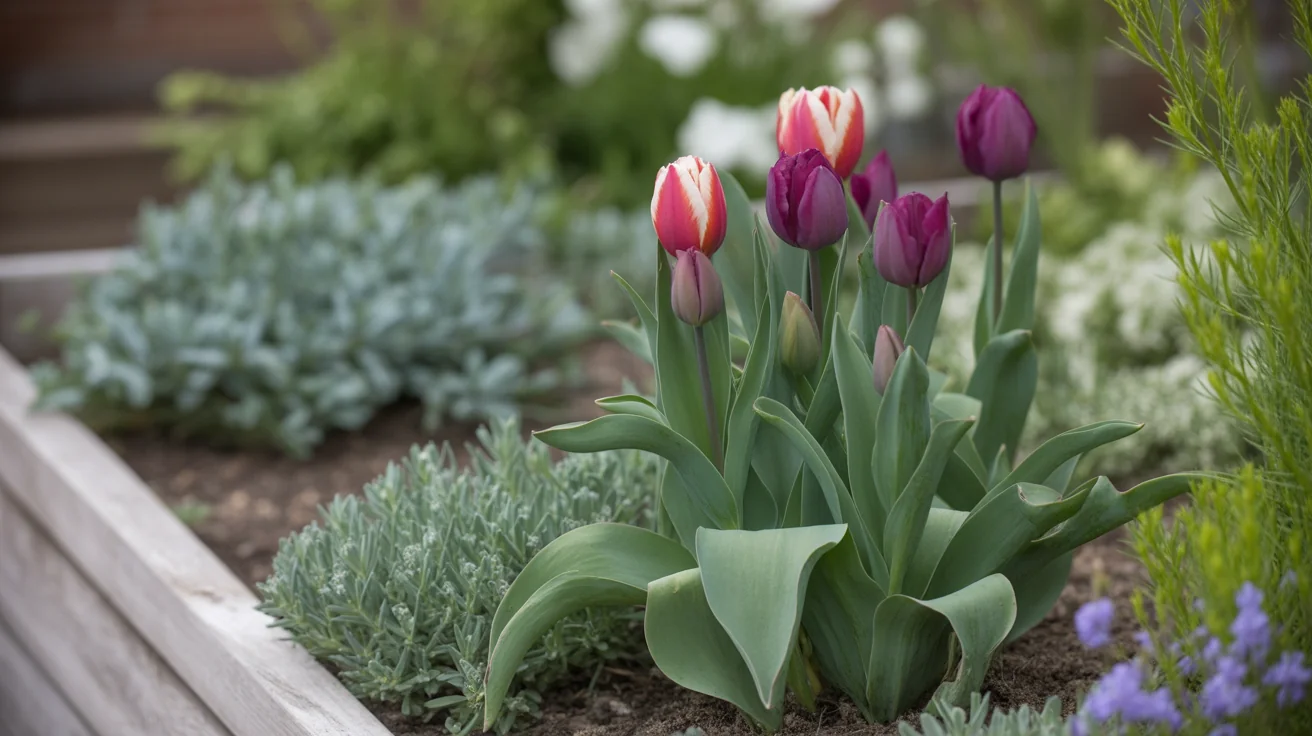
Care snapshot
How Tulips Actually Grow
The growth habit explains the care, since Tulips are true bulbs with a short, intense season above ground. They root in cool soil, bloom in spring, feed the bulb through their leaves, and then disappear underground for summer dormancy.
A tulip bulb is a true bulb, not a corm or rhizome, and it already contains next year's flower in miniature form before it is ever planted. That is why bulb size at purchase is a reliable predictor of bloom size.
That rhythm explains most care mistakes. If you cut the leaves too early, the bulb cannot rebuild.
If soil stays wet in summer, the dormant bulb can rot. If winter is too warm, flowers may be short, weak, or absent.
Modern hybrid tulips are often best treated as display bulbs, especially in warm or wet climates. Species and botanical types are usually better if you want a smaller, more natural clump that comes back.
Unlike daffodils, whose bulbs are toxic enough to reliably deter rodents, tulip bulbs are a preferred food source, which is the structural reason the two bulbs perform so differently against digging animals.
Spring Sun Before the Canopy Fills
Start with the site, since Tulips bloom best with full spring sun while leaves are active. In cool climates, that usually means an open bed with at least 6 hours of direct light.
Deciduous trees can work if they leaf out late, because bulbs finish most of their work before heavy shade arrives. Dense evergreen shade is different, since it usually gives weak stems and poor recharge.
Stems bend toward the brightest light source as they grow, which is why a pot left in one position often leans hard toward a window by bloom time.
Tulips need spring sun while leaves are active, but deciduous-tree shade is often fine because branches are still bare during much of the bulb's growth window.
- Cool zones: choose open full sun.
- Warm zones: use morning sun and light afternoon relief.
- Under trees: deciduous shade is safer than evergreen shade.
- Containers: rotate pots if stems lean toward one side.
Choosing Tulip Types for the Job
Species tulips are shorter and less formal, but they are often the best choice for naturalizing. Use them where you want a light, returning spring layer instead of a perfect bedding display.
Species tulips are close to the wild diploid forms tulips originally evolved from, while many modern hybrids are complex polyploids bred for size and color rather than for reliably returning each year.
Darwin hybrids and Triumph types give the classic upright look for borders and cutting. Parrot, fringed, double, and lily-flowered types bring drama, but some need more shelter from wind and rain.
The 17th-century Dutch tulip mania, when single rare bulbs briefly traded for more than a house, was driven by species with a virus-caused color break, a striking but weakening trait modern breeders no longer rely on.
Warm-zone tulip plans are usually annual display plans. Buy pre-chilled bulbs or chill them before planting, then enjoy the spring show without expecting the same reliable return you would expect from daffodils.
For a spring sequence, pair tulips with daffodils first. Later peonies can take over after bulb season fades.
Tulips are best planned as early, midseason, and late waves. Species tulips and Darwin hybrids are better bets for repeat bloom, while many large modern hybrids are strongest as one-season display bulbs.
- Species tulips
- Shorter, better naturalizing, useful in rock gardens and front edges
- Darwin hybrids
- Tall, classic, strong for borders and cutting
- Triumph tulips
- Reliable mid-height bedding types with many colors
- Parrot and fringed types
- Showy flowers for protected beds and containers
Planting Depth and Drainage
Start below the surface, since Tulips need loose, well-drained soil. Heavy clay that stays wet around the basal plate is the fastest route to weak bloom or rotten bulbs.
Each bulb has a flat basal plate on the bottom where roots emerge, and planting it upside down with the pointed tip facing the soil stops roots from forming correctly.
Plant full-size bulbs so the top sits about 6-8 inches below the finished soil surface. Smaller species bulbs can sit shallower, but shallow planting makes many hybrids weaker and easier for animals to find.
Bulbs need drainage through winter more than they need rich soil. A tulip bed that holds water after rain may look fine in fall but rot bulbs before spring roots can do their work.
- Planting depth
- Usually 6-8 inches to the bulb top for standard bulbs
- Spacing
- 3-6 inches apart; closer in containers for a dense show
- Soil texture
- Loam or sandy loam with sharp drainage
- Mulch
- Light layer after planting, not a wet mat over the bed
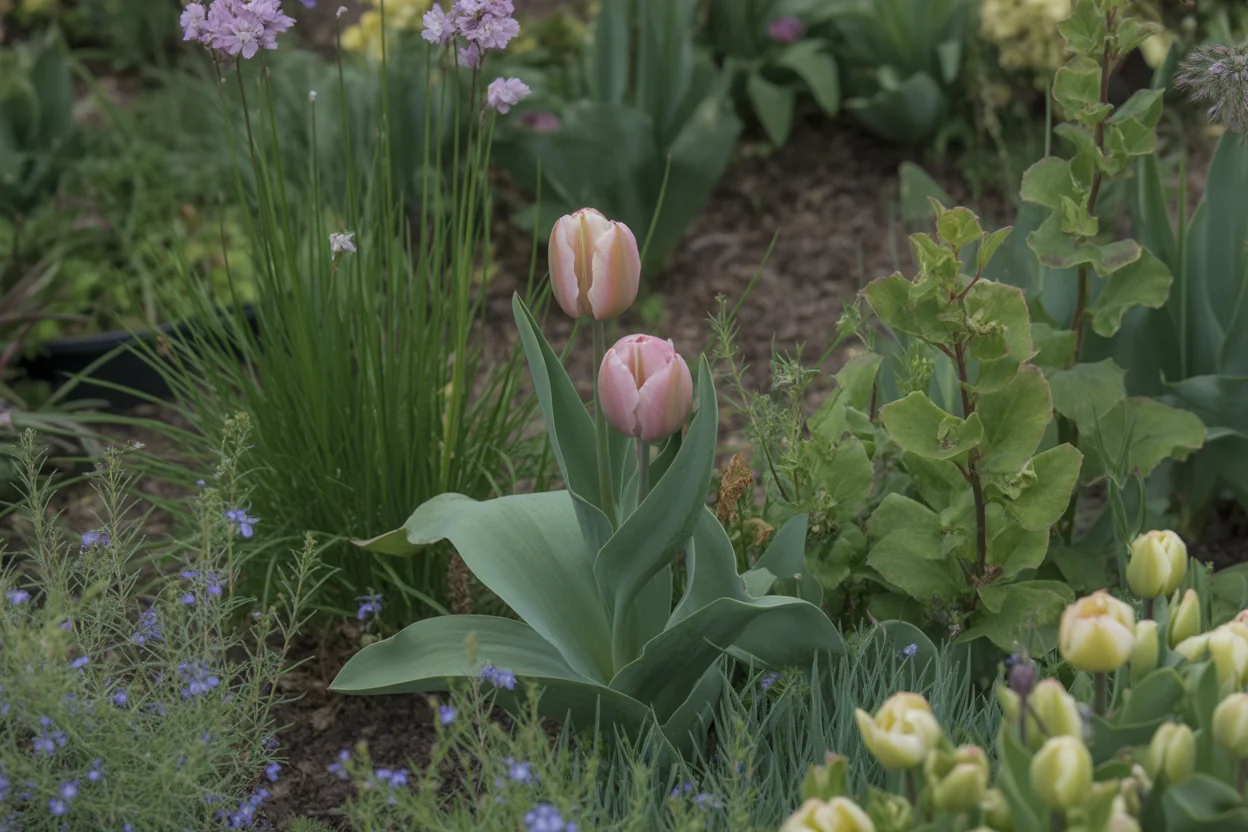
Water When Bulbs Are Active, Not Asleep
Water tulips after fall planting so soil settles around the bulbs and roots can start. After that, rainfall is often enough in cool climates unless the fall is unusually dry.
Tulips originally evolved in the dry-summer mountains and steppes of Central Asia, which is the exact reason garden hybrids expect a dry, resting summer rather than the humid, irrigated summers common in much of the United States and Britain.
During spring growth, keep soil lightly moist but not soggy. A deep soak when soil dries is better than constant sprinkling, the same principle behind deep watering for longer-rooted garden plants.
That dormant window is where many perennial attempts fail, since the bulb wants a dry rest after foliage has finished its job.
A raised bed or gentle slope helps shed winter and spring rain before it pools around the basal plate, which matters more for tulips than for many other spring bulbs.
Water after planting if fall is dry so roots can start before winter. Once bulbs are dormant after foliage yellows, avoid treating the bed like a summer annual bed.
Aftercare, Offsets, and Replanting
The most important tulip aftercare rule is to leave the foliage until it yellows naturally. The leaves may look tired, but they are feeding next year's bulb.
Established clumps naturally produce small offset bulblets around the mother bulb each year, but these offsets usually need two to three growing seasons before they store enough energy to flower.
Deadhead spent flowers if you want the bulb to save energy, but keep every green leaf. If the fading foliage bothers you, plant bulbs near later perennials such as daylilies that expand as bulb leaves decline.
Aftercare decides whether offsets are worth saving, so keep only firm bulbs that have had enough leaf time to rebuild.
Small offsets can be replanted at normal depth to grow on for a future season, or simply left in place if the clump has room to spread.
- Deadhead flowers after petals fall.
- Leave green foliage until it yellows and loosens.
- Lift only after leaves have finished feeding the bulb.
- Keep firm offsets and discard soft or moldy bulbs.
- Replant in fall at the correct depth.
Seasonal Timing From Fall to Dormancy
Fall is planting season. Wait until soil cools, then plant before the ground freezes so roots can form without sending up soft top growth.
Spring is bloom and recharge season. Enjoy the flowers, cut stems if you want, then let leaves stay until they yellow.
Bulbs can also be forced for indoor winter bloom by chilling them in a refrigerator for 12 to 16 weeks before potting, a different timeline from the natural garden schedule.
If you want a longer bulb-to-perennial show, follow tulips with border plants such as salvia. Later Shasta daisy can fill the space after bulb foliage fades.
After bloom, the foliage needs time to feed the bulb. Remove seed heads if you want, but keep leaves until they yellow, since cutting green foliage is the fastest way to turn a possible perennial tulip into a one-year show.
Forced bulbs are typically treated as one-time indoor display plants, since the forcing process uses up much of the energy the bulb would otherwise need to rebuild for garden performance.
Plant deep, water once, and protect from digging animals.
Let bulbs chill naturally in cold climates.
Deadhead flowers but leave foliage.
Keep dormant bulbs on the dry side.
Deer, Rodents, and Bulb Problems
Look for the pressure point, since Tulips are attractive to deer, rabbits, squirrels, chipmunks, voles, and gophers. If a yard has heavy browsing pressure, assume bulbs and buds need protection from the start.
For animal-resistant spring color, mix tulips with daffodils, which are much less appealing to deer and rodents. The two bulbs also make the spring display feel less empty if some tulips get eaten.
Wire mesh over new plantings discourages digging. Hardware cloth baskets are stronger where burrowing animals eat bulbs underground.
Tulip fire, a tulip-specific strain of botrytis, spreads fastest in cool, wet spring weather and can survive in the soil between seasons, which is why replanting bulbs in the same spot every year raises the risk.
Squirrels and voles are often bigger tulip problems than disease. Planting deep, using hardware cloth where pressure is high, and cleaning up loose bulb tunics can reduce digging cues.
Cleaning up fallen petals and infected leaves promptly denies the fungus the damp plant debris it needs to survive and spread to next year's growth.
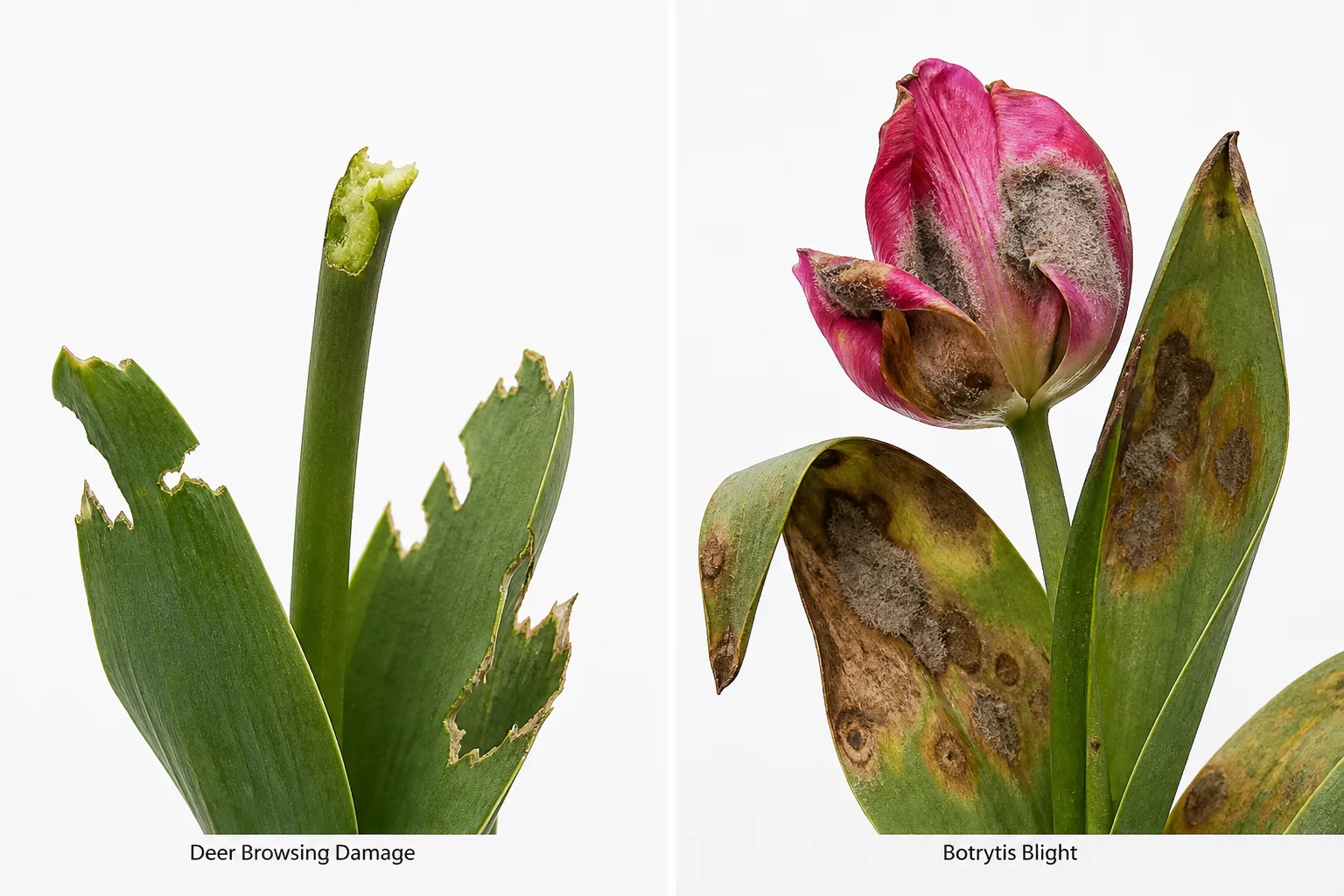
Dig freshly planted bulbs. Tamp soil and cover with temporary mesh.
Eat buds and flowers. Use fencing or plant in protected pockets.
Feed underground. Use hardware cloth baskets in problem beds.
Causes spotting in wet springs. Remove infected leaves and improve airflow.
Pet Toxicity and Garden Role
The safety note is straightforward, since Tulips are toxic to cats, dogs, and grazing animals, with the highest concentration in the bulb. Keep stored bulbs away from pets and plant them where digging dogs cannot reach them.
Bulbs can also irritate sensitive skin, so gloves are sensible when planting large batches.
The irritating compounds, called tulipalin A and B, are concentrated in the bulb skin and are the same glycosides responsible for the contact dermatitis known as tulip fingers among florists and bulb handlers.
Ecologically, tulips are mostly ornamental spring color. They can offer some early pollen, but a stronger wildlife plan should include pollinator plants with overlapping bloom windows.
Frequently Asked Questions
Do tulips come back every year?
Tulips can come back, but many modern hybrids decline after the first year. Species types and Darwin hybrids are more likely to return in cold, sunny, well-drained sites.
When should I plant tulip bulbs?
Plant tulip bulbs in fall after soil cools but before the ground freezes. Warm climates usually need pre-chilled bulbs planted during the coolest part of the season.
How deep should tulip bulbs be planted?
Plant standard tulip bulbs with the top about 6-8 inches below the soil surface. Smaller species bulbs can be planted a little shallower.
Should I cut back tulip leaves after flowering?
No, leave tulip leaves until they yellow naturally. Cutting green foliage early weakens the bulb and reduces next year's bloom.
Are tulips toxic to pets?
Yes, Tulips are toxic to cats, dogs, and grazing animals, especially the bulbs. Store bulbs safely and protect planted areas from digging pets.
Can tulips grow in containers?
Yes. Tulips grow well in containers if pots are deep, drain well, and receive adequate winter chilling before spring growth.
Sources & References
Related Plants
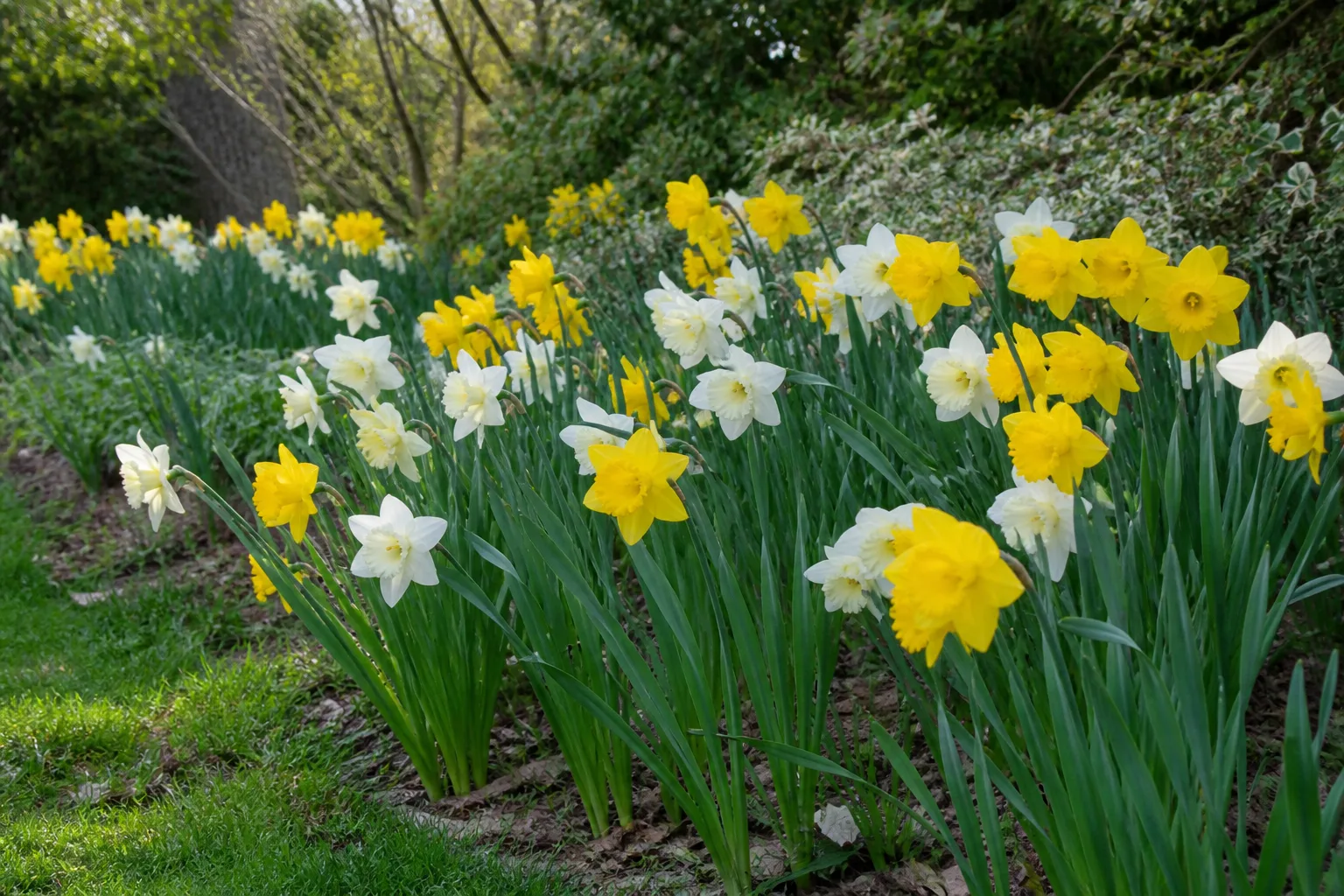
Daffodil
A tougher spring bulb that returns more reliably and is less attractive to deer.
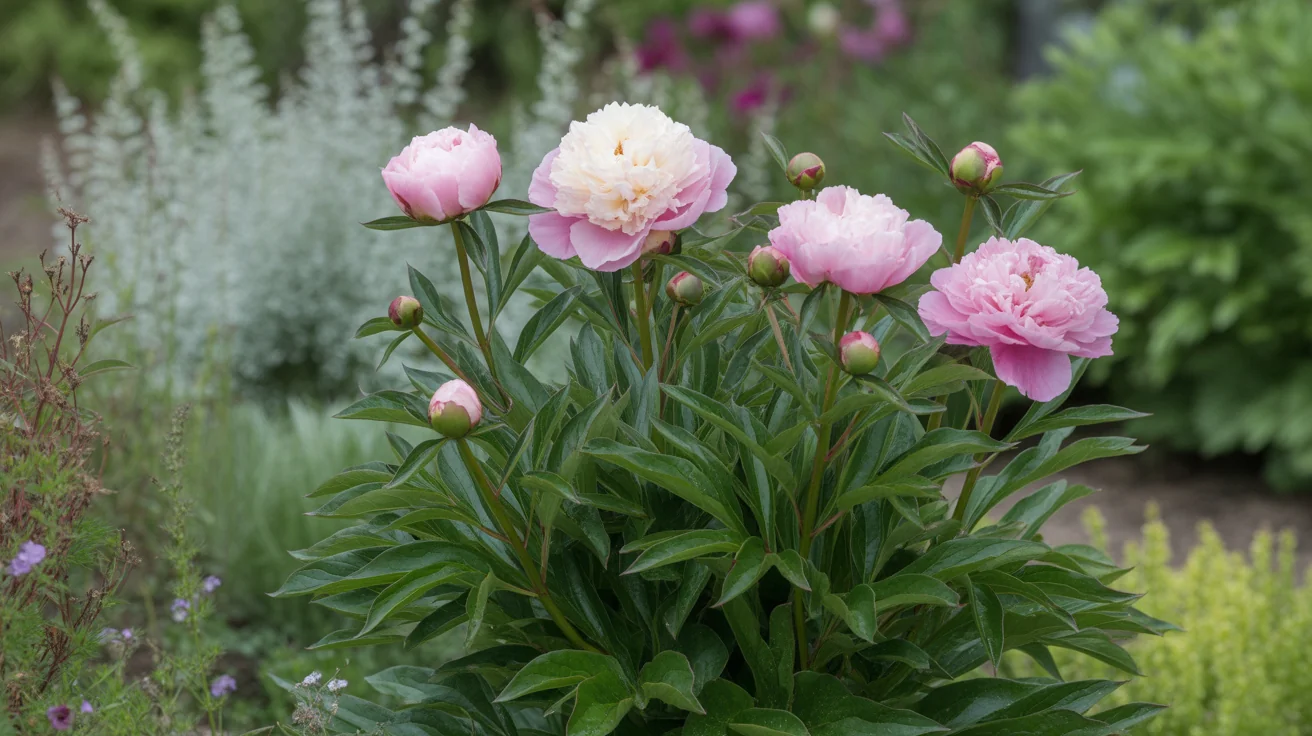
Peony
A later spring perennial that takes over after tulip flowers fade.
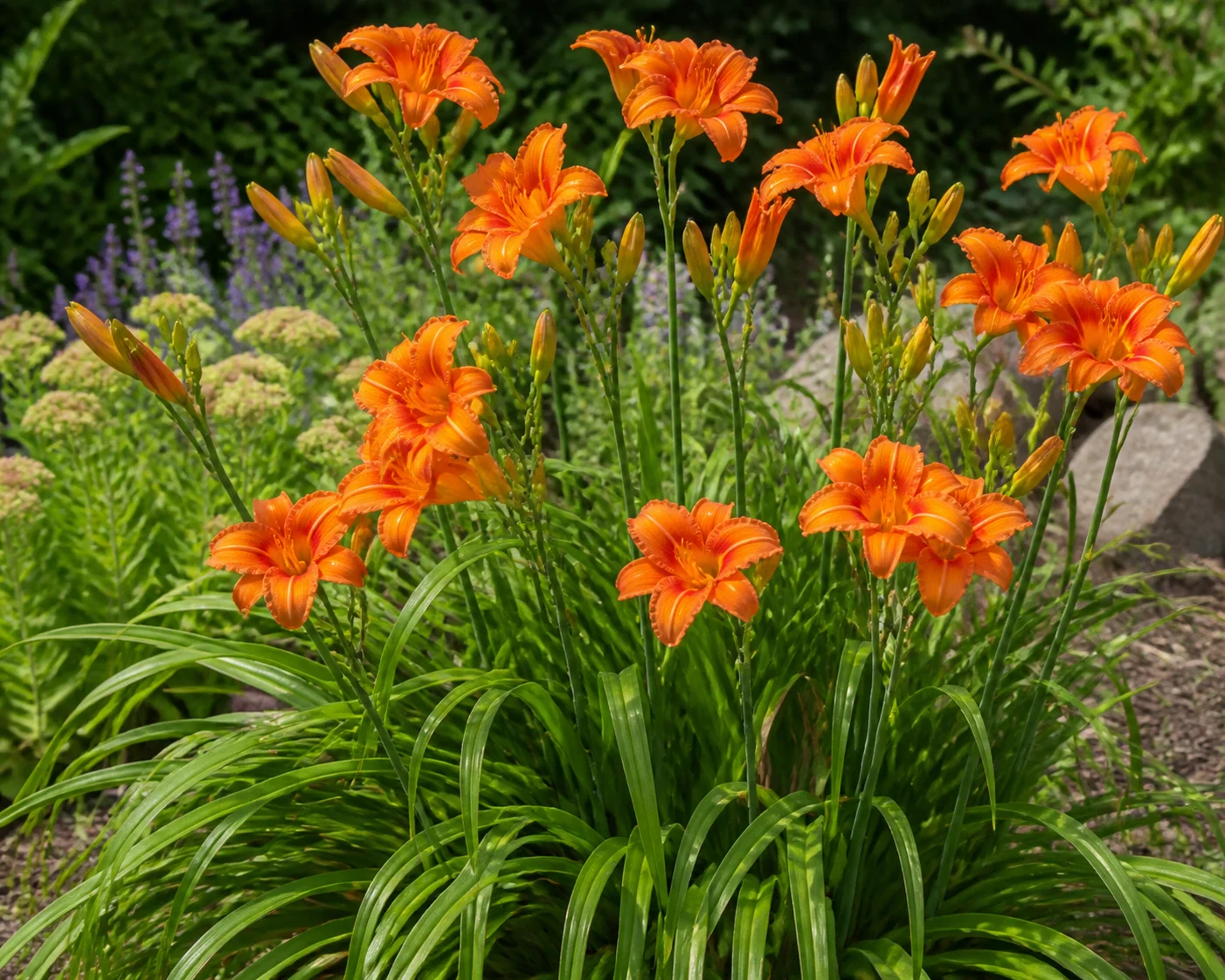
Daylily
Expanding summer foliage that can hide yellowing bulb leaves.
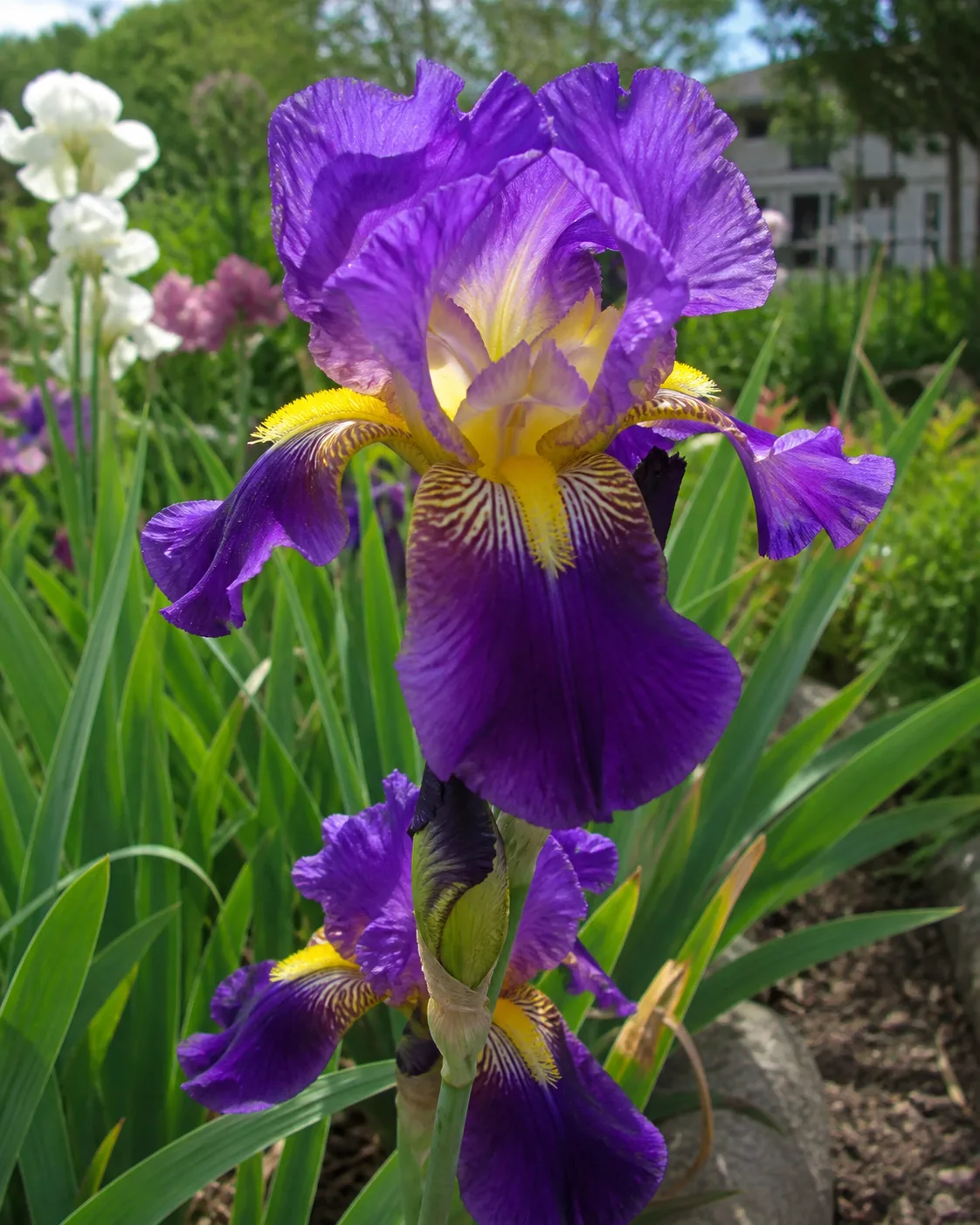
Bearded Iris
Bearded iris are tough, sun-loving perennials grown from shallow rhizomes, not deep bulbs.
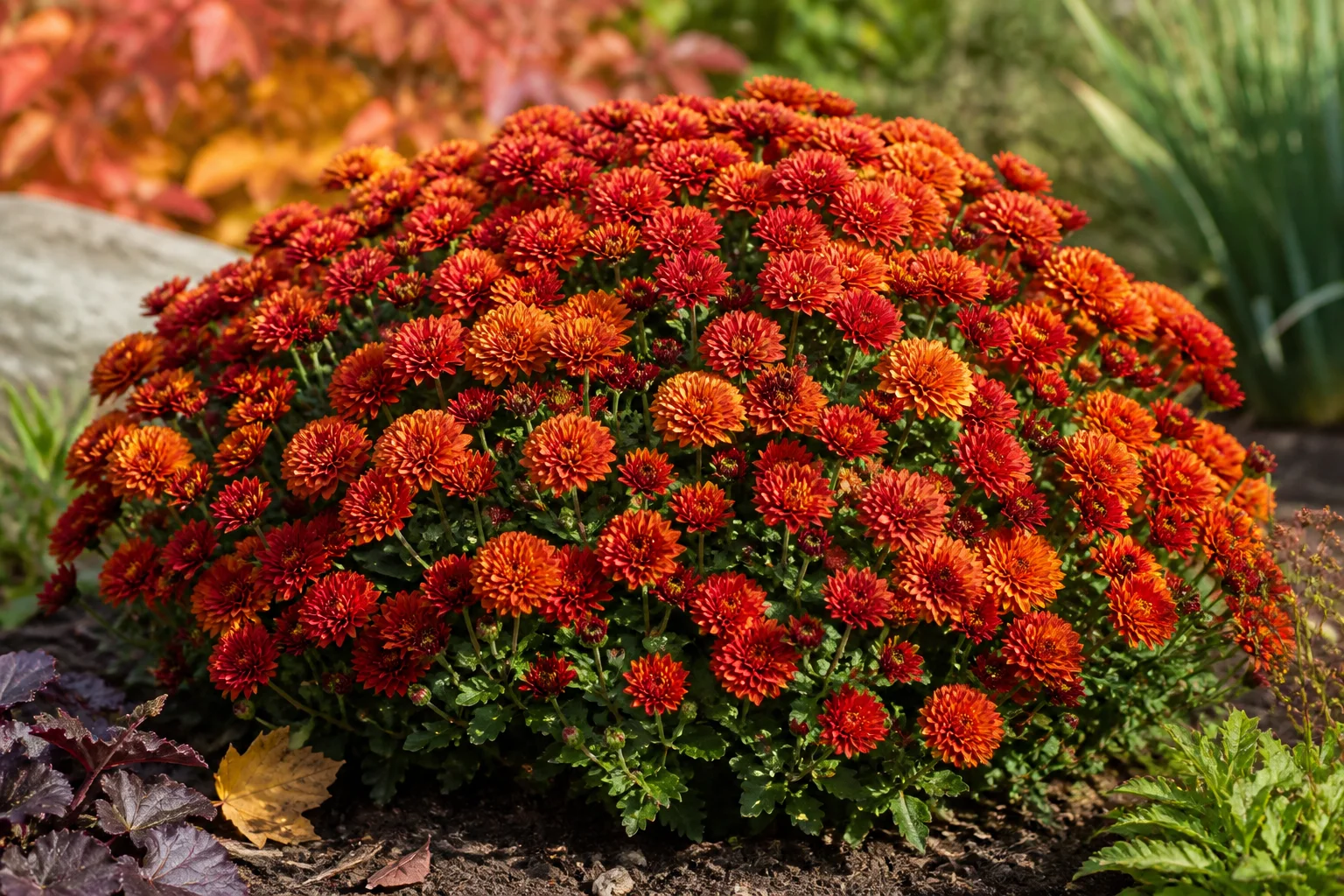
Chrysanthemum
Garden mums are the compact chrysanthemums most people buy for fall color.
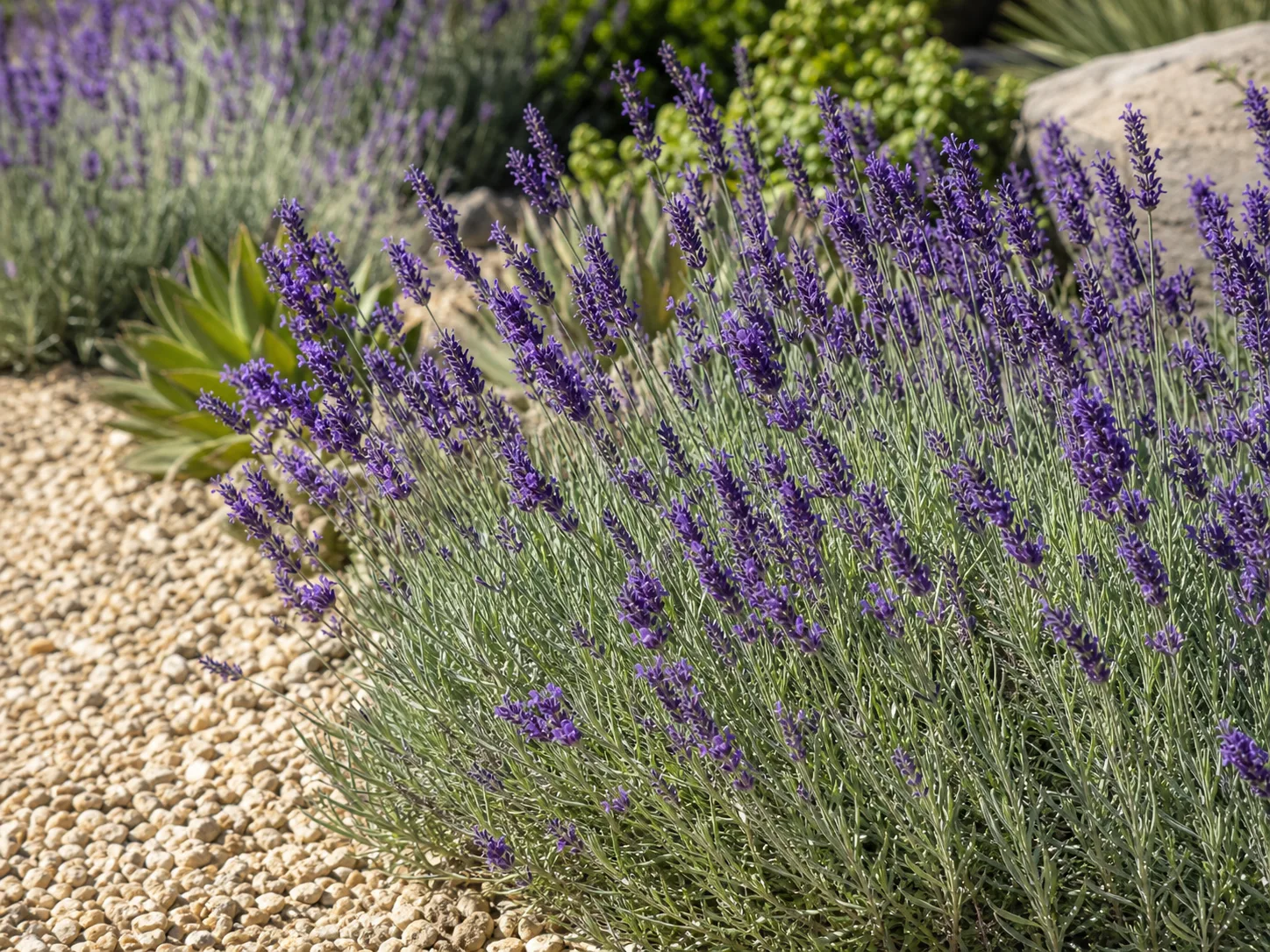
English Lavender
English Lavender is a woody Mediterranean subshrub grown for fragrant purple flower spikes, silvery foliage…