
How to Grow Marigolds and What They Can Do for Your Garden
Tagetes patula Asteraceae
Marigolds are warm-season annuals grown for bright flowers, easy seed starting, containers, borders, and vegetable-garden edges. They help garden diversity and can support pest management, but they are not a magic pest shield and should not be treated as fully edible or pet-safe by default.
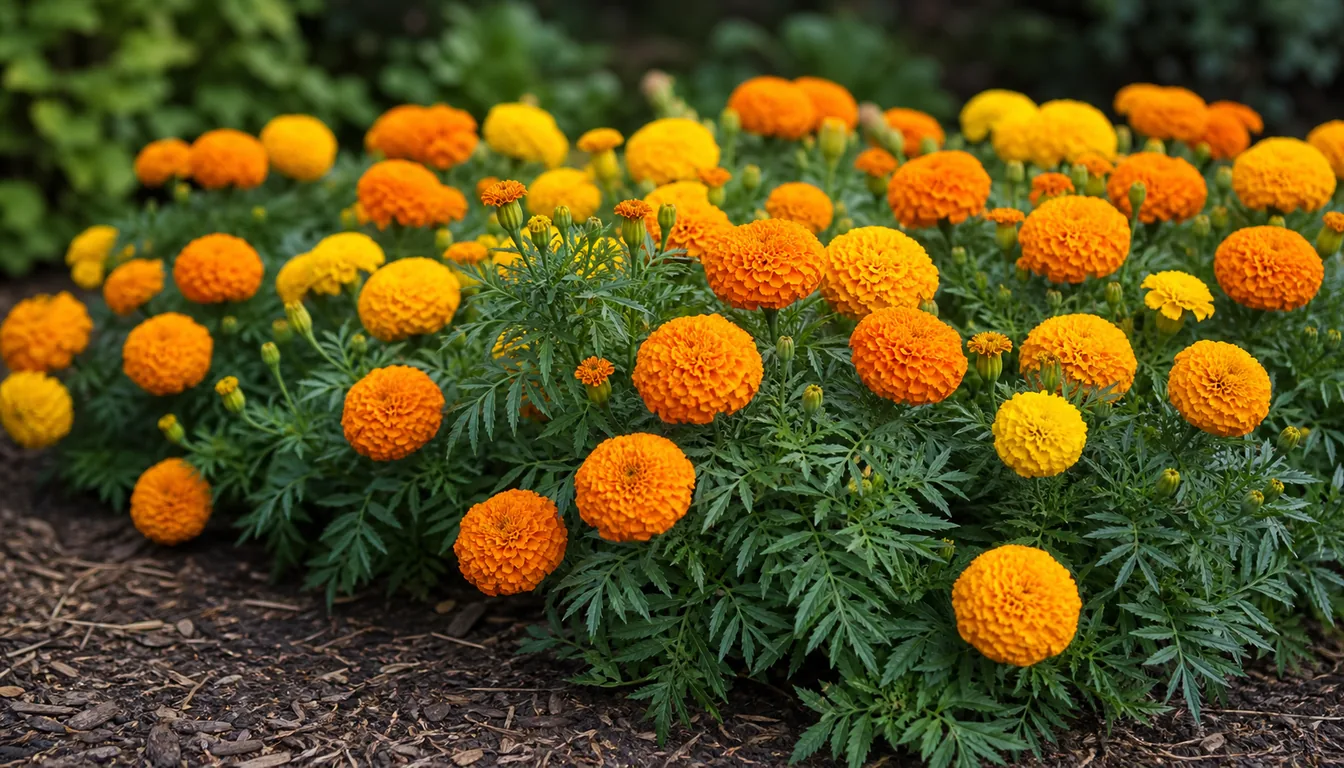
Care snapshot
What Marigolds Actually Do Well
In garden terms, Marigolds are warm-season annuals in the genus Tagetes, grown for fast color in beds, pots, vegetable edges, and sunny path borders. They are popular because they germinate easily and keep blooming with basic care.
French marigolds are compact and bushy, usually best for edging, containers, and vegetable beds. African or American marigolds are taller with larger pom-pom flowers and need more space.
The strongest use is not that marigolds repel every pest. It is that they add long-season flowers, scent, color, and insect activity to places that would otherwise be bare soil.
Despite the common names, both French and African marigolds are actually native to Mexico and Central America, not Europe or Africa, since old trade routes through those regions are how European gardeners first received the seed and gave the plants their misleading labels.
Watering Without Making Them Soft
New marigolds need steady moisture for the first week or two. Once rooted, they prefer a moderate dry-down between waterings rather than constantly wet soil.
In garden beds, water at the base during dry spells and let the top inch dry before watering again. Containers dry faster, especially small terracotta pots in full sun.
If you are unsure, use the same container watering routine you use for annual pots, checking the mix, watering thoroughly, and draining the pot fully.
Seedlings need a gentler touch than established plants. Keep the seedbed evenly moist until roots grab, then shift to deeper, less frequent watering so stems do not stay soft.
Marigolds tolerate dry spells better than soggy roots, but young transplants still need even moisture until they start branching. Once established, let the top soil dry before watering, since too much water grows soft foliage and fewer flowers.
A stressed marigold droops dramatically within hours of running dry, but it usually snaps back just as fast once watered, a forgiving recovery pattern that touchier annuals like impatiens do not share.
Choosing French, African, and Signet Types
Choose marigolds by mature size first. A tidy French type can edge tomatoes neatly, while a tall African type may shade seedlings or flop over a narrow path.
Color is the easy part, since yellow, orange, red, gold, cream, and bicolor blends are common. Form and height decide whether the plant belongs in a pot, border, or back row.
French, African, and signet marigolds behave differently in the garden. French types are compact and useful for edging, African types give large heads on taller stems, and signets are finer-textured plants for edible flowers and airy borders.
- French marigolds
- Compact, usually 6-18 inches, best for edging, pots, and vegetable borders
- African/American marigolds
- Taller, often 18-36 inches, with large rounded blooms
- Signet marigolds
- Fine foliage, small edible-style flowers, and a lighter texture
- Dwarf series
- Best for containers, front edges, and small raised beds
Signet marigolds are not just a smaller version of French types, since they belong to a different species, Tagetes tenuifolia, which is why their foliage, flower shape, and genuinely edible petals look and taste distinct from French or African marigolds.
Growing Marigolds From Seed
New plants start with timing, since Marigolds are one of the easiest flowers to start from seed. Direct sow after frost when soil has warmed, or start indoors 4-6 weeks before transplanting.
Seeds usually germinate quickly in warm soil. Keep the seedbed evenly moist until seedlings are established, then thin so plants have enough airflow.
If spring timing is hard in your climate, use seed-starting timing for trays and harden seedlings off before they move into full sun.
Starting from seed is usually easy, but timing still matters. If the soil is cold or the bed is not ready, the same direct sow vs transplant decision helps you choose between nursery starts and seeded rows.
- Sow after frost in warm soil, or start indoors 4-6 weeks early.
- Cover lightly and keep evenly moist until germination.
- Thin French types to about 8-12 inches apart.
- Give taller African types about 12-18 inches of room.
- Pinch leggy starts once to encourage branching.
Marigold seed stays viable for 2-3 years when stored cool and dry, so leftover seed packets from a prior season are usually still worth planting instead of tossing out.
Light: Full Sun Keeps Plants Compact
The bloom cue is light, since Marigolds need 6 or more hours of direct sun for dense growth and steady flowers. In shade, they stretch, bloom less, and hold moisture longer.
They handle hot exposed beds better than many soft annuals. That makes them useful near tomato rows, pepper beds, patio containers, and sunny front edges.
If your site has only morning sun and afternoon shade, choose compact French types and expect fewer flowers. For deep shade, use plants from a shade list instead of forcing marigolds to perform.
Marigolds need sun for dense branching and constant flowers. In shade they stretch, bloom less, and become more prone to mildew, especially when planted tightly around vegetables.
- Best site: open sun after frost danger passes.
- Good container site: hot steps, rails, and sunny patios.
- Poor-light clue: tall stems, fewer buds, and mildew-prone foliage.
- Spacing help: leave air between plants so leaves dry quickly.
Marigolds are one of the few bedding annuals that keep blooming through peak summer heat when many other warm-season flowers stall out, as long as they are getting the full sun they need.
Safety, Edibility, and Garden Use
Ecology and safety are separate jobs. Neither the ASPCA nor NC State gives a pet toxicity rating for Tagetes marigolds (the ASPCA's non-toxic marigold listing covers Calendula, a different plant), and NC State notes that the sap can irritate skin in sunlight.
Do not confuse Tagetes marigolds with Calendula, often called pot marigold. Calendula is a different plant, and edible-use guidance does not automatically transfer between them.
Use them as useful annuals, not magic pest shields, since safety and edible use still depend on how the flowers were grown and treated.
In Mexico, marigolds are deeply tied to Día de los Muertos celebrations, where their bright color and strong scent are traditionally believed to help guide spirits back to visit their families, a cultural role rooted in the plant's native range.
Soil and Fertilizer
The planting bed matters because Marigolds grow in average garden soil as long as it drains. They do not need a rich bed to flower, and too much nitrogen can give you leafy plants with fewer blooms.
Before planting, loosen compacted soil and mix in a small amount of compost. In containers, use regular potting mix with drainage holes, not heavy garden soil.
The fertilizer mistake is similar to overfeeding vegetables at the wrong stage. If you are already sorting that out for tomato fertilizing, apply the same restraint here.
Average soil is enough for marigolds. If you give them rich, wet ground and frequent fertilizer, they often respond with leaves instead of the compact flower production most gardeners want.
- Soil texture
- Average loam or improved soil that drains after watering
- Fertilizer
- Light feeding only; avoid high nitrogen
- Containers
- Standard potting mix with drainage holes
- Mulch
- Thin mulch layer in beds, kept below lower leaves
Marigolds tolerate a wide soil pH range and rarely need adjustment, so gardeners chasing perfect flower color or vigor should look at sun and water first, since soil chemistry is almost never the limiting factor for this plant.
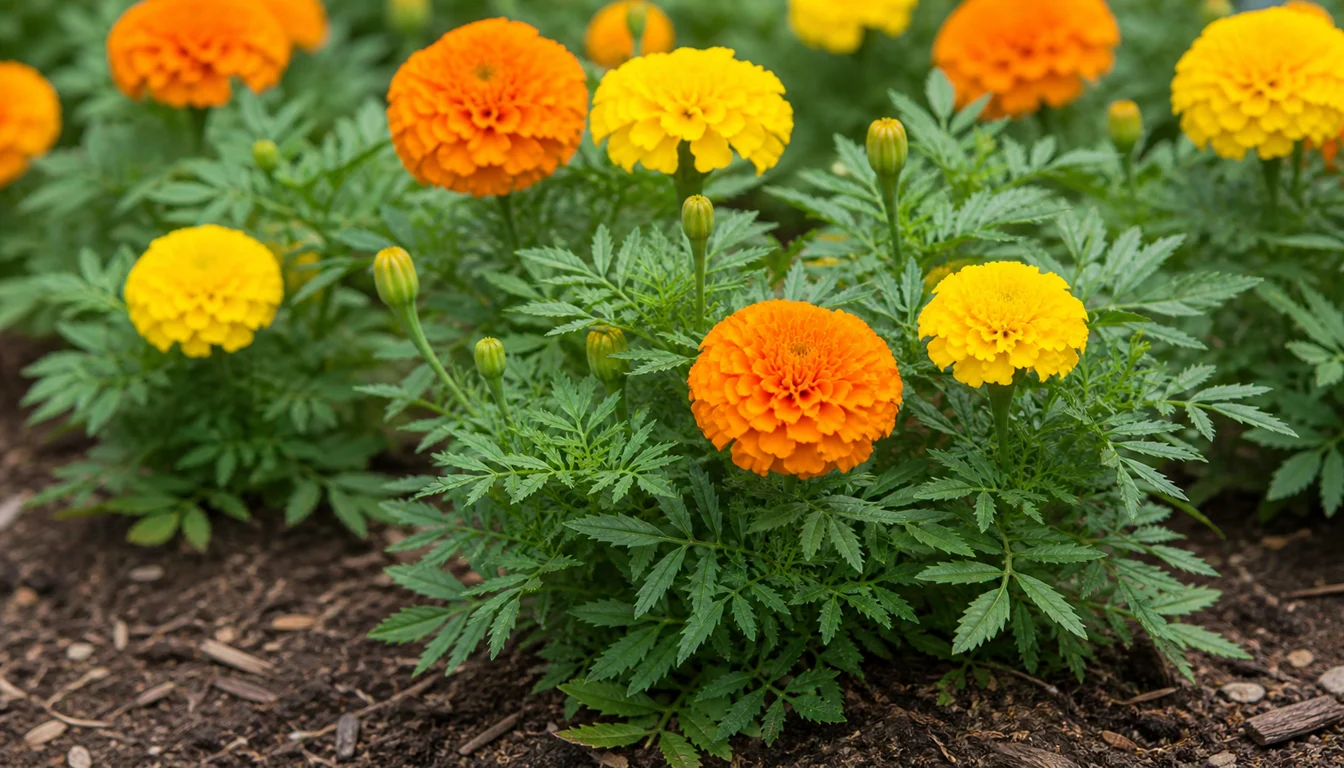
Companion Planting and Pest Reality
Pest work starts with diagnosis, since Marigolds can support pest management, but they do not create a force field. Their scent, flowers, and root chemistry can help in specific situations, while many pest problems still need inspection and barriers.
French marigolds are often discussed for nematode suppression, but the effect depends on species, timing, and how densely they are grown. A few plants tucked between vegetables will not fix a serious soil pest problem.
If nematodes are the real target, think more like a cover crop than a garnish. Grow a solid block of the right Tagetes type for a meaningful window, then remove or turn it under before planting the next susceptible crop.
The pest-control reputation is useful but often overstated. Marigolds can help with some nematode and companion-planting situations, but they do not repel every insect, and their best value is steady bloom, easy deadheading, and drawing beneficial insects into vegetable beds.
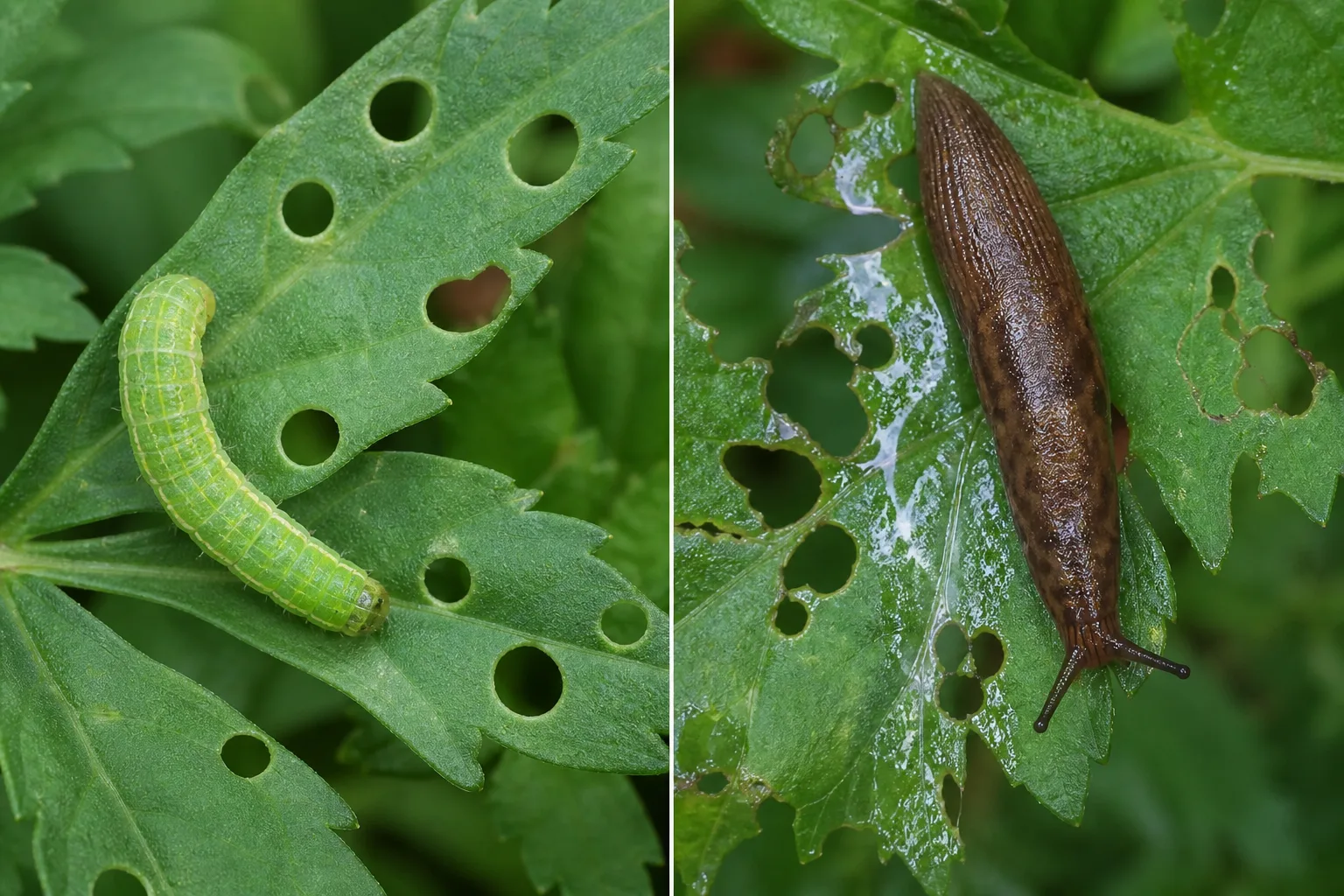
Caterpillar chewing and slug or snail chewing both leave holes in marigold leaves and flowers, but the timing and shape of the damage point to a different culprit and a different fix.
Caterpillars chew clean-edged notches and holes during the day and are usually visible on the plant, while slugs and snails leave ragged, irregular holes overnight and always leave a telltale silvery slime trail behind.
Hot dry stress can cause stippled leaves and fine webbing.
Chew young seedlings in damp beds or heavy mulch.
White leaf coating in crowded, humid, low-airflow sites.
Chew leaves and flowers. Hand-pick small outbreaks.
The compound behind marigold's real nematode suppression is called alpha-terthienyl, released from the roots into the surrounding soil, which is why the benefit depends on planting a dense block directly in infested ground rather than a few scattered flowers.
Deadheading and Seasonal Care
Care shifts by season, since Marigolds bloom from warm weather until frost if they get sun and are not allowed to spend all their energy on seed.
Deadheading is the main maintenance job. Pinch or snip spent flowers back to a leaf joint, or use the dedicated deadheading spent blooms guide when plants get heavy with old blooms.
Deadheading is optional but useful when you want a polished bed. Letting some flowers go to seed is fine late in the season, especially if you want to save seed from open-pollinated types.
Plant after frost and keep seedlings evenly moist.
Deadhead, water during dry spells, and scout for mites or mildew.
Trim tired plants lightly for a fall flush.
Let final flowers run until frost, or save dry seed from open-pollinated plants.
A hard frost ends the display outright, since marigolds have no cold tolerance at all and turn to mush within a day or two once temperatures drop below freezing.
Frequently Asked Questions
Are marigolds easy to grow from seed?
Yes, since Marigolds germinate quickly in warm soil and are good beginner annuals. Direct sow after frost or start indoors 4-6 weeks before transplanting.
Do marigolds really repel pests?
Marigolds can help with specific pest-management goals, but they do not repel every pest. Use them as part of companion planting, not as the only defense for vegetables.
How much sun do marigolds need?
Marigolds need at least 6 hours of direct sun for strong bloom. In shade they stretch, flower less, and become more prone to mildew.
Should I deadhead marigolds?
Yes, deadheading marigolds keeps plants tidier and encourages more flowers. Some modern types are more self-cleaning, but old blooms still slow the show.
Are marigolds safe for pets?
Marigolds are best treated as low-risk but not snack plants. They can irritate skin or upset pets that chew a lot of foliage or flowers.
Can marigolds grow in containers?
Yes. Compact marigolds grow well in containers with drainage, full sun, and regular water when the top inch of potting mix dries.
Sources & References
Related Plants
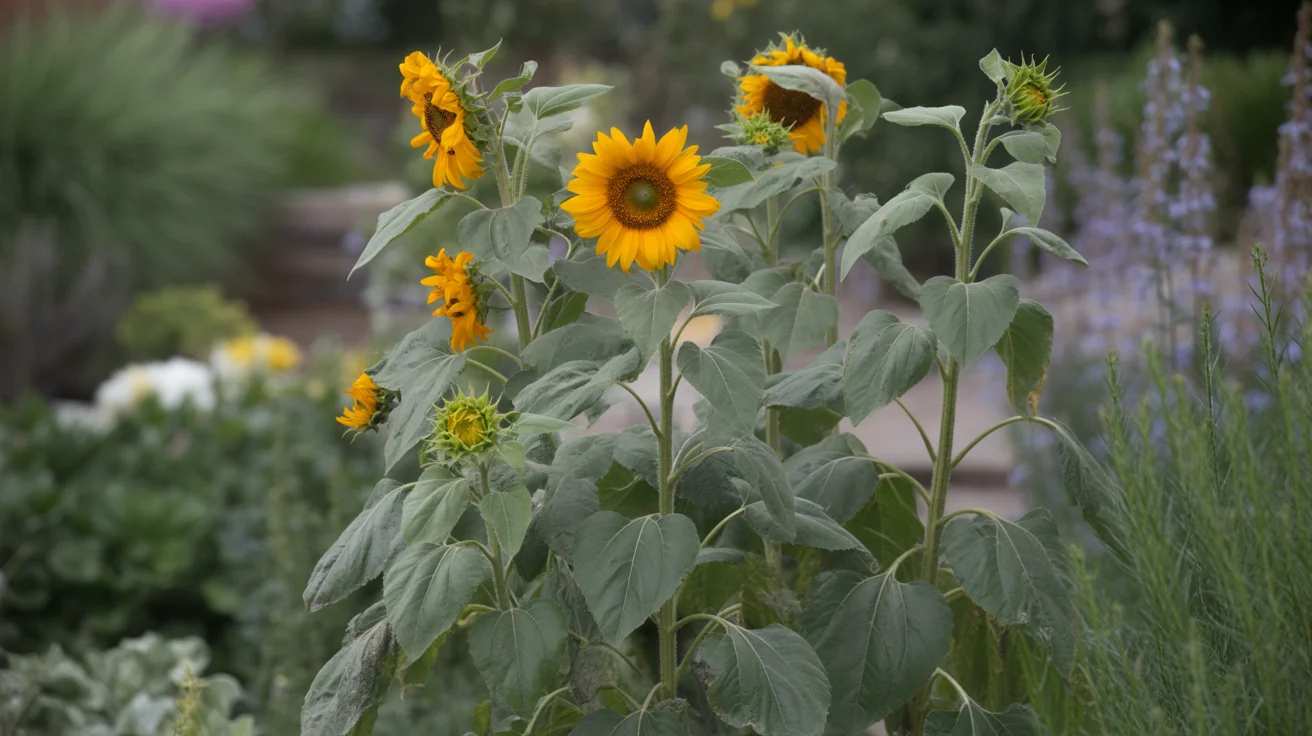
Sunflower
Bold annual for height and pollinator traffic behind marigold borders.
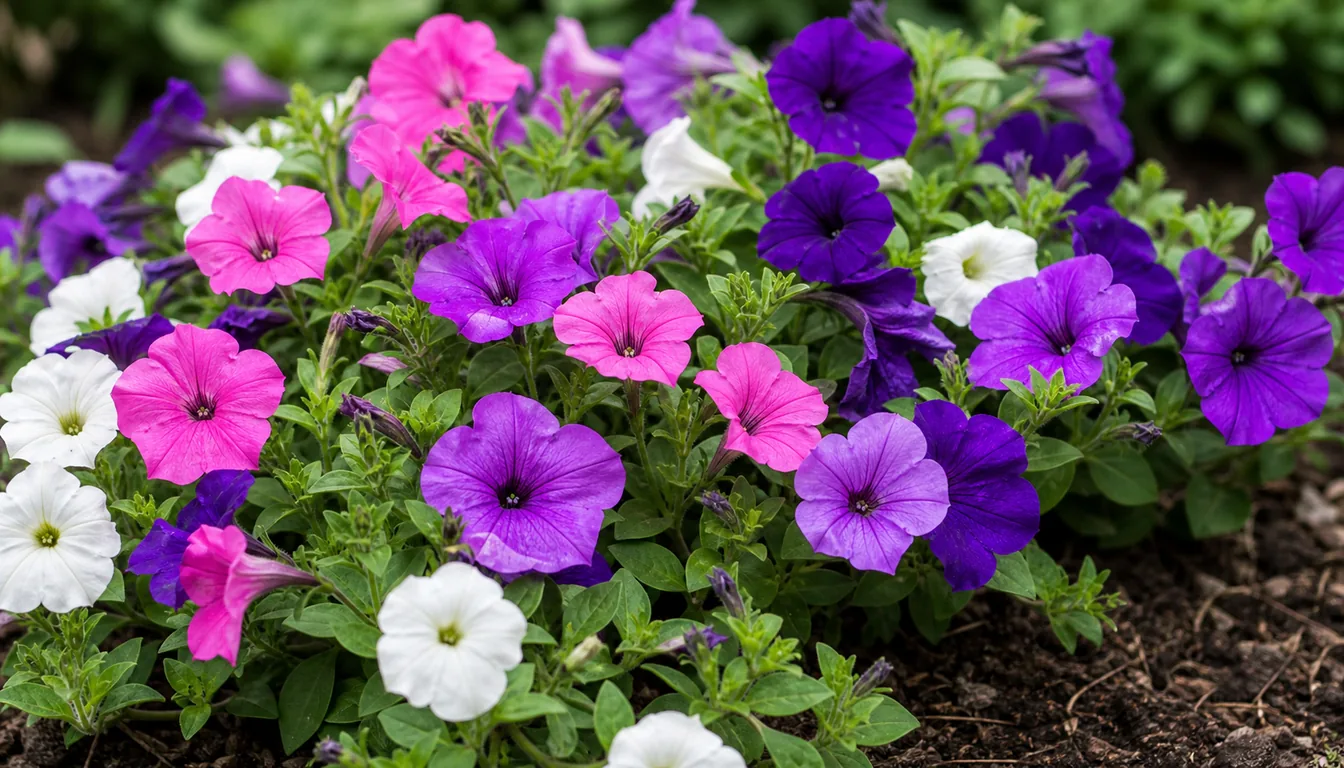
Petunia
Continuous-blooming container annual that needs steadier watering than marigold.
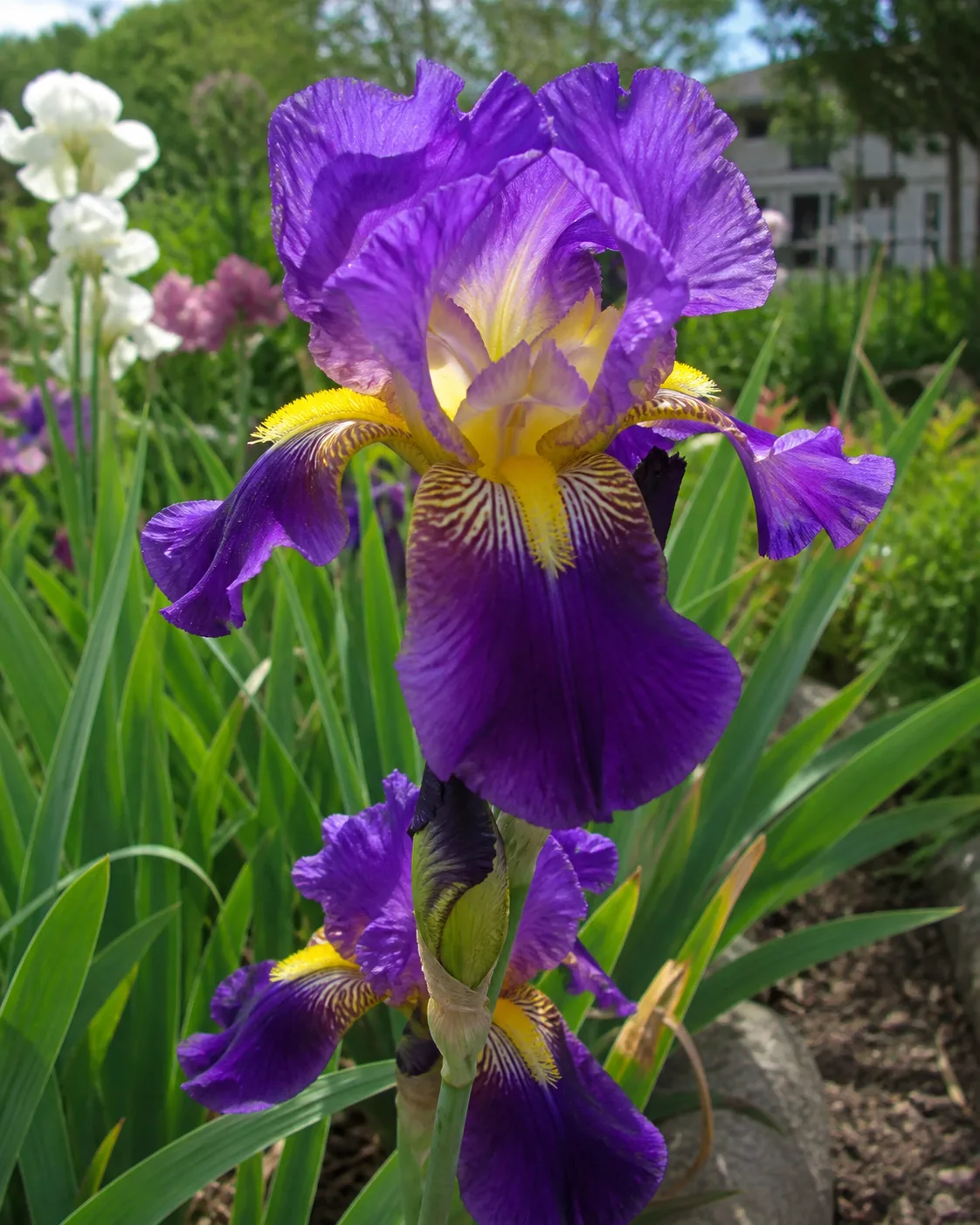
Bearded Iris
Bearded iris are tough, sun-loving perennials grown from shallow rhizomes, not deep bulbs.
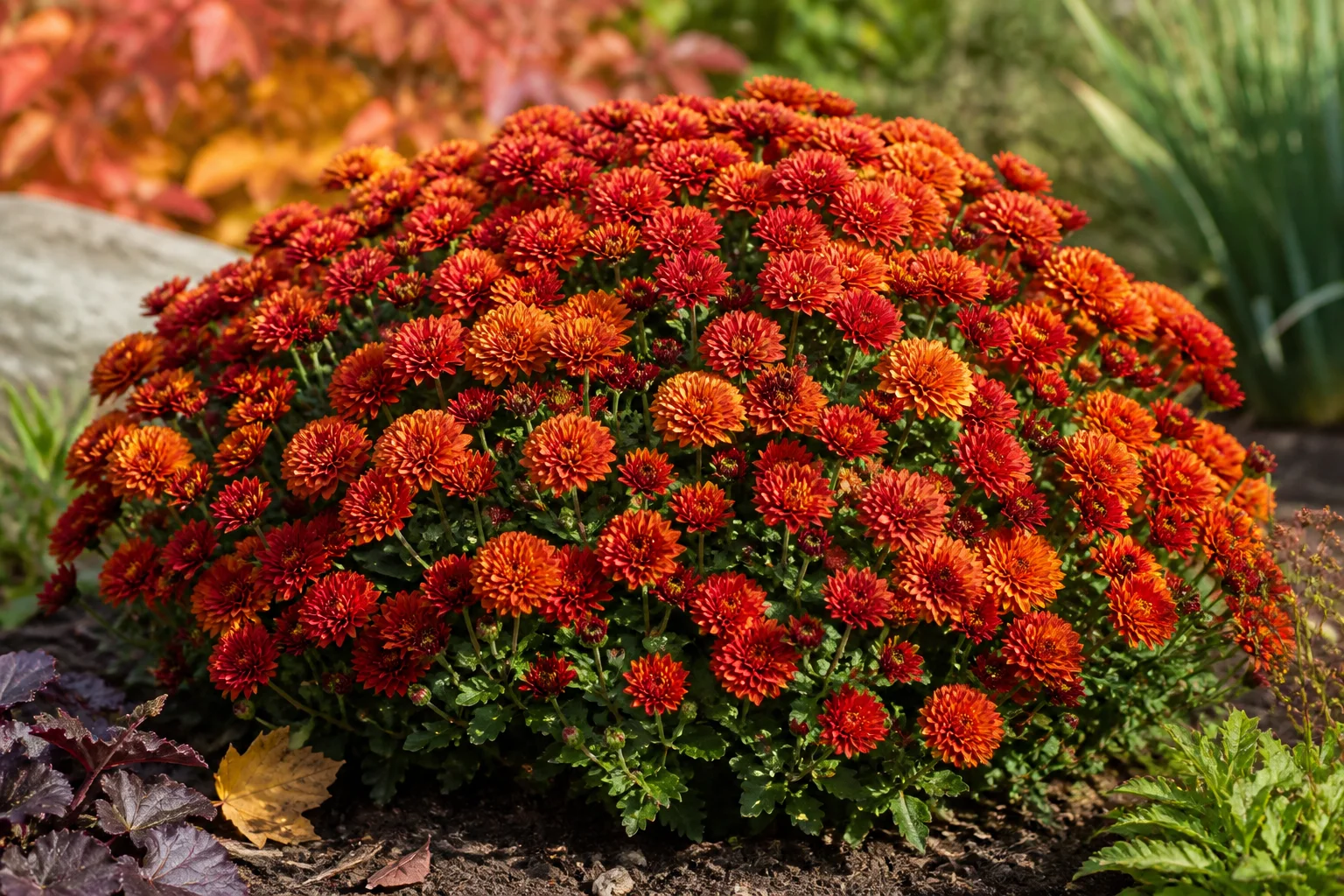
Chrysanthemum
Garden mums are the compact chrysanthemums most people buy for fall color.
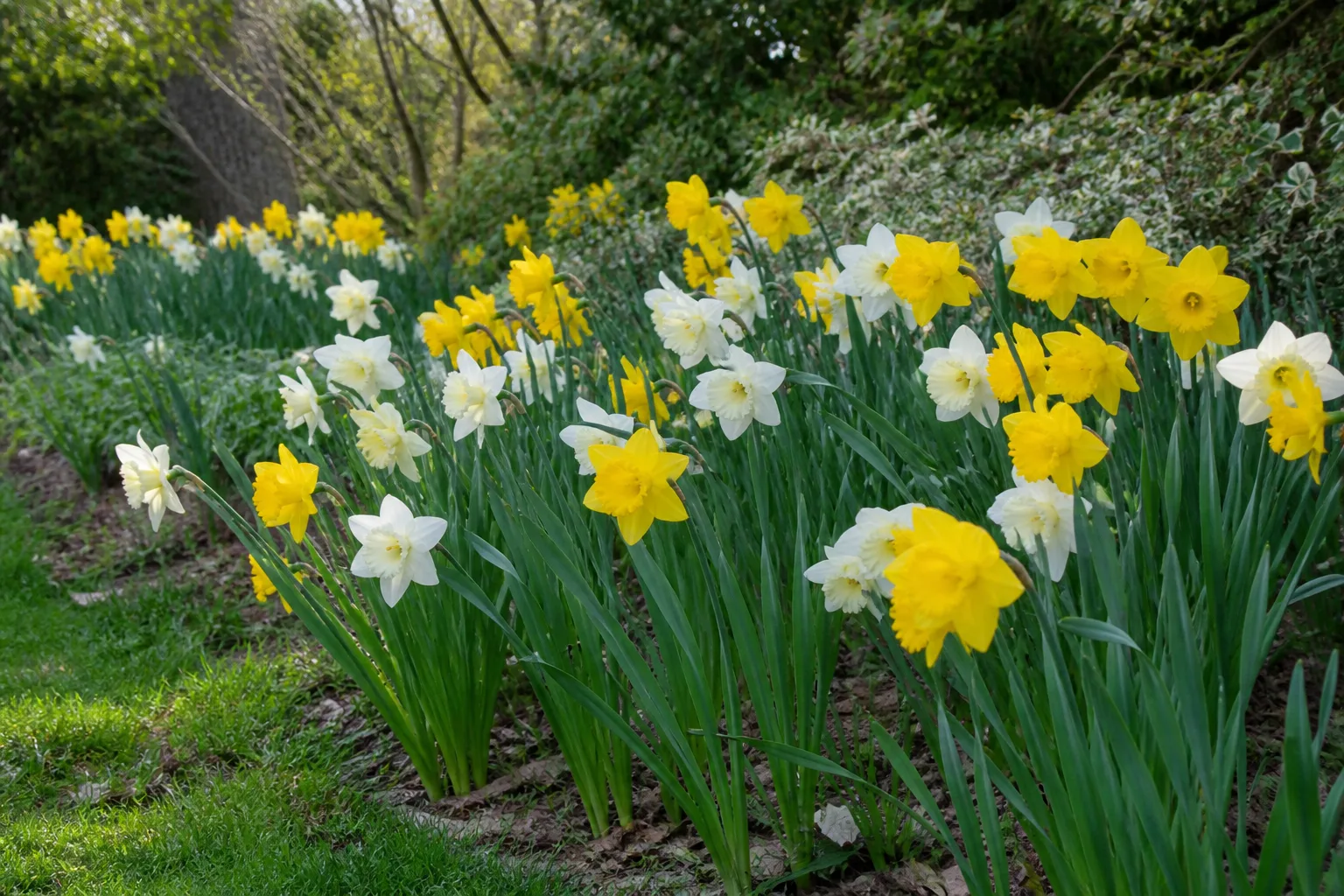
Daffodil
Daffodils are hardy fall-planted bulbs grown for reliable spring flowers, deer resistance, and decades of return bloom…
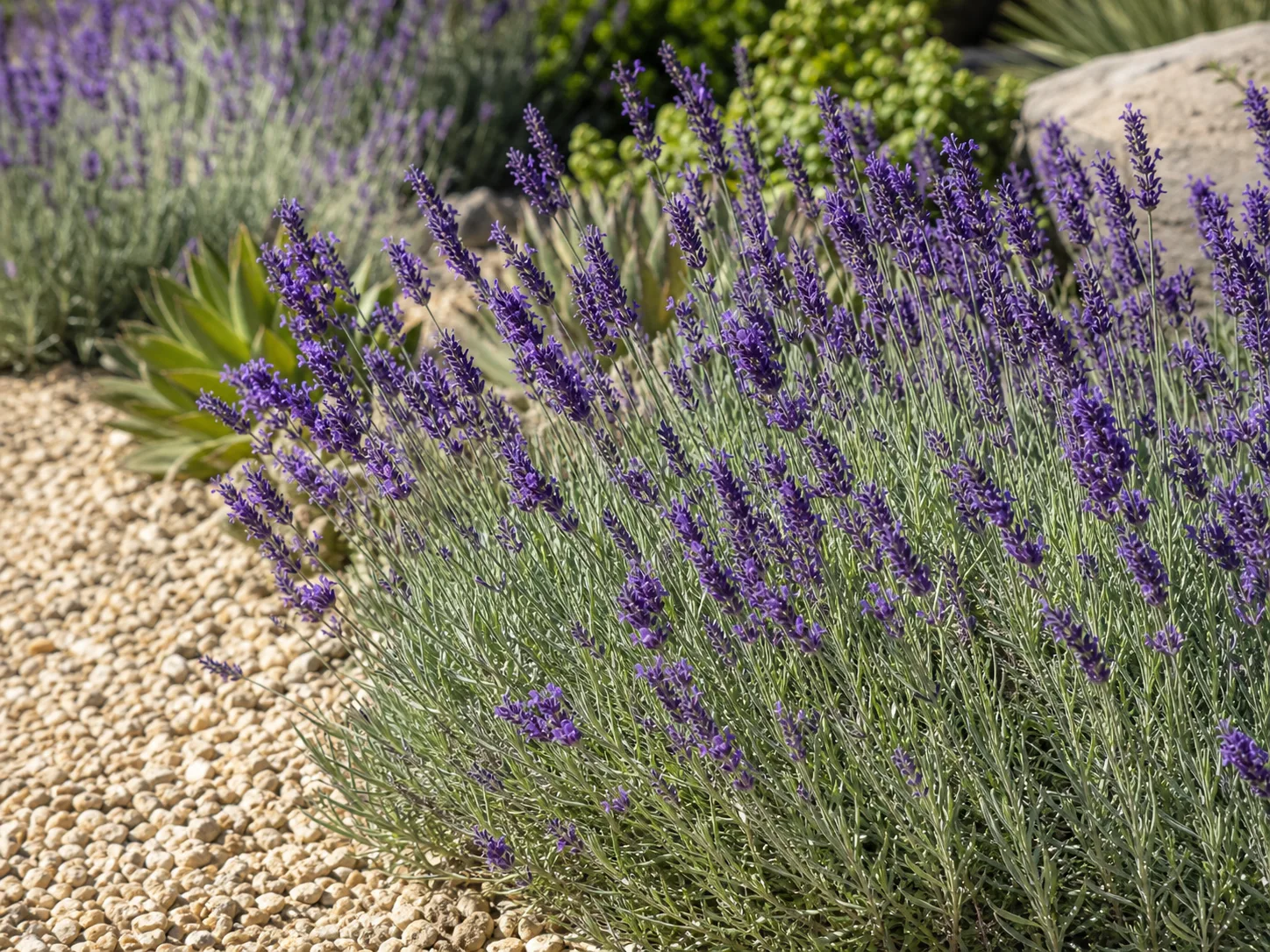
English Lavender
English Lavender is a woody Mediterranean subshrub grown for fragrant purple flower spikes, silvery foliage…