
Which High-Yield Vegetables Produce Most in Small Gardens?
Choose high-yield vegetables for small gardens by comparing usable harvest, footprint, picking weeks, vertical growth, succession timing, and waste.
At a glance
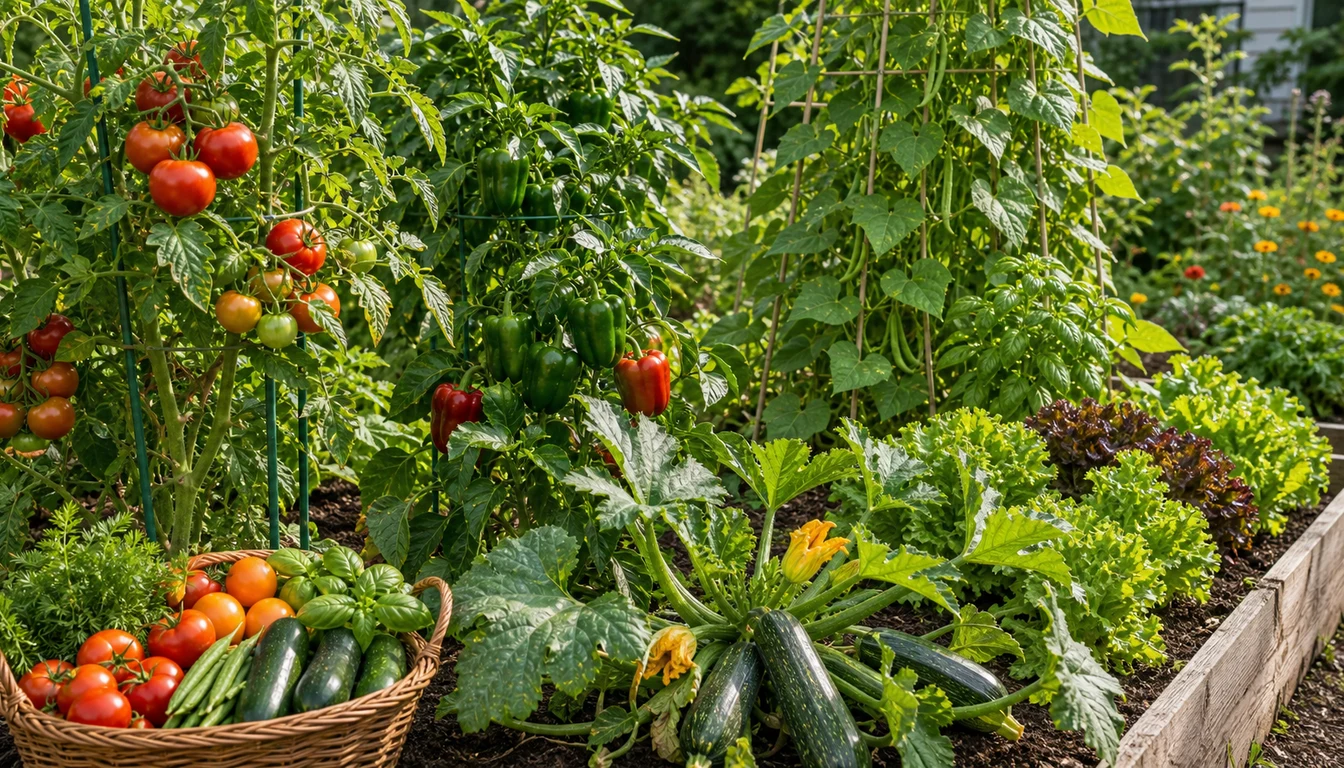
The strongest high-yield vegetables for small gardens are Pole Beans, trellised Cucumber, indeterminate cherry Tomato, compact Pepper, and repeat-pick greens such as leaf Lettuce, Kale, and Swiss chard. Zucchini can deliver a heavy harvest from one plant, while Radish and young greens raise seasonal output by leaving the soil quickly or producing more than one cutting.
No crop wins every measurement.
A tomato may lead in pounds from one vertical plant, while lettuce can turn the same edge into several salad harvests before summer heat arrives.
Start with the food your household will pick and eat.
Then compare the crop's footprint, weeks in the bed, harvest frequency, support needs, and likely waste before it earns a slot.
Which High-Yield Vegetables Produce the Most Food per Square Foot?
There is no honest universal winner, but a short group performs well across many small gardens. Pole Beans, trellised Cucumber, indeterminate cherry Tomato, compact Pepper, repeat-pick greens, and carefully limited Zucchini all turn a small footprint into more than one harvest.
Their advantages come from different mechanisms.
Climbers use airspace, fruiting plants stay in production for weeks, leafy crops regrow after selective cutting, and quick roots let a second crop use the same soil.
Climb for repeated pods
Pole Beans produce along a narrow trellis and remain easy to pick when both faces stay visible.
Lift vines off the soil
Trellised Cucumber keeps fruit cleaner and exposes hidden cucumbers before they become overmature.
Fruit through the warm season
Indeterminate cherry Tomato and compact Pepper can return many small harvests from one supported plant.
Cut leaves more than once
Leaf Lettuce, Kale, Swiss chard, and cool-season Spinach earn space through repeated or closely spaced harvests.
Turn a gap quickly
Radish contributes speed rather than the greatest weight, which matters when another crop already owns the next weather window.
University of Minnesota production-planning tables show why plant form matters. Their estimates put pole beans at 90 to 115 pounds per 100-foot row compared with 80 pounds for bush beans, while continuously harvested kale is listed at 2.75 to 4 pounds per plant.
Those figures come from managed production systems and are not promises for one backyard bed. They are useful for comparing harvest patterns, but cultivar, climate, disease pressure, soil, and picking frequency still decide the result at home.
| Crop | Best small-space form | How it earns space | Main catch |
|---|---|---|---|
| Pole Beans | climbing snap bean | repeated pods from a narrow ground strip | needs a tall support and frequent picking |
| Cucumber | trellised or compact type | repeated fruit with a visible picking face | vines fade early under disease or heat stress |
| cherry Tomato | indeterminate plant on a strong support | a long harvest from vertical growth | needs root room, steady water, and access |
| Pepper | compact sweet or hot type | many fruits on a modest plant in warm weather | starts slowly and dislikes cool conditions |
| leaf Lettuce and Swiss chard | loose-leaf or cut-and-come-again form | repeated servings from shallow, reachable space | lettuce quality falls when heat triggers bolting |
| Kale and Spinach | outer-leaf or multiple-cut harvest | useful output in cool shoulder seasons | heat and pests can shorten the window |
| Zucchini | compact bush type | heavy output from one well-pollinated plant | one plant can occupy a large corner |
| Radish | quick salad type | clears a slot rapidly for the next crop | each root is a single harvest |
What Does High Yield Mean in a Home Garden?
High yield means usable food from a limited resource, not the largest plant or the heaviest single harvest. The limiting resource may be square feet, sunny weeks, container volume, water, picking time, or space in the kitchen.
Oregon State Extension recommends considering the amount and value of produce you actually eat per square foot, along with crop speed, difficulty, pest pressure, and grocery replacement cost.
That approach prevents a basket of unwanted produce from looking like success.
| Measure | What to record | What the record changes |
|---|---|---|
| occupied space | bed area, container size, and support footprint | compares a sprawling plant with a vertical one |
| occupied time | planting date, first harvest, and removal date | shows whether a second crop can use the slot |
| harvest pattern | one flush, repeat picking, or repeat cutting | reveals how often food reaches the kitchen |
| usable output | meals, jars, freezer bags, or pounds actually kept | removes oversized or spoiled produce from the total |
| labor and access | watering, tying, pest checks, and picking time | exposes crops that cannot be managed in that location |
A Zucchini plant can win on pounds per plant and lose on pounds per square foot. Radish can look modest in one harvest and still improve the season because it leaves before the summer crop needs full light.
Keep a one-line ledger for each bed slot. Record what the crop delivered, how many weeks it occupied the space, and how much went unpicked or unused.
Which Vegetables Fit Your Small-Space Constraint?
Choose the limiting resource before choosing the crop. A plant described as compact may still need more soil, sun, support, or picking time than the site can provide.
Vertical space favors Pole Beans and trellised Cucumber because their harvest face rises above a narrow strip of soil. The support must remain reachable, and its shadow should fall away from the shorter crops you value most.
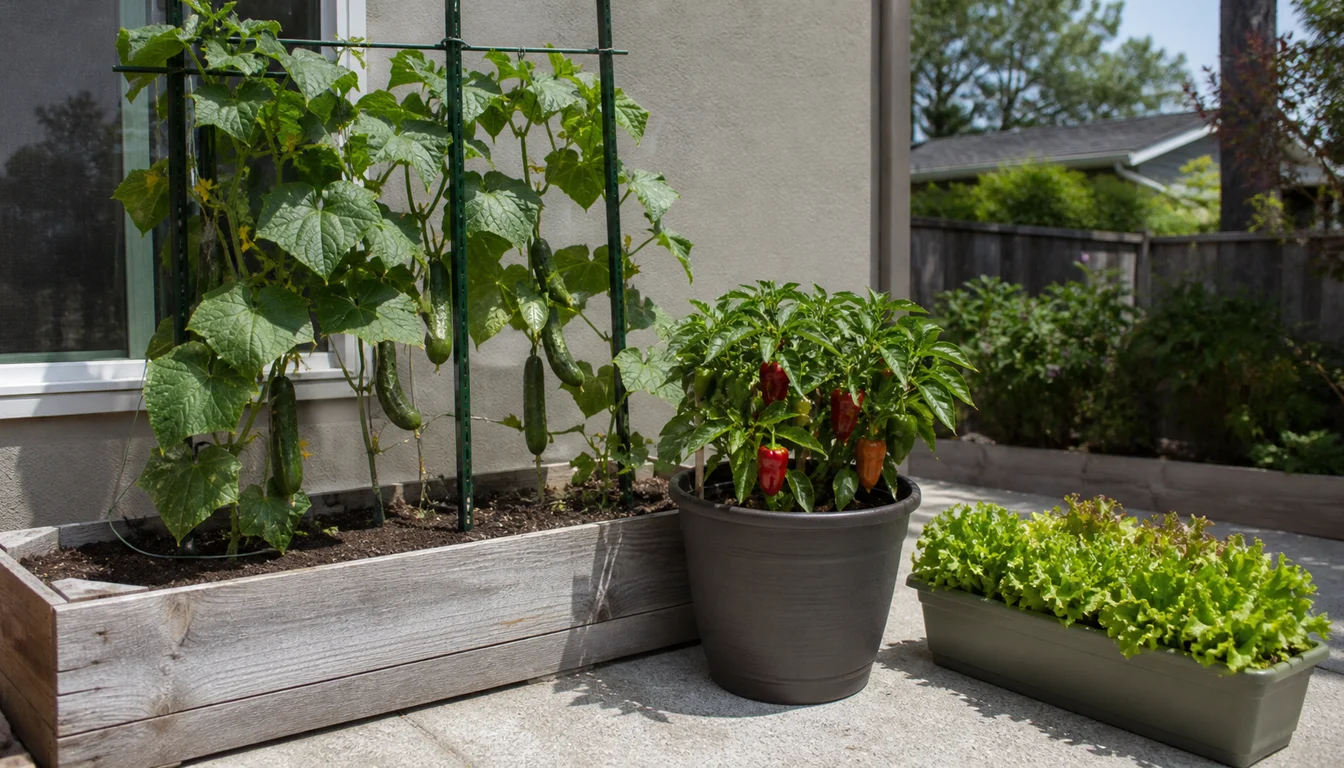
Containers favor Pepper, compact tomato cultivars, leafy greens, and smaller-rooted quick crops when the pot has enough volume. Illinois Extension lists a top diameter greater than 20 inches for tomatoes and greater than 16 inches for peppers, while leafy greens can use a 10-inch container.
Cooler edges suit leaf Lettuce, Spinach, and Kale better than warm-season fruiting crops. These greens still need useful light, but a little afternoon protection can extend quality when the same spot would leave a pepper unproductive.
Narrow ground strip
Train Pole Beans or Cucumber upward and keep at least one full picking face open.
Patio container
Use a compact Pepper or tomato only when the container can hold enough moist root volume through hot weather.
Cool bed edge
Cut leaf Lettuce, Spinach, Swiss chard, or Kale where midday heat would shorten fruit set.
Short season
Choose quick roots, baby leaves, bush beans, or early cultivars that can finish before the next temperature limit.
Reject a crop when its non-negotiable requirement does not fit.
A trellis without picking access, a tomato in a small pot, or lettuce in reflected midsummer heat will not become efficient because the seed packet says high yielding.
How Can You Arrange a High-Yield 4×8 Bed?
Treat a 4×8 bed as a set of harvest roles, not as a fixed plant-count formula.
Begin by marking the side that receives the least useful sun and every edge you can reach without stepping into the soil.
Put the tallest support where its mature shadow will not cover the bed's most valuable shorter crop. Leave the trellis visible from both sides when possible because hidden pods and cucumbers quickly become waste.
Reserve the open center for long-season plants that need root room and repeated access. A supported cherry Tomato or compact Pepper can stay there, while leaf Lettuce and quick Radish use the front edge before the canopy expands.
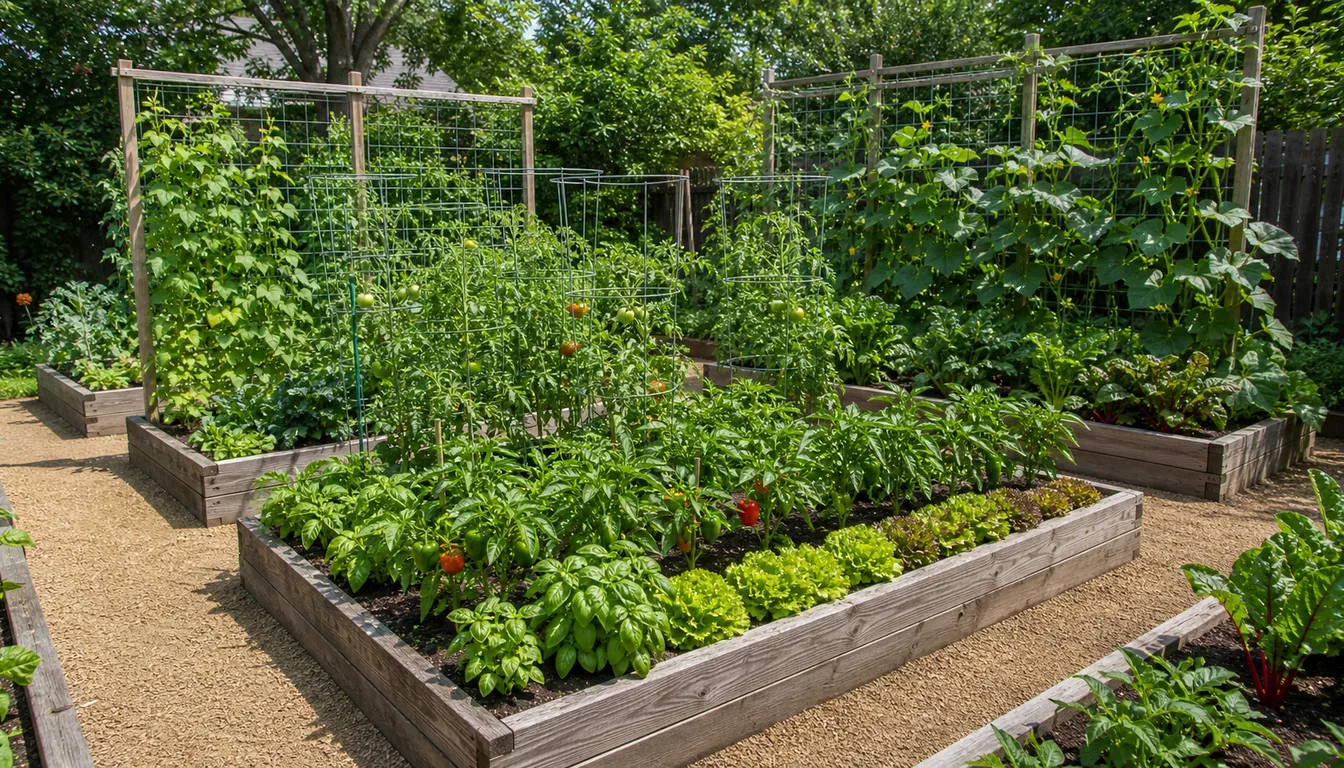
- Orient the supportMark where the mature trellis shadow will fall, then keep that shadow off the main warm-season fruiting zone.
- Reserve long-season spaceGive tomatoes, peppers, or one compact zucchini the room they will occupy at full size rather than at transplant size.
- Edge the repeat cropsPut greens and frequently picked herbs where a hand can reach without brushing through wet foliage.
- Mark the handoff gapsUse only the open soil that will remain open until the incoming crop truly needs it.
This arrangement is a starting logic, not a universal map. Rotate it when the path, slope, fence, or sun direction makes another edge easier to reach.
The test is simple.
You should be able to see ripe fruit, reach every repeat crop, and remove one finished plant without damaging the crops that remain.
When Should Quick Crops Hand Off to Summer Crops?
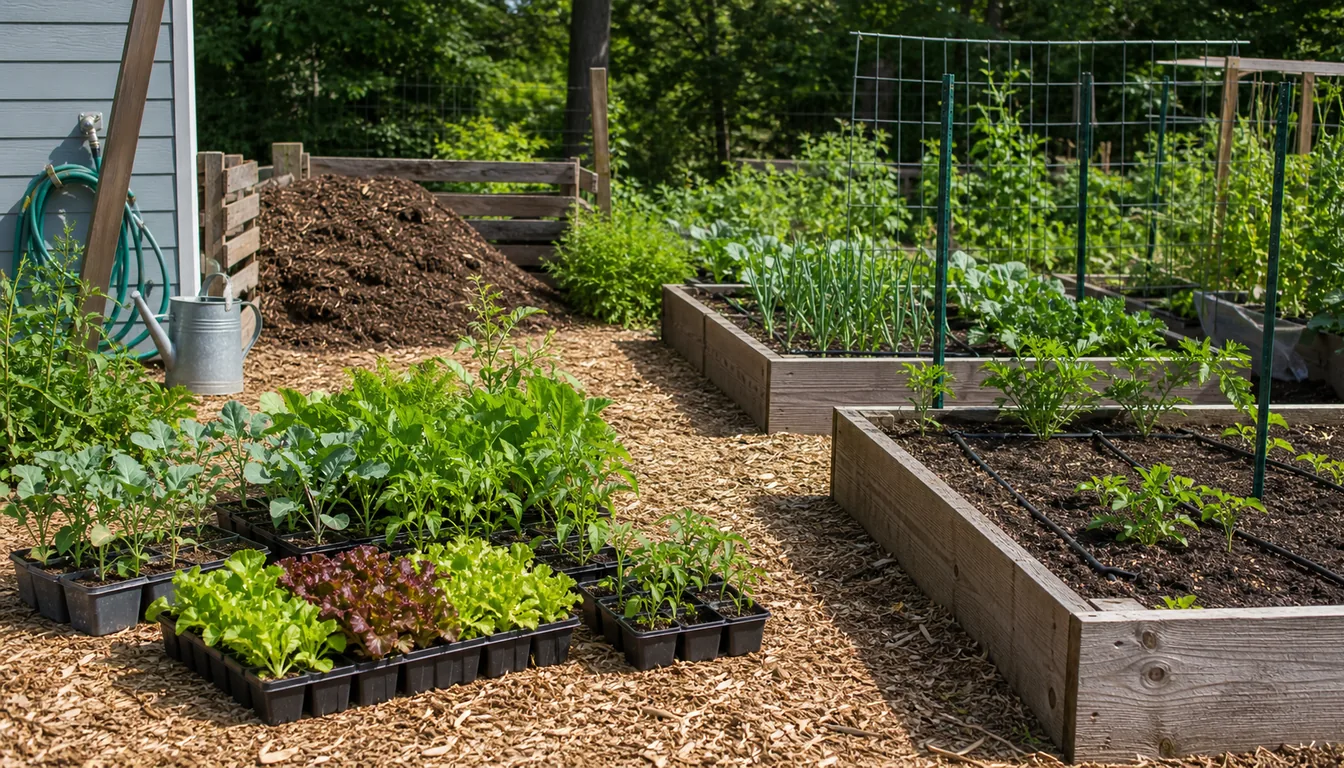
A crop handoff is controlled by the incoming plant, not by whether the outgoing plant still looks alive. Clear the slot when the next crop needs its light, root room, or weather window.
Spring Radish and leaf Lettuce can grow near young tomatoes because the tomato canopy is still small. They must leave before roots and leaves compete with the plant that will carry the bed through summer.
Bush beans can follow spring greens where the warm season is long enough. Fall Spinach or lettuce can follow a declining cucumber vine after heat eases, but the replacement should be ready before the old crop is removed.
| Outgoing crop | Incoming crop | Handoff signal |
|---|---|---|
| spring Radish | supported tomato or pepper | warm-season roots and canopy begin using the gap |
| spring leaf Lettuce | bush beans or compact cucumber | leaves turn bitter or the incoming crop needs full light |
| tired summer beans | fall Spinach or lettuce | pod quality drops and cooler sowing weather arrives |
| declining Cucumber | fall greens or a cover crop | disease or shorter days end useful fruiting |
University of Minnesota identifies leafy greens, radishes, and peas as useful shoulder-season crops. RHS guidance also recommends sowing small batches of mini vegetables about every three weeks to spread the harvest.
Use those ideas as timing tools rather than fixed dates. Local frost, heat, and cultivar maturity decide the actual handoff day.
How Do Water and Feeding Protect Heavy Yields?
Care should follow the part you harvest. Fruiting crops need even root-zone moisture through flowering and fruit fill, while repeat-leaf crops need enough nitrogen and water to rebuild useful leaves without becoming soft and pest-prone.
Moisture swings reduce usable yield even when the plant survives. Drying followed by a heavy soak can contribute to split fruit, misshapen roots, bitter leaves, or interrupted growth depending on the crop.
Water the soil instead of wetting the whole canopy late in the day. Drip lines, soaker hoses, and mulch reduce evaporation and keep the root zone more even, but you still need to check below the surface rather than watering by the calendar.
Too much nitrogen can produce a large green tomato or squash plant with disappointing fruit set. Feed according to a soil test or crop need, and do not treat dark foliage as proof that a bed is productive.
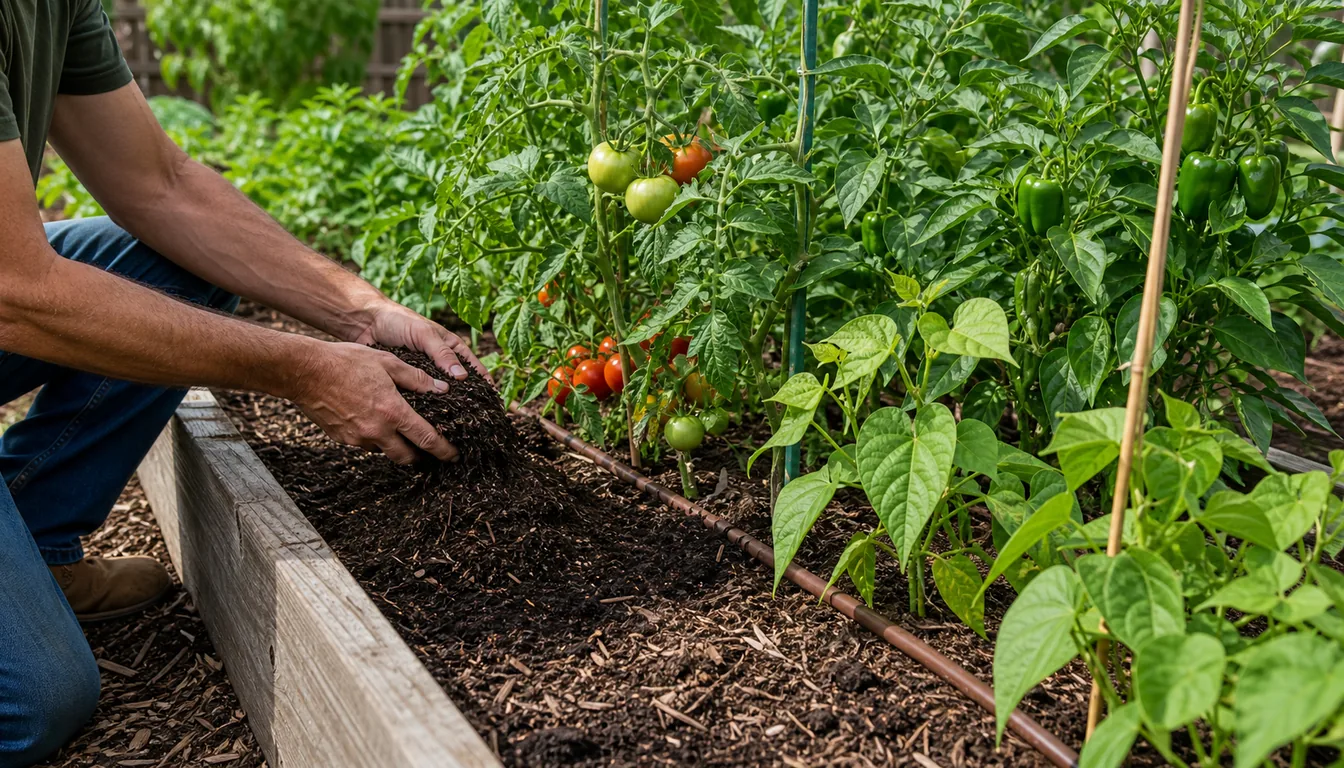
- Check moisture below the dry surface layer before irrigating.
- Keep mulch clear of stems while covering exposed soil.
- Watch new leaves for stalled growth instead of judging only old foliage color.
- Compare flowers with developing fruit to spot a pollination or heat problem early.
- Support loaded branches before fruit touches soil or snaps a stem.
Containers need extra attention because a small soil volume can move from moist to dry within one hot day. A larger pot does not create yield by itself, but it gives roots a more stable water and nutrient reserve.
Why Does Frequent Picking Keep Some Crops Producing?
Frequent picking protects usable yield in two ways. It removes pods and fruit before they become tough or seedy, and it keeps the plant visible enough for the next harvest to be found on time.
Young Beans, Cucumber, and Zucchini often have their best kitchen quality before they reach maximum size. Letting them hide behind leaves adds weight to the plant but may subtract food the household wants to eat.
Pick outer leaves from Kale, Swiss chard, and loose-leaf Lettuce while leaving the growing point intact. These crops can supply several smaller harvests instead of one head or one late cutting.
Tomatoes and peppers need a different judgment because color and flavor develop with maturity. Harvest at the stage suited to the cultivar and kitchen use, then remove damaged or overripe fruit that would attract pests or decay in the canopy.
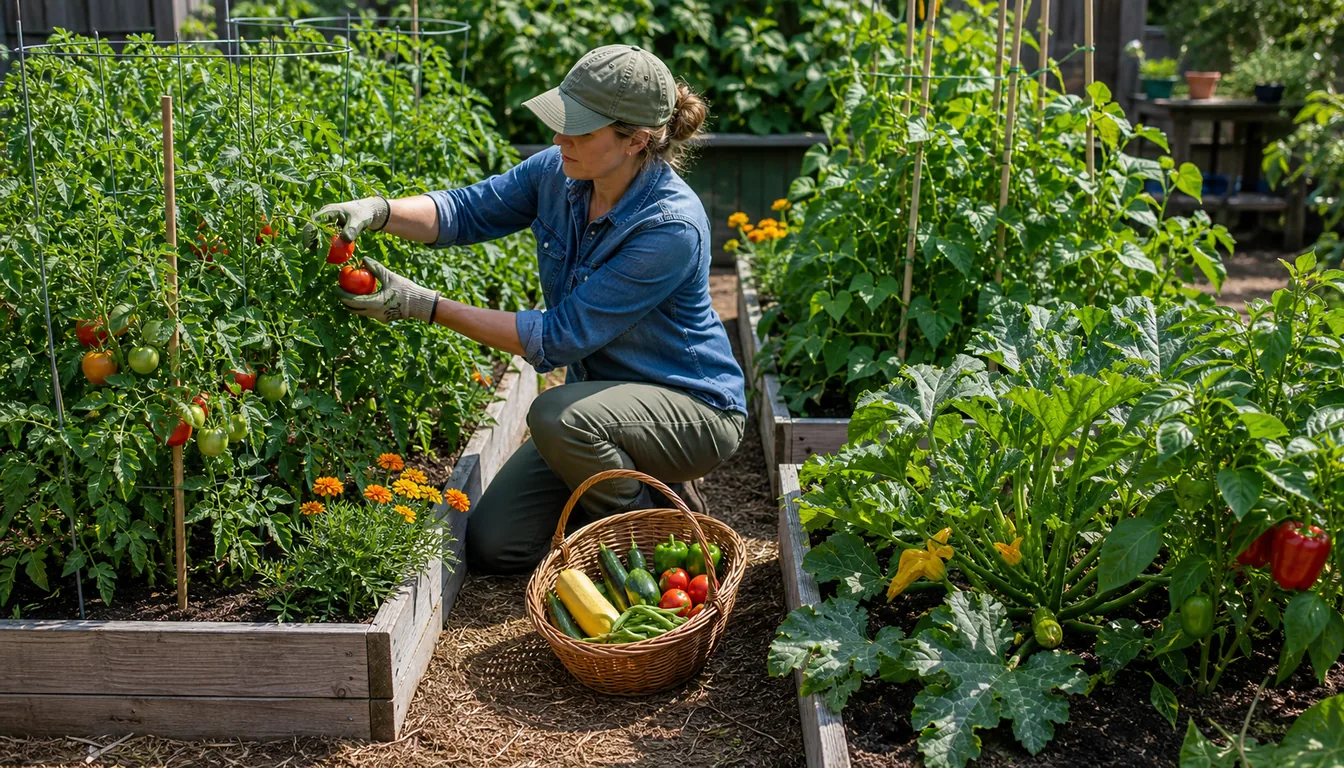
Do not plant more repeat producers than you can inspect and use. Three unpicked vines can deliver less usable food than one plant that receives a quick harvest every few days.
Which Productive Crops Still Waste Small-Garden Space?
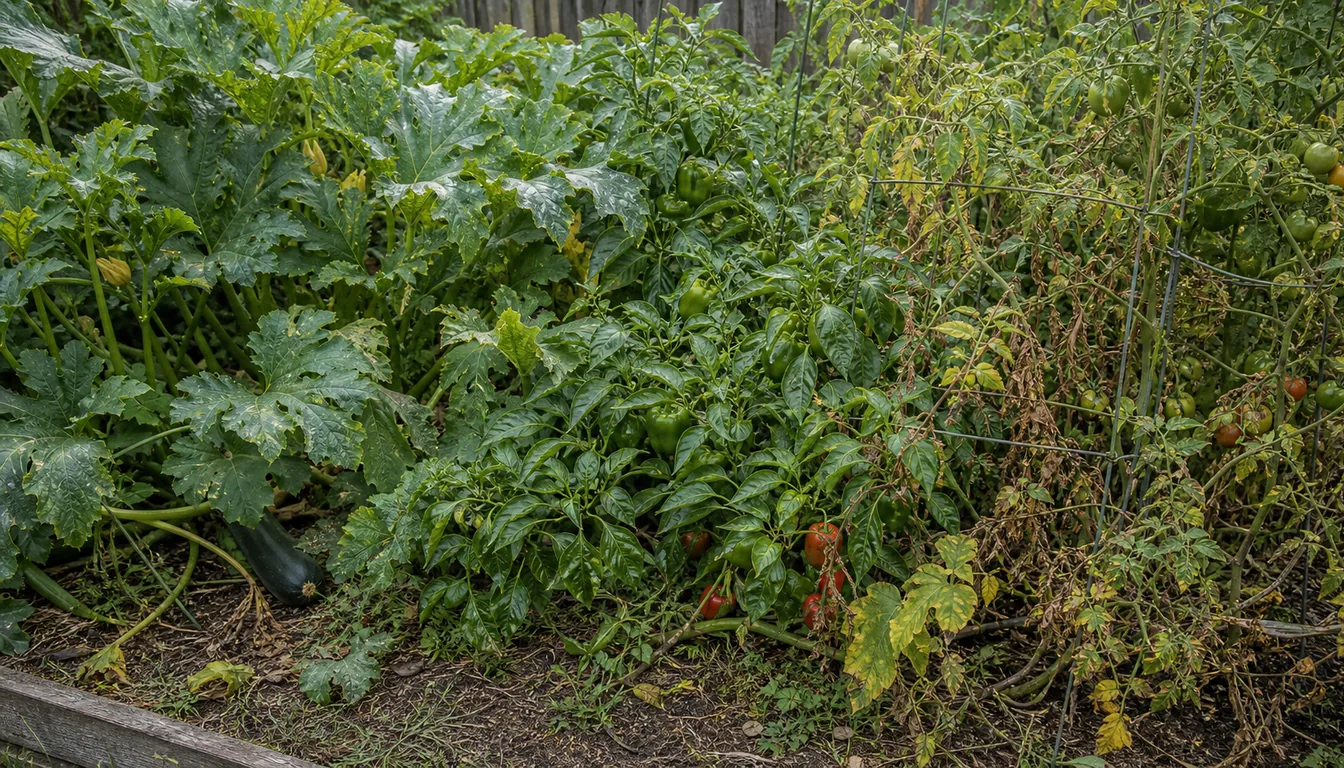
A crop can be productive per plant and still be inefficient per bed. The warning signs are a footprint that blocks other harvests, a pollination need the space cannot support, a long hold for one meal, or more food than the household will preserve.
Sweet corn illustrates the difference. It needs a block of plants for reliable wind pollination, grows tall enough to cast shade, and gives a limited ear harvest from space that could support several repeat-pick crops.
Standard winter squash and pumpkin vines can run beyond a small bed. They may still earn a boundary fence or outer corner when stored fruit matters to the household, but they are weak choices for the center of a crowded raised bed.
| Crop or choice | Why it looks productive | Hidden space cost | When it still earns a place |
|---|---|---|---|
| block-planted sweet corn | tall plants and full ears | pollination block, shade, and one main harvest | the family values fresh corn and can devote a separate block |
| standard winter squash or pumpkin | several heavy storage fruits | long vines occupy paths and neighboring slots | vines can leave the bed without blocking access |
| several Zucchini plants | very heavy peak harvest | broad leaves, mildew risk, and household glut | one crop is preserved, shared, or sold regularly |
| large-heading cabbage or cauliflower | substantial single heads | long occupancy and one harvest per plant | cool conditions and kitchen use justify the hold |
| too many repeat greens | frequent cutting | bolting, pest buildup, and more leaves than the kitchen uses | sowings stay small and replace one another |
A lower-yield crop can deserve a fixed slot because its flavor, storage quality, cultural value, or price makes it worthwhile. Name that reason before planting so one exception does not quietly take over the whole bed.
Remove a crop when declining harvest, disease, shade, or blocked access costs more than the remaining food. A living plant has not automatically earned another week.
What Should Earn a Place in Next Year’s Bed?
Review each crop while the season is still easy to remember. Keep the record short enough that you will use it when ordering seed.
- First date and final date of a useful harvest.
- Number of weeks the crop reached the kitchen.
- Meals, jars, freezer bags, or shared harvests actually used.
- Produce lost to pests, disease, splitting, bolting, or late picking.
- Another crop shaded, crowded, or delayed by this slot.
- Time spent tying, watering, inspecting, and harvesting.
Give each crop one decision. Keep it, reduce it, move it, replace the cultivar, or drop it.
A tomato that failed beside a shaded fence may deserve a sunnier slot rather than removal. A zucchini that produced heavily but filled the compost bin may need one plant instead of three.
Change one bed-slot job at a time. That makes next season's result easier to understand and keeps the garden tied to food your household will actually eat.
Quick Tips
- Compare crops by usable meals and occupied weeks, not plant count alone.
- Put trellises where mature shadows and picking access both work.
- Give tomatoes and peppers enough container volume to hold steady moisture.
- Prepare the replacement crop before an outgoing crop loses its slot.
- Check root-zone moisture instead of watering every crop on one schedule.
- Pick beans, cucumbers, zucchini, and outer leaves before quality declines.
- Record waste and blocked space before deciding what returns next year.
Recommended Plants
9 vegetables worth considering.
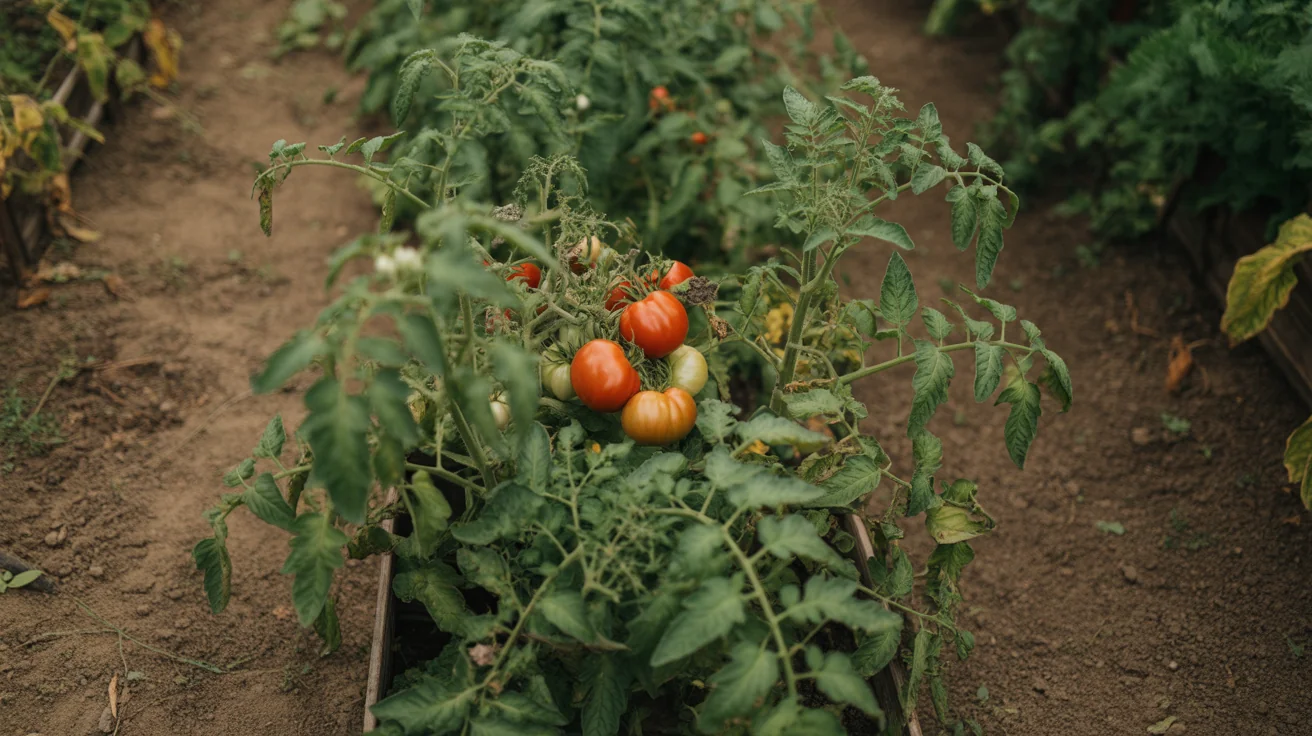
Tomato
The choice between a determinate and an indeterminate Tomato decides your support, your pruning, and whether the crop…
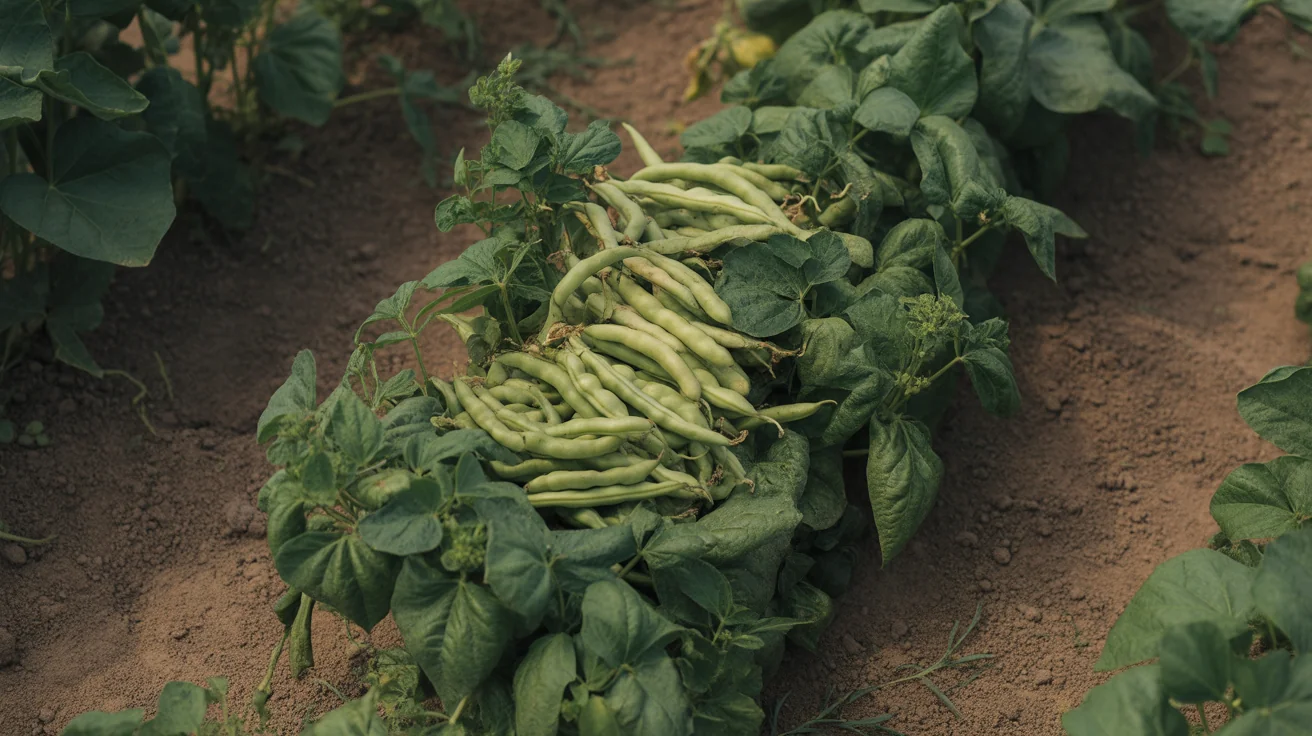
Beans
Two different plants share the name bean, one that stays knee-high and gives most of its crop inside two or three…
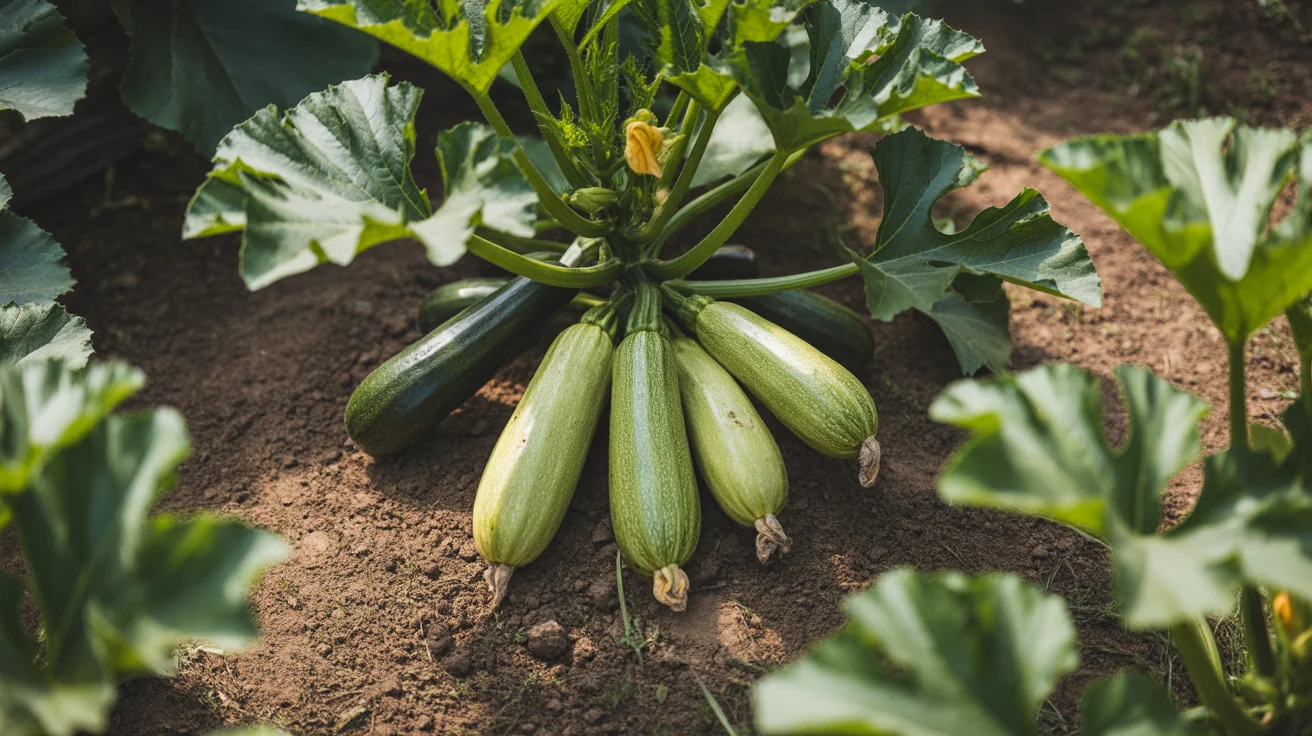
Zucchini
Plant zucchini after frost in warm soil, give each crown full sun and open space, and keep the shallow root zone evenly…
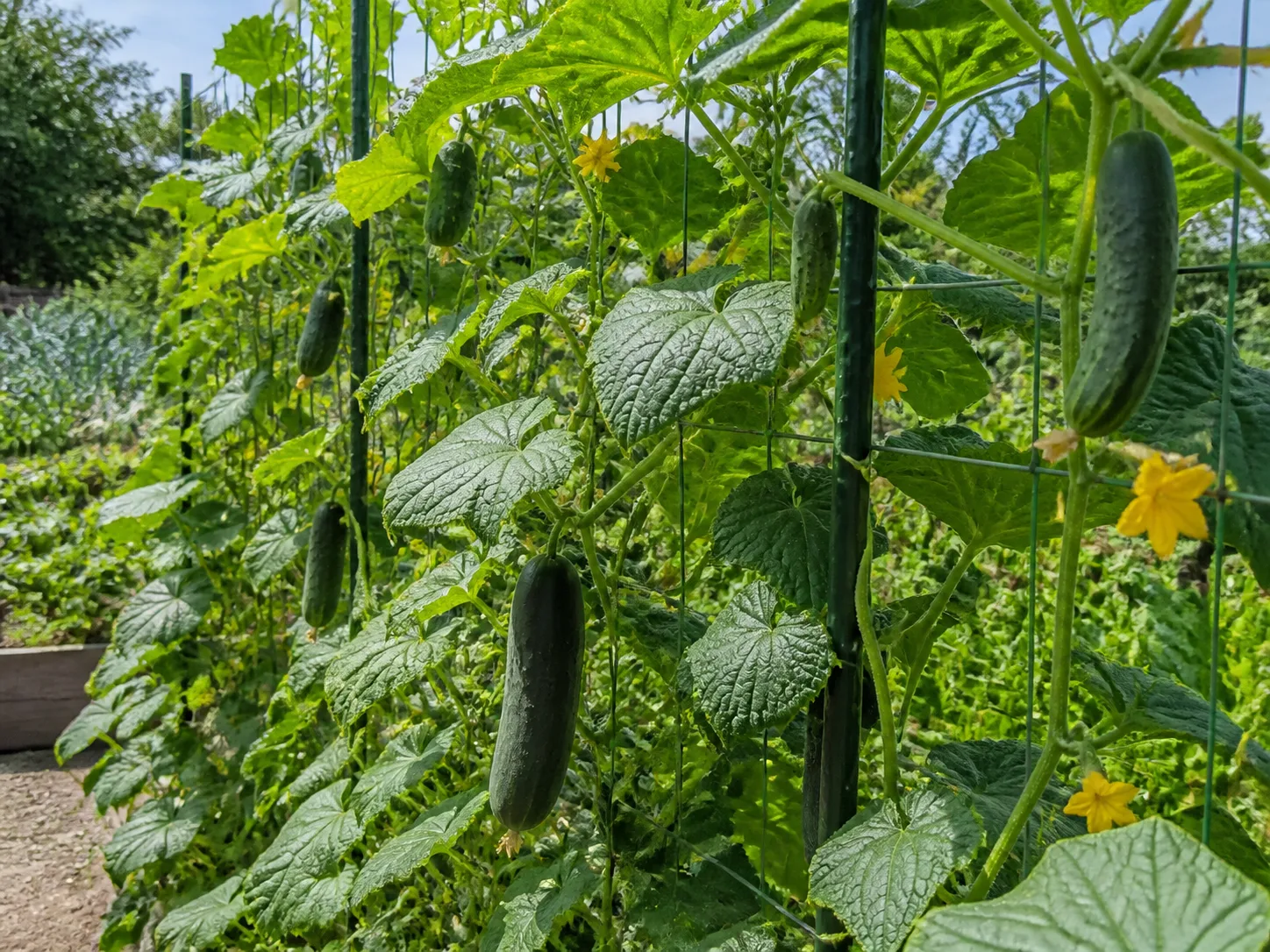
Cucumber
Cucumber pays back fast when you make the right structural choice before planting: trellis or sprawl, slicer or…
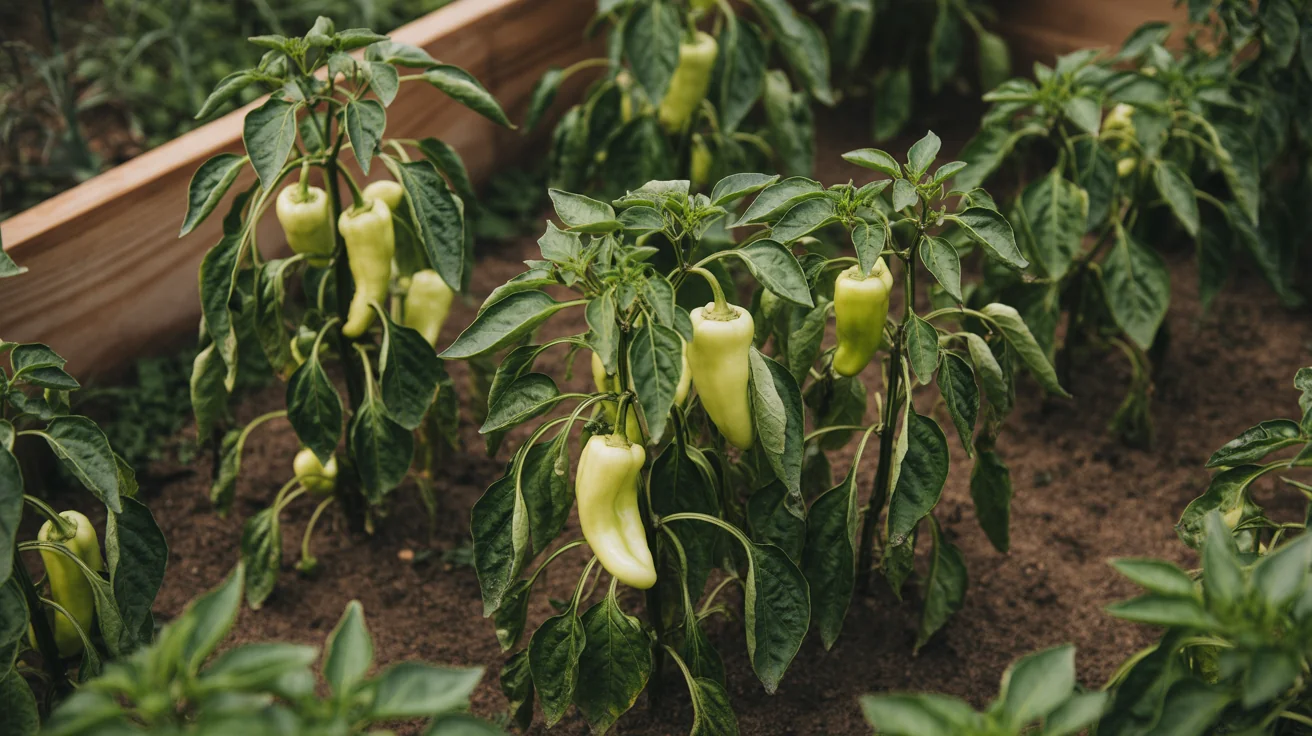
Pepper
Pepper plants are not just smaller tomatoes. They pause in cold soil, drop flowers when stress hits fruit set, and ask…
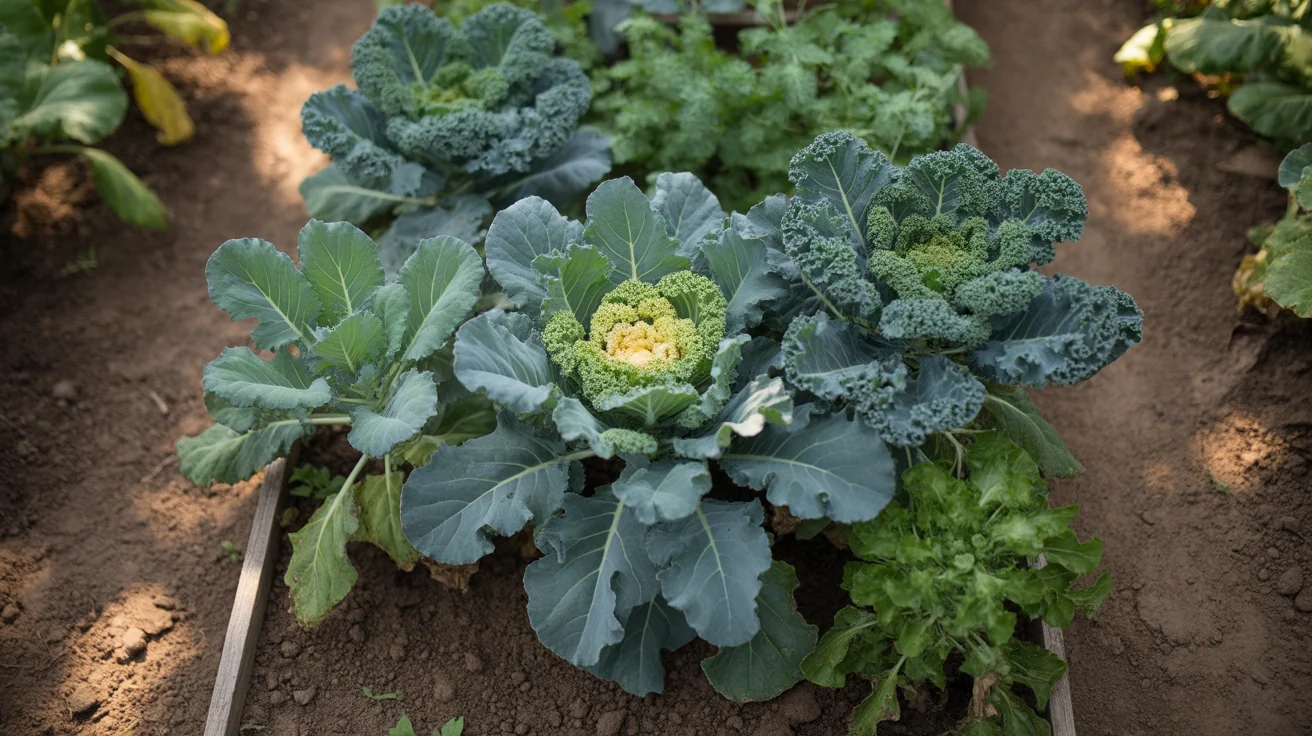
Kale
Kale works best when you treat it like a long-running leaf crop, not a one-time harvest.
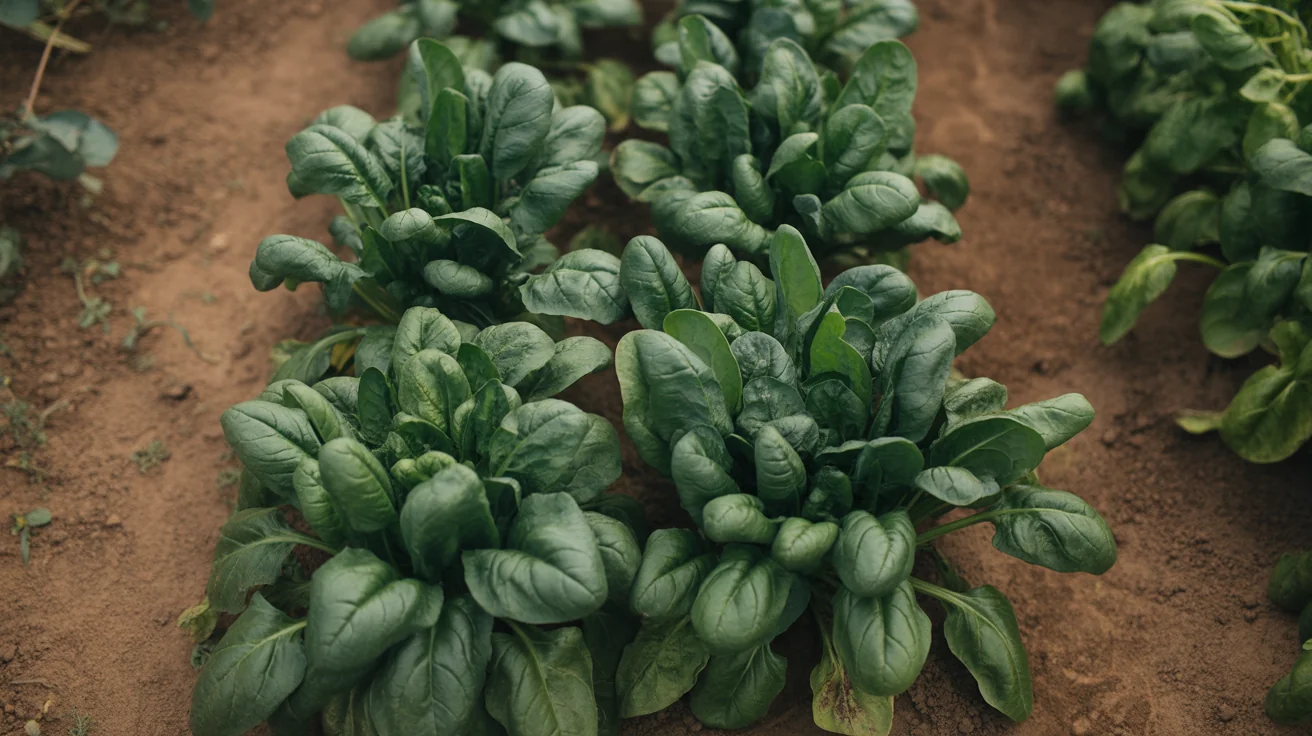
Spinach
Spinach (Spinacia oleracea) is a cool-season annual grown for tender leaves.
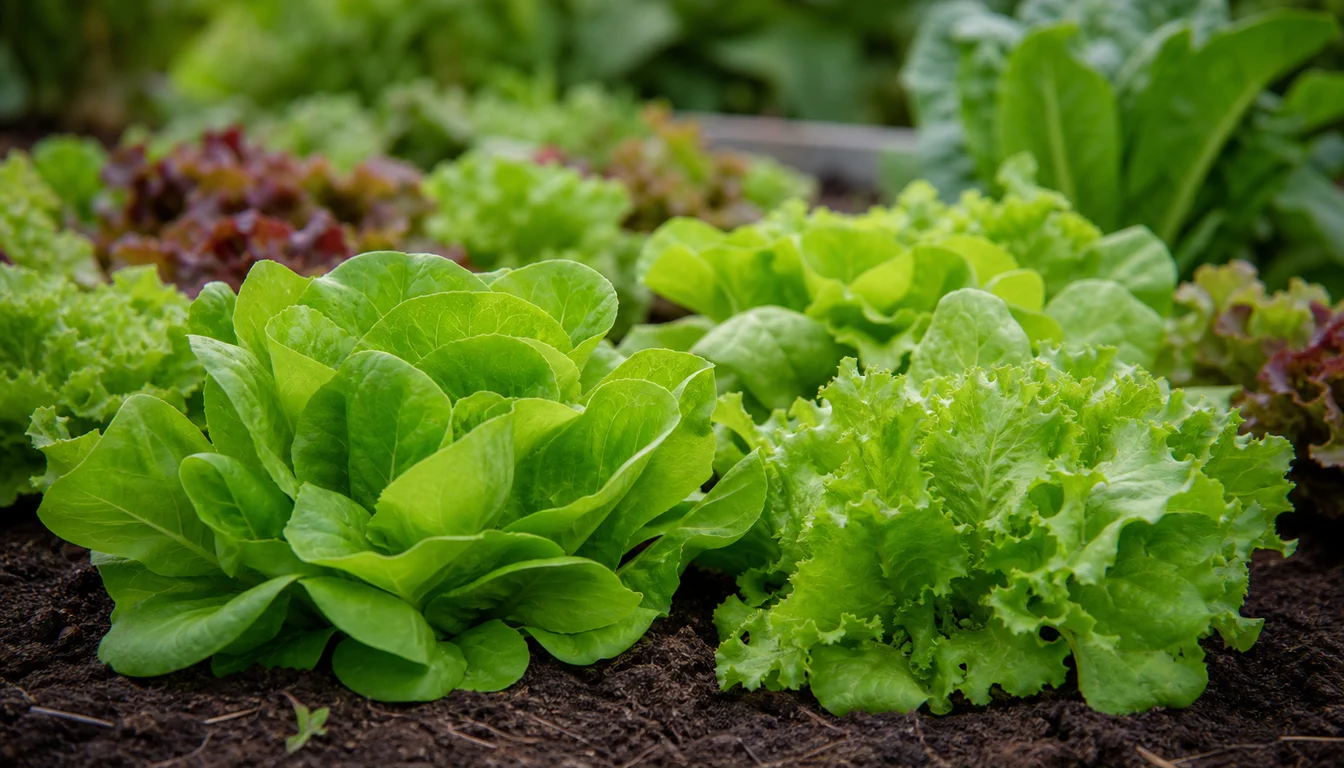
Lettuce
Lettuce grows best at 55 to 65 F and turns bitter and bolts when heat or dry soil stress the plants.
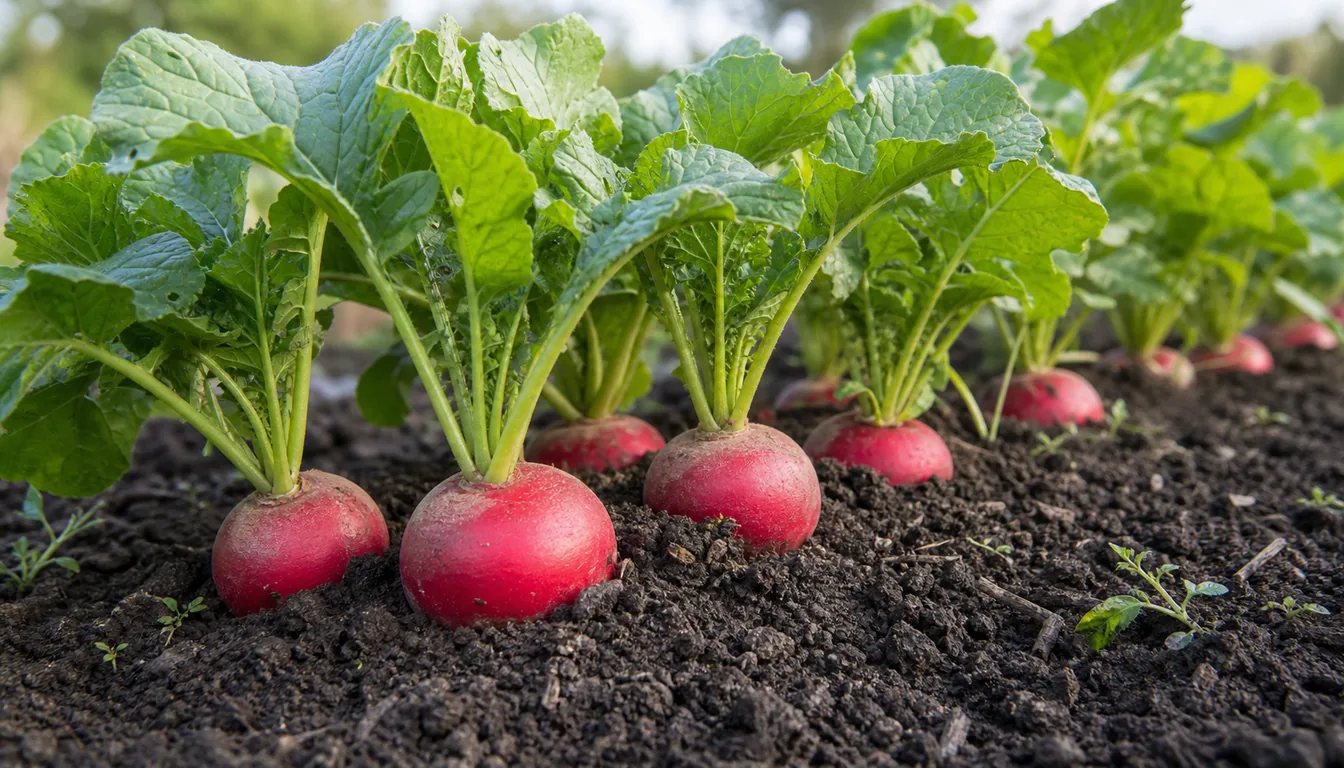
Radish
Radish is a fast cool-season root crop that makes its best roots at 50 to 65 F, in about 25 to 45 days depending on…
Frequently Asked Questions
What vegetable produces the most food per square foot?
Pole beans, trellised cucumbers, indeterminate cherry tomatoes, and repeat-cut greens are strong choices because they use vertical space or produce more than once. The best winner depends on climate, cultivar, picking time, and which harvest your household will eat.
Is zucchini really a high-yield vegetable for small gardens?
Zucchini is high yielding per plant, but its broad leaves can occupy a large corner. One compact plant can be efficient when the household uses the harvest, while several plants often create crowding and waste.
Which vegetables keep growing after you pick them?
Loose-leaf lettuce, kale, Swiss chard, and some spinach plantings can produce again when you remove outer leaves and leave the growing point. Beans, cucumbers, zucchini, tomatoes, and peppers do not regrow the picked part, but healthy plants can keep setting new pods or fruit.
Which high-yield vegetables grow well in containers?
Compact peppers, patio or dwarf tomatoes, trellised compact cucumbers, leaf lettuce, Swiss chard, radishes, and other quick roots can work well. Container volume, drainage, direct sun, and steady water decide whether a heavy producer reaches its potential.
Should I crowd vegetables to increase yield?
No, because intensive spacing works only while every crop still receives useful light, root room, airflow, water, and harvest access. Crowding that hides fruit or keeps leaves wet usually lowers usable yield.
Are fast-growing vegetables always high yielding?
A fast crop earns space when it fills a real gap and leaves before the next crop needs the soil. Radishes can improve seasonal output through speed even though one planting does not produce the heaviest harvest.