
What's a Cauliflower? How to Grow a Tight, Snow-White Head
Brassica oleracea var. botrytis Brassicaceae
Cauliflower is a crop of narrow margins.
The plant has to keep growing without a check, form its curd in cool weather, and get cut while the head is still tight.
Care snapshot
What Is Cauliflower, and Which Type Should You Grow?
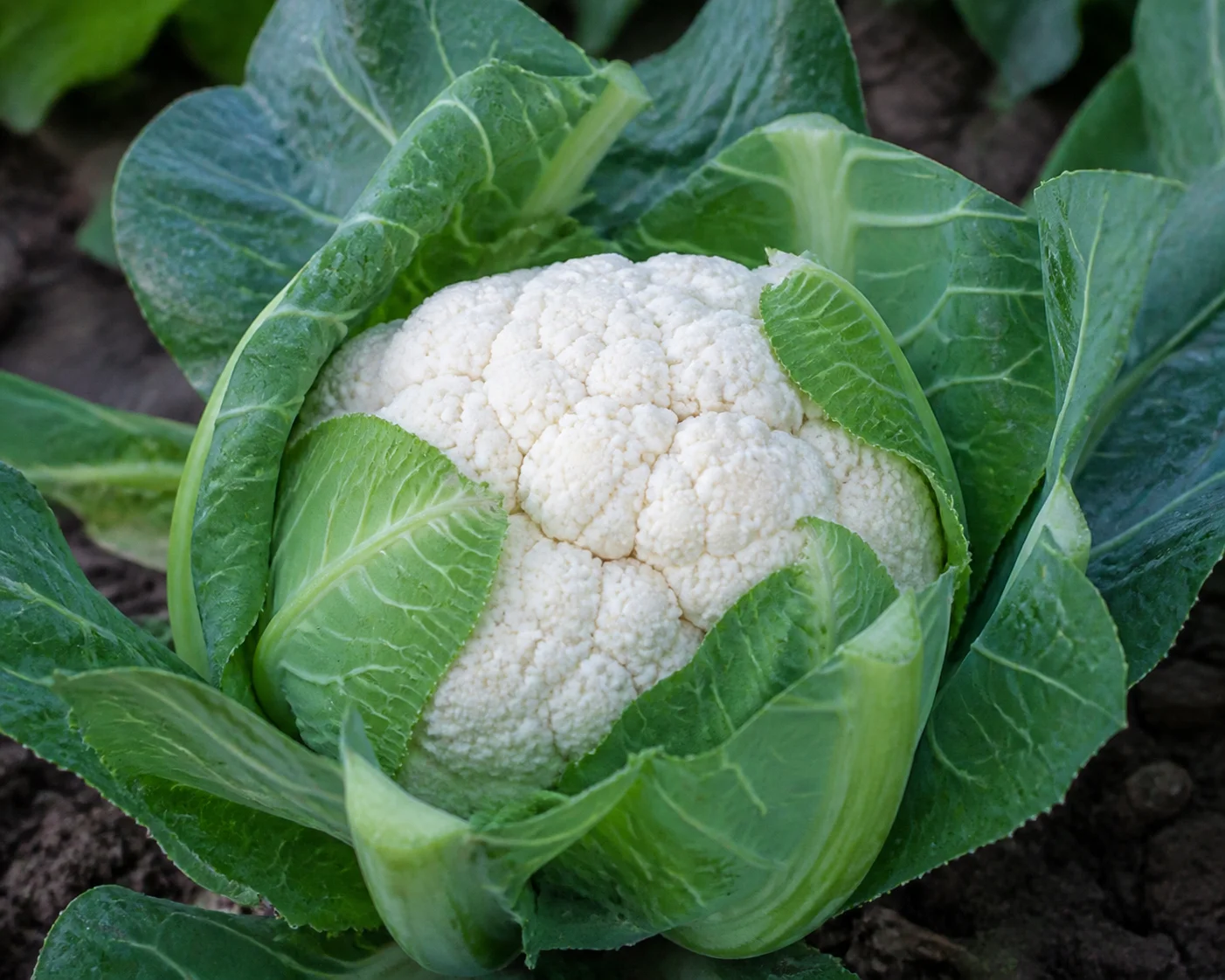
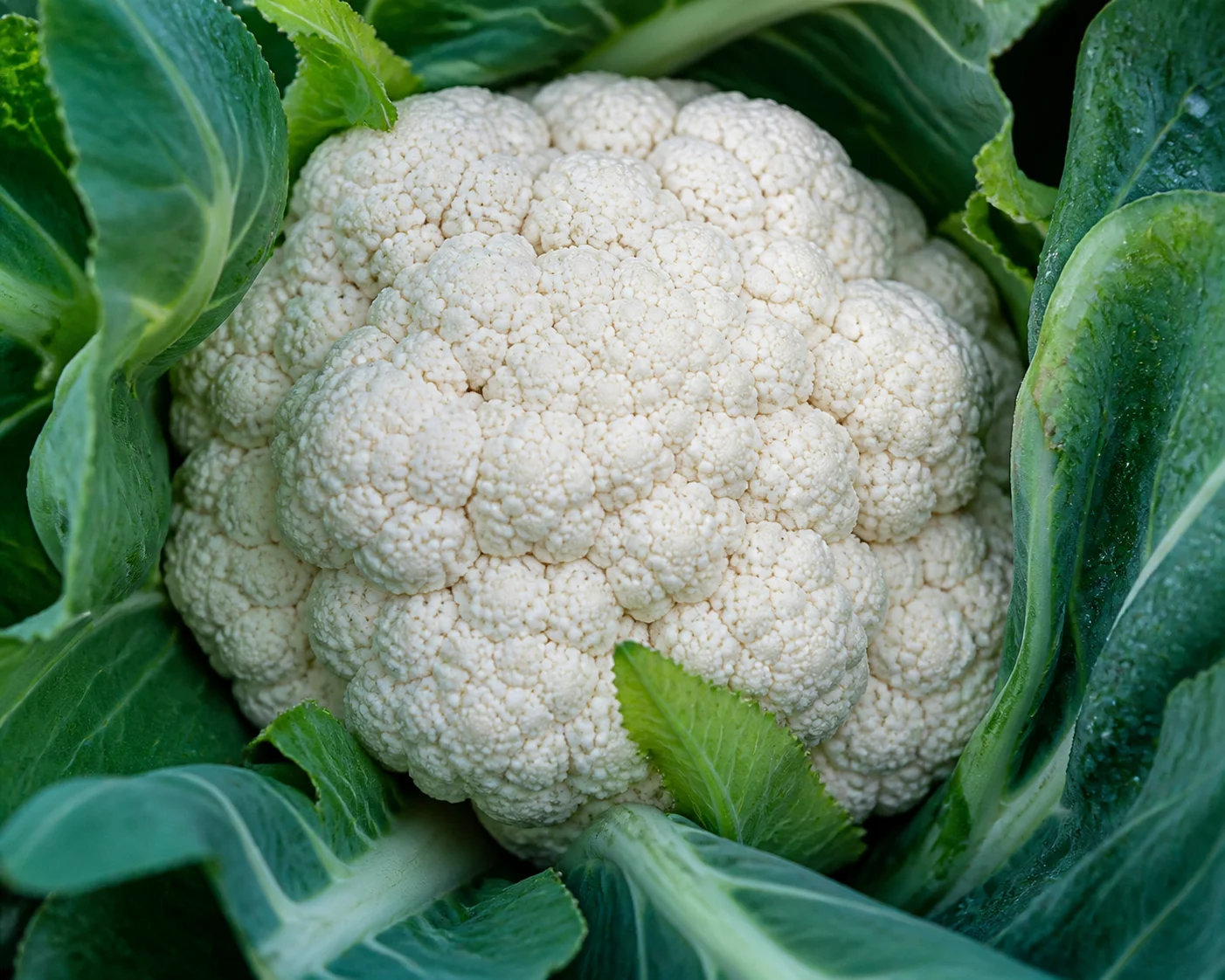
Cauliflower is Brassica oleracea botrytis, the same species as cabbage, broccoli, and kale in the Brassicaceae family. Breeding pushed it to arrest an entire flower head just before it opens, and that dense pale curd is the part you eat.
The shared genetics explain why the crop picks up the same pests and stresses as its cousins. The arrested flower head is what makes it behave differently from every one of them.
Standard white types, often sold as snowball varieties, need their outer leaves folded or tied over the curd to block light and keep it pale. Self-blanching types grow leaves that curl inward on their own, which removes most of that handwork.
Colored types skip blanching altogether. Orange cheddar, purple, and Romanesco cauliflower carry their own pigment, so the light that would yellow a white curd is exactly what they need.
Days to maturity run from roughly 50 to 100 days after transplant depending on type and season. Quick spring varieties finish before summer heat, while the longest fall types are timed to mature as the weather cools.
Space plants 18 to 24 inches apart across all types so the wrapper leaves have room to spread and shade the curd later. Crowding a colored type costs you color as well, since the pigment in cheddar and purple curds develops in light.
For a longer harvest, stagger transplants of one type two weeks apart rather than mixing several types with different day counts. One curd will not hold in the garden waiting for its neighbors to catch up.
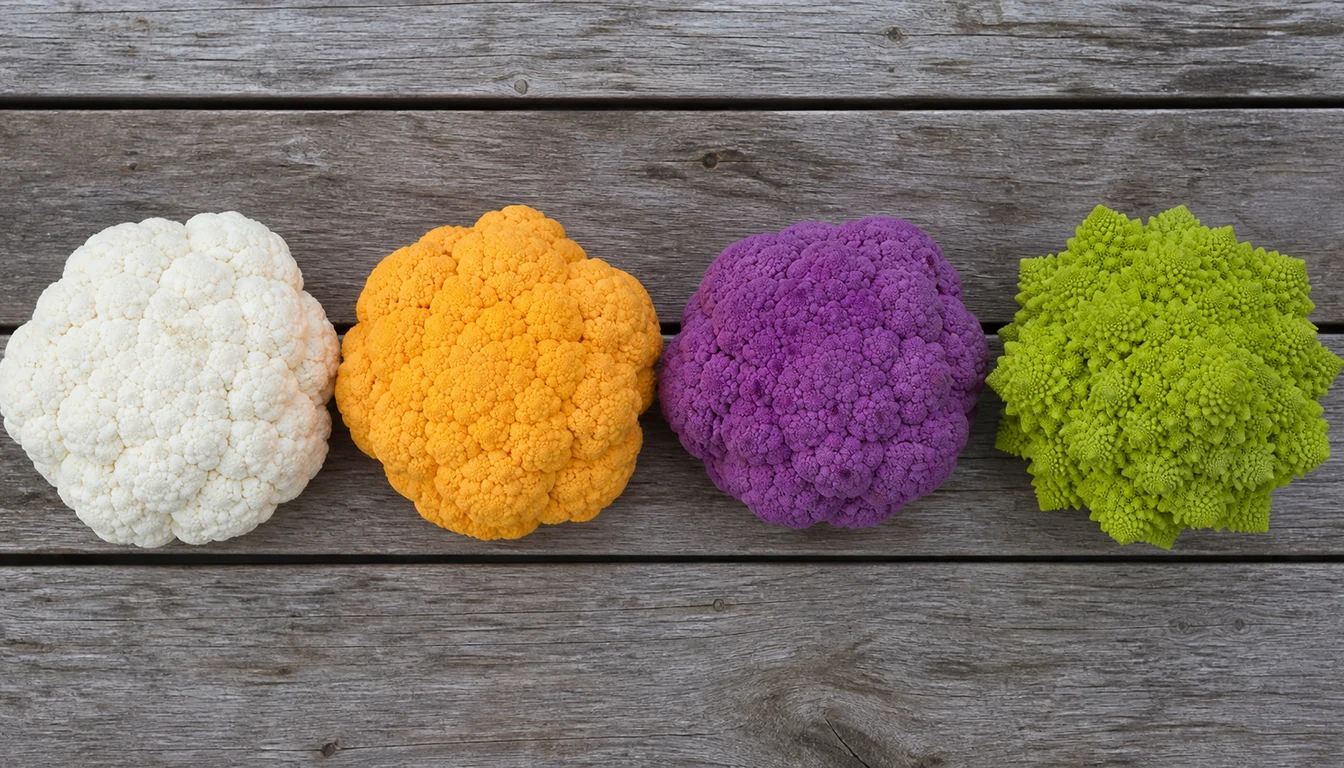
- Standard white / snowball
- Needs leaves tied or folded over the curd, 70-85 days
- Self-blanching
- Leaves curl naturally over the head, less tying, 60-75 days
- Colored (cheddar, purple)
- No blanching needed, keeps its color, 70-90 days
- Romanesco
- No blanching needed, spiraled lime-green curd, 75-100 days
When Should You Plant Cauliflower So the Head Forms in Cool Weather?
The next thing to get right with Cauliflower is the calendar, not the soil. The curd has to form during a steady cool stretch, and the plant needs enough time before that to build a wide leaf canopy.
That is why this crop feels fussier than cabbage. Cabbage can absorb a small timing mistake and still make a serviceable head, while Cauliflower turns the same mistake into a tiny button or a loose grainy curd.
In warm regions, fall is usually the easier season because the weather is finally trending your way during head formation. In cooler regions, spring works if the young plants never stall and the heat holds off long enough.
For a fall crop, start seed indoors roughly 6 to 8 weeks before your average first frost. That gives the plant its runway to build leaves before the cool weather it actually needs arrives.
The whole calendar is aiming at one thing, which is curd formation landing inside a cool steady window rather than the plant improvising through stress.
- Best target
- Curds forming during a steady cool stretch instead of a warming heat wave
- Classic miss
- Plant builds too slowly, then tries to head up under stress
- Another miss
- Good leaf growth early, then heat arrives right when the curd needs protection
Why Does Cauliflower Make a Tiny Button Head?
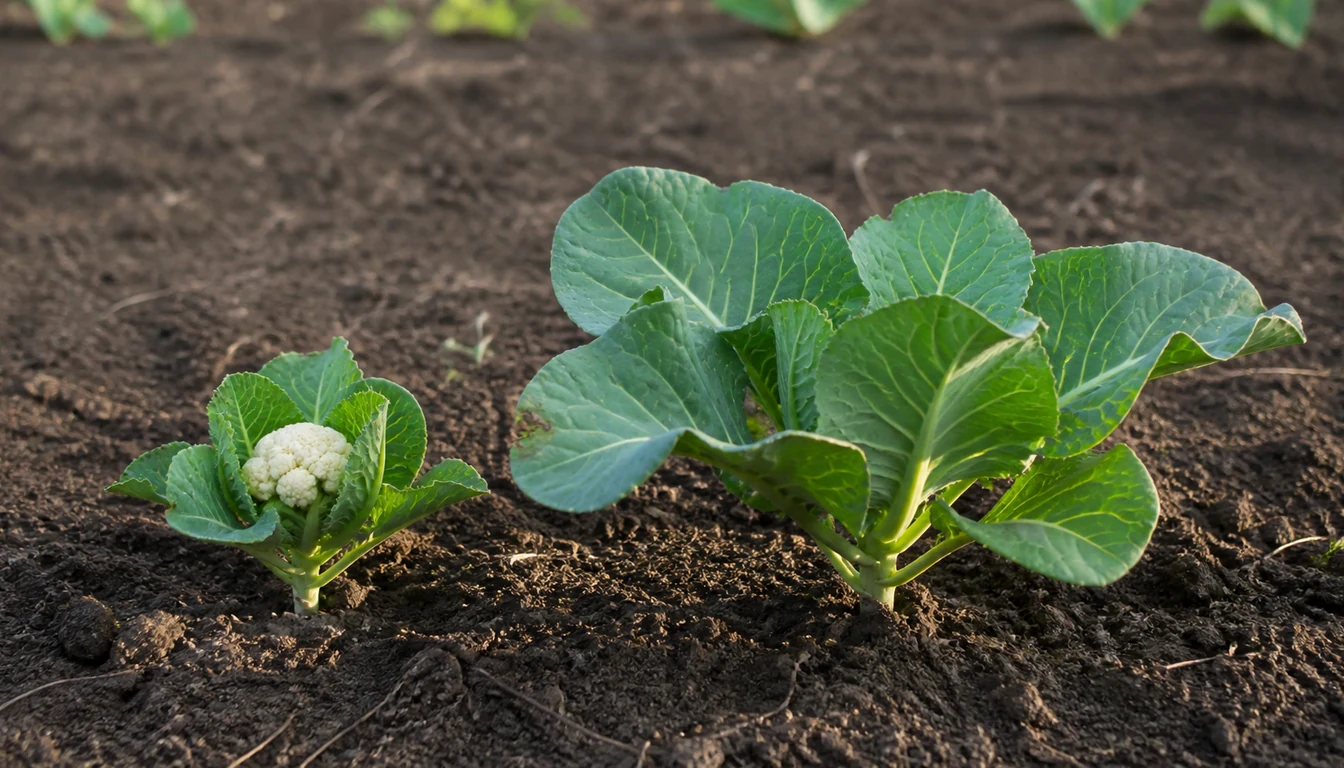
Buttoning is Cauliflower deciding to make a head before it has the plant to support one. That decision usually traces back weeks, to a root-bound transplant, a cold snap, a dry spell, or any stall that reads to the plant as a season running out.
Use young sturdy starts rather than large ones that have sat too long in their cells. A big transplant can look impressive in the tray and still have less flexibility once it reaches the bed.
Transplant at roughly 4 to 6 weeks old with four to six true leaves showing. Get the plants fully hardened off first, then move them into calm conditions so growth never pauses.
Broccoli can shrug off a rough start and still deliver a usable head. Cauliflower carries that early check all the way to harvest.
How Much Should You Feed Cauliflower Before the Curd Shows?
A tight clean curd is paid for earlier, in leaf mass. A weak canopy leaves the head with no shade, no photosynthetic support, and nothing in reserve when the weather turns rough.
Give the row fertile soil and steady nutrition from the start instead of waiting for a visible problem. A plan built on vegetable fertilizer timing beats rescue feeding a plant that is already struggling.
Aim for a soil pH near 6.0 to 7.0, since nutrients lock up outside that band exactly when the canopy is being built. A nitrogen side-dress around 3 to 4 weeks after transplant supports leaves without arriving as the curd forms.
Spacing belongs in this decision too, because the wrapper leaves are the shade the curd will depend on.
Crowding costs airflow and leaf surface at the stage the plant needs both most.
If the leaf stage looks mediocre, the head stage will not rescue it. On Cauliflower the early canopy is the insurance policy for everything that follows.
- Feed early enough to build a broad leafy plant.
- Keep weeds from stealing moisture and nitrogen in the first half of growth.
- Space the plants for full wrapper-leaf spread.
- Do not wait for the curd to appear before acting like the crop needs support.
How Often Should You Water Cauliflower to Keep Growth Even?
Cauliflower reacts badly to swings. A dry spell, then hot bare soil, then a sudden soaking does more damage than any one of those conditions on its own.
Use the whole-root-zone approach from deep watering, then mulch once the bed has warmed. Mulch is doing temperature work here as much as weed work, since it flattens root-zone swings during the weeks head quality is decided.
A deep soak two or three times a week through dry stretches holds the whole root zone more evenly than daily light sprinkling.
If your bed is swinging between dusty and soggy, fix that pattern before you blame the variety. The root zone is usually where the trouble started.
- Even moisture and cool soil
- Steadier head formation and less stress
- Dry checks
- Higher buttoning risk and weaker curd quality
- Hot bare soil
- Extra stress during the most sensitive stage of the crop
Do You Have to Blanch Cauliflower to Keep It White?
It depends on the variety. Once the curd appears, the job becomes protecting immature flower tissue from light, heat, and splash, and some types handle that themselves while others need you.
Self-blanching types curl their own leaves over the head well enough to skip the work. If yours leaves the curd exposed, gather four or five outer leaves over it and tie them loosely, so the head gets shade without being crushed.
Colored types are the exception, since blanching a cheddar or purple curd removes the reason you grew it.
A heat spike overrides all of this. A curd can yellow, purple, loosen, or turn rough within days, and cutting early beats hoping a head will hold through it.
Cabbage builds its own wrapper as it forms the head. Cauliflower often needs you to do that job for it.
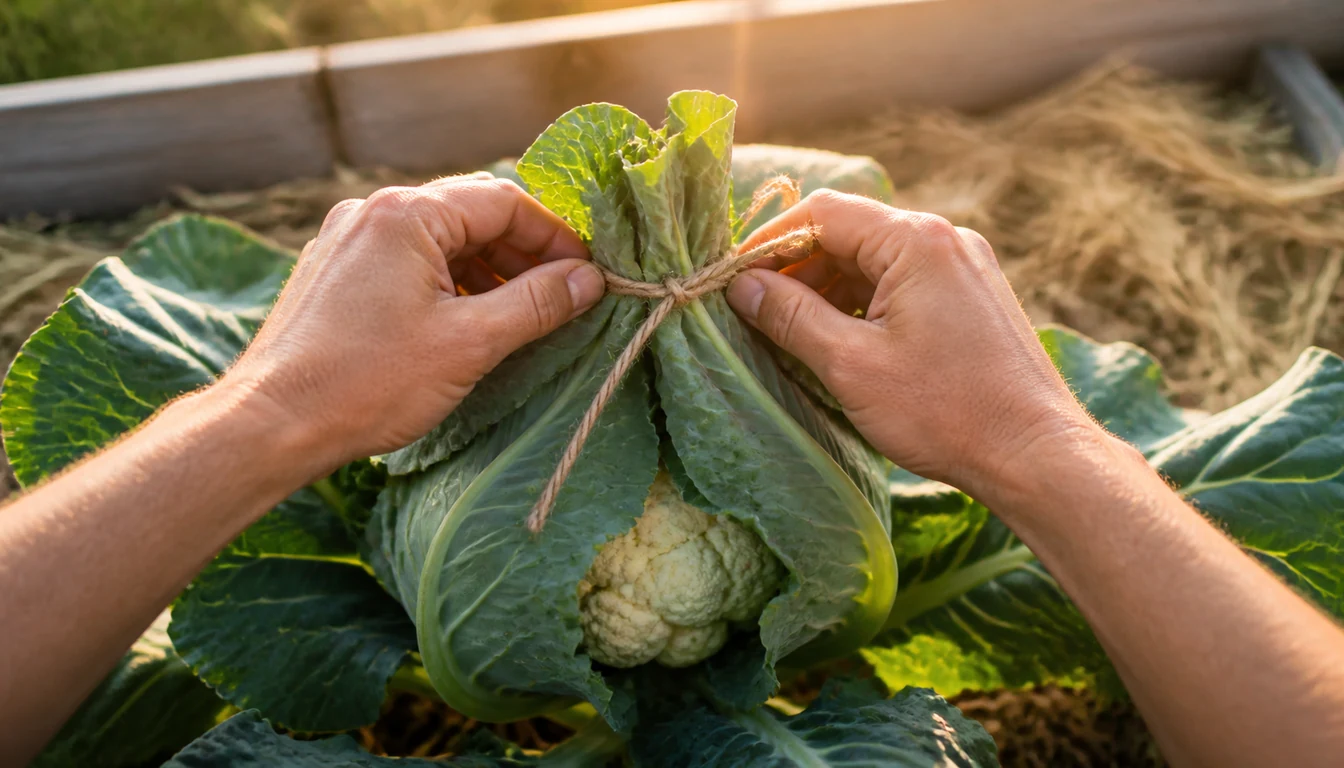
- Start checking the row as soon as the first small curds show.
- Shade exposed heads if the variety does not naturally cover them well.
- Keep muddy overhead splash off the curd when possible.
- If a heat spike is coming, harvest early rather than hoping the head will stay perfect.
When Is a Cauliflower Head Ready to Cut?
A ready Cauliflower head looks dense and feels heavy for its size. Once the surface starts separating into small grains or looks fluffy instead of packed, the plant has already passed prime eating quality.
Do not hold out for a bigger head when the weather is warming or the surface has begun to loosen. This crop pays for precise timing far better than it pays for size.
Cut with a few wrapper leaves attached so the curd stays protected in the kitchen. Unlike Brussels sprouts, which keep paying out over weeks, Cauliflower gives one clean main harvest and is finished.
A fresh-cut head keeps about 1 to 2 weeks in the refrigerator wrapped loosely, though texture and flavor are best in the first few days.
Why Is My Cauliflower Yellow, Purple, or Grainy?
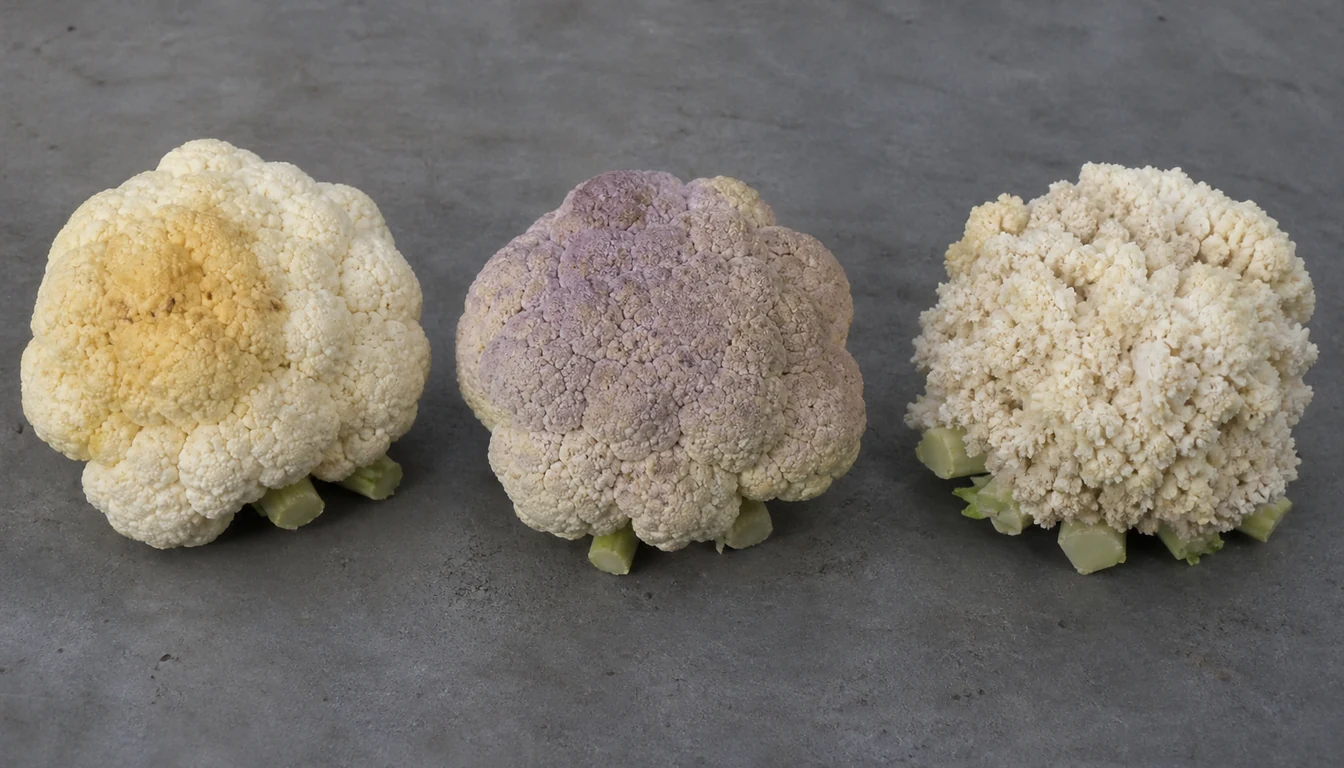
A discolored or rough head is telling you something specific, and the three common signals do not share a cause. Purple tint comes from pigment responding to sun or cool temperatures, yellowing means light reached a curd that should have stayed covered, and a loose grainy surface points to heat or age.
That distinction matters because each one calls for a different fix. A yellow head needed shade it did not get, while a grainy one needed an earlier cut or a cooler window next round.
A tiny button head belongs in a different category again, since it was decided weeks before the curd ever showed.
Light Exposure
- Yellowing on exposed white curds
- Need better wrapping or leaf cover
- Quality can still be edible if caught early
Heat or Age
- Loose surface
- Ricey or grainy texture
- Harvest needed sooner or timing needs a cooler window next round
What Pests Get Inside Cauliflower Before Harvest?
Pests on Cauliflower are a quality problem as much as a leaf problem, because the curd sits wrapped inside the plant. Worms, aphids, and loopers hide in exactly the folds you plan to harvest.
Early row cover, hand scouting, and clean natural pest control habits still do most of the work. Mixed beds and companion planting for pest control can lower pressure, but they do not replace turning leaves and looking into the center.
Clear the plant soon after harvest if pests were active. There is no reason to leave a finished Cauliflower stalk in place to host the next round.
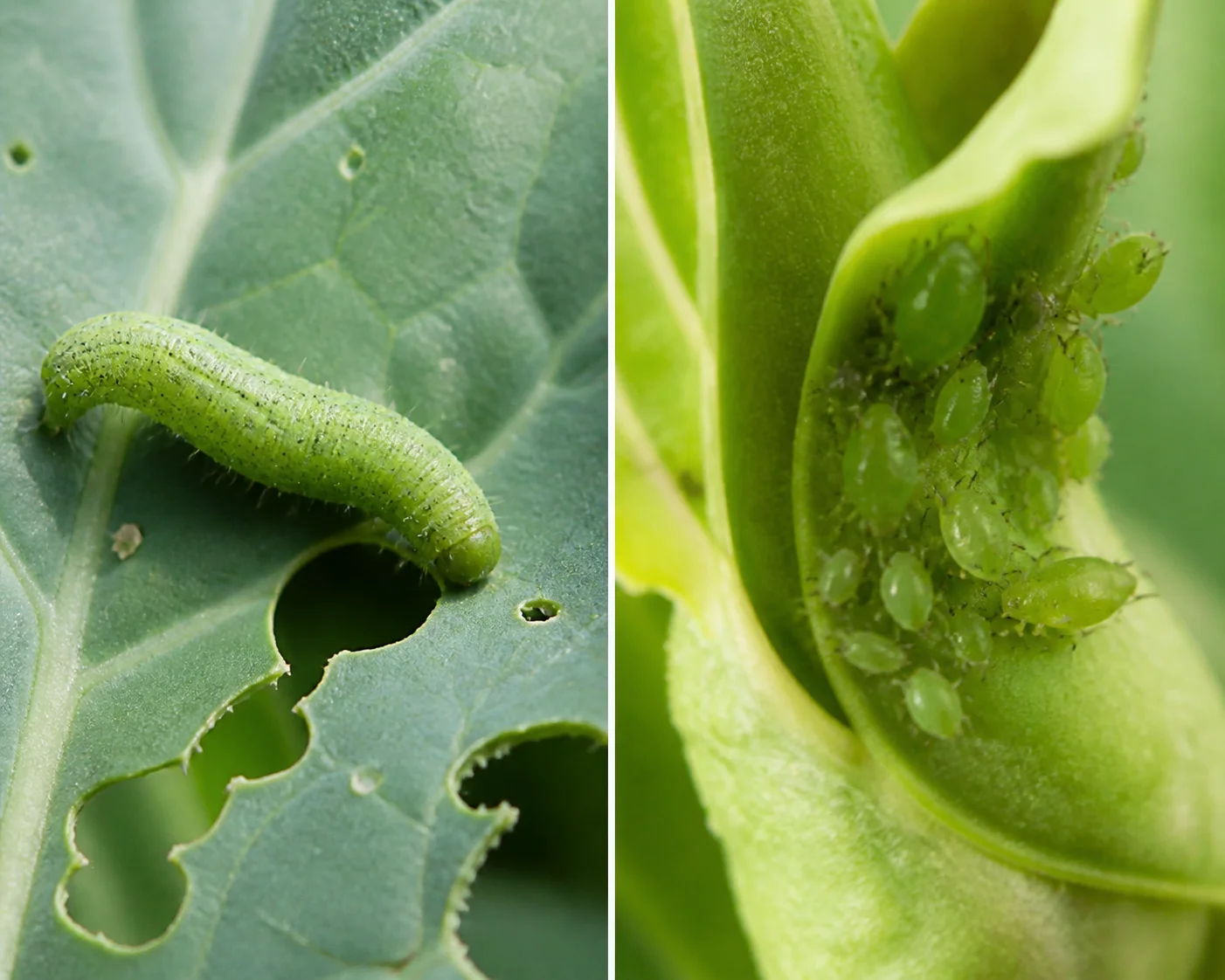
They chew wrapper leaves and foul the curd if they get far enough inside.
They gather in folds, especially on stressed plants, and can hide near the harvest zone.
They matter most early because early setbacks feed straight into buttoning risk.
Install at transplant and remove once the plant starts flowering, since cauliflower does not need pollinators for the part you eat.
Is Cauliflower Safe to Eat Raw, and Safe for Pets?
Cauliflower is a normal, safe food for the vast majority of people in typical kitchen amounts, whether eaten raw in a salad or cooked into a side dish.
Like other Brassica vegetables, it contains natural compounds called glucosinolates that can interfere with iodine uptake in the thyroid when eaten in very large raw amounts over time. Cooking breaks down most of this effect, and people with an existing thyroid condition are the ones who typically need to watch portion size, not the general population.
No ASPCA or NC State pet toxicity record was found for cauliflower, so its safety for dogs and cats is unknown. Ask a veterinarian before making it a regular treat, and if a pet eats a large amount, contact a veterinarian or ASPCA Animal Poison Control.
Wash heads well before eating, since curds hold water in their surface folds where dirt and small insects can hide even after careful garden scouting.
Frequently Asked Questions
Can I grow cauliflower in hot climates?
Yes, but it usually works best as a fall or winter crop timed for the coolest part of the season. Heat during curd formation is what causes most quality problems.
Can you eat cauliflower leaves?
You can, and the wrapper leaves cook much like collards or kale once the toughest ribs come out. Gardeners usually discover this only after cutting the head and throwing the rest of the plant away.
Can I plant cauliflower where cabbage or broccoli grew last year?
Better not to, since the soilborne diseases that trouble brassicas build up when the same family returns to a bed. Give the ground three or four years in other crops before another brassica goes in.
Will cauliflower survive a frost?
The plant handles a light frost, and it is the least cold-hardy of the common brassicas even so. A hard freeze damages an exposed curd, so cut any finished head before one arrives.
Can I grow cauliflower in containers?
You can, but the container must stay evenly moist and fertile because Cauliflower reacts badly to stress. Pots give you much less margin for error than open beds.
Sources & References
- University of Minnesota Extension: Growing cauliflower in home gardens
- Utah State University Extension: Cauliflower in the garden
- Oregon State University Extension: Broccoli, Brussels sprouts, cabbage and cauliflower
- University of Wisconsin Extension: Growing broccoli, cabbage and cauliflower in home gardens
- Missouri Botanical Garden Plant Finder: Brassica oleracea var. botrytis
- Brassica oleracea (Bresych Gwyllt, Wild Cabbage, Wild Mustard) | North Carolina Extension Gardener Plant Toolbox
Related Plants
Broccoli
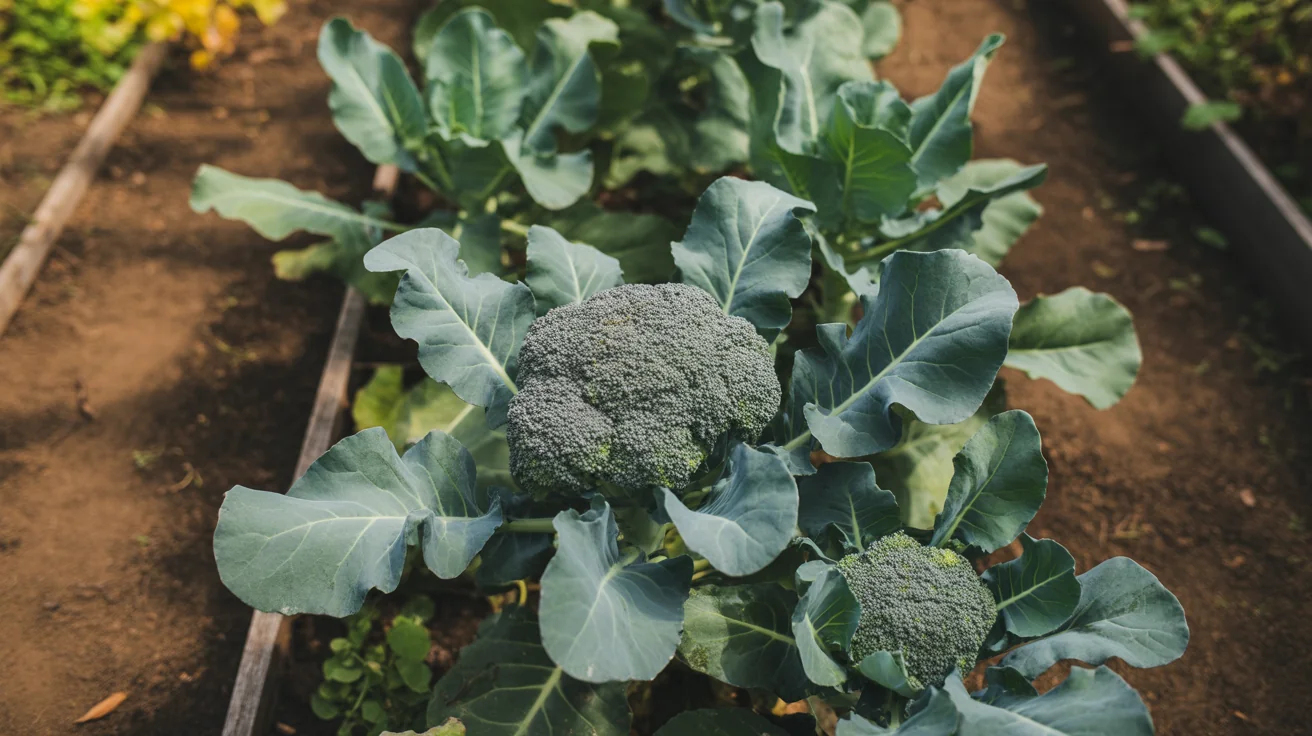
Shares the same cool-season family, but broccoli is usually a little more forgiving and gives side shoots after the…
Cabbage
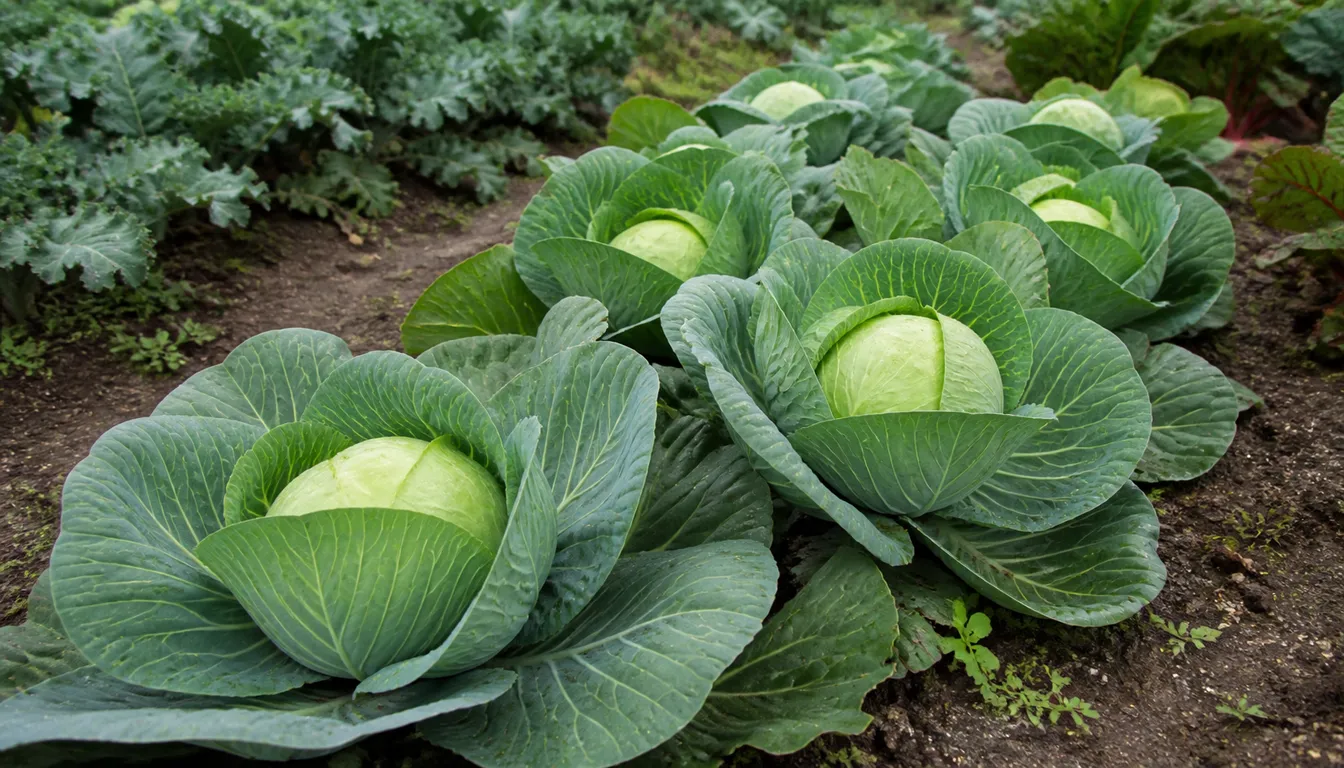
Makes one dense wrapped head and usually tolerates small stress swings better than cauliflower does.
Brussels Sprouts
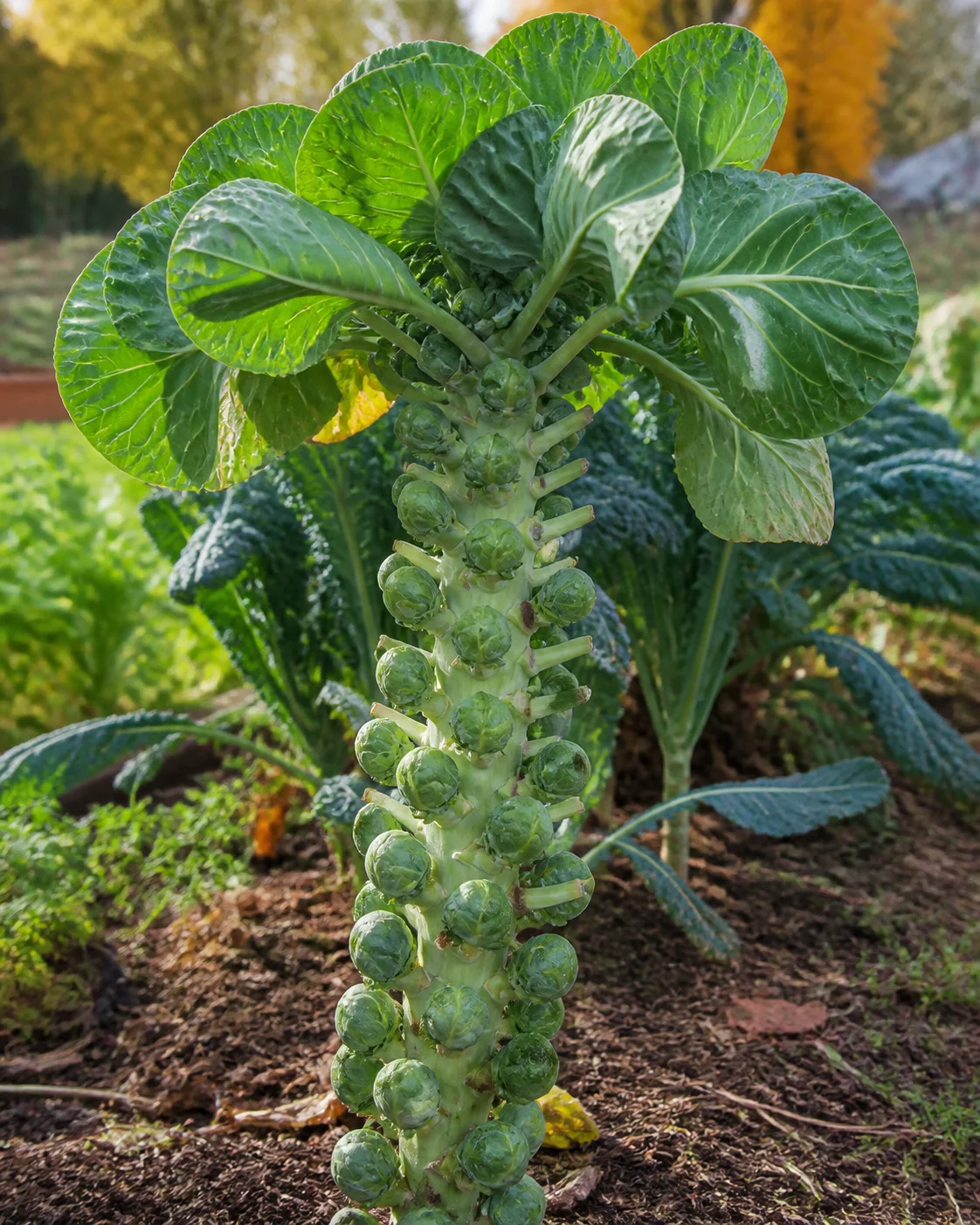
Uses a longer stalk-building season for many buds, while cauliflower asks for one tight curd in a narrow cool window.
Asparagus
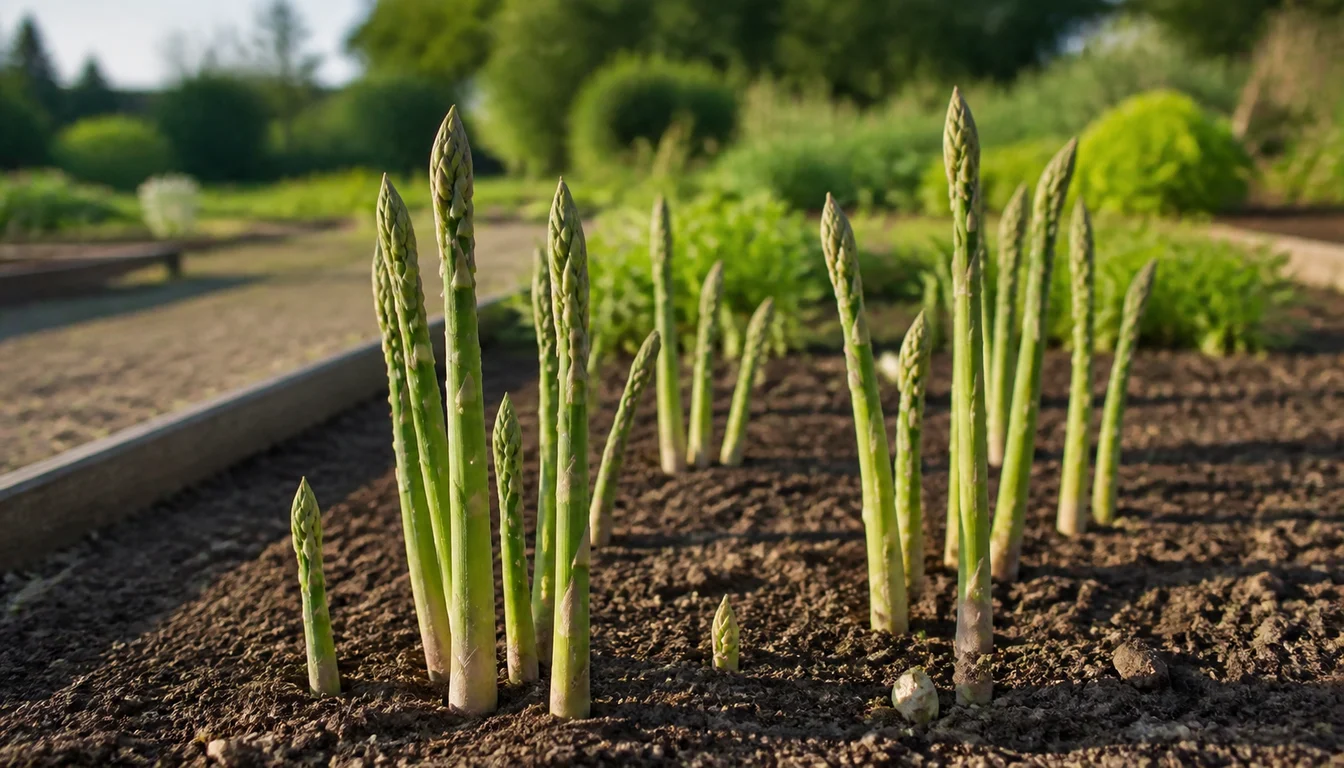
Asparagus rewards careful establishment with spring harvests for many years.
Beans
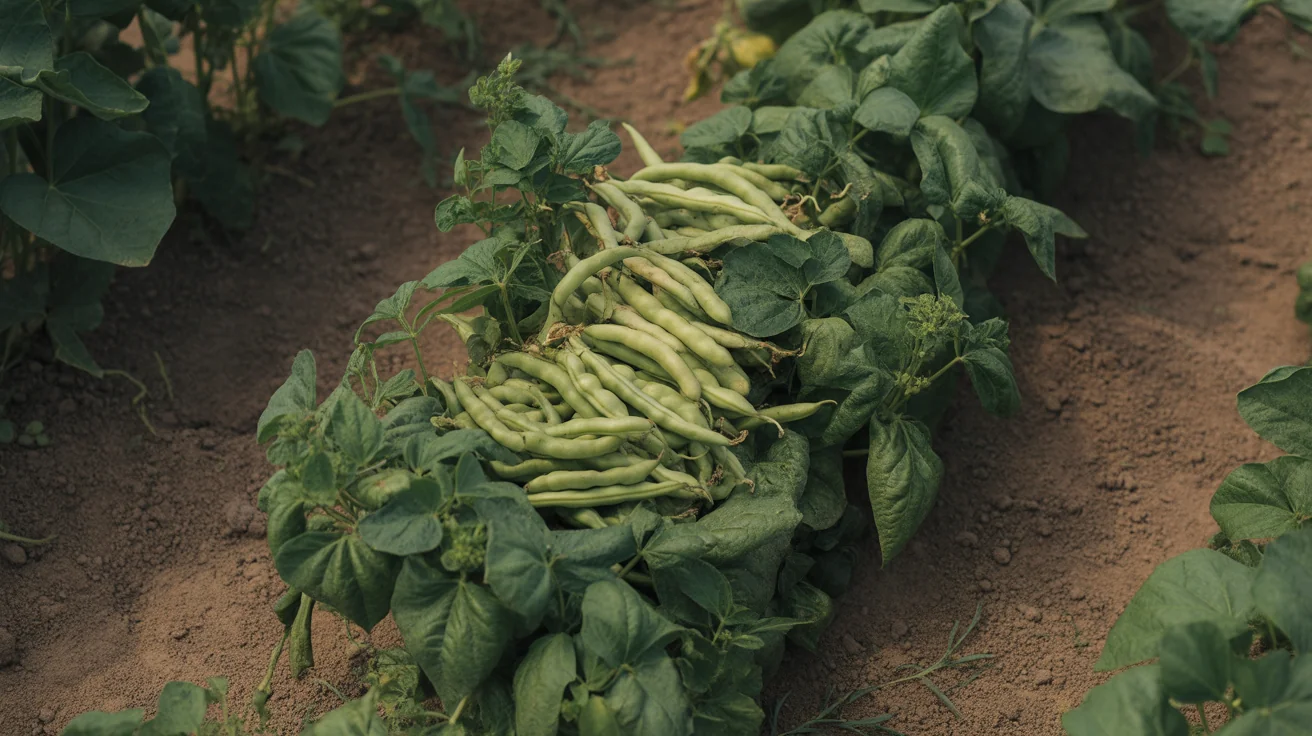
Two different plants share the name bean, one that stays knee-high and gives most of its crop inside two or three…
Beet
Beet care starts with one unusual fact. Each seed ball can make several seedlings, so the crop needs early thinning…