
Best Storage Crops for a Garden Pantry
The best storage crops keep for months in a pantry or root cellar. Here's what to grow for winter eating, with harvest and curing notes.
At a glance
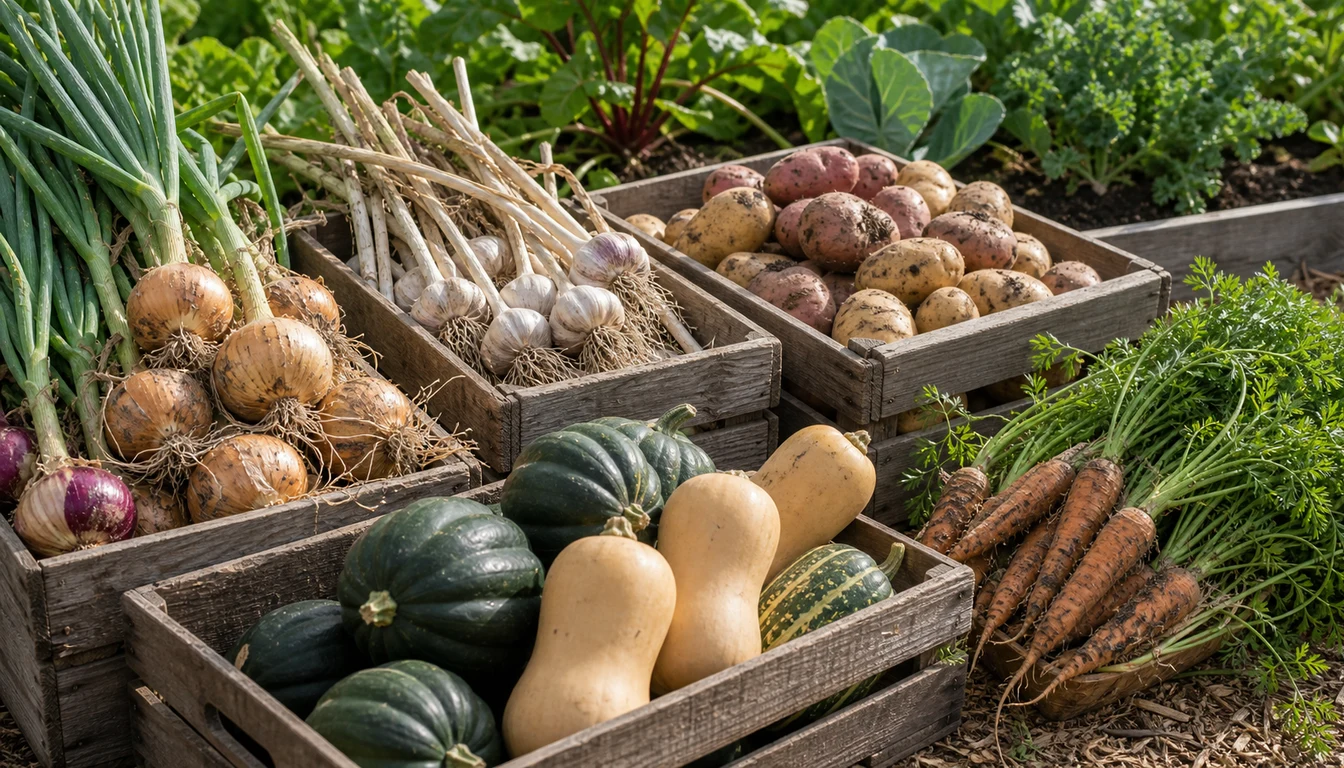
The best storage crops are potatoes, storage onions and garlic, carrots and other roots, and mature winter squash. Each can supply homegrown food well beyond harvest, but the groups need different combinations of temperature, humidity, darkness, and airflow.
Start with the pantry, basement, refrigerator, or root cellar you actually have.
Then choose from the wider vegetable library according to the conditions you can maintain. A large harvest is useful only when you have the right storage space.
Grow sound produce, harvest it at full maturity, cure only the crops that need curing, and separate groups with conflicting storage needs.
What Makes a Vegetable Store Well?
Storage life begins with variety, maturity, and condition at harvest.
A variety sold for storage usually has a tougher skin, firmer texture, or longer dormancy than an early variety bred for immediate eating.
The crop must finish its normal growth before cold or wet weather damages it. Harvesting immature winter squash, thin-skinned potatoes, or onions with green necks gives decay an easier starting point.
Only sound produce belongs in long-term storage. Set aside anything bruised, cut, split, sunscalded, insect-damaged, or soft and use it first.
Storage crops separate by the conditions you can maintain after harvest. Choose at least one group your home can store reliably.
Dry bulbs
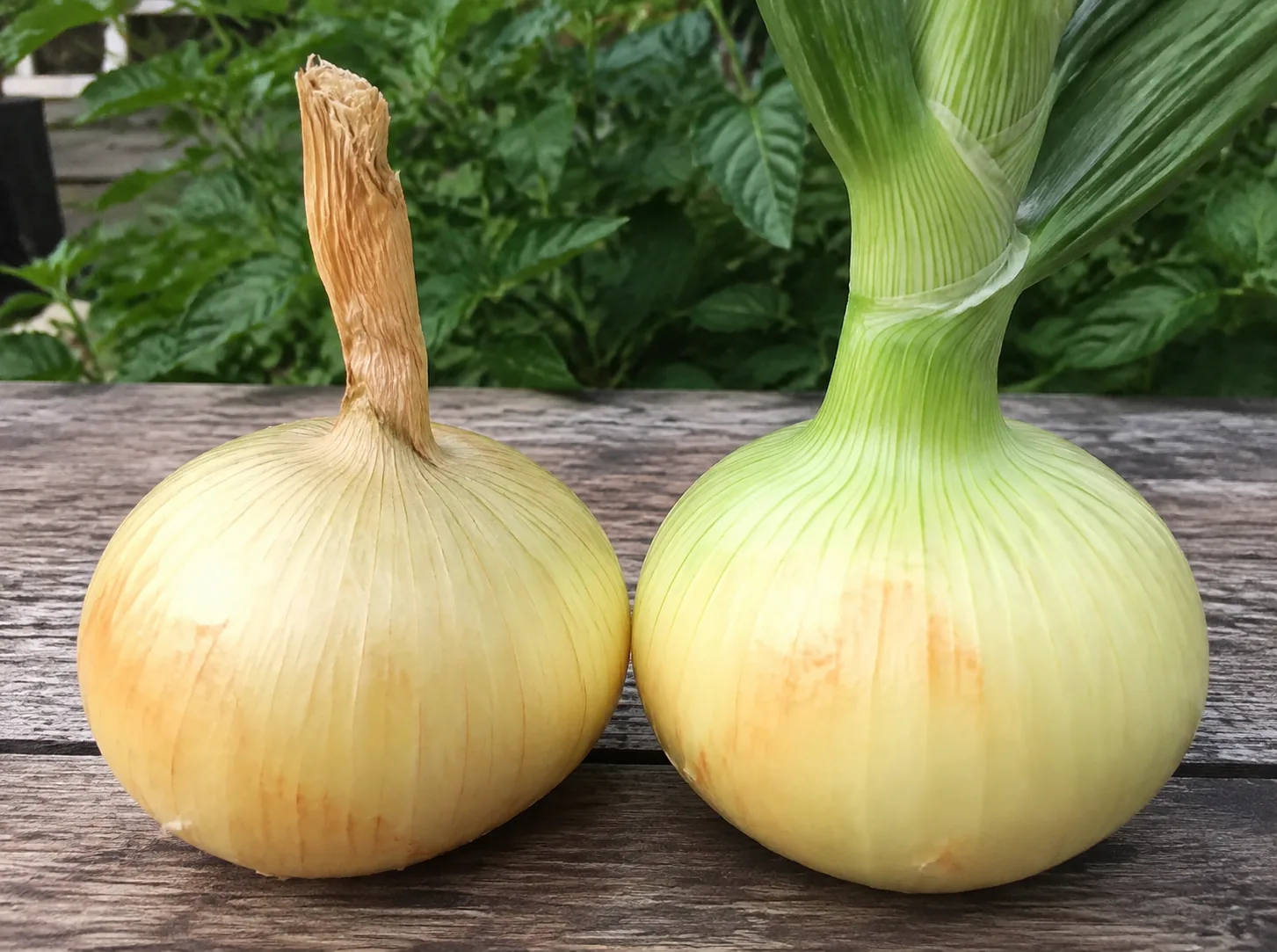
Onions, Garlic, and shallots need dry skins, moving air, and a low-humidity storage area.
Cool moist roots
Carrots, beets, turnips, and storage radishes need cold conditions with enough humidity to limit shriveling.
Dark-stored tubers
Potatoes need darkness and cooler, more humid storage than bulbs.
Cured winter squash
Mature Winter squash keeps warmer and drier than roots, with an intact rind and stem.
Which Storage Crops Fit Your Garden and Home?
The right site decision saves more work than any storage gadget bought later. Before choosing crops, check sun, drainage, soil depth, harvest access, and where each harvest will cure.
A crop that stores well on paper can fail if it matures in soggy soil or gets bruised on the way out of the bed. Storage quality depends on mature, undamaged produce.
Storage beds need room for digging, lifting, drying, sorting, and moving food without damage.
Use the vegetable garden setup guide when you need a broader bed plan.
Match the crop to both ends of the job. Potatoes need loose soil and dark, cool storage, while winter squash needs enough warm-season time to harden its rind and a drier place after curing.
Keep water steady before maturity and leave enough room for gentle harvest. A dry crop such as beans only helps the pantry when the pods and seed finish fully before storage.
How Do You Choose Varieties for Storage?
Choose a named storage variety when one is available. Long keepers often mature later than early table varieties, so the crop still has to fit between planting and your first damaging frost.
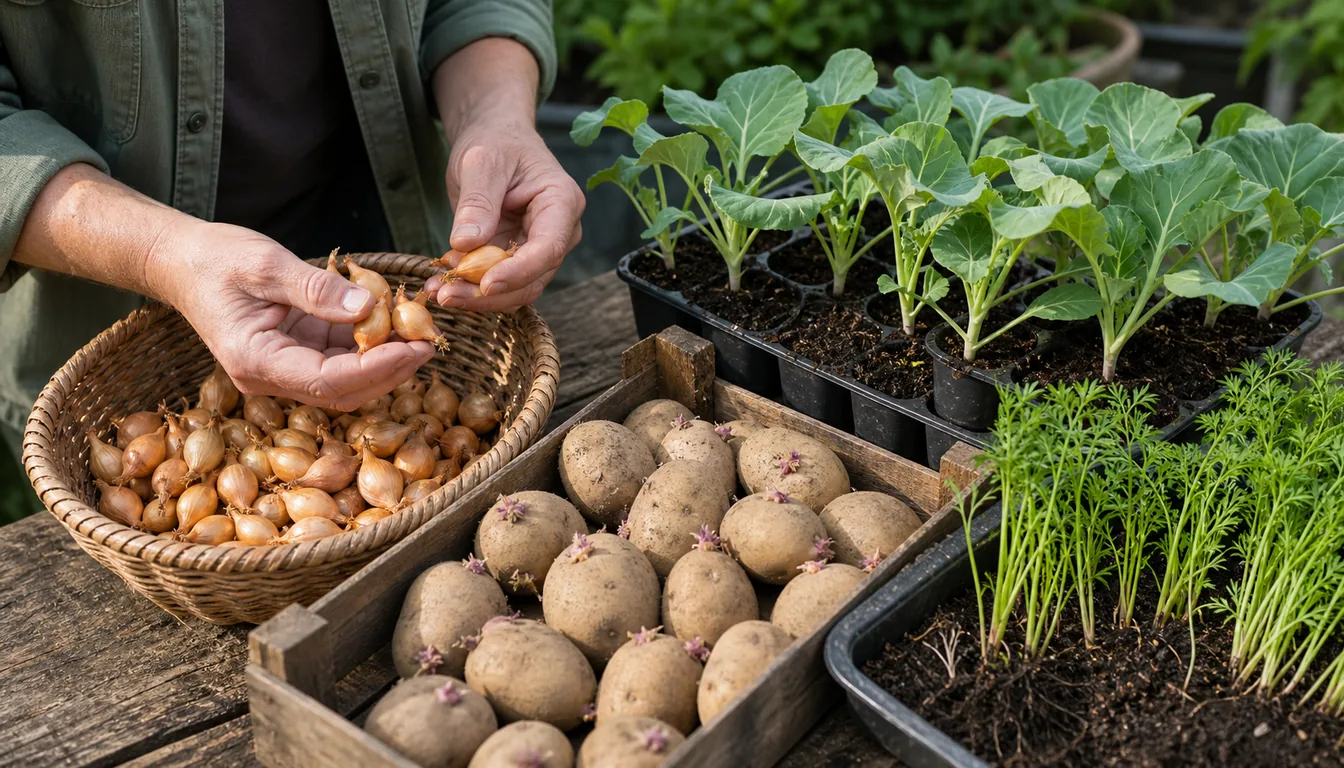
For seed potatoes, sets, and transplants, reject material that is soft, moldy, shriveled, or badly damaged. Disease-free planting stock protects both yield and the soundness of the harvested crop.
Check four things on the packet or catalog entry.
- Season length: Will it mature before frost or prolonged wet weather?
- Storage claim: Is the variety described for keeping rather than immediate eating?
- Space: Can the roots, vines, or bulbs reach full size in your bed?
- Harvest use: Will you eat the amount that remains after sorting and losses?
Look for “storage” or “long keeping” in the variety description.
An early potato, sweet onion, or delicata squash may taste excellent, yet it normally has a shorter keeping window than a variety selected for dormancy, firm skins, or a hard rind.
A tomato may be valuable for canning, but fresh tomatoes are not dry-pantry keepers. Keep processed-food planning separate from crops that store whole.
How Much Bed Space Do Storage Crops Need?
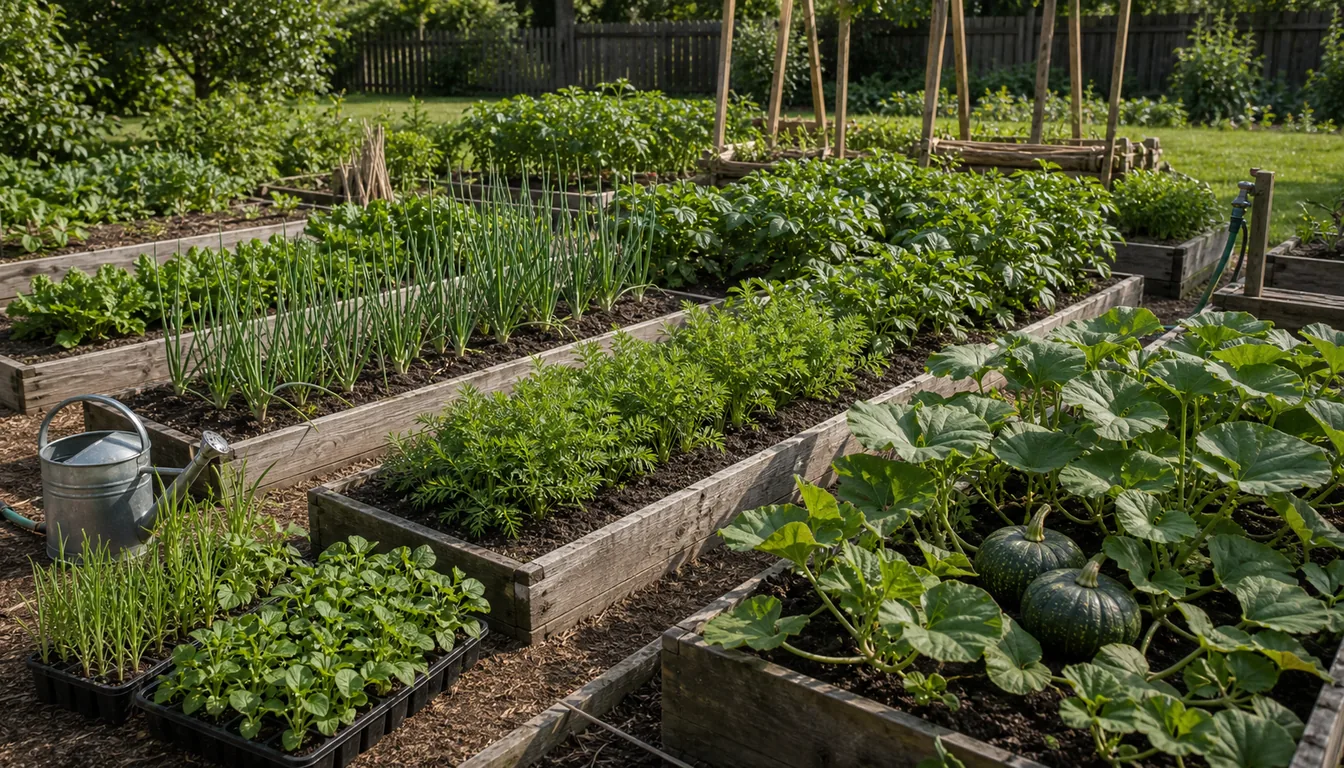
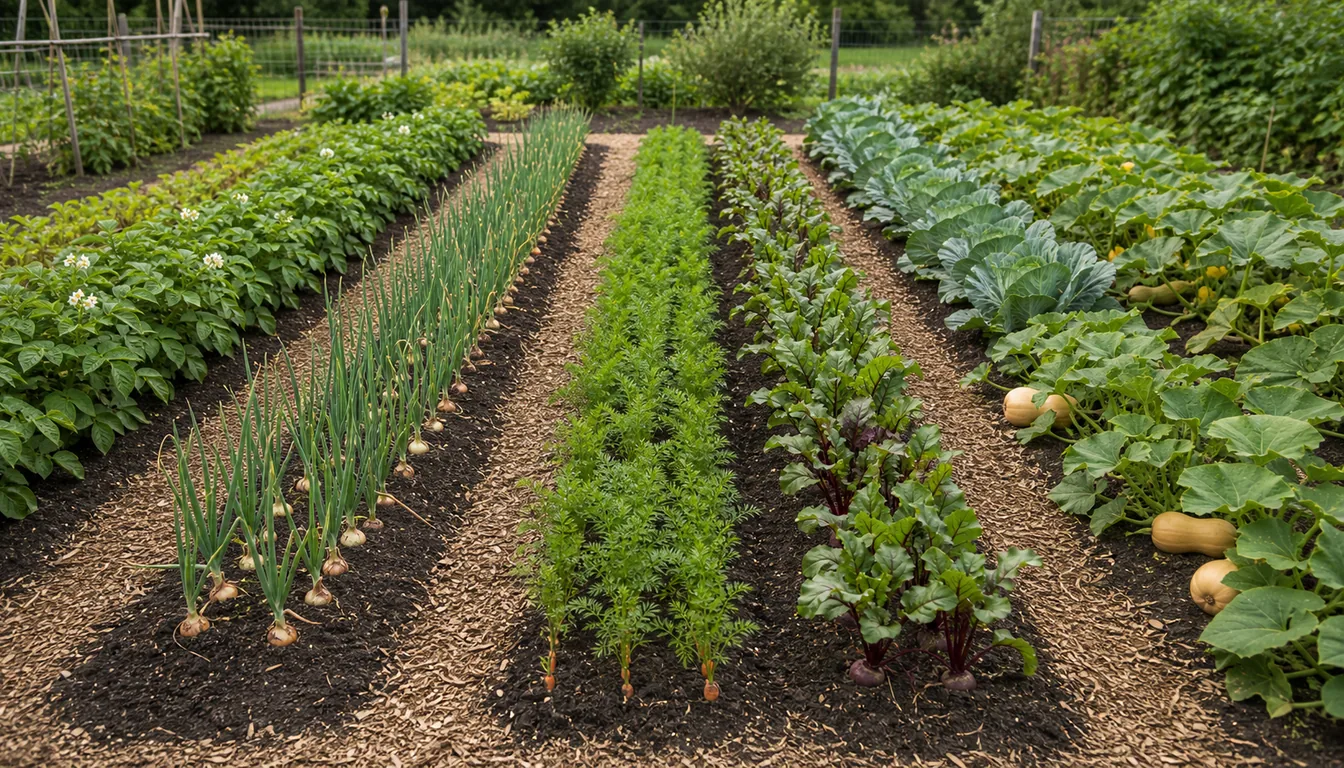
Give the largest share of the bed to crops that earn their space through dependable storage. Potatoes and winter squash need far more room than onions or carrots, so compare expected yield with the area each crop occupies for the whole season.
Winter squash vines can run across paths and neighboring rows. Train them along a bed edge or choose compact varieties when the garden cannot spare a wide lane.
Roots need loose soil deep enough for their final shape. Onions and garlic use less width, but they still need open air around the leaves and a dry approach to harvest.
Leave a wide harvest path for a fork, crate, and careful lifting.
Crowded access causes cuts and bruises that later turn into rot.
A small garden does not need every storage category. One reliable potato row, one allium bed, and a compact root crop can produce a more useful pantry than several poorly matched experiments.
How Does Care Before Harvest Affect Storage?
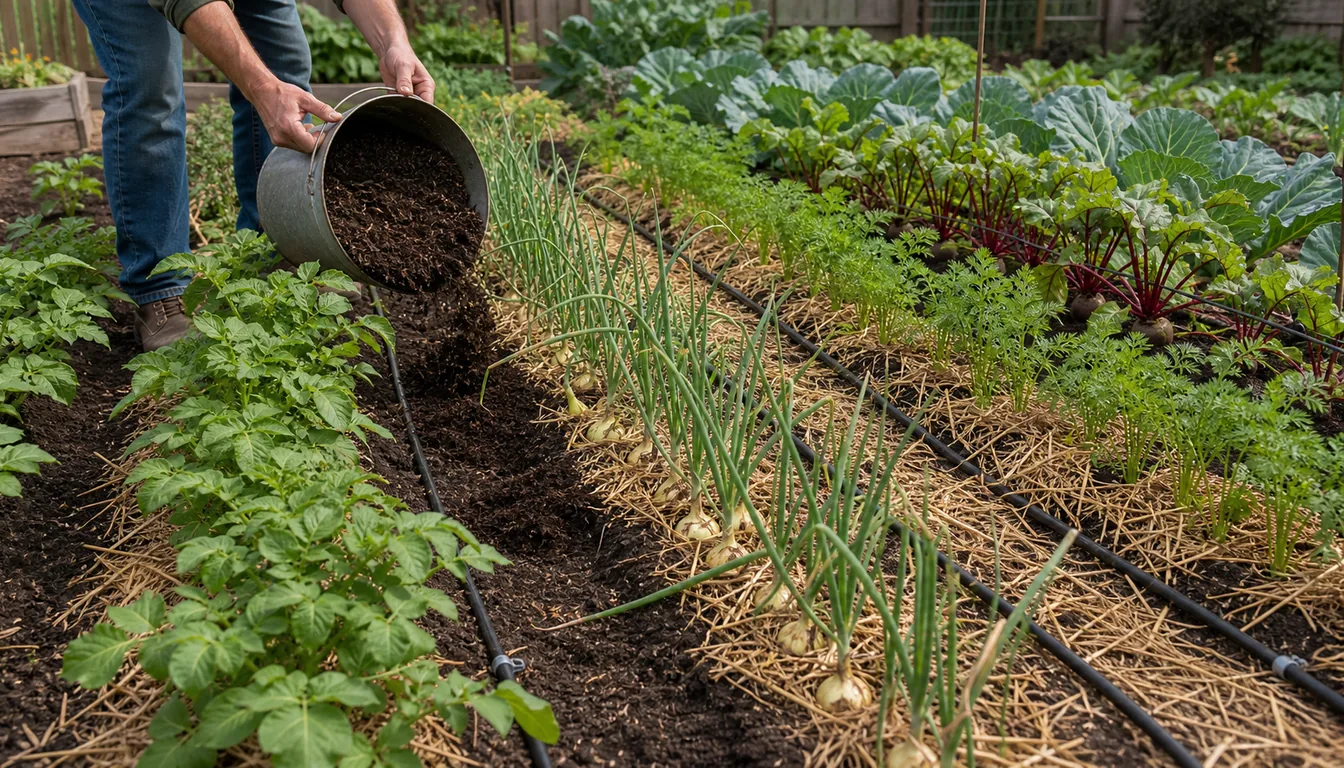
Storage crops need steady growth followed by the correct finish. Water swings can split roots, stress squash vines, and leave potatoes with uneven growth.
Start with drainage and soil depth.
Beds should not remain puddled after rain, especially around potatoes, onions, garlic, carrots, and squash.
Dense or stony soil can scar roots and create more damaged produce than you can safely store. Improve the bed before planting rather than trying to repair root shape late in the season.
Use vegetable fertilizer guidance before feeding.
Heavy late nitrogen can keep foliage growing when bulbs, skins, or fruit should be maturing.
Follow vegetable watering guidance while crops are actively sizing. Near harvest, rely on crop-specific readiness signals instead of one water cutoff for the whole garden.
When Are Storage Crops Ready to Harvest?
Harvest signals are crop-specific, so the calendar is only a reminder to inspect.
Storage onions are ready when many tops fall and begin drying, while mature winter squash has a hard rind that resists a fingernail.
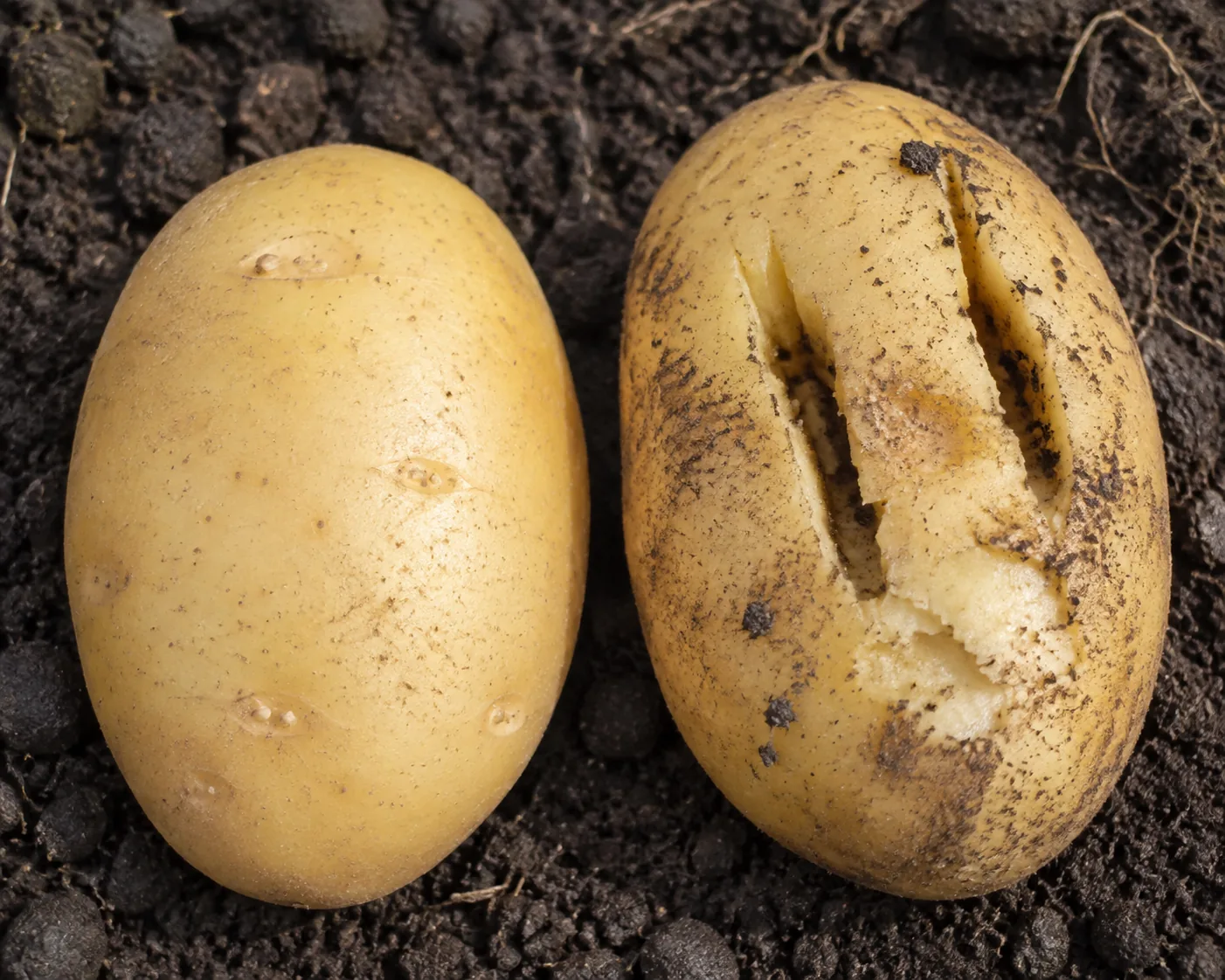
Let potato skins toughen after vines die back, then dig before prolonged wet weather. Lift potatoes with a fork from outside the hill so the tines do not puncture the tubers.
Carrots, beets, turnips, and winter radishes should reach usable size without becoming pithy or split. Cool fall soil can improve flavor, but exposed shoulders can still freeze.
Choose a dry harvest day for onions, Garlic, potatoes, and winter squash. Wet surfaces and fresh wounds make curing slower and give decay more opportunity.
Handle every crop as if a bruise will become visible a month later, because it often will. Place produce into shallow crates rather than dropping it into deep buckets.
How Should Different Crops Be Cured and Stored?
Curing is a controlled drying or wound-healing step, not an instruction to bake every harvest in direct sun.
Most vegetables do not need it, but onions, garlic, potatoes, sweet potatoes, pumpkins, and many winter squashes do.
Onions and garlic need warm air and good ventilation until their outer skins are dry and their necks are tight. Store them cool, dry, and ventilated after curing.
Potatoes cure in darkness so light does not green the skin. Brush off loose soil after the skins have set, and do not wash the tubers before storage.
Many winter squash types benefit from a short warm curing period with good airflow. Acorn squash is a common exception, so follow the variety guidance rather than applying one schedule to every fruit.
Roots such as carrots and beets are not cured like bulbs.
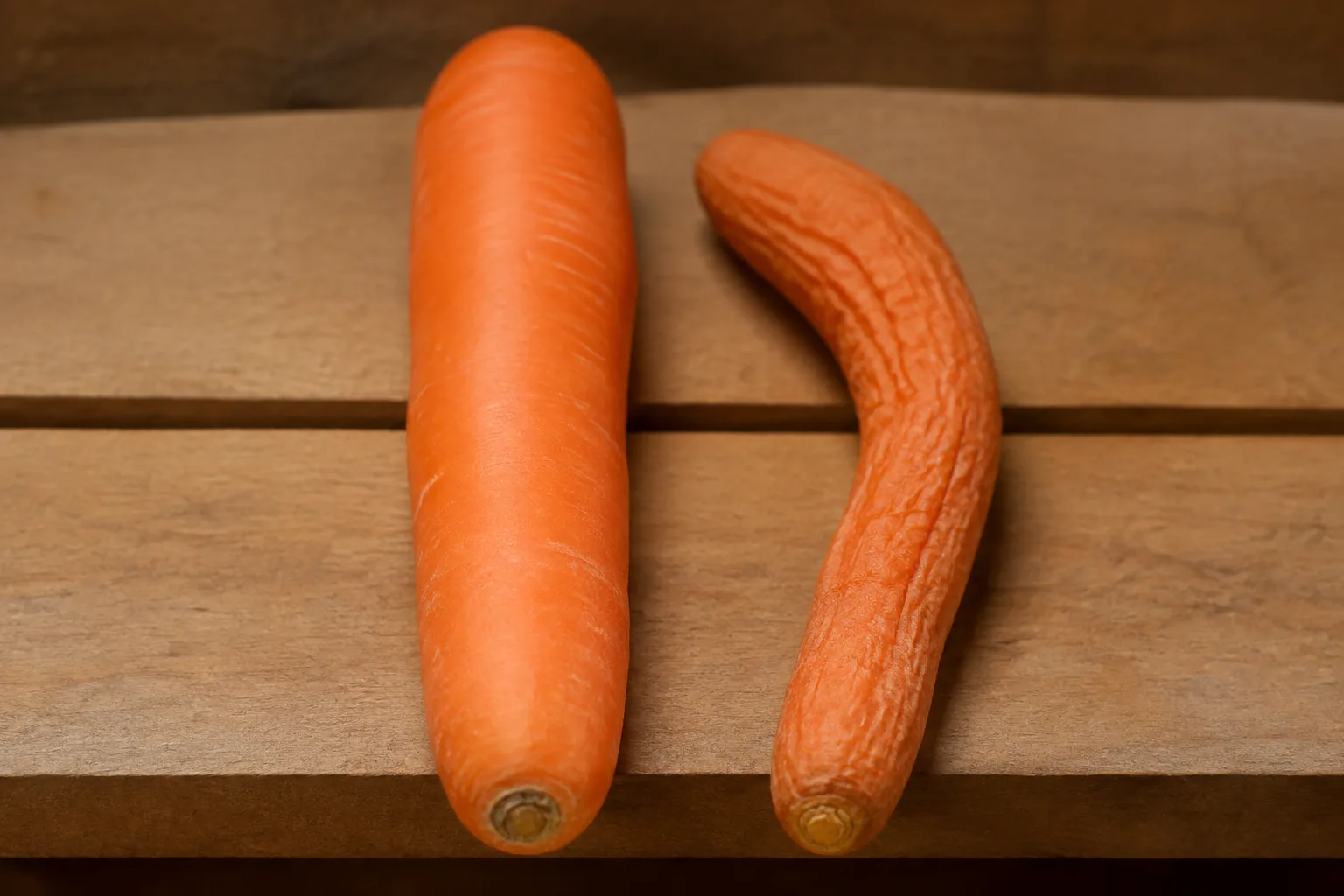
Remove the tops and keep the roots cold with enough humidity to prevent shriveling.
| Crop group | Useful target | Likely home location | Typical quality window* |
|---|---|---|---|
| Onions and garlic | Cool, dry, and ventilated | Cool pantry, dry basement, or mesh hanging storage | Variety-dependent; inspect for soft necks and sprouts |
| Late potatoes | 38–40°F, 90–95% relative humidity, and complete darkness | Root cellar or cool basement compartment | About 5–10 months under optimum conditions |
| Carrots, beets, turnips, and winter radishes | About 32°F and 95% or higher relative humidity | Refrigerator or moist root-cellar bin | Several weeks to several months by crop |
| Winter squash and pumpkins | 50–55°F and 50–70% relative humidity | Dry basement shelf or cool room | About 1–6 months by type |
*These are quality ranges under suitable conditions, not promises for every variety or home. Check stored food regularly and use the shortest-keeping varieties first.
Keep the four groups separate. One room rarely provides the best humidity and temperature for all of them, and sealed containers that help carrots retain moisture can trap damaging dampness around onions.
Can You Store Garden Crops Without a Root Cellar?
Yes. A root cellar makes cold, humid storage easier, but a refrigerator, unheated basement corner, insulated garage cabinet, or cool interior closet can each handle part of the harvest.
Measure the location before assigning a crop to it.
A small thermometer-hygrometer tells you more than calling a room “cool,” and readings should be checked through warm spells and freezing weather.
A refrigerator crisper is often the most dependable place for a modest crop of carrots, beets, turnips, or winter radishes. Perforated bags or covered containers reduce water loss without leaving the roots in standing moisture.
A dry basement shelf can suit cured winter squash when the room stays near 50–55°F. A cooler, darker compartment is better for potatoes, while cured garlic and onions need ventilation and lower humidity.
Create separate storage zones instead of forcing every crop into the same room. When your house lacks cold, humid storage, grow fewer roots and more crops that match the dry space you can provide.
Build the first plan in this order.
- Measure temperature and humidity in each possible location.
- Choose one or two crop groups that match those readings.
- Select storage varieties that mature within the local season.
- Prepare crates, mesh bags, or moisture-retaining containers before harvest.
- Label each variety and record how long it remains sound.
Expand the crop that stores reliably under your real conditions.
Why Do Stored Vegetables Rot, Shrivel, or Sprout?
Rot usually begins with damage, disease, trapped moisture, or a crop stored outside its preferred range. Remove a failing item as soon as you find it and inspect everything that touched it.
Shriveling means the crop is losing moisture faster than the storage space replaces it. Roots and potatoes need more humidity than onions and winter squash, which is why putting every crop on one open pantry shelf gives uneven results.
Sprouting often follows warmth or a crop reaching the end of its natural dormancy. Cooler storage slows that clock, but it cannot make an early variety keep like a storage variety.
Condensation points to warm produce, poor ventilation, or a sealed container holding too much moisture. Dry the space, improve airflow where the crop requires it, and remove wet packing material.
Check crates every week at first, then at least twice a month once conditions are steady. Discard anything moldy, leaking, or deeply decayed rather than trimming it and returning it to storage.
If garlic develops rot before or during storage, isolate the affected bulbs and review harvest damage, curing, and moisture conditions.
Record which variety, harvest date, curing method, and storage location lasted best. Next year's planting decision should come from that record, not from the largest harvest photo.
Quick Tips
- Storage starts before harvest because mature, undamaged produce keeps better than a rushed harvest.
- Choose varieties labeled for storage when your season is long enough to mature them.
- Measure storage temperature and humidity instead of judging the room by feel.
- Separate dry bulbs, humid roots, dark-stored potatoes, and moderately dry winter squash.
- Inspect stored crops regularly and remove moldy, leaking, or decayed produce promptly.
- Keep variety and storage notes so next year's planting reflects what stayed sound.
Recommended Plants
7 vegetables worth considering.
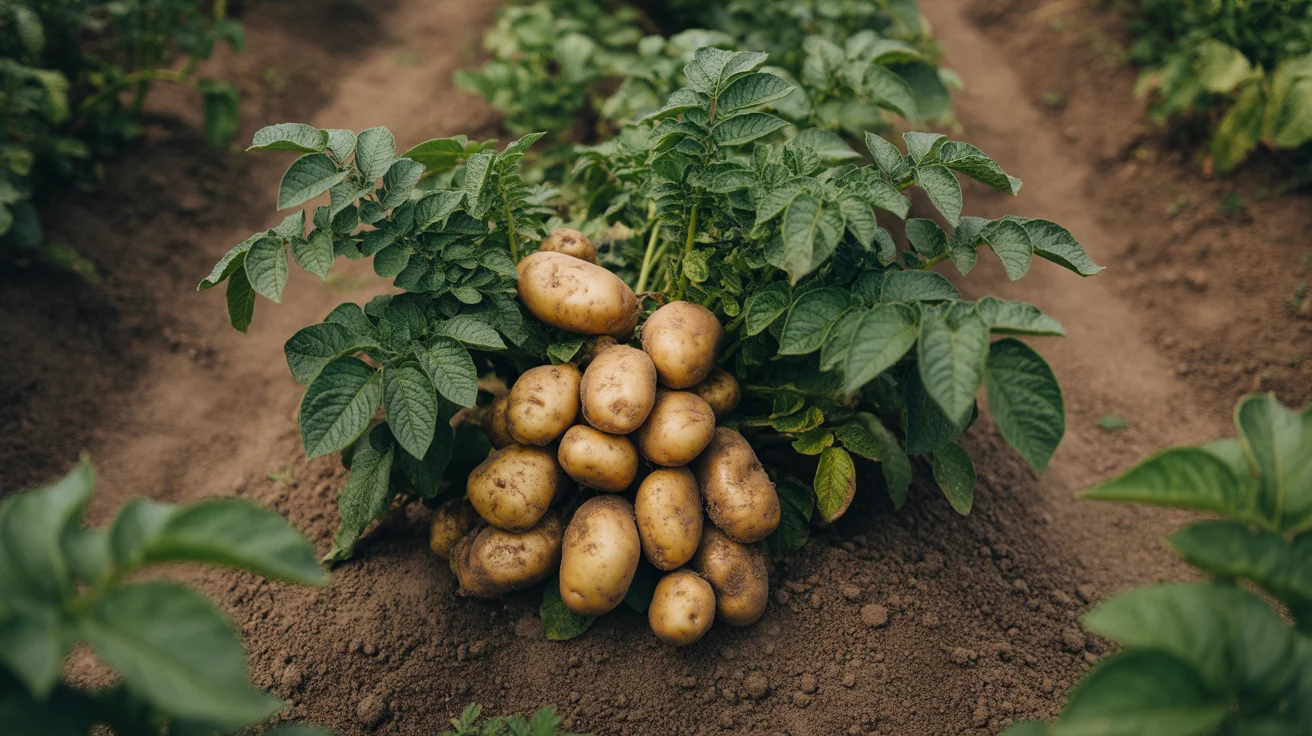
Potato
Potatoes form tubers on underground stems, so loose soil, hilling and even moisture decide the yield more than heavy…
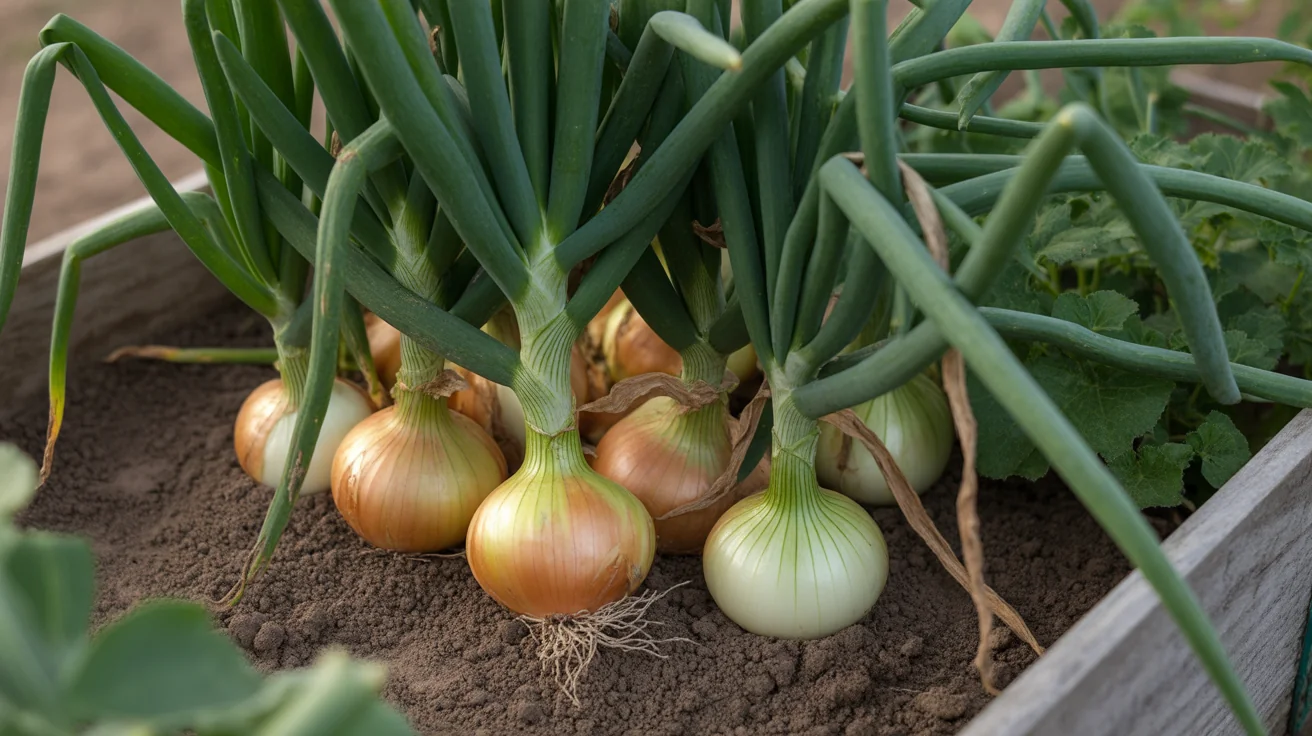
Onion
Most failed Onion crops are not a watering mystery. They are a day-length mismatch or a late start.
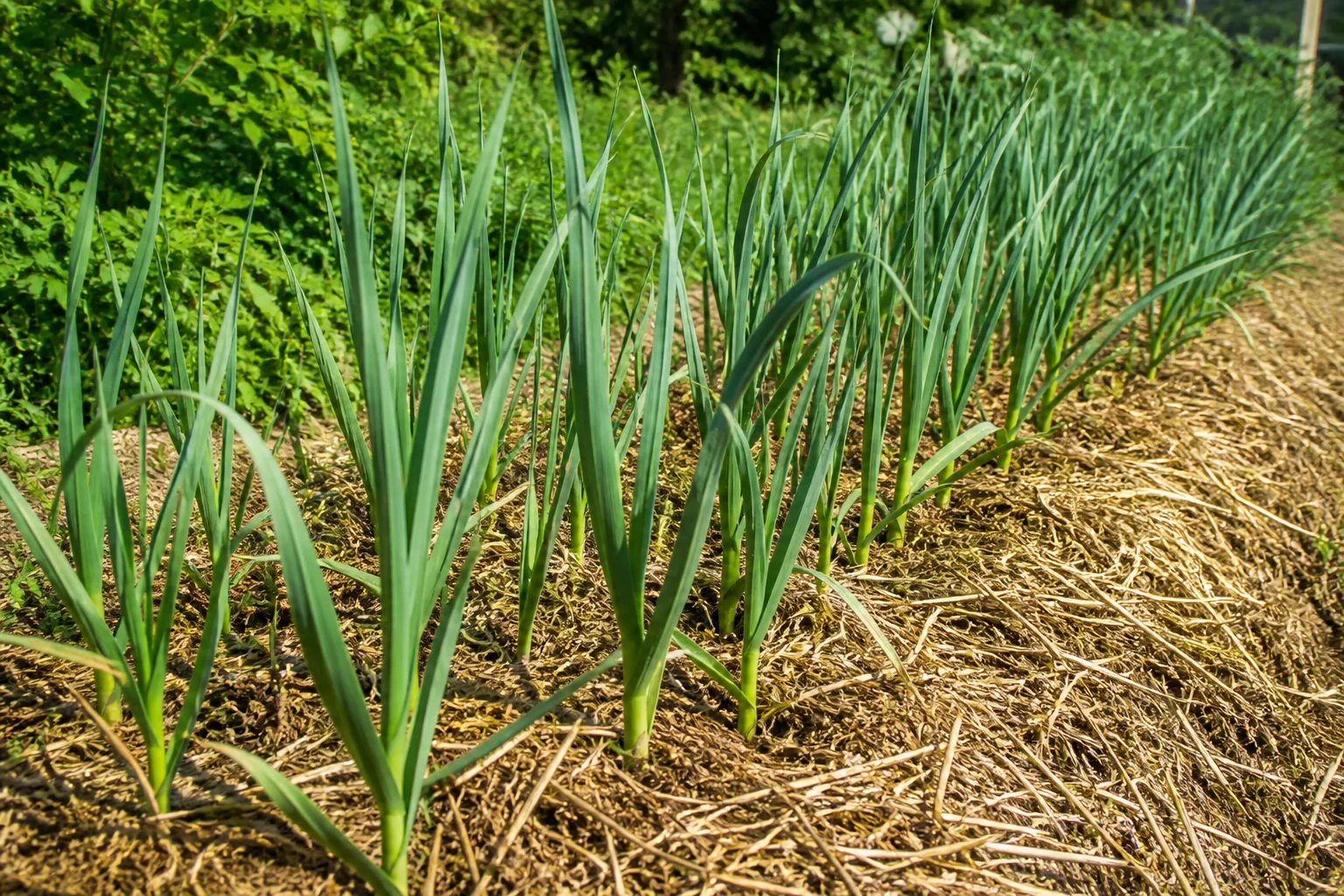
Garlic
Garlic is a calendar crop more than a summer crop. Big cloves, fall planting depth, spring leaf health, and a dry…
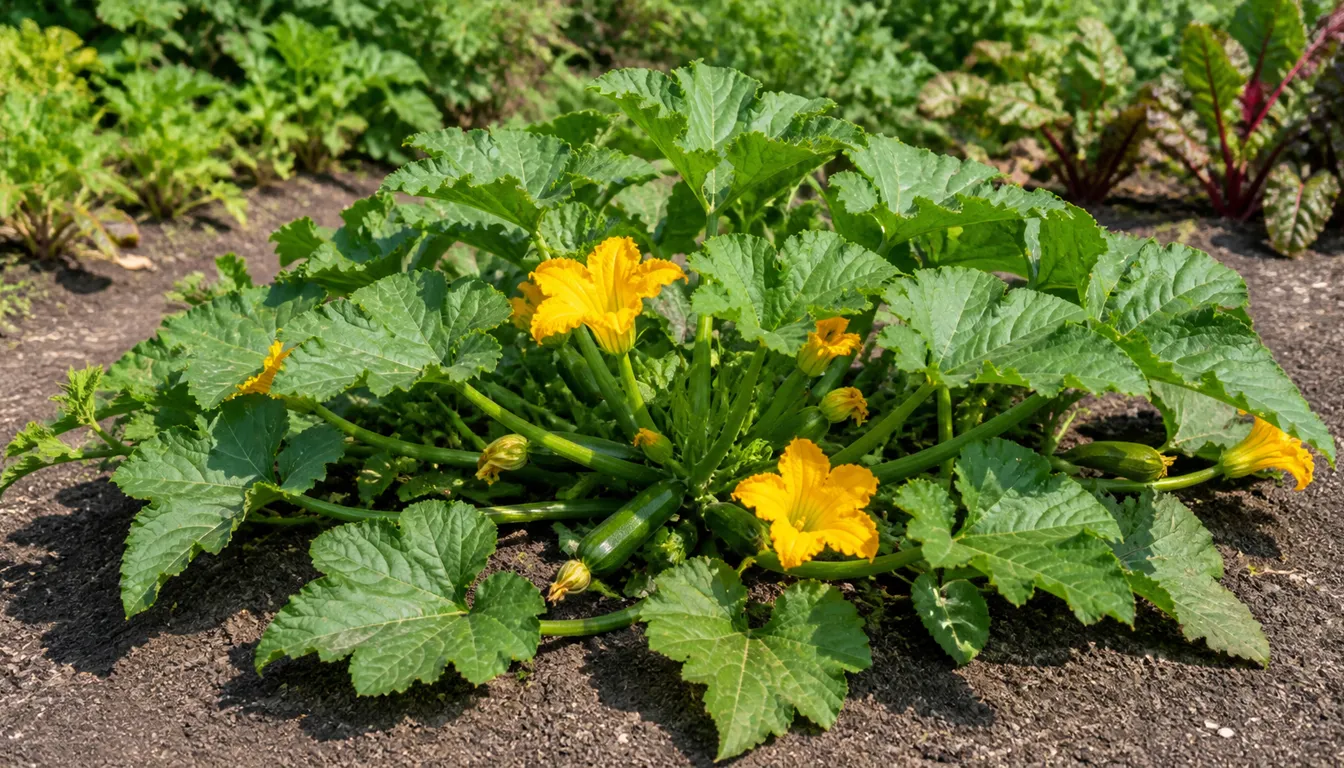
Squash
Grow Squash by deciding whether you want tender summer fruit or mature winter storage fruit, then matching space…
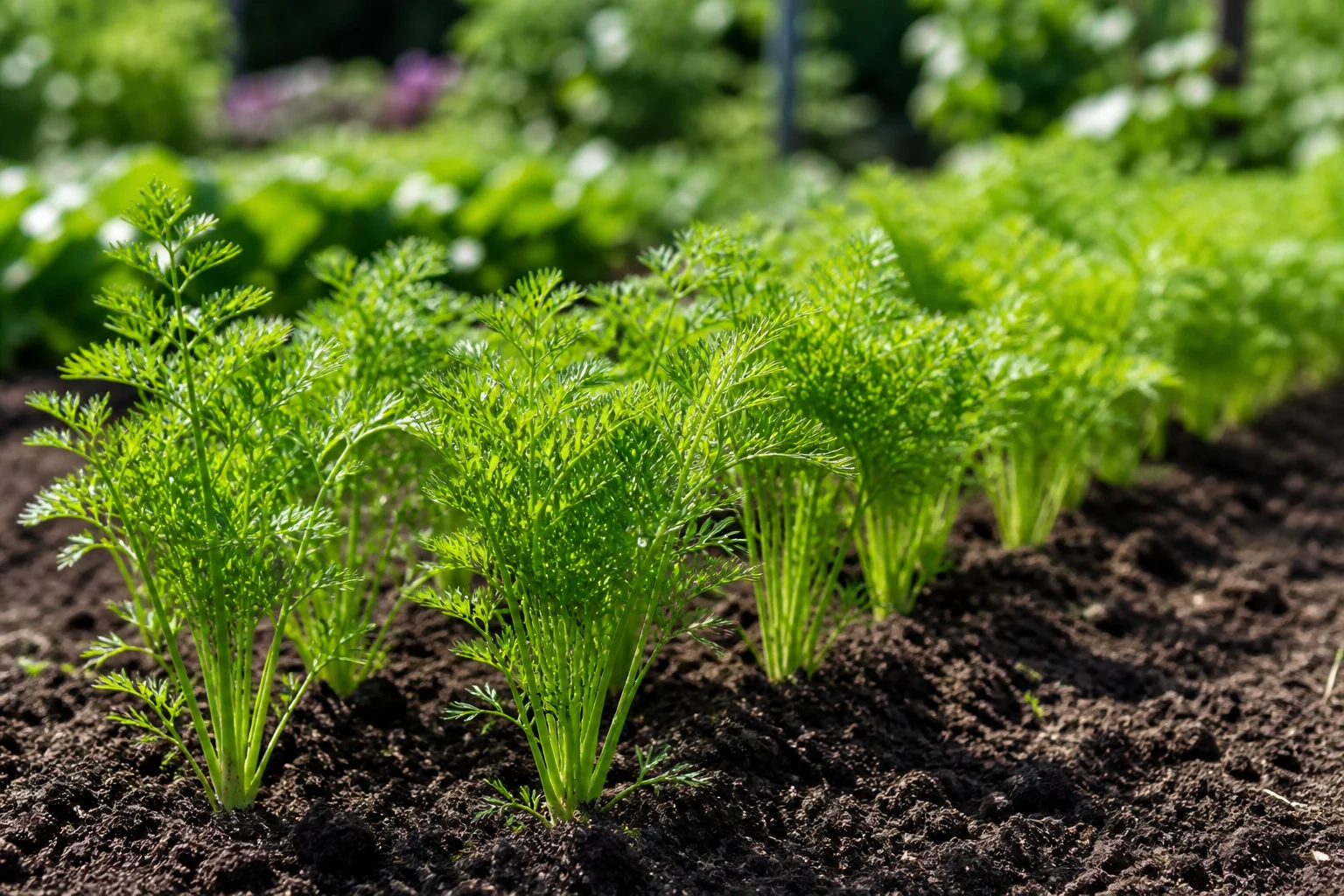
Carrot
Carrots are decided underground long before harvest. The bed has to be deep, fine, and stone free enough for the root…
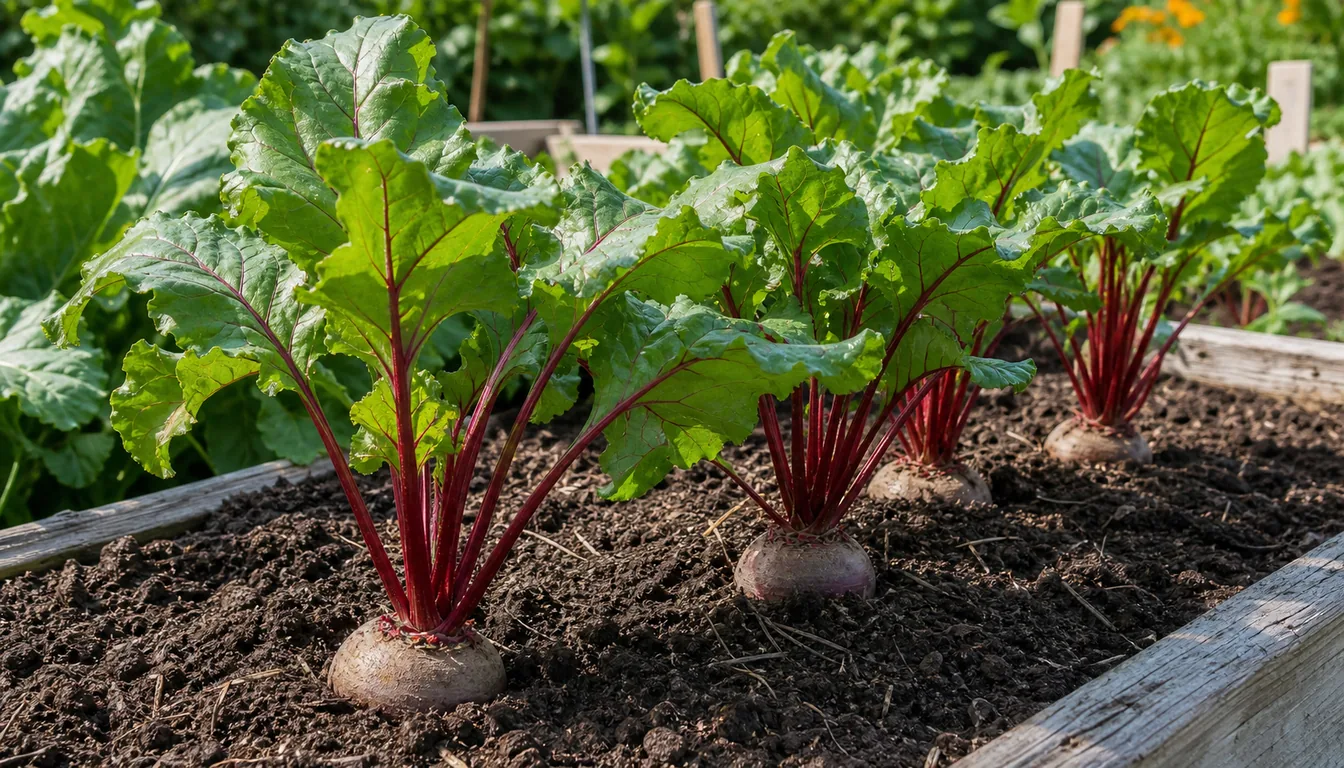
Beet
Beet care starts with one unusual fact. Each seed ball can make several seedlings, so the crop needs early thinning…
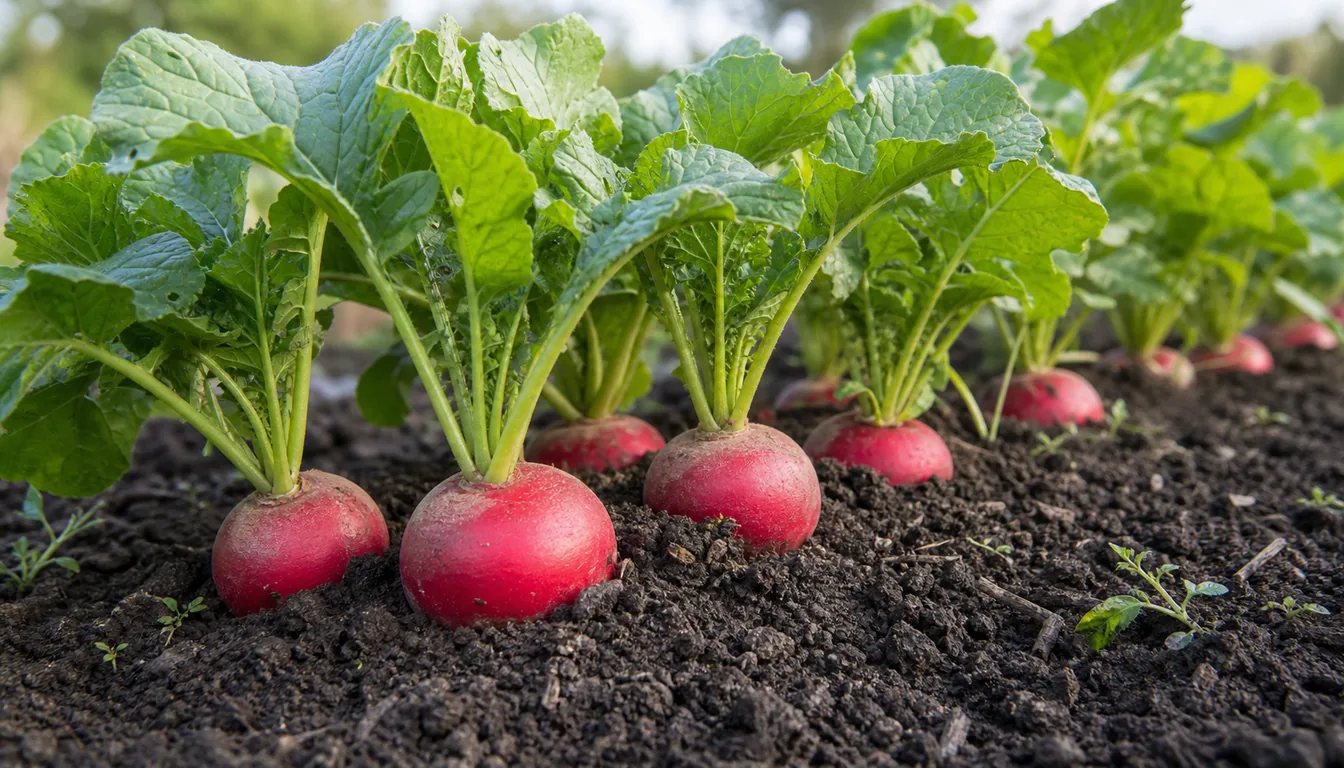
Radish
Radish is a fast cool-season root crop that makes its best roots at 50 to 65 F, in about 25 to 45 days depending on…
Frequently Asked Questions
What are the easiest storage crops for a beginner?
Winter squash and cured onions are often easiest when you have a cool, dry room with airflow. Carrots can be practical in a refrigerator crisper, while potatoes become easier when you can provide complete darkness, cool temperatures, and higher humidity.
Can onions, potatoes, roots, and winter squash share one storage room?
Usually not under their best conditions. Onions need drier air, potatoes need darkness and more humidity, roots need colder and very humid storage, and winter squash keeps best at a warmer 50–55°F with moderate humidity.
Should you wash vegetables before storing them?
It depends on the crop and storage method. Brush loose soil from potatoes and dry-stored crops, then wash them before cooking. Refrigerated roots can be washed when their skins are sound, but they must not sit wet or carry damaged tissue into storage.
What can you store without a root cellar?
Use a refrigerator crisper for a modest root harvest, a cool dry room for onions and garlic, and a dry 50–55°F shelf for winter squash. Measure each location first and reduce the planting if the available space cannot hold the expected harvest.
How often should you inspect stored vegetables?
Check weekly during the first month, when hidden wounds and poor curing are most likely to appear. Once conditions are stable, inspect at least twice a month and remove anything moldy, leaking, or deeply decayed.