
What's Lettuce? How to Grow Sweet Leaves Before Heat
Lactuca sativa Asteraceae
Lettuce grows best at 55 to 65 F and turns bitter and bolts when heat or dry soil stress the plants.
Sow seed ¼ to ½ inch deep, thin leaf types to about 4 inches and head types to 10 to 12, keep moisture even with 1 to 2 inches of water a week, and resow every 10 to 14 days for a steady supply.
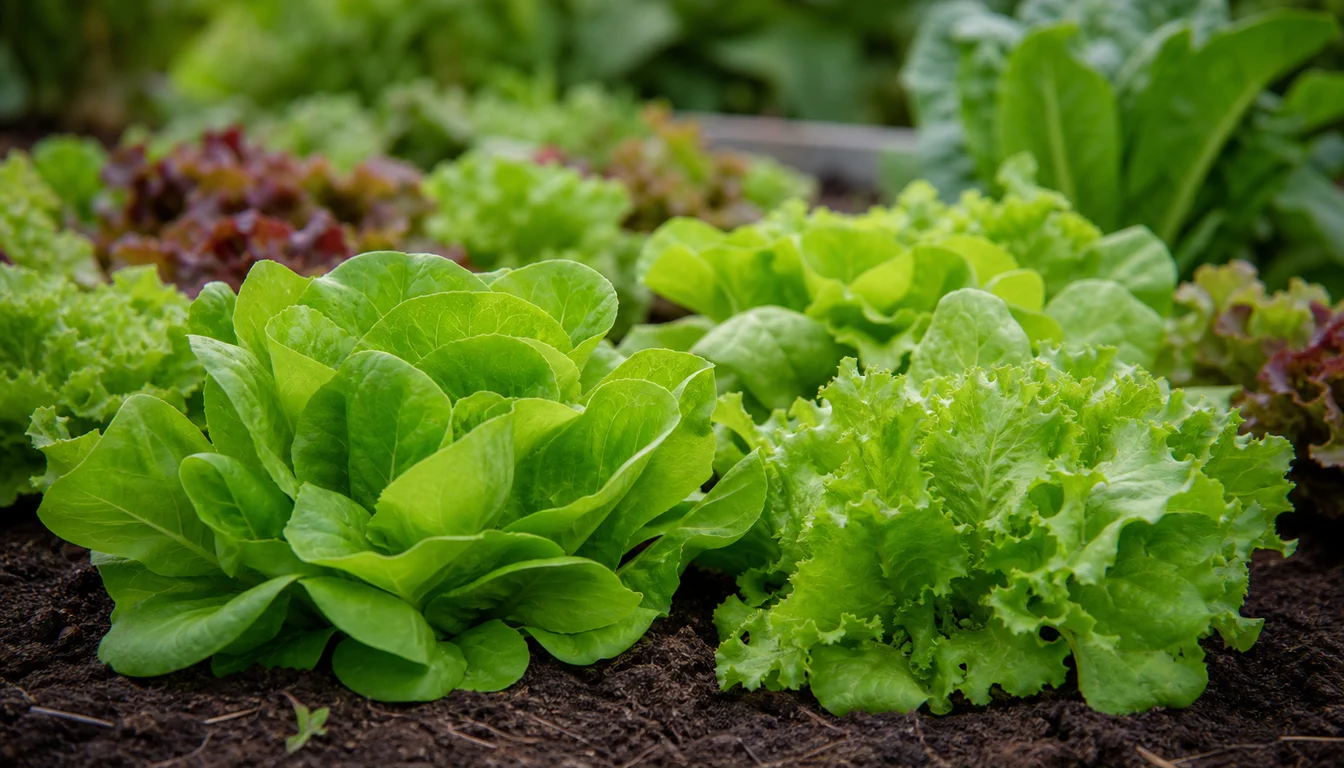
Care snapshot
What Is Lettuce and Which Type Should You Grow?
Lettuce, Lactuca sativa, is a cool-season annual in the daisy family. It withstands light frost, and Clemson calls it one of the easiest cool-season vegetables to grow, as long as it matures before hot weather.
The type you sow decides how long the plant holds bed space. Illinois gives leaf lettuce 50 to 60 days to full size and butterhead 60 to 70 days, while crisphead, the iceberg type, needs the longest cool stretch and the most room.
Leaf lettuce is the forgiving choice. Clemson notes it needs only to be planted and harvested, and its leaves can be picked from the time plants are 5 to 6 inches tall, so a short spring still gives a crop.
Butterhead and romaine form loose or upright heads and need more space. Clemson warns that Bibb, a butterhead type, turns bitter readily once temperatures pass 75 F, which makes spring timing tighter for heads than for loose leaves.
Crisphead is the hardest in warm climates. Clemson reports that many South Carolina gardeners find it difficult because it lacks heat tolerance, and recommends growing head lettuce from transplants rather than seed.
- Leaf lettuce
- 50 to 60 days. Thin to about 4 inches. Pick leaves from 5 to 6 inches tall.
- Butterhead or Bibb
- 60 to 70 days. Thin to 6 to 8 inches. Ready when leaves cup into a loose head.
- Romaine or cos
- Thin to 6 to 8 inches. Ready when leaves overlap into a head 6 to 8 inches tall.
- Crisphead
- Thin to 10 to 12 inches. Firm head, least heat tolerant, best from transplants.
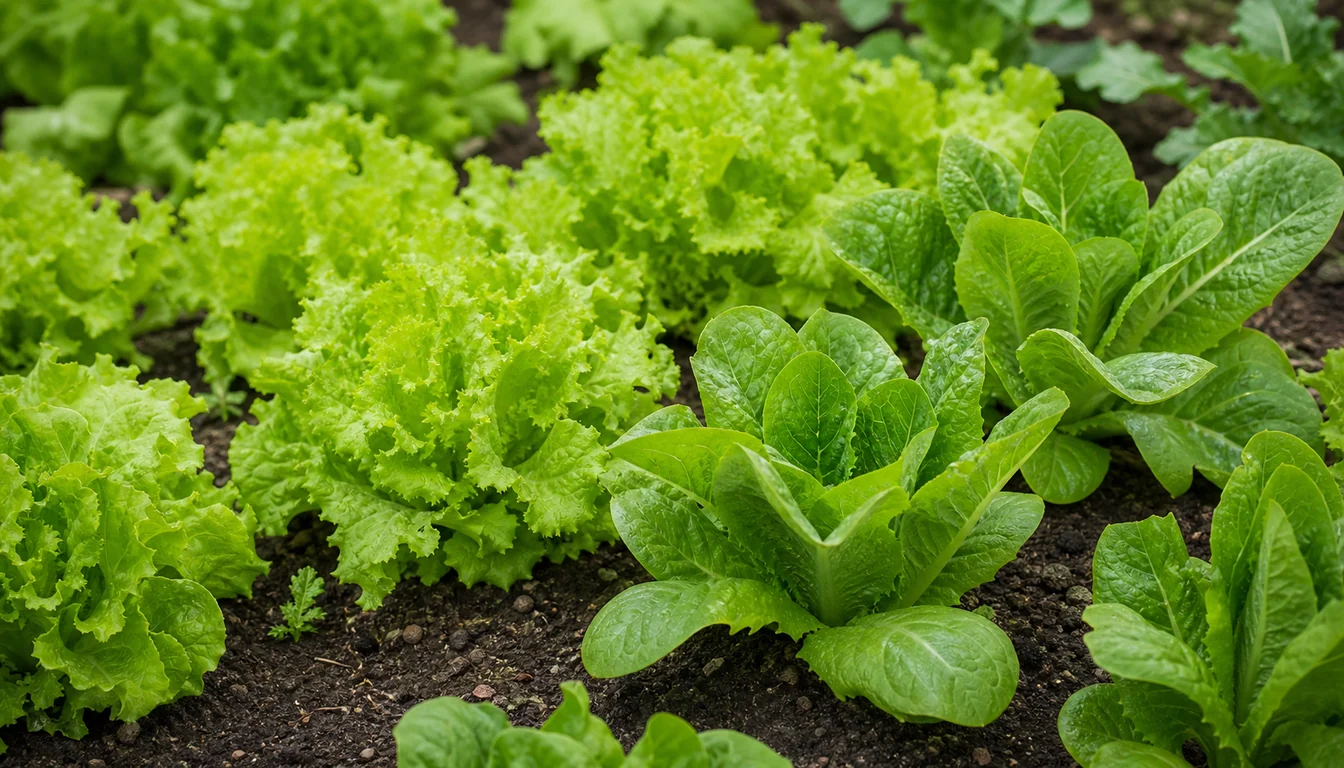
When Should You Plant Lettuce Before Heat Makes It Bitter?
Clemson gives the target range plainly. Lettuce prefers 55 to 65 F for best growth, and high summer temperatures usually bring on a seed stalk, called bolting, and bitter flavor.
Seed germination has its own limits. Utah State notes that seed can be sown once soil reaches 40 F, germinates best at 55 to 65 F, and emerges in 7 to 10 days. Above 80 F germination drops, and Clemson adds that raw, untreated seed will not germinate at all above 95 F. That heat limit is why a late-summer sowing for fall can fail even when the seed is fresh.
For spring, Utah State sows 2 to 3 weeks before the last frost, with transplants going out near the last frost date. Your own frost dates set that calendar. For fall, Utah State counts back 50 to 75 days from the date you want to harvest.
Mild-winter gardens can grow lettuce straight through the cold months. Clemson grows it all winter in South Carolina and notes that a light to medium spun-bonded row cover gives about 4 degrees of frost protection down to 28 F.
When the summer window closes, the bed is better used by crops that handle heat, and lettuce returns once nights cool. Fast crops in the quick harvest vegetables group can hold the space in between.
- Best growth
- 55 to 65 F
- Germination
- Sow once soil reaches 40 F. Best at 55 to 65 F. Poor above 80 F.
- Spring sowing
- 2 to 3 weeks before the last frost
- Fall sowing
- 50 to 75 days before the harvest date you want
- Winter cover
- Spun-bonded row cover gives about 4 F of protection down to 28 F
How Often Should You Water Lettuce's Shallow Roots?
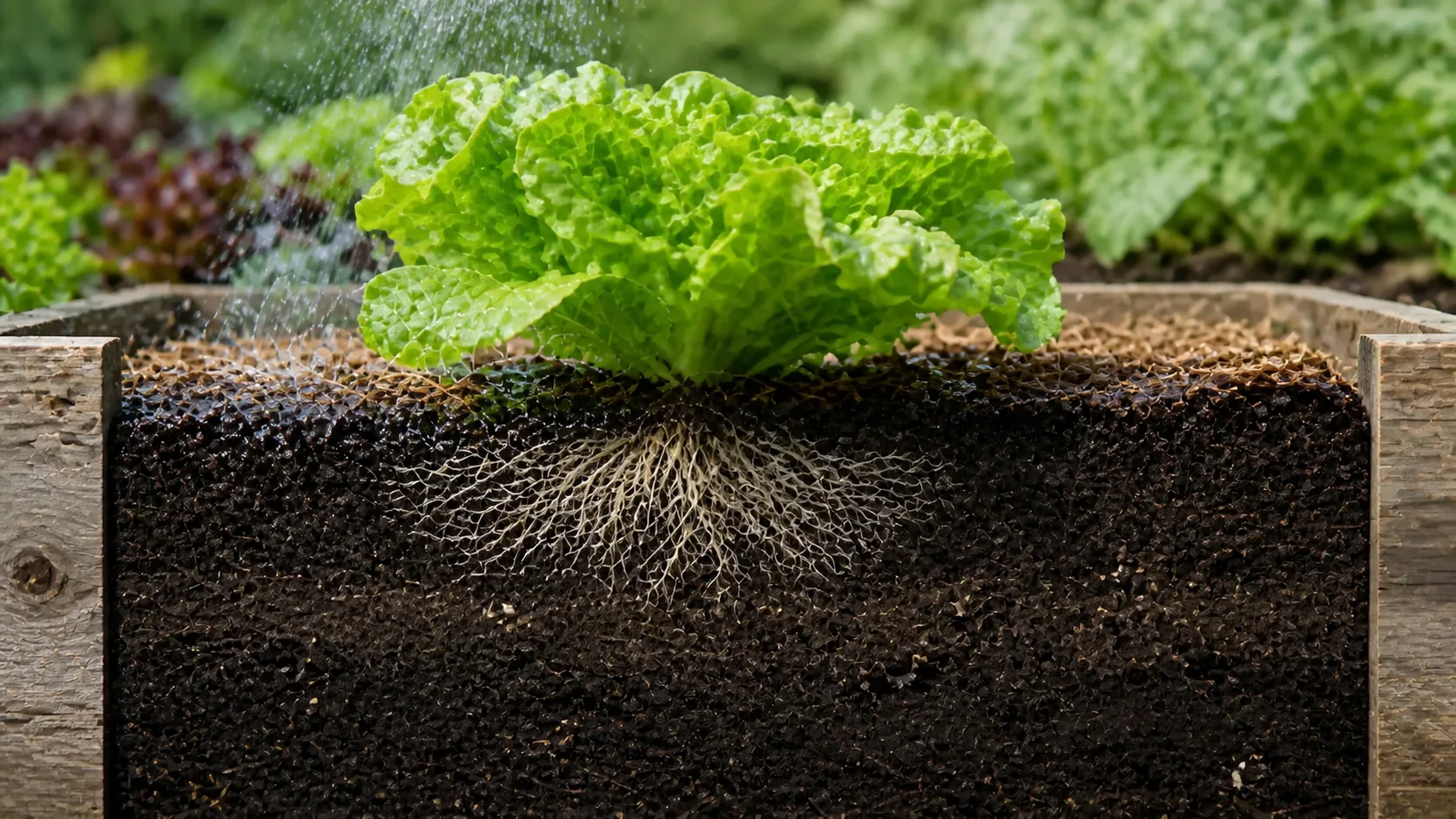
Utah State gives lettuce 1 to 2 inches of water per week. Clemson sets the depth, wetting the soil about 6 inches down each time, and names the weeks right after sowing as the most critical period for moisture.
The two sources describe frequency differently. Illinois says frequent light watering makes leaves grow quickly and gives high-quality lettuce, while Clemson warns that light sprinklings keep roots shallow. The practical reading is to water often enough that the soil never dries out, with each watering reaching the root zone rather than only the surface.
Uneven watering shows up in the leaves. Utah State notes that moisture swings make leaves tough, slow head development, and cause off-flavors. Clemson links tipburn, a browning of leaf edges caused by low calcium in the leaf, mainly to drought and soil that is not kept evenly moist.
Clemson waters in the morning so foliage dries before dark, which also keeps leaves drier around the crown where rot starts.
Feeding is modest. Without a soil test, Clemson works in 5-10-10 at 3 pounds per 100 square feet before planting and side-dresses once with calcium nitrate at 2 pounds per 100 feet of row. Utah State applies a quarter cup of 21-0-0 per 10 feet of row about 4 weeks after transplanting or at thinning. Clemson prefers calcium nitrate over ammonium forms because ammonium nitrogen can contribute to tipburn.
- Keep the seed row evenly moist until seedlings stand.
- Wet the soil about 6 inches deep at each watering.
- Water in the morning and aim at the soil line once leaves overlap.
- Side-dress once, about 4 weeks after transplanting or at thinning.
How Do You Sow and Thin Lettuce for Full Heads?
Lettuce seed is small and goes in shallow. Utah State and Illinois both sow ¼ to ½ inch deep, and Illinois adds that some varieties, especially white-seeded ones, need light to germinate and should only be pressed into fine soil rather than covered.
Crusting is the common sowing failure, especially on clay. Clemson suggests covering the seed with potting soil instead of garden soil, which keeps the surface from sealing over the seedlings.
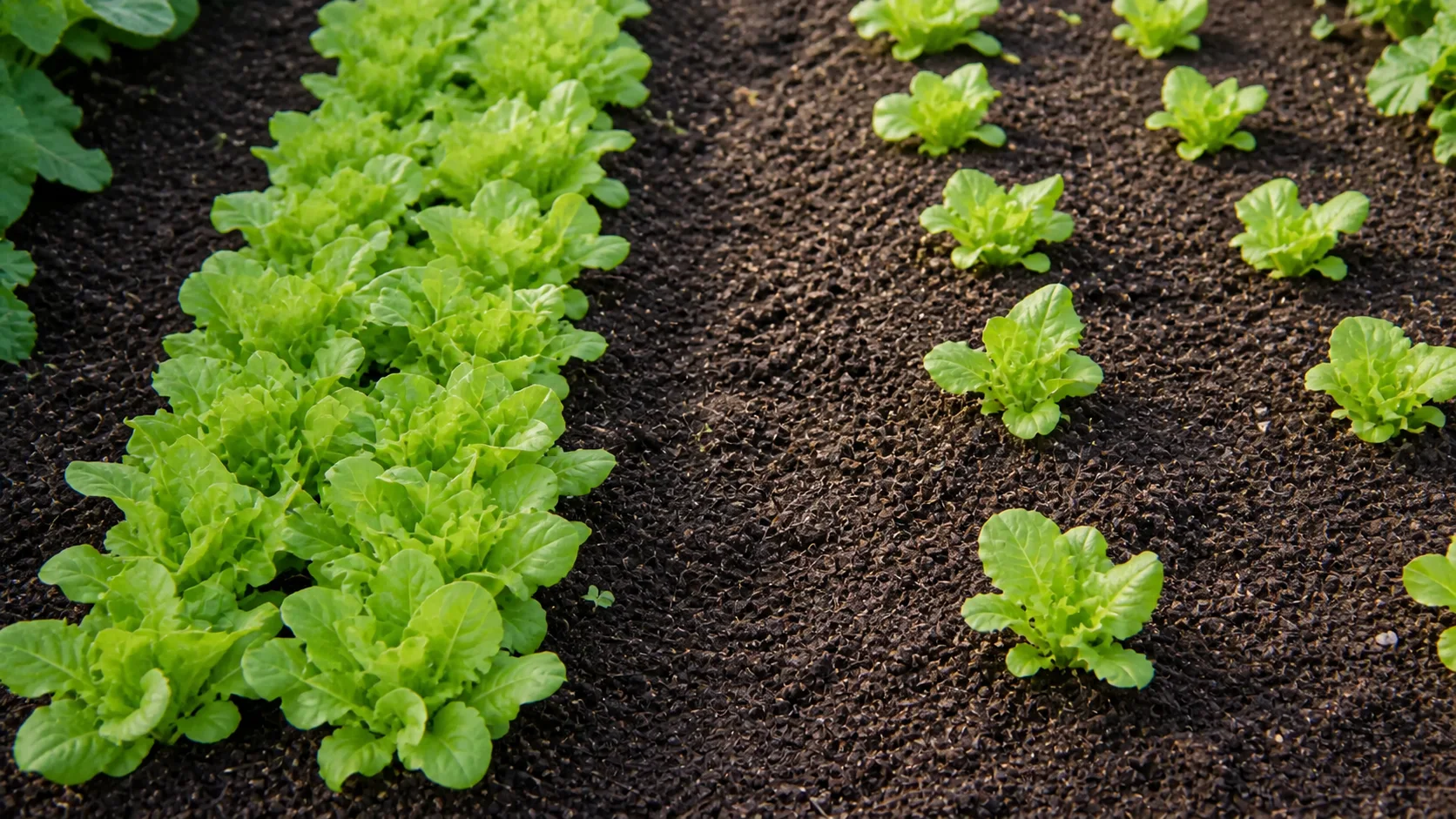
Thinning distance depends on the type. Illinois thins leaf lettuce to 4 inches, cos and butterhead to 6 to 8 inches, and crisphead to 10 to 12 inches. Clemson gives leaf lettuce 6 to 10 inches and thins when plants are 1 to 2 inches tall. A seedling thinning pass at that size separates plants cleanly, and the pulled seedlings are already edible.
A single big sowing gives one glut and then a gap. Illinois recommends two or more sowings at 10 to 14 day intervals for a continuous supply, the same rhythm a succession planting schedule uses for other quick crops.
Lettuce seedlings compete poorly with weeds, according to Clemson, and their roots sit shallow, so weeding has to be shallow too. A row of radish sown alongside marks the row early and comes out before the lettuce needs its full spacing.
- Sow ¼ to ½ inch deep, or press light-needing seed onto the surface.
- Thin leaf types to about 4 inches and crisphead to 10 to 12 inches.
- Sow a short row every 10 to 14 days while weather stays cool.
- Weed shallowly so the roots near the surface are not cut.
Why Does Lettuce Bolt and Turn Bitter in Hot Weather?
Bolting is the plant switching from leaves to a seed stalk. Illinois names the triggers as long days, warm temperatures, and plant age working together, and Clemson adds moisture stress, which makes lettuce both bitter and quicker to bolt.
Utah State's working limit is 80 F. It advises against water-stressing plants and against growing lettuce in temperatures above 80 F, while Clemson notes that butterhead can turn bitter once temperatures pass 75 F.
Variety choice stretches the season. Clemson recommends slow-bolting or heat-resistant varieties for extending the growing window, and its recommended list for South Carolina includes Slobolt, a leaf type.
Once the center starts to stretch upward, the leaves on that plant will not get sweeter with more water or fertilizer. The same long-day deadline shapes the calendar for spinach, the other spring green that bolts as days lengthen.
When and How Should You Harvest Lettuce?
Each type has its own ready signal. Clemson picks leaf lettuce once plants are 5 to 6 inches tall, calls Bibb mature when the leaves cup inward into a loose head, and cuts romaine when leaves overlap into a partly tight head 6 to 8 inches tall. Utah State harvests crisphead when the head is firm, and butterhead and cos in the early heading stage.
Leaf lettuce can be picked repeatedly. Illinois cuts it whenever it is large enough to use and suggests cutting every other plant at ground level, which gives the remaining plants more room to grow.
The listed days vary by source. Clemson gives about 75 days for leaf lettuce and as early as 55 days for some head varieties, while Illinois gives 50 to 60 days for leaf lettuce, so the variety and your weather move the date more than any single number.
Storage depends on how dry the leaves are. Clemson keeps crisphead up to two weeks in the coolest part of the refrigerator, and leaf and Bibb lettuce up to four weeks when the leaves are dry when bagged.
- Leaf lettuce
- Pick outer leaves from 5 to 6 inches tall, or cut every other plant at ground level
- Butterhead or Bibb
- Cut when leaves cup inward into a loose head
- Romaine
- Cut when leaves overlap into a head 6 to 8 inches tall
- Crisphead
- Cut when the head feels firm
- After bolting starts
- Taste first, then harvest quickly or clear the plant
What Causes Lettuce to Bolt, Rot, or Develop Holes?
Clemson lists aphids, cabbage loopers, corn earworms, and leafhoppers as the insect problems in lettuce, and Utah State adds flea beetles and slugs. Ragged holes chewed overnight near damp mulch point to slugs and snails, which Clemson controls with an iron phosphate bait.
The diseases Clemson names are gray mold, Rhizoctonia bottom rot, and Sclerotinia drop. All three start where leaves sit wet against soil, so the spacing and morning watering in the sections above are the main prevention.
Brown, dry leaf edges on inner leaves are usually tipburn rather than disease. Clemson ties it to low calcium in the leaf, driven mostly by uneven soil moisture, with high temperatures, wind, and rapid growth as contributing factors.
Aphids and other sap feeders are easier to manage in an open row than a crowded one. Natural pest control for gardens covers hand removal and other low-impact options when numbers start to build.
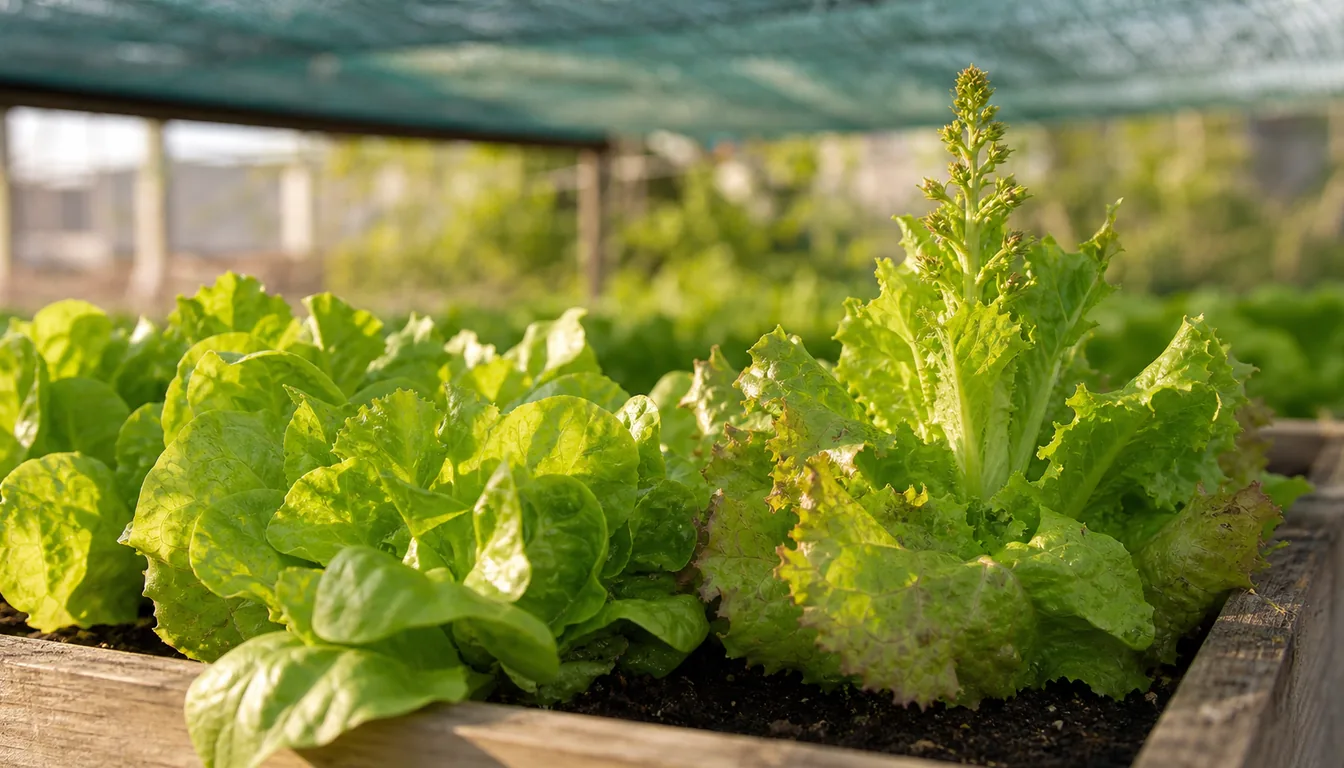
- Tall center stem
- Bolting from heat, long days, or age. Harvest what is usable.
- Bitter leaves without a stalk
- Heat or moisture stress. Check soil moisture and harvest age.
- Brown edges on inner leaves
- Tipburn from uneven moisture and low leaf calcium
- Soft, rotting lower leaves
- Bottom rot or gray mold where leaves touch wet soil
- Ragged night chewing
- Slugs or snails around mulch and damp bed edges
- Clustered small insects
- Aphids, often on new growth and leaf undersides
Frequently Asked Questions
How long does lettuce take from seed to harvest?
Illinois gives leaf lettuce 50 to 60 days and butterhead 60 to 70 days. Leaf lettuce can be picked earlier, once plants are 5 to 6 inches tall.
Why did my lettuce turn bitter?
High temperatures and moisture stress both make lettuce bitter, and Clemson notes that the same stresses trigger bolting. Plant age and long days add to it, so late spring sowings are the most likely to turn.
Can lettuce grow in summer?
It is difficult. Utah State advises against growing lettuce above 80 F, and Clemson recommends slow-bolting or heat-resistant varieties to stretch the season. In most gardens spring, fall, and mild winters are the reliable windows.
Should I grow leaf lettuce or head lettuce?
Leaf lettuce is faster and easier, needs about 4 inches between plants, and can be picked repeatedly. Head types need 6 to 12 inches and a longer cool stretch, and Clemson recommends starting head lettuce from transplants.
How often should I sow lettuce?
Illinois recommends two or more sowings at 10 to 14 day intervals for a continuous supply, while the weather stays in lettuce's cool range.
Sources & References
Related Plants
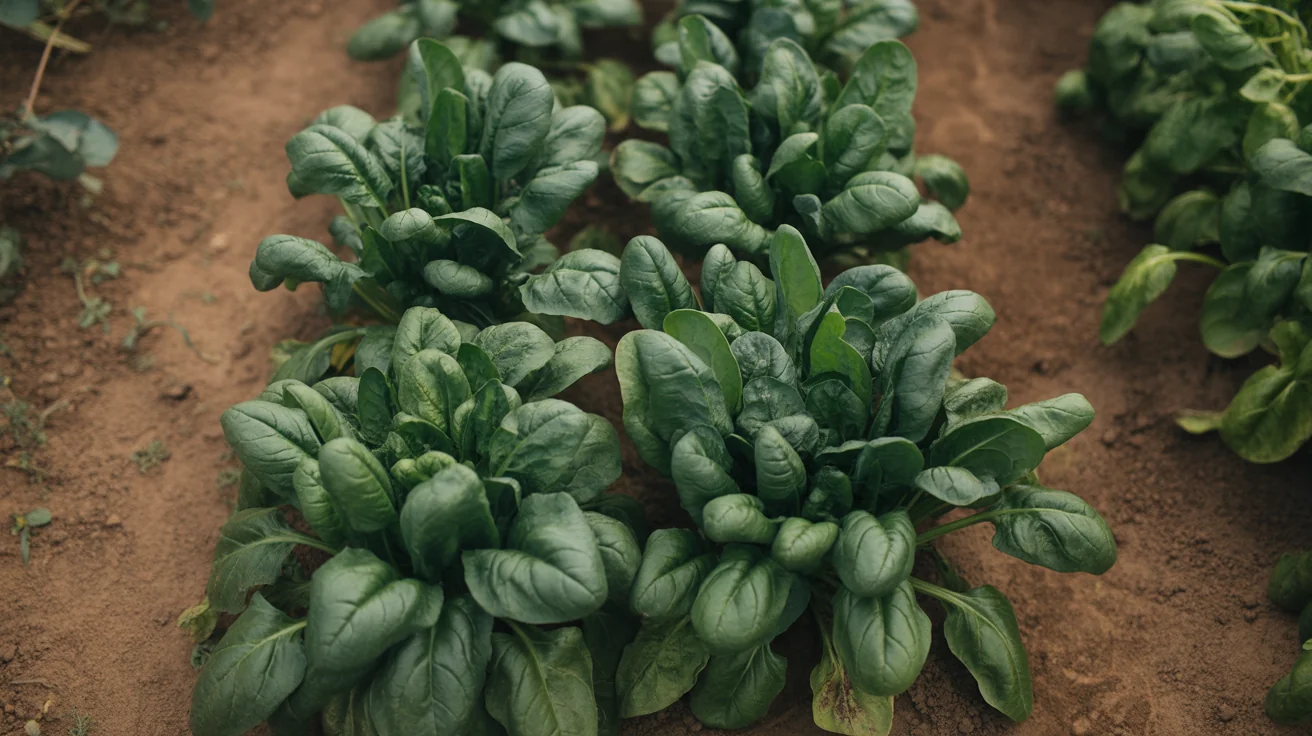
Spinach
A cool-season leafy green with stronger cold tolerance and a different bolting rhythm.
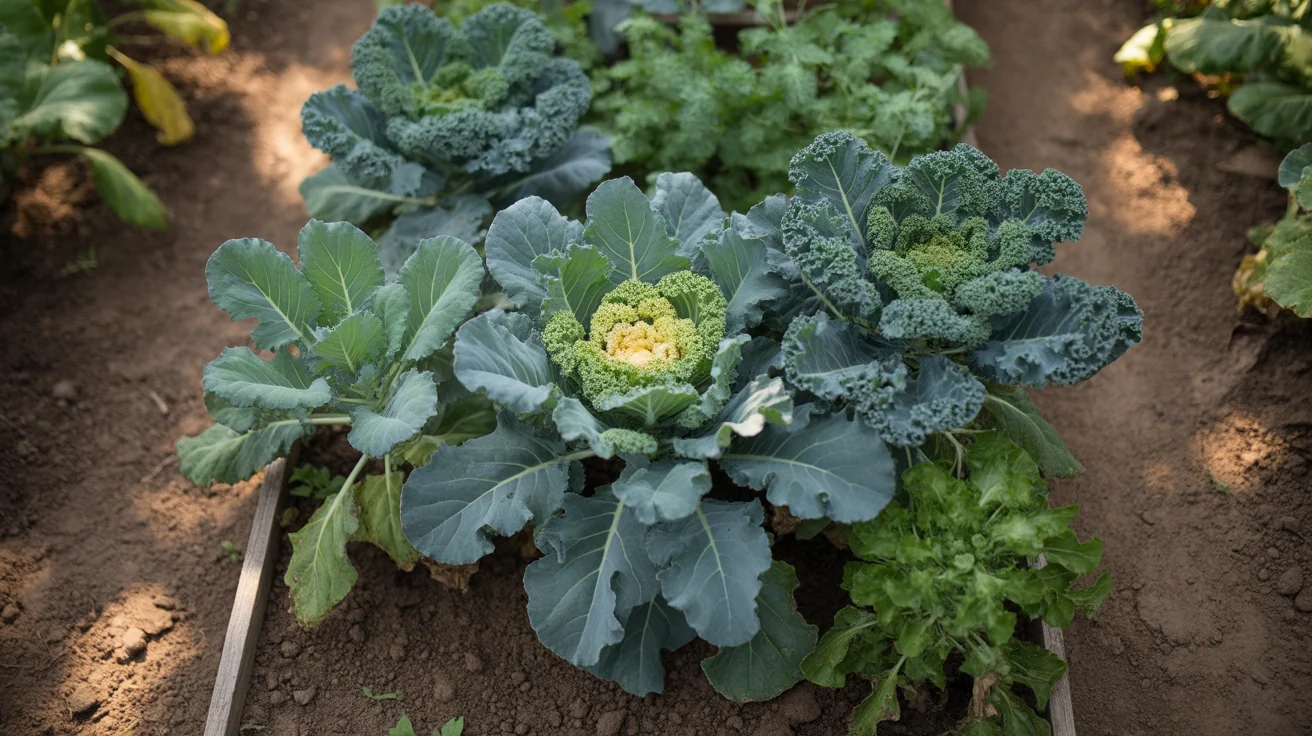
Kale
A sturdier leafy crop that lasts longer after light frost and heat shifts.
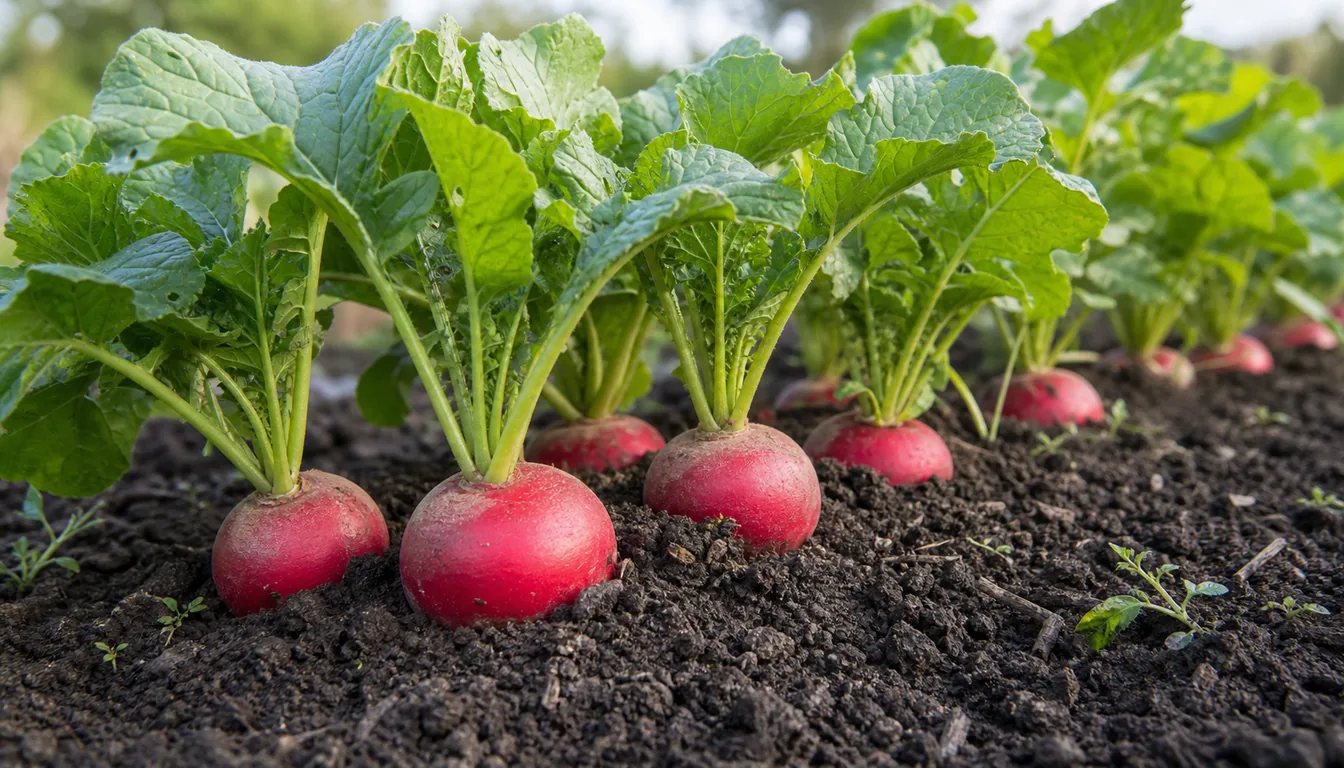
Radish
A fast root crop that pairs well with lettuce in short spring and fall sowings.
Asparagus
Asparagus rewards careful establishment with spring harvests for many years.
Beans
Two different plants share the name bean, one that stays knee-high and gives most of its crop inside two or three…
Beet
Beet care starts with one unusual fact. Each seed ball can make several seedlings, so the crop needs early thinning…