
What's Squash? How to Pick Fresh or Store for Winter
Cucurbita spp. Cucurbitaceae
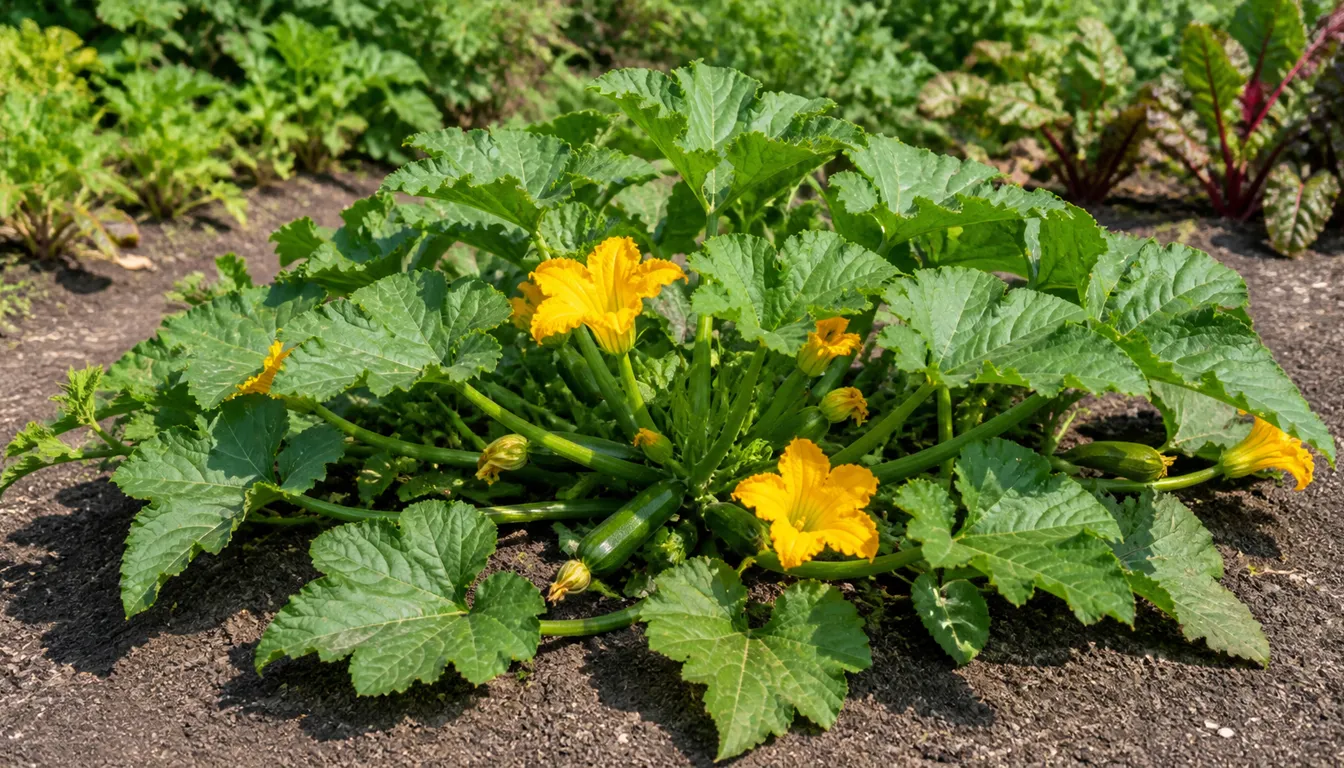
Grow Squash by deciding whether you want tender summer fruit or mature winter storage fruit, then matching space, pollination, water, pests, and harvest timing to that choice.
Care snapshot
When Should You Pick Summer Squash or Cure Winter Squash?
Summer Squash is picked young and tender, while winter Squash is left until the rind matures and the fruit can be stored.
That split changes spacing, harvest frequency, pest tolerance, and even how you judge success.
A zucchini plant can pay every few days, while a winter Squash vine spends weeks feeding fruit you cannot eat yet.
Start here because generic Squash care blurs the decision. If you plant a long-running winter type where you needed quick food, the crop may feel like a failure even when the vine is healthy.
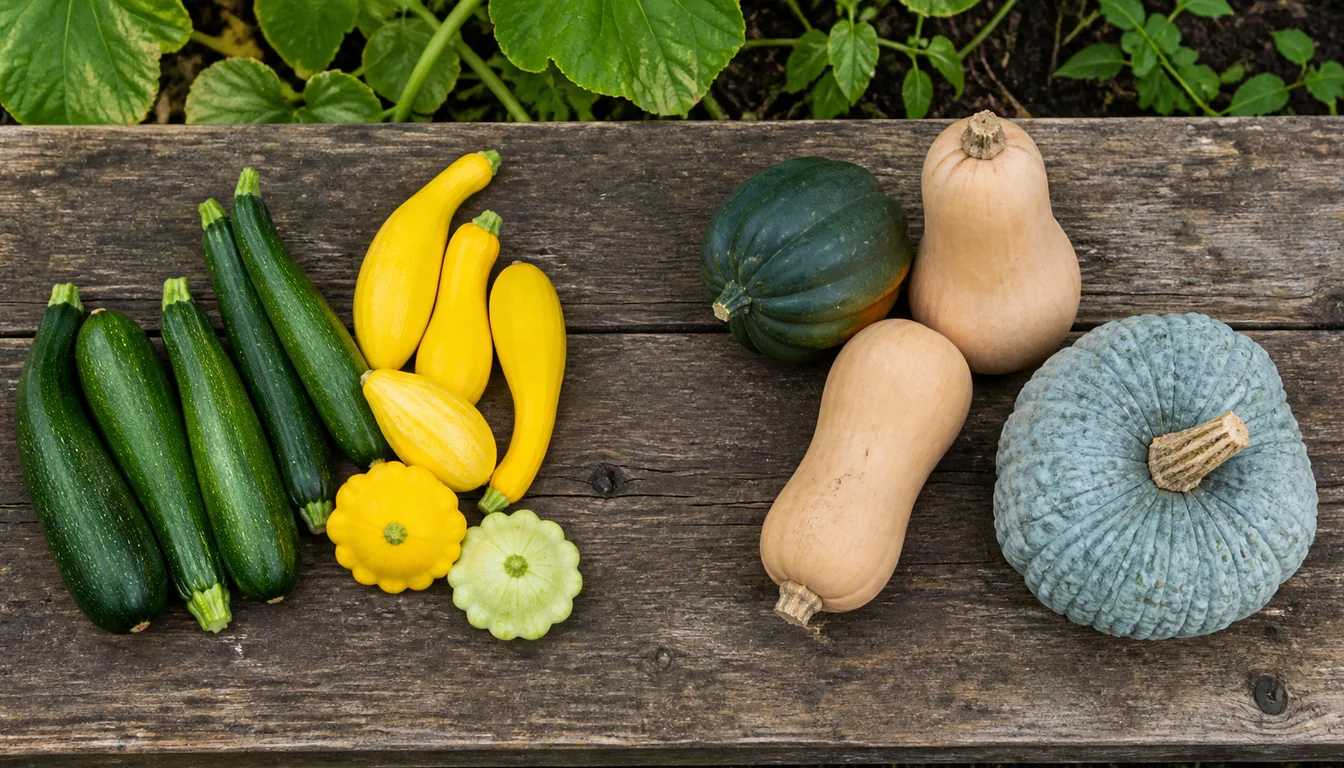
Common summer picks include Black Beauty zucchini, Yellow Crookneck, and Pattypan types, all bred to be picked small and tender.
Each holds up differently in the kitchen, from Black Beauty's classic grilling texture to Pattypan's better shape for stuffing whole.
Common winter picks include Waltham Butternut, Table Queen acorn, and Blue Hubbard, each suited to a different storage length and kitchen use. Butternut and Hubbard both store for months in a cool dry spot, while acorn types are better eaten within a few weeks of harvest.
Summer types typically mature in 45-55 days from seed, while winter types need 80-110 days depending on variety.
Counting backward from the first fall frost tells you whether a long-season winter type will actually finish in your climate.
Gardeners in short-season climates often lean toward summer types or a fast winter variety like acorn, since a 100-plus day winter Squash can outlast the frost-free window.
Squash has long been grown alongside corn and beans in the Three Sisters planting method, where its broad leaves shade the soil and suppress weeds around the taller crops.
For a smaller space, choose a bush summer type or a short-vine winter type. For storage, give a vining type its own lane instead of squeezing it beside corn or trellised beans.
- Summer Squash goal
- Pick young fruit often; tender skin and fast kitchen use
- Winter Squash goal
- Mature the rind; cure and store after vines decline
- Pumpkin overlap
- Same broad Cucurbita logic, but pumpkins usually own fall fruit size and curing
- Cucumber difference
- Cucumbers climb and harvest earlier; Squash leaves and stems need more ground airflow
How Much Space Does Squash Need to Grow?
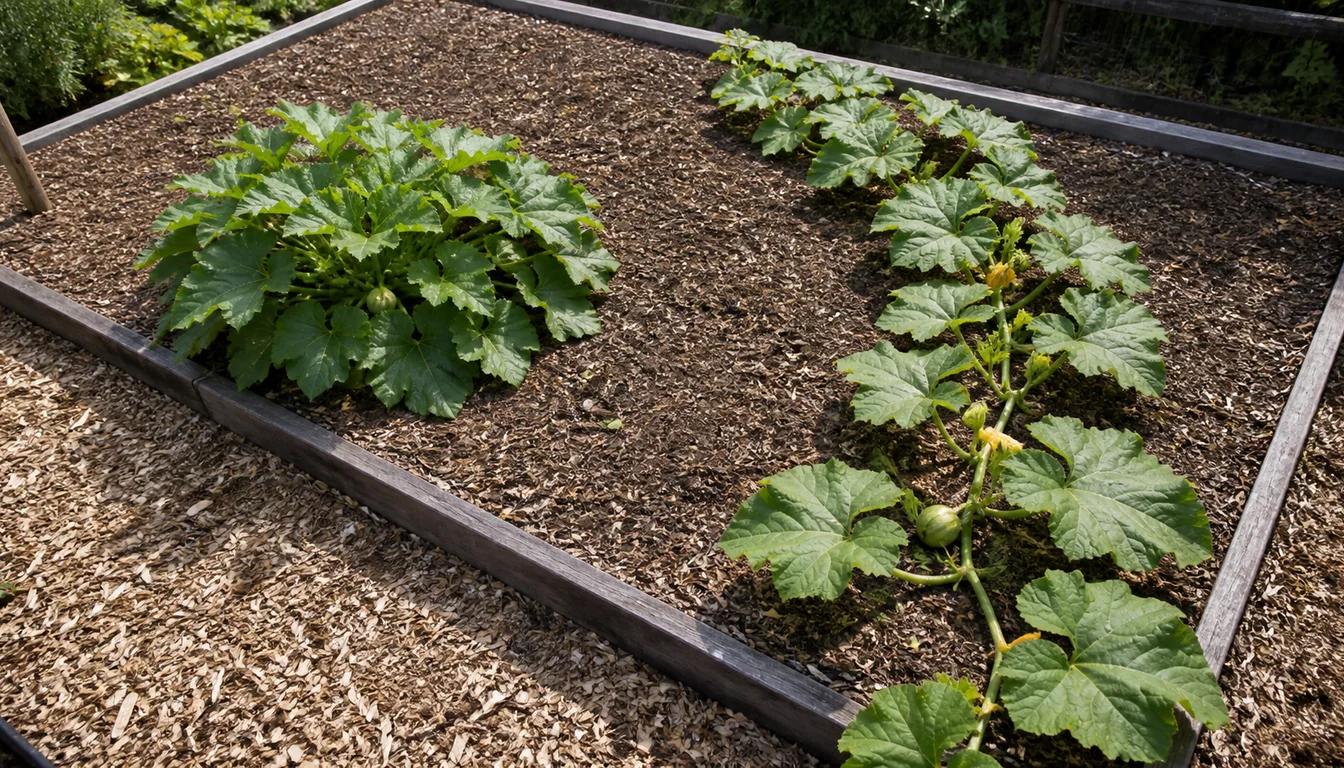
A bush label does not mean tiny. Bush Squash still throws wide leaves, and those leaves need airflow where powdery mildew arrives every humid summer.
Vining winter types need a real route across the bed.
Plant them at the edge, toward a path, or into spent spring-crop space that follows succession planting timing.
Trellising only works for lighter fruit or supported vines. Heavy winter Squash can climb a strong frame, but the fruit may need slings and more attention than a ground run.
Pinching a vine's growing tip once it reaches the edge of its space encourages side branching instead of one endless runner.
This works especially well on long-vine winter types that would otherwise keep running past the bed edge.
Sowing a second round of summer Squash in early-to-mid summer replaces plants that decline from stress or borer damage before the season ends.
Interplanting fast bush lettuce or radishes between young Squash hills uses bed space efficiently before the vines spread and shade it out. Harvest the interplanted crop before the squash canopy closes, since both need full sun to finish well.
Bush summer
- 3-4 ft footprint
- Easy picking access
- Best for containers only when pots are large
Short-vine winter
- 4-6 ft run
- Good small-yard compromise
- Still needs open airflow
Long-vine storage
- 8-12+ ft run
- Best at bed edges
- Needs clear harvest paths
When Should You Plant Squash Seeds Outdoors?
Squash seed wants warm soil and fast emergence. Cold wet soil delays seedlings and gives rot a head start before the plant can outrun trouble.
Direct sow when soil is around 65 F or warmer, or transplant carefully from young starts.
A rootbound Squash transplant often sulks while direct-sown neighbors catch up.
Plant crowns slightly above surrounding wet soil if your bed drains slowly. The crown is the part you must keep dry while roots below get steady moisture.
Squash grows best in fertile soil with a pH between 6.0 and 6.8.
A soil test before planting catches problems that generic fertilizer cannot fix.
Space bush types about two to three feet apart and vining types four to six feet apart at sowing to avoid a mid-season thinning job. Crowded seedlings compete for the same root zone and light, weakening every plant in the group rather than just the smallest one.
Seeds typically sprout in five to ten days depending on soil temperature, with warmer soil producing faster, more even emergence.
Soil below 60 F can stall germination for two weeks or more, giving soil-borne rot extra time to attack the seed.
This differs from radish, which wants a cool shallow row. Squash needs warmth first, then space.
- Sow after frost danger has passed and soil is warm.
- Use hills or raised rows in heavy clay.
- Mulch after soil warms, not while the bed is still cold.
- Place drip or soaker lines before leaves cover the ground.
How Often Should You Water Squash in Hot Weather?
Squash leaves wilt dramatically in heat, even when roots have water. Judge the plant in the evening before assuming it needs another soak.
The better rule is steady root-zone moisture, especially from flowering through fruit fill. Check moisture two to three inches below the mulch before watering again.
Use vegetable garden watering as a baseline, then adjust for hot wind and soil texture. A dry surface can hide damp soil, while sandy soil may dry through the root zone before clay does.
Keep foliage dry when possible. Wet leaves plus crowded airflow make mildew worse, and mildew steals the leaf area that powers both tender summer fruit and mature winter Squash.
Heavy nitrogen early pushes leafy growth at the expense of flowers.
A lighter feeding at planting followed by a boost once fruit sets works better than one large early dose.
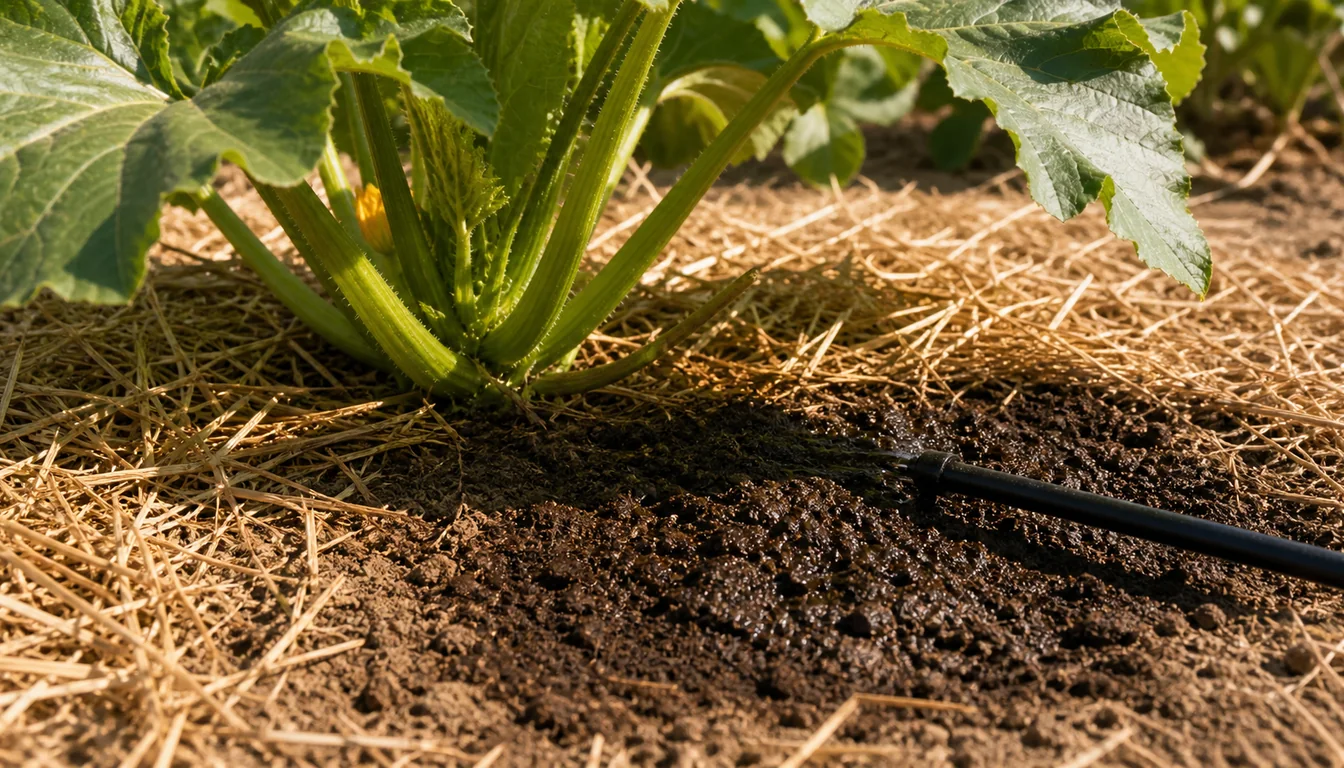
A three-inch mulch layer of straw or shredded leaves keeps root-zone moisture even. It also reduces how often deep watering is needed during hot stretches.
A drip line laid before vines spread delivers water directly to the roots without wetting the leaves that mildew needs to spread. Water slowly enough to wet the full root area instead of making a shallow puddle beside the stem.
Running the line along the row before seedlings emerge avoids disturbing roots later when the system goes in around an established plant. Deep watering encourages roots to use more soil and gives the plant a larger moisture reserve during the next hot afternoon.
Why Does Squash Flower but Not Set Fruit?
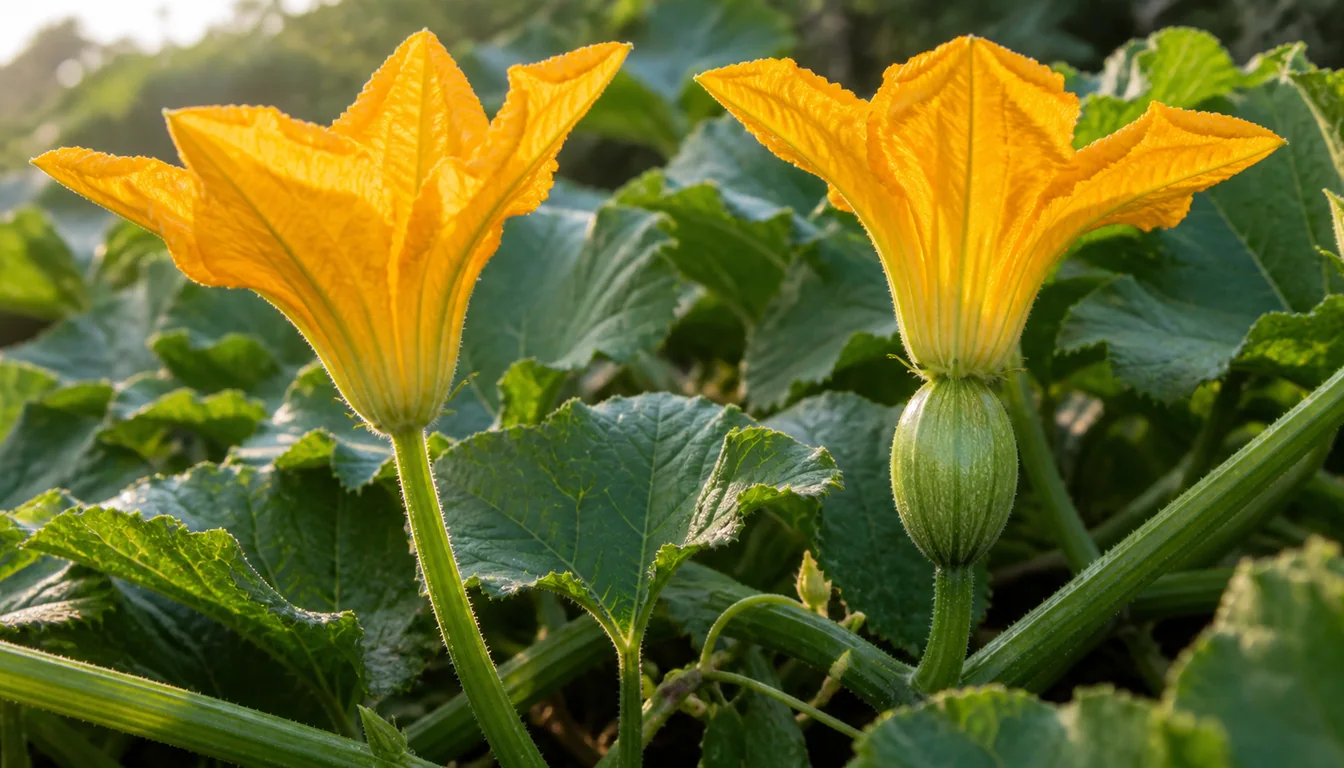
Squash flowers are monoecious, meaning each plant produces separate male and female blooms rather than one perfect flower. Early male flowers are normal, opening before the plant commits to fruit and dropping once pollen is spent.
The first female flowers typically appear one to two weeks after the first males, so early male-flower drop alone is not a sign of trouble. Watch several mornings before deciding that bees are absent because male and female flowers may not open together every day.
The crop starts when female flowers appear with tiny Squash behind the bloom. Those flowers need bees in the morning, so remove row cover once flowering starts or hand-pollinate when pollinator traffic is low.
Each bloom typically opens for one morning only, so a missed pollination window often means that flower will not set fruit. Cool or rainy weather can also delay bee visits even when pollinators normally work the garden.
A fruit that stays plump near the blossom end but shrivels and darkens near the stem usually reflects incomplete pollination rather than disease. Peel back a male flower's petals so its pollen-bearing center can touch the center of a newly opened female flower.
Some newer summer Squash varieties are bred to set fruit without pollination at all, a useful option for gardens with few bees. Check the seed packet or plant tag, since parthenocarpic varieties are usually labeled that way for buyers who need the trait.
Poor fruit set is not one problem.
Cool mornings, missing bees, high nitrogen, or heat stress can all make small fruit yellow and fall off.
Nearby pollinator plantings help more than random spraying. Avoid insecticides on open blooms because the flowers are the pollination site.
Hand pollination works best in early morning while pollen is fresh, using a fresh male flower brushed directly against the female flower's center. Mark that flower with loose string so you can check whether the small ovary begins swelling over the next few days.
One male flower can pollinate several female blooms in the same session if pollen is still visibly present on the anther.
Normal early in the season. No fix needed.
Often poor pollination or heat stress.
Usually too much nitrogen or too little sun.
Move pollen from a fresh male flower to a female flower early in the day.
What Is Causing Squash Leaves or Vines to Wilt?
Squash trouble gets misread when every symptom is called mildew. The repair starts by locating the first failing part, whether that is the stem, the leaf surface, or whole-plant water flow.
A single runner wilting hard while nearby vines look fine points toward stem injury or vine borer. White powder across older leaves points toward mildew instead.
Fast whole-plant collapse after beetle feeding can mean bacterial wilt.
Squash bugs are a separate problem from vine borers. They cluster as bronze egg masses on leaf undersides and cause wilted, blackened foliage without any stem entry hole.
Checking leaf undersides regularly catches squash bug eggs before they hatch.
Nymphs are easiest to control while still clustered near the egg site, before they scatter across the plant.
Wrapping the base of young stems in foil or floating row cover before egg-laying season begins keeps adult vine borer moths from reaching the crown. Remove the wrap once flowering starts so pollinators can still reach the blooms normally.
Use the squash vine borer page for stem-entry symptoms, but remember that winter Squash and pumpkins can respond differently depending on stem thickness and rooting nodes.
Rotating Squash to a new bed each year, away from last year's cucurbits, reduces the overwintering pest and disease pressure that builds up in one spot. A three-year rotation gap gives the soil more time to lose most of that overwintering population.
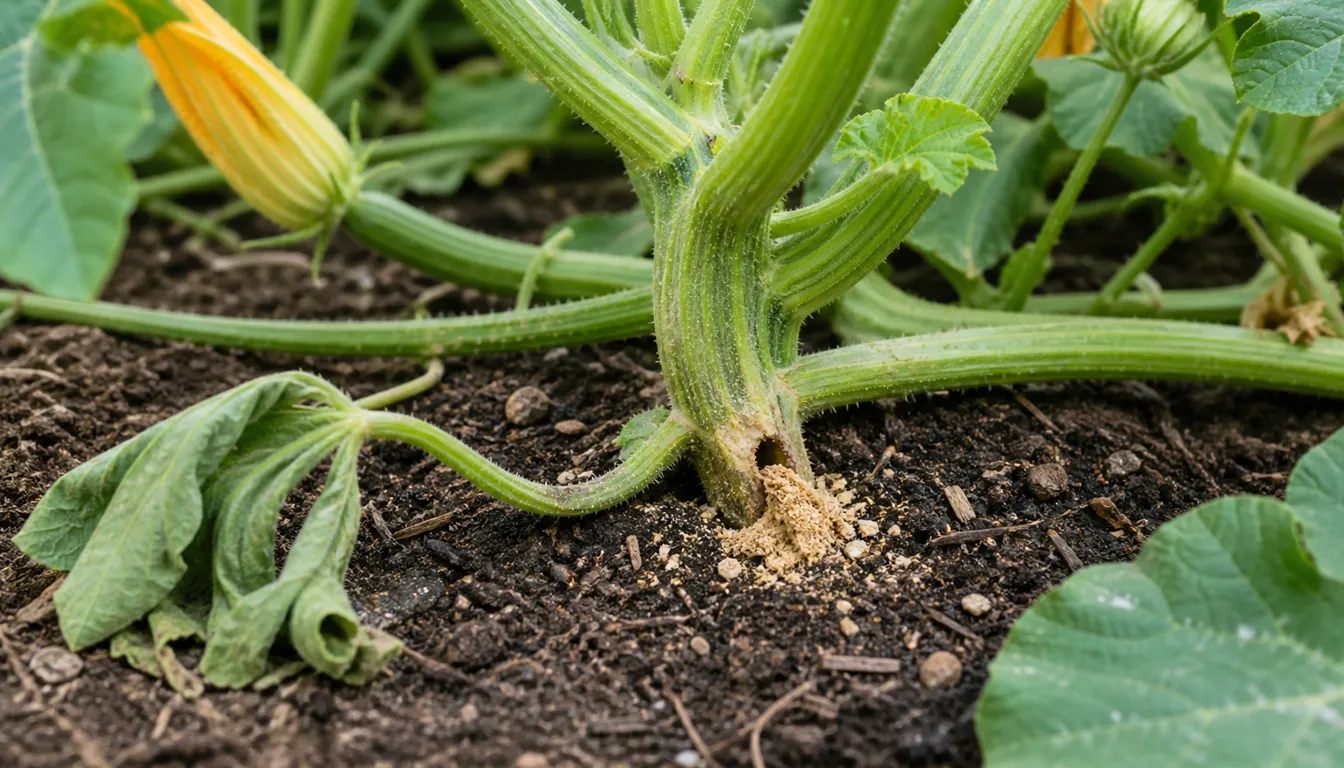
Stem failure
- Frass near crown
- One runner collapses first
- Cut out or remove badly damaged vines
Leaf disease
- White powder starts on leaves
- Crowded humid beds worsen it
- Keep leaves dry and airflow open
Beetle/wilt risk
- Striped beetles chew blooms
- Plants wilt despite moist soil
- Remove infected plants quickly
When Is Squash Ready to Harvest?
Summer Squash should be harvested before size becomes a bragging point. Young fruit has tender skin, small seeds, and better flavor, while oversized fruit tells the plant to slow down.
Winter Squash is the opposite.
You wait for mature color, a hard rind, and a drying stem because storage quality comes from maturity, not size alone.
A fingernail that easily pierces the skin confirms a zucchini or summer Squash is still at its best eating stage. A rind that resists a fingernail has already started toughening and is past its most tender stage.
Most zucchini reach ideal picking size six to eight days after the flower opens, faster than many gardeners expect.
Marking the bloom date with a small tag or garden journal note takes the guesswork out of timing the pick.
An oversized zucchini left too long develops tough skin and large seeds. Removing it promptly redirects the plant's energy toward new fruit.
Curing winter Squash at around 80 F with good airflow for one to two weeks toughens the rind and extends storage life by several months. Cut winter Squash with clean pruners and leave a short piece of stem attached.
For butternut and similar winter types, butternut harvest timing gives a clearer maturity model than generic Squash color advice. Twisting fruit from the vine can tear the stem end and create a wound where storage rot starts.
If your goal is bulk storage, treat winter Squash more like pumpkin curing than like a fresh summer vegetable. Store only sound fruit with dry surfaces and intact rinds, then check it regularly because curing cannot repair a puncture, deep scrape, or bruised stem end.
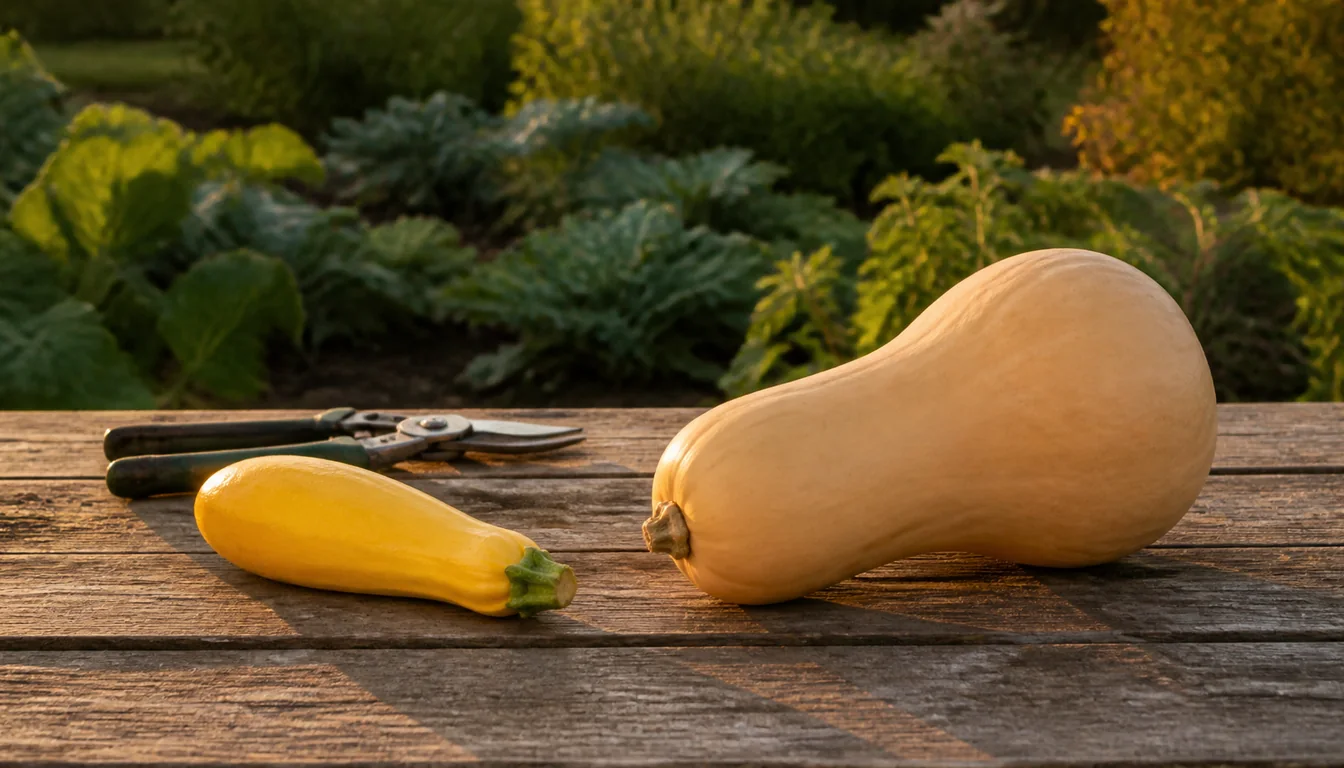
- Zucchini and yellow Squash
- Pick small and often, usually every 1-3 days in peak season
- Pattypan
- Pick when tender and small enough to cook whole or halved
- Acorn and delicata
- Wait for mature rind and full variety color
- Butternut and hubbard
- Harvest after hard rind, then cure if the type stores
Can Cross-Pollination Make Squash Bitter?
Cross-pollination does not change the fruit you harvest this year. It only changes seed genetics if you save seed for next year.
Bitter fruit is different.
If Squash tastes sharply bitter, spit it out and discard it, since unusual bitterness can signal high cucurbitacin levels.
Cucurbitacins occur naturally at low levels in cultivated Squash but can spike under stress or in crosses with wild or ornamental gourds. That is why volunteer plants deserve more caution than named varieties.
Cucurbitacin poisoning can cause stomach cramping and diarrhea within a few hours of eating affected fruit, though most cases resolve without lasting harm.
Tasting a small raw piece before cooking a whole Squash catches a bitter fruit before it ruins an entire dish. This takes only a moment and costs nothing compared to discovering the problem after the dish is already on the table.
For reliable seed saving, isolate open-pollinated types or buy fresh seed. If saving seed is not your goal, focus on healthy vines, clean harvests, and rotating beds with non-cucurbits like peas.
Frequently Asked Questions
What is the difference between summer and winter Squash?
Summer Squash is picked young with tender skin. Winter Squash stays on the vine until the rind hardens, then it may cure and store after harvest.
Why do Squash flowers fall off?
Male flowers drop naturally. If female flowers with tiny fruit shrivel, poor pollination, heat stress, or heavy nitrogen is usually the cause.
Can Squash grow in containers?
Compact bush summer types can grow in large 15-20 gallon containers. Vining winter types usually need more ground space unless you use a very strong trellis.
How often should I harvest summer Squash?
Pick every 1-3 days during peak production. Young fruit tastes better, and regular picking keeps the plant making more.
Is bitter Squash safe to eat?
No. Spit out sharply bitter squash and discard the fruit because bitterness can signal unsafe cucurbitacin levels.
Sources & References
- University of Minnesota Extension - Growing Squash and Pumpkins in Home Gardens
- Penn State Extension - Summer and Winter Squash
- Penn State Extension - Squash Vine Borer Management in Home Gardens
- University of Wisconsin-Madison Extension - Cucurbitacin Poisoning from Bitter Squash
- Toxic and Non-toxic Plants: Acorn Squash | ASPCA
- Toxic and Non-toxic Plants: Hubbard Squash | ASPCA
- Cucurbita (Courgette, Gourd, Ornamental Gourd, Ornamental Pumpkin, Pumpkin, Squash, Summer Squash, Winter Squash, Zucchini) | North Carolina Extension Gardener Plant Toolbox
Related Plants
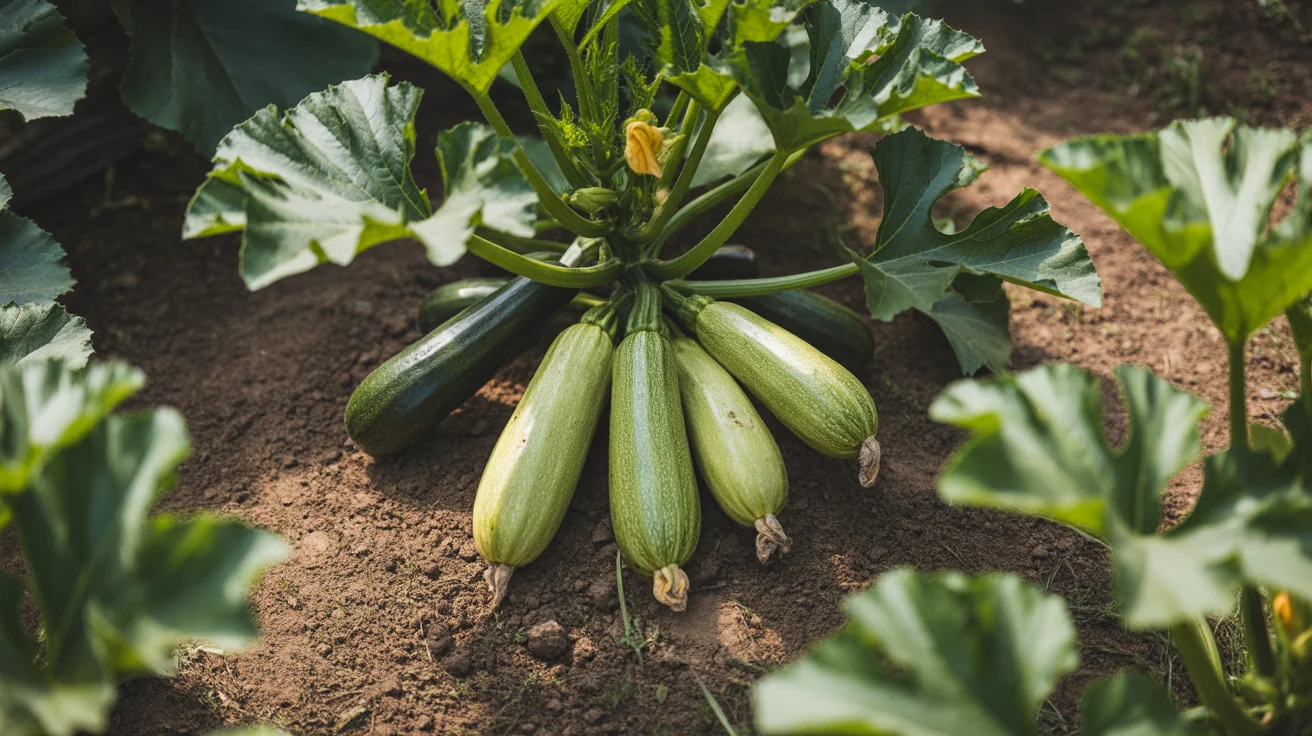
Zucchini
A compact summer squash that produces heavily when picked young.
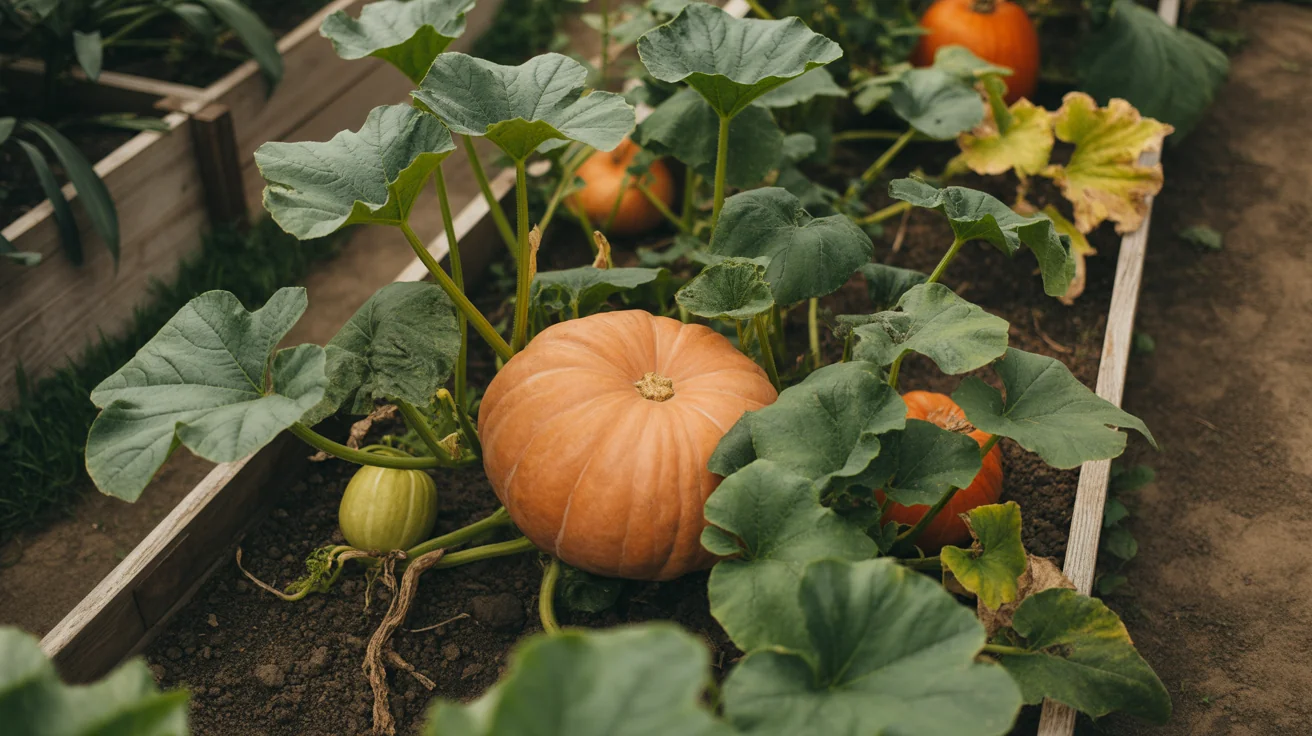
Pumpkin
A Cucurbita grown for mature rind, fall display, cooking, and storage.
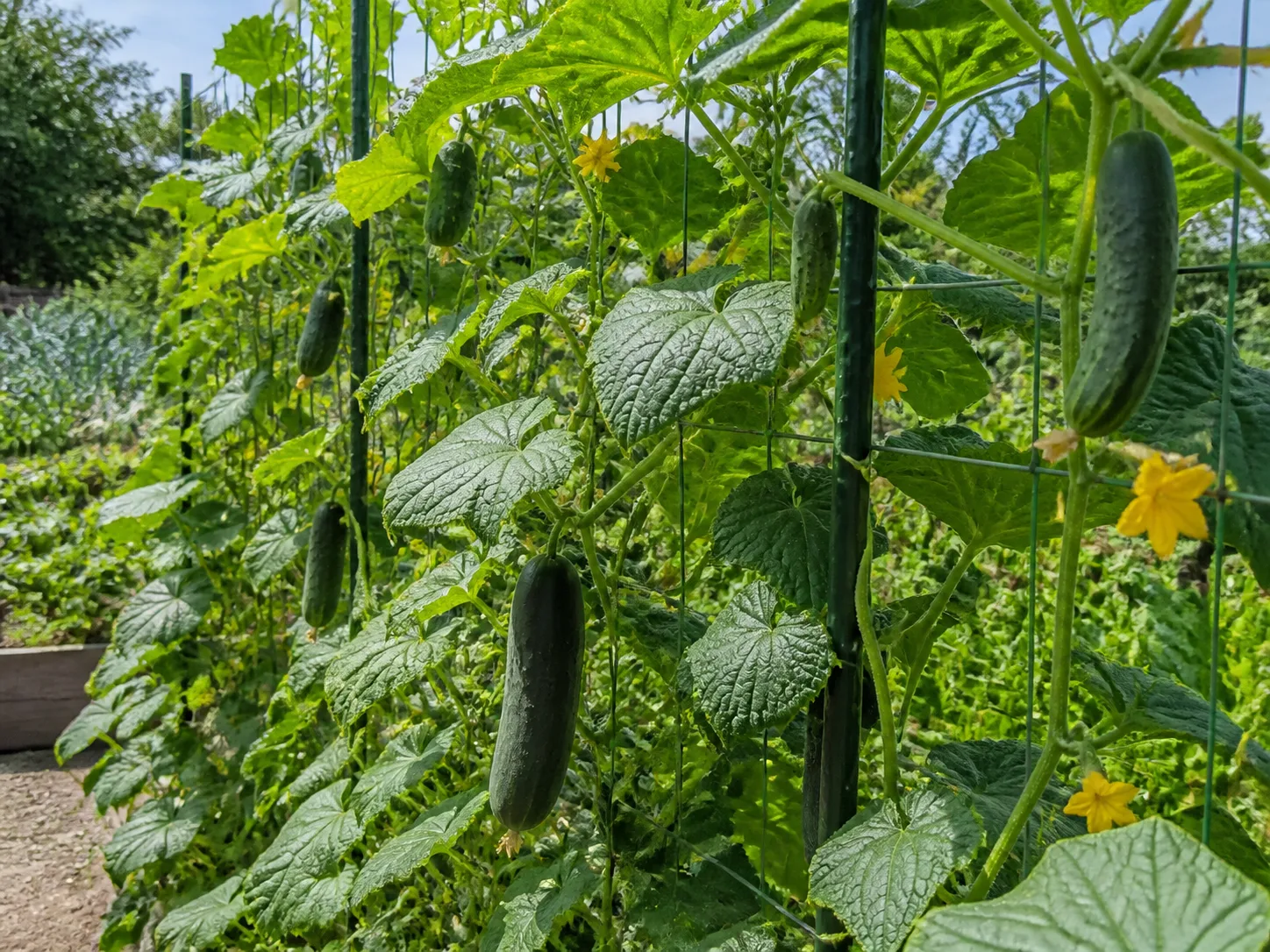
Cucumber
Another cucurbit that likes warmth but has a different trellis and harvest rhythm.
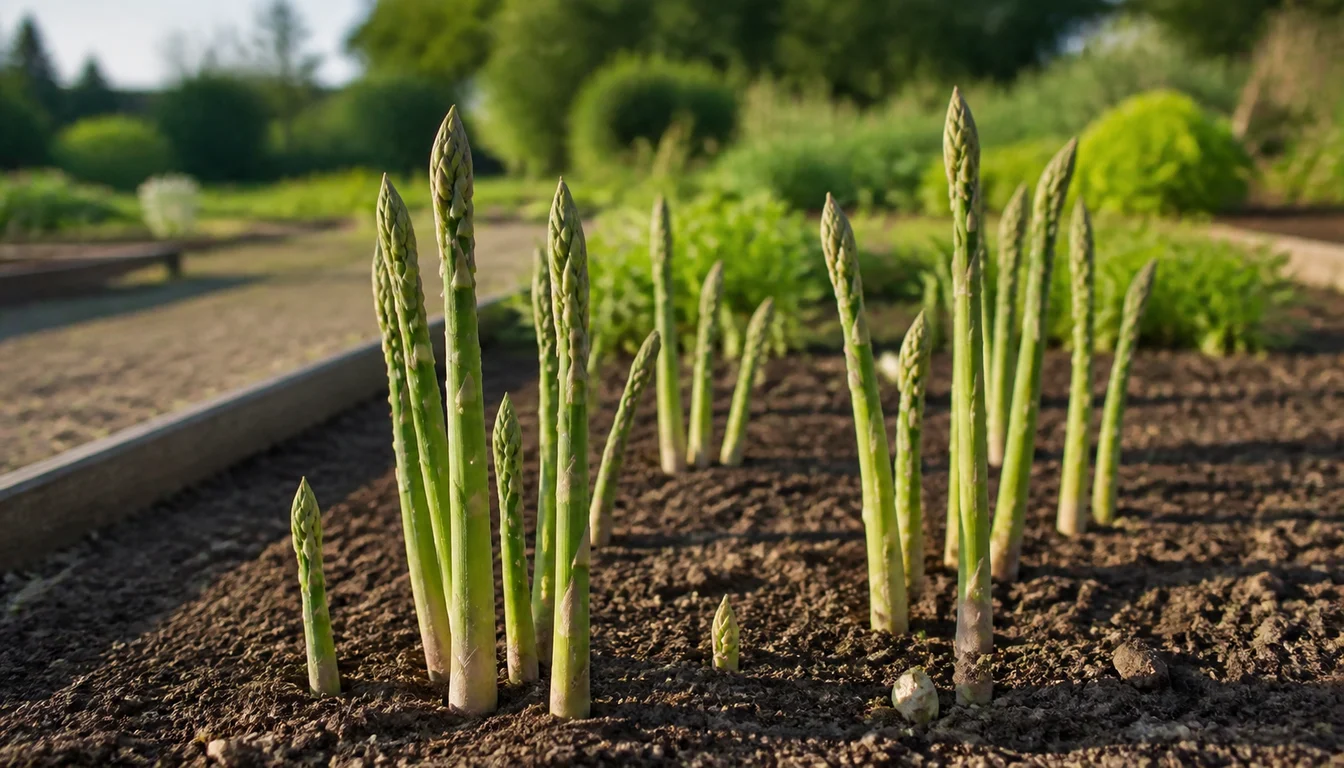
Asparagus
Asparagus rewards careful establishment with spring harvests for many years.
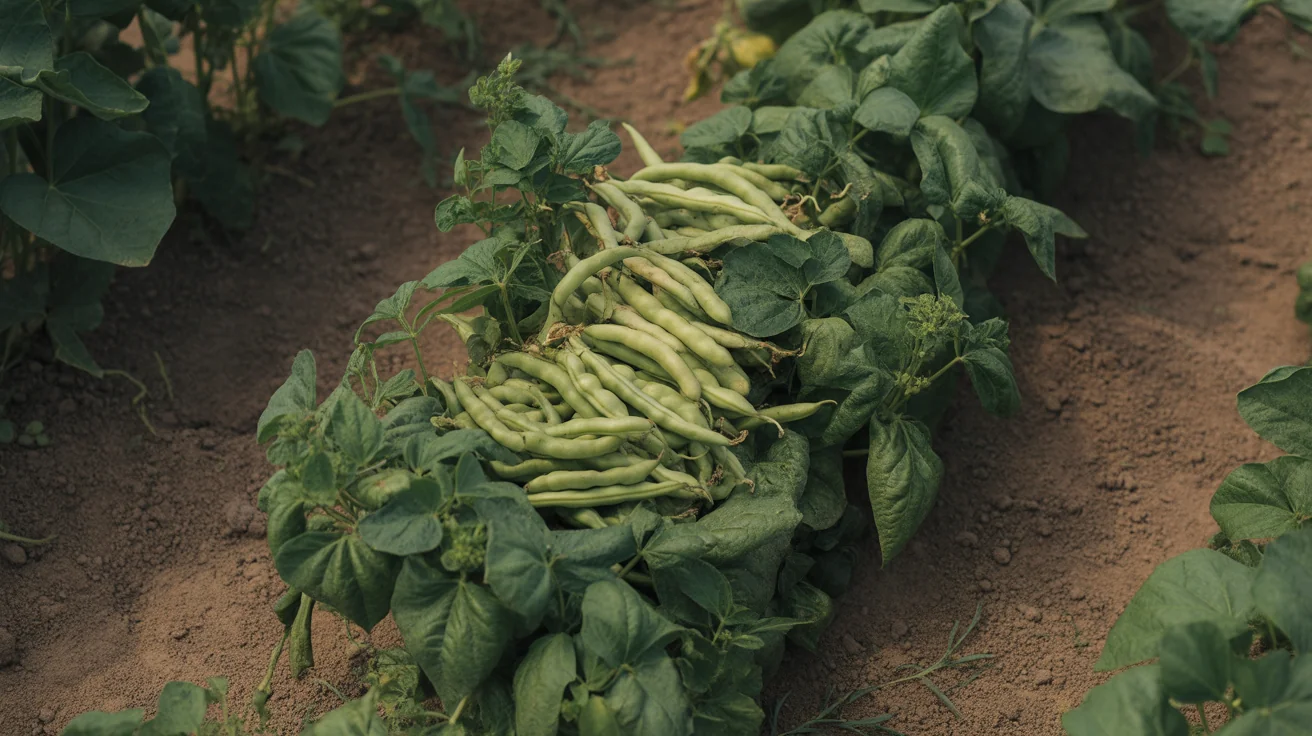
Beans
Two different plants share the name bean, one that stays knee-high and gives most of its crop inside two or three…
Beet
Beet care starts with one unusual fact. Each seed ball can make several seedlings, so the crop needs early thinning…