
What's a Bleeding Heart? How to Cover the Gap It Leaves
Lamprocapnos spectabilis Papaveraceae
A Bleeding Heart banks a fixed budget in its rhizomes and spends all of it on four to six weeks of spring flower, then withdraws.
Planting one is really a succession decision, and the yellowing that follows is a schedule rather than a symptom.
Care snapshot
What Is a Bleeding Heart, and Why Does It Vanish by July?
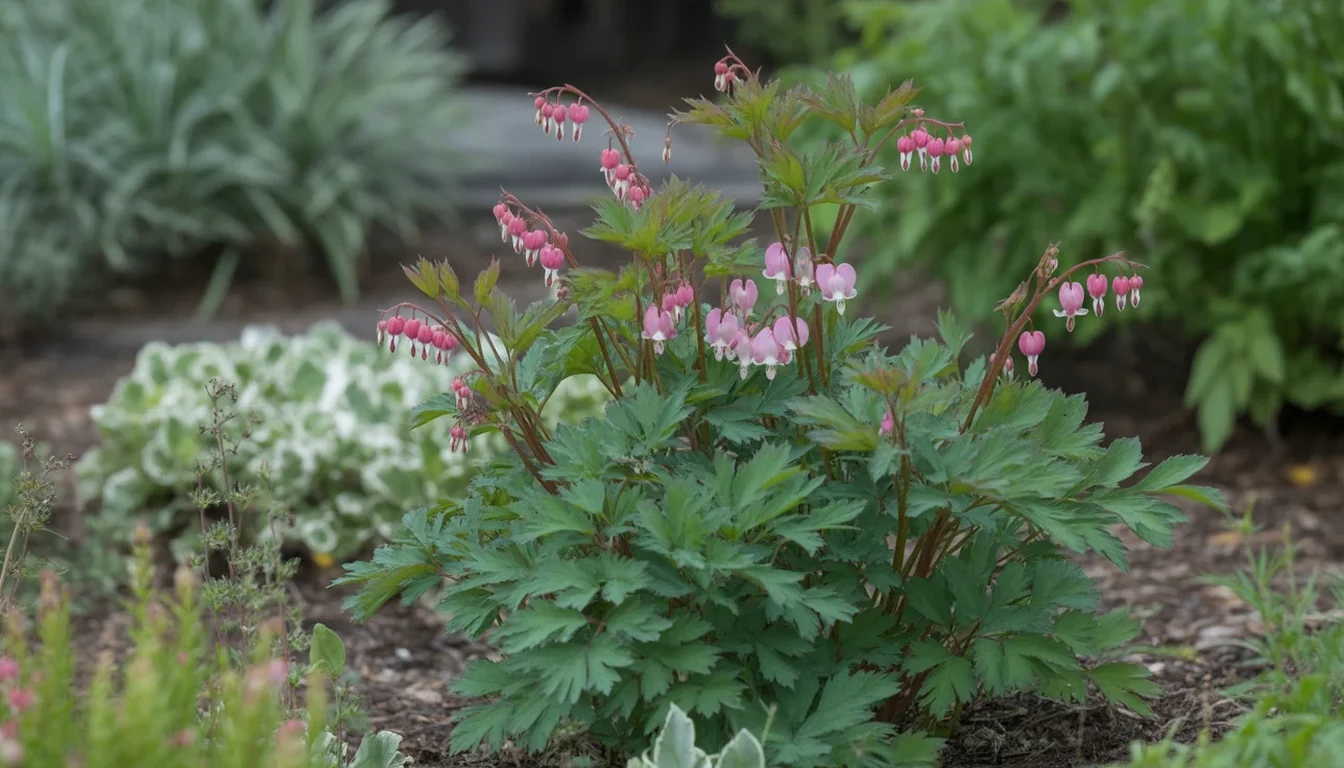
A Bleeding Heart is a spring perennial that hangs rows of pendant pink and white heart-shaped flowers along arching stems, held out clear of a mound of divided blue-green leaves.
Botanists moved it out of Dicentra some years ago and it is now Lamprocapnos spectabilis, which is why older labels and newer ones disagree. It sits in the poppy family rather than among the woodland lilies its foliage suggests.
The disappearing act is the part worth understanding. Fleshy rhizomes underground bank a fixed budget over winter, the plant spends the whole of it on four to six weeks of flower, and once that is done the top growth yellows and withdraws.
A plant vanishing in July is therefore finished for the year rather than failing, and it has gone back underground exactly on schedule.
Which Bleeding Heart Should You Plant?
Decide first whether you can live with a plant that leaves a hole in the bed from midsummer onward. That single question matters more than flower color, because it changes what else the bed needs.
If the answer is no, there is a different plant for you.
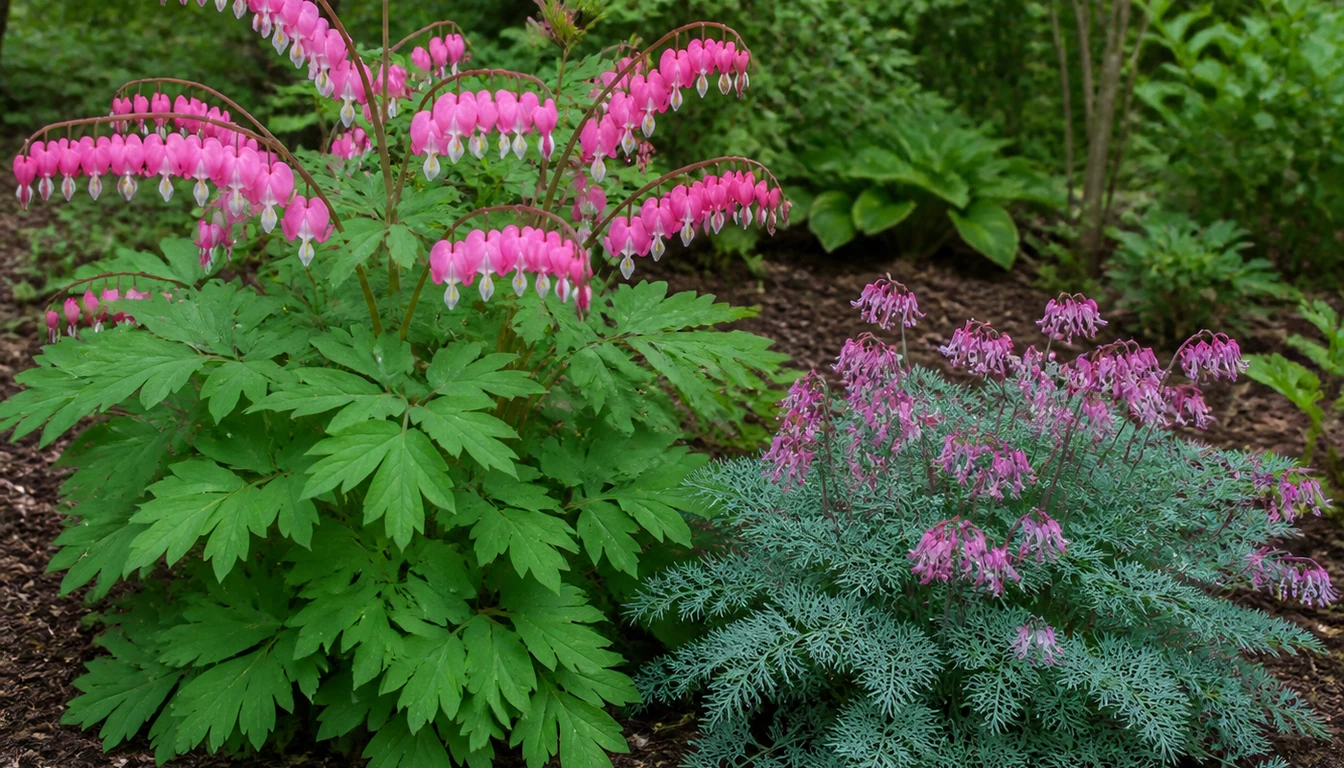
Native fringed bleeding heart, Dicentra eximia, carries smaller flowers over fine blue-gray ferny foliage and holds that foliage right through summer, reblooming in flushes instead of vanishing. You can pick it out in the nursery by leaf texture alone, since the classic species has broad, coarsely cut green leaves and the native one looks almost like a fern.
For readers who do want the classic plant, the forms differ mostly in how they read at distance. Pure white 'Alba' lifts a dark corner where the pink simply reads as another mid-tone, and dwarf selections hold near 18 to 24 inches so the arching stems stay clear of a path.
Buy the form that solves what the bed lacks in April, then plan for what it lacks in July.
- Lamprocapnos spectabilis
- The classic. Arching stems, large pink and white hearts, about 30 inches, and fully dormant by midsummer.
- Dicentra eximia
- Native fringed type. Fine ferny foliage that lasts all summer, smaller flowers, and repeat flushes rather than dormancy.
- White 'Alba' forms
- Same habit as the classic, but the white hearts carry much further into a dark corner.
- Dwarf selections
- 18 to 24 inches, for tight borders and path edges where the full-size arch would lean into the way.
Where Should You Plant It, and How Much Water Does It Want?
Two to four hours of gentle morning sun with shade for the rest of the day is the target, and the hotter your summers the further toward full shade you should lean.
Afternoon sun is what costs you. It scorches the foliage and pushes the plant into dormancy weeks early, which shortens the one display it gives all year.
Deep shade fails the other way, giving you long floppy stems and very few flowers on a plant that otherwise looks healthy. Somewhere with dappled light under open trees hits the middle of that range without much fuss.
Water is a matter of steadiness rather than volume, so aim for about 1 inch a week through spring growth and let the top inch dry between times. The real risk is the opposite of drought, because a fleshy rhizome sitting in cold saturated ground in early spring blackens at the stem base and collapses just as the buds open.
- Soil texture
- Loose humus-rich loam that drains, closer to woodland leaf litter than to a border bed.
- Organic matter
- 20 to 30% compost worked into the top 8 inches at planting.
- Drainage
- Water should clear a test hole within two to three hours; avoid any pocket that pools.
- Crown depth
- Set level with the surrounding soil. Deeper delays the shoots, shallower exposes the rhizome to freeze and thaw.
What Fills the Space After It Goes Dormant?
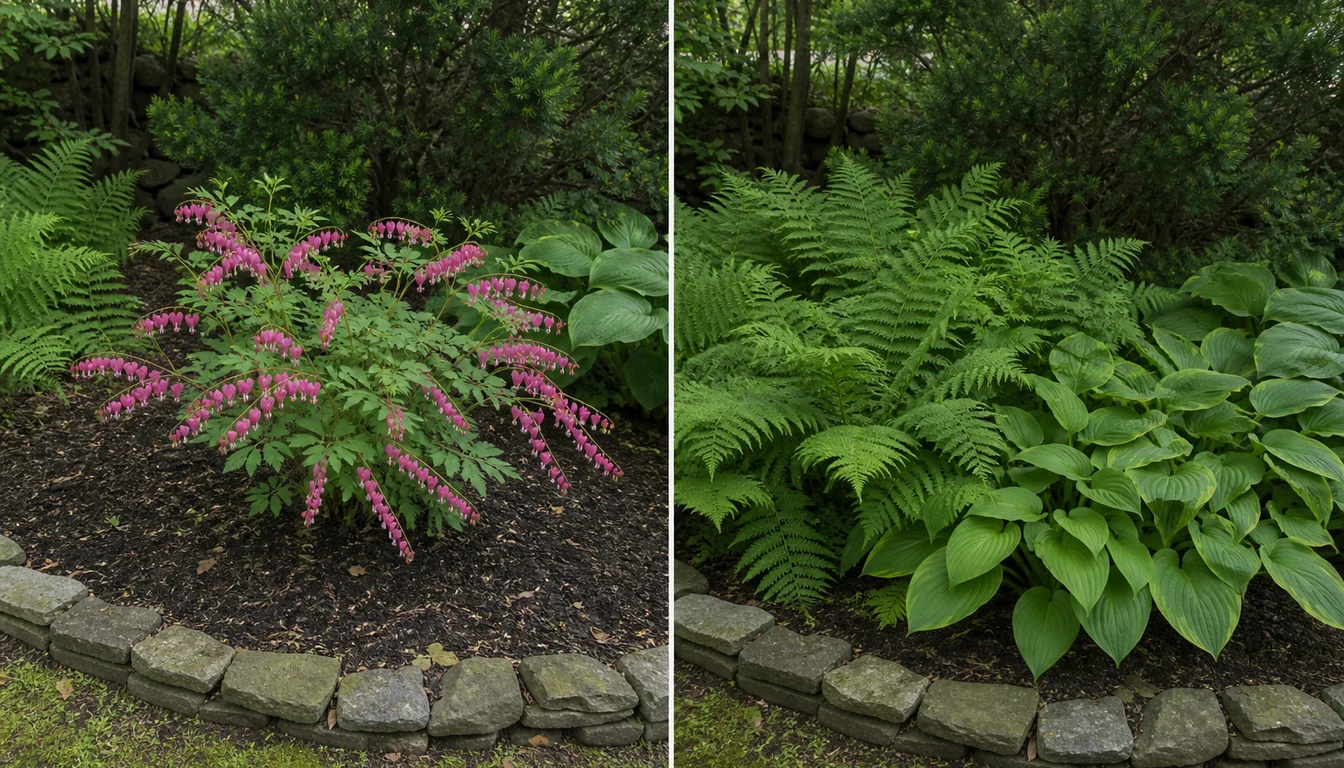
Planting a Bleeding Heart is really planting two beds in one spot, because the ground it occupies in May is empty from July onward. Choose the second plant at the same time as the first and the handover is invisible.
Timing is what makes a companion work here.
Ferns, hosta, and astilbe all expand late, reaching their full spread just as the bleeding heart withdraws from the space, so they close over the gap without crowding the flowers earlier in the season. Something that fills out in April would simply compete during the weeks you planted the bleeding heart for.
Mark the crown before you forget where it is. A dormant plant leaves nothing above ground, and it is routinely sliced through in August by someone planting annuals into what looks like bare soil.
Unfurl through late spring and reach full size in midsummer, matching the withdrawal almost exactly. The airy texture also contrasts well with the bleeding heart while both are up.
Broad leaves expand steadily and cover a wide footprint by July. Choose a larger cultivar where the gap is a full-size plant's worth of ground.
Fills the space and adds a second flowering window in a bed that would otherwise finish in May. Needs the same steady moisture, so the two share a watering habit.
A short cane or a labeled stake left in the crown through summer.
Worth more than any companion if you plant annuals into the same bed.
Is the Yellowing Normal Dormancy or Crown Rot?
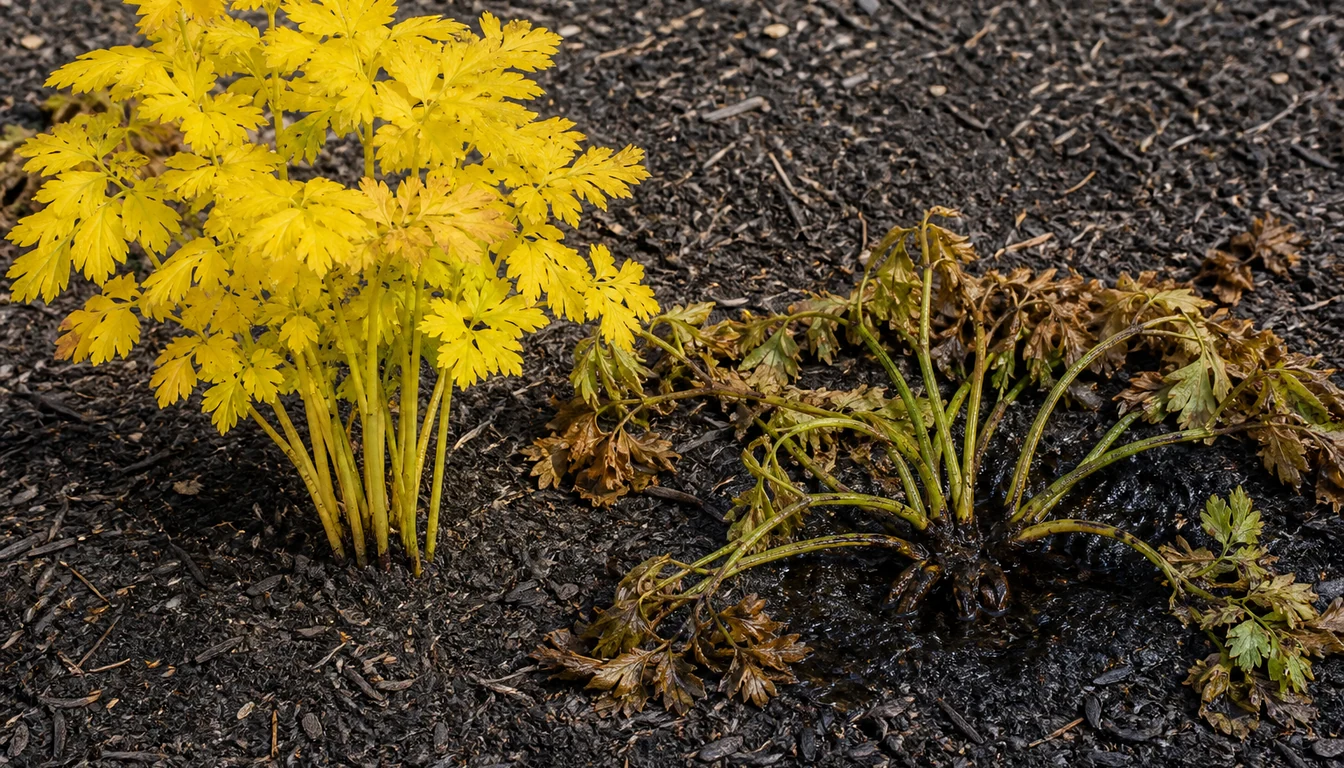
Leaf color cannot answer this, because both possibilities turn the plant yellow. Look at the stem bases where they meet the soil instead.
Dormancy yellows the whole plant evenly and leaves the stems firm and upright, standing cleanly out of the ground. It follows flowering, it arrives on schedule, and the correct response is to water less rather than more.
Rot looks different at the bottom.
The stem bases go dark, soft and water-soaked at soil level, the plant sprawls rather than fades, and the ground around it smells sour. Watering more is the instinctive response to a yellowing plant and it is exactly what finishes this one off.
If the crown has already gone soft, lift what is left and improve the drainage before replanting anything in that spot. A crown that rotted once will rot again in the same pocket of ground.
When Should You Divide a Bleeding Heart?
Early spring, when the new pink-red shoots stand 1 to 3 inches tall, is the only window worth using.
Summer looks more convenient because the plant is out of the way, and that is exactly the problem. With no top growth you are cutting blind through brittle dormant rhizomes and cannot see where one natural division ends and the next begins.
Those emerging shoots are the map. A mature clump usually holds three to five natural divisions, and with the shoots showing you can plan every cut between them rather than through them.
- Water the day beforeSoak the clump so the roots are hydrated and the ground lifts cleanly.
- Lift the whole clumpDrive the spade six to eight inches out from the crown and dig a full circle rather than slicing a piece off one side.
- Wash the crownShake or rinse the soil away until you can actually see the fleshy rhizomes and where the shoots come from.
- Cut between the shootsUse a clean knife to separate pieces that each carry several shoots and a solid length of rhizome.
- Replant at onceSet each division with the crown level with the soil, water it in, and keep the ground evenly moist through its first spring.
Is Bleeding Heart Toxic to Pets, and What Chews the Leaves?
Every part of this plant carries isoquinoline alkaloids, and NC State lists it as a problem for cats and dogs. The signs it lists are trembling, staggering, vomiting, diarrhea, convulsions, and labored breathing, so keep it away from a dog run or play area, and if a pet eats it, contact a veterinarian or ASPCA Animal Poison Control.
The flowers are the awkward part, since they hang at roughly the height a small child reaches and look like something made to be picked.
Skin contact is the more likely everyday exposure. Handling cut stems bare-handed leaves some people mildly irritated, so gloves during the spring tidy-up are a reasonable habit rather than an over-reaction.
What actually damages the plant is nothing exotic. In the damp shade this plant wants, slugs and snails do more visible harm than any insect, and the ragged holes they leave get blamed on beetles more often than not.
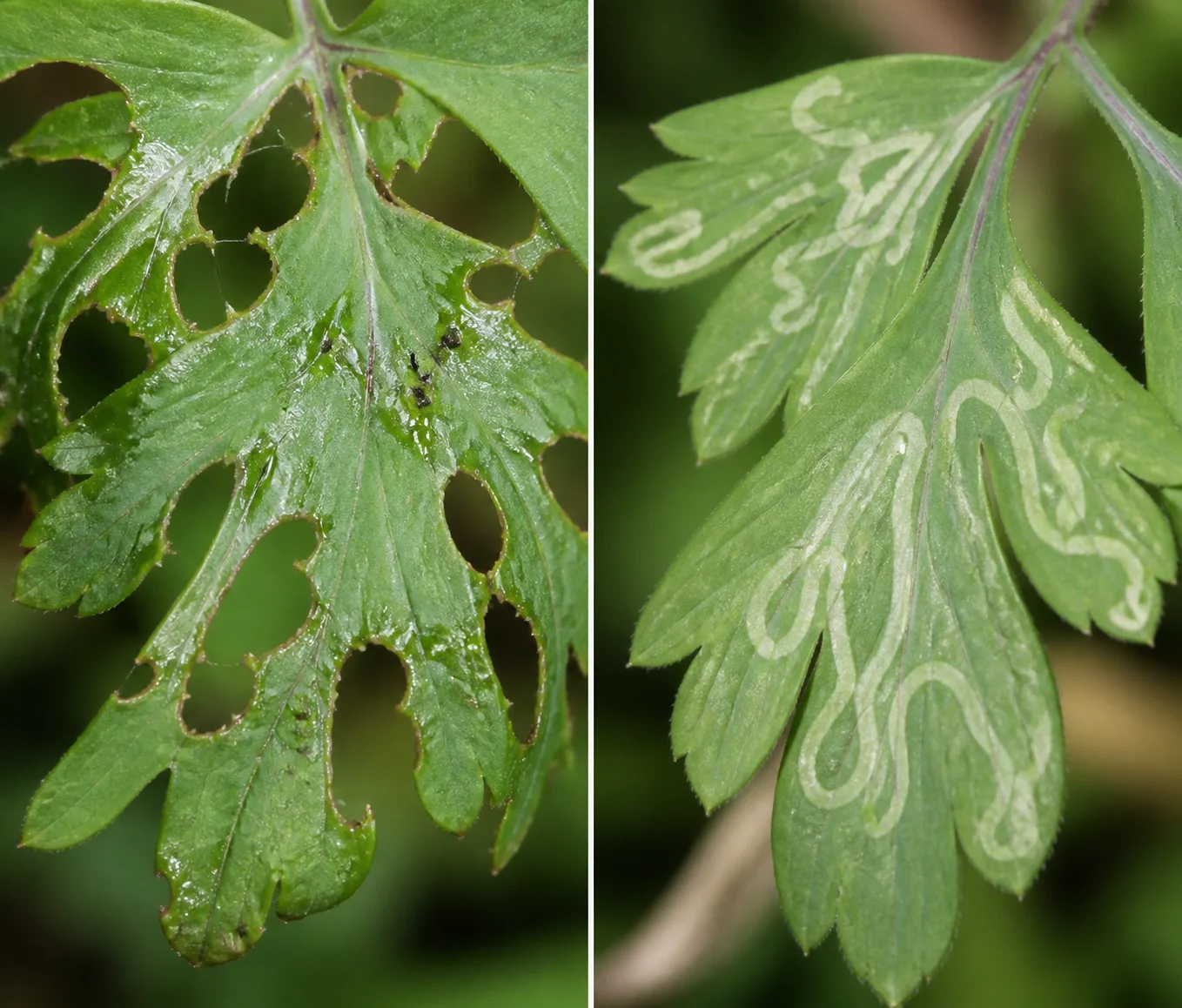
Irregular holes with shredded edges, often with slime trails on the leaf or soil. Thin heavy mulch back from the crown, hand-pick at dusk, and use iron-phosphate bait if it continues.
Pale winding tunnels running inside the leaf rather than holes through it. Pick off affected leaflets; the damage is cosmetic on an established clump.
Clusters on new stems and flower stalks, sometimes with ants in attendance. A strong water spray every few days usually clears them.
Clean-cut stems taken off at an angle, low down and early in spring. A temporary cage over emerging shoots is more reliable than any repellent.
Frequently Asked Questions
Will a bleeding heart come back after it disappears?
Yes. The rhizomes are alive underground through summer, fall, and winter, and fresh pink-red shoots push up in early spring.
Can I grow a bleeding heart in a pot?
It works for a season, though a pot swings between wet and dry faster than this plant likes and the crown is more exposed to freezing. A container also spends most of the year holding nothing visible, which is a lot of patio space for six weeks of flower.
Should I cut the foliage back when it yellows?
Wait until the stems are genuinely dry and brown rather than cutting at the first yellow, because the plant is still moving resources back into the rhizome while any green remains. Cutting too early takes next spring's display down with it.
How long does a bleeding heart live?
A well-sited clump is long-lived and can hold the same position for decades, widening slowly rather than running. The usual cause of an early loss is drainage rather than age.
Do bleeding hearts self-seed?
The classic species seeds only lightly and seldom becomes a nuisance. The native fringed type is a freer seeder, which is useful in a woodland planting and worth knowing about in a tidy border.
Why did my bleeding heart not flower this year?
Too little light is the usual answer, especially where a nearby tree or shrub has thickened since the plant went in. A clump moved or divided the previous spring may also skip a year while it re-establishes.
Sources & References
Related Plants
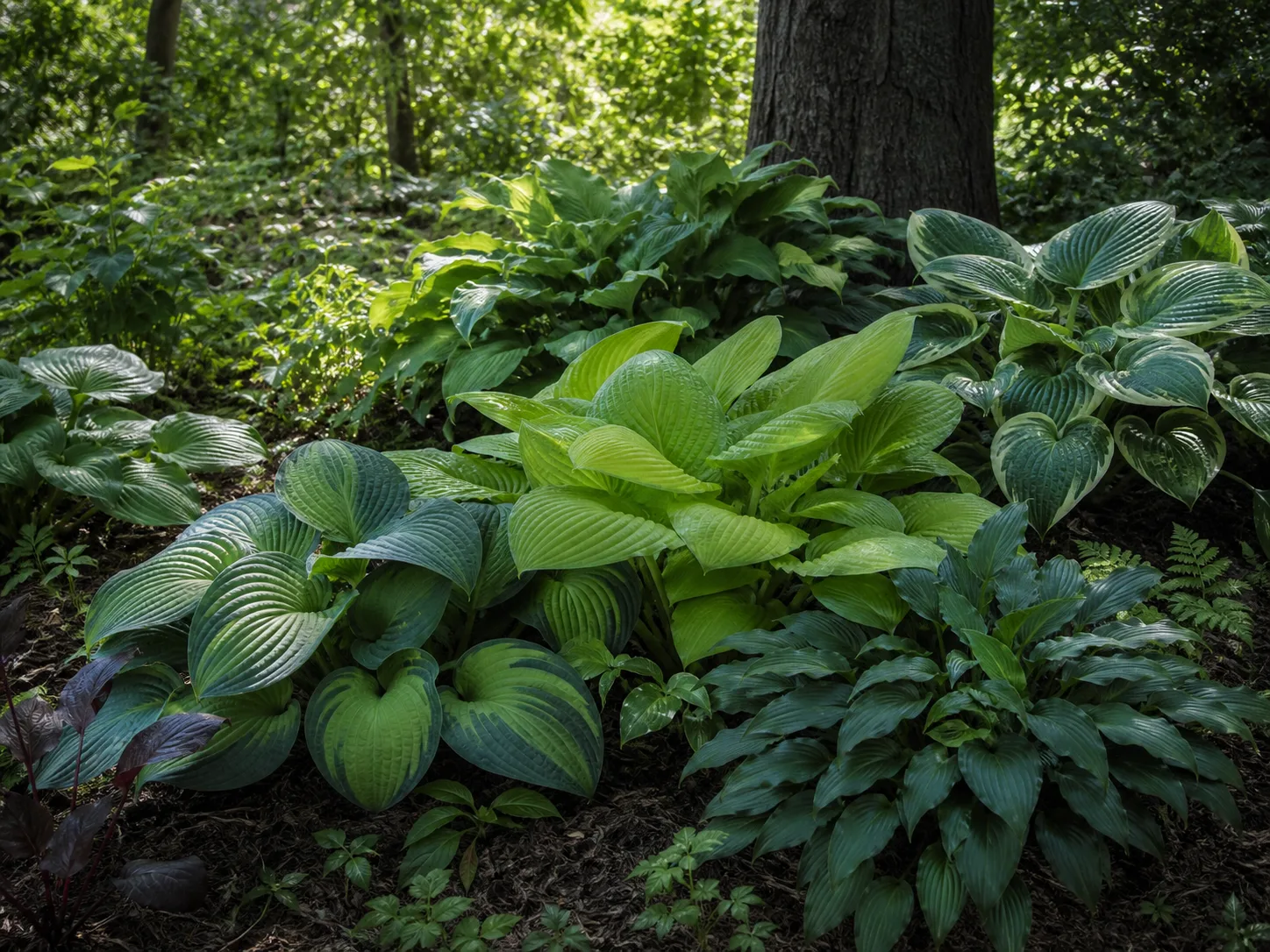
Hosta
Shade perennial with broad leaves that pairs well with bleeding hearts and fills gaps after they go dormant.
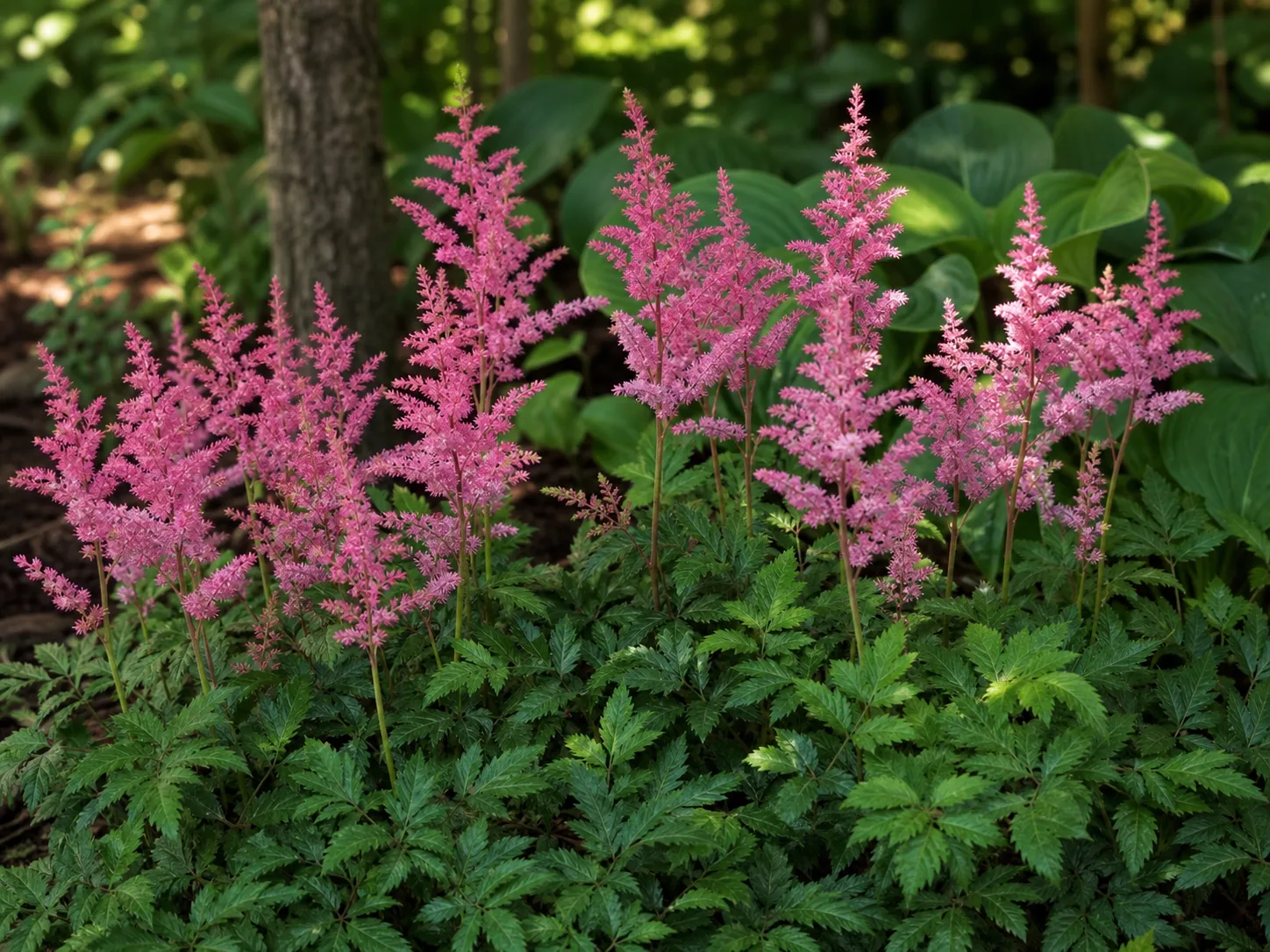
Astilbe
Feathery blooms that like similar moisture and help cover space once bleeding hearts die back.
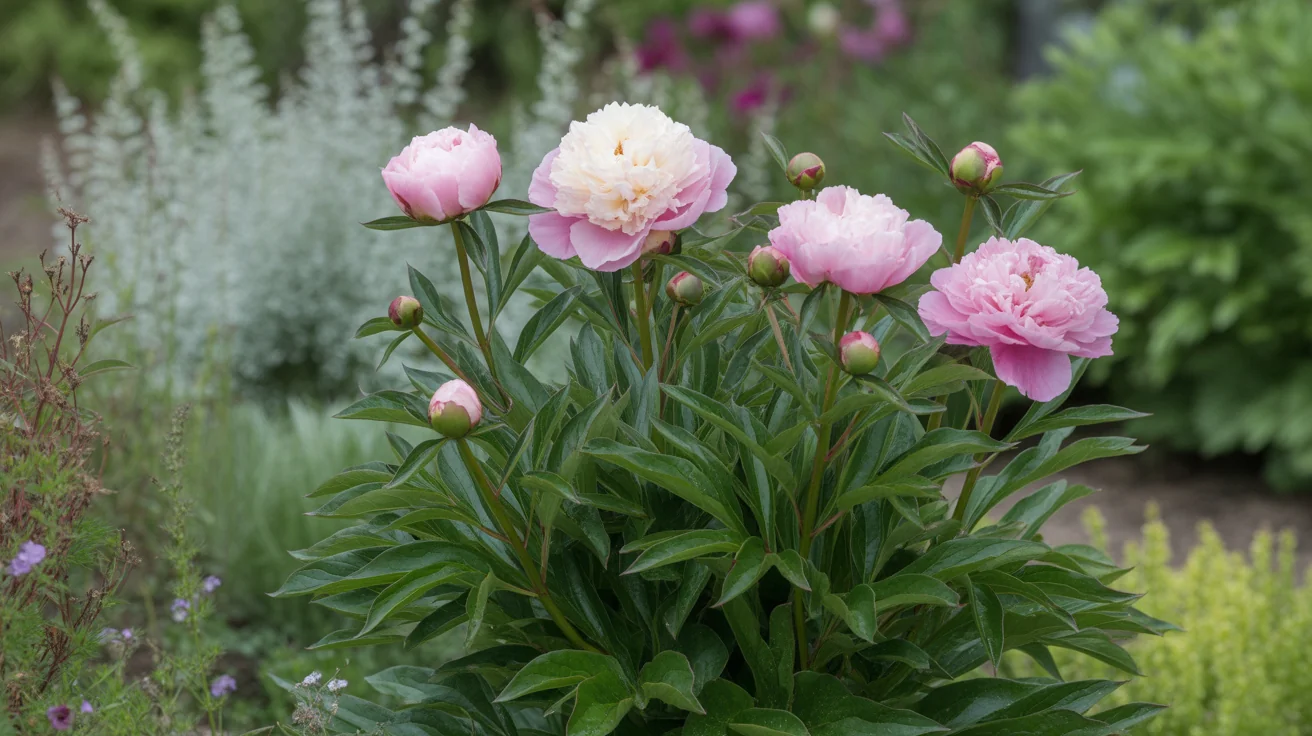
Peony
Another long-lived perennial with showy spring flowers, better for sunnier spots in Zone 4-8.
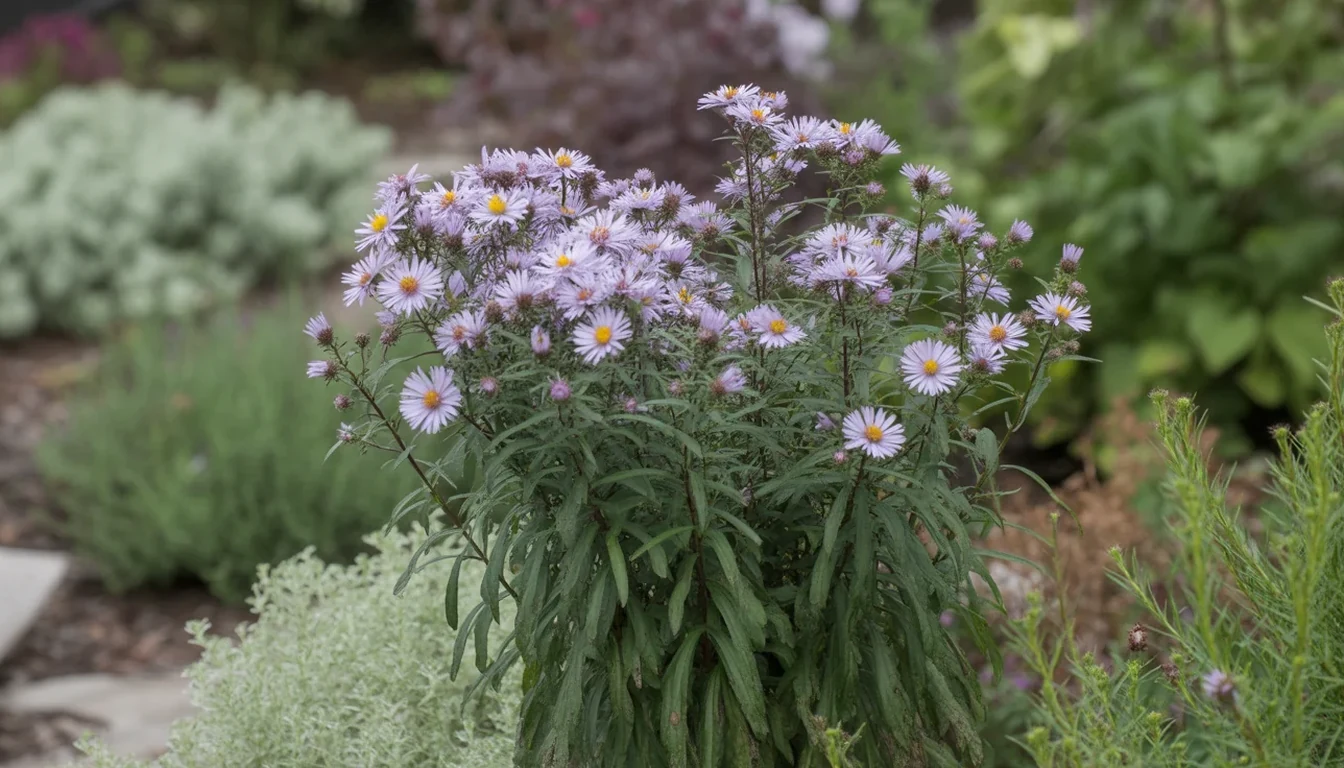
Aster
Gardeners blame the weather when an Aster splits open in September, but the shape was decided in early summer.
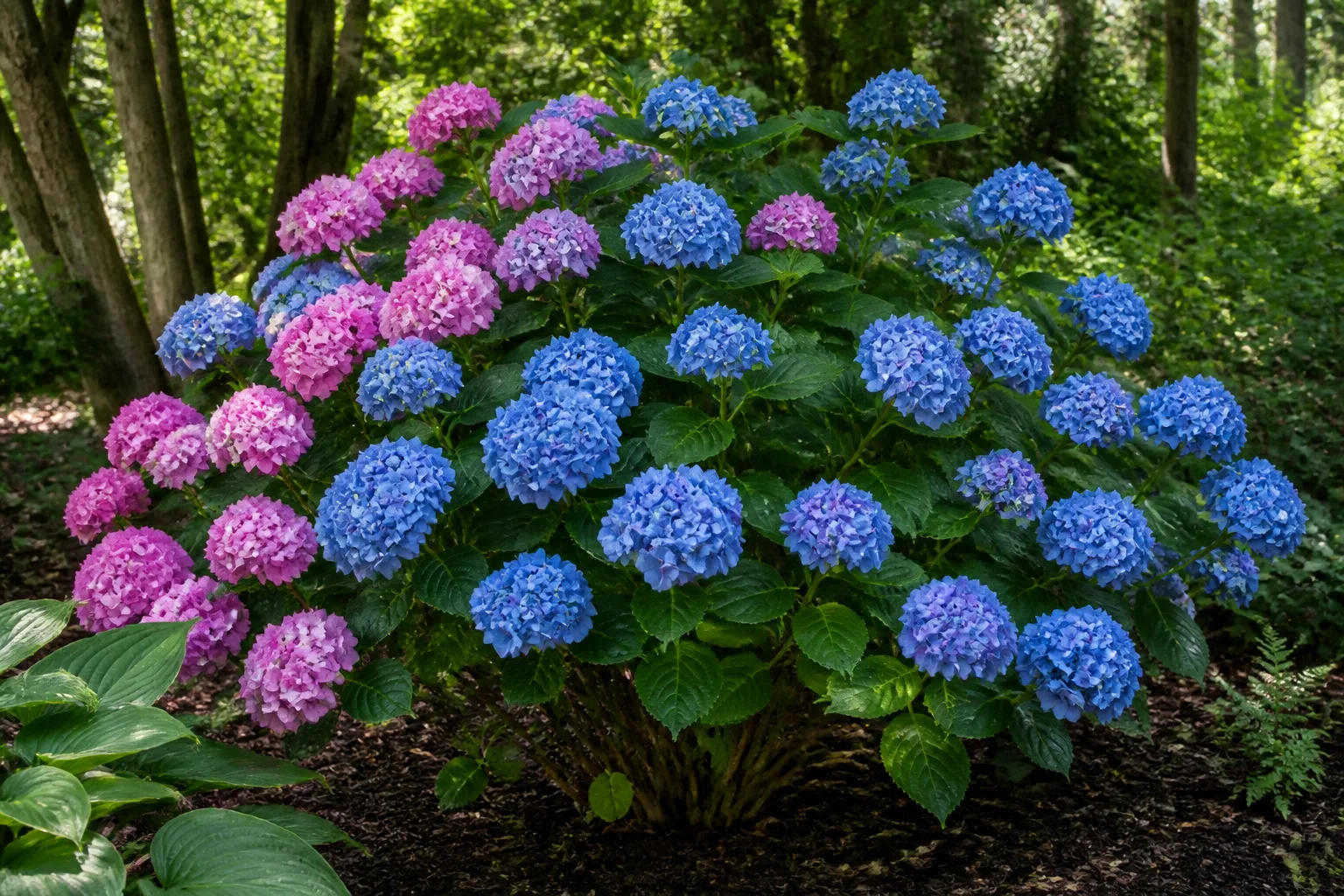
Bigleaf Hydrangea
Bigleaf hydrangea (Hydrangea macrophylla) produces mophead or lacecap flowers, but winter survival and reliable…
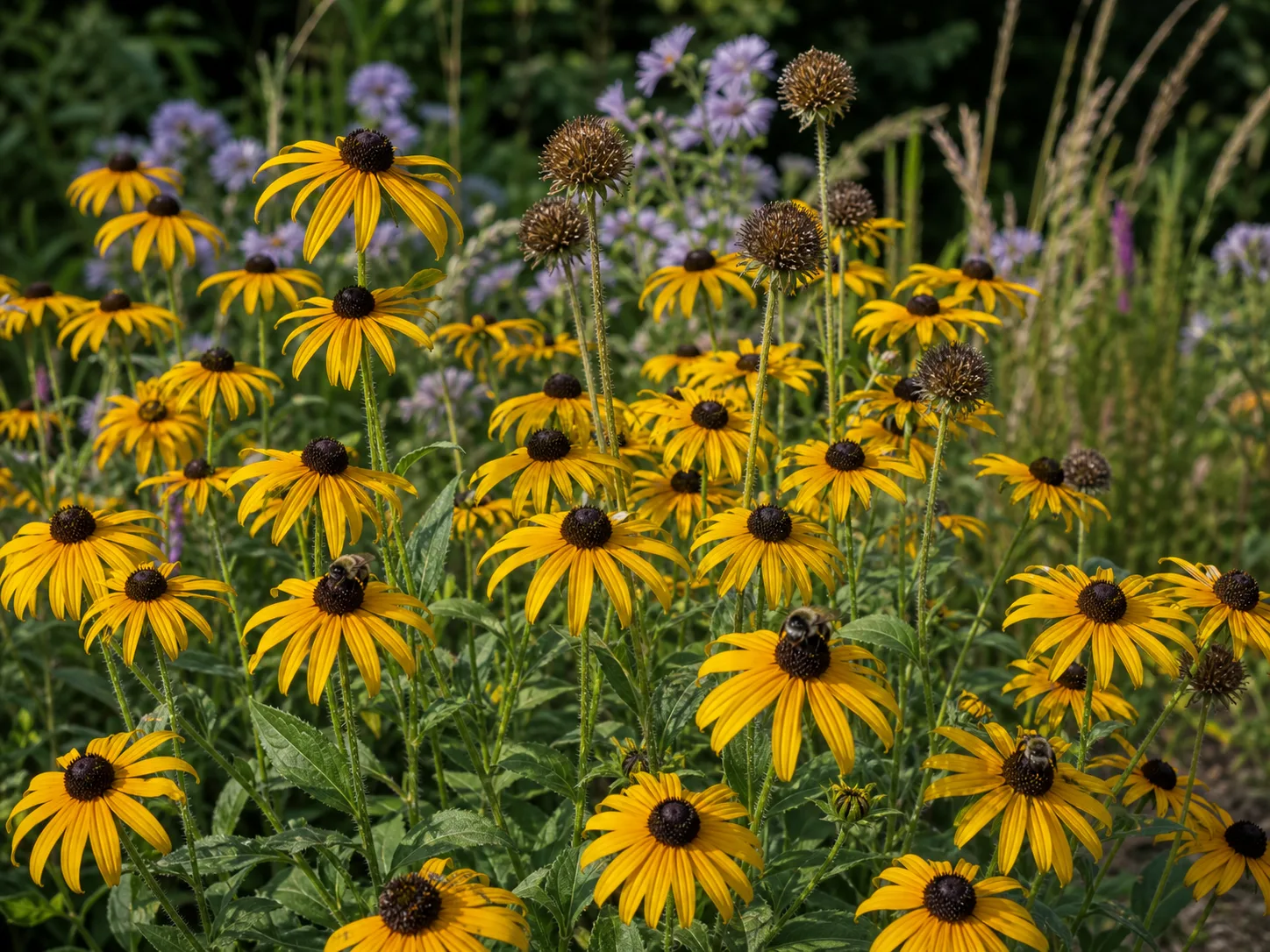
Black-Eyed Susan
A Black-Eyed Susan patch outlives the plants in it. The common garden species lives one to three years and restocks…