verifiedSource Reviewed
Bird of Paradise Indoor Care Guide
Strelitzia reginae
Family: Strelitziaceae
wb_sunnyLight
Bright indirect to several hours of direct sun
water_dropWater
Moderate, let top 1-2 inches dry
heightHeight
3-6 ft indoors; up to 6 ft+ in Zone 10-12 outdoors
publicZone
Zone 10-12 outdoors; houseplant elsewhere

Native Region
South Africa
biotechBold Tropical Structure Indoors
The plant earns its indoor reputation through scale first. Tall paddle leaves rise from a tight clump and make a bright room feel tropical long before flowers are realistic.
That scale also explains the tight-pot problem. The root mass can fill a container fast, so a plant that looks stable above the soil may already be pressing hard below it.
Zone 10-12 gardeners know this plant as a small, architectural clump in the yard; indoors it becomes a tall, upright houseplant with thick, banana-like leaves. The flowers look like bright orange and blue birds perched on a stalk.
In its native South Africa, Strelitzia reginae forms dense clumps from short rhizomes, sending up fans of leaves to about 3-6 ft tall. Each fan works like a mini plant, so older specimens can fill a whole corner.
For indoor growers across cooler zones, this fills the same "big presence" role that Fiddle Leaf Fig does, but it tolerates stronger sun and slightly drier air. Large, glossy leaves can tear in wind, which is normal and not a disease.
As a long-lived perennial, it behaves nothing like short-lived bloomers you might compare in an annual vs perennial decision. With the right pot and light, you are setting this plant up as long-term furniture.
paletteCultivars and Size Choices
Size is the first buying decision. Some Strelitzia types become ceiling-height foliage plants indoors, while orange-flowered forms stay easier to place in normal rooms.
Zone 10-11 nurseries often sell several Bird of Paradise relatives, so labels matter. For this profile we are focused on Strelitzia reginae, the classic orange-and-blue blooming species suited to pots.
Standard Strelitzia reginae eventually reaches 5-6 ft indoors with a 3-4 ft spread, similar to a mature rubber plant in a big pot. It works best where you can give it a permanent bright corner.
Dwarf or compact selections stay closer to 3-4 ft, which is useful in smaller rooms or in front of sunny windows. These may be sold under branded names, so ask how tall they get instead of chasing a specific trademark.
White-flowering relatives like Strelitzia nicolai grow much taller and behave more like indoor trees. If you want something slimmer or easier to fit on shelves, look at vining plants such as Pothos or Heartleaf Philodendron instead, both covered in our pothos vs philodendron breakdown.
Guide — See AlsoAir Purifying Plants for Cleaner Indoor AirLearn how to pick, place, and care for air purifying plants so they help your indoor air instead of just looking pretty.
chevron_rightwb_sunnyLight: Sun-Hungry but Flexible
This is one of the few houseplants where your brightest window is usually the starting point, not the danger zone. Weak light gives you tall leaves with no strength and almost no chance of bloom.
Zone 10-12 outdoor plants sit in full sun for much of the day, which tells you how bright this plant would like it indoors. In a house, that translates to a south or west window with at least 4-6 hours of direct sun.
In cooler zones, where winter sun is weaker, bright indirect light right in front of a south-facing window usually works. Leaves will still be healthy in medium light, but flowering becomes unlikely and growth slows.
If you have grown Monstera or Peace Lily successfully, expect this plant to want a step brighter. Pale leaves, slow new growth, and no blooms after several years usually point to not enough light, not a fertilizer problem.
Too much harsh sun in a hot Zone 10 sunroom can scorch leaves, especially through glass where heat builds. Brown, crispy patches on the sun-facing side of leaves signal you should pull the pot back 1-3 ft from the glass.
Email Updates
Join the KnowTheYard update list
Zone-specific advice, seasonal reminders, and new plant guides — no filler.
water_dropWatering Without Rotting Roots
Watering has to match the root mass. A mature clump in a heavy pot dries slowly at the center even when the top looks ready.
Zone 10-12 outdoor clumps often sit in ground that dries between rains, which is the clue for indoor watering. Let the top 1-2 inches of soil dry before you water again, instead of following a calendar schedule.
In average indoor conditions, that usually means weekly watering in spring and summer and every 10-14 days in fall and winter. Stick a finger into the soil to your second knuckle; if it feels dry, it is time to water deeply.
Overwatering is far easier than underwatering, especially in big decorative pots. Yellowing lower leaves, a sour smell from the mix, or constantly wet soil hint at trouble similar to the issues described in our ZZ plant yellowing guide.
Underwatering shows up as browning leaf edges and leaves that curl slightly. If the pot feels very light and soil pulls away from the sides, give the plant a slow, thorough soak until water drains from the bottom.
Guide — See AlsoBest Herbs to Grow Indoors for Real Harvests, Not Spindly PotsChoose indoor herbs that can actually produce in your light, temperature, and container setup, then match each one to th
chevron_right
potted_plantSoil and Potting Mix
Big leaves need a pot that holds weight without holding stale water. The mix should drain fast enough for thick roots but stay stable when the canopy leans.
Zone 10 gardeners growing this in the ground rely on naturally draining soil; in a pot, you have to build that drainage. A standard indoor mix boosted with extra chunky material keeps roots supplied with both air and moisture.
Aim for roughly 60% quality potting soil, 20% perlite, and 20% bark chips for a good balance. The bark chunks mimic the airy structure many tropicals enjoy and help prevent the compaction that leads to root rot.
Choose a heavy, stable pot with drainage holes, since tall foliage can make the plant top-heavy. A pot 2-3 inches wider than the current root ball gives room for a few years of growth without water sitting in a huge volume of unused soil.
If your tap water leaves crusty white salts on the soil surface, scrape the top 0.5 inch off a couple of times per year and replace with fresh mix.
account_treePropagating Bird of Paradise Indoors
Most people expect those bold flowers to come from a single stem forever, but clumping roots quietly create new plants you can split. Division is the only reliable way to propagate Bird of Paradise at home.
Seed propagation sounds tempting, but slow germination and weak seedlings frustrate most indoor growers. If you want a full, strong specimen like a Monstera or Fiddle Leaf Fig, stick with mature clumps instead of seeds.
Overcrowded pots are the first sign you should think about propagation, not just repotting. Tight clumps, leaves leaning outward, and dried outer roots mean it is time to divide or move up a size, which pairs well with a careful repotting session.
lightbulbBest time to divide
Divide in late winter or early spring, just before active growth, so roots recover quickly in Zone 10-12 warmth or a heated indoor space.
After timing is right, the actual division work should stay slow and deliberate; Bird of Paradise roots are thick enough to resent rough handling.
- 1Water the plant 1-2 days before dividing so roots are pliable but not soggy.
- 2Slide the root ball out and gently tease soil away so you can see the thick rhizomes.
- 3Use a clean knife or pruning saw to separate clumps, each with at least 2-3 healthy stems and a good root mass.
- 4Dust large cut surfaces with powdered sulfur or cinnamon to reduce rot in dense potting mixes.
- 5Replant divisions at the same depth in a slightly snug pot, and water once to settle soil without soaking it.
Rot at the cut line is the biggest propagation failure. Keep new divisions on the dry side for 7-10 days, then resume deeper watering using the checks from indoor watering schedules.
Guide — See AlsoBest Indoor Plants for Every Room and Light LevelA practical guide to choosing the best indoor plants for your home, covering beginner-friendly picks, low light champion
chevron_rightpest_controlCommon Pests on Bird of Paradise
Bug problems usually show up first as tired, dusty leaves long before you see insects. Dry indoor air and still corners invite sap-sucking pests that love broad foliage as much as they love Monstera and Philodendron.
Spider mites are the most serious indoor threat, because they thrive on big leaves in warm rooms. Fine webbing, speckled yellowing, and a dull surface mean you should jump straight to a strong routine like the one in spider mite treatment guides.
Scale insects and mealybugs create sticky messes that attract dust and mold. If leaves feel tacky or you see cottony clumps along the midrib, treat the plant the same day instead of waiting for a free weekend.
pest_controlSpider mites
Look for tiny speckles on leaves, fine webbing at leaf bases, and faster damage in hot, dry rooms.
pest_controlScale insects
Raised brown or tan bumps along stems and undersides of leaves that scrape off with a fingernail.
pest_controlMealybugs
White cottony clusters in leaf joints and at the base of stems, often with sticky honeydew.
pest_controlFungus gnats
Tiny black flies hovering near the soil, a sign that watering or soil mix needs attention.
Chemical overkill is the common mistake with houseplant pests. Start instead with a shower, leaf wipe, and a mild insecticidal soap, then add neem oil or systemic options only if manual cleaning fails, similar to how you might handle an infested Snake Plant.
infoMonitoring routine
Wipe leaves monthly with a damp cloth, checking undersides and leaf bases. Catching tiny colonies early is far easier than saving a plant covered in webs or cotton.
calendar_monthSeasonal Care for Bird of Paradise
Indoor growers often treat every month the same, but this plant slows down hard in cool, dark seasons. Ignoring that natural rhythm leads to root rot, leggy growth, and fewer flowers in Zone 10-12 homes and patios.
Winter is the riskiest time indoors, with short days and heaters drying the air. Watering on a summer schedule through December is the quickest way to mushy roots, yellowing, and the same issues you might see on overwatered thick-rooted houseplants.
Summer brings the growth and flower window, especially near bright south or west windows. That is when you can safely feed and water more often, much like you would ramp up care for Hibiscus or Lantana outside.
local_floristSpring
Resume feeding with a balanced houseplant fertilizer at half strength every 4 weeks, and rotate the pot for even growth.
wb_sunnySummer
Increase watering as the top 2 inches of soil dry, and move outdoors in bright shade if nights stay above 60°F.
ecoFall
Reduce fertilizer and let soil dry deeper between waterings as light levels drop and growth slows.
ac_unitWinter
Hold fertilizer, water sparingly, and keep leaves at least 12-18 inches from drafty windows or heater vents.
Rapid swings between outdoor sun and dark corners inside shock big-leaf plants. Harden the plant off gradually like you would seedlings moving outdoors, giving a week of bright shade before full exposure.
lightbulbLight shifts by season
Sun angles change through the year. A south window that is perfect in winter may scorch leaves in August, so shift the pot a few feet back when light intensifies.
Guide — See AlsoWhat Does an Overwatered Plant Look Like (With Photos in Mind)Learn the real signs of overwatering, how they differ from underwatering, and what to check on leaves, stems, and soil b
chevron_righthealth_and_safetySafety and Ecology of Bird of Paradise
Bright flowers can make this plant look harmless, but every part contains compounds that upset pets and kids. It is not as dangerous as Oleander, yet chewing leaves still brings vomiting or drooling in cats and dogs.
Pet owners often assume all Houseplants in stores are safe, then learn the hard way after a vet visit. If you have chewers, balance this plant with safer options such as Spider Plant or non-toxic picks from pet-friendlier indoor choices.
Outdoor invasiveness is the other worry, but Strelitzia reginae behaves more like a slow clumping perennial than a thuggish spreader. In frost-free climates it can naturalize in beds, yet it rarely jumps into wild areas like English Ivy or Wisteria might.
Improper disposal of root balls causes most escape problems. Tossing clumps into warm, damp ravines is a bigger ecological risk than planting one carefully in a managed Zone 10 yard alongside your Lemon Tree or Avocado Tree.
warningToxicity snapshot
Keep the plant out of reach of pets and toddlers. Ingestion can lead to nausea, vomiting, and mild stomach upset, so call your vet or poison control if a large amount is eaten.
eco
Keep Exploring
Related Plants
 Houseplants
Monstera Adansonii
Monstera adansonii is the small Swiss cheese vine with real holes in the leaves. Decide whether you want it to trail or climb first; that choice changes lig
 Houseplants
Calathea
Calatheas are tropical houseplants prized for their patterned, moving leaves and preference for warm, humid rooms. They need steady moisture, soft filtered ligh
 Houseplants
Cast Iron Plant
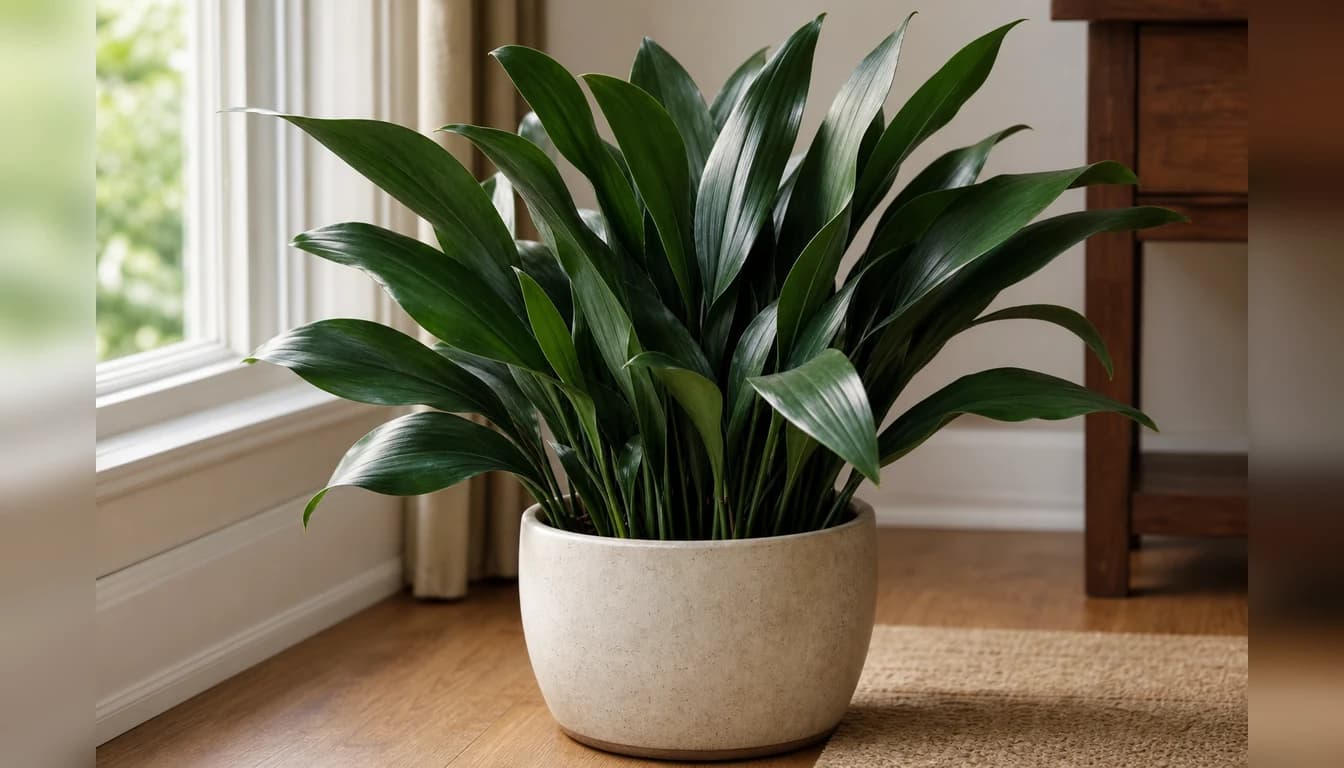
Cast Iron Plant shrugs off low light and irregular watering better than almost any other houseplant. Its deep green, strap-like leaves slowly form a
quiz
Frequently Asked Questions
Will an indoor Bird of Paradise ever bloom?expand_more
Yes, but it needs strong light, a mature root system, and a snug pot. Most plants need 4-6 hours of direct sun, several years of growth, and consistent care before producing the first flowers indoors.
How big does Bird of Paradise get indoors?expand_more
In a bright room, Strelitzia reginae usually tops out around 4-6 ft tall with a 3-4 ft spread. In lower light or smaller pots it stays shorter, but it is never a compact tabletop plant.
Can Bird of Paradise live outside year-round?expand_more
It can stay outdoors year-round only in Zone 10-12. In cooler climates, grow it as a houseplant and move it outside for summer once nights are consistently above 55°F, then bring it back in before fall chills.
Can I grow Bird of Paradise outdoors year-round?expand_more
You can grow Bird of Paradise outside year-round only in Zone 10-12 or similar frost-free climates. In colder areas, treat it as a container plant and bring it indoors before nights drop below 50°F.
How long does it take a Bird of Paradise to flower indoors?expand_more
Indoor plants usually need 3-5 years and strong light to bloom, even when grown from a mature division. Focus on bright sun, good watering habits, and balanced feeding rather than expecting flowers every season.
Why are my Bird of Paradise leaves splitting?expand_more
Leaf splits are common on older fronds and help the plant handle wind outdoors. Indoors, low humidity, handling, or pets brushing against the leaves can speed up tearing, but it usually will not harm overall health.
menu_book
Sources & References
- 1.Strelitzia reginae, Missouri Botanical Garden Plant Finderopen_in_new
- 2.Strelitzia reginae, Royal Horticultural Societyopen_in_new
- 3.Tropical and Subtropical Landscape Plants, University of Florida IFAS Extensionopen_in_new
- 4.University of Florida IFAS Extension – Strelitzia reginae, Bird-of-Paradiseopen_in_new
- 5.Missouri Botanical Garden – Strelitzia reginae Plant Finderopen_in_new
- 6.Royal Horticultural Society – Strelitzia reginae Growing Guideopen_in_new
- 7.ASPCA – Toxic and Non-Toxic Plants Listopen_in_new