Fiddle Leaf Fig vs Rubber Plant
Choose Fiddle Leaf Fig if you have steady bright light and want a sculptural floor tree. Choose Rubber Plant if you need a taller plant that forgives missed waterings, drier air, and rooms that are bright but not perfect.
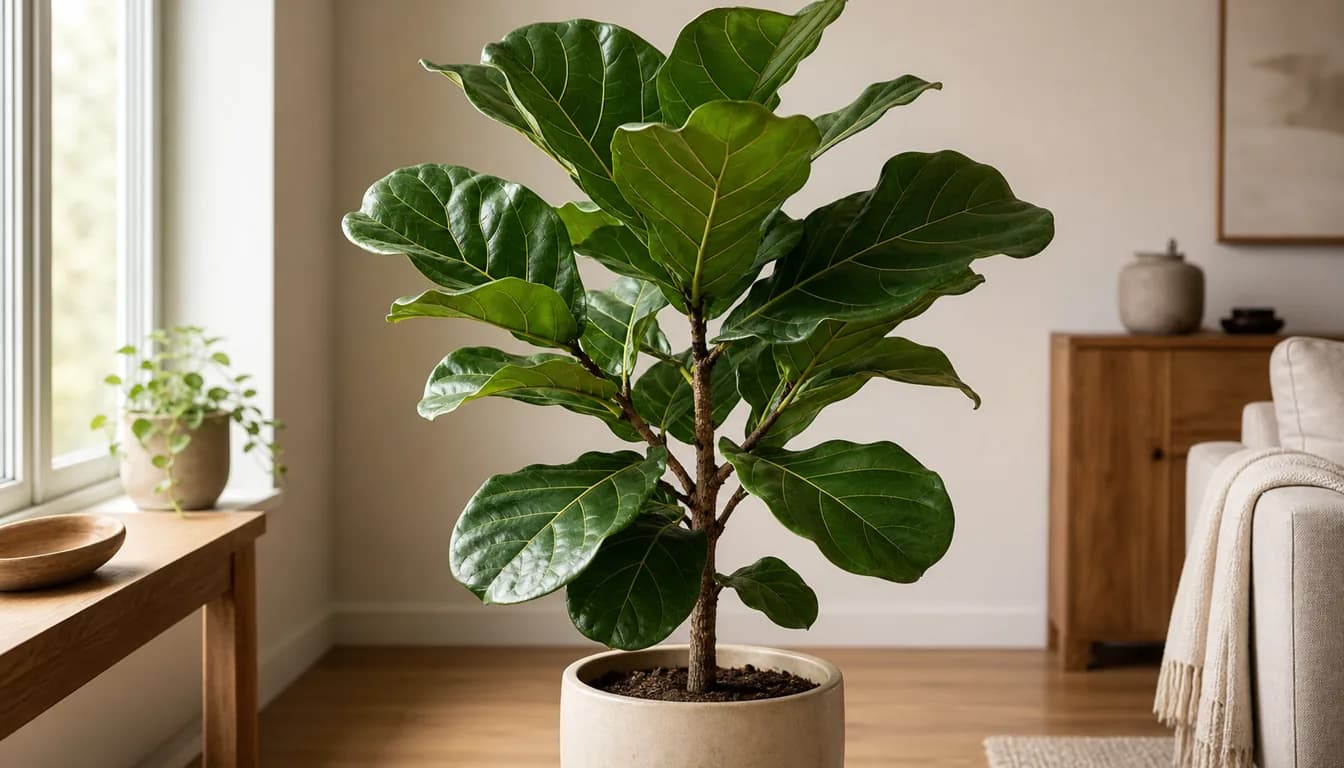
Ficus lyrata
Fiddle Leaf Fig

ruleDecision Summary
This comparison is really about statement value versus forgiveness. Fiddle Leaf Fig is the prettier diva. Rubber Plant is the easier long-term roommate. If your room gets strong daylight for most of the day and you will actually rotate, prune, and water on rhythm, the fiddle earns its reputation.
The moment light gets patchy or your care slips, Rubber Plant usually takes the lead; it stays upright, fills out quickly, and tolerates average indoor humidity better. That is why renters, busy households, and first-time indoor tree buyers usually keep it attractive for longer.
So the decision frame is simple: buy Fiddle Leaf Fig for a bright focal point you are willing to manage, or buy Rubber Plant for a bigger margin of error with nearly the same visual weight. The rest of the page just shows where that tradeoff becomes obvious.
How to Use This Guide
Match your primary use case first, then review the side-by-side specs table. The use-case cards explain where one option has a practical advantage; if your situation is different, let the specs and tradeoffs guide the choice.
We compared these as real living-room trees, not showroom props; the winner changes the moment bright-light consistency drops.
KnowTheYard Editorial Team
Source-backed editorial note
compare_arrowsSpecific Use Cases
The following use cases focus on scenarios where the tradeoff actually matters. Each card names the stronger fit for that situation and explains the catch.
A winner only applies when that scenario matches your conditions. If neither scenario fits, check the side-by-side specs for the more relevant constraints.
Bright window star
South or west exposureWinner: Fiddle Leaf Fig
Strong, consistent sun through big windows shows off those oversized leaves. A fiddle leaf fig rewards bright, indirect light with dense, upright growth and a true tree look, as long as you protect it from scorching midday beams.
Rubber plants also like bright light, but the leaves do not scream for attention the same way. They handle a bit of direct sun better, yet the overall effect is more relaxed shrub than sculptural tree in this prime location.
Far from windows
Moderate to low lightWinner: Rubber Plant
Distance from windows exposes the fiddle leaf’s biggest weakness. Growth turns sparse, new leaves shrink, and lower leaves drop. You can supplement with grow lights, but this plant sulks when light levels dip for more than a short stretch.
Tougher foliage and adaptable growth let rubber plants tolerate rooms where you could never keep a ficus lyrata happy. They still prefer bright conditions, but they survive deeper rooms better than many big house trees, similar to hardy options like low-light standbys.
Inconsistent watering
Busy or forgetful ownersWinner: Rubber Plant
Moisture swings show up fast on a Fiddle Leaf Fig as brown edges, dropped leaves, or stalled growth. The thick trunk does not mean drought toughness. This plant expects deep watering, then partial drying, on a steady rhythm that busy folks often miss.
Thicker, waxy leaves store more moisture and let a Rubber Plant ride through skipped waterings with fewer complaints. It still dislikes constant sogginess, but it forgives a missed weekend far better than sensitive options like thirsty foliage plants.
Low-maintenance decor
Set-and-enjoy treeWinner: Rubber Plant
Shaping a Fiddle Leaf Fig into that clean, sculpted form means regular turning, selective pruning, and watching for pests on those broad leaves. It looks fantastic, but expect ongoing fiddling, especially in drier homes or shifting seasonal light.
Rubber plants grow into a full, vertical accent with minimal fuss. Occasional pruning to contain height, leaf dusting, and normal watering routines usually keep them presentable. They are closer to a plant-and-ignore tree than many large statement houseplants.
Pet and kid homes
Sap and leaf concernsWinner: Neither, both are mildly toxic
Milky sap from a Fiddle Leaf Fig can irritate skin and upset pets if chewed. Big leaves also tempt curious kids. You can still grow one, but placement away from play spaces and chewing-prone pets becomes very important.
Rubber plants share that same latex sap issue, with similar mild toxicity if ingested. The leaves are tougher and slightly less tempting as toys, but you still need to treat both ficus types as decor for higher, less accessible spots around children and animals.
paymentsCost & Upkeep
Long-term cost extends beyond the purchase price. Factor in ongoing inputs, replacement risk, equipment, and time so the cheaper option at checkout does not become the more expensive one to keep.
For Fiddle Leaf Fig and Rubber Plant, the real cost difference usually shows up after purchase: water, soil, fertilizer, pruning, replacements, and how easily the plant or system recovers from mistakes.
ecoFiddle Leaf Fig
- check_circleA 4–5 foot nursery tree typically costs $70–$150, yet one plant can anchor a whole living room.
- check_circleRepotting every 2–3 years into slightly larger containers controls size, so you rarely outgrow the room quickly.
- cancelFrequent leaf loss from stress can push you into buying grow lights or humidifiers, adding $40–$120 in gear.
- cancelProfessional repotting or in-home styling help, if used, easily adds another $50–$100 per large specimen.
- cancelSlow to replace height after major pruning, so correcting leggy plants may take several growing seasons of patience.
ecoRubber Plant
- check_circleA 3–4 foot Rubber Plant often runs $40–$90, so upfront cost is lower than similar-sized fiddles.
- check_circleFast growth lets you buy a smaller pot for $20–$40 and grow it into a tall specimen within a few years.
- check_circleTolerates basic room humidity, saving you from investing in humidifiers that other tropical indoor foliage often need.
- cancelRapid height gain means more frequent pruning and occasional stake replacements, costing extra time and some supplies each season.
- cancelLarge pots filled with heavy soil become bulky to move, so rearranging furniture sometimes means extra labor or helpers.
ecoResource Fit
Rubber Plant usually wastes less effort over time because it rebounds faster from pruning and minor neglect; fewer failed recovery attempts mean fewer replacement purchases and fewer oversized nursery pots heading out the door.
Fiddle Leaf Fig can still be a durable long-term plant, but only when the light setup is real. If you end up adding a grow light, humidifier, and repeated repots just to hold leaf density, the ownership footprint climbs even though the plant itself can live for years.
From a sustainability angle, the better choice is the one that survives in your room without rescue gear. The most efficient indoor tree is the one you do not have to replace.
Either ficus can live 10–15 years indoors with solid care. Longer lifespans reduce replacement buying, which cuts plastic pot waste and repeated transport emissions from shipping new large plants.
Both plants typically need larger pots every 2–3 years. Planning this schedule lets you reuse containers, buy peat-free mixes, and avoid emergency repots that send stressed plants to the trash.
Water needs are moderate for each plant, often one deep drink every 1–2 weeks. That schedule uses less water than many thirsty ferns, especially if you follow deep watering habits.
Healthy stems can provide 2–4 cuttings during pruning sessions. Rooting those turns maintenance trimmings into new plants, lowering demand for nursery stock and the associated shipping footprint.
table_chartSide-by-side Specs
The specs table matters most in three rows: light, watering tolerance, and humidity preference. Those are the rows that decide whether Fiddle Leaf Fig stays dense or starts dropping lower leaves, whether Rubber Plant keeps looking calm in average indoor air, and when you need to tighten your houseplant watering rhythm.
Propagation and recovery also tilt toward Rubber Plant. It is easier to restart from cuttings after pruning, while Fiddle Leaf Fig usually takes longer to rebuild height and branch structure once you correct a mistake.
Source Notes
Metrics summarize published care ranges and common cultivar behavior. Individual performance varies by cultivar selection, microclimate, and management intensity. Consult our methodology for source standards and update practices.
| Metric | Fiddle Leaf Fig | Rubber Plant |
|---|---|---|
| biotech Family | Moraceae (figs) | Moraceae (figs) |
| public USDA Zones (outdoors) | 9–11 patio | 9–11 patio |
| wb_sunny Light (indoors) | Bright, indirect | Medium to bright |
| water_drop Watering frequency | Every 7–14 days | Every 10–21 days |
| thermostat Drought tolerance | Low | Moderate |
| height Growth rate | Moderate | Moderate to fast |
| yard Trailing/spread | Upright, narrow | Upright, branching |
| pets Pet toxicity | Mildly toxic | Mildly toxic |
| account_tree Propagation ease | Moderate cuttings | Easy cuttings |
| air Humidity preference | Higher indoor | Average indoor |
| potted_plant Soil preference | Well-drained, airy mix | Standard well-drained mix |