verifiedSource Reviewed
Arrowhead Plant: Easy-Care Vining Houseplant
Syngonium podophyllum
Family: Araceae
wb_sunnyLight
Bright, indirect to medium light
water_dropWater
Moderate, keep lightly moist then dry top inch
heightHeight
1–3 ft indoors, longer as a vine
publicZone
Hardy outdoors in Zone 10–12 only
airAir Quality
Air Quality Note

Native Region
Central and South America tropical forests
ecoArrowhead Shape and Vining Habit
This plant changes shape as it grows. The neat arrowhead leaves you buy at the nursery are juvenile growth; older vines stretch, climb, and split into more lobed foliage if you let them run.
That shift is the care decision. Keep cutting above nodes for a compact pot, or give the stems a pole and let the plant show its climbing form.
Winter growth can stall if this tropical aroid sits in a cold, dim corner. Syngonium podophyllum comes from warm, humid forests, so it behaves like other climbing Araceae such as Monstera, just on a smaller, easier-to-place scale indoors.
Crowded pots in spring often surprise people when compact clumps suddenly throw out long vines. Young Arrowhead Plant stay bushy, but with age they develop climbing stems that can trail several feet or climb a moss pole like a mini Monstera or Philodendron.
Overgrown tangles become a problem in small spaces, yet that same fast growth is why this plant works so well in hanging baskets.
Indoors it usually tops out around 1–3 ft tall, but stems can run much longer if you let them wander along a shelf.
paletteChoosing Arrowhead Plant Cultivars
Pick a cultivar by how much color your room can support. Pale pink, cream, and white leaves need steadier light than green forms because they have less chlorophyll to work with.
Bright summer windows can bleach or burn the paler varieties first, which is why picking the right cultivar for your light matters. Arrowhead Plant comes in greens, pinks, and heavy variegation, and those colors change how tough each one is.
Green types like ‘Green Gold’ or plain green forms handle lower light best, similar to durable options such as ZZ Plant or upright snake plant varieties. These stay a bit bushier, grow faster, and forgive that missed watering more easily.
Pink and white cultivars, including ‘Neon Robusta’ and marbled types, bring the color but need more care. Their lighter leaves scorch faster and revert toward green if stuck in dim corners, much like Marble Queen Pothos compared to regular standard pothos vines.
Compact or dwarf forms work better on crowded desks where long vines become a nuisance. If you want a bolder statement, you can train standard arrowhead types up a moss pole the way you might grow monstera indoors, which encourages larger, more divided leaves over time.
Guide — See AlsoAir Purifying Plants for Cleaner Indoor AirLearn how to pick, place, and care for air purifying plants so they help your indoor air instead of just looking pretty.
chevron_rightwb_sunnyLight: Avoid Harsh Afternoons
Strong summer sun through a south or west window is the quickest way to crisp arrowhead leaves. This plant prefers bright, indirect light or filtered morning sun, much like many low‑light tolerant indoor plants.
Dim rooms cause a different headache, with stretched stems and small, dull leaves. In low light it behaves more like a struggling Peace Lily, growing slowly and losing variegation, so plan for at least 4–6 hours of soft, indirect light daily.
Direct sun outdoors in Zone 10–12 can still be tricky. On a shaded patio, it acts like other tender tropicals such as Calathea, enjoying dappled shade but burning if sun hits the leaves during hot afternoons in Zone 10 heat.
Winter’s short days can flatten growth even in a good window. If you already use grow lights for herbs like indoor basil plants or greens, you can give arrowhead a share of that space with a 10–12 inch distance from the LED panels.
- check_circleKeep out of direct midday sun, especially behind hot glass.
- check_circleAim for bright, indirect light near an east or filtered south window.
- check_circleRotate the pot monthly so stems do not lean in one direction.
- check_circleMove a few feet back from grow lights to avoid leaf bleaching.
Email Updates
Join the KnowTheYard update list
Zone-specific advice, seasonal reminders, and new plant guides — no filler.
water_dropWatering Without Soggy Soil
The vine tells you about water before the soil surface does. Limp petioles after a dry week mean thirst; limp petioles in a heavy pot mean roots are short on air.
Cold, wet soil in winter is the main killer for this plant. Arrowhead likes even moisture, but its thin roots rot if it sits in water, just as quickly as you see root issues in overwatered peace lilies indoors.
Bone‑dry pots cause the opposite problem, with drooping stems and crisp brown edges. Once the top 1 inch feels dry, water until it drains out the bottom, similar to the rhythm recommended in many indoor watering schedules.
Summer growth can drink more than you expect, especially in bright windows. In active growth, you might water every 5–7 days in a small pot, but in winter that can stretch to 10–14 days, especially in cooler rooms shared with Fiddle Leaf Fig or rubber plant trees.
Fungus gnats are usually a sign you kept things too damp for too long. If you see tiny flies when you bump the pot, it is worth checking out targeted advice on clearing fungus gnats from houseplants before the population explodes.
- fiber_manual_recordUse room‑temperature water to avoid shocking roots.
- fiber_manual_recordDump any saucer water after 15 minutes so roots can breathe.
- fiber_manual_recordLet the top inch dry rather than following a calendar schedule.
- fiber_manual_recordWater less often in low light or cooler rooms.
Guide — See AlsoBest Herbs to Grow Indoors for Real Harvests, Not Spindly PotsChoose indoor herbs that can actually produce in your light, temperature, and container setup, then match each one to th
chevron_right
potted_plantSoil Mix and Repotting Timing
Potting strategy depends on whether you want a bushy tabletop plant or a trailing vine. A snug pot keeps growth compact, while a support pole and room for roots push the plant toward climbing.
Heavy, peat‑only mixes stay wet too long in winter and smother fine roots. An airy, chunky potting mix, similar to what you would use for Philodendron or Monstera, keeps Arrowhead Plant happier and cuts down on rot problems.
Compacted soil also makes watering frustrating, sending water down the sides while the center stays bone dry. We like a blend of 50% high‑quality potting soil, 25% perlite, and 25% orchid bark so it drains more like mixes for sensitive trailing succulents.
Overpotting is a common mistake after a big spring growth spurt. move up just 1–2 inches in diameter, similar to repotting advice for other vining plants in repotting houseplant guides.
Old soil that has broken down can hold water like a sponge and starve roots of air. Every 2–3 years, plan to refresh the mix completely, the same way you would for long‑lived foliage like slow‑growing ZZ plants that sit in the same pot for ages.
Recommended mix50% potting soil, 25% perlite, 25% bark or coco chips
pH rangeSlightly acidic to neutral (6.0–7.0)
Repotting frequencyEvery 1–2 years for young plants, 2–3 years for mature clumps
Pot typeContainer with drainage holes, plastic or glazed ceramic to hold moisture
account_treePropagating Arrowhead Plant Step by Step
Most people try to root any random stem, but propagation works best when you target healthy, actively growing shoots with visible nodes. Those little bumps where leaves and aerial roots emerge are the spots that form new roots fastest.
Trim it and use those cuttings to start bushier pots. You get a fuller Arrowhead Plant and free plants to share or spread around your home.
Unlike some finicky houseplants, Arrowhead Plant root easily in plain water or loose potting mix. If you already grow trailing options like pothos vines or heartleaf philodendron, you will recognize the same simple stem cutting routine.
Count 2–3 leaves back from the tip and cut just below a node. That gives each cutting enough stored energy and at least one solid rooting point.
- 1Choose a healthy stem with at least 3–5 leaves and firm, green growth.
- 2Sterilize clean scissors or pruners with rubbing alcohol so you do not spread disease.
- 3Cut just below a node, then remove the bottom 1–2 leaves so no foliage sits in water or soil.
- 4Place cuttings in a clear jar of room‑temperature water or in moist, airy potting mix.
- 5Keep the jar or pot in bright, indirect light and top up or lightly water to keep things just moist.
- 6Watch for fresh white roots about 1–2 inches long, usually in 2–4 weeks.
- 7Pot rooted cuttings into a small container using the same soil mix as the parent plant.
Once the cutting checklist is covered, timing decides how quickly roots form; Arrowhead Plant cuttings respond best while warmth and day length are rising.
lightbulbBest Season To Propagate
Spring through early summer is the easiest time to root cuttings. Warm temperatures and longer days help new roots and leaves form quickly so cuttings establish before winter slows growth.
Guide — See AlsoBest Indoor Plants for Every Room and Light LevelA practical guide to choosing the best indoor plants for your home, covering beginner-friendly picks, low light champion
chevron_rightpest_controlPests That Bother Arrowhead Plants
Most issues show up on stressed plants, not on well cared for ones. Consistent light, correct watering, and clean leaves go further than any spray in preventing pests on Syngonium podophyllum.
Get in the habit of checking undersides whenever you water. A quick look and wipe can catch spider mites or scale before they spread to favorites like your Monstera or ZZ Plant.
Unlike outdoor plants chewed by caterpillars, Arrowhead Plant mostly deal with tiny sap suckers. Spider mites, mealybugs, aphids, and the odd fungus gnat thrive in warm, dry, or constantly damp conditions indoors.
pest_controlSpider mites
Fine webbing between leaf veins, tiny moving dots, and dry, speckled foliage. Rinse the plant in the shower, then treat with an appropriate product and follow a spider mite routine for a few weeks.
pest_controlMealybugs
Cottony white clusters in leaf joints or along stems. Dab with cotton swabs dipped in alcohol and follow up with several weekly treatments until every hiding spot is clean.
pest_controlScale insects
Brown or tan bumps stuck to stems and leaf undersides that do not brush off easily. Scrape gently with a fingernail or cloth, then treat the whole plant, not just the visible spots.
pest_controlFungus gnats
Tiny black flies hovering over the pot, often caused by constantly wet soil. Let the top 1–2 inches of mix dry, and use sticky traps or a targeted product if needed.
Start with mechanical control and milder options. A lukewarm shower, a soft cloth, and gentle insecticidal soap solve most early infestations with less stress on the plant and on you.
infoQuarantine New Plants
Keep new houseplants in a separate spot for 2–3 weeks before tucking them among existing pots. That pause lets you spot hidden pests before they hitchhike onto Arrowhead Plant, pothos, or snake plants nearby.
calendar_monthSeasonal Care Adjustments
Seasonal care is mostly about pruning timing. Spring and early summer cuts make a fuller plant; late fall cuts often leave bare stems sitting still until light returns.
Many people water and feed the same way all year, but Arrowhead Plant change pace with the seasons. Growth surges in warm months and slows way down in winter, especially outside Zone 10–12 where homes sit cooler and darker.
Let the plant rest when days get short. You will see less new foliage in winter compared with faster growth during bright spring and summer, and that pause is normal rather than a problem.
Unlike outdoor perennials that freeze to the ground, indoor houseplants like Arrowhead Plant keep their foliage year round. They still benefit from lighter watering and less fertilizer, but they do not go fully dormant like a peony clump buried under snow.
local_floristSpring
Increase watering slightly as new leaves appear and days brighten. This is the best time to repot, divide, and start cuttings, and to begin light feeding with a balanced product.
wb_sunnySummer
Watch soil moisture more closely in warm rooms. Arrowheads dry out faster and may need water every few days, but never let them sit in soggy saucers for long periods.
ecoFall
Reduce fertilizer and stretch out watering as growth slows. Rotate the pot so all sides get decent light, since lower sun angles can cause lopsided growth toward a window.
ac_unitWinter
Water much less often and skip fertilizer. Keep plants away from cold drafts and heating vents, and consider a grow light if leaves start reaching toward dim windows.
Use your finger to test the top 1–2 inches of soil every time. Pair that habit with the tips in our houseplant watering guide so you adjust for real conditions, not a calendar.
lightbulbLight Shifts Through the Year
Windows that feel bright in summer can turn dim in winter. Slide Arrowhead Plant a bit closer to the glass in the cold months, then back a foot or two when strong sun returns.
health_and_safetySafety, Pets, and Ecological Impact
Most folks only think about light and water, but safety around kids and pets matters just as much. Arrowhead plants contain calcium oxalate crystals, the same irritant found in Peace Lily and Dieffenbachia sap.
Plan for curious chewers. If a child or pet bites a leaf, they can experience mouth burning, drooling, and stomach upset, similar to reactions sometimes seen with Peace Lily leaves.
Unlike non‑toxic options such as Spider Plant, Arrowhead Plant are best kept out of reach of cats and dogs. Wall planters, high shelves, or hanging baskets work well if you have determined nibblers at home.
Bag pruning waste and soil scraps securely. That simple step avoids surprise chewing on wilted pieces, which still carry the same irritating compounds as fresh growth.
warningPet‑Friendly Alternatives
If you want similar foliage without toxicity concerns, consider pet‑safer choices like Parlor Palm, many ferns, or trailing options such as Spider Plant. Always confirm safety with a trusted source if pets chew plants.
eco
Keep Exploring
Related Plants
 Houseplants
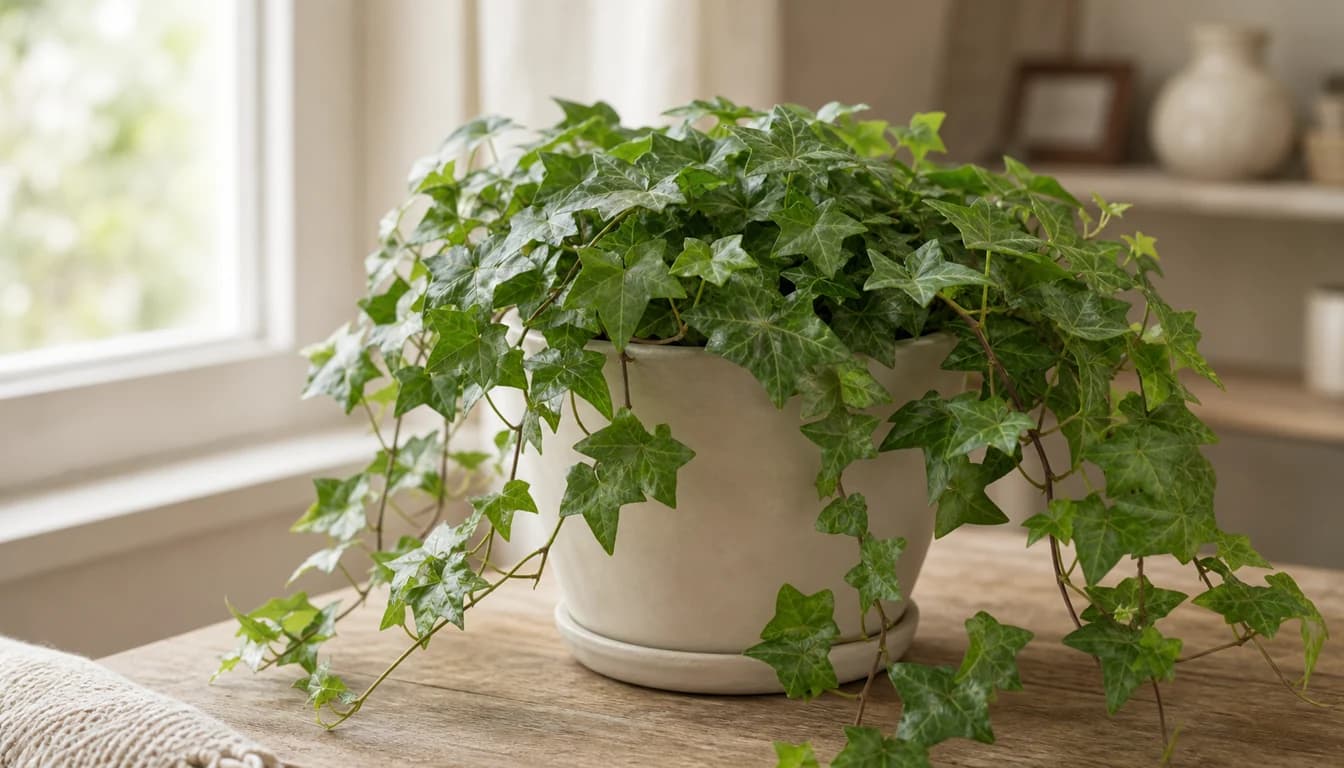
English Ivy
English Ivy is a cool-room trailing vine, not a set-and-forget shelf plant. Keep it bright, trimmed, slightly moist, and isolated from outdoor spread.
 Houseplants
African Violet
African Violet is a windowsill bloomer that rewards steady, small-pot care. Keep water out of the crown, give bright indirect light, and feed lightly so the
 Houseplants
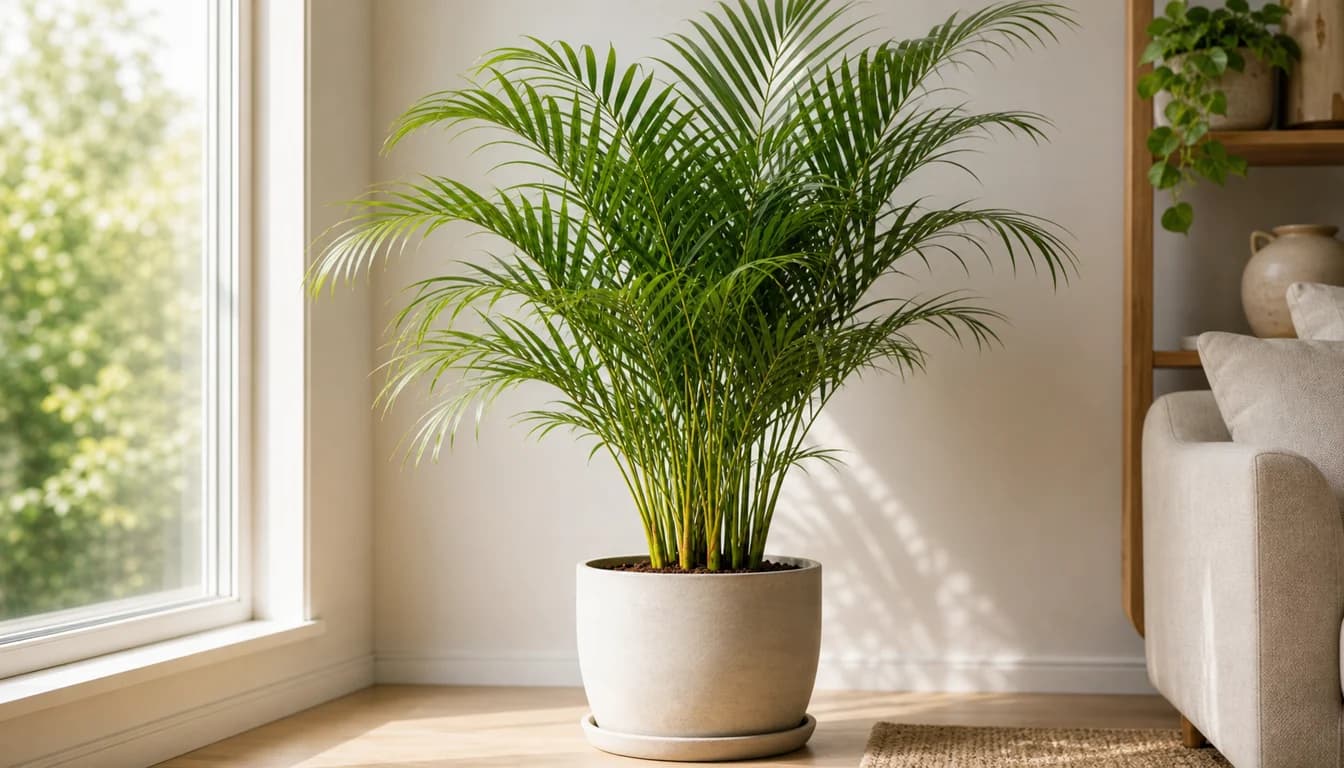
Areca Palm
Areca Palm is a cane-form indoor palm for bright filtered light and lightly damp soil, especially when you want soft, arching fronds without treatin
quiz
Frequently Asked Questions
Is Arrowhead Plant good for low light rooms?expand_more
Arrowhead Plant survives in low light but will grow slower and lose some variegation. For a truly low‑light corner, it is easier to keep foliage full with plants like ZZ Plant or Snake Plant, and place arrowhead a bit closer to a window.
How often should I water Arrowhead Plant indoors?expand_more
Water when the top 1 inch of soil feels dry, not on a fixed schedule. In bright, warm rooms this may be every 5–7 days, while in cooler or darker spots it can stretch to 10–14 days between waterings.
Can Arrowhead Plant grow outside year‑round?expand_more
Arrowhead Plant only grows outdoors year‑round in frost‑free climates like Zone 10–12. In colder regions, keep it as an indoor houseplant and move it outside only in warm weather, bringing it back in before nights drop below 55°F.
Can I grow Arrowhead Plant in water long term?expand_more
You can keep Arrowhead Plant cuttings in water for months, but they stay healthier in soil over time. Water lacks nutrients and oxygen, so roots can become weak. Pot rooted cuttings into soil once roots are 1–2 inches long.
How often should I repot an Arrowhead Plant?expand_more
Most Arrowhead Plant prefer repotting every 2–3 years. Move up only one pot size when roots circle the bottom or water runs straight through. Use the same approach you would when you repot other houseplants to avoid root shock.
menu_book
Sources & References
- 1.Syngonium podophyllum, University of Florida IFAS Extensionopen_in_new
- 2.Syngonium podophyllum, Missouri Botanical Garden Plant Finderopen_in_new
- 3.NASA Clean Air Study: Interior Landscape Plants for Indoor Air Pollution Abatementopen_in_new
- 4.University of Florida IFAS Extension – Syngonium podophyllum as a Houseplantopen_in_new
- 5.Missouri Botanical Garden – Syngonium podophyllum Plant Finderopen_in_new
- 6.ASPCA – Toxic and Non-Toxic Plants Listopen_in_new