Crepe Myrtle vs Lilac
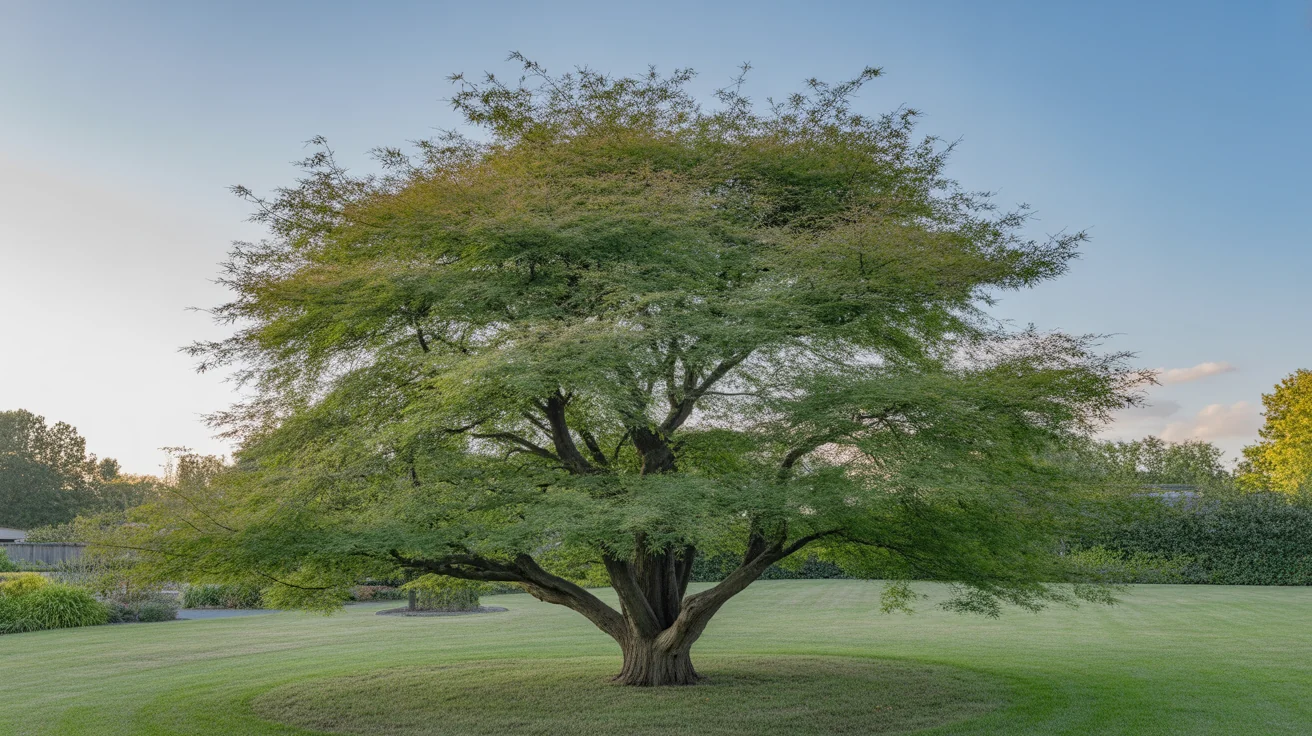
Choose Crepe Myrtle for a warm, sunny site and a long summer flower display. Choose Lilac for a cold-winter garden where spring fragrance matters more than late-season color.
Crepe Myrtle
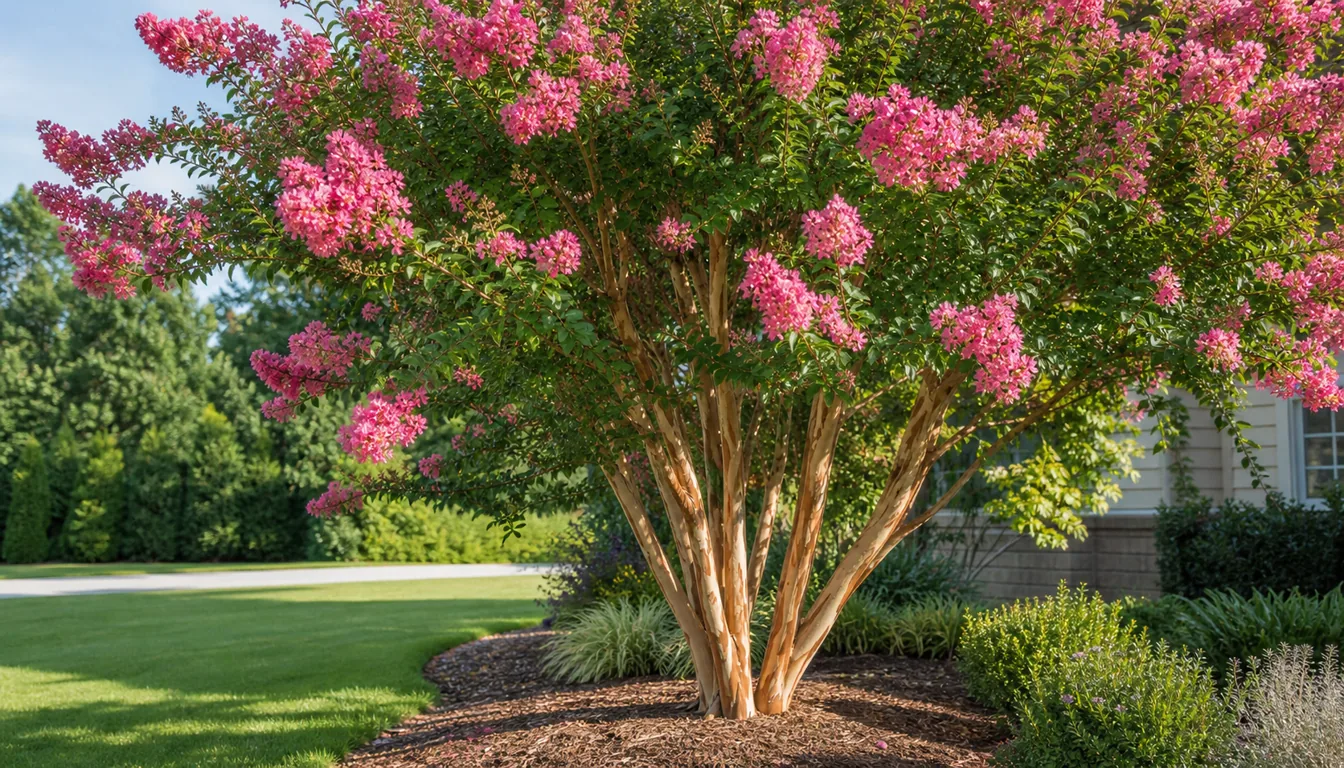
Lagerstroemia indica
Lilac
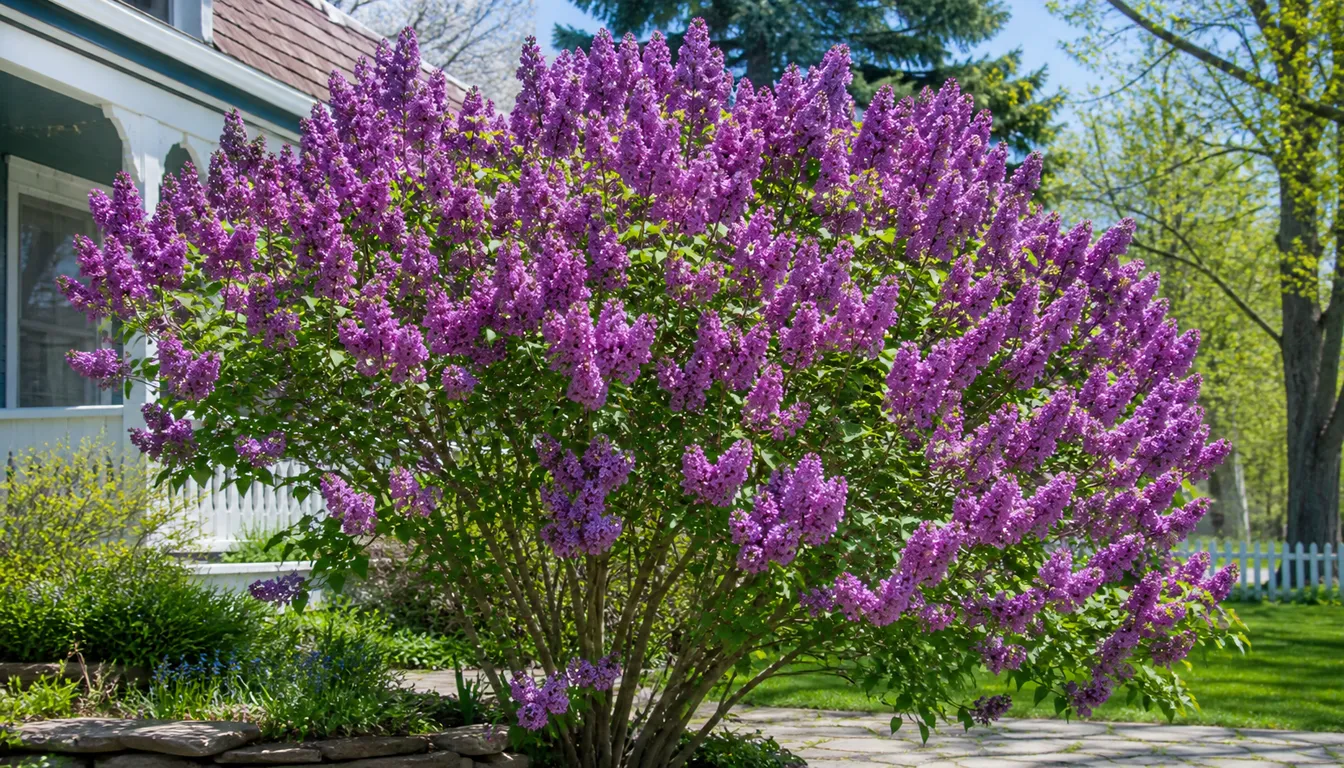
Syringa vulgaris
Crepe Myrtle and Lilac can both become large flowering shrubs, but climate separates them before flower color does. Crepe myrtle performs through hot summers, while common lilac is adapted to cold winters and needs that seasonal pattern for reliable spring bloom.
Choose crepe myrtle when the site has full sun, enough warmth for the selected cultivar, and room for its mature form.
Choose lilac when your garden falls within the cultivar's hardiness range and you want fragrant flowers for about two weeks in spring.
Check winter fit before bloom season, mature size, and pruning time. A plant that fails the climate check will not become a good choice because it wins one of the others.
Specifications
Compare the traits that change the growing decision.
| Feature | Crepe Myrtle | Lilac |
|---|---|---|
| Climate fit | Warm summers; hardiness varies by cultivar | Cold winters; commonly Zones 3–7 by species |
| Main bloom season | Summer into fall | Spring into early summer |
| Fragrance | Not the main feature | A defining feature of common lilac |
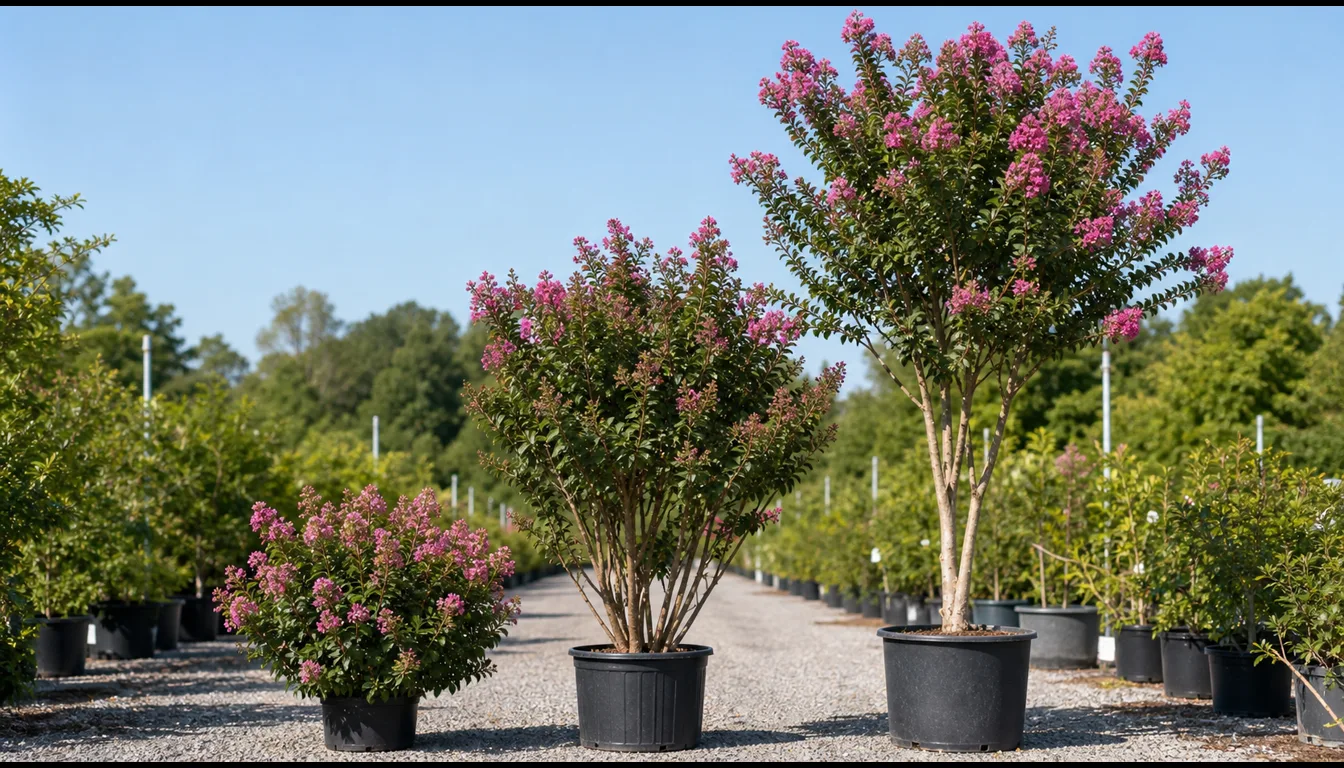
| Growth form | Cultivars range from compact shrubs to small trees | Multi-stemmed shrub that often produces suckers |
| Light | Full sun for best flowering | At least 6 hours of direct sun for best flowering |
| Pruning window | Before spring growth when correction is needed | Immediately after flowering |
| Common concern | Powdery mildew, bark scale, or damaging topping | Powdery mildew, crowding, or lost bloom from late pruning |
Read the climate and mature-size rows before comparing color. Both names cover cultivars with different dimensions, so the exact plant label and a local extension recommendation are more useful than a generic height promise.
The two pruning windows follow their flowering biology. Crepe myrtle flowers on new growth, while lilac sets the next year's flower buds after its spring display.
Best Use Cases
Choose by the job the planting needs to do.
Hot, sunny garden
Summer flowers and heat
Crepe myrtle flowers on new growth from early summer into fall, and established plants tolerate drought after the roots develop.
Common lilac can lose flowering quality where winters do not provide suitable cold and summers are persistently hot.
Cold-winter garden
Reliable spring bloom
Top growth on many crepe myrtles can suffer serious winter injury outside the cultivar's hardiness range, even when the roots survive.
The University of Minnesota lists lilacs for Zones 3–7, depending on species.
Flowers near a patio
Long display or strong scent
Crepe myrtle supplies visible color during summer and may continue into fall. Place it where fallen flowers, honeydew from aphids, or seed capsules will not create unwanted cleanup on cars and furniture.
Lilac supplies its strongest value in a shorter spring window. UMN reports that lilacs commonly bloom for 10–14 days, so pair them with other plants if the same bed needs flowers later.
Which plant fits your winter and summer?
Start with the coldest conditions the permanent branches must survive. A crepe myrtle that dies back to the ground may regrow, but that is a different landscape result from a multi-trunk specimen that keeps its structure.
Lilac has the opposite limitation. Common lilacs thrive in cold-winter regions, while inadequate winter chill and prolonged heat can reduce the spring flower display.
Use these checks before buying:
- Find your USDA hardiness zone, then read the range for the exact species and cultivar.
- Ask whether the listing describes survival of roots, stems, or the full woody plant.
- Confirm that the site receives full sun and drains after rain.
- Check local disease and pest pressure, especially powdery mildew and crepe myrtle bark scale.
- Measure overhead wires, walls, and paths against the listed mature size.
How do bloom season and placement change the choice?
Crepe myrtle fills a summer-flower job. Clemson Extension describes flower clusters beginning in early summer and continuing into fall, with the exact timing depending on cultivar.
Lilac fills a spring-fragrance job. Its 10–14 day display can be memorable near an entrance or seating area, but the shrub becomes a green framework after bloom.
That difference changes companion planting.
Place a lilac where later perennials or shrubs can carry summer color, and place a crepe myrtle where its canopy will not shade plants that need full sun.
Hard surfaces require another check.
Clemson notes that flowers on some crepe myrtles may stain vehicle paint and that aphid honeydew can fall on cars or patio furniture. Move the planting bed or choose another cultivar if that cleanup would be a constant nuisance.
Neither plant guarantees a hedge with no work. Lilac suckers and develops older woody stems, while crepe myrtle can outgrow a site when the chosen cultivar is too large.
Match the mature form to the space instead of planning to force it smaller every year.
Why do the pruning dates differ?
Crepe myrtle blooms on new growth. Corrective pruning can happen before spring growth, but routine topping produces weak, crowded shoots and destroys the natural trunk and canopy form.
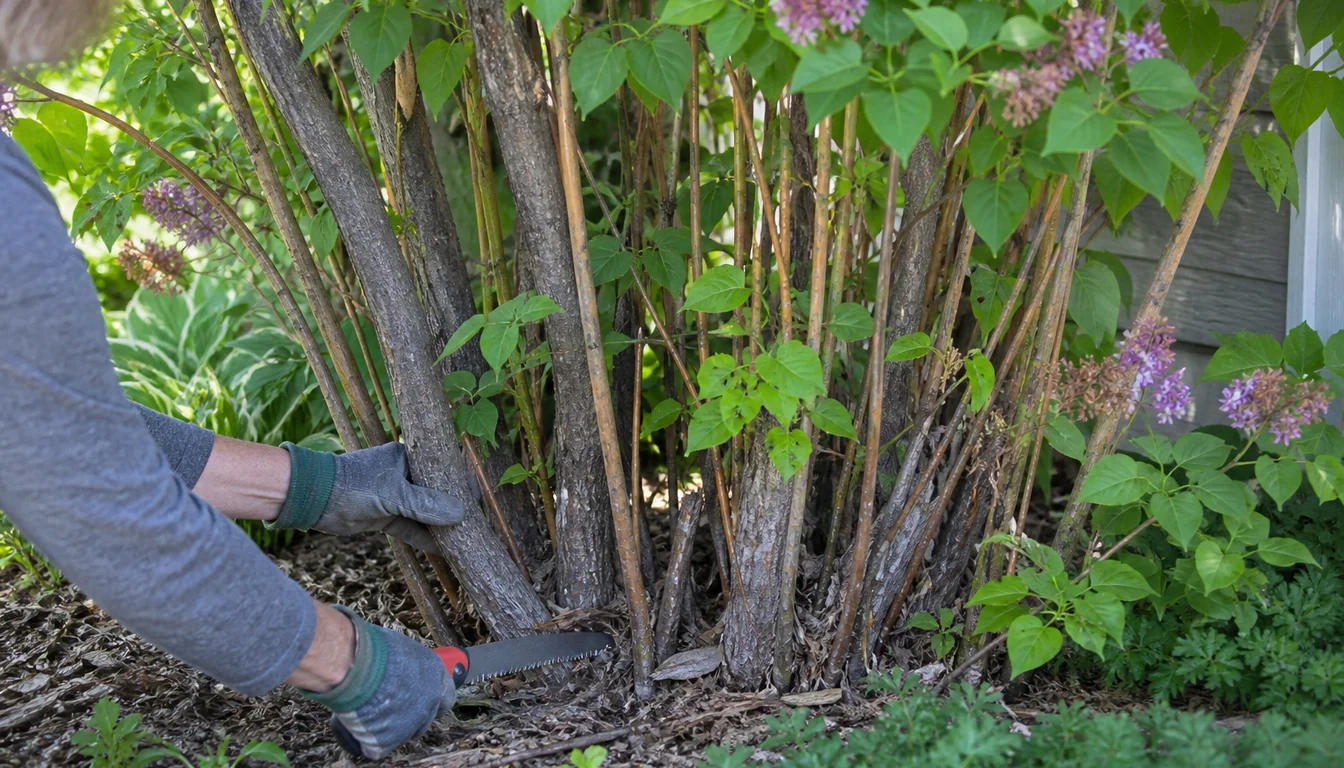
Lilac prepares next year's flower buds soon after the current flowers fade. Pruning in fall or late winter removes those buds, so UMN recommends pruning immediately after flowering.
For an older lilac, renewal is more useful than shearing the outside:
- After bloom, identify the thickest old stems at the base.
- Remove about one-third of those stems rather than cutting every branch to one height.
- Leave vigorous younger stems to replace the removed wood.
- Repeat in later years only as the shrub needs renewal.
Crepe myrtle needs a different sequence.
Remove dead, crossing, or badly placed wood, retain a sound trunk framework, and let the selected cultivar keep its natural outline.
Choose the plant whose normal size and pruning calendar fit the work you will actually do. Climate makes the first cut, but maintenance decides whether the planting still looks good years later.
Related Comparisons
Azalea vs Rhododendron: Which Fits Your Foundation Bed
Read Comparison
Peony vs Rose: Best Spring Blooms for Cut Flowers
Read Comparison
Boxwood vs Privet: Picking a Low-Maintenance Hedge
Read Comparison