
What's a Lilac? How to Keep Spring Flowers on Renewed Canes
Syringa vulgaris Oleaceae
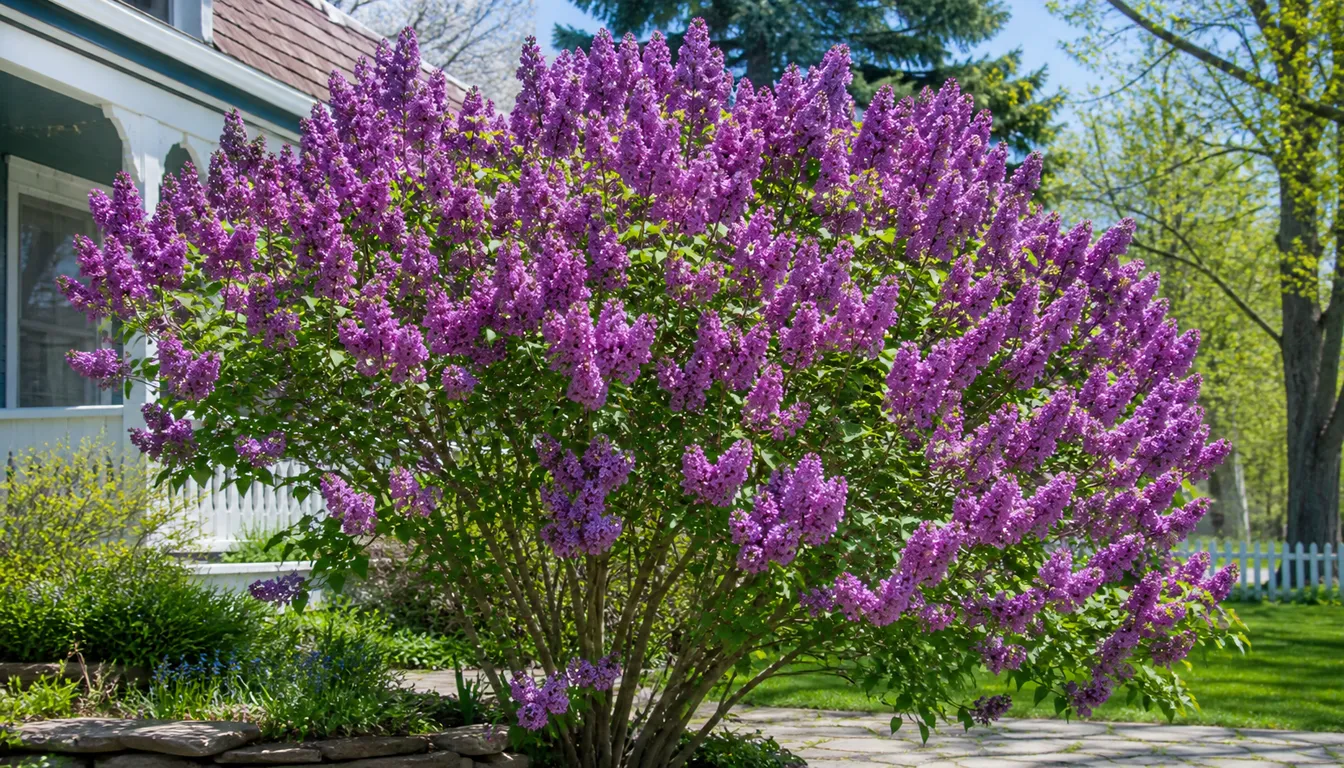
Lilac is a cold-climate fragrance shrub, not a generic flowering hedge. Give it full sun, alkaline-to-neutral well-drained soil, and post-bloom renewal pruning.
Most bloom failures come from shade, late pruning, warm winters, or old crowded canes.
Care snapshot
What Makes Lilac a Cold-Climate Fragrance Shrub?
The Lilac job is spring fragrance on a woody shrub that likes winter. It is not a long summer bloomer, and it is not a warm-climate evergreen.
The answer that comes first is simple, give Lilac full sun, cold winter rest, and pruning right after bloom.
Cutting in fall, planting in shade, or gardening where winters stay too warm all hurt flowering.
This separates Lilac from spring-versus-summer bloom decisions, where summer new-wood bloom competes with spring old-wood fragrance. Gardenia owns warm-climate fragrance instead.
For a direct season-by-season choice, use Crepe Myrtle vs Lilac before you plant both in the same small bed.
Lilac carries enough cultural weight to be New Hampshire's official state flower, a designation dating to 1919. That distinction reflects how deeply the plant is tied to old New England dooryards and farmhouses, not just a modern garden trend.
The genus name Syringa comes from the Greek word for pipe, a nod to the plant's hollow young stems, which were historically hollowed out to make reed pipes and flutes long before anyone bred it for garden fragrance.
Check Winter Chill Before Blaming Care
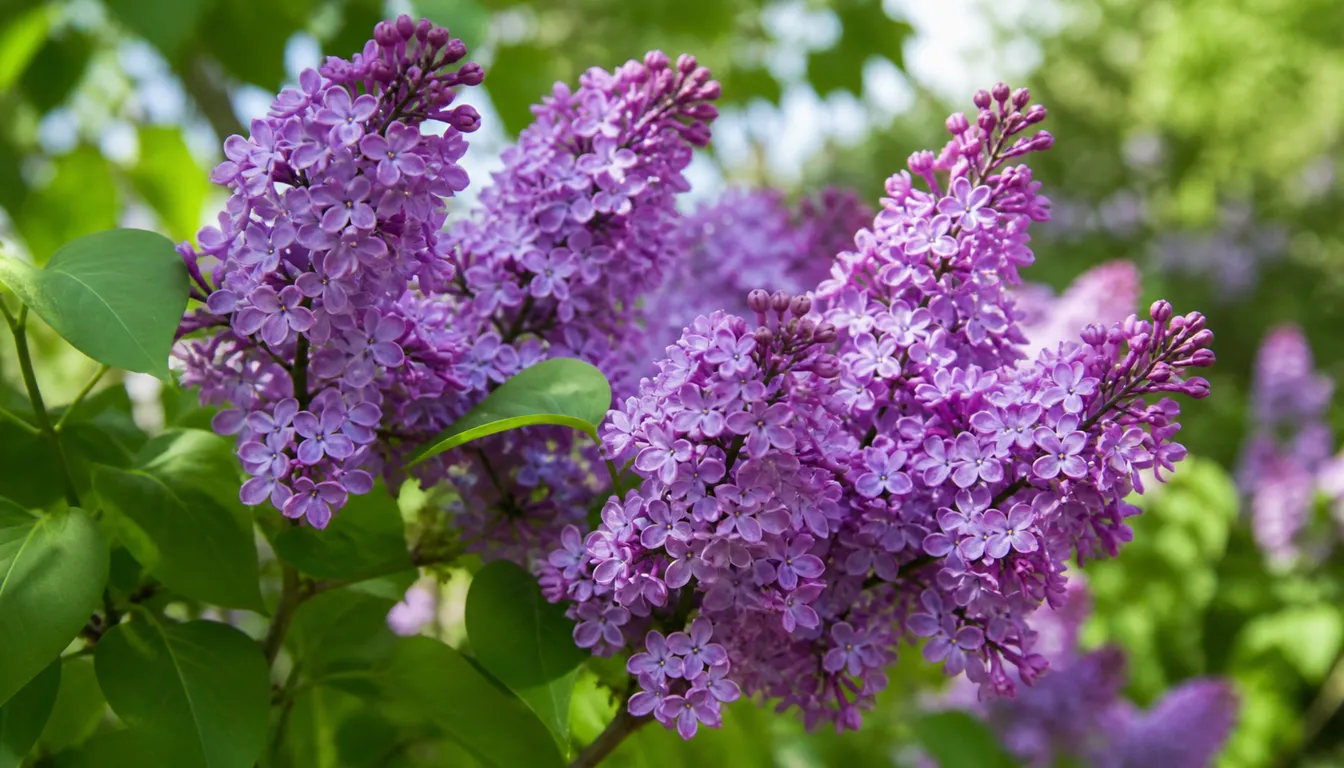
Common Lilac performs best where winters are cold enough to reset the plant. In warm climates, it may live but bloom poorly.
That is a climate limit, not a fertilizer problem.
If you garden near the warm edge, choose low-chill cultivars or a different fragrant shrub. Repeating a classic northern Lilac in the wrong climate will not make it act northern.
- Best climate
- Cold winters, sunny springs, and good air movement.
- Weak climate
- Warm winters where flower buds do not reset well.
- Warm alternative
- Use Gardenia or other region-suited fragrant shrubs.
Cold is part of the bloom recipe. Warm winter success stories usually involve cultivar choice, not better spring fertilizer.
In warm regions, Gardenia may be the better fragrance plant because it does not need the same winter chill.
If a neighbor grows Lilac well and yours will not bloom, compare winter exposure and sun before assuming the cultivar is the only difference.
Hardy and reliably blooming are not the same claim.
NC State puts common Lilac in Zones 3 to 7, and the trouble is at the warm end rather than the cold one.
Above Zone 7 a plant can live for years and still flower poorly, because winter stops delivering the sustained cold the flower buds need.
Sites next to a south-facing wall or driveway also warm up faster in late winter, which can coax buds open early enough to catch a late frost that a plant in open ground would have avoided entirely.
Choose a Cultivar by Mature Size and Rebloom
Straight species Common Lilac grows into a large multi-stem shrub, so a small yard usually wants a bred-down cultivar instead of the wild form.
Dwarf Korean Lilac, sold as Palibin, is the smallest true shrub form at roughly 4 to 5 feet tall and slightly wider. Its flower panicles run smaller than a standard Lilac but appear in dense clusters over the whole shrub.
Fragrance intensity also tracks bloom type more than most buyers expect, since heavily double-flowered cultivars are often noticeably less fragrant than simple single-flowered forms, a real tradeoff against the classic scent most people are actually chasing.
Miss Kim reaches about 6 to 8 feet tall and wide, blooms later than most Common Lilac cultivars, and can produce a light rebloom in late summer under good conditions.
Bloomerang blooms heavily in spring, then repeats sporadically through summer if sheared back after the first flush, finishing with another heavy round in fall. It stays compact at 4 to 6 feet, with smaller 4 to 5 inch panicles than a full-size heritage cultivar.
Heritage French hybrids such as Michel Buchner keep the classic 8 to 10 foot rounded form and double flowers that have stayed popular for well over a century, useful when the straight species footprint fits the space.
Older French hybrids are sometimes grafted onto privet or Common Lilac rootstock, and that graft union can fail after several decades, so an own-root plant, though slower to reach full size, avoids that long-term risk entirely.
A visible bulge or knobby ridge right at the soil line, where a different bark texture meets the main trunk, is the easiest way to spot a grafted plant before buying. An own-root shrub transitions from root to stem smoothly with no such seam.
One more naming trap is worth flagging before you buy. Japanese Tree Lilac, Syringa reticulata, is a real lilac species too, but it grows as a small tree with white flowers that open in early summer, well after Common Lilac finishes, and it does not carry the same purple fragrance most buyers are picturing.
- Dwarf Korean (Palibin)
- 4-5 ft, smallest true shrub form, dense small clusters
- Miss Kim
- 6-8 ft, later bloom, light fall rebloom possible
- Bloomerang
- 4-6 ft, sporadic summer rebloom if sheared, heavy fall flush
- French hybrid (Michel Buchner)
- 8-10 ft, classic full-size double-flower form
Full Sun Builds the Flower Buds
Lilac needs 6 or more hours of direct sun for strong flower clusters. In shade, it often grows leaves and long stems but sets fewer buds.
If the plant blooms only on one side, look at the light map.
A fence, garage, or tree canopy may be shading the weaker side during the bud-building season.
Air matters too, since tight, damp sites raise powdery mildew pressure. Sun and airflow make the shrub easier to keep clean without constant treatment.
A sun map helps more than a bloom booster. If nearby trees leaf out before buds finish forming, the shrub can look healthy while quietly losing next year flowers.
In hotter climates, a little afternoon shade can protect open flowers from fading fast in intense heat, even though the shrub still needs the same total hours of sun to set buds in the first place.
Use Drained Soil and Avoid Sour, Wet Roots
Unlike acid-loving shrubs such as azalea, Lilac usually prefers neutral to slightly alkaline soil. Wet acidic clay is a poor fit.
A quick drainage check works well here, dig a hole about a foot deep, fill it with water, and see how long it takes to drain. If water is still standing after several hours, that spot needs a raised planting area instead of soil amendments alone.
A soil test is worth running before planting a long row, since Lilac does best around pH 6.5 to 7.5 and struggles quietly in strongly acidic ground even when nutrients look adequate on paper.
Plant high enough that the crown stays dry and the root flare is visible. Heavy mulch against old stems can hold moisture where borers and rot problems begin.
Keep mulch about 2 to 3 inches deep and pulled back a few inches from the trunk, since a thick collar piled against the stems is exactly the damp, dark spot that invites rot and the borers already covered above.
Water new plants deeply during establishment. Mature Lilac handles normal dry spells better than constant wet soil.
- Choose open soil that drains after rain.
- Avoid lawn sprinklers that wet leaves every evening.
- Keep grass from crowding the base.
- Feed lightly only after checking sun and pruning history.
Prune After Bloom and Renew Old Canes Slowly
Lilac blooms on old wood, so timing is everything, and the right cut comes right after flowers fade.
Late cuts remove next year buds before you ever see them.
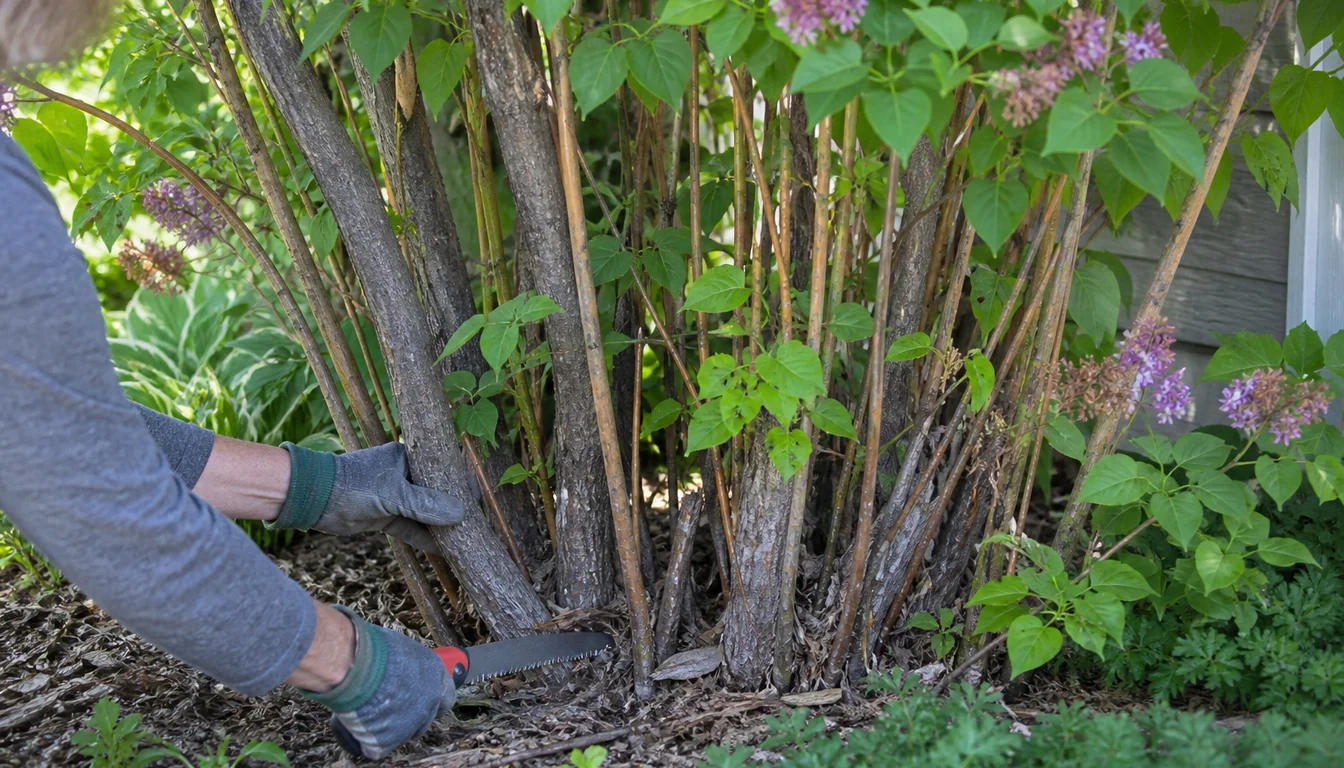
For an old shrub, remove a few of the thickest canes at ground level each year. This brings in young wood without erasing the whole spring show.
For a badly overgrown shrub, a full renovation cuts every stem back to 6 to 8 inches in late winter, sacrificing bloom for about two seasons while a whole new framework of canes rebuilds from the base.
If you need exact timing across a mixed border, use shrub pruning timing for the calendar, then treat Lilac as an old-wood bloomer.
Do not shear Lilac into a tight wall. It needs cane renewal, sunlight inside the plant, and room for flower clusters.
Use flowering shrub pruning as the broad rule, then keep old-wood bloom in mind.
Deadheading spent flower clusters on a young plant can redirect a little energy from seed production into roots and new wood, though on an established, well-fed shrub the difference is small enough that most gardeners skip it entirely.
Diagnose No Blooms Before Adding Fertilizer
A Lilac without flowers usually comes down to one of four issues, not enough sun, wrong pruning time, warm winter, or old crowded canes.
Fertilizer is rarely the first fix.
Too much nitrogen can make the problem worse by pushing leaves over flowers. If the plant is lush and green but bloom is weak, stop feeding and look at light and pruning.
Young plants may also need time. A newly planted Lilac often spends its first seasons building roots and canes before making a full flower show.
Two to three years after planting is a realistic wait for a full show, since a young shrub is still investing energy into its root system and cane structure rather than flowers.
A late spring frost after buds have already opened is another real cause worth naming on its own, since it can blacken flowers outright in a single cold night with no pruning or fertilizer mistake involved. That same cold stress also weakens young shoots enough to make bacterial blight more likely to take hold right after.
- No flowers after fall pruning
- You likely removed next year buds.
- Leaves but no bloom
- Check shade and nitrogen.
- Old tangled shrub
- Renew a few oldest canes after bloom.
- Warm winter site
- Choose a low-chill cultivar or another shrub.
That diagnosis order keeps you from feeding a plant that really needs sun, chill, or better pruning timing.
Use Suckers Only When They Match the Plant You Want
Many Lilac shrubs send suckers from the base. Those can be moved if they come from their own roots, but grafted plants may send suckers that do not match the top.
Dig suckers with roots in early spring or fall, then water them through the first season.
Softwood cuttings taken in late spring to early summer, right after bloom, root faster than semi-hardwood cuttings taken later in the season, though both need more care than simple sucker division.
Do not let unwanted suckers turn the shrub into a thicket. Keep the strongest canes and remove extras while they are still small.
A rooting hormone dip on softwood cuttings improves the odds of success, though bare sucker division already works reliably enough that many gardeners skip hormone treatment for that method entirely.
A sucker divided while still small typically needs three to four years in its new spot before it blooms at full size, a wait roughly comparable to a young nursery plant establishing from scratch.
Keep Air Moving to Reduce Mildew and Borers
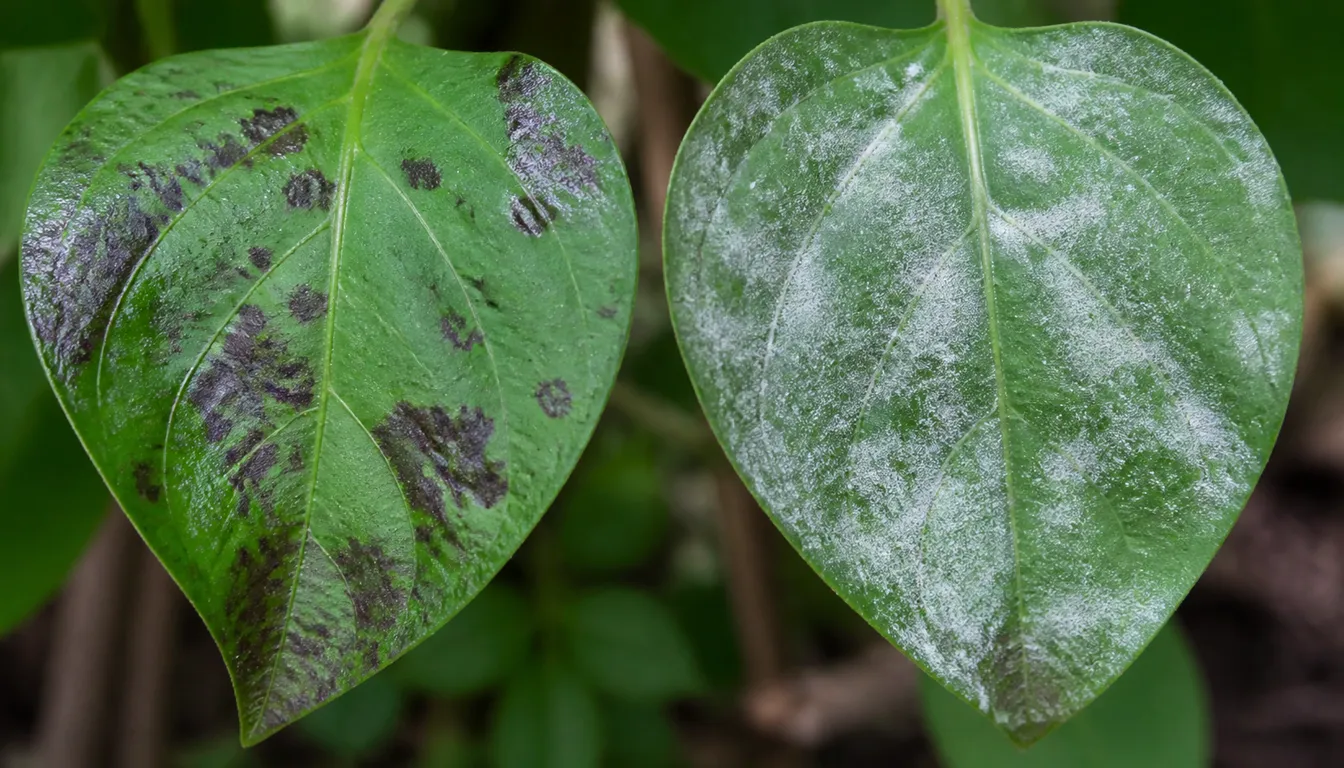
Powdery mildew is common on Lilac leaves, especially in crowded, damp, shaded sites. It looks bad late in the season, but it is often less important than fixing airflow and sun.
Bacterial blight looks different from mildew and shows up earlier in the season, as brown-to-black spots on leaves and young shoots after a cool wet spring, especially one that follows a late frost.
Borers are more serious because they enter stressed stems. Remove weak, old, or damaged canes during renewal pruning and keep the base open enough to inspect.
The lilac borer, a clearwing moth larva despite the name, is the specific culprit behind most serious stem damage, with adults emerging to lay eggs on rough bark or fresh wounds in May and June.
Sawdust-like frass pushed out of small holes low on the trunk is the clearest sign of an active borer, a symptom that looks nothing like the leaf spotting either mildew or bacterial blight cause.
For general pest decisions, use natural pest control with a narrow target. A broad spray is not a substitute for renewal pruning and better airflow.
If mildew appears every year, open the center during renewal pruning, since dry air inside the shrub matters as much as leaf treatment.
Oystershell scale is a smaller threat but worth checking on trunks and older branches, appearing as tiny grayish-brown ridged bumps that can crowd a stem if ignored for years. A dormant-season application of horticultural oil controls overwintering scale before new crawlers emerge in spring.
Reducing blight risk mostly means staying out of the shrub when it is wet, since working on damp foliage spreads bacteria from leaf to leaf on hands, tools, and clothing far more than dry-weather pruning does.
Four-lined plant bug causes a different signature again, leaving small brown-to-translucent spots scattered across new foliage in late spring, sometimes curling or distorting the leaf if feeding is heavy. It rarely threatens an established shrub and usually settles down within a few weeks without any treatment.
Know Pet Safety, Deer Resistance, and the Persian Lilac Mix-Up
No ASPCA or NC State record gives a pet toxicity classification for Common Lilac, so its safety for dogs and cats is unknown. If a pet eats a large amount, contact a veterinarian or ASPCA Animal Poison Control.
A name mix-up causes real confusion here. Chinaberry, Melia azedarach, is also sold and labeled as Persian lilac, and ASPCA lists it as toxic to dogs, cats, and horses, completely unrelated to true Lilac despite sharing that common name.
True Persian lilac, Syringa x persica, is an actual Lilac species, so the plant with the ASPCA toxicity listing is Chinaberry, from a different genus entirely.
Lilac also carries genuine deer resistance, and its spring flowers draw bees, butterflies, and other pollinators without needing any special planning.
Early-season pollinators benefit the most from a large fragrant Lilac in bloom, since spring flower sources are still thin compared to summer. Bumblebees and butterflies are the most frequent visitors, though the flowers offer little pollen reward for specialist bees that need it.
- Common Lilac (Syringa vulgaris)
- No pet toxicity record found
- True Persian lilac (Syringa x persica)
- A true Lilac species, not Chinaberry
- Chinaberry (Melia azedarach)
- Unrelated tree also called Persian lilac, toxic to dogs, cats, and horses
Place It Where Spring Scent Will Be Used
A Lilac should sit where spring scent reaches people, near a gate, path, porch, or open window. If it is buried at the back of the yard, you may miss the whole reason to grow it.
Pair it with later shrubs such as Rose of Sharon so the bed still has color after Lilac finishes. Spirea can handle a lower summer layer in front.
Cut Lilac stems make a classic spring bouquet, but they wilt fast in a vase unless picked and prepped correctly.
Cut stems in early morning while they are still cool, then strip the lower leaves before they reach the water. Split or crush the last inch of the woody stem, since a plain flat cut struggles to draw water up a stem this dense.
A row of Lilac spaced at its mature width can also work as an informal, unclipped screen or windbreak, though it needs far more width than a tightly sheared evergreen hedge.
Fragrance also carries best on still, humid evening air, not the middle of a breezy afternoon. A spot near a porch, patio, or bedroom window used at dusk gets far more benefit from the scent than the same shrub tucked along a side yard nobody visits after work.
Underplanting the base with spring bulbs such as daffodils or early tulips works well too, since their bloom overlaps Lilac's own show and neither one competes for root space once the bulbs go fully dormant and fade from view well before summer heat arrives.
Frequently Asked Questions
Why is my Lilac not blooming?
Lilac usually fails to bloom because of shade, pruning at the wrong time, warm winters, or old crowded canes. Check those before fertilizing.
When should I prune Lilac?
Prune Lilac right after flowering. It blooms on old wood, so late pruning removes next spring buds.
Does Lilac need full sun?
Yes, Lilac needs at least 6 hours of direct sun for strong bloom. More sun also helps reduce mildew pressure.
Can Lilac grow in warm climates?
Common Lilac performs best with cold winters. Warm-climate gardeners should choose low-chill cultivars or a different fragrant shrub.
Sources & References
- University of Minnesota Extension: Lilacs for Minnesota
- Missouri Botanical Garden Plant Finder: Syringa vulgaris
- Cornell University: Growing Lilacs in the Home Garden
- Syringa vulgaris, Missouri Botanical Garden Plant Finder
- Lilacs in the Landscape, Iowa State University Extension
- Common Lilac, USDA NRCS Plant Guide
- Syringa vulgaris (Common Lilac, English Lilac, French Lilac) | North Carolina Extension Gardener Plant Toolbox
- Toxic and Non-toxic Plants: Chinaberry Tree | ASPCA
Related Plants
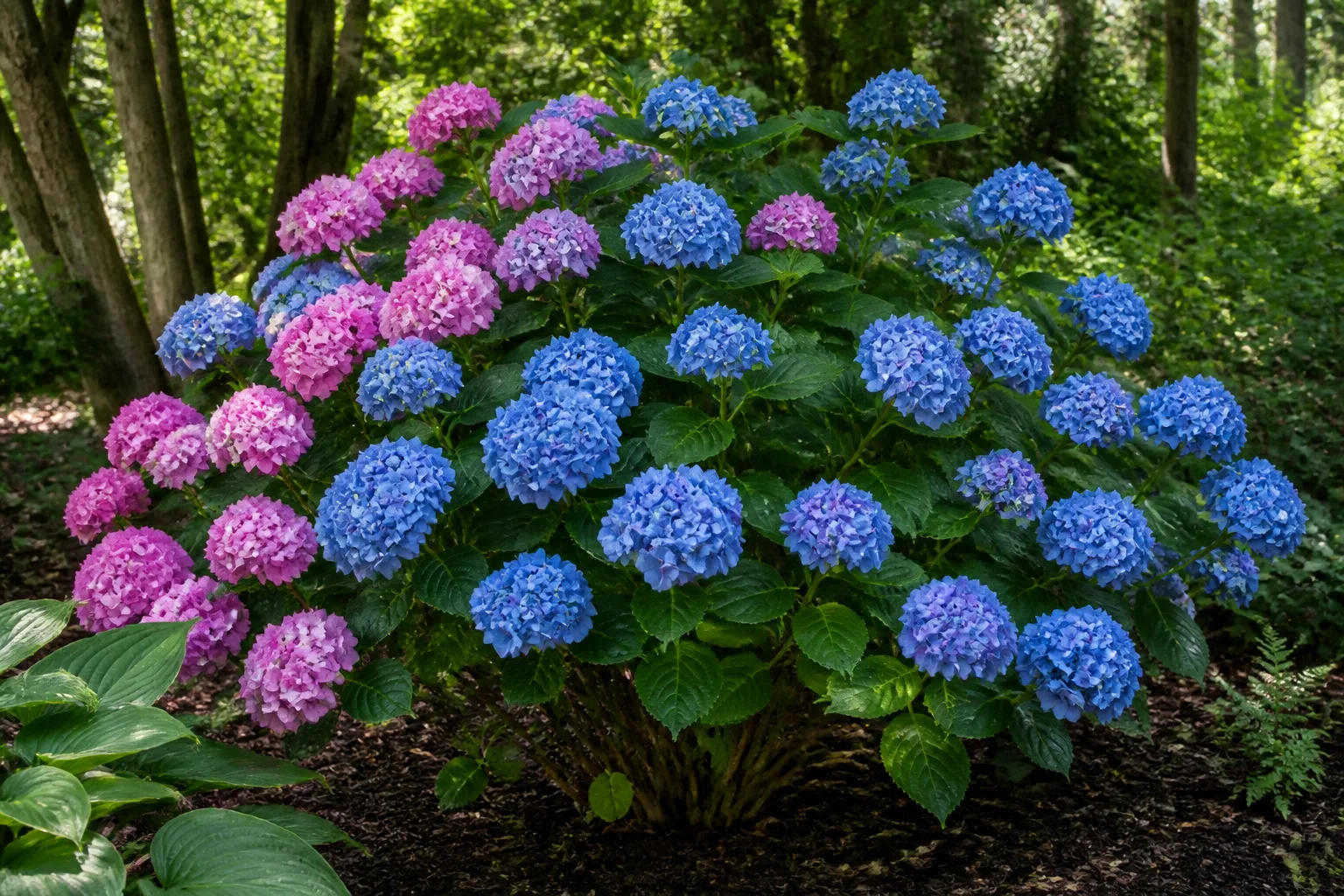
Bigleaf Hydrangea
Big summer-blooming shrub for part shade that pairs well with spring lilacs.
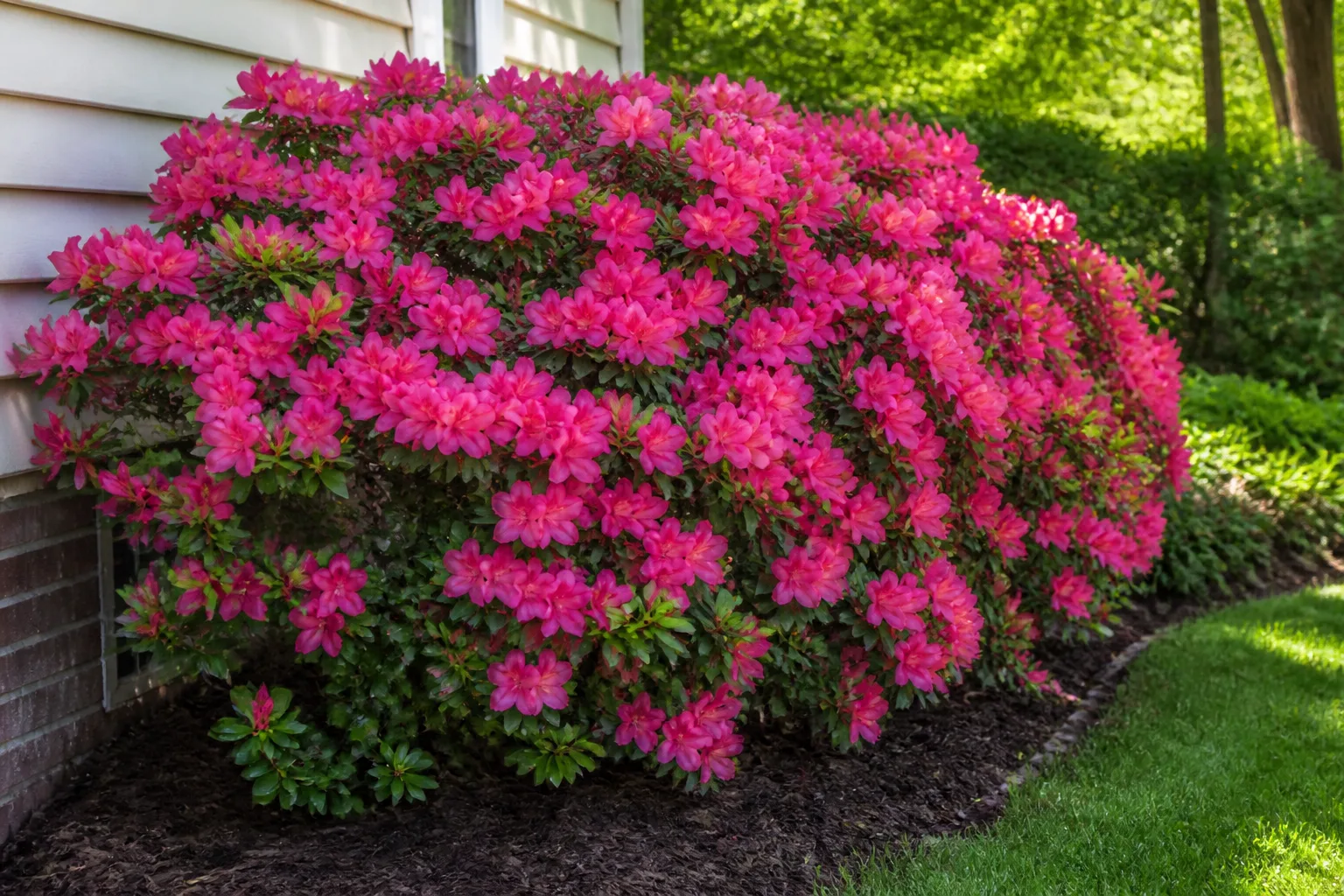
Azalea
Acid-loving flowering shrub that can extend your spring color season.
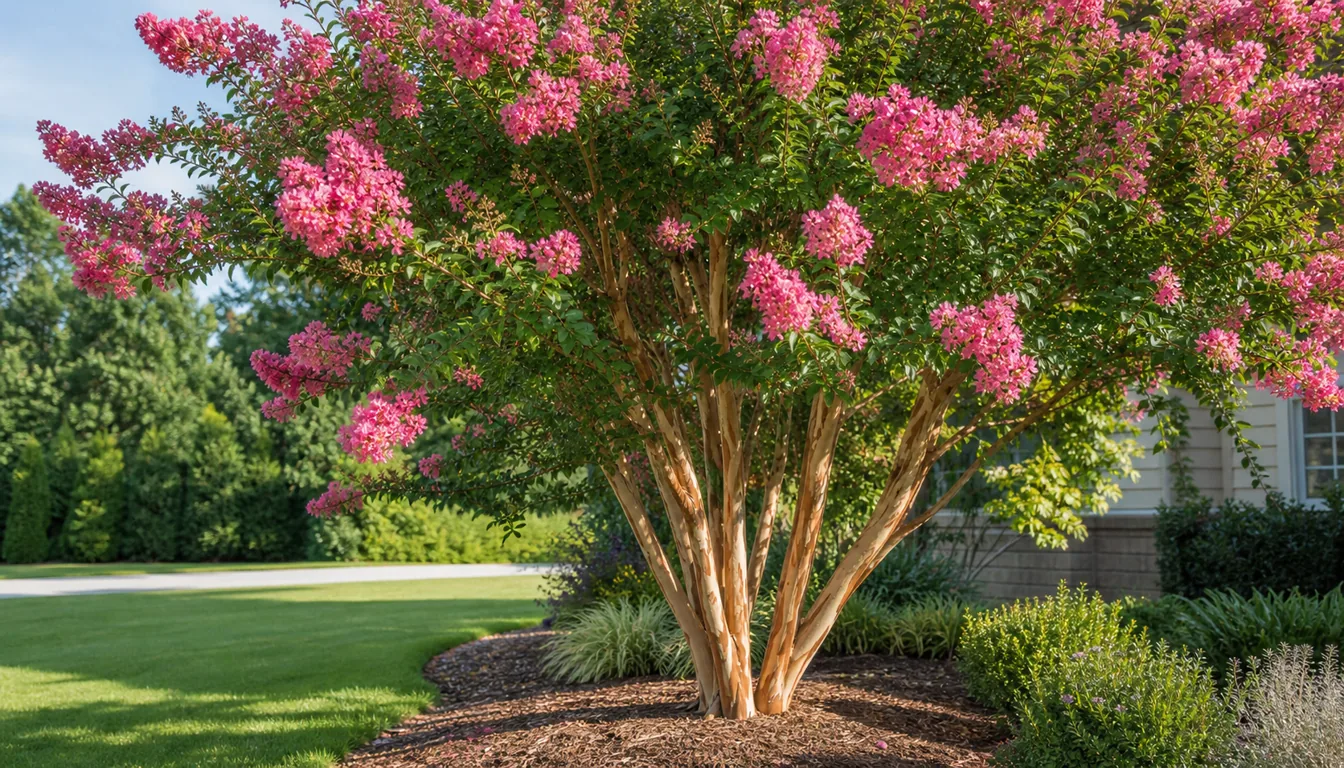
Crepe Myrtle
Warm-climate flowering shrub or small tree that fills the summer gap after lilacs fade.
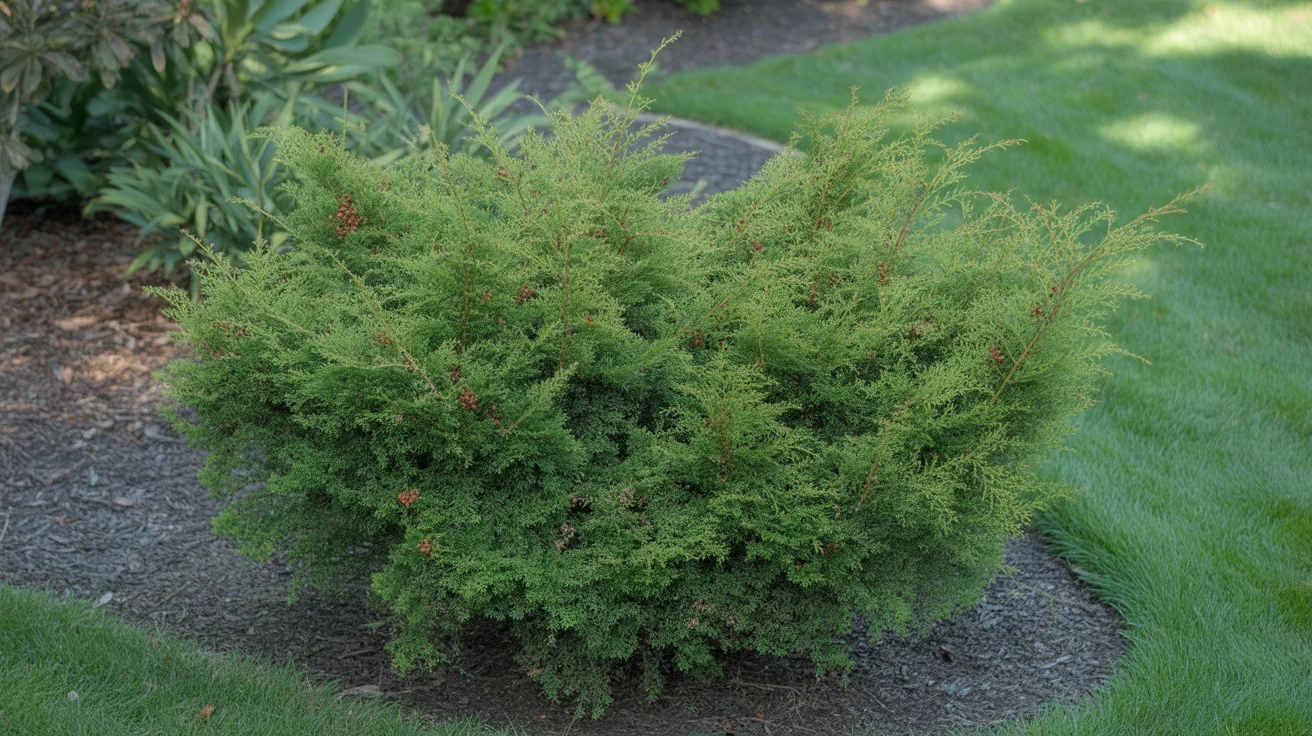
Arborvitae
Arborvitae can form a dense living screen where its mature width, exposure, and water needs fit the site.
Aucuba
Aucuba is the shrub for bright shade with dry root competition. It keeps evergreen structure near north walls, porches…
Barberry
Japanese barberry (Berberis thunbergii) is a thorny, deer-resistant shrub whose berries birds carry into woods, so…