
When to Harvest Rosemary for Maximum Flavor
Good rosemary is all about timing. Cut too early and you get tiny, weak sprigs. Cut too late and the leaves turn woody and flat. Knowing exactly when to harvest rosemary means better flavor in the kitchen and a healthier plant long term.
Below, we will walk through the signs your plant is ready, how timing shifts between zones 5–11, and how often you can cut without stressing it. If you also grow other kitchen staples like backyard basil plants, these timing tricks will feel familiar. Low-growing herbs like thyme follow a similar cut-and-regrow rhythm.
Know What “Ready to Harvest” Looks Like
The easiest way to tell rosemary is ready is the stem texture. You want sprigs that are firm but still bend without snapping, with needles that are deep green and fragrant when rubbed.
Stems that feel soft and floppy are still juvenile growth. Those are more likely to wilt after cutting and do not dry well, similar to how very young mint shoots flop in a vase.
Check length too. Aim for stems at least 4–6 inches long before you start cutting. This gives you enough to harvest while leaving leaf-covered growth below the cut.
Color is your third clue. Healthy harvest-ready rosemary has even medium to dark green needles. Yellowing or bronzed tips signal stress, not ripeness, and are better addressed using general watering habits than harvesting.
Crush one needle between your fingers. A strong piney, camphorlike scent means the aromatic oils are developed. If the scent is faint, wait a week or two and check again.
Never harvest from plants that are pale, wilting, or dropping needles. Fix the stress first, then resume cutting so you do not finish off a struggling plant.
Best Season and Time of Day to Cut
Season matters more than the size of the sprig. In zones 8–11, outdoor rosemary often grows year-round, but peak flavor usually comes in late spring through early summer when growth is strong and the plant is not stressed by heat or cold.
In cooler regions like zone 5 or 6, the best harvest window runs from late spring to early fall. Plants behave more like hardy perennials such as garden lavender, slowing down hard as nights cool.
Within a single day, mid-morning harvest is ideal. Wait until the dew has dried, but before midday sun is harsh. Oils concentrate overnight, and cutting while the plant is still cool preserves them.
Avoid harvesting during or right after long rain spells. Waterlogged foliage dilutes oils and takes longer to dry for storage.
If your plant is blooming, you can still harvest. Many gardeners like the slightly softer flavor of sprigs cut right as flower buds appear, similar to how culinary sage tastes best just before full bloom.
Skip heavy cutting in late fall for in-ground plants in colder zones. Strong fall pruning encourages tender growth that winter can kill.
How Often You Can Harvest Without Hurting the Plant
Rosemary tolerates frequent light picking if you leave enough foliage behind. A simple rule is to never remove more than one-third of the plant at a time, similar to the mowing rule for cool-season lawns.
For a small first-year plant, that usually means a handful of stems once every 2–3 weeks during active growth. Larger established shrubs can handle weekly snips across the plant without blinking.
Rotate where you cut. Harvest from different sides each time instead of stripping one section bare. This keeps growth balanced and avoids lopsided plants that lean like an overgrown formal hedge.
If growth slows from heat, drought, or winter, give the plant a break. Let it push new foliage for a few weeks before you start cutting again.
If stems are not regrowing between harvests, you are cutting too hard or the plant needs better water, light, or nutrients.
Use plant size as the limit before you use the calendar.
- First-year plants: Light pinching only, every 3–4 weeks
- Established shrubs: Regular kitchen snips, weekly is fine in season
- Container rosemary: Slightly less frequent cuts unless you feed and water on schedule
- Recovering plants: No harvesting until you see strong new green growth
Differences Between Potted and In-Ground Rosemary
Container rosemary behaves differently from a shrub planted in the ground, mainly because roots are limited. Potted plants give you earlier usable sprigs, but they also bounce back more slowly from heavy cuts.
Outdoor in-ground rosemary, especially in zones 8–10, can grow into a small shrub. Once established, these plants handle big harvests that feel closer to pruning, much like shaping a small evergreen shrub for structure.
In containers, growth depends heavily on pot size, soil quality, and watering consistency. A 10–14 inch pot filled with quality mix will support more frequent harvests than a cramped 6 inch pot barely holding roots.
Indoor rosemary near a sunny window grows more like slow houseplants such as kitchen rosemary kept year-round inside. Light levels and dry indoor air slow it down, so harvest less often and focus on tip growth.
Container plants in cold climates give you a bonus harvest window. You can move them indoors before frost and keep snipping sparingly while garden plants sleep alongside dormant fruit trees outside.
The smaller the root space, the more conservative you should be with each harvest.
Match each cut to the root room available.
- In-ground shrubs: Can handle heavier seasonal cuts
- Large patio pots: Moderate harvests every 1–2 weeks in peak season
- Small windowsill pots: Light, occasional snips from outer tips
- Indoor overwintered plants: Very light harvest, mainly for fresh use
Caring for Rosemary After a Big Harvest
Heavy picking can shock a young plant if you do not follow it with some gentle care. Right after you cut, your goal is to help rosemary replace that foliage without stressing roots or drying out.
Water deeply after any large harvest, especially in containers. Moist (not soggy) soil helps the plant push new shoots, similar to how basil responds after a hard cut.
Skip fertilizer on the same day you harvest. Give it 3–5 days, then apply a light, balanced feed if your soil is poor or the plant is in a pot.
Overfeeding right after pruning can push weak, floppy growth instead of sturdy, flavorful stems.
In the ground, a mature shrub often needs no fertilizer at all if it shares a bed with other Mediterranean herbs like thyme clumps. Good drainage and full sun matter more.
Lightly tidy the overall shape after a big picking session. Trim a few extra tips so the plant keeps that dense, rounded look instead of going lopsided.
Avoid cutting into old, woody trunks when you are shaping. New growth comes best from the green, flexible sections, just like it does on woody sage stems.
- Water after harvest: Deep soak once, then let the top inch of soil dry again
- Fertilizer timing: Wait a few days, then use a diluted organic feed in pots
- Shaping trim: Snip extra tips to even things out, but stay on green wood
- Mulch use: Keep a thin 1–2 inch layer of mulch, but never pile against the main stems
Seasonal Timing: Year-Round Harvest Strategy
Cooler months and hot summers change how aggressively you can cut. A smart harvest schedule follows your local seasons instead of the calendar printed on seed packets.
In zones 7–10, outdoor plants can be clipped lightly almost all year. Growth slows in winter, but you can still snip a few tips for cooking without harm.
Colder spots like zone 5 need more caution. Treat rosemary more like borderline-hardy shrubs such as outdoor lavender, and avoid heavy cutting within 6–8 weeks of your first hard frost.
Never take more than light kitchen handfuls from a plant heading into winter dormancy.
Spring is your best time for a bigger harvest that still keeps the plant happy. New growth is tender and fragrant, and the plant has months of warm weather ahead to recover.
Summer harvesting works well if soil does not stay wet. Dry, hot spells with poor drainage can stress rosemary, especially near thirstier vegetables like tomato plants.
Fall is ideal for cutting larger bundles for drying in warmer zones. In cold regions, shift to much lighter picking and focus on protecting the root system.
- Spring focus: Larger cuts for drying and freezing, strong regrowth window
- Summer focus: Smaller, frequent snips; watch soil moisture and heat
- Fall focus: Moderate harvests in warm zones, light only in cold zones
- Winter focus: Tiny cuts from evergreen plants, protection more than production
Drying, Freezing, and Storing Harvested Sprigs
How you store rosemary has a big impact on flavor. Harvesting at the right time is only half the job; keeping oils locked in finishes the work.
For short-term use, keep fresh stems in a glass of water on the counter, similar to how you handle fresh parsley bunches. Use them within 5–7 days for best flavor.
For drying, choose a cool, shaded spot with good airflow. Direct sun bleaches the leaves and cooks off essential oils, which defeats harvesting at the perfect stage.
Bundle 6–8 stems with string and hang them upside down. When leaves feel brittle and snap cleanly, strip them into airtight glass jars.
Freezing works better if you like that just-cut taste. Chop the leaves and pack them into ice cube trays with a little water or olive oil, then move cubes to freezer bags.
Wash and thoroughly dry stems before drying or freezing so you do not trap excess moisture and mold.
Label every jar and bag with the month and year. Dried leaves are strongest in the first 6–12 months; frozen cubes hold flavor even longer.
- Counter storage: Glass of water, change water every couple of days
- Drying bundles: Small, loose bunches to prevent mildew inside
- Freezer cubes: Equal parts chopped leaves and water or oil
- Container choice: Use glass over plastic when you can to keep aroma stronger
Troubleshooting Weak Growth After Harvest
Sometimes a plant sulks after you cut it. Slow regrowth, yellowing tips, or dieback from certain branches are all fixable if you catch the cause early.
Slow new shoots usually mean the roots are not happy. Check for drainage issues, especially in pots, the same way you would troubleshoot other Mediterranean herbs that hate wet feet.
Yellow or browning tips after a harvest often trace back to overwatering or poor air flow. Soil that stays soggy is more of a problem than a clean pruning cut.
More rosemary is killed by staying wet around the roots than by any reasonable harvest schedule.
If whole stems die back from the cut point, you likely went too far into old, woody growth. New buds live mostly on the greener sections, similar to semi-woody lavender shoots.
Scale insects or spider mites can also show up on stressed plants. Check the undersides of leaves and joints if you see speckling, sticky residue, or fine webbing.
Correct issues in this order, then give it time. Reduce watering, improve drainage, trim out dead wood, and consider a light feeding if the plant has not been fertilized all year.
- Check soil: Dig a finger 2 inches down; it should feel barely moist, not soggy
- Inspect cuts: Make sure you see green tissue, not hollow or blackened centers
- Look for pests: Sticky stems or tiny moving dots need treatment
- Watch timeline: Healthy plants usually show new tips within 2–4 weeks
Advanced Harvest Tips for Bigger, Bushier Plants
Once you are comfortable with basic harvesting, a few tweaks can increase both yield and plant health. Think of it as light pruning with a flavor bonus.
Plan cuts to favor outward-facing buds. Snipping just above these encourages the plant to spread rather than grow straight up, similar to shaping small boxwood shrubs.
Alternate which side you take the bulk of your stems from every 2–3 weeks. This keeps light reaching all parts of the plant and prevents one bare, shaded side.
Regular, thoughtful harvesting doubles as free pruning and keeps rosemary compact.
If you grow multiple plants, stagger your heaviest picking. Take more from one this week, then let it rest while you work another the following week.
In mixed beds with other herbs, match your timing. Harvesting rosemary, oregano clumps, and thyme together makes it easier to see which areas of the bed are staying too damp or crowded.
Keep dedicated “cutting plants” if you do a lot of preserving. Let one or two shrubs carry most of the big harvests, and keep a separate one near the kitchen door for lighter, cosmetic snips.
- Cut above buds: Angle snips just above leaf pairs that point outward
- Rotate plants: Share heavy harvests across several shrubs if you have them
- Pair tasks: Combine harvesting with quick inspection for pests or dieback
- Track results: Note which timing, season, and method gave the strongest regrowth
Pro Tips
- Cut rosemary just above a leaf pair so the stem splits and grows bushier.
- Harvest after the dew dries but before midday heat for the strongest aroma.
- Start with light pinching in the first year and save heavy cuts for older plants.
- Use clean, sharp scissors or pruners so you slice stems instead of crushing them.
- Rotate your harvest spots so no side of the plant gets stripped bare.
- Dry extra sprigs in small bundles in a warm, shaded, airy spot for later use.
- Avoid harvesting stressed or yellowing stems, which signal care problems instead of ripeness.
Frequently Asked Questions
Can I harvest rosemary in its first year?
Yes, you can take small snips in the first year once stems are at least 4–6 inches long. Only remove a tip or two per branch so the young plant builds a strong woody framework.
How late in the season can I harvest outdoor rosemary?
In mild climates, you can harvest lightly all winter. In colder zones, stop heavy cutting 6–8 weeks before your first hard frost and switch to very light kitchen snips only.
Is it better to harvest rosemary before or after flowering?
Flavor is strongest just before or as buds start to form, but you can harvest any time the plant is actively growing. For drying or preserving, many gardeners prefer cutting right before full bloom.
How much rosemary can I take from a single plant at once?
From a healthy, established shrub, you can usually remove up to one third of the green growth at a time. Leave plenty of leafy stems so the plant can photosynthesize and recover quickly.
Should I wash rosemary right after cutting it?
If you plan to use it fresh, a quick rinse is fine. For drying, wash gently if needed, then pat completely dry and air dry before hanging so you do not trap extra moisture in the bundles.
Sources & References
Related Guides
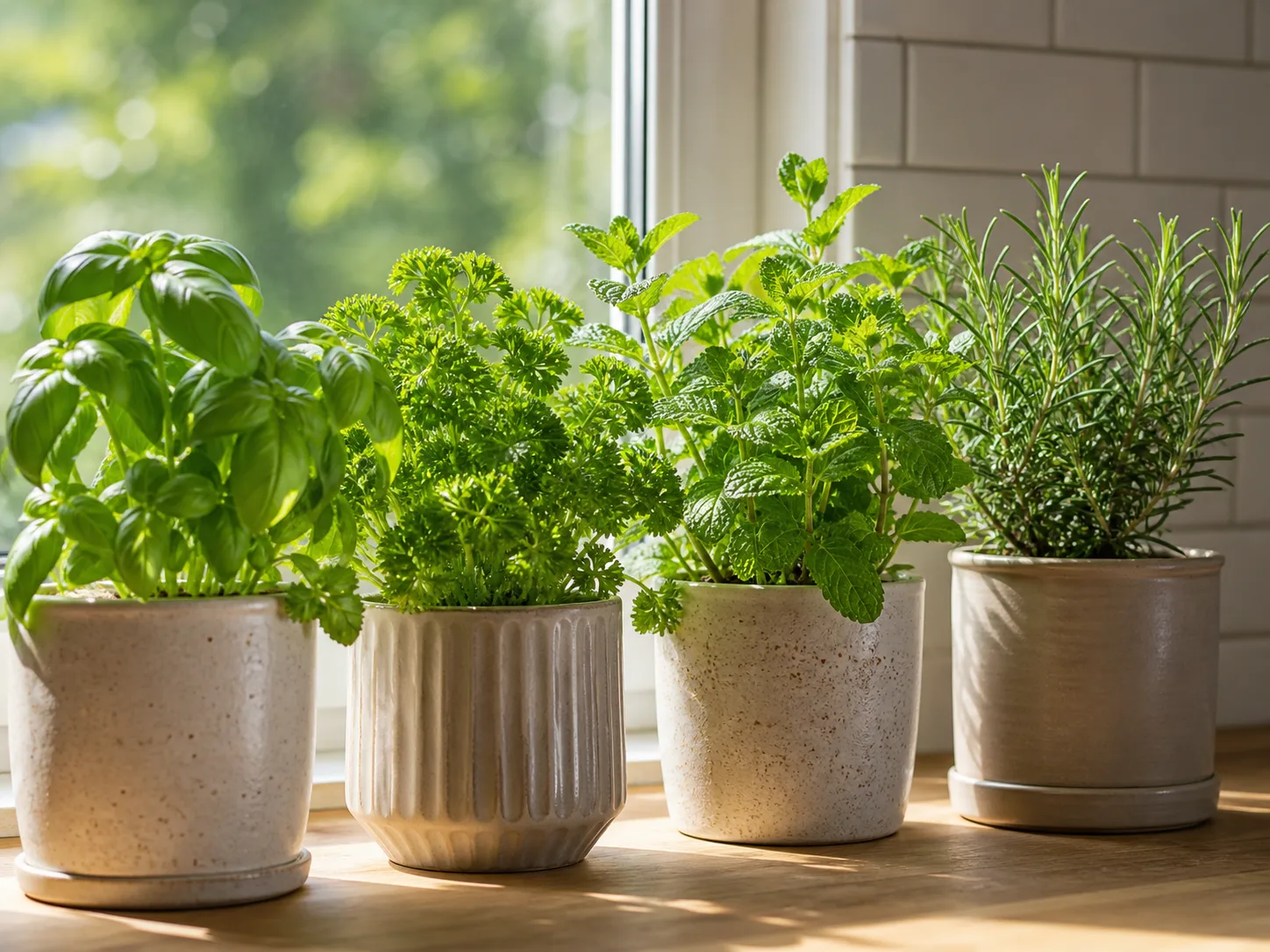
Best Herbs to Grow Indoors for Real Harvests, Not Spindly Pots
Indoor herbs only work when you match the plant to the setup. A sunny kitchen window can keep a few…
10 min readBest Indoor Plants for Every Room and Light Level
Growing plants indoors is one of the simplest ways to make a home feel alive, but picking the wrong…
13 min readBest Low-Light Plants for Dim Rooms and Shaded Corners
This guide helps you pick low-light houseplants that thrive in dim rooms, shows you how to assess…
12 min