
What's Fescue? How to Pick the Right One for Your Yard
Festuca spp. Poaceae
Fescue is not a grass, it is a genus. More than 450 species carry the name and about ten make turf, split into a coarse group led by tall fescue and a fine group of five shade-tolerant taxa.
This page sorts out which one a bag actually contains, which plants called fescue are not lawn grass at all, and which of the two groups belongs in your yard.
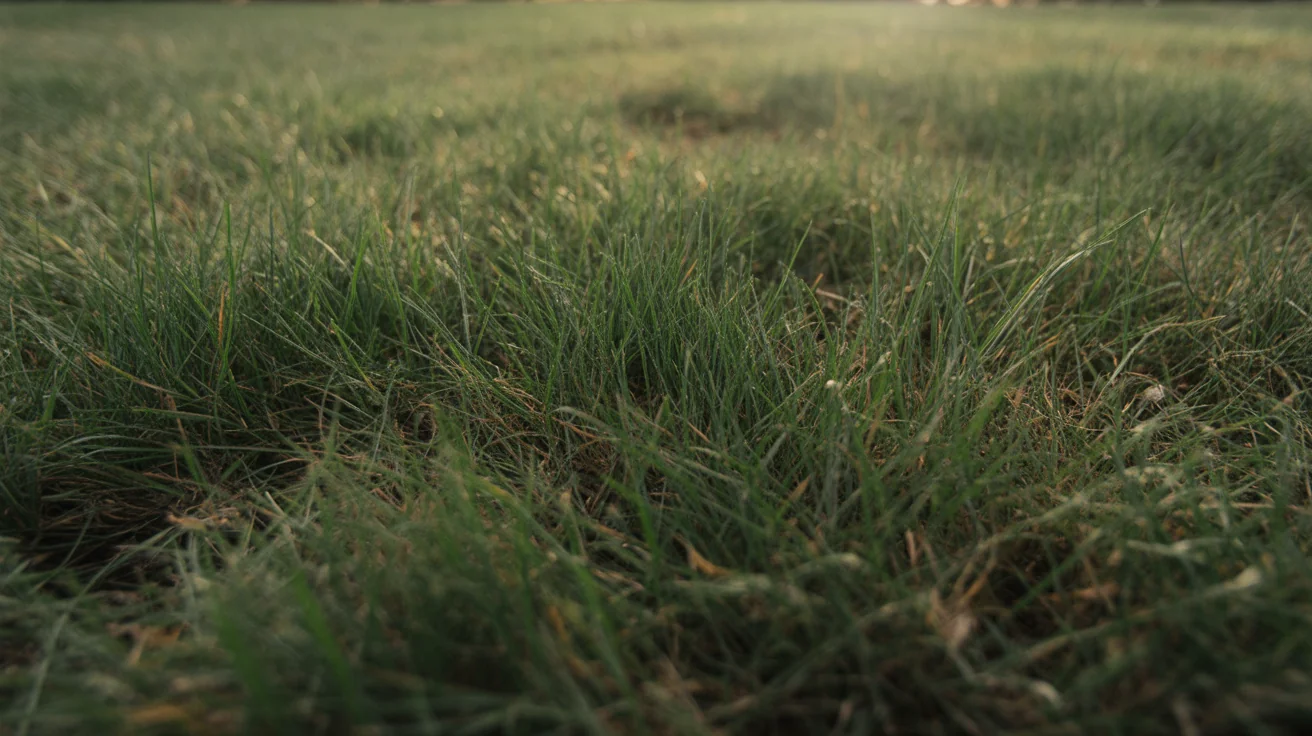
Care snapshot
Is Fescue One Grass or a Whole Genus?
A genus. Fescue is the common name for Festuca, a Latin word meaning stem or stalk, and asking for fescue at a garden center is closer to asking for a citrus than asking for a lemon.
The scale is larger than most people expect.
There are more than 450 fescue species, of which only about 10 have characteristics that suit them to turf at all.
The rest are pasture, prairie, woodland and ornamental plants.
Those ten split into two groups that behave nothing alike, and the split is simply leaf width.
Coarse fescues have wide blades.
Fine fescues have narrow, almost bristle-like ones. They differ in shade tolerance, fertilizer need, wear tolerance and seeding rate, so a single set of care numbers for fescue is worth very little.
- Tall fescue
- Coarse. Sun, heat, traffic and drought. The lawn grass of the group
- Meadow fescue
- Coarse. Mainly forage, occasionally overseeded into warm-season turf
- Strong creeping red
- Fine. The only one that spreads well, and the most common in seed bags
- Slender creeping red
- Fine. Few short rhizomes, excellent salt tolerance
- Chewings
- Fine. Bunch type, the best shade rating of the genus
- Hard and sheep
- Fine. Bunch types, the lowest fertilizer need and best drought resistance
The rest of this page sorts out which one you are holding, which ones are not lawn grass at all, and which of the two groups belongs in your yard.
What Counts as a Coarse Fescue?
Two species, and only one of them is a lawn grass.
The naming is genuinely messy, and it is worth seeing rather than glossing over.
Tall fescue appears in the literature as Festuca arundinacea, as Schedonorus arundinaceus, and as Lolium arundinaceum.
All three name one plant.
Meadow fescue is Schedonorus pratensis, formerly Festuca pratensis, and it also goes by English bluegrass.
- Tall fescue
- Festuca arundinacea / Schedonorus arundinaceus / Lolium arundinaceum. Lawns, roadsides, pastures
- Meadow fescue
- Schedonorus pratensis, formerly Festuca pratensis. Forage, used sparingly for overseeding
The two look similar in the field, both being coarse-leaved.
What separates them for a homeowner is that tall fescue is bred and sold for turf while meadow fescue is not, so a bag of the second is a bag of pasture seed.
Where the yard is warm enough that neither of them holds through summer, a warm-season grass such as zoysia takes over the job entirely.
Why Is Kentucky-31 the Wrong Fescue for a Lawn?
It is a forage-type cultivar, and forage is a different job from lawn. Kentucky-31, usually written K-31, is the tall fescue in the cheapest large bag on the shelf, and Colorado State discourages its use outright on the grounds that it provides poor quality turf.
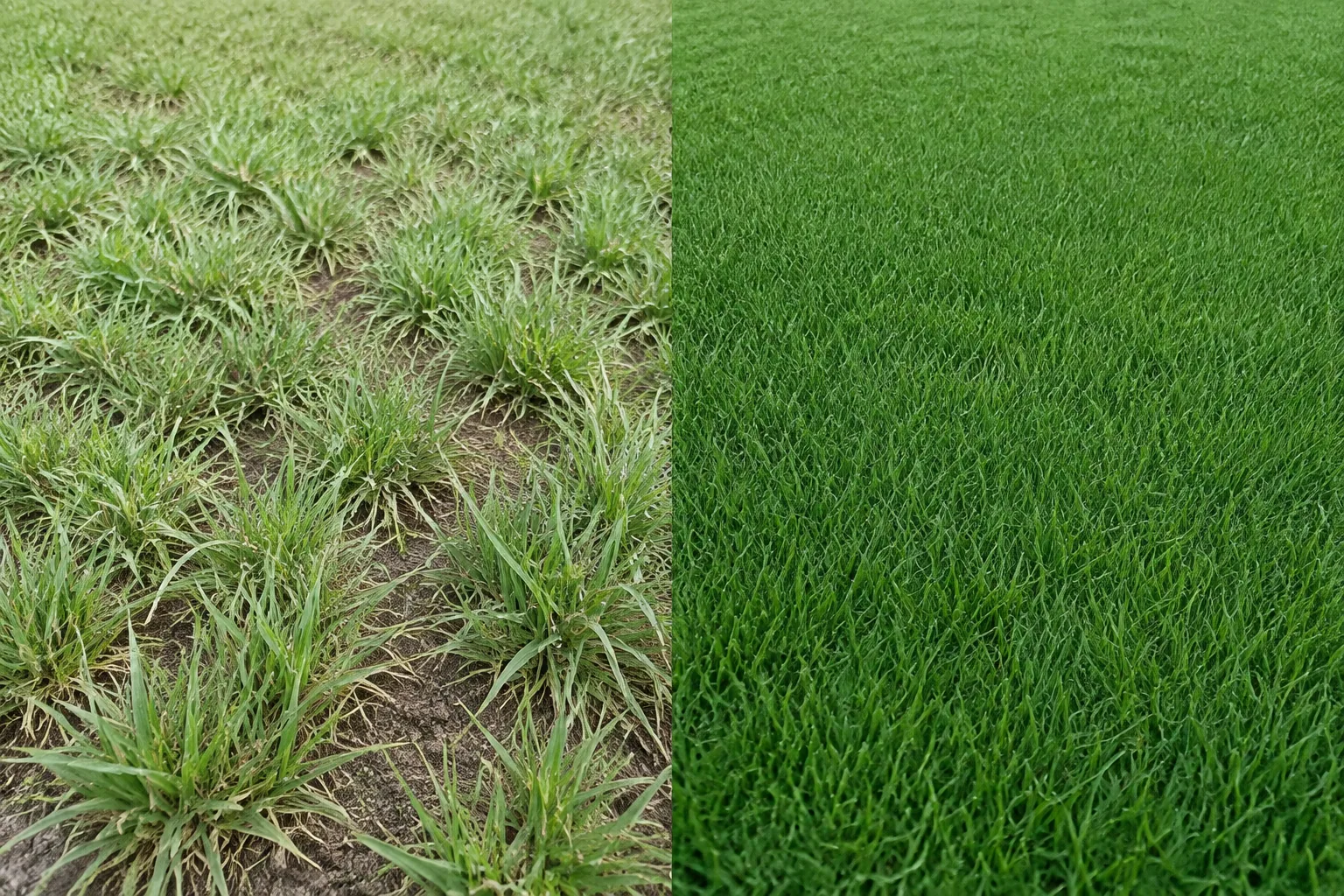
What you are looking at is one species behaving two ways.
Forage-type cultivars were selected to produce bulk for grazing animals, so they grow wide-bladed and clumpy with visible soil between the plants.
Turf-type tall fescue has a finer leaf texture than the old forage cultivars, and it is the one that makes a lawn.
The right purchase is a turf-type blend. Seed distributors combine two to five tall fescue varieties into one bag, which spreads disease risk across varieties, and those blends are generally cheaper than buying a single named variety.
Is Rhizomatous Tall Fescue a Different Grass?
No.
Some tall fescue cultivars do produce short rhizomes and get marketed as RTF, but these rhizome-forming cultivars are not a different species. They are tall fescue.
The distinction matters because of what people expect from the word. Tall fescue is otherwise a bunch grass with poor self-repair, so a short rhizome gives you limited local spread rather than the genuine self-knitting a rhizome grass like kentucky bluegrass does across a whole lawn.
What Counts as a Fine Fescue?
Five taxa, three of which are subspecies of the same plant. They are strong creeping red, slender creeping red, Chewings, sheep and hard fescue, and they share a very narrow bristle-like leaf that makes them soft underfoot and hard to tell apart.
One difference decides how the lawn behaves. Only the two creeping reds spread, using rhizomes to close small bare patches, while Chewings, hard and sheep fescue are bunch types that stay exactly where they were seeded.
Spreads well and makes good sod. The one most likely to be in a retail bag.
Spreads slowly, with excellent salt tolerance for a walk or drive edge.
Bunch type. The best shade rating of the whole genus.
Bunch type. Excellent drought resistance and good disease resistance on very low fertility.
Bunch type, powdery blue-green, the lowest nitrogen need. Almost impossible to buy at retail.
As a group they have potentially the best shade tolerance of any commonly used turfgrass, prefer low nitrogen, tolerate rocky, sandy and clay soil, and are very cold tolerant, which makes them an excellent high-elevation grass. The fine fescue page takes each of the five apart properly, including which ones you can actually buy.
Which Plants Called Fescue Are Not Lawn Grass?
Several, and the name gives you no warning. Of the 450-odd species in the genus, the ones you are most likely to meet under the fescue label are ornamental, wild or weedy rather than turf.
Blue fescue, Festuca glauca, is the one people actually buy by mistake. It is a common ornamental grass for landscape beds, grown as a tight silver-blue mound, and it is sold in pots beside plants rather than in bags beside lawn seed.
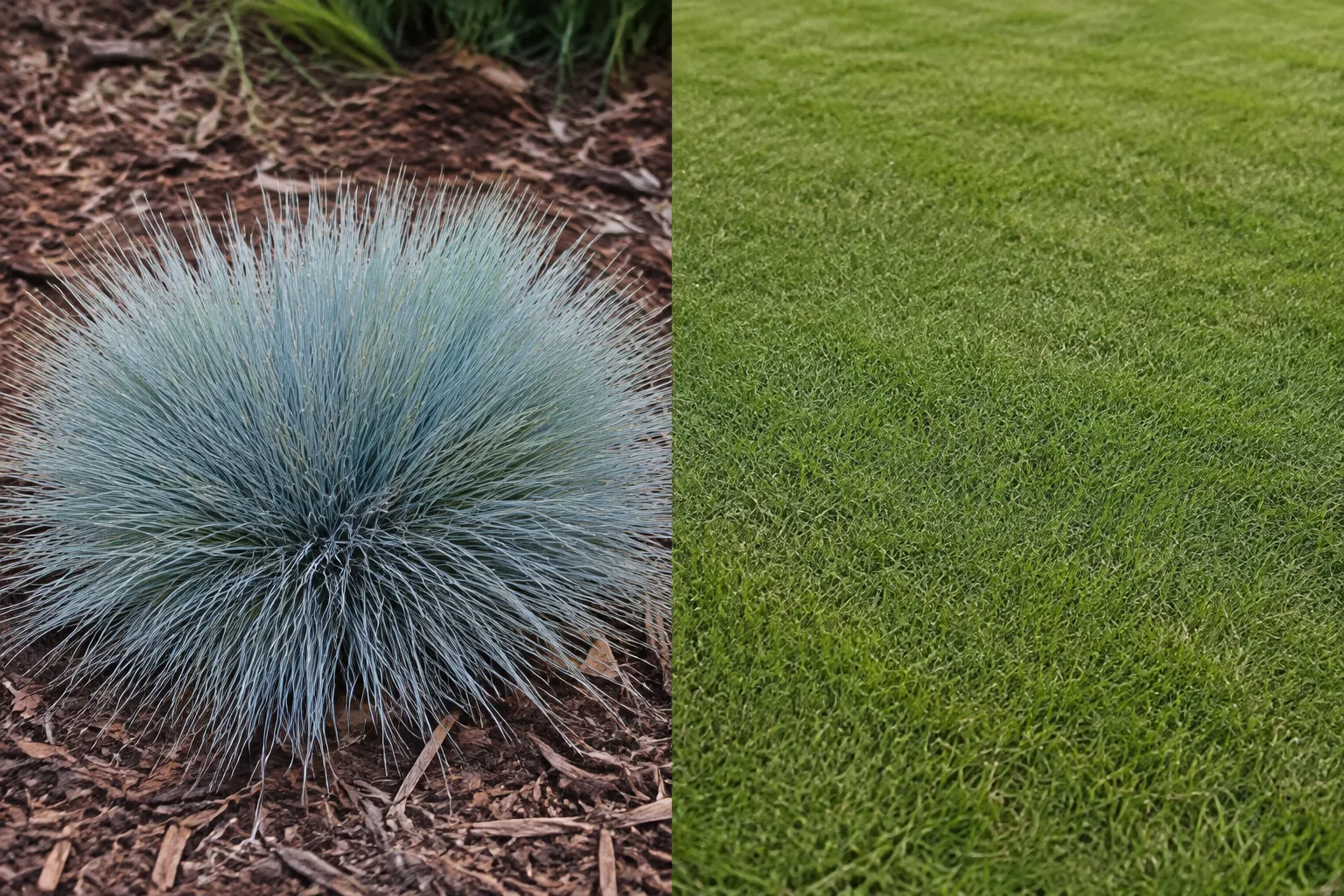
Festuca glauca. An ornamental for beds, not a turf grass at any mowing height.
Easily confused with sheep or hard fescue, but known as a ruderal weed and rarely used for turf.
Valued for the name, but not a fine-leaved fescue. Its texture is coarse, like tall fescue.
Wild species of western grasslands and woodland, found rather than planted as lawn.
Molate fescue sits in between, a rhizomatous red fescue used in grassland restoration and no-mow landscapes rather than in mown turf. Where a fescue looks unusual, the scientific name on the tag settles it faster than the common one ever will.
Tall Fescue or Fine Fescue for Your Yard?
For almost every yard the real question narrows to these two, and the answer is decided by sun and traffic rather than by preference.
Tall fescue is the choice for open sun, summer heat, foot traffic and dry spells. It establishes quickly, roots deeply enough to be genuinely drought resistant, tolerates wear, has few disease and insect problems, forms thatch slowly and still does well in moderate shade.
Its costs are real but narrow. Seeding can produce poor results unless done carefully, sod is less available than for bluegrass, heavy use by children or pets wears it enough to need overseeding, and if rooting is restricted by poor soil it may want as much irrigation as Kentucky bluegrass, or more.
Fine fescue is the choice for shade, poor soil and low input.
Very good shade tolerance, high leaf density, a preference for low nitrogen, and real tolerance of rocky, sandy and clay ground. It gives up wear tolerance to get there, recovers slowly from traffic injury, and may go dormant through one to two weeks of heat in the nineties.
- Open sun, heavy use
- Tall fescue, in a turf-type blend
- Shade under trees
- Fine fescue, or a mix of the two
- Poor, rocky or sandy soil
- Fine fescue, which prefers low fertility
- Hot summers, transition zone
- Tall fescue, for the deep roots
- Seeding rate
- Tall 6 to 8 lb, fine 3.5 to 6 lb per 1,000 sq ft
- Traffic recovery
- Tall fescue tolerates it, fine fescue recovers slowly
If the real comparison in your head is fescue against the other cool-season default, fescue against kentucky bluegrass puts the water and fertilizer numbers side by side.
A yard with both conditions takes both grasses. Fine fescues are routinely mixed with tall fescue to improve performance in the shaded parts of a lawn, which is a better answer than asking one grass to do two jobs it was not selected for, and fescue against bermuda settles the question in yards hot enough for both to be candidates.
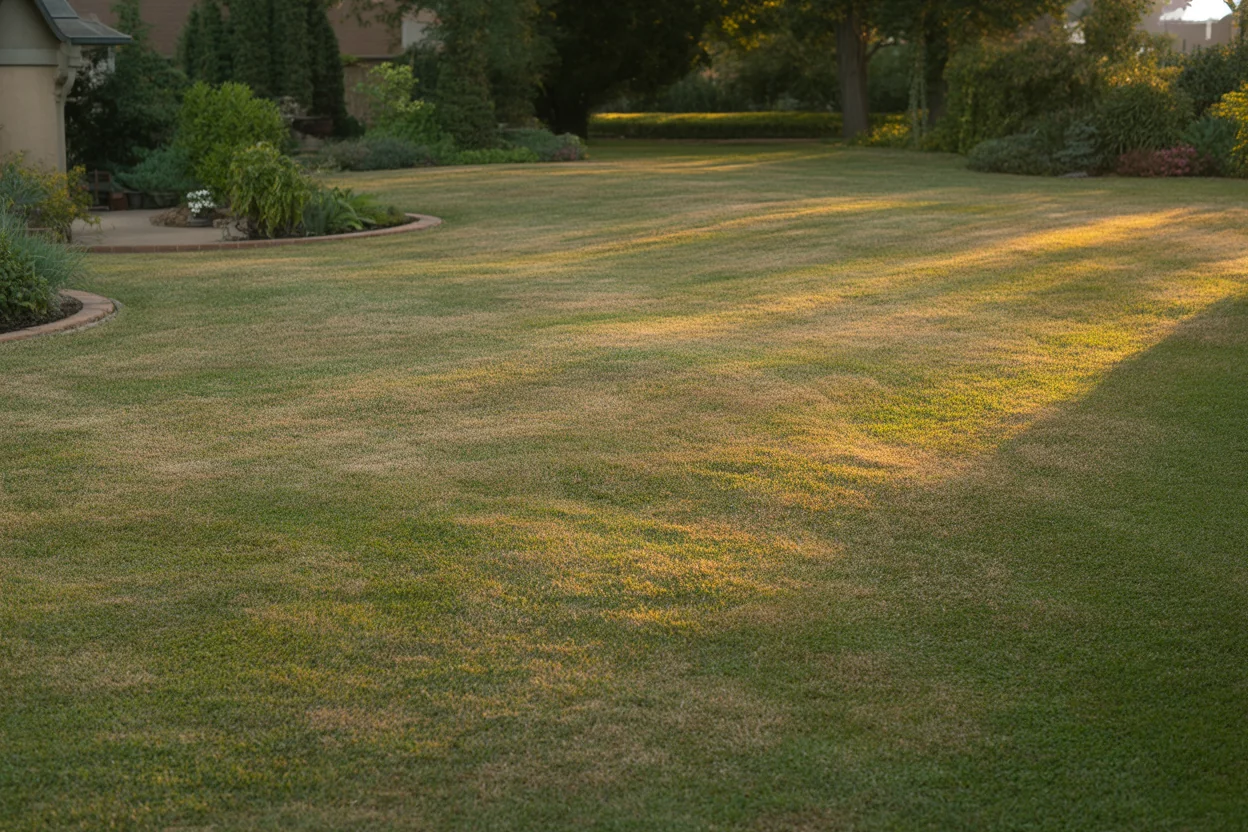
Why Do the Two Groups Need Different Seeding Rates?
Seed size and establishment vigor differ between the two groups. Tall fescue goes down at 6 to 8 pounds per 1,000 square feet, and the fine fescues at 3.5 to 6, varying a little across the five taxa.
- Tall fescue lawn. 6 to 8 pounds per 1,000 square feet, germinating in 7 to 12 days.
- Fine fescue lawn. 3.5 to 6 pounds per 1,000 square feet, germinating in 5 to 12 days.
- Fine fescue no-mow area. Drop to 0.25 to 1 pound per 1,000 square feet for a thin natural stand.
Going below the range does not save money in the end.
A rate too low leaves an open stand that weeds and erosion both move into before the grass closes, and the repair costs more than the seed did.
Overseeding is the fix, and it is cheaper to seed at the right rate than to repair a thin stand later.
How Well Do the Fescues Survive Neglect?
Better than anything else in the cool-season aisle. Colorado State ranks turfgrass persistence under low maintenance from 1 for the best to 10 for the worst, where persistence means surviving reduced water, fertilizer and pest control rather than looking good under full care.
Every fescue on that list outranks every bluegrass and every ryegrass on it, which is the single most useful thing this page can tell somebody choosing a cool-season lawn. Only buffalo grass, a warm-season native, beats the hard and sheep fescues outright.
- Buffalograss
- 1, best persistence of the twelve ranked
- Hard and sheep fescue
- 2 to 3
- Creeping and Chewings fescue
- 3 to 5
- Tall fescue
- 5 to 6
- Kentucky bluegrass
- 6 common, 8 improved
- Perennial ryegrass
- 9 to 10, worst of the list
Read it as a budget rather than a scoreboard. If the lawn will be watered and fed on schedule the ranking hardly matters, and if it will not, the gap between a hard fescue at 2 and perennial ryegrass at 9 is the difference between a lawn and a reseeding project.
What Is Actually in a Bag Labeled Fescue Blend?
Whatever the back says, and nothing the front implies. Fescue blend on a label is a genus, a marketing word and no commitment at all.
A tall fescue blend is usually the honest version of the phrase, combining two to five tall fescue varieties in one bag, which spreads disease risk and costs less than a single named variety.
A fine fescue product is more of a lottery. Purdue found that 66 percent of northern lawn seed products contain at least one fine fescue, most often strong creeping red at 64 percent of products or Chewings at 27, while sheep fescue appeared in none of the 232 products surveyed.
Labels compound it. Some bags say only red fescue or creeping red fescue without telling you which of the two subspecies is inside, and those two differ in exactly the property that decides whether the lawn closes its own bare patches.
Frequently Asked Questions
Is fescue a warm-season or cool-season grass?
Fescue is a cool-season grass. It grows best in spring and fall when temperatures sit between 60-75°F, then slows or may go partially dormant in hot summers, especially in the warmer half of its Zone 3-10 range.
How often should I mow a fescue lawn?
Mow fescue whenever it reaches about 3.5-4 inches, cutting it back to 2.5-3 inches. In peak spring growth that might mean weekly mowing, while in summer you often stretch the interval to every 10-14 days.
Can I mix fescue with other grasses?
Yes, many seed blends mix tall fescue with Kentucky bluegrass or perennial ryegrass. Blends add better self-repair and quicker early color, but tall fescue should still be the backbone in transition-zone lawns for heat and drought tolerance.
How often should I overseed a fescue lawn?
Most fescue lawns benefit from overseeding every 1–2 years, especially in hotter zones where summer thins the turf. Fall is usually the best time, when soil is still warm but nights are cool and moist.
Can fescue handle full sun in hot climates?
In Zone 8-10, fescue can survive full sun with deep, consistent watering and a mowing height around 3.5–4 inches. It still may thin in extreme heat, so some homeowners mix in warm-season grasses for better summer color.
Is fescue safe for dogs and kids?
No ASPCA or NC State pet toxicity rating covers Fescue, though it is widely used in play yards. The bigger concern is any pesticides or herbicides applied to the lawn, so follow label directions and keep kids and pets off until products have dried.
Sources & References
- TURF-63-W Fine Fescues: Understanding the Differences, Purdue University Extension
- CMG GardenNotes #561: Turfgrass Species Selection Guidelines, Colorado State University Extension
- TURF-64-W Fine Fescues: Establishment of Fine Fescues, Purdue University Extension
- Fine Fescue, NC State Extension Publications
Related Plants
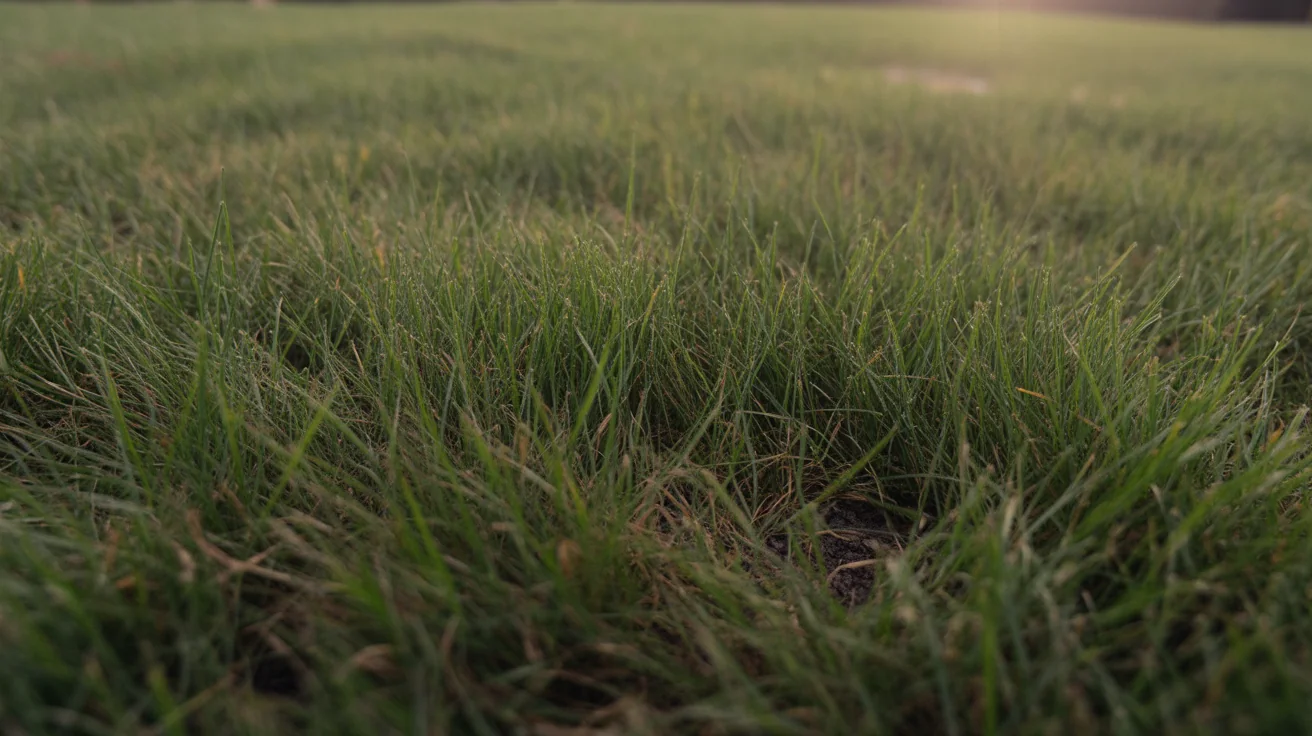
Tall Fescue
Coarse-bladed, deep-rooted type used for durable home lawns in heat and traffic.
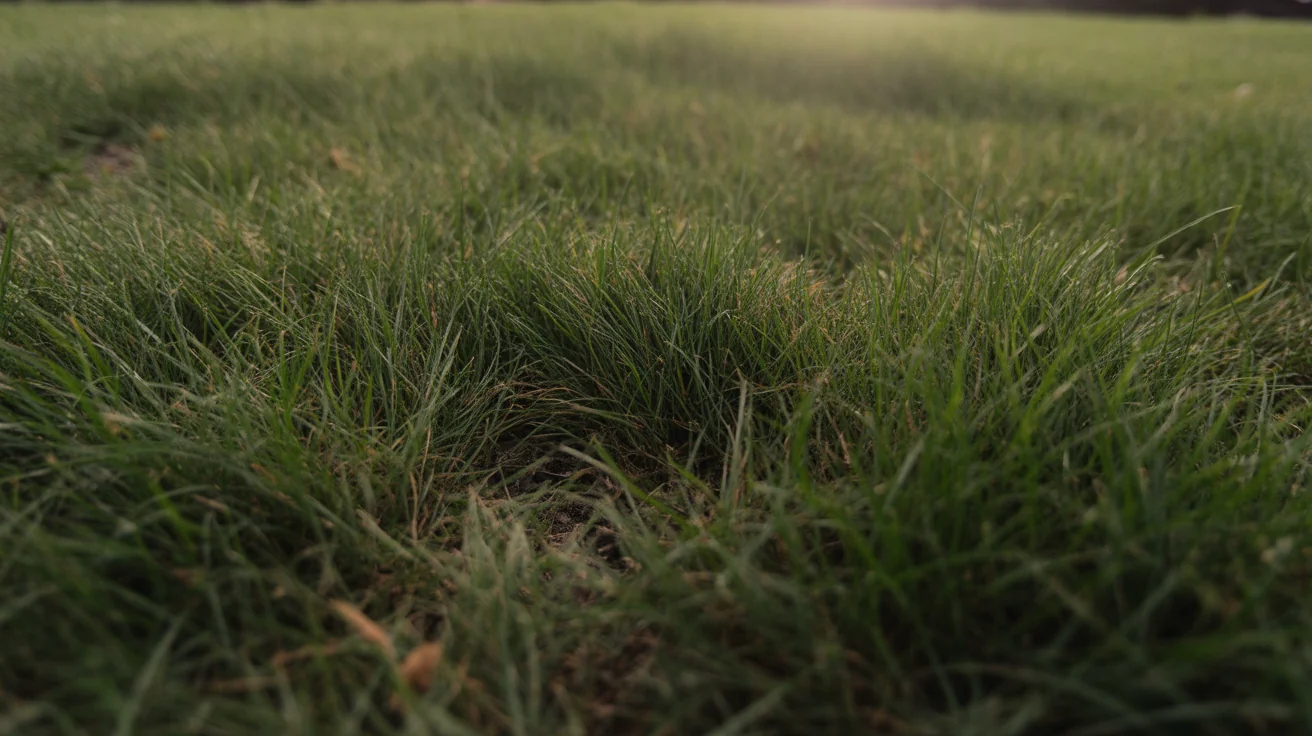
Fine Fescue
Fine-textured mix for shady, low-input lawns where mowing and fertilizing are minimal.
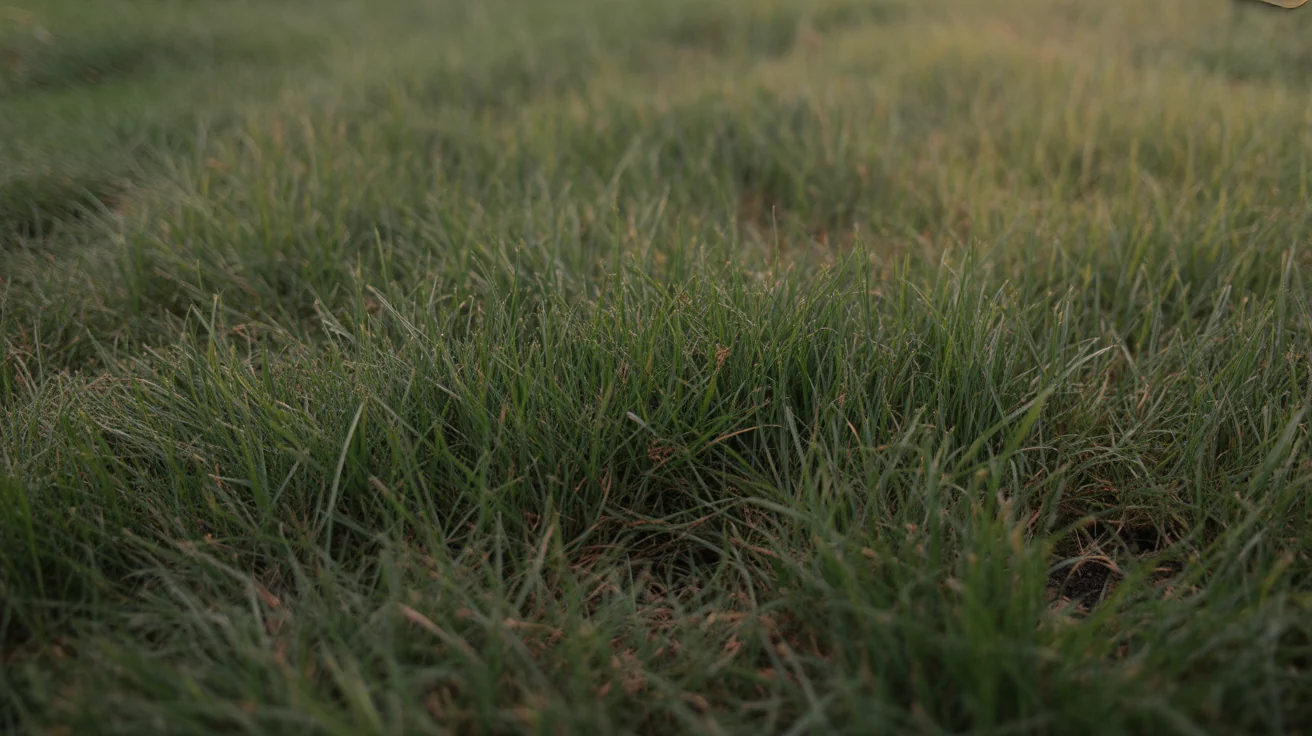
Kentucky Bluegrass
Spreading cool-season lawn grass often blended with fescue for self-repairing lawns.
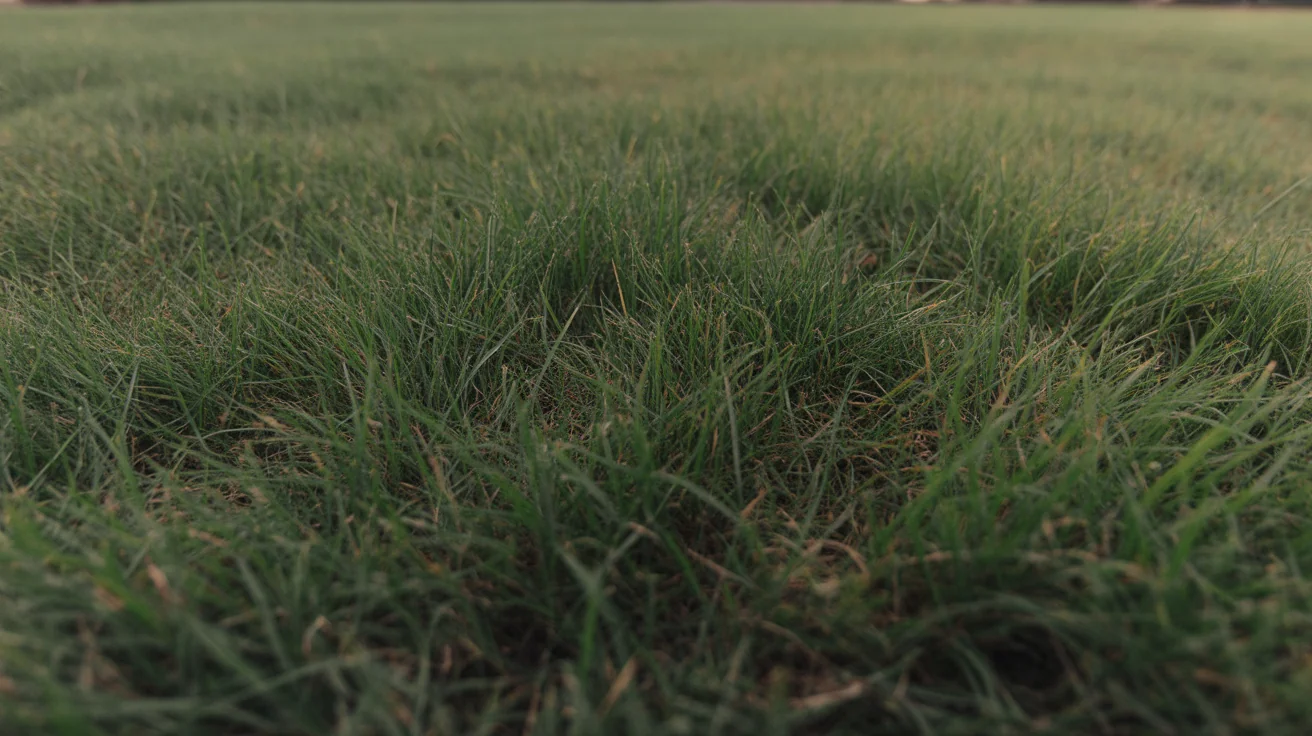
Bermuda Grass
Warm-season lawn grass sometimes compared with fescue in transition zones.
Bahia Grass
Bahia grass is a warm-season utility lawn built for sandy, hungry ground where fussier grasses give up.
Buffalo Grass
Many people treat buffalo grass like a regular high-input lawn, then wonder why it looks thin and weedy.