Sandy Soil vs Clay Soil
Sandy soil usually accepts water quickly but stores less for roots. Clay soil stores more total water yet can move it slowly and hold part of it too tightly, so the right response is to manage the soil you have rather than choose a universal winner.
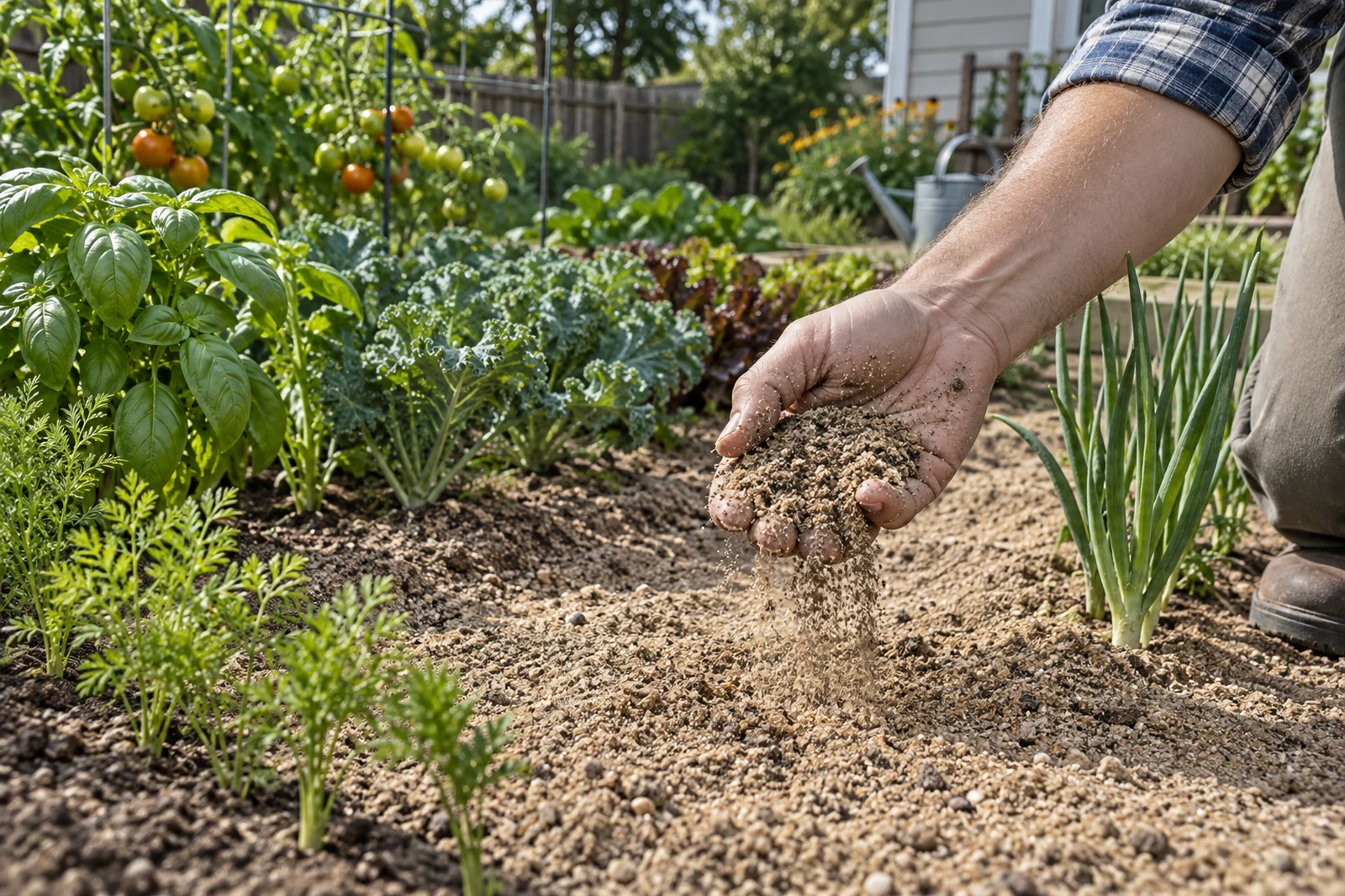
Sandy Soil
Coarse-textured mineral soil
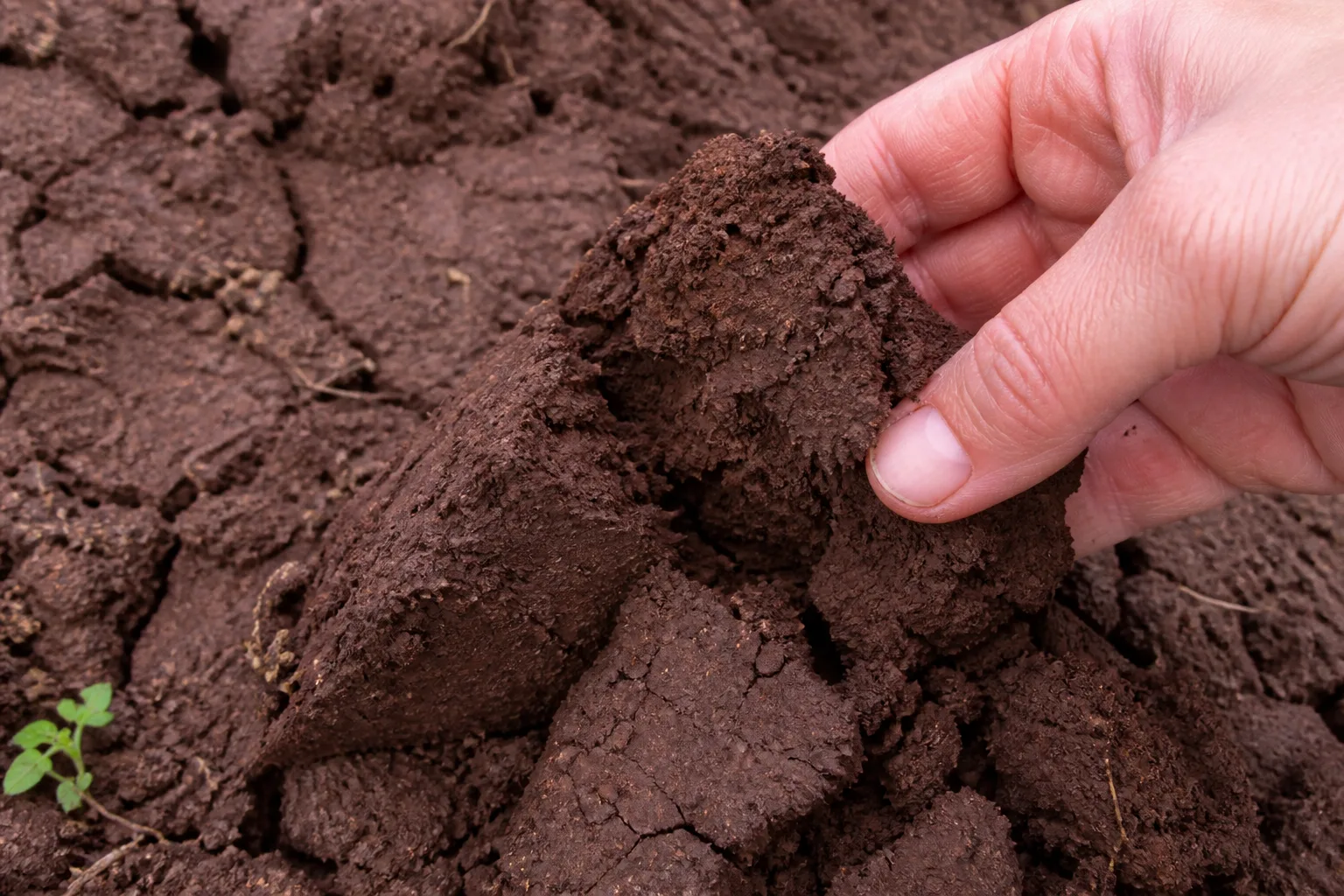
Clay Soil
Fine-textured mineral soil
Sand and clay describe particle-size classes, not complete gardening verdicts. Most yards contain a mixture of sand, silt, clay, organic matter, roots, air, water, and rock fragments.
The useful comparison is about pore size and arrangement. Sand-dominated soil has more large pores and usually drains quickly, while clay-rich soil has small pores that store water and particle surfaces that retain many nutrient ions.
Start by identifying the particle mix and observing the whole profile. Compaction, aggregation, slope, buried construction soil, and a dense lower layer can matter as much as the texture named on a lab report.
Specifications
Compare how each soil behaves with water, roots, and feeding.
| Feature | Sandy Soil | Clay Soil |
|---|---|---|
| Field feel when moist | Gritty and reluctant to form a ribbon | Smooth, sticky, and able to form a ribbon |
| Dominant pore pattern | More large connected pores | Many small pores, plus larger pores when aggregated |
| Water entry and movement | Usually rapid and mostly downward | Often slow, especially when compacted |
| Plant-available water reserve | Usually low | More stored, though some is held tightly |
| Nutrient retention | Generally lower | Generally higher, depending on clay mineralogy |
| Main irrigation loss | Water moving below the root zone | Runoff, ponding, or oxygen loss |
| Handling risk | Dry mix can repel water and erode | Traffic or tillage while wet destroys pores |
| Best long-term direction | Build organic matter and protect the surface | Build aggregates and prevent compaction |
Texture changes slowly because it comes from the proportions of mineral particles. Management can improve structure, pore continuity, organic matter, rooting, and water behavior without turning sand into clay or clay into sand.
A single label also misses layers. A sandy surface over dense clay can drain until water reaches the boundary, then remain saturated above it.
Best Use Cases
Choose by the soil the yard already has.
Water disappears below roots
Fast drainage and a small reserve
Use smaller measured applications and check moisture more often during active growth.
Organic matter and surface mulch help keep water and nutrients in the root zone.
Water ponds or runs off
Slow intake or a restrictive layer
Clay texture, compaction, poor grade, a high water table, or buried layers can produce the same symptom.
Slow the application and solve the outlet or layer that actually blocks movement.
Productive existing garden
Roots and aggregates already work
Do not replace a functioning soil simply because its texture sits near one end of the triangle.
Protect structure, test fertility, cover the surface, and keep feet out of growing beds.
Construction fill or severe layering
Texture is only one constraint
A compacted subsoil or sharp texture boundary can stop water even when the top layer looks loose.
Loosening, grading, drainage, or an open-bottom raised bed may solve more than extra amendment.
What is the real difference between sand and clay?
The USDA texture class comes from the percentages of sand, silt, and clay in the fine mineral fraction. The texture triangle includes twelve common classes, so a soil may be sandy loam, clay loam, loam, or another mixture rather than simply sand or clay.
Particle size influences the pore network. Large sand grains create larger spaces that pass water and air readily, while tiny clay particles expose far more surface area and create many small pores.
Small pores hold water against gravity, but plants cannot remove every stored drop. That is why a clay-rich soil can contain more total water and still become unavailable to roots as it dries.
Structure describes how those particles gather into aggregates and channels. Roots, fungi, soil animals, organic compounds, freezing, drying, and careful management can create larger working pores even though the mineral texture remains clay-rich.
How can you tell which texture you have?
Use a laboratory test when fertilizer, pH, contaminants, or a major landscape investment depends on the answer. The result may estimate texture and also show organic matter, phosphorus, potassium, and other properties that cannot be judged from color.
A moist hand test gives a useful field estimate. Sample below loose mulch and avoid a pocket recently filled with compost or purchased topsoil.
- Remove stones and roots from a small soil sample.
- Add water slowly and knead until the sample feels like putty rather than soup.
- Rub some between thumb and forefinger to check for grit, smoothness, and stickiness.
- Squeeze a ball, then press it between thumb and forefinger to form a ribbon.
- Repeat in several parts of the bed and at a lower depth because one yard can contain several layers.
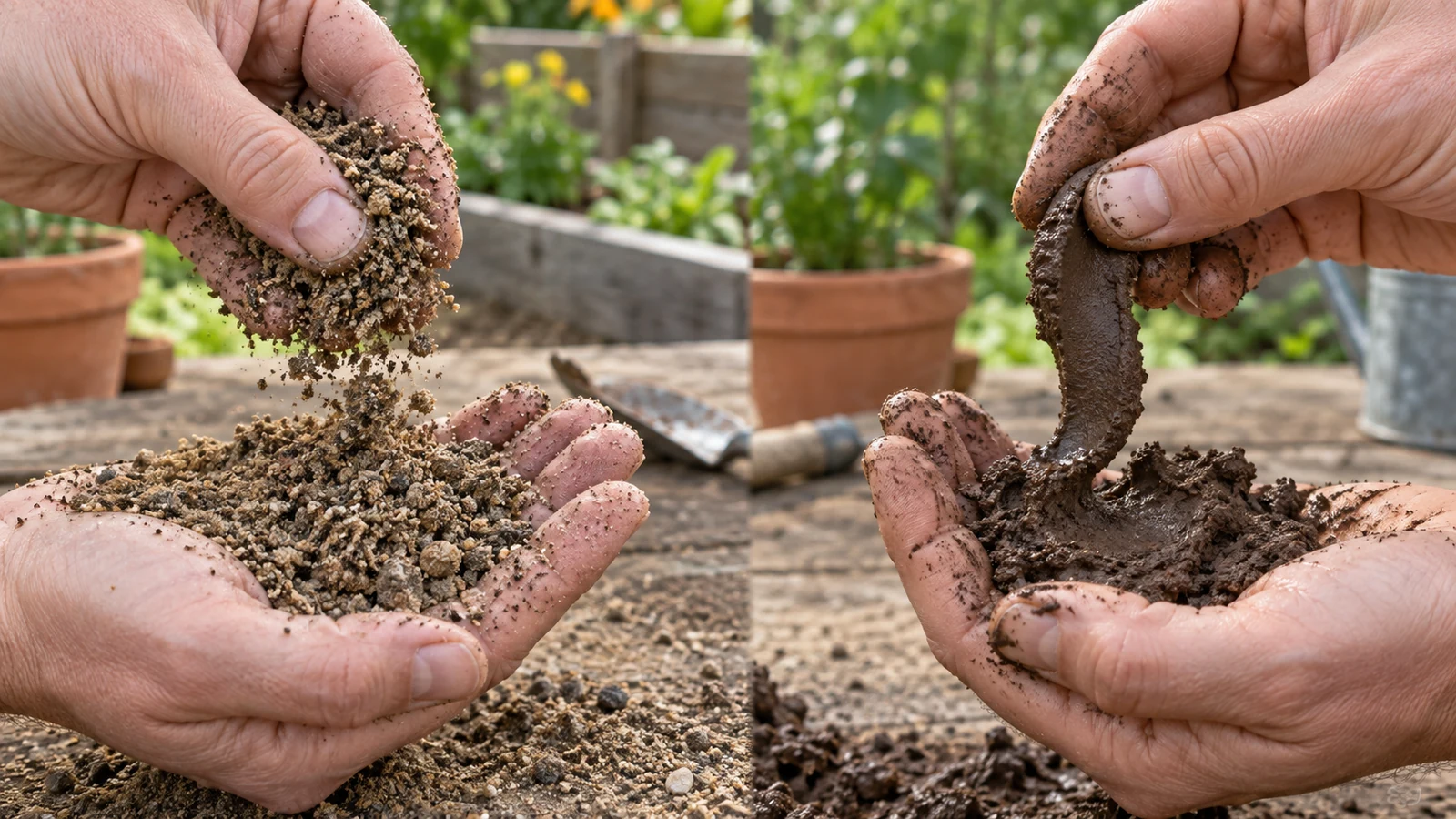
Sandy soil feels distinctly gritty and breaks apart readily. Clay-rich soil feels smooth or sticky and holds a longer ribbon, while silt contributes a floury or silky feel.
The image compares the two ends of this field test. The loose sample on the left crumbles, and the cohesive sample on the right extends as a ribbon.
Why can either soil still drain badly?
Infiltration is water entering the surface, while drainage is its movement through and away from the profile. A surface can accept water and still perch it over a dense lower layer.
Sand normally passes water through large pores. Compaction, fine sediment, water-repellent dry organic matter, or a buried barrier can still make water run across a sandy-looking surface.
Clay normally accepts water more slowly, especially after traffic collapses larger pores. Dry shrink cracks can briefly carry water downward very quickly, then close as some clays swell, so one fast observation does not prove the whole profile drains well.
Read the pattern after rain or a measured irrigation.
| What you observe | Plausible cause | Next check |
|---|---|---|
| Water runs off immediately | Application exceeds intake or surface is sealed | Slow the flow and inspect crusting or slope |
| Topsoil wets but a hole fills below | Dense subsoil or sharp layer boundary | Inspect the full profile at several depths |
| Water vanishes and plants wilt soon | Small sandy reserve or shallow roots | Measure wetting depth and recheck moisture |
| Soil stays wet and plants decline | Poor outlet, compaction, or high water table | Check grade, oxygen, roots, and lower layers |
| One strip behaves differently | Construction fill, buried path, or irrigation gap | Compare soil and output inside and outside the strip |
Do not diagnose a drainage project from one small percolation hole alone. The hole disturbs structure and cannot represent slope, lateral flow, the water table, or every layer across a yard.
How should watering change with soil texture?
Plants do not use extra water merely because they grow in sand. Sandy soil usually holds a smaller plant-available reserve, so the same crop may need a smaller irrigation dose applied more often during hot active growth.
Too much water at once can move below sandy roots and carry soluble nitrogen with it. Check wetting depth after a known runtime, then stop when the active root zone is moist rather than extending the event by habit.
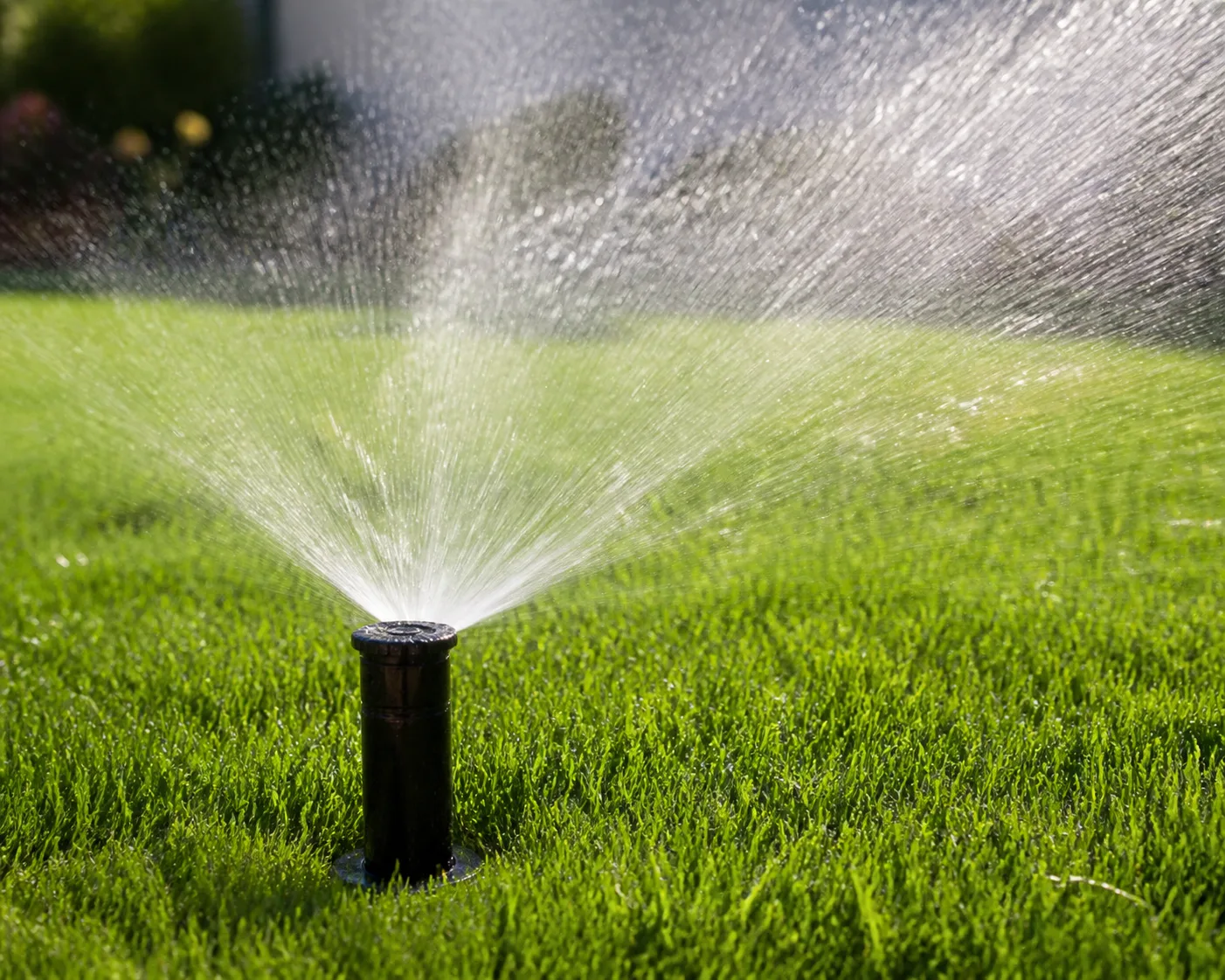
Clay can store more water, but a sprinkler may apply it faster than the surface accepts it. Use cycle-and-soak timing or a slower delivery rate when puddles or runoff begin before the target depth is wet.
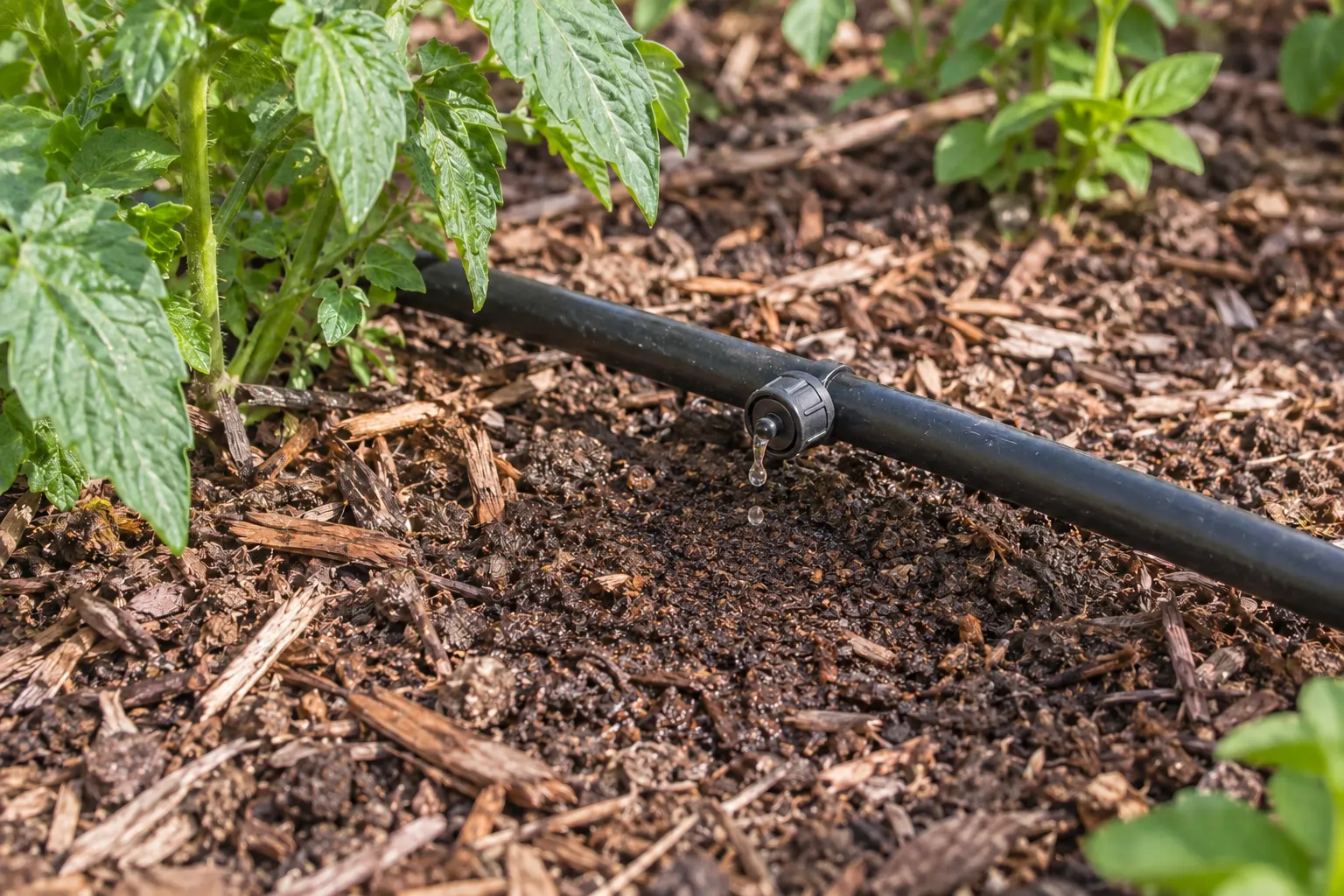
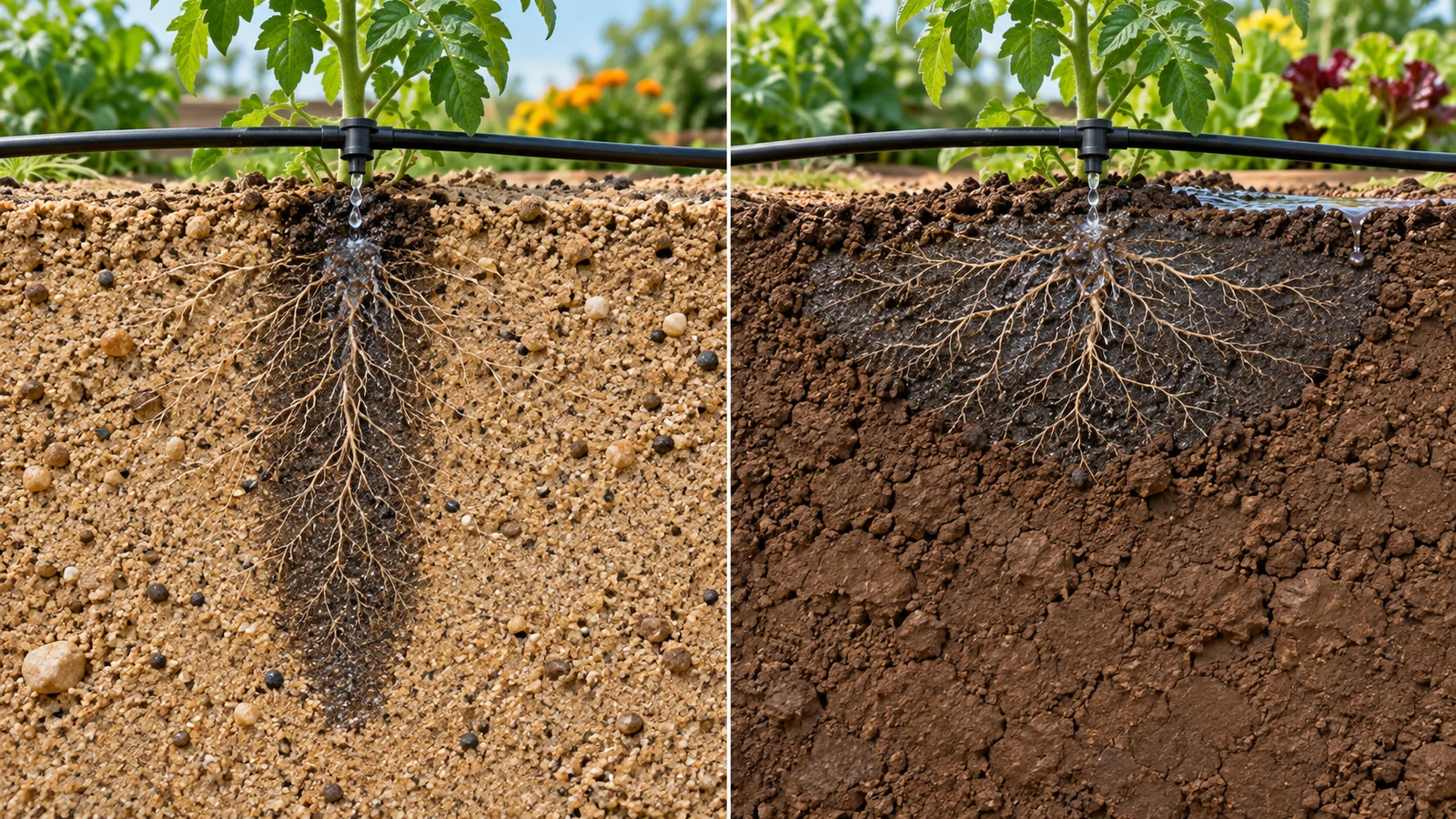
The wetting pattern under drip also changes. Water tends to move more narrowly downward through sand and spread farther sideways through clay-rich soil, so emitter count and spacing cannot be copied blindly between the two beds.
Use this adjustment loop.
- Measure system output instead of relying on controller minutes.
- Probe or dig after watering to see the actual width and depth of wet soil.
- Recheck before the next event at the depth where roots are active.
- Shorten each sandy-soil event if water travels below roots.
- Split a clay-soil event into cycles if water ponds or leaves the bed.
- Change for weather, canopy size, mulch, rooting depth, and crop stage.
The vegetable garden watering guide explains how crop stage and weather modify that soil reading. A drip or sprinkler choice still depends on coverage, pressure, maintenance, and the planted area.
The cutaway shows the general direction of movement under identical emitters. Actual width and depth must still be checked in your own bed.
What helps sandy soil hold water and nutrients?
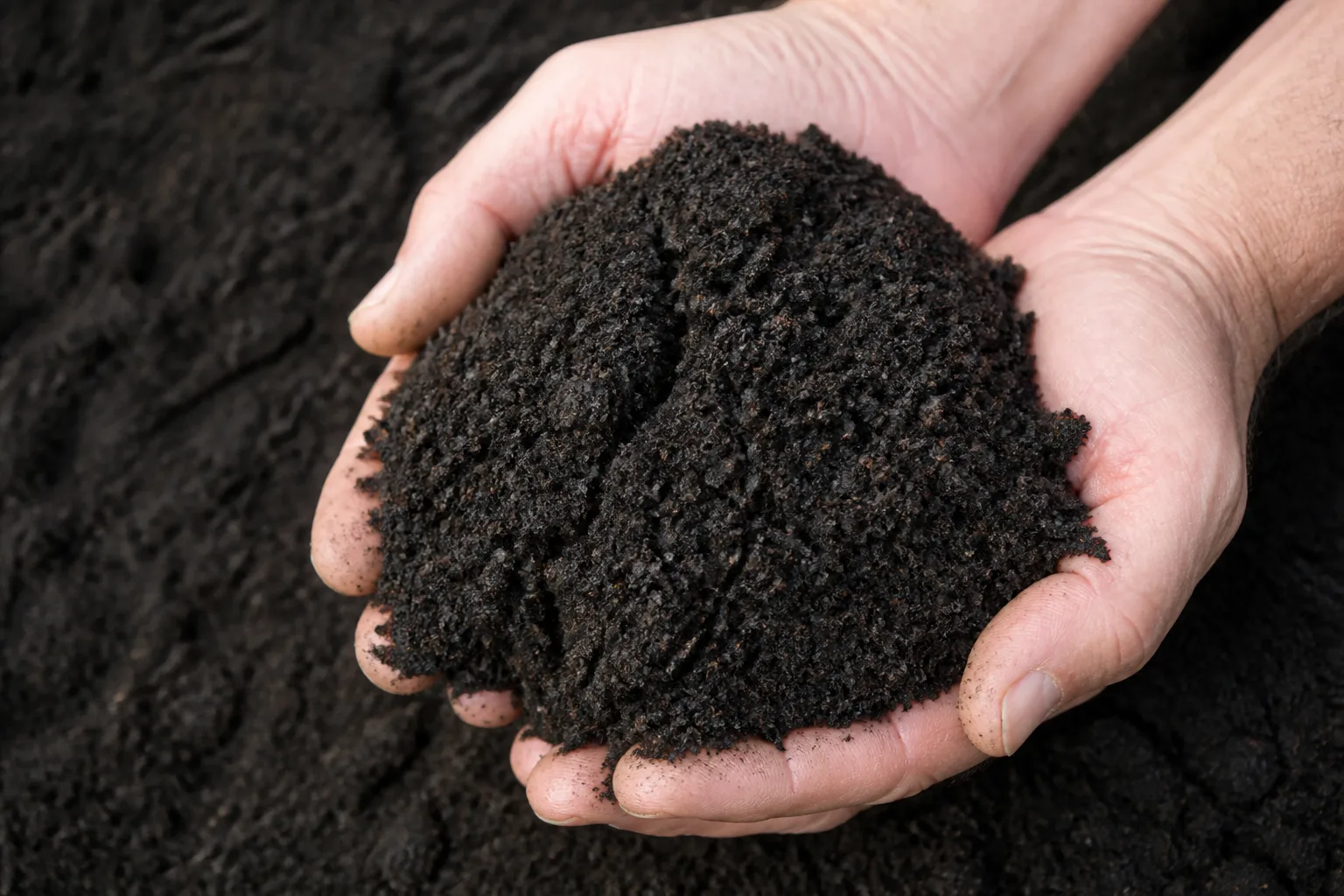
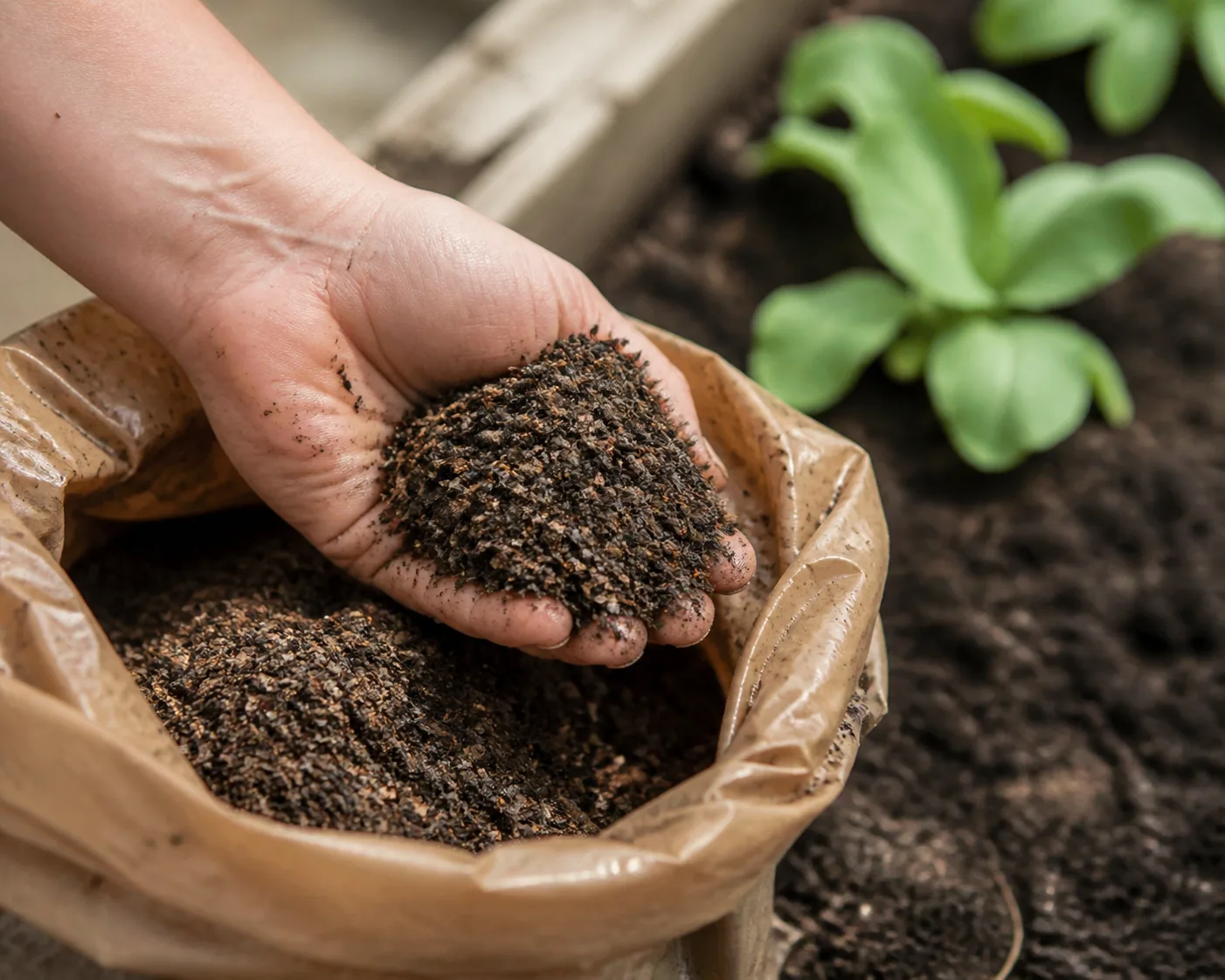
Protect the root zone instead of trying to make sand behave like sealed clay. Finished compost adds water-holding surfaces and nutrient exchange sites, while living roots and decomposing residues support aggregation.
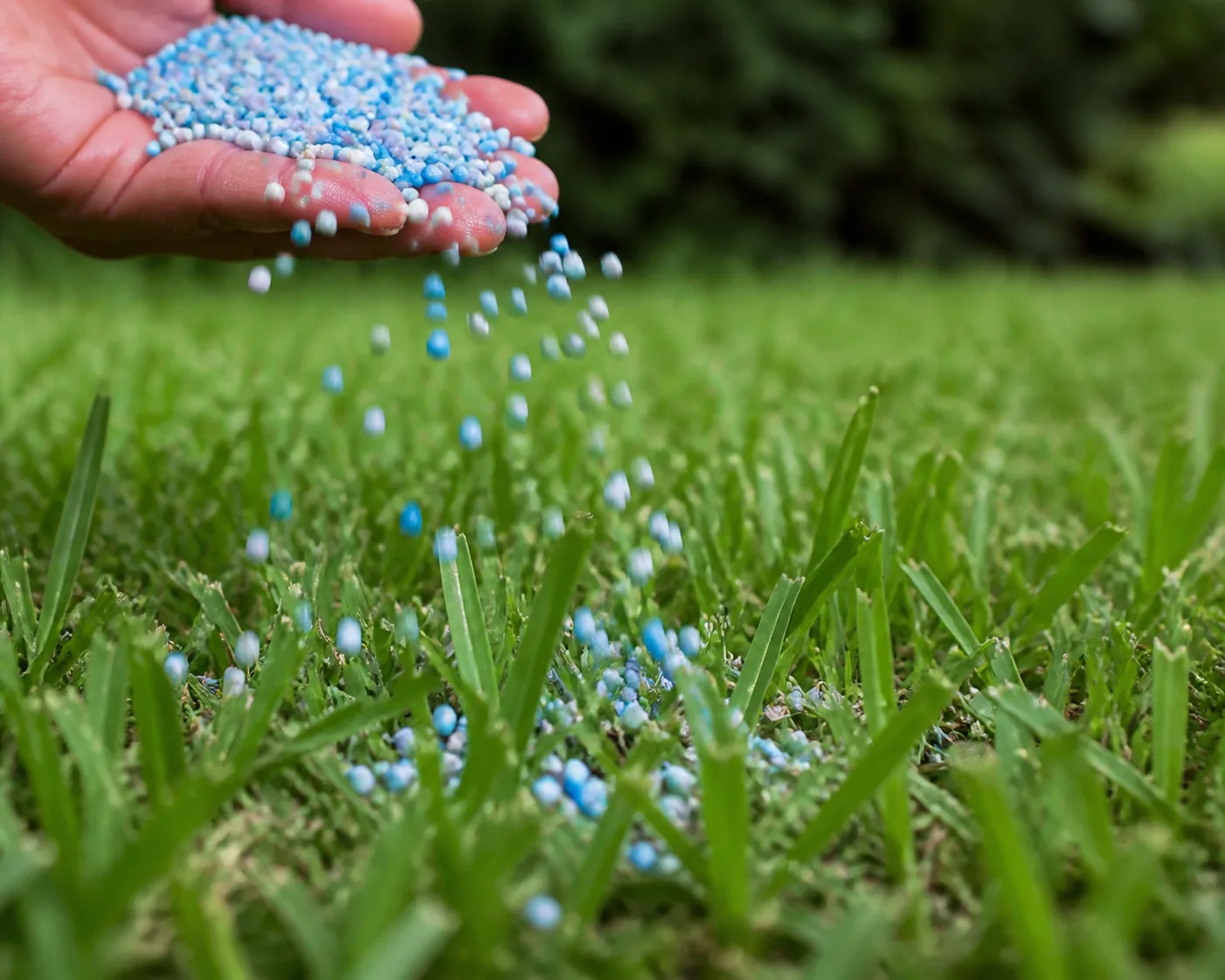
Apply fertilizer from a soil test and crop need. Smaller divided nitrogen applications can reduce the amount exposed to leaching, but the rate and timing still depend on the product, plant, rainfall, and local guidance.
- [ ] Keep the surface covered with suitable mulch or living plants
- [ ] Add tested finished compost at a rate the bed can use
- [ ] Measure how deeply one irrigation travels
- [ ] Place drip emitters where their narrow wet zones reach roots
- [ ] Split mobile nutrients when the crop and label allow it
- [ ] Recheck after heavy rain before adding water or fertilizer
Avoid a deep one-time load of raw organic material. High-carbon material mixed into the root zone can temporarily tie up nitrogen, and poor-quality compost may carry excess salts, weed seeds, pathogens, or persistent herbicide residues.
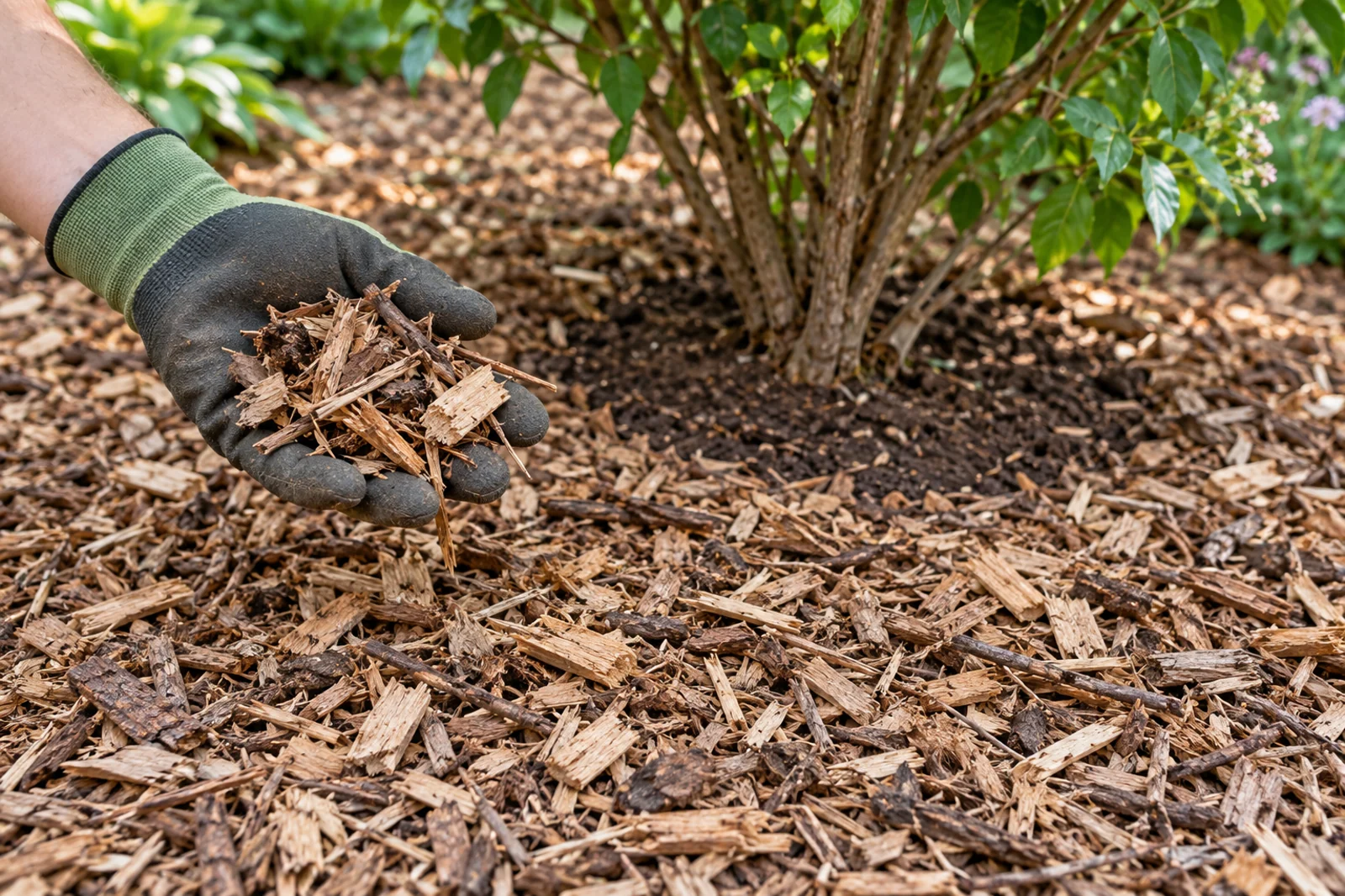
Surface mulch and compost have different jobs. Mulch slows evaporation and cushions rain, while finished compost contributes organic matter where soil organisms can incorporate it over time.
Wind and flowing water can move bare sand readily. Keep paths and slopes covered, slow runoff above the bed, and avoid leaving fine seedbeds exposed longer than planting requires.
How do you improve clay without making it denser?
Keep traffic and tools off wet clay. A footprint, wheelbarrow, or tiller can squeeze out large pores and smear the soil into plates that remain after the surface dries.
Wait until a squeezed handful crumbles with moderate pressure instead of glistening, smearing, or forming a sticky mass. Use permanent paths so the growing area does not carry routine foot traffic.
Add organic material in repeated reasonable applications and keep roots growing when the season permits. Soil organisms help bind fine particles into aggregates, which creates larger pores for air and water without changing the underlying texture.
- [ ] Work only when the soil is moist and crumbly
- [ ] Keep wheel and foot traffic on permanent paths
- [ ] Leave roots and surface cover in place where practical
- [ ] Apply water slowly enough to prevent runoff
- [ ] Diagnose the outlet before installing a drain
- [ ] Inspect below the improved surface for dense subsoil
Gypsum is not a universal clay cure either. It can help some sodic soils after testing identifies the sodium problem, but ordinary clay structure does not justify an automatic application.
A permanent no-dig bed can reduce recurring traffic and tillage. It does not remove a buried compacted layer or repair bad grading, so investigate those separately.
Can compost turn either soil into loam?
Compost can improve soil structure and function, but it does not replace enough mineral particles to change a yard's basic texture class in ordinary garden use. That distinction prevents endless amendment purchases aimed at an impossible conversion.
In sand, organic matter increases the surfaces that retain moisture and nutrients. In clay, roots, organisms, and organic binding compounds promote aggregation and help create connected larger pores.
The improvement requires maintenance because organic matter decomposes. Keep useful plant residues cycling, mulch bare areas, use cover crops where they fit, and add finished material according to soil condition rather than a fixed annual depth.
Choose amendments by analysis and job.
| Material | Useful job | Main caution |
|---|---|---|
| Finished compost | Organic matter and slow nutrient contribution | Test quality, salts, maturity, and herbicide risk |
| Coarse surface mulch | Reduce evaporation, crusting, and impact | Keep it on the surface and away from stems |
| Fresh woody material | Surface cover and long decomposition | Mixing it into roots can tie up nitrogen |
| Purchased topsoil | Add clean mineral soil where extra depth is needed | Sharp texture layers can interrupt water movement |
| Gypsum | Treat a diagnosed sodium-related structure problem | It is not a general clay amendment |
Fertilizer supplies nutrients and cannot build pore space by itself. Use the fertilizer source and rate decision only after testing or plant evidence shows what is missing.
When should you keep, rebuild, or raise the bed?
Keep the existing soil when plants root well, water reaches the intended depth, excess drains in a reasonable time, and testing shows correctable fertility. Protecting a functioning profile is cheaper and less disruptive than replacing it.
Improve in place when the limitation is surface compaction, low organic matter, bare soil, or an irrigation pattern that does not match texture. Make one change at a time and compare infiltration, rooting, and moisture over a season.
A raised or mounded bed becomes useful when clean imported soil, working height, shallow topsoil, severe compaction, or separation from confirmed contamination solves a specific constraint. Read the raised bed and in-ground comparison before placing a new layer over the site.
Call for site-specific drainage help when water enters from uphill property, the water table reaches the root zone, a foundation is involved, or discharge could affect a neighbor or public system. Amendment cannot provide an outlet for water that has nowhere to go.
Use this final order.
- Identify texture and layers.
- Test fertility and pH where the planting decision needs them.
- Observe water entry, wetting depth, runoff, and drying.
- Correct traffic, cover, irrigation, and organic-matter management.
- Rebuild, drain, or raise the bed only when those observations justify construction.
The best-managed soil is rarely the one with a fashionable label. It is the profile whose water, air, roots, and nutrients remain in workable balance for the plants and weather at that site.
Sources & References
- Soil Texture Calculator — USDA Natural Resources Conservation Service
- Soil Quality Indicators: Infiltration — USDA Natural Resources Conservation Service
- Soil Testing for Lawns and Gardens — University of Minnesota Extension
- Improving Garden Soils with Organic Matter — Oregon State University Extension
- Managing Soil Tilth: Texture, Structure, and Pore Space — Colorado State University Extension
- Understanding Irrigation Management Factors — Colorado State University Extension
- Clay Soil Challenges and Solutions — Oregon State University Extension