At a glance
- Best time to core aerate
- Fall for cool-season lawns, June through July for warm-season lawns (Maryland)
- Core aeration depth
- Plugs 2 to 4 inches deep
- Compost topdressing on turf
- About ¼ inch, worked into the soil
- Probe test
- Compacted if a probe or steel rod barely enters the soil
The sections below show how to confirm compaction, what caused it, how to loosen lawns and beds, and how to keep the soil from packing down again.
How do you know the soil is compacted?
The easiest check is a probe. Push a soil probe or a hollow metal pipe straight down, and if it barely enters, the soil is compacted. A steel rod or shovel pushed in with even weight works too, and the result means more when you compare it with a loose part of the yard, because compaction shows up as strong resistance next to the surrounding soil.
The plants and the water give the same message. These signs point to compaction.
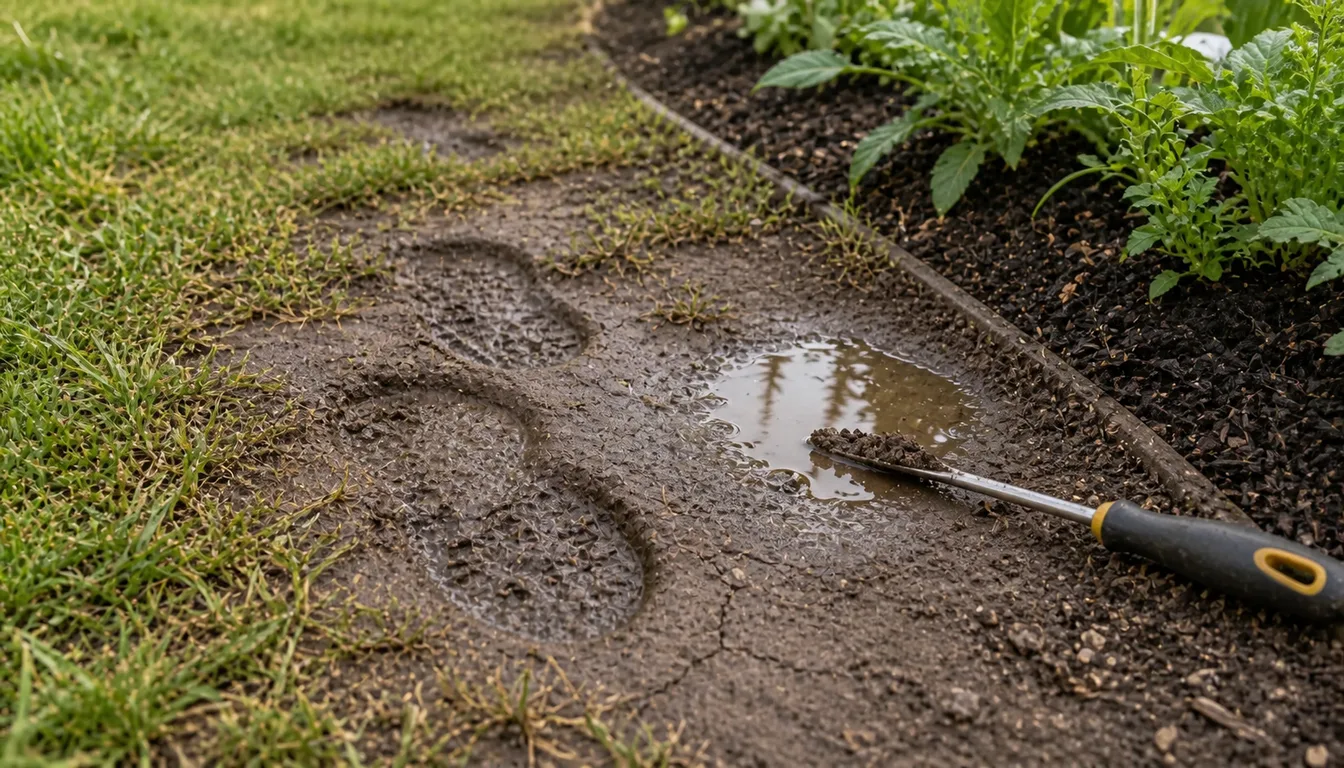
- Water ponds or soaks in very slowly, and rain or irrigation runs off the surface.
- Soil is hard to dig whether it is wet or dry.
- Bare patches will not support plants, or tree roots grow at the surface.
- Plants are stunted, with discolored leaves and drought stress.
Several of these also come from other site problems, and standing water can mean a drainage problem, so confirm with the probe before you start the work.
What compacted the soil, and when is it safe to work?
Pressure presses soil particles together until little space is left for air and water. In a yard the pressure usually comes from one of these.
- Foot and animal traffic, including paths across beds and turf
- Riding mowers, especially on wet soil
- Parking, driving or construction equipment on ground that was not built for it
- Repeated tillage, and walking on or digging in wet soil
- Rain striking bare soil, which seals the top into a thin crust
- Clay, whose tiny particles press together even without help
Fallen leaves and grass clippings that are always removed take organic matter out of the soil, which makes it less able to resist compaction and recover from it.
A shovel or a mower does the most harm when the soil is very moist, because very moist soil is the easiest to compact. University of Delaware Extension advises against digging or tilling soil that holds its shape when pressed into a ball.
Dry soil has too much friction between particles to be pressed together easily, and extremely wet soil resists pressure because water fills the air space. Squeeze a handful before you dig or drive, and wait if it keeps its shape.
How do you loosen a compacted garden bed?
Adding compost is one of the best ways to combat compaction in a bed, because as organic material decomposes it attracts soil organisms that aerate the soil by creating pore space.
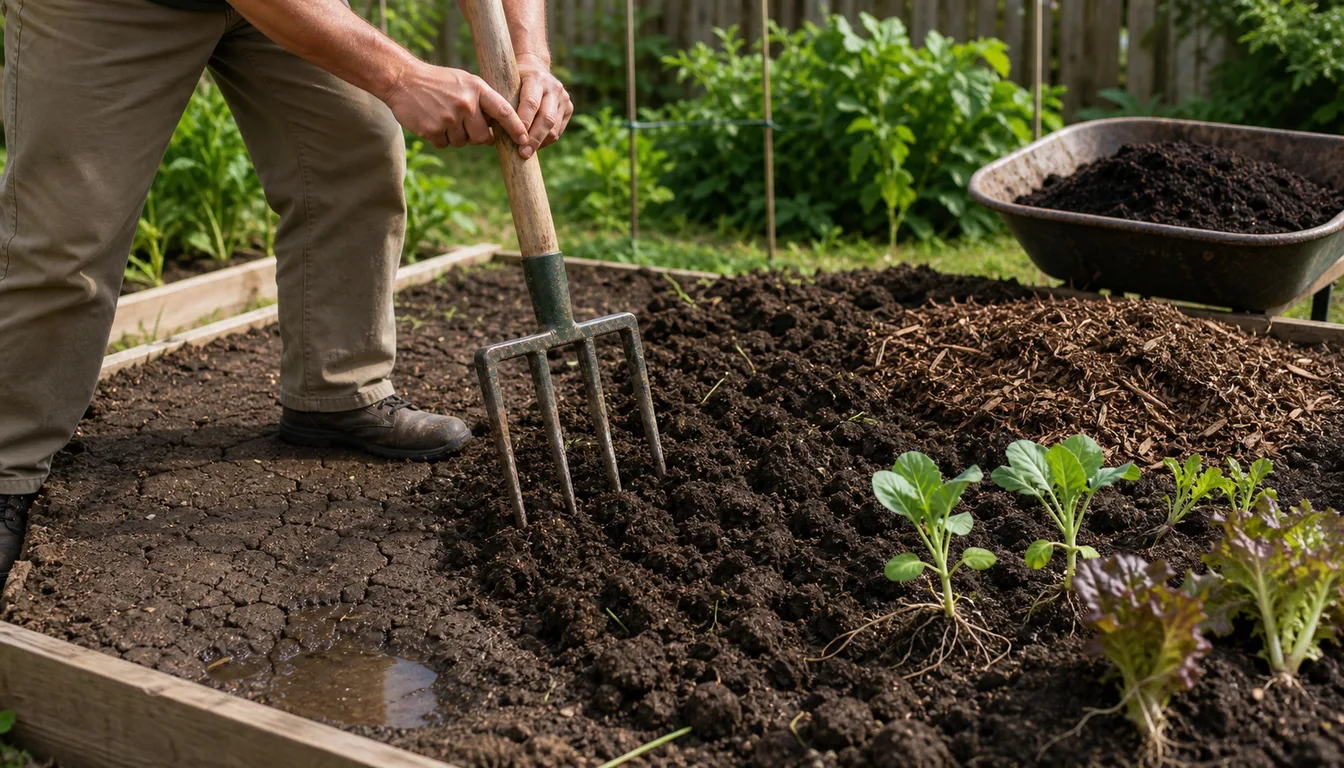
On lightly compacted beds, topdressing with compost loosens the soil gradually as earthworms pull it down, and a 2- or 3-inch layer of shredded leaf mulch or wood chips does the same over a period of years. The composting basics guide explains how to tell when a pile is finished.
Digging is the other option, and it has a cost. A new vegetable bed can be dug to at least 6 to 10 inches with a 2 to 4 inch layer of compost mixed in, which helps break up heavy clay or compacted ground. Tilling also destroys soil structure and opens the soil to air and sunlight, which greatly diminishes soil moisture, and over-tilled soil has smaller particles that dry out quicker and crust at the surface.
Inorganic amendments such as sand are inefficient and expensive next to compost, since they take at least 75% more material by weight to affect compaction, and adding less can make the problem worse, because sand plus clay makes concrete.
Severely compacted soil needs far more compost than a bed topdressing. The figure is 25% of the existing soil by weight for sandy loam and as much as 50% for clay, spread evenly and tilled in to a depth of 18 inches.
How do you fix a compacted lawn?
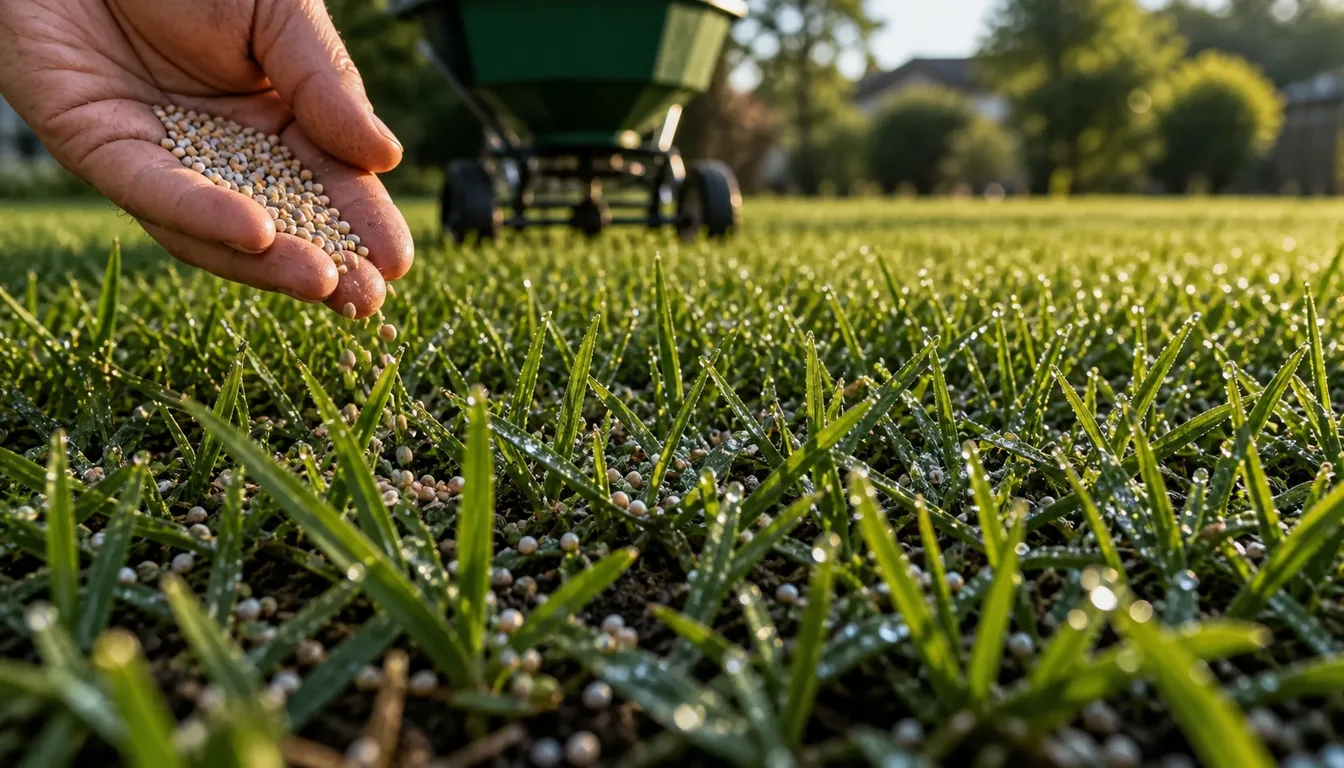
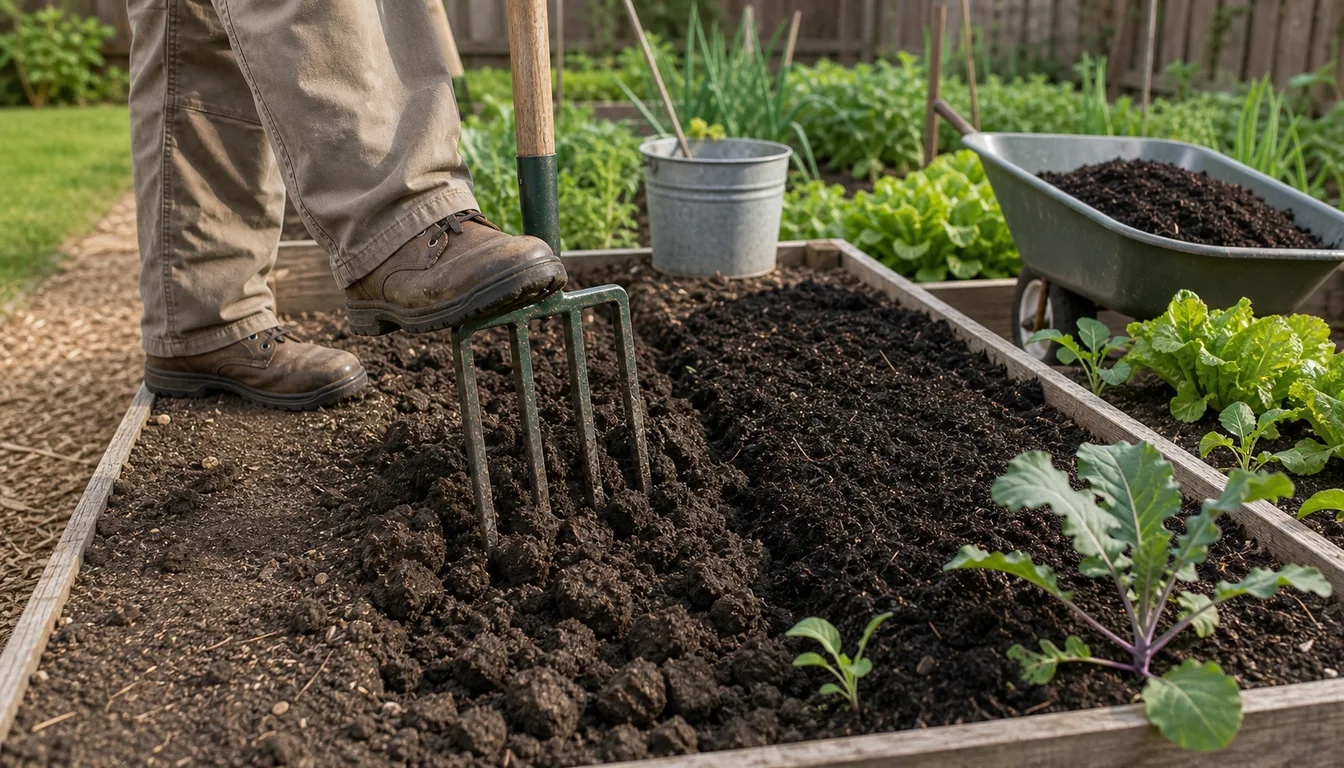
Core aeration is the lawn fix, because pulling plugs out of the turf relieves compaction and lets seed, lime and fertilizer reach the soil. It is worth doing when the soil is compacted, water penetration has dropped over time, or the lawn has dry spots or excessive thatch, and Oregon State Extension says it is not necessary otherwise.
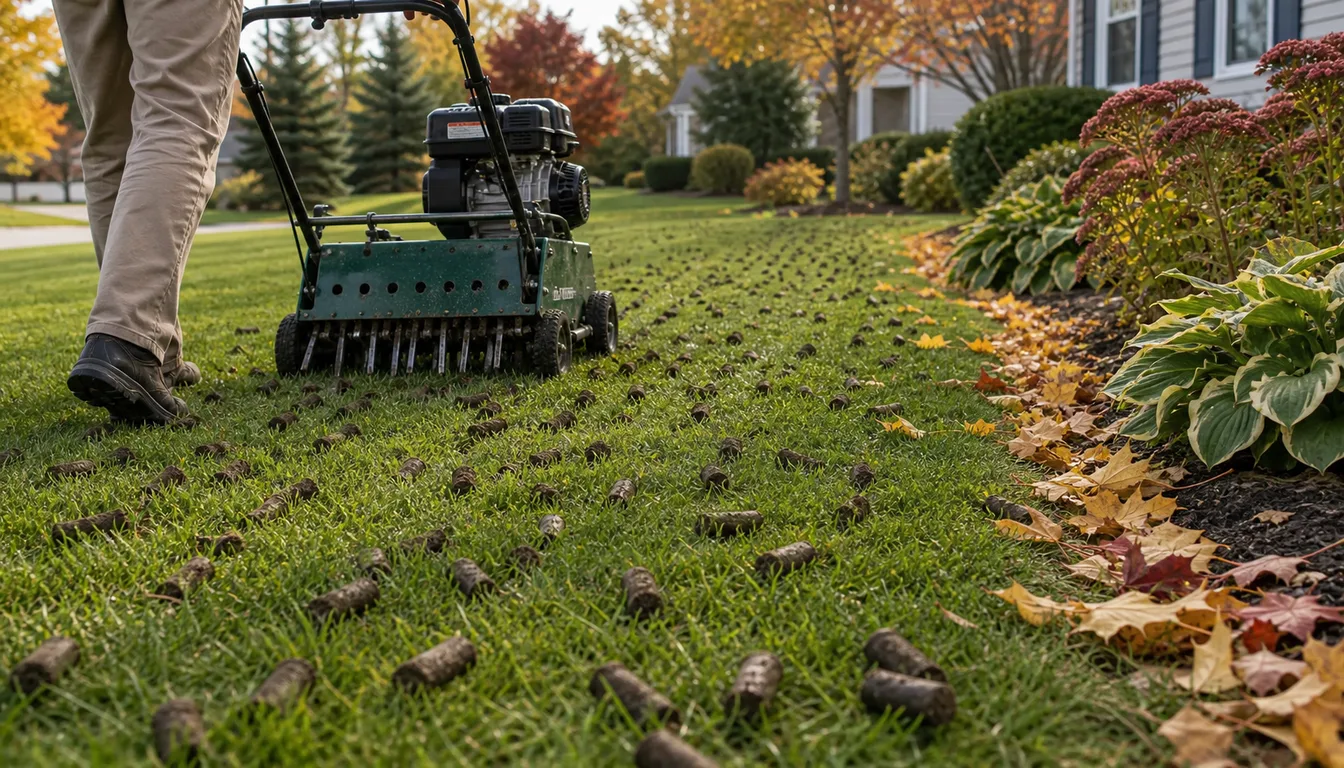
The machine has to be a core aerator. Its hollow tines pull plugs ½ to ¾ inch wide and 2 to 4 inches deep, about 2 to 6 inches apart. Solid tines and spikes are not aerators, since they compress the soil into a denser mass. The soil should be moist but not wet, so irrigate first if it is dry, and leave the plugs on the lawn, where they decompose in a couple of weeks.
| Lawn | When to aerate |
|---|---|
| Cool-season grass | Fall |
| Warm-season grass | June through July |
| Dormant lawn | Never |
| Any lawn | Only while the grass is growing vigorously |
Those dates come from Maryland Extension, and when and how often to aerate a lawn covers the decision for other grass types and soils. Lawns with heavy foot traffic can be cored every one to two years, and other home lawns every two to four years. If you plan to overseed, the same pass helps, because the holes give the seed a place to fall into.
Compost can go on afterward as a topdressing in a thin layer of about ¼ inch that is worked into the soil. Repeated thick layers that are not worked in build up organic matter at the surface, which may dry the turf roots quickly and form a layer that restricts rooting into the soil.
Penn State Extension's method is to spread the compost first and then make several passes with a hollow-tine aerator and a heavy drag mat, which breaks up the cores and drags some of the mix back into the holes. This is best done in cool, moist seasons while the grass is growing, and that aeration and dragging can stress the turf in hot, dry weather.
How do you keep the soil from packing down again?
The pressure that compacted the soil comes back unless something changes, and bare soil gets sealed again by the next hard rain. These habits address both.
- Keep feet off planting areas with pathways, and use walls or fences to block shortcuts.
- Where traffic is temporary and unavoidable, lay wooden planks, permeable fabric topped with gravel, or mulch at least 6 inches thick.
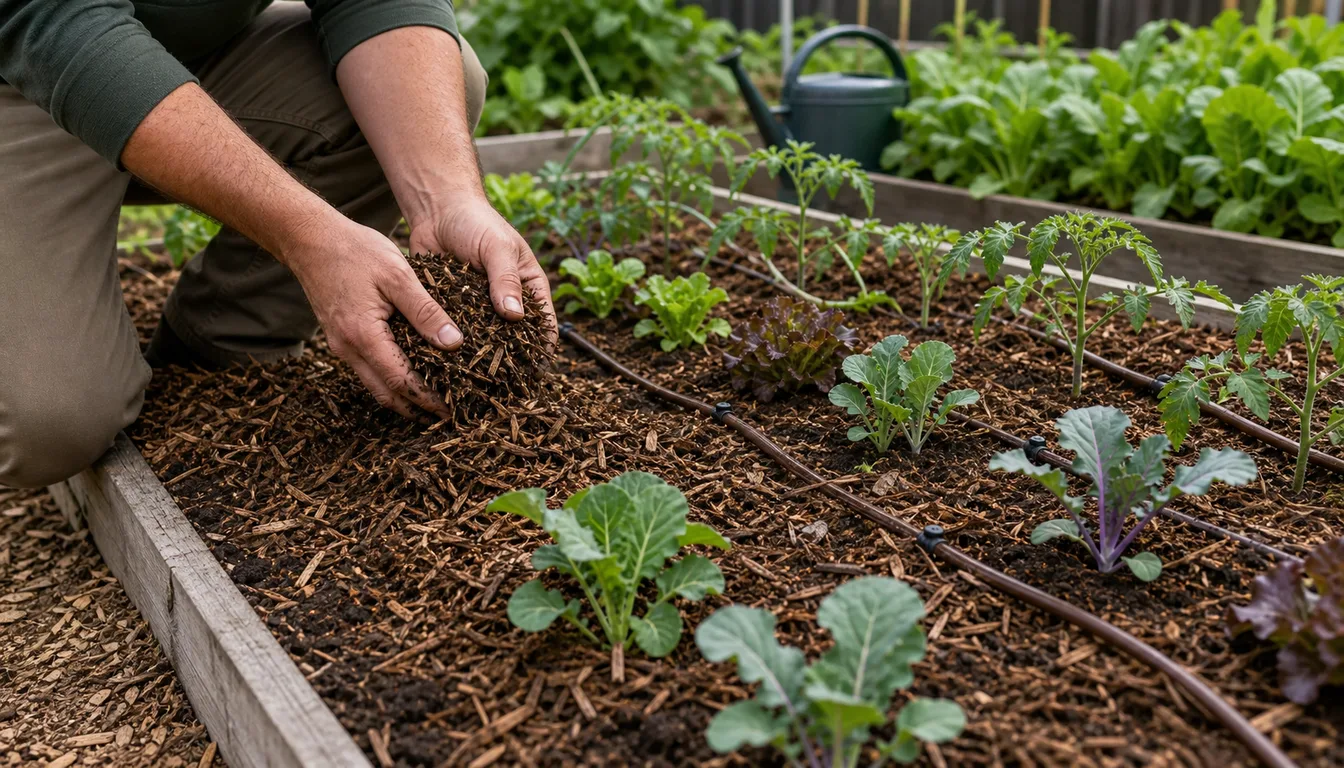
- Cover bare soil with plants or 2 to 3 inches of mulch, since a thin crust forms on bare soil and keeps water from reaching the roots.
- Leave fallen leaves and grass clippings where they fall so the soil keeps its organic matter.
Does fertilizer help compacted soil?
Roots in compacted soil are generally shallow and malformed, so they reach less of the soil for nutrients and moisture. On compacted farm soil, Minnesota Extension finds nitrogen and potassium the most common deficiencies. A plant with stunted growth and discolored leaves in packed soil may therefore have roots that cannot reach nutrients already there, and loosening the soil comes before more feeding.
Once the soil is open, aeration lets fertilizer enter the lawn's soil, and compost does two jobs in a bed, because organic matter improves soil structure and adds nutrients. For the lawn itself, a lawn fertilizer schedule sets the rates and months.
What about trees, shrubs and slopes?
Mildly compacted soil can be handled by choosing plants adapted to the site, and replacing the soil is an option in a small area with severe compaction. New topsoil for shrubs and trees has to be 1½ to 3 feet deep.
Around an established tree, the method is to dig radial trenches 4 to 6 inches wide and 12 inches deep, running from the trunk to the drip line at about 3-foot intervals like the spokes of a wheel. The trenches are backfilled with coarse gravel and topped with soil, which loosens the ground without damaging more than one-third of the root system.
Compacted soil also forces water to run off the surface and cause erosion. If that runoff is a problem on a slope, how to level a sloping yard explains when regrading helps and when terracing or plantings are the better fix.
Pro Tips
- Push a probe or steel rod into the soil, and compare the result with a loose part of the yard.
- Squeeze a handful of soil before you dig or drive on it. If it holds its shape in a ball, wait.
- Core aerate a lawn only while the grass is growing vigorously, and leave the plugs on the lawn.
- Use compost to loosen clay. Sand added in small amounts can make compaction worse.
- Cover bare soil with plants or 2 to 3 inches of mulch so rain does not seal the surface.
- Keep foot traffic on permanent paths so planting areas are not stepped on.
Frequently Asked Questions
How long does it take to fix compacted soil?
Light compaction improves gradually when you topdress with compost, because earthworms pull it down into the soil. Heavy compaction takes longer. In Minnesota research on farm soil packed by axle loads of 10 tons or more, yields on the compacted soil approached those on uncompacted soil after two to seven years, depending on soil and climate, and clay soils recovered more slowly.
Will worms and microbes loosen compacted soil on their own?
In lightly compacted soil they help. As organic materials decompose, they attract soil organisms that create pore space, and earthworms pull topdressed compost down. Highly compacted soil may need more extreme physical aeration, as Colorado State notes, so add organic matter first and aerate where the probe still barely enters.
Will winter freeze and thaw loosen compacted soil?
Only the shallow layer. Freeze-thaw cycles can relieve shallow compaction but are generally not enough where heavy equipment caused it. In the Upper Midwest, Minnesota Extension says only the top 2 to 5 inches of soil go through more than one freeze-thaw cycle per year.
Sources & References
- University of Delaware Cooperative Extension, Combating Soil Compaction
- Colorado State University, Landscape For Life, Soil Compaction
- University of Maryland Extension, Lawn Aeration
- Penn State Extension, Using Composts to Improve Turf Performance
- Oregon State University Extension, Practical Lawn Care for Western Oregon
- University of Illinois Extension, Prepare the Soil
- University of Minnesota Extension, Soil Compaction