
Plantingschedule11 min read
Spring Blooming Flowers for Early Color in Any Yard
Practical guide to choosing, planting, and caring for spring blooming flowers in zones 3–11, including timing, bulbs vs perennials, soil prep, and layout tips.
Bare soil in April is usually a planning problem, not a climate problem. With the right mix of bulbs, perennials, and flowering shrubs, you can have color from the first thaw through early summer.
The method, start to finish: picking varieties for your zone, timing planting, and setting up low-maintenance beds. We will lean on reliable workhorses like daffodils and late-spring peonies so you get a long show, not a one-week splash.
local_floristPick Flowers That Actually Bloom In Your Spring
Spring is different in zone 3 than in zone 9, so your bloom calendar has to match your weather, not the seed rack photos.
Gardeners in zones 3–5 still have frozen ground when catalogs show tulips. You rely more on hardy bulbs like crocus, daffodils, and compact shrubs such as lilac for reliable blooms.
In zones 6–8, spring is long and mild. You can stagger bulbs, perennials, and shrubs so something flowers from March to June. Think midseason tulips, May irises, and June peonies all in one border.
Warm regions, especially zones 9–11, treat many “spring” flowers as late-winter bloomers. Bulbs often need pre-chilling or substitutes like lantana and trailing verbena to keep color when true spring heats up fast.
A good rule is to pick at least one early, one mid, and one late spring bloomer for every bed. That spread covers weird seasons and surprise cold snaps.
Use your fall and spring bulbs as the backbone, then weave in perennials. Pair daffodils with emerging hostas, so the foliage hides yellowing bulb leaves later.
If you pick by bloom window first, color and height choices get much easier.
- fiber_manual_recordCold zones 3–5: Crocus, daffodil, tulip, early-flowering lilac
- fiber_manual_recordMiddle zones 6–8: tulip, iris, bleeding heart, azalea
- fiber_manual_recordWarm zones 9–11: Pre-chilled tulips, freesia, heat-tolerant shrubs
- fiber_manual_recordShrubs for structure: azalea, camellia, and hydrangea companions
yardBulbs vs Perennials vs Shrubs
Different plant types give spring color in different ways. Knowing what each group does saves you from ripping out a whole bed every other year.
Spring bulbs like tulips and daffodils are planted in fall, sleep all winter, then pop early. Most are technically perennials, but many hybrid tulips fade after a few seasons.
Traditional perennials such as bleeding heart and spring phlox are planted in spring or fall and return for years. They spread slowly, filling gaps between bulbs and shrubs.
Flowering shrubs, from forsythia to spring azaleas, anchor the view at eye level. They bloom for a shorter window but give height, screening, and winter structure.
Annuals have a smaller role in spring but can patch bare spots if bulbs underperform. Cool-season options include pansies and violas tucked between perennials.
Treat bulbs as seasonal fireworks, perennials as the dependable crew, and shrubs as the frame around the picture.
Do not rely on bulbs alone for spring color. A bed of only tulips looks great for two weeks, then disappears.
Use this breakdown before you buy, because each plant type leaves a different gap after bloom.
- fiber_manual_recordBulbs: Fast impact, plant in fall, some varieties short lived
- fiber_manual_recordPerennials: Long-term plants, divide every few years to stay vigorous
- fiber_manual_recordShrubs: Bigger investment, structural bones of spring beds
- fiber_manual_recordAnnuals: Flexible fillers for gaps and containers
Guide — See AlsoIndoor Plant Care Calendar: What Changes Through the YearUse a practical indoor plant care calendar so watering, feeding, repotting, and propagation line up with the season inst
chevron_rightparkPlan Simple Layouts That Look Pulled Together
Beds that look like a pro designed them usually follow a few boring, repeatable rules. You can copy those rules without buying rare plants.
Start by deciding your viewing angle. A front-of-house bed is usually seen from the sidewalk, so taller plants like tall peonies and bearded iris belong in the back with low bulbs up front.
From all-sided views, such as an island bed, put tallest shrubs or small trees like dogwood in the center, then step down in height toward the edges. Repeat the same 3-5 plants, instead of sprinkling singles.
Color is easier if you pick a limited palette. One cool scheme could be purple salvia, blue Siberian irises, and white Shasta daisies to bridge into summer.
Hot schemes lean on reds, oranges, and yellows with bright tulips, gold daffodils, and a backdrop of yellow forsythia in hedge form.
Pathways and edges look tidy if you repeat one short edging plant. Use low bulbs up front, then a row of compact perennials such as catmint or colorful coral bells.
- fiber_manual_recordBack row: Flowering shrubs, tall perennials, small trees
- fiber_manual_recordMiddle row: Mid-height perennials, late spring stars
- fiber_manual_recordFront row: Low bulbs, edging perennials, ground covers
- fiber_manual_recordDesign trick: Repeat the same color in at least three spots
Email Updates
Join the KnowTheYard update list
Zone-specific advice, seasonal reminders, and new plant guides — no filler.
calendar_monthTiming: When To Plant For Spring Blooms
Spring color often depends on what you did six months earlier. Planting time is different for bulbs, potted perennials, and shrubs.
Cold-hardy bulbs such as tulips, daffodils, and early lilies go in when soil cools to about 50°F, usually mid-fall. They need weeks of cold to bloom well.
In zones 3–5, that usually means September to early October. In zones 6–8, plan on October to November. Warmer zones often chill bulbs in the fridge, then plant in late winter following local guidance.
Container perennials like phlox or potted peonies can be planted in early fall or early spring, as soon as soil can be worked. Fall planting gives stronger root growth before summer heat.
Flowering shrubs for spring, such as azalea and lilac, establish best in fall in hotter zones. In colder areas, early spring planting works well, similar to timing for bare-root apple trees.
Never plant bulbs into frozen ground or waterlogged beds. They rot before roots can grow.
Soil temperature is more reliable than the calendar for deciding when to plant.
- fiber_manual_recordBulbs: Plant when soil is 40–50°F in fall
- fiber_manual_recordPerennials: Plant early fall or early spring, avoid peak heat
- fiber_manual_recordShrubs: Plant fall in warm zones, spring in colder ones
- fiber_manual_recordCheck: Ground should be workable, neither icy nor soupy
Guide — See AlsoBest Soil for Houseplants: Match the Mix to the RootsChoose houseplant soil by airflow, water retention, and root habit instead of buying one bag and hoping every plant acce
chevron_rightwater_dropWater, Feed, And Mulch After Planting
Good aftercare is what turns a bed of tiny shoots into a wall of color. Spring flowers are shallow rooted at first, so they react fast to dry soil or heavy fertilizer.
Water in bulbs, perennials, and shrubs right after planting until the soil is evenly moist. Then switch to deep, occasional watering instead of light daily sprinkles so roots chase moisture downward.
Mix slow release food into the hole for heavy feeders like rose shrubs and large hydrangea clumps. Skip fertilizer at planting for bulbs like tulip drifts and daffodil clusters; too much nitrogen grows leaves instead of flowers.
Add 1-2 inches of shredded bark or leaf mold around plants, keeping it a couple inches off stems and crowns. In colder spots like zone 4 yards, that mulch also evens out freeze-thaw cycles.
Fresh manure or thick grass clippings around bulbs can burn tender roots and encourage rot.
Keep aftercare conservative at first, then increase feeding only after roots settle and active growth is visible.
- fiber_manual_recordFirst drink: Slow soak until the top 6 inches of soil are damp
- fiber_manual_recordFertilizer timing: Feed perennials in early spring, shrubs after flowering
- fiber_manual_recordMulch depth: Aim for 1-2 inches, never more than 3 inches
- fiber_manual_recordWeed control: Hand pull weeds before they seed into your new bed
calendar_monthKeep Blooms Coming All Season
The fastest way to lose spring color is to let plants put all their energy into seeds. Regular deadheading and light grooming keep flowers coming weeks longer.
Clip spent blooms on plants like blue salvia mounds, coneflowers, and black-eyed Susans back to a leaf or side bud. That pushes energy into new stems instead of seed heads.
Bulbs are different. You can remove the faded flower on tulip stems and daffodil spikes, but you must leave the green foliage until it yellows naturally. Those leaves are refilling the bulb so you get flowers next year.
Shrubs like old fashioned lilacs and spring azaleas set next year's flower buds soon after they bloom. Prune or shape them right after petals drop, not in fall, or you cut off next spring's show.
- fiber_manual_recordDeadhead schedule: Check beds once a week and carry small pruners
- fiber_manual_recordBulb foliage: Bend and lay strappy leaves flat, do not braid or tie
- fiber_manual_recordShrub pruning: Finish shaping spring bloomers by mid summer
- fiber_manual_recordCut flowers: Harvest early morning to keep plants and bouquets fresher
Guide — See AlsoHow to Germinate Old Seeds and Test ViabilityLearn reliable ways to germinate old seeds, from quick viability tests to pre-soaks and ideal temperature and moisture s
chevron_rightquizTroubleshooting Weak Or Missing Blooms
A bed full of leaves and almost no flowers is frustrating, but it usually traces back to just a few problems. Light, age, and crowding are the big three for spring displays.
Shade is the first thing to check. Bulbs like bearded iris clumps and tall lilies need at least 6 hours of direct sun. If tree canopies have filled in since planting, flowers thin out even though foliage looks fine.
Overcrowding creeps up on us. Clumps of daylilies by the mailbox and hostas along the walk bloom less when roots are packed tight. Dig and divide every 3–5 years to reset vigor.
Poor feeding and timing also show up as weak color. High nitrogen lawn fertilizer drifting into your beds grows big leaves but few buds. Use balanced or bloom leaning food instead, or follow a simple program like the ones in vegetable garden feeding schedules and scale rates for ornamentals.
If bulbs never emerged at all, rodents, rot, or planting too shallow in cold zones likely killed them.
Use the clues below to decide whether the problem is placement, crowding, feeding, or bulb loss.
- fiber_manual_recordToo much shade: Move sun lovers to brighter spots or thin overstory branches
- fiber_manual_recordOld clumps: Divide perennials with a spade and replant the outer, younger pieces
- fiber_manual_recordWrong fertilizer: Avoid high first number "lawn" products near flower beds
- fiber_manual_recordRotten bulbs: In soggy spots, switch to raised beds or better drained soil
pest_controlProtecting Spring Flowers From Pests And Weather
Spring flowers wake up just as hungry pests and weird temperature swings return. A little protection keeps you from losing buds before they even open.
Deer and rabbits can mow an entire row of tulip flowers or emerging hostas overnight. In known problem areas, choose tougher options from deer resistant picks or ring tasty plants with strongly scented choices such as lavender and upright rosemary.
Late frost is another spring heartbreaker. Keep a stack of old sheets or frost cloth handy for bigleaf hydrangea buds and fruiting trees like backyard apple trees. Cover in the evening when frost is forecast and remove in the morning once temps rise.
Slugs and snails shred soft new growth on hosta leaves, young asters, and early phlox. Hand pick at dusk, use iron phosphate baits, and keep mulch thin right around crowns so they have fewer hiding spots.
- fiber_manual_recordPhysical barriers: Use temporary fencing or netting for the first tender weeks
- fiber_manual_recordRepellent plants: Mix fragrant herbs among your spring bloomers
- fiber_manual_recordFrost protection: Cover when lows dip near 32°F, especially after warm spells
- fiber_manual_recordSlug control: Water early in the day so soil surface dries before night
Guide — See AlsoButterfly Garden Plants for Continuous BloomsLearn how to choose and place butterfly garden plants so you have nectar and host options from spring through fall in zo
chevron_righttips_and_updatesAdvanced Tricks For Long, Layered Spring Color
Once you have basic spring color handled, small tweaks can stretch that season from snowmelt to early summer. Think in layers, both in time and in plant height.
Stagger bloom times by combining early bulbs, midseason perennials, and late shrubs in the same bed. For example, underplant gold forsythia branches with early daffodils, follow with creeping phlox carpets, and finish with upright salvia and midseason coneflowers.
You can also stack bulbs in one hole. Plant large tulip bulbs deepest, then a layer of sturdy daffodils, then small things like liatris corms or ornamental alliums closer to the surface. This "lasagna" planting gives you waves of color from one footprint.
If you want cut flowers indoors, dedicate one row or a small bed to straight, easy growers like shasta daisies, old peony clumps, and tall iris. That way you can harvest hard without leaving holes in your front yard display.
- fiber_manual_recordBloom ladder: Pair at least one early, one mid, and one late bloomer in every bed
- fiber_manual_recordLasagna depth: Bulbs at 8 inches, 6 inches, then 4 inches in the same hole
- fiber_manual_recordCutting patch: Grow extras in a side bed so display areas stay full
- fiber_manual_recordColor repeats: Echo the same color in containers and beds to tie the yard together
tips_and_updates
Pro Tips
- check_circleGroup bulbs in clumps of 7–15, not straight rows, so blooms look natural from the street.
- check_circleMix early, mid, and late varieties of the same flower, like staggered-bloom tulips, for a longer show.
- check_circleMark bulb spots with small stakes so you do not slice them while adding perennials later.
- check_circlePlant fragrant picks, such as hyacinths or daphne, where you walk past them regularly.
- check_circleLeave bulb foliage until it yellows; hide it with emerging perennials instead of cutting it early.
- check_circleTest drainage before planting shrubs by filling the planting hole with water and timing how fast it drains.
- check_circleUse at least 2–3 inches of mulch to keep spring soil moisture steady and reduce weeds.
- check_circleStart harder-to-germinate perennials indoors, then harden seedlings gradually before moving them outside.
quiz
Frequently Asked Questions
Can I plant spring flowers in containers instead of the ground?expand_more
Yes, most spring bloomers do well in pots if you use drainage holes and quality potting mix. Choose compact varieties, water when the top inch dries, and move containers into shade during sudden heat in zones 8–11.
How many years will spring bulbs bloom before I need to replant?expand_more
Naturalizing bulbs like daffodils and crocus can bloom for decades if they have sun and good drainage. Tulips often fade after 2–3 years, so many gardeners treat them like annuals and replant fresh bulbs each fall.
Should I cut back foliage after my spring flowers are done?expand_more
Cut back spent flower stalks, but leave green leaves on bulbs and perennials for at least six weeks. Those leaves feed roots and bulbs for next year. Once foliage yellows and flops, you can trim it at ground level.
Do I need to fertilize every spring to get good blooms?expand_more
Light yearly feeding helps, especially in sandy or heavily used beds. Use a balanced or bloom focused fertilizer in early spring for perennials and shrubs, and avoid overdoing nitrogen which favors foliage over flowers.
What spring flowers are best for shady spots?expand_more
Look for woodland types like bleeding heart, astilbe, and some hellebores, along with foliage plants like hosta. They handle dappled shade where sun lovers like tulips and salvia would stretch or stop blooming.
menu_book
Sources & References
Related Guides

Air Purifying Plants for Cleaner Indoor Air
Learn how to pick, place, and care for air purifying plants so they help your indoor air instead of just looking pretty.
11 min read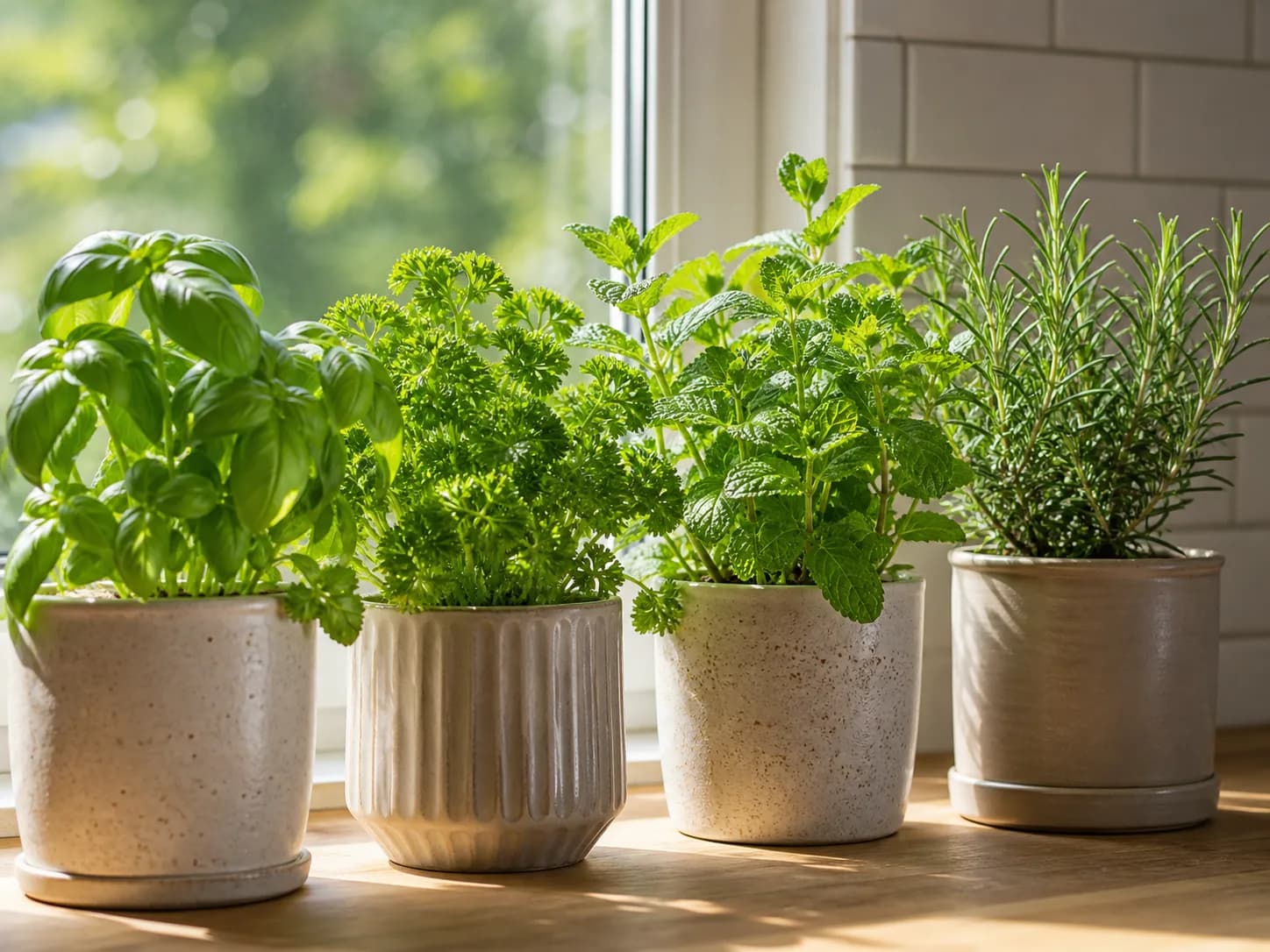
Best Herbs to Grow Indoors for Real Harvests, Not Spindly Pots
Choose indoor herbs that can actually produce in your light, temperature, and container setup, then match each one to the right harvest rhythm and watering style.
10 min read
Best Indoor Plants for Every Room and Light Level
A practical guide to choosing the best indoor plants for your home, covering beginner-friendly picks, low light champions, bright light lovers, watering basics, and how to avoid the most common mistakes.
13 min read