
What's a Clematis? How to Find Its Pruning Group First
Clematis spp. Ranunculaceae
A Clematis grips with its leaf stalks, so it can only climb something thin, and every cut you make depends on which of three pruning groups it belongs to. Get the group and the planting depth right and the vine holds one spot for decades.
Care snapshot
What Is a Clematis, and How Does It Actually Climb?
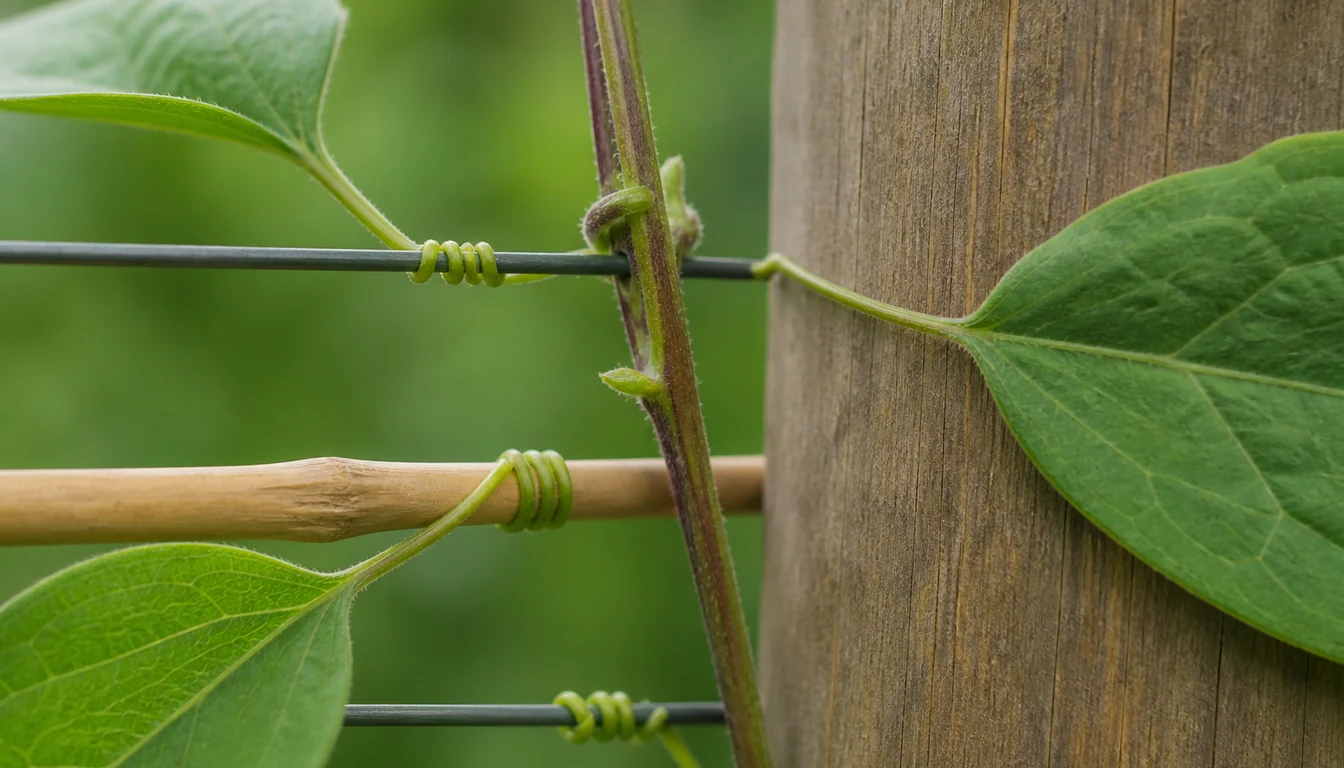
A Clematis is a woody climbing vine that gets upward by coiling its leaf stalks around whatever it can reach.
That mechanism is the single most useful thing to know about the plant. The stems themselves do not twine and there are no tendrils, so the vine can only hold onto something a leaf stalk can wrap right around.
Twine, wire, netting, and thin trellis slats all work. A fence post, a pergola upright, or a smooth pipe gives the leaf stalks nothing to close on, and the vine slides down it however carefully you tie the stems in.
The flowers are worth a note too, because what look like petals are sepals, which is why they hold their color and shape for weeks rather than shattering after a few days.
Plan on the plant staying put. A Clematis crown lives in one spot for years and even decades while the top growth is repeatedly cut back, so the support you build is a longer commitment than the vine you buy.
Which Pruning Group Is Your Clematis, and When Do You Cut It?
Every cut on this plant depends on which of three pruning groups it belongs to, and guessing wrong costs a full season of flowers on old wood. Cut a spring bloomer hard in February and you remove the buds it made last summer.
If the label is long gone, the flowering date tells you almost everything.
A vine that flowers in early spring is group 1, blooming on wood it made the previous year. One that gives big flowers in late spring and a lighter second flush later is group 2.
Anything that starts in midsummer and runs into fall is group 3, flowering entirely on growth made that season.
What each group needs follows directly from that. Group 1 wants only tidying once flowering ends, group 2 wants light shaping and dead-wood removal in late winter, and group 3 is cut back hard to a low pair of buds before growth starts.
With a genuinely unknown vine, do nothing for a year and watch when it flowers.
- Group 1
- Flowers early spring on last year's wood. Tidy and untangle right after bloom; never cut hard in winter.
- Group 2
- Large flowers late spring with a lighter repeat. In late winter remove dead wood and shorten lightly; a hard cut erases the first flush.
- Group 3
- Flowers midsummer to fall on new growth. Cut hard to a low pair of strong buds in late winter.
- Unknown vine
- Leave it uncut for one season and record the flowering month. That single observation assigns the group.
Why Does Clematis Want Sun on Top and Shade Below?
The vine and its roots want opposite conditions, which is why the old advice about a clematis is head in the sun and feet in the shade.
The top growth needs around six hours of direct sun to flower properly, though in Zone 8 and Zone 9 heat, morning sun with afternoon shade keeps the colors from bleaching out. Below that light level you get long weak stems and very few flowers.
The crown is the part that suffers from the same sun. A baking, exposed root zone swings between wet and dry faster than this plant's narrow root run can cope with, and that instability shows up as stress long before the leaves do.
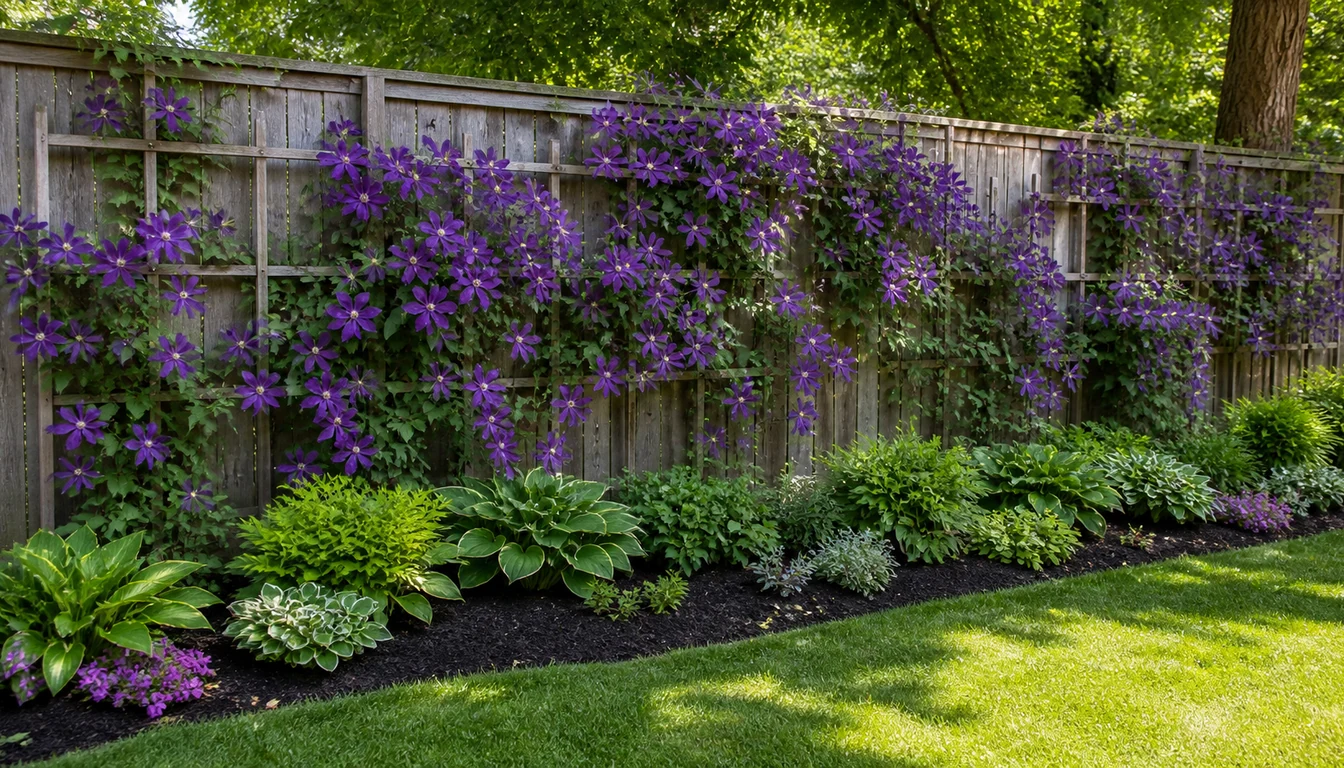
- Mulch 2 to 3 inches deep over the root zone, held clear of the stems themselves.
- Plant low perennials at the base so their foliage shades the crown by midsummer.
- Set a flat stone or paver on the soil over the root run in a hot exposed bed.
- Site the crown on the shaded side of a shrub while the vine climbs into the light above it.
How Deep Should You Plant a Clematis?
Set the crown 2 to 3 inches below the level it sat at in the pot, which contradicts what you would do with almost any other perennial.
Those buried nodes are insurance. If wilt takes the top growth or a hard winter breaks the stems off at ground level, buds below the soil line can push a whole new vine, where a crown planted flush would simply have died.
Give the roots room while you are down there. A hole 18 inches across with the soil worked a similar depth beneath it lets a narrow root system spread out, and in heavy clay a third of the backfill as compost and coarse grit stops it sitting in a sump.
Water follows from that root run. One deep soak a week through the first season, wetting the ground 8 to 12 inches down, builds roots that reach rather than roots that hover near the surface.
- Planting depth
- Crown 2 to 3 inches below the pot line, so buried buds can regenerate the vine.
- Hole width
- At least 18 inches across with soil worked to a similar depth beneath.
- Soil
- Loamy and free-draining. In clay, work in 30 to 40% compost with coarse grit.
- Soil pH
- 6.0 to 7.0, slightly acidic through neutral.
Is It Clematis Wilt or Just Drought Stress?
Both leave you looking at limp drooping foliage, and from across the garden they are indistinguishable. Up close the stems settle it immediately.
Clematis wilt blackens the stem from the top down, often within a day or two, while the roots below stay perfectly alive.
Drought does the opposite. The whole plant sags gradually, the stems stay green and firm, and a good soak brings it back within hours rather than requiring any cutting at all.
Treat confirmed wilt surgically and quickly. Cut every affected stem back to clean green tissue or right to ground level, take the prunings away rather than composting them, and clear any mulch heaped against the base so air can move through the crown.
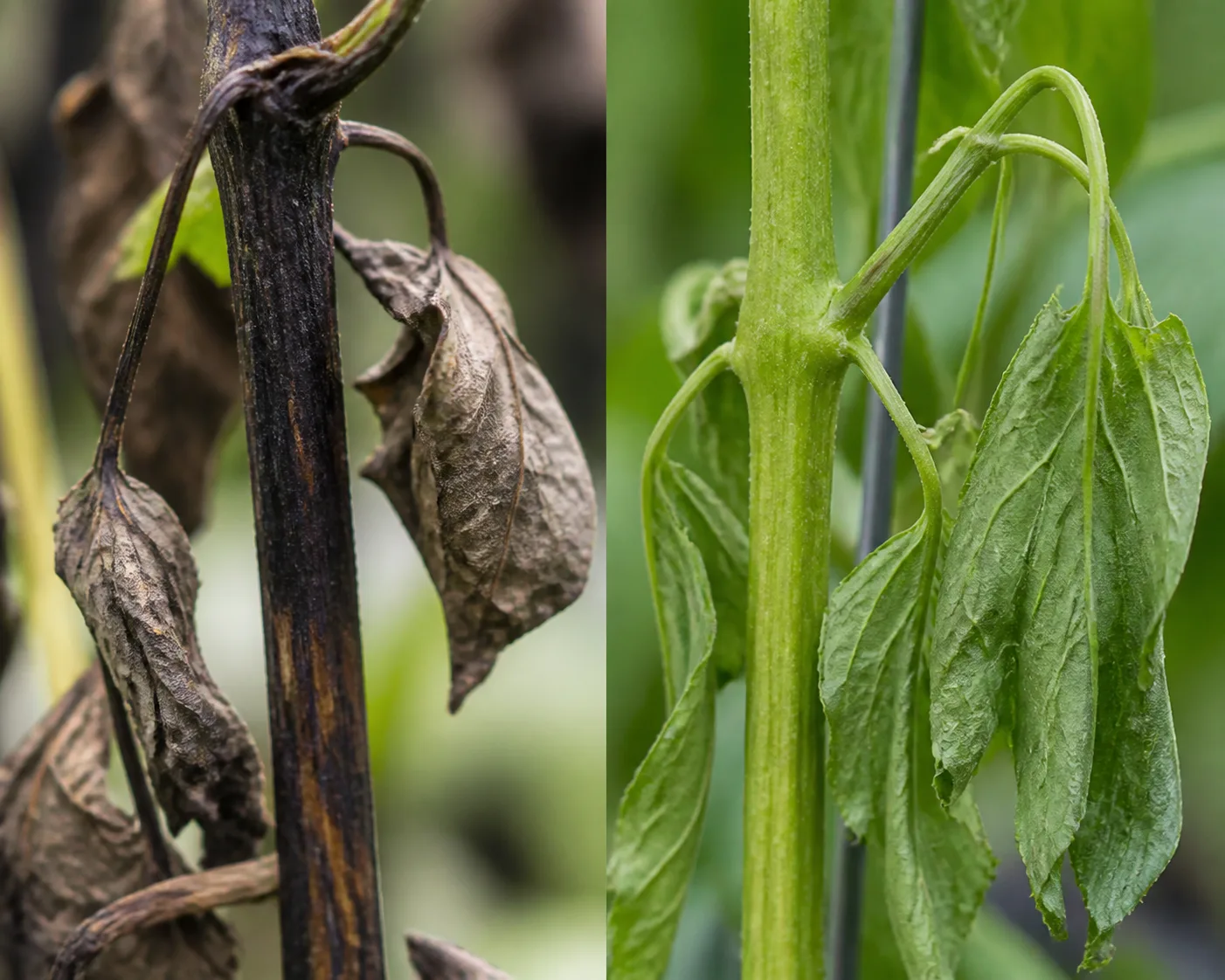
Sudden top-down collapse with blackened stems while the roots stay sound. Cut affected stems to clean tissue or to the ground, remove the prunings, and open up the base.
Gradual whole-plant droop with green firm stems. Soak deeply rather than cutting anything, and check whether the crown has lost its shade.
Ragged holes in new leaves and stripped young stems at ground level in a wet spring. Hand-pick after dark and thin any soggy mulch near the base.
Clusters on soft new shoots with sticky residue below them. A strong water spray every few days usually settles it without further treatment.
What Does It Need Over Winter, and Is the Sap Safe?
Cold itself is rarely the winter problem, since most garden clematis are hardy well below the temperatures their gardens reach.
Freeze and thaw is the real risk. Ground that repeatedly expands and contracts lifts a crown clear of the soil where it dries out, so a 4 to 6 inch mulch over the root zone once the ground has frozen holds the temperature steady rather than merely warm.
Handling matters more than most people expect. The sap of a Clematis carries irritant compounds that redden and itch sensitive skin, so gloves are worth wearing for any real pruning session, particularly on a group 3 vine you are cutting to the ground.
ASPCA lists clematis as toxic to dogs, cats, and horses because of an irritant glycoside, protoanemonin. A pet that chews it can drool, vomit, or have diarrhea, so do not train it along a fence a dog patrols, and if a pet eats it, contact a veterinarian or ASPCA Animal Poison Control.
Frequently Asked Questions
Why is my clematis not flowering?
The commonest cause is pruning at the wrong time for its group, which removes the wood the flowers were coming from. Too little direct sun on the top growth is the next candidate, particularly where a nearby shrub or tree has thickened since the vine went in.
How long does a clematis take to get going?
The old saying is that it sleeps the first year, creeps the second, and leaps the third, and that matches how most plants behave. A vine that looks unimpressive in its first summer is usually building the root system that pays off later.
Can I grow a clematis in a container?
Yes, given a large deep pot, since the root run needs volume and the crown still wants to sit below the surface. Containers dry out fast in summer and the roots have no surrounding soil to buffer them, so shade the pot itself rather than only the compost surface.
Can I move an established clematis?
It is possible but the plant resents it, and older woody crowns move worst. If you must, do it in early spring while dormant, take as much root as you can lift, and cut the top growth back hard so the reduced roots are not trying to support a full vine.
Will clematis damage a fence or wall?
No, because it holds on by coiling leaf stalks rather than by adhesive pads or penetrating roots, so it needs a structure to grip and leaves the surface behind it untouched. That is the opposite of a self-clinging climber like ivy.
Should I cut a clematis back the year I plant it?
Cutting a newly planted vine back to about a foot in its first late winter feels wasteful but produces several stems from the base instead of one bare leg. That single early cut is what gives you a full clothed vine rather than flowers stranded at the top.
Sources & References
Related Plants
Wisteria
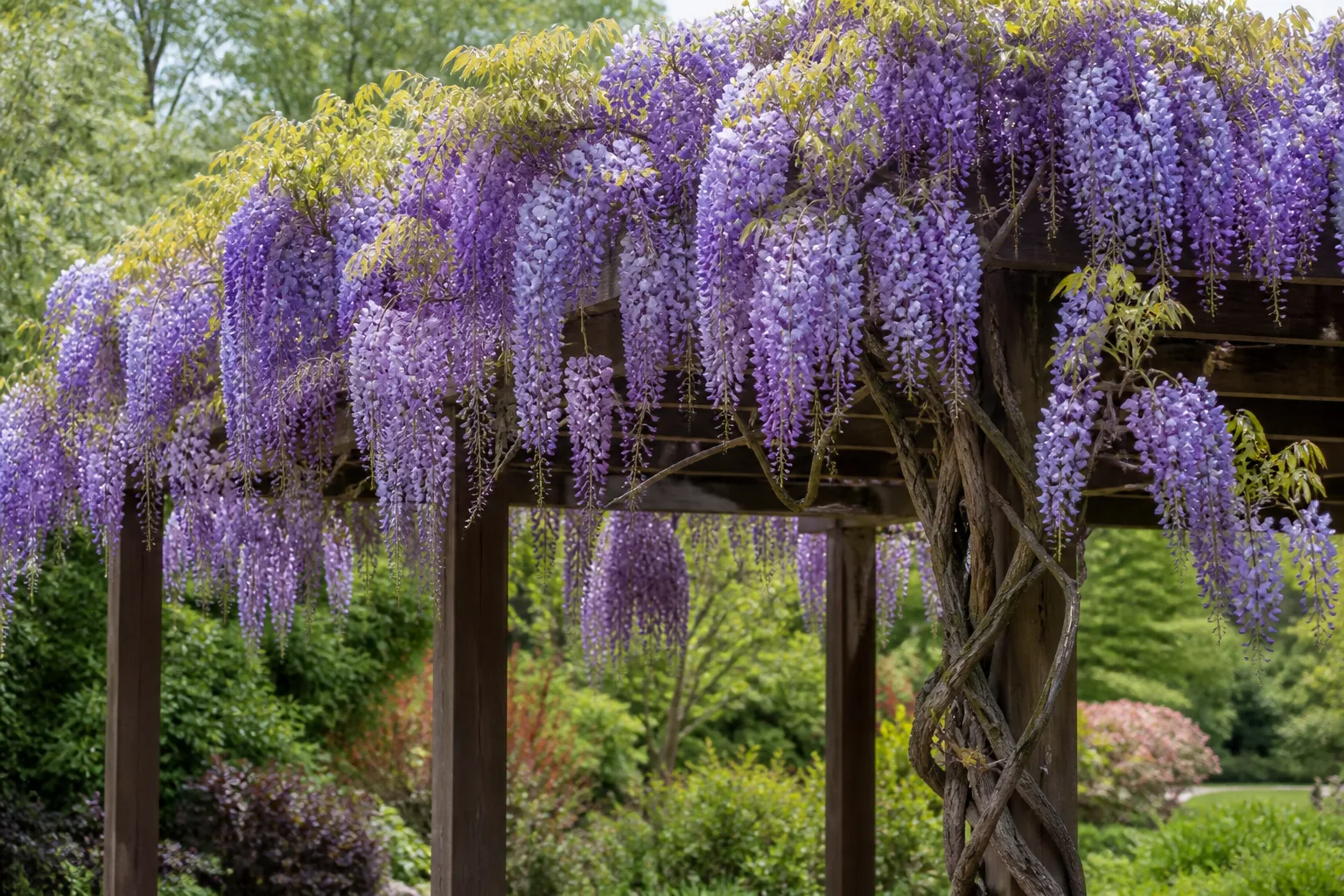
A larger, more vigorous climbing vine that needs sturdier support and firmer pruning control.
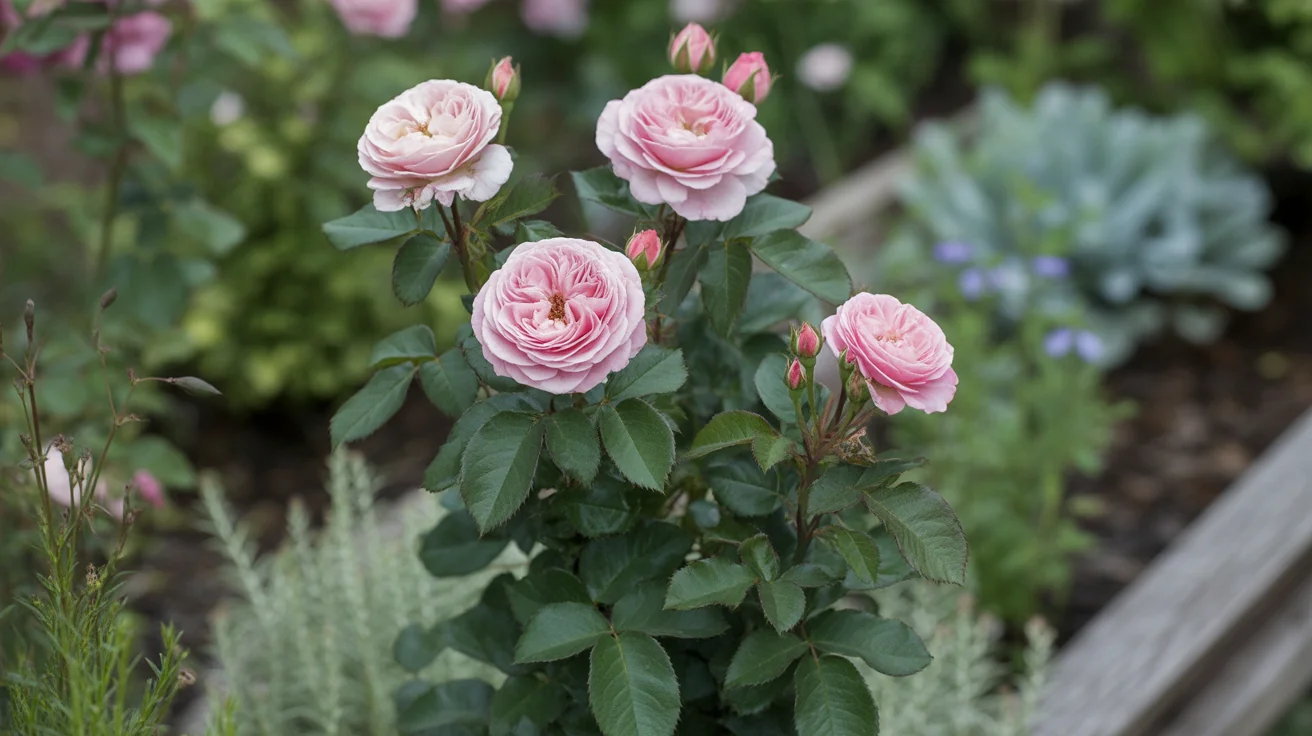
Rose
A classic companion shrub that can shade the clematis crown while sharing a trellis or fence.
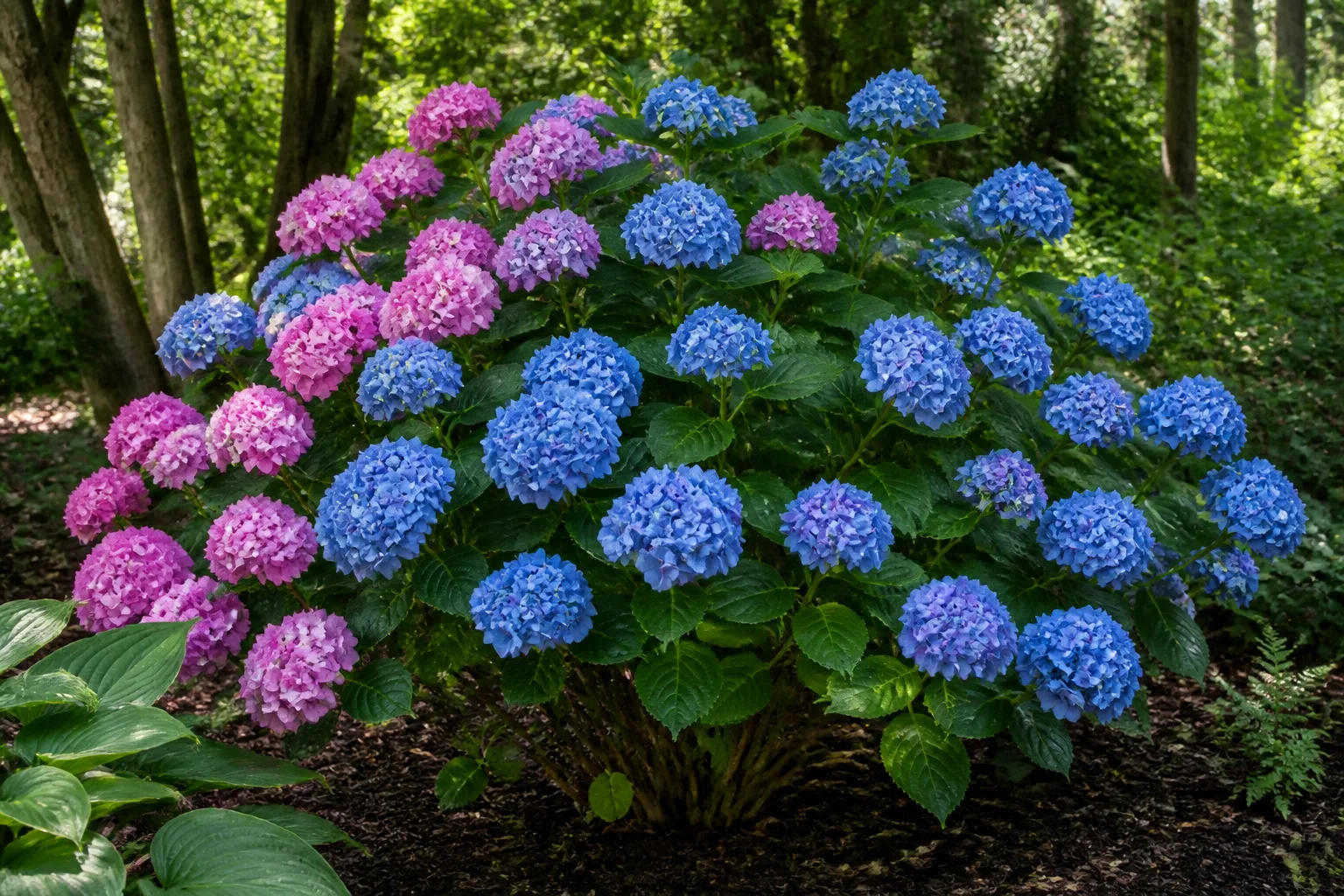
Bigleaf Hydrangea
A shade-casting shrub often paired at the base of clematis to keep roots cool.
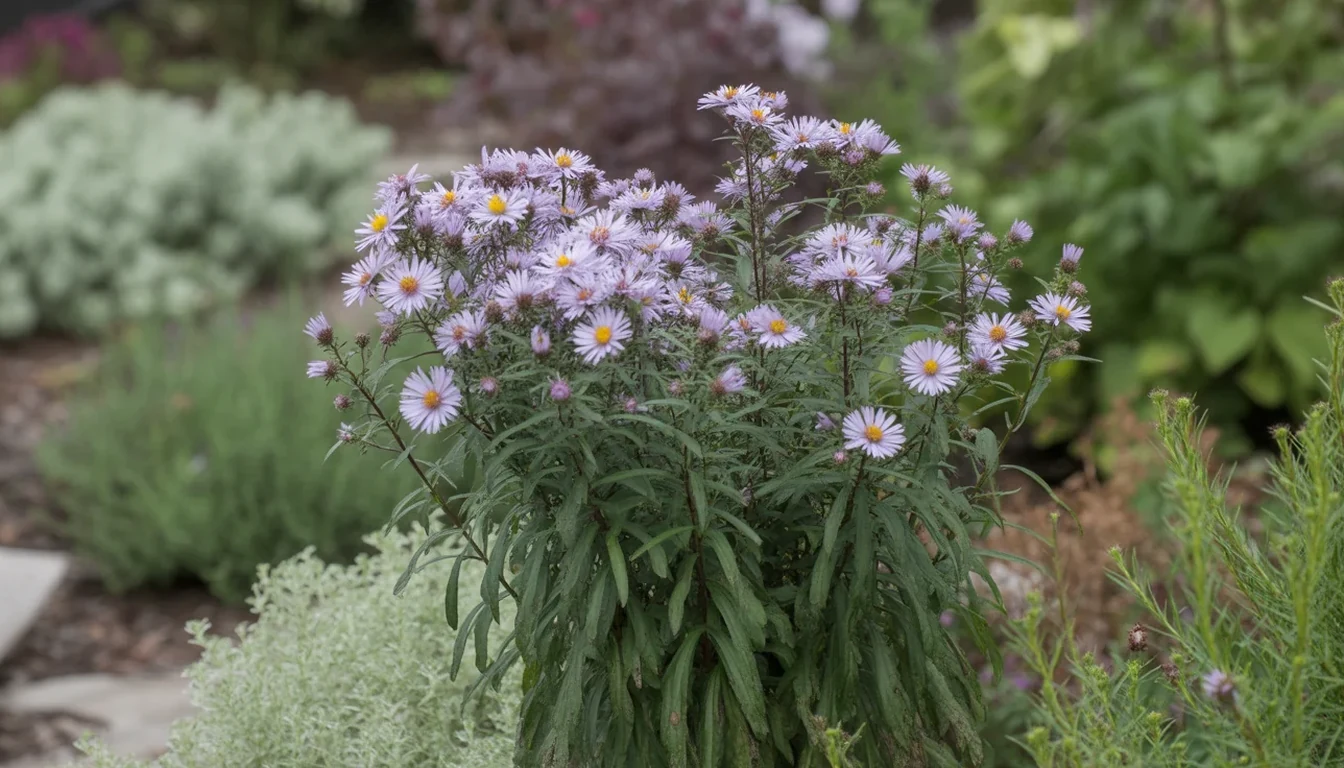
Aster
Gardeners blame the weather when an Aster splits open in September, but the shape was decided in early summer.
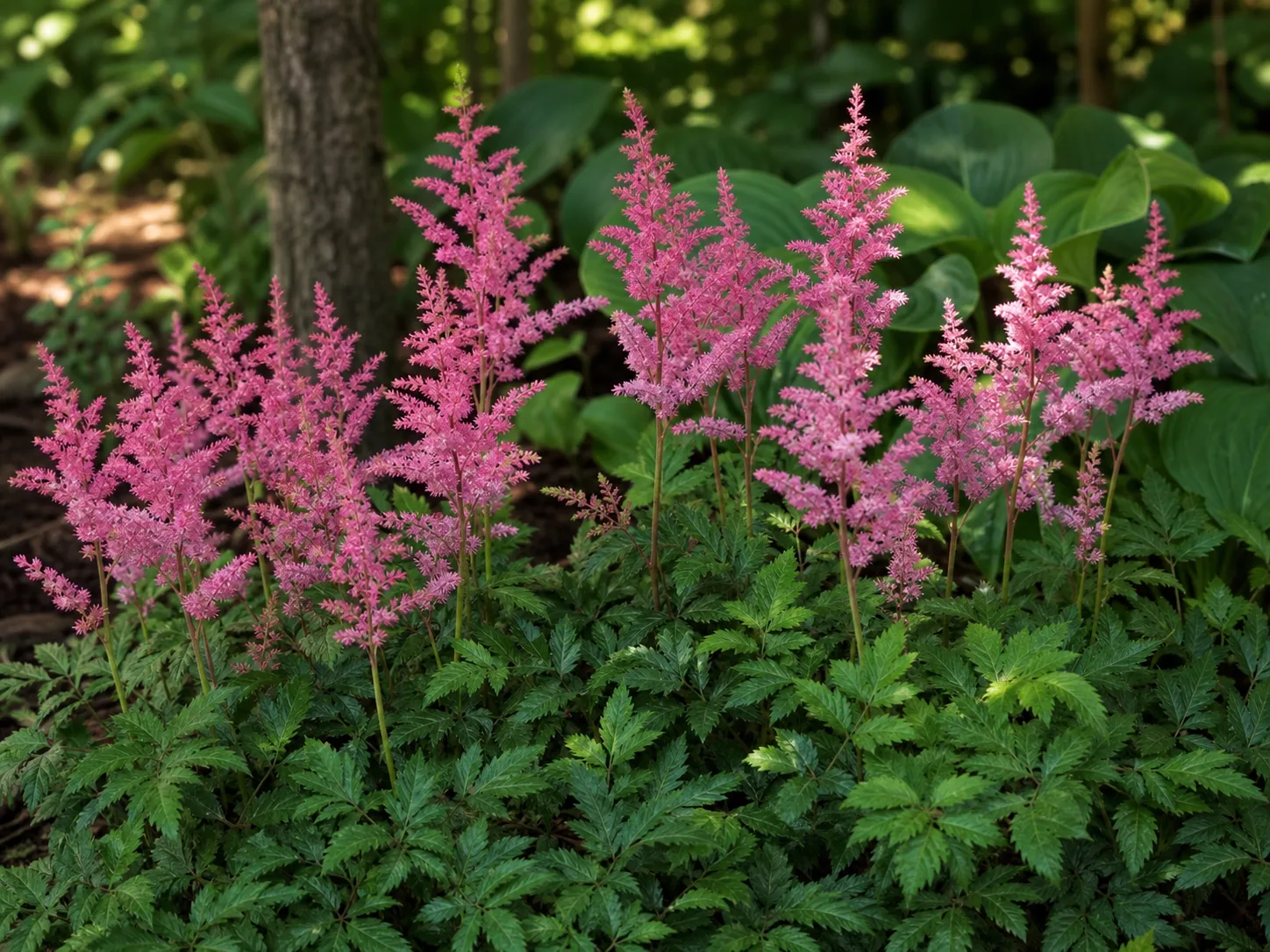
Astilbe
An Astilbe puts real color into a shade bed that would otherwise be green on green, but its shallow roots hold no…
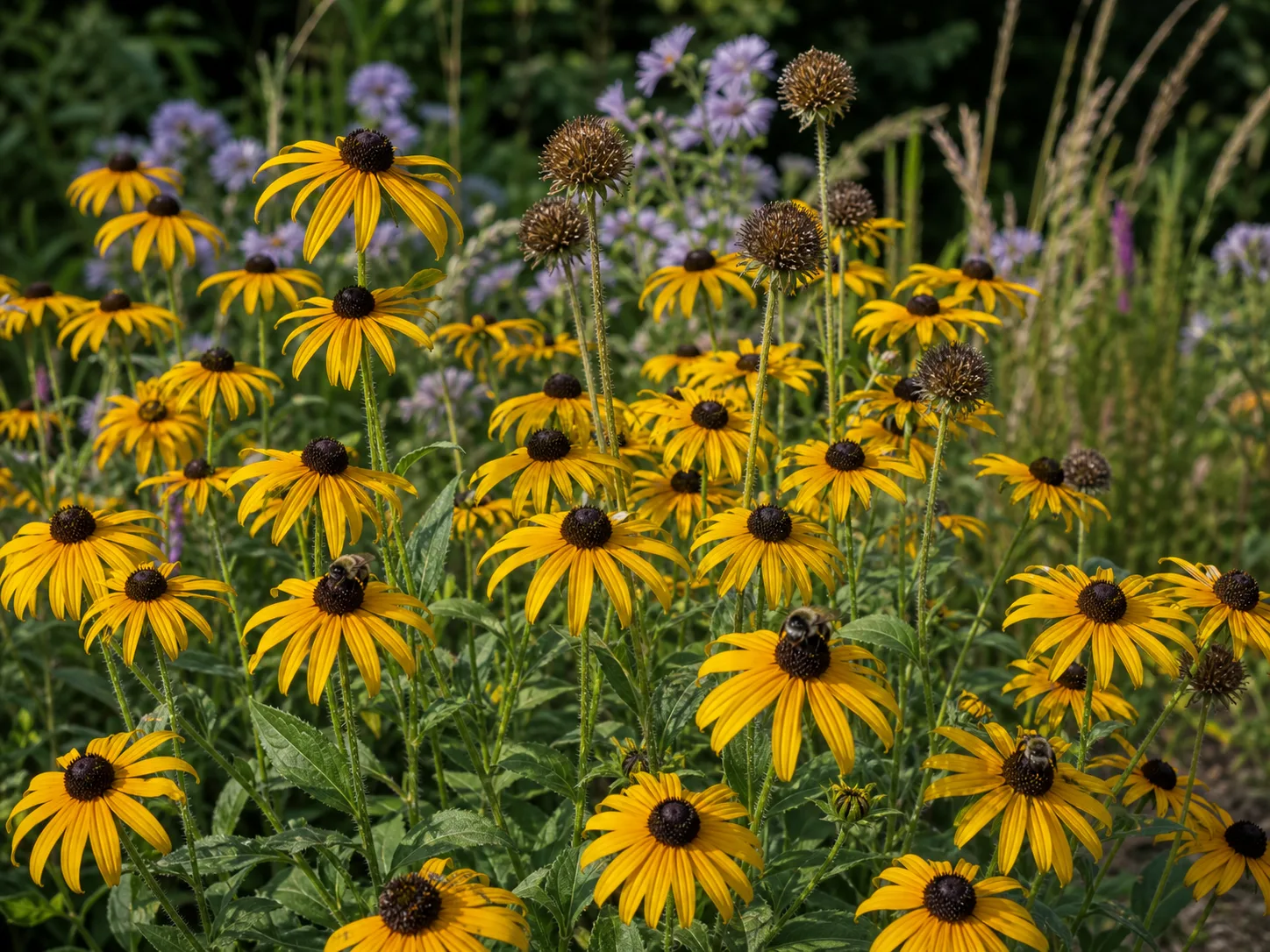
Black-Eyed Susan
A Black-Eyed Susan patch outlives the plants in it. The common garden species lives one to three years and restocks…