
How to Choose a Ginkgo Tree for Its Size, Sex, and Long Life
Ginkgo biloba Ginkgoaceae
Ginkgo is not a plant for instant gratification. It is a patient tree that rewards the right buyer decision up front, male or female, narrow or broad, street-tough or small-yard-mistake.
Once that choice is right, the care is much simpler than the hype makes it sound.
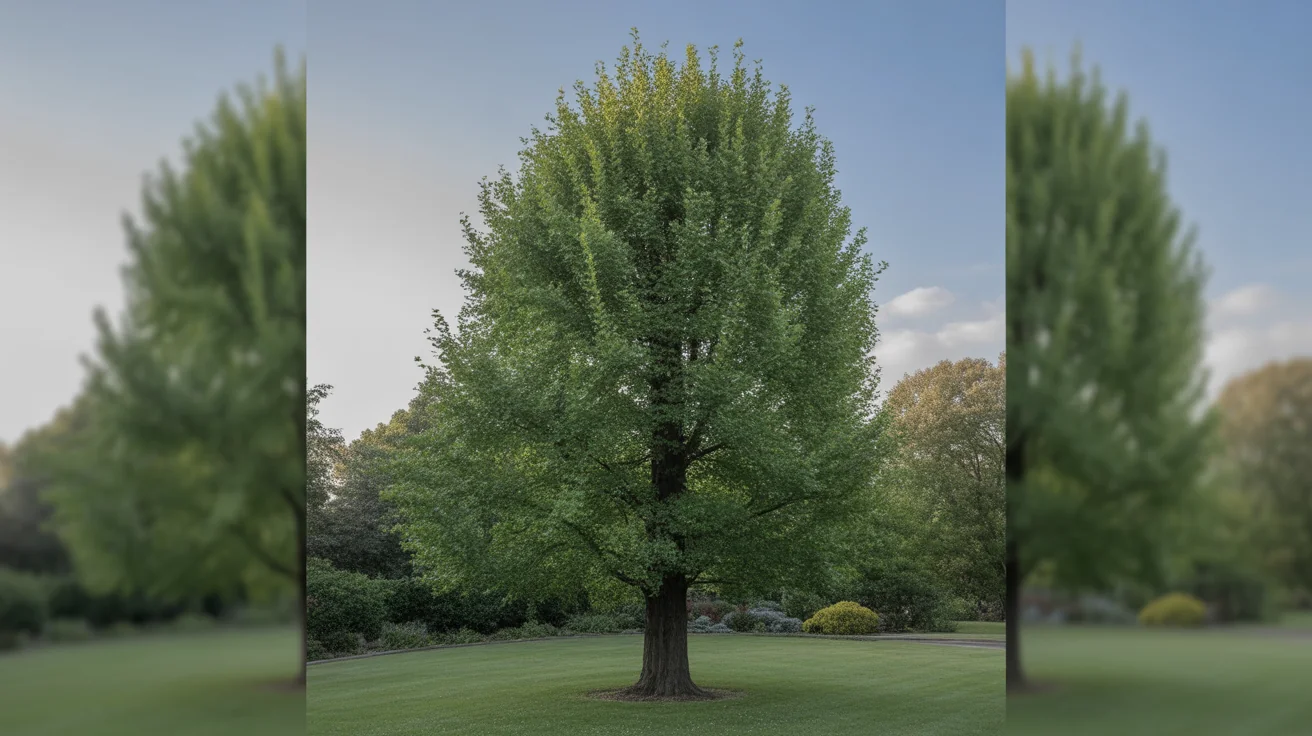
Care snapshot
Should You Buy a Male or Female Ginkgo Tree?
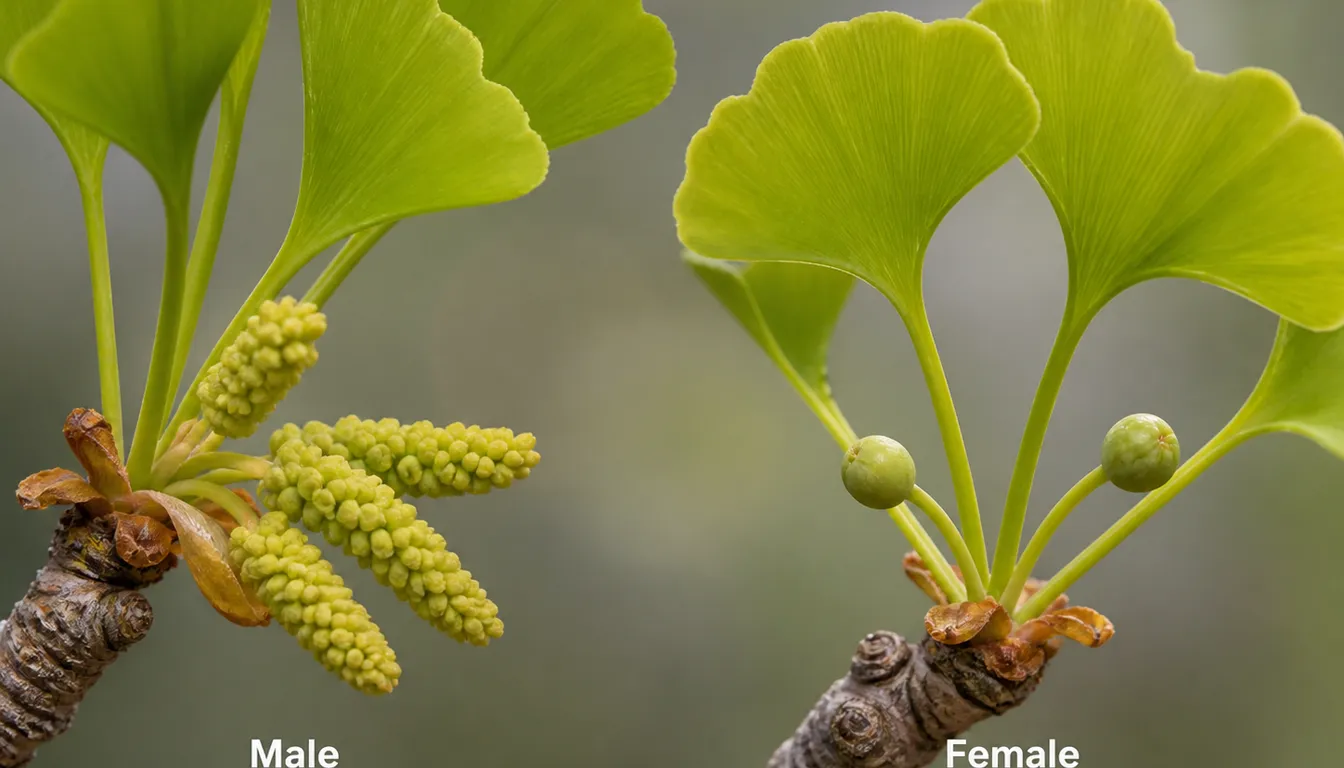
Ginkgo (Ginkgo biloba) is a deciduous gymnosperm with fan-shaped leaves and separate male and female trees. That separation makes sex the first buying decision, before color, growth rate, or fall show.
A Ginkgo can be male or female, and female trees make fleshy seeds that many people describe as foul-smelling once they drop and rot.
That is why most home yards buy a male named cultivar on purpose. If a label does not clearly tell you what you are getting, keep asking until it does.
Named seedless male cultivars such as Autumn Gold, Princeton Sentry, and Magyar are grafted specifically to guarantee sex and a predictable mature form.
Asking a nursery for one of these by name beats trusting a vague promise.
A seed-grown Ginkgo will not reveal its sex until it reaches reproductive maturity, which can take twenty to thirty years or more. A seedling gamble on sex is really a decades-long wait for an answer.
Wild ginkgo populations nearly disappeared entirely, and most botanists believe the species survived only because it was cultivated for centuries in Chinese temple gardens.
Nearly every tree alive today, nursery stock included, descends from that cultivated lineage rather than a truly wild population.
Ginkgo is the sole surviving member of an ancient order of plants dating back over 200 million years, with no close living relatives. It is a genuine living fossil that has changed remarkably little across that span.
This single choice changes the whole ownership experience. A male tree is mostly about structure, shade, and brilliant fall color, while an unwanted female tree near a walk becomes a cleanup problem for years.
Which Ginkgo Form Fits Your Space?
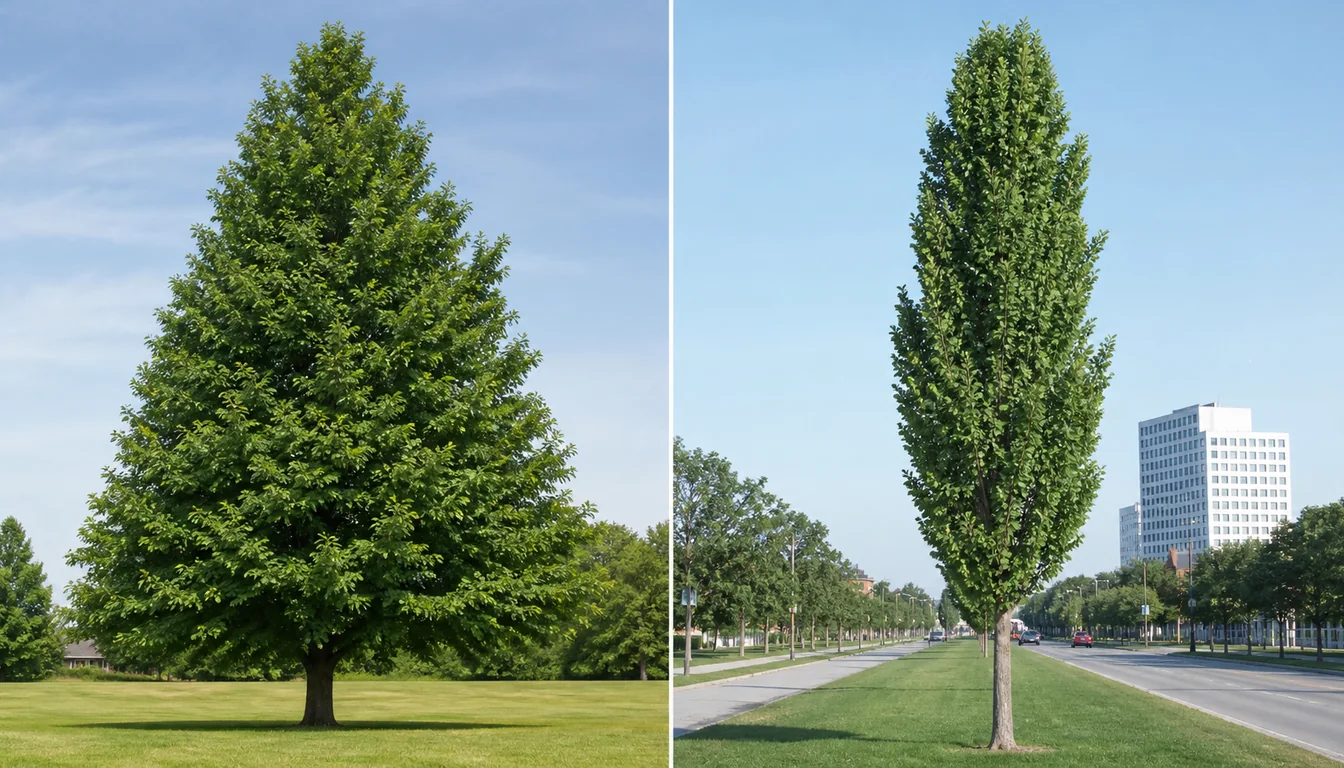
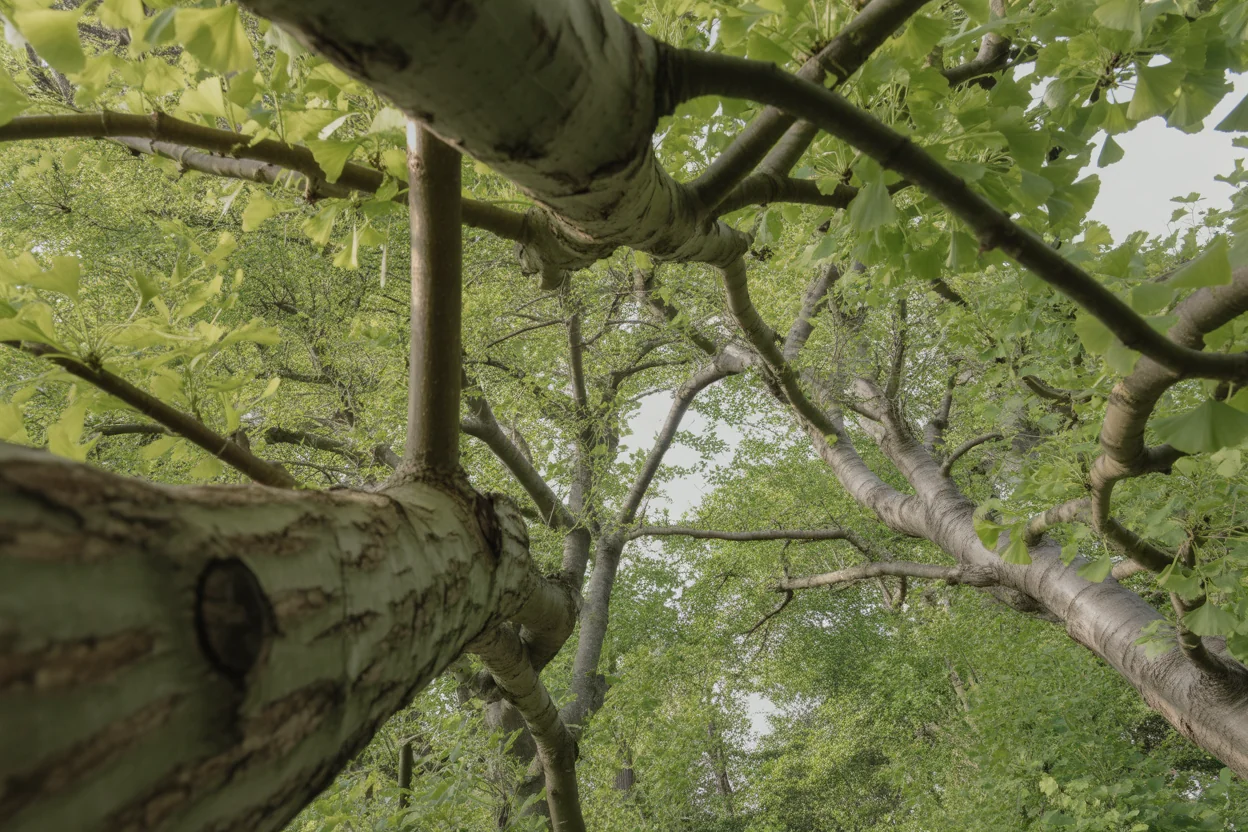
Young Ginkgo trees often look narrow and polite. Mature ones can become much broader, which is why the nursery silhouette can fool people into planting a future large tree where only a columnar form belongs.
Think in decades, not in five-gallon pot size.
There are upright selections for tight sites, broader forms for open lawns, and dwarf or slower forms for more controlled ornamental use.
This is also where patience beats impulse. A young Ginkgo can look modest beside a quick tree like red maple, but the wrong broad form in a narrow site becomes a problem long after the nursery tag is gone.
Autumn Gold typically reaches 40 to 50 feet wide at maturity, while a columnar selection like Princeton Sentry stays closer to 25 feet tall and only 10 to 15 feet wide.
That size gap alone should settle which form fits a given site.
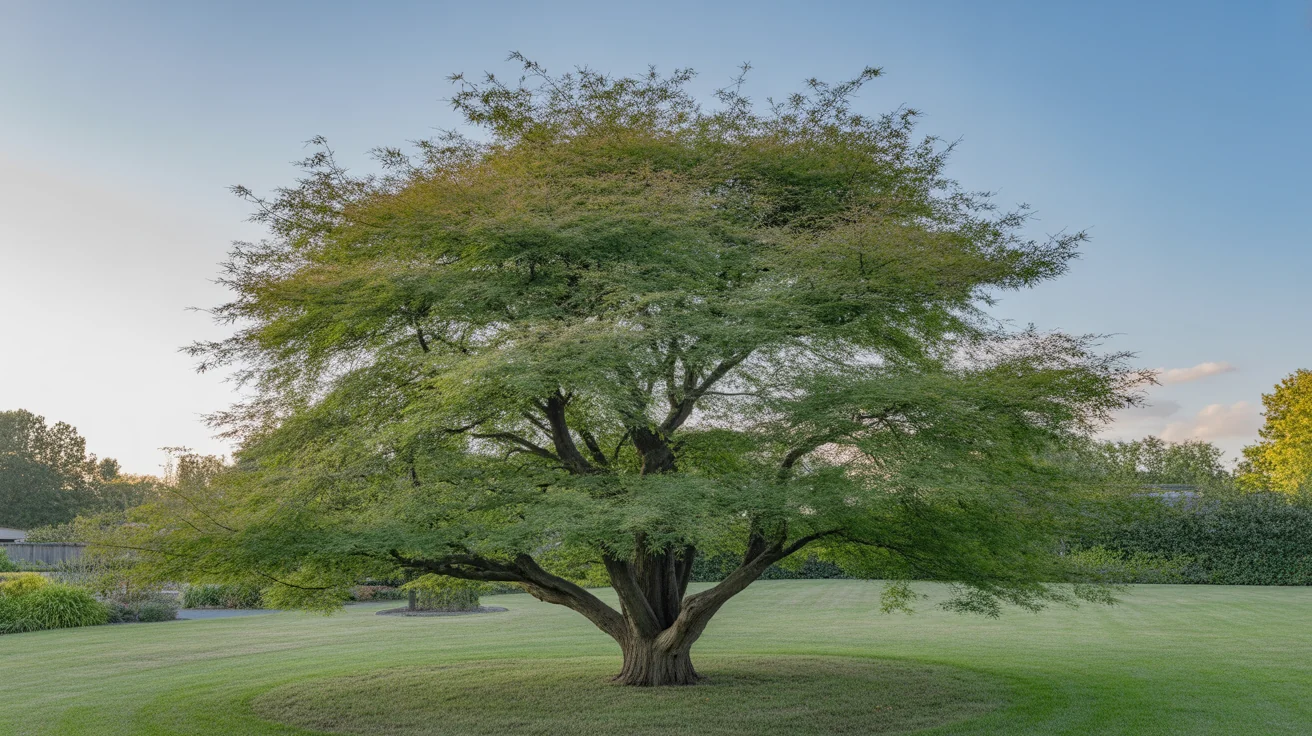
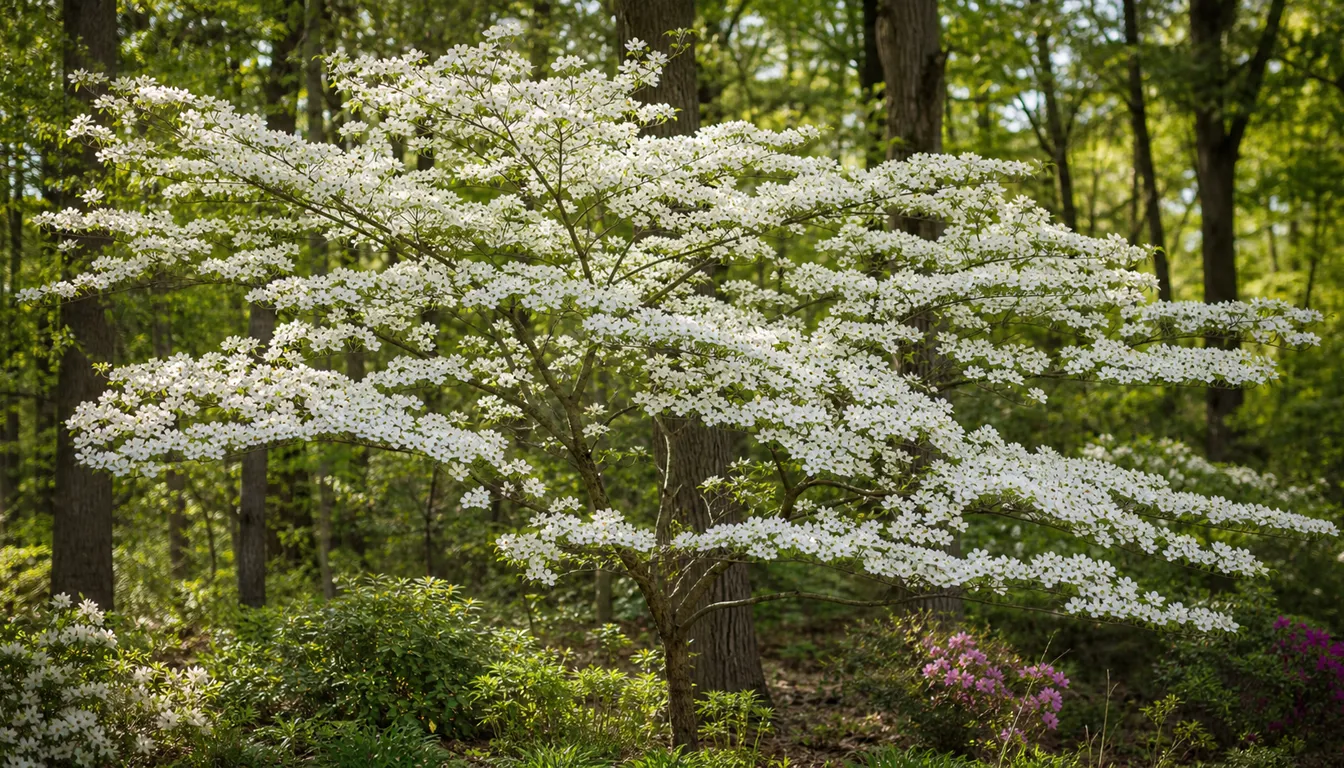
If the site truly wants a delicate small tree, Japanese maple or dogwood fit that softer scale better.
Ginkgo is often sold as easy, but easy does not mean small.
Grafted named cultivars cost more than a generic seedling because of the extra nursery labor, but that premium buys certainty on both sex and mature size. Most buyers consider that money well spent on a permanent tree.
- Columnar forms
- Best for narrower side yards, tighter urban lots, and formal vertical lines
- Broad standard forms
- Best where the canopy can widen with age without crowding drives or roofs
- Compact selections
- Better for smaller ornamental spaces, though still not tiny forever
How Should You Plant a Ginkgo for Long-Term Growth?
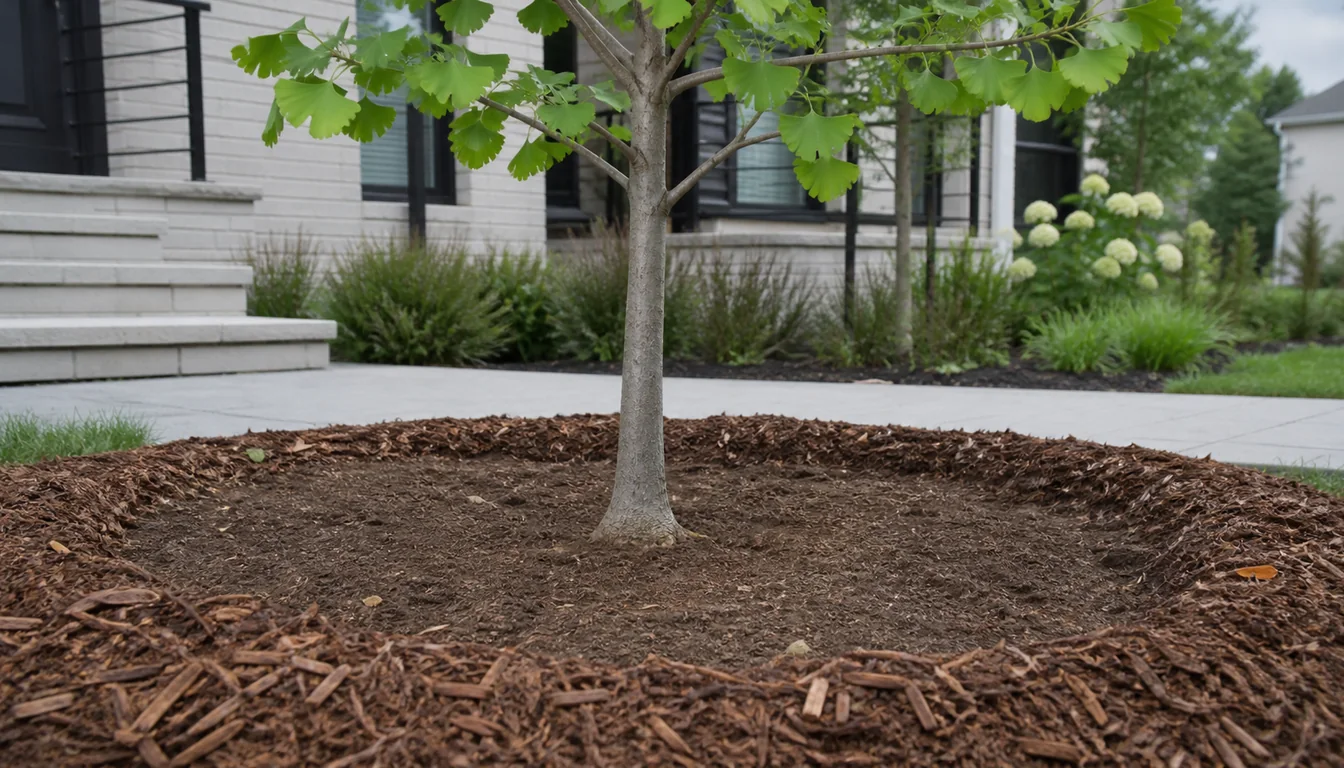
Ginkgo tolerates a great deal later, but correct planting still matters at the start. Set the root flare at or a touch above grade, spread the roots into loosened soil, and avoid burying the trunk because the species is tough, not magic.
Choose a site with enough rooting room to justify planting a genuinely long-lived tree.
Tiny pavement islands, hard wall pockets, and narrow strips can keep it alive, but they rarely let it become the strong mature specimen most people picture in their heads.
If the site stays badly compacted, fix that before planting with the same logic used in fixing compacted soil. A Ginkgo can handle urban hardship better than many trees, but giving it a better start still pays back.
Avoid heavily amending the backfill soil with rich compost, since roots that stay in an artificially rich pocket can circle instead of spreading outward into the native soil beyond it. If staking is needed, remove it after one full growing season once the trunk can stand upright on its own.
Fall planting often works better than spring in temperate climates, since cooler air slows top growth while roots can still establish before winter dormancy. A newly planted Ginkgo put in during fall usually needs less summer babysitting the following year.
Prune a young tree only to remove defects and establish well-spaced main branches, then let its natural form develop. Routine annual fertilizer is unnecessary when growth and leaf color are normal.
- Dig wide, not excessively deep.
- Keep the root flare visible after planting and mulching.
- Use a mulch ring instead of turf right up to the trunk.
- Stake only if the tree cannot stand upright on its own.
How Often Should You Water a Ginkgo Tree?
Young Ginkgo needs regular deep watering while roots spread into native soil. Mature Ginkgo usually does not want to be fussed over the same way.
During establishment, water deeply and infrequently so moisture reaches the real root zone.
The pattern from deep watering is the right one here because constant surface moisture builds shallow habits without helping long-term drought tolerance.
A soil probe or long screwdriver pushed into the root zone is a more reliable moisture check than judging by the surface, since the top inch can dry out fast even in humid weather. If the probe meets resistance within the first few inches, the deeper soil around the roots is likely still dry enough to water.
A wide, shallow watering basin around the root zone during the first two summers holds water long enough to soak all the way in instead of running off toward lower ground.
Removing that basin once the tree is fully established keeps water from pooling against a mature trunk.
Once the tree is settled, overwatering becomes more common than underwatering in ordinary landscapes. If the soil already holds moisture well, let the tree use the toughness it is famous for.
- First seasons
- Deep regular watering while roots spread
- Established tree
- Water during drought, not from habit
- Common mistake
- Treating a mature Ginkgo like a thirsty young ornamental
Why Does Ginkgo Grow Slowly and Drop Leaves All at Once?
Many people think their Ginkgo is underperforming because it grows slowly when young. In reality, the species often spends its youth building roots and structure before it starts acting like the durable landscape tree it becomes later.
The fall show is often dramatic and brief.
Leaves can turn clear gold, then drop all at once, which surprises new owners who expected a gradual leaf-fall pattern like red maple.
That all-at-once drop is not a disease sign. It is one of the species' normal habits and one reason cleanup can actually be easier than on some other fall-color trees.
This same lineage has survived largely unchanged for over 200 million years.
Part of its resilience story includes ginkgo trees documented surviving close to the 1945 Hiroshima blast site, still growing there today.
Where Does a Ginkgo Tree Perform Best?
Ginkgo earns its keep in hard sites. City streets, salted roadsides, hot pavement edges, and polluted air are where more delicate trees lose leaf quality or decline early.
That does not mean every harsh site is good.
A tree lawn that is too narrow for mature roots is still a bad long-term choice, and a tiny courtyard may still want a smaller-scale ornamental.
Part of the toughness has a real evolutionary reason. Ginkgo's lineage split off from other plants so long ago that modern insects and fungal pathogens largely never evolved to recognize it as food.
That is the real chemical and evolutionary story behind its famous near-total freedom from serious pests and diseases in cultivation, not just marketing language about a tough tree.
The same tough waxy cuticle on the leaves that shrugs off polluted city air also resists road salt spray better than thinner-leaved species. That combination is part of why it holds up along salted winter roadsides where many broadleaf trees show visible leaf burn by the following spring.
That combination of toughness and low pest pressure is also why many cities include Ginkgo on their official approved or recommended street tree lists for new plantings along public rights-of-way.
Think of Ginkgo as the tree you choose when you need elegance plus grit. Compared with dogwood, it takes abuse better but asks for more patience and more eventual space.
Japanese maple is also far less forgiving of hard urban conditions.
It can also be the right answer where readers are tempted by fast-growing trees but really need something cleaner, slower, and more durable for a permanent spot.
For the wider site-fit picture, compare notes with drought-tolerant plants and the region's best shade trees before committing a whole yard plan around one species.
Great Uses
- Urban front yards with heat and road exposure
- Large lawn specimens with long-term room
- Street-adjacent sites where salt and pollution are real
Poor Uses
- Tiny patio pockets needing a truly small tree
- Sites where an accidental female tree would be a cleanup disaster
- Narrow root strips that never fit the mature scale
Are Ginkgo Seeds Safe, and How Do You Handle the Mess?
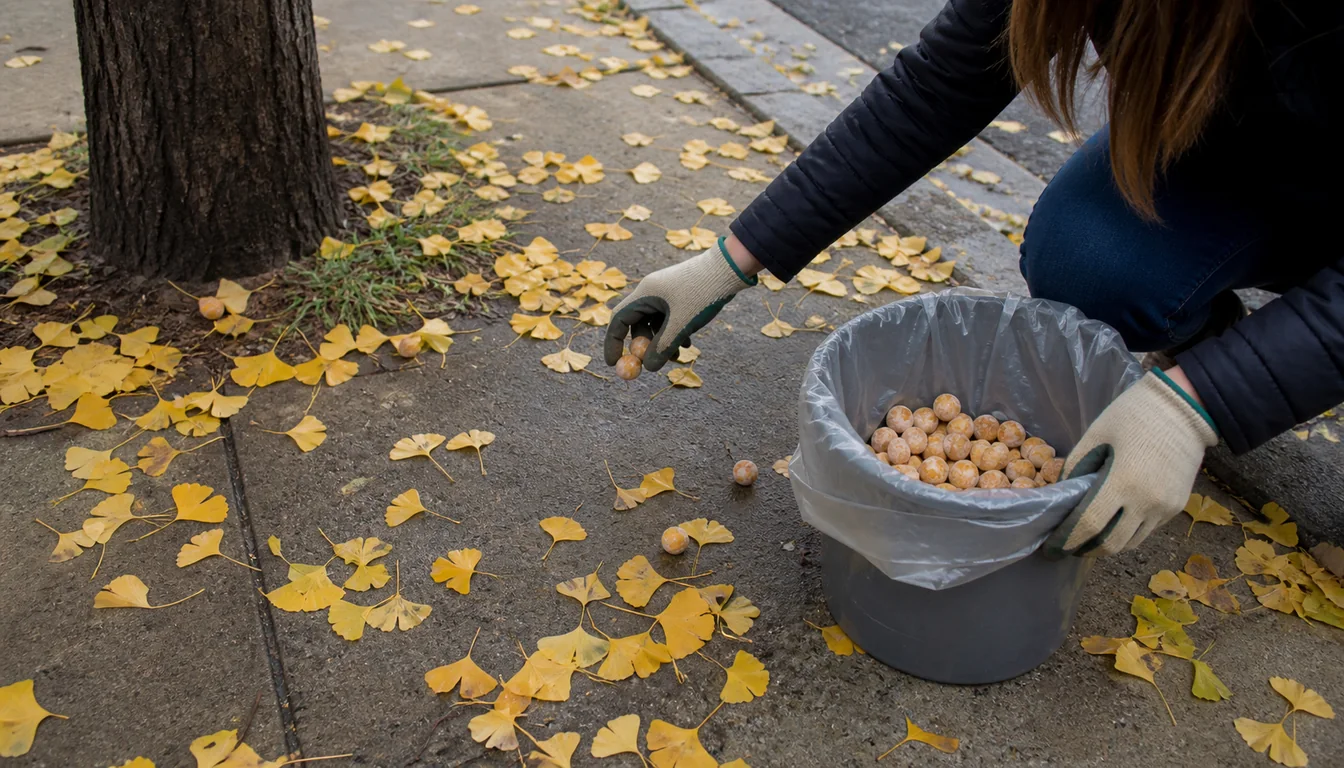
Fruit odor is the most famous complaint, but it only matters if you planted or inherited a female tree. If that is your situation, clean up fallen seeds quickly before they soften and smell worse.
People should not casually snack on seeds or fruiting parts, and pets should not be encouraged to chew fallen material.
The practical risk in a home yard is usually mess more than poisoning, but there is no reward in treating the fruit as edible yard produce.
Fruit odor complaints have a real civic history. Some municipalities specifically require male-only Ginkgo cultivars for new street tree plantings because of decades of past problems with female trees along public sidewalks.
In some East Asian cuisines a small number of roasted seeds are eaten as an occasional festive treat, but that tradition relies on careful preparation and deliberately modest portions.
It is not a reason to treat a home yard's fallen fruit as a food source.
The fleshy seed coat contains urushiol-like compounds, the same family of irritant found in poison ivy. Bare-handed raking of fallen fruit can leave a contact rash, so gloves are worth it during cleanup season.
Propagation is possible, but it is rarely the smart home-garden route if you care about sex, form, and predictability.
For most readers, buying the right named tree once is better than growing a mystery seedling for years.
That is the whole theme of Ginkgo care. Make the big decisions up front, then let time do the rest.
Frequently Asked Questions
How fast does a Ginkgo tree grow?
Ginkgo is usually slow to moderate, especially when young. It often feels slower at first because the tree spends time building roots and structure before putting on bigger top growth.
Do Ginkgo trees have invasive roots near foundations?
Ginkgo is not usually grouped with the most aggressive root problems, but mature trees still need real space. Do not let the calm nursery size fool you into planting too close to hard structures.
Why do some Ginkgo trees drop leaves all at once in fall?
That is a normal species habit. Many Ginkgo trees turn gold, then shed most of the canopy very quickly rather than tapering off over many weeks.
Can I grow Ginkgo in a small yard?
Only if you choose a truly compact or columnar form and the yard still gives it long-term root room. Standard broad forms are not a good fit for most small lots.
Do Ginkgo trees need fertilizer every year?
Usually no. A healthy Ginkgo in decent soil rarely needs routine annual fertilizer, especially once established.
Sources & References
- Ginkgo biloba, NC State Extension Plant Toolbox
- Ginkgo Trees for Urban Landscapes, University of Minnesota Extension
- Clemson Cooperative Extension, Ginkgo
- Ginkgo biloba, Missouri Botanical Garden Plant Finder
- Missouri Botanical Garden Plant Finder, Ginkgo biloba
- Cornell University Urban Horticulture Institute, Recommended Urban Trees
Related Plants
Japanese Maple
Better for delicate small-scale beauty, but far less tolerant of salt, reflected heat, and hard urban conditions.
Flowering Dogwood
Another small ornamental, but one that wants softer woodland conditions instead of city toughness.
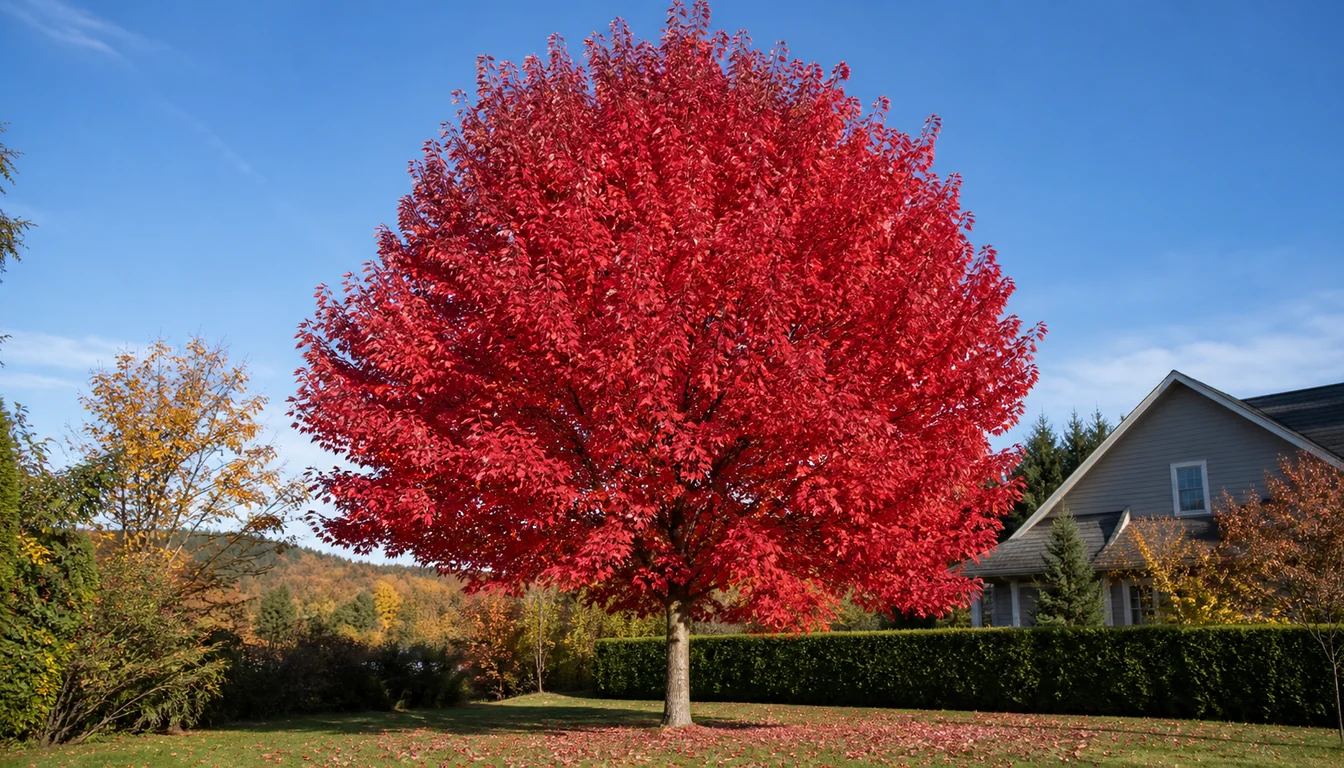
Red Maple
Fast-growing shade tree with better early speed than ginkgo, but different structural and site tradeoffs.
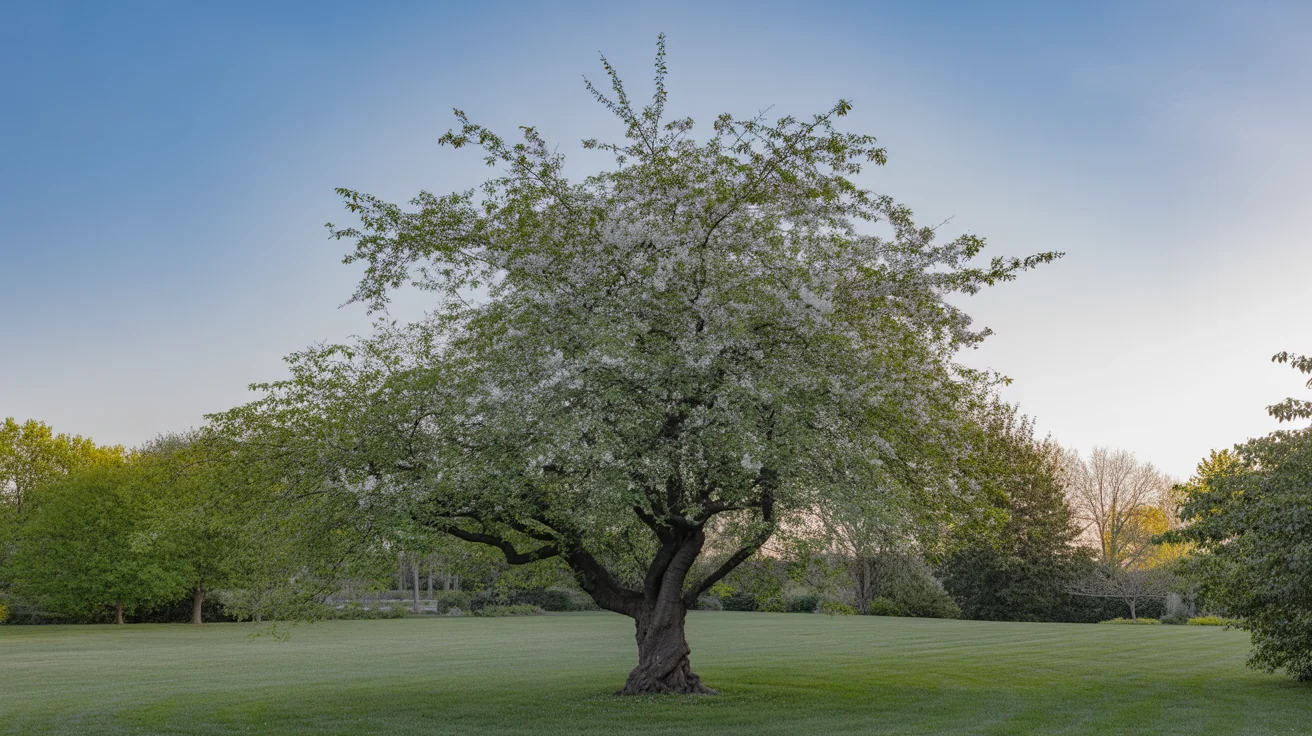
Cherry Blossom Tree
Cherry blossom tree is a common name for ornamental cherries grown for spring flowers rather than a useful fruit crop.
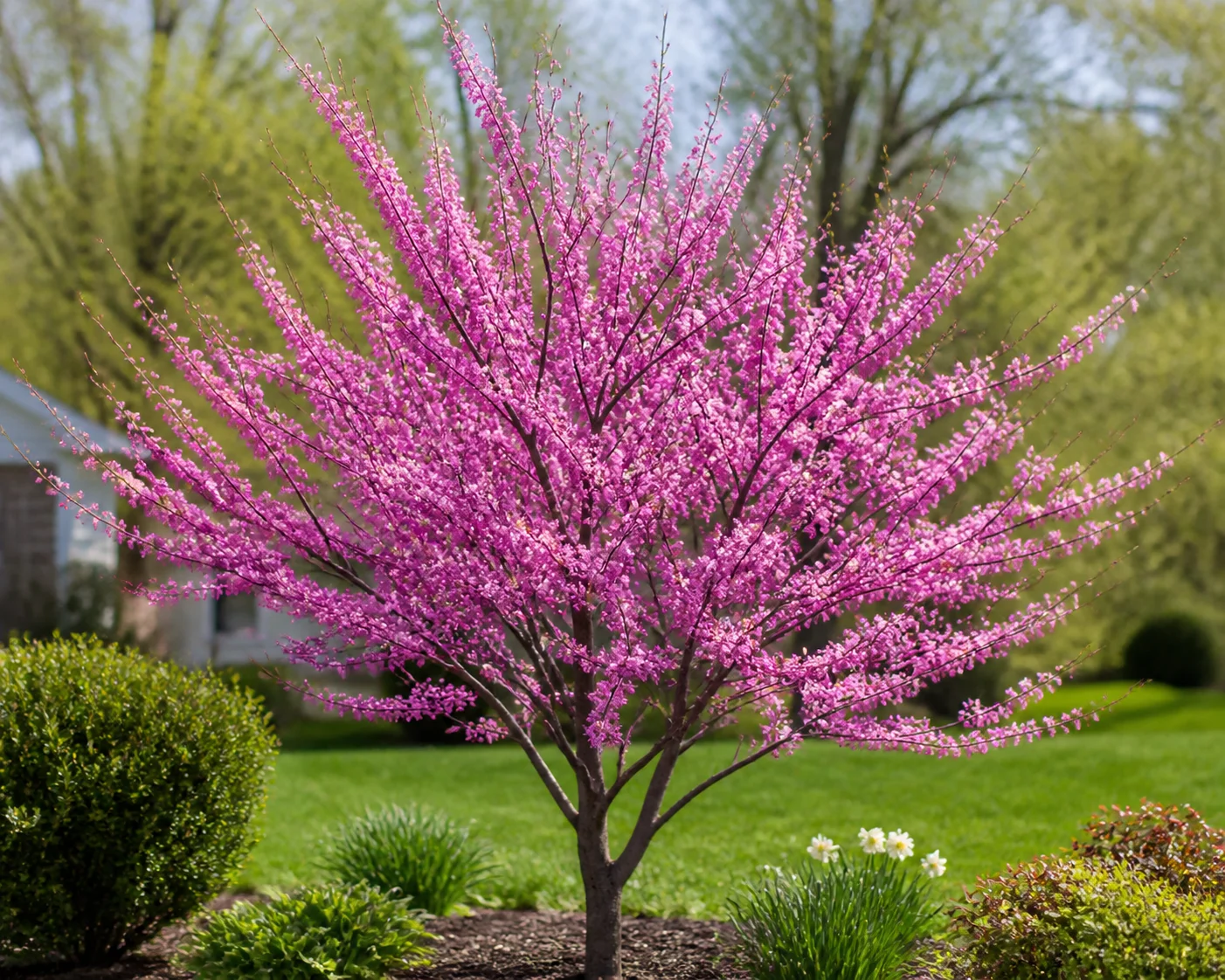
Eastern Redbud
Eastern redbud is a small North American tree with pea-like flowers that open on bare twigs and older wood.
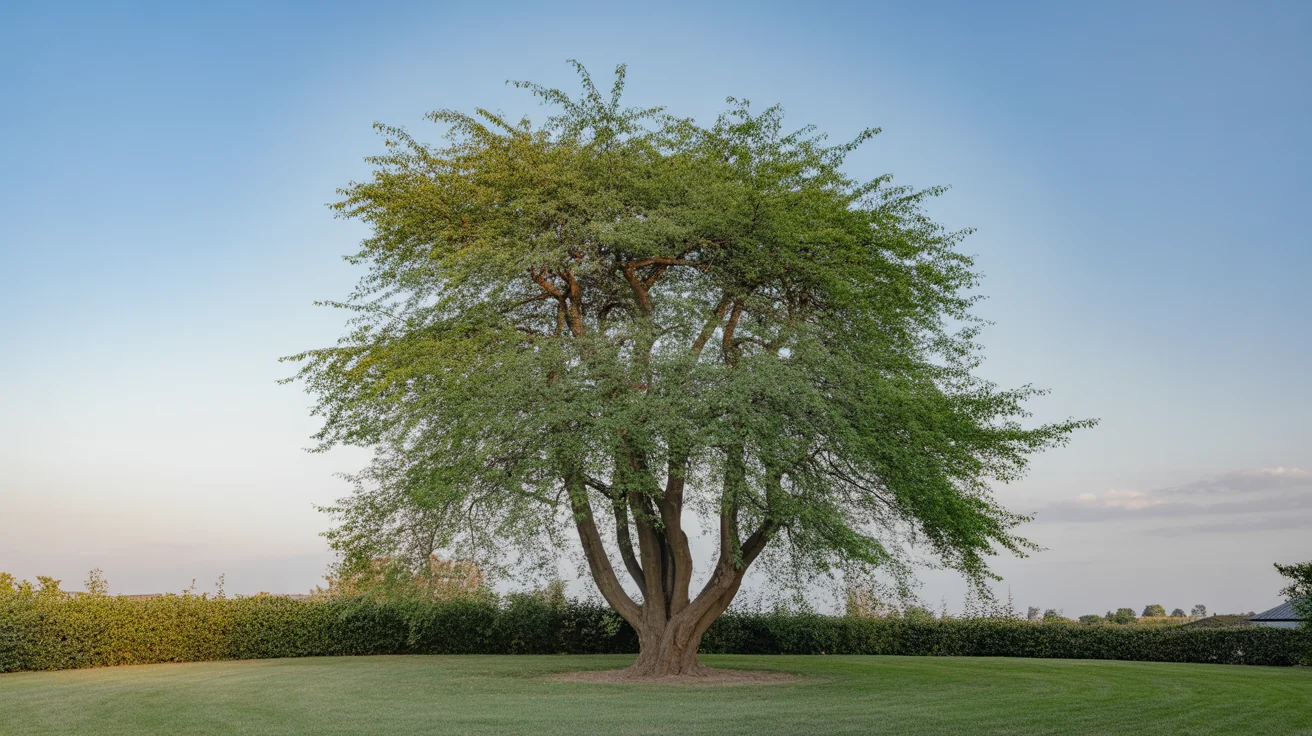
Japanese Cherry Tree
Japanese Cherry is a short-season show tree with real structural limits. The best care is not chasing bigger growth.