
What's a Red Maple? How to Grow Strong Shade and Fall Color
Acer rubrum Sapindaceae
Red Maple is one of the quickest ways to grow a broad native shade canopy, especially on moisture-holding soil. It earns that speed with tradeoffs though: you need room for roots, attention to young branch structure, and a named cultivar if you care about dependable fall color.
Care snapshot
What Is a Red Maple, and Where Does It Fit Best?
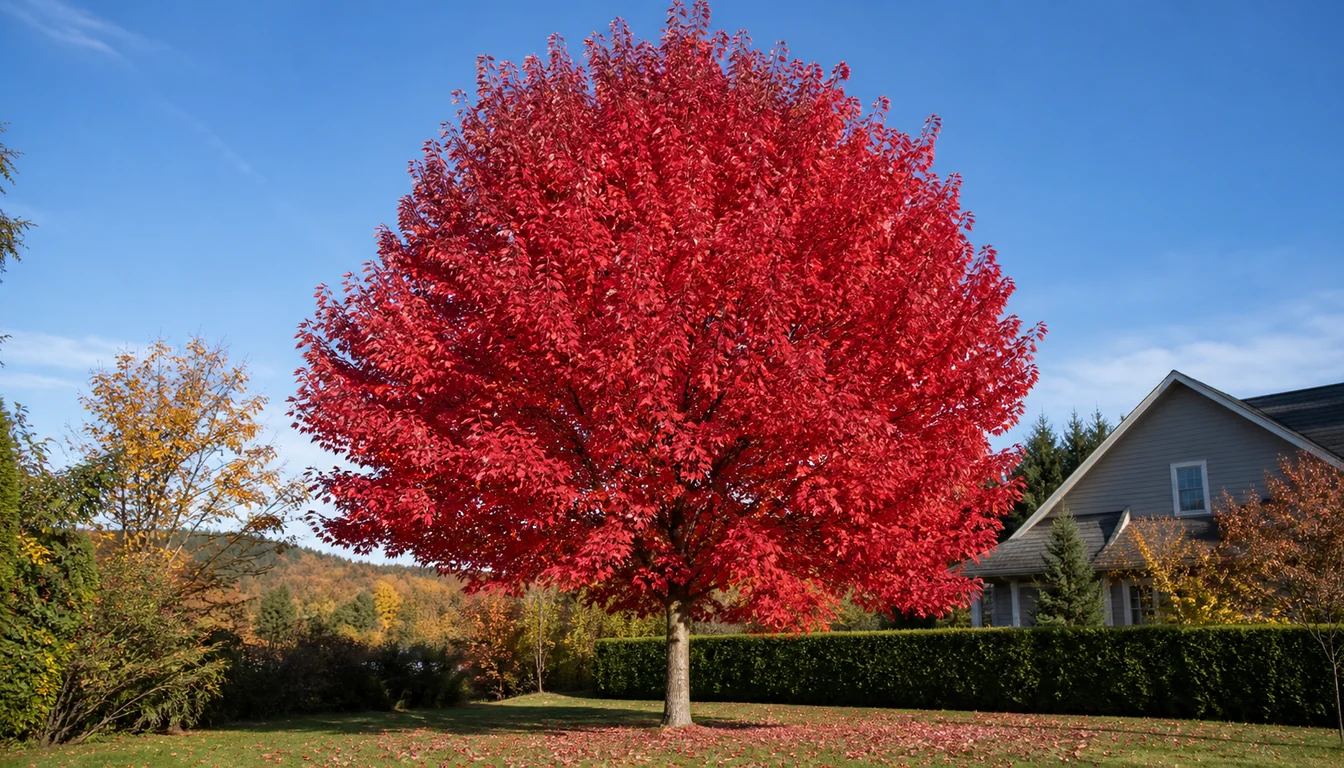
Red Maple (Acer rubrum) is a fast-growing deciduous shade tree native across eastern North America, with red spring flowers, paired samaras, and fall color that can range from yellow to scarlet.
Its medium-to-large crown and moisture-seeking roots make it a space decision before it becomes a color decision.
You plant it when you want a broad native canopy sooner than an oak will usually give it to you, and you are willing to budget space for the eventual crown and roots.
That makes it a strong fit for open lawns, the edge of wetter ground, and yards that need relief from summer sun within a reasonable number of years. It is a poor fit for narrow strips or patios that only have room for a decorative small tree.
If patience is not your issue but hard urban conditions are, compare the role with ginkgo. If the yard is truly small, serviceberry usually solves the scale problem better.
A well-sited Red Maple commonly lives 80 to 100 years or more, so the space and root decisions you make at planting time are really a decision about what the yard looks like for the rest of your time in the house, not just the next decade.
Which Red Maple Cultivar Gives Reliable Fall Color?
Not every seed-grown Red Maple turns the same shade in fall.
Some color early, some color later, some lean scarlet, and some stay closer to orange or yellow depending on the genetics and the season.
'October Glory', 'Red Sunset', and 'Autumn Flame' are three widely sold named selections bred specifically for reliable scarlet color, and any of them removes most of the fall-color guesswork that comes with an unnamed seedling.
That cultivar decision also affects branch structure. Better nursery selections are often chosen not only for color but also for stronger leaders and a cleaner crown than random seedlings.
It can also affect timing. Some named trees hold color later into fall, while others start earlier, which matters if you are trying to stretch the season around earlier small trees in the same yard.
The best practice is to decide what matters most before you buy. If your main goal is the fall show, the extra cost of a named tree usually saves disappointment later.
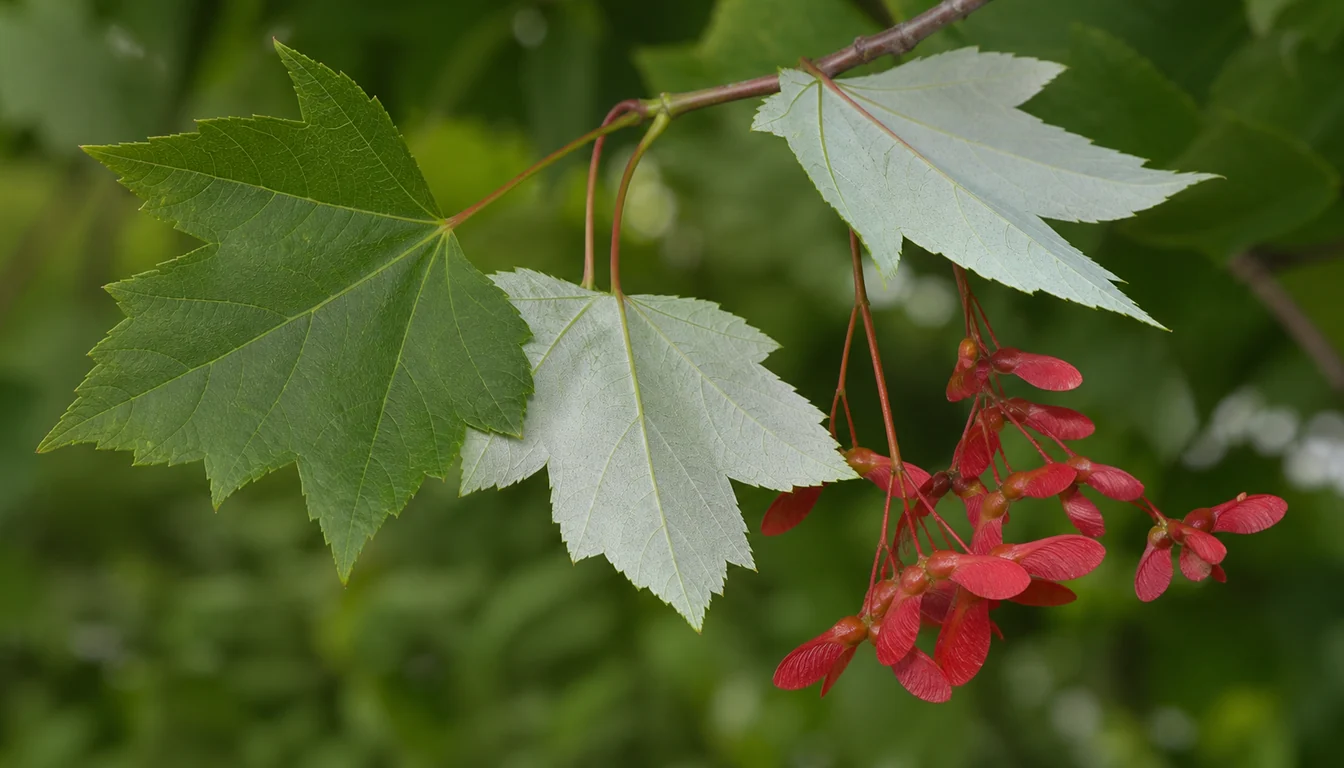
Leaf shape can hint at parentage too, since true Acer rubrum typically shows three main lobes with a shallower notch between them, while the closely related Freeman maple hybrids often show five lobes inherited from silver maple. That distinction matters if a tag simply says "red maple" without a cultivar name attached.
- Named color cultivars
- Good when you want more dependable red fall display and a known mature habit
- Upright selections
- Useful where the yard needs the species but has less width near drives or side lots
- Seedling trees
- Fine for naturalized space or lower budgets, but color and structure vary much more
Where Can Red Maple Roots and a Mature Crown Fit?
Red Maple likes soil that stays evenly moist and slightly acidic, and it tolerates short wet periods better than many broad shade trees. That is why it often fits edges of swales or lower lawns that would also suit river birch.
What it does not love is being squeezed into a narrow strip beside pavement. The species wants real root room and eventually throws a crown wide enough to change the whole light pattern below it.
If your soil is builder fill that bakes hard and leans alkaline, expect nutrient stress and weaker color. Use the same plain-language target from loamy soil as your mental model, aiming for something airy, workable, and moisture-holding, but not swampy.
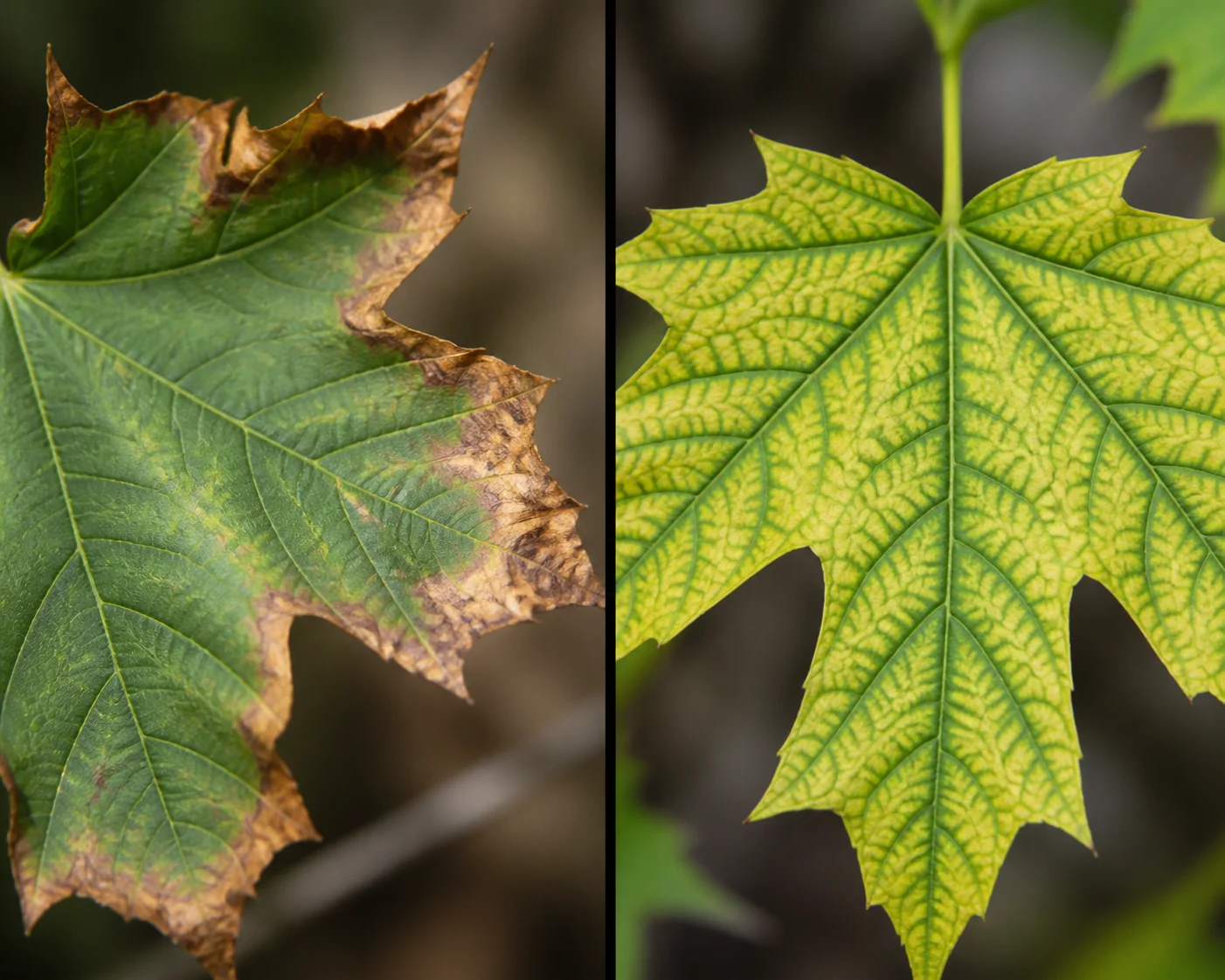
A target pH of roughly 5.0 to 6.5 keeps nutrients available to the roots. Above that range, iron and manganese lock up in the soil even when both minerals are physically present, which is the direct cause of the pale, green-veined chlorosis covered later in this article.
This is where many readers should stop and reconsider. A small lot that only has room for a tidy accent tree is still better served by serviceberry or another smaller native than by a stressed Red Maple wedged into the wrong slot, since a tree fighting its site for decades rarely rewards that patience with the canopy a photo online promised.
- Give the tree full sun if you want the best fall color.
- Leave room for a broad canopy instead of planting under wires or close to drives.
- Use a mulch ring so roots are not fighting turf right at the trunk.
- Expect more surface-root behavior as the tree matures.
How Do You Train a Young Red Maple for Strong Branches?
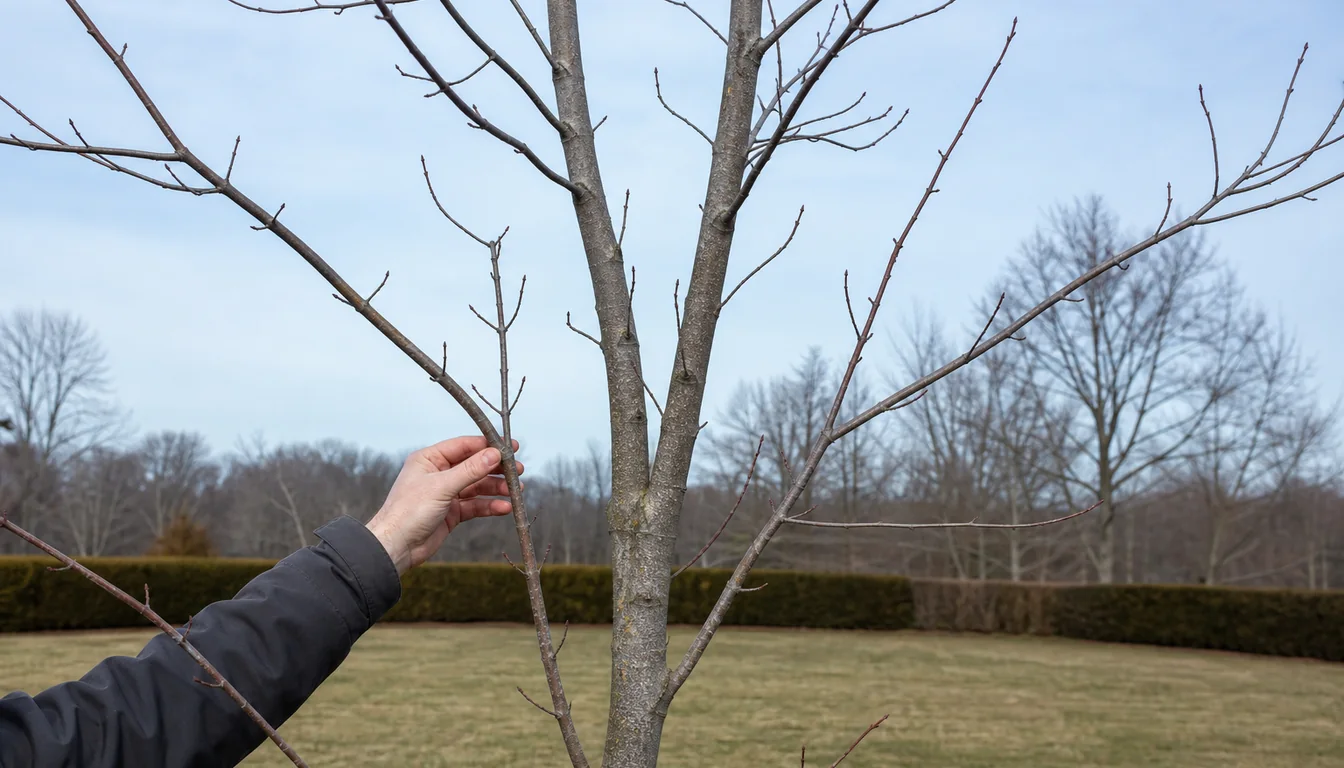
This is the section that saves future headaches. Young Red Maples often try to make competing leaders and narrow branch angles, and that weak structure becomes much harder to fix after the canopy thickens.
The job is not heavy pruning. The job is selecting one strong leader when possible, spacing scaffold branches, and removing obvious structural problems before they become major limbs.
Staking helps only in windy or exposed sites, and only for the first year or two. A stake left on too long weakens the trunk taper the tree needs to stand on its own, so remove it as soon as the tree holds itself upright without support.
Dormant season pruning fits that work best because the framework is easy to see. The timing sits comfortably inside a normal pruning schedule, but the skill is about judgment more than the calendar.
Do not confuse structural pruning with topping. Topping buys weak regrowth and long-term problems on a tree that was probably planted too close or allowed to outgrow its site.
Watersprouts, the thin upright shoots that crowd a topped or heavily cut canopy, are the tree's stress response, and they attach weakly enough that a heavy one can tear loose in a storm years later.
Preventing that outcome by correcting structure early is far cheaper than removing weak regrowth from a mature crown.
How Should You Water Red Maple for Growth and Fall Color?
Young Red Maple trees need regular deep watering while roots spread into surrounding soil. A fast-growing shade tree uses that moisture to build canopy quickly, and drought in the early years costs both growth and future structure.
Most Red Maples take about two to three years to fully establish a root system that matches the top growth, and watering needs drop off noticeably once that balance is reached. A tree planted in fall often establishes faster than one planted in the heat of summer, since cooler weather puts less demand on a still-limited root system.
Use the same approach described in deep watering, soaking deeply, then waiting until the upper soil begins to dry before you repeat it.
Surface splashing is not enough for a tree that is supposed to make shade.
Feeding is a smaller issue than water and soil pH. If the tree is pale or slow-growing in otherwise decent soil, use a light plan based on tree fertilizing timing instead of dumping high nitrogen at random.
- First growing seasonWater weekly during dry periods so the full root ball stays evenly moist
- Years 2-3Keep moisture steady during heat while stretching the interval between soakings
- Established treesUsually need help only in drought, though color is better when late summer is not bone dry
Why Are Red Maple Leaves Scorched, Yellow, or Spotted?
When a Red Maple looks rough, the leaves usually tell the story first. The key is learning which pattern points to soil, which points to water stress, and which one really suggests insects.
This is why diagnosis beats panic spraying. Many canopy problems start below ground or at the trunk long before the leaves advertise the damage.
A quick trunk check belongs in every diagnosis too, since a mower nick, a string trimmer wound, or a frost crack at the base can slowly girdle a young tree and produce leaf symptoms that look identical to a soil or water problem from above.
A wide mulch ring that keeps mowers and trimmers away from the trunk prevents most of that damage before it starts, which is a cheaper habit to build than diagnosing girdling injuries years later on a tree that has already lost vigor it cannot easily recover.
If the site is constantly dry and root-crowded, no amount of cosmetic treatment will make the tree behave like a happy lawn specimen. Fix the root-zone problem first, then judge what damage is left.
Gloomy scale is a real problem worth knowing by name in warmer parts of the range, since heavy infestations coat bark in gray bumps and slowly thin the canopy from the inside out. Verticillium wilt is rarer but more serious, showing up as sudden one-sided branch death with no clear insect or drought cause, and it calls for a certified arborist's diagnosis rather than a home fix.
A foliar iron spray can green up chlorotic leaves within days, but it only masks the symptom. Correcting soil pH or improving drainage around the root zone is the only fix that keeps new growth from coming in pale again the following season.
Often point to drought, root competition, or reflected heat in a site that dries too hard.
Often point to chlorosis in soil that is too alkaline or compacted for good nutrient uptake.
Often point to aphids or scale, especially on younger trees pushing tender new growth.
Often points to mechanical damage, drought stress, or a structural issue before it points to a mysterious disease.
Should You Plant Red Maple for Fast Shade and Wildlife?
Even before the leaves turn, Red Maple earns its four-season reputation. Clusters of small red flowers open on bare branches in earliest spring, followed by winged red samaras, and the smooth gray young bark slowly breaks into long plates and ridges as the trunk ages.
A mature Red Maple changes the whole yard under it. The shade deepens, lawn vigor drops, and surface roots start claiming more of the upper soil.
That is normal, not a sign that the tree turned mean. The practical response is to widen the mulch bed, stop fighting to keep turf at the trunk, and think of the area as tree space instead of open lawn.
It also changes what can live underneath. Thin spring bulbs may still work for a while, but dense thirsty planting right over the root flare usually becomes a losing fight as the canopy matures.
The upside is strong habitat value. Early flowers feed pollinators, the crown offers bird cover, and the leaf litter supports the kind of ground life that also matters in pollinator planting.
Those late-winter flowers open weeks before most other trees have broken dormancy, which makes them an outsized early food source for bees on the first mild days of the year. A single mature tree can carry thousands of small blooms, even though most people never look up long enough to notice them before the leaves arrive.
Frequently Asked Questions
How fast does red maple grow?
Red Maple usually grows at a moderate to fast pace when young, often around 1 to 2 feet a year in decent conditions. Moist soil and full sun matter more than extra fertilizer.
Is red maple good for wet spots?
It handles short wet periods better than many shade trees, which is one reason it fits lower lawns and moisture-holding ground. It still needs drainage between storms, not constant swamp conditions.
Will red maple roots damage sidewalks?
They can create conflicts if the tree is planted too close or in a narrow strip with nowhere else to go. The best prevention is generous root room from the start.
Why is my red maple not turning bright red in fall?
Genetics play a big role, which is why named cultivars matter. Shade, drought, and poor soil can also mute the color even on a good tree.
Does red maple need pruning every year?
Not heavy pruning. The important work is structural correction while the tree is young, then occasional maintenance rather than constant cutting.
Sources & References
Related Plants
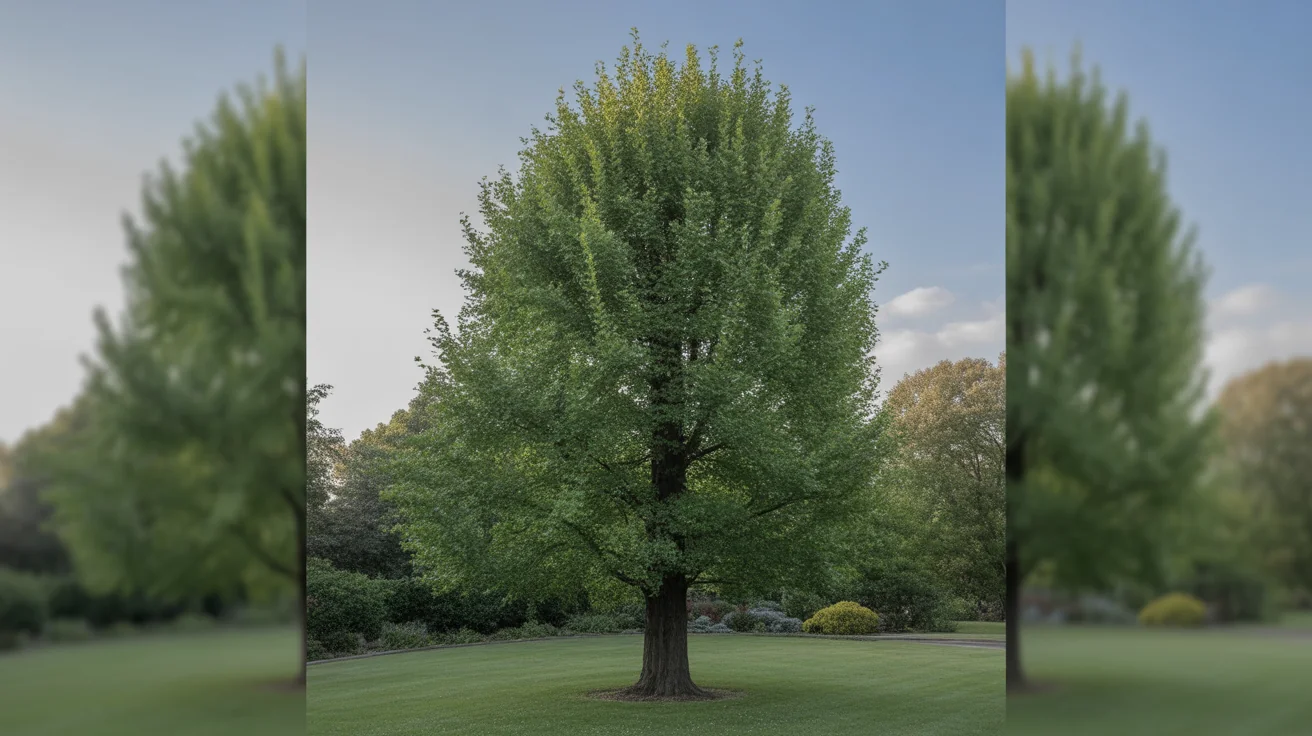
Ginkgo Tree
Slower but tougher long-term street tree if you want less root pressure and more patience.
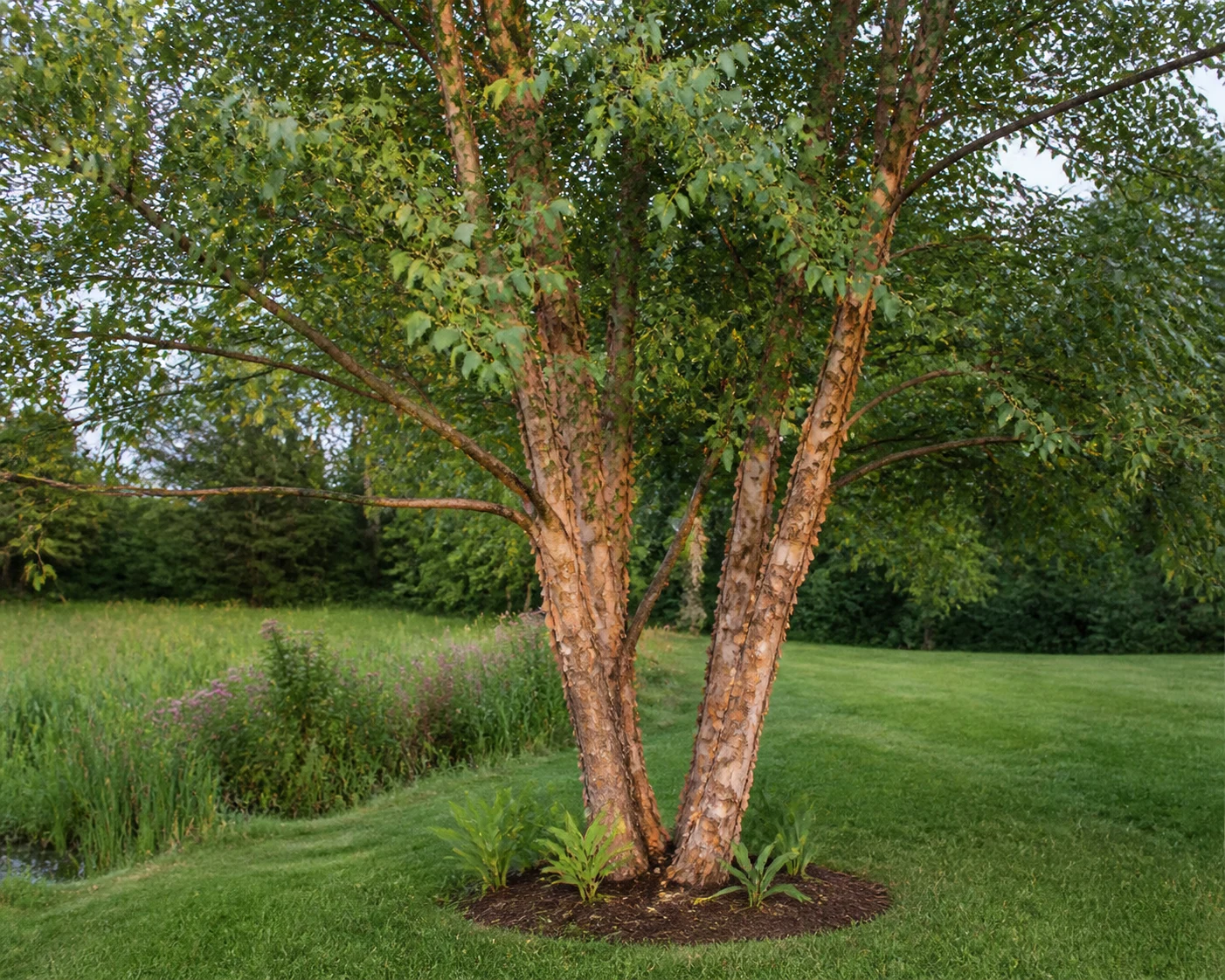
River Birch
Another tree for moisture-holding soil, but with a different bark-first visual role.
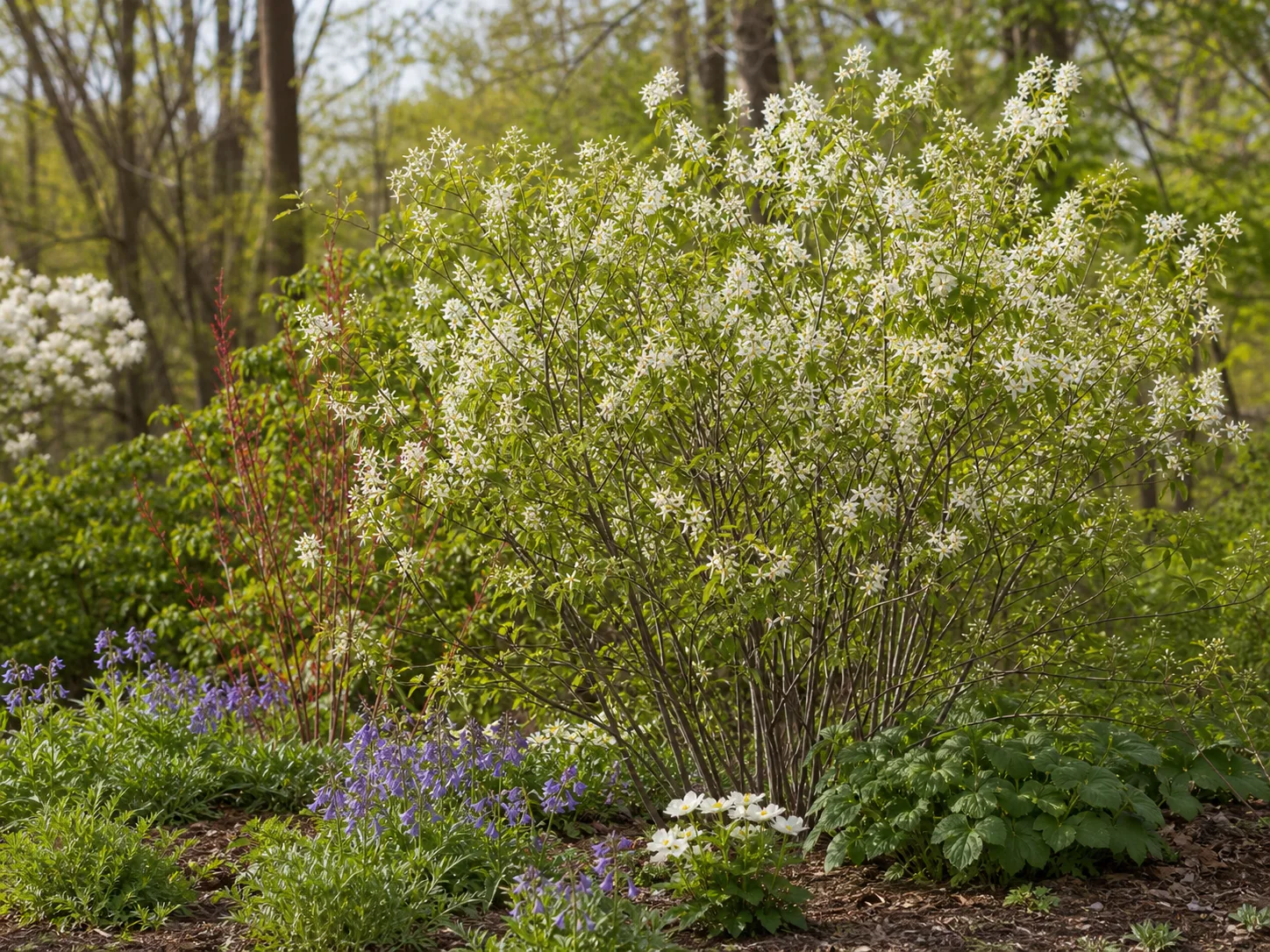
Serviceberry
Better for readers who need native beauty in a much smaller yard footprint.
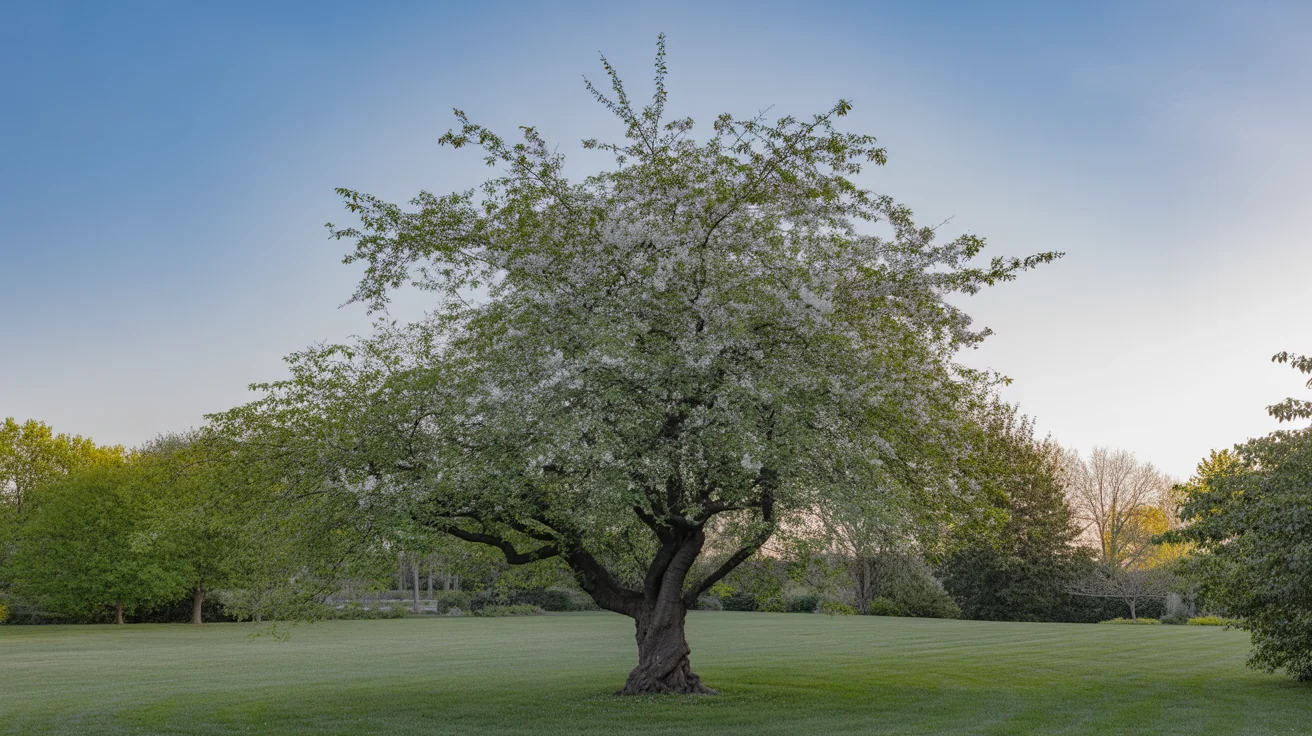
Cherry Blossom Tree
Cherry blossom tree is a common name for ornamental cherries grown for spring flowers rather than a useful fruit crop.
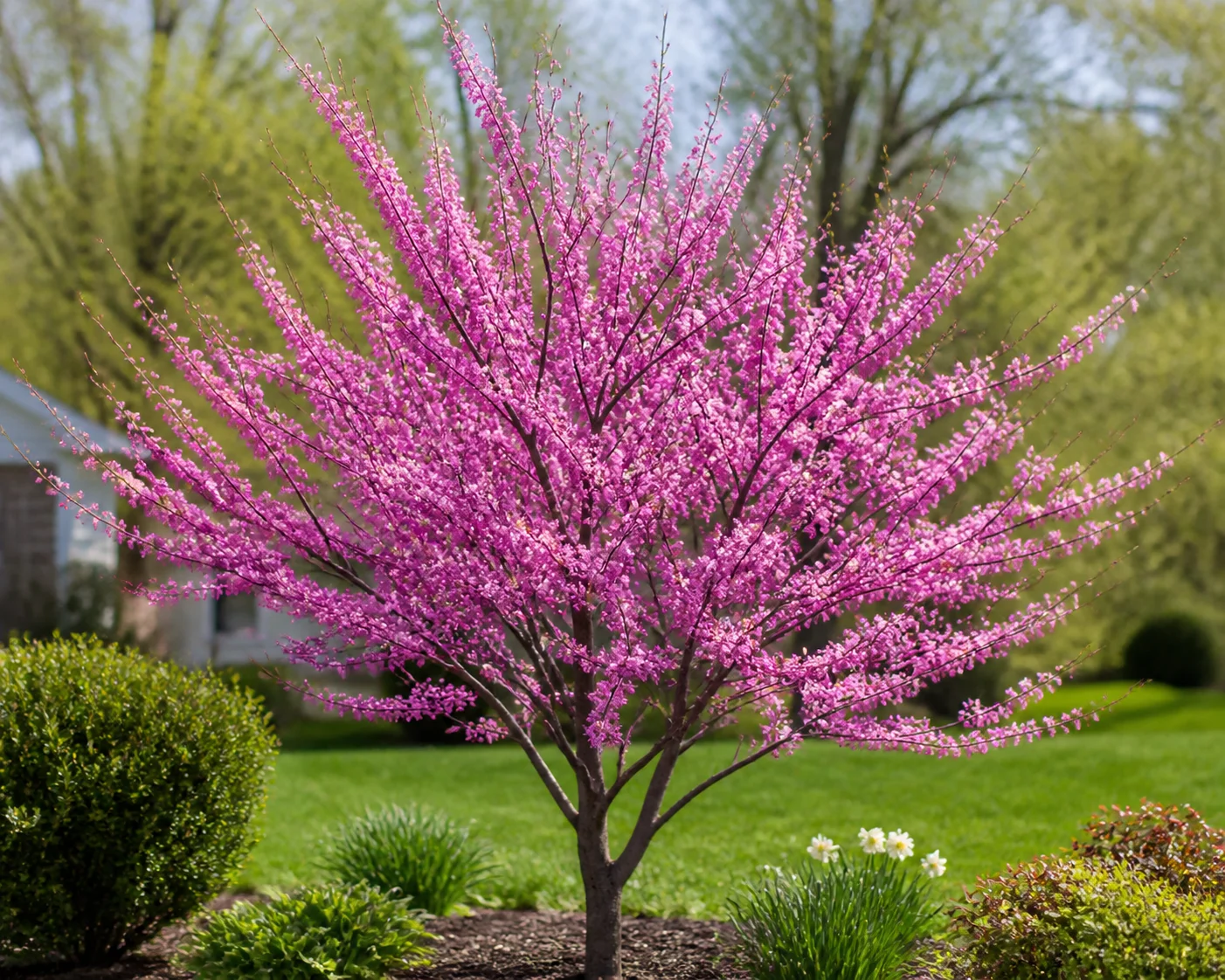
Eastern Redbud
Eastern redbud is a small North American tree with pea-like flowers that open on bare twigs and older wood.
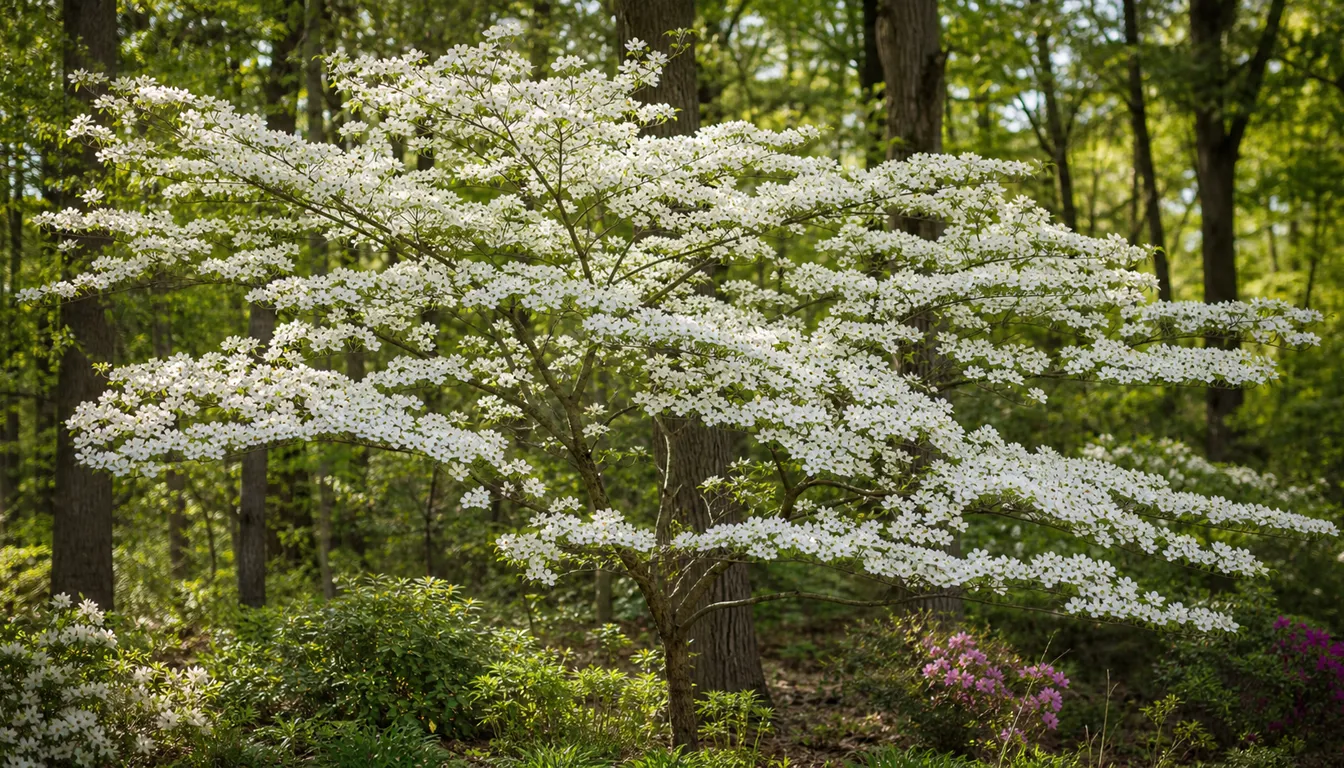
Flowering Dogwood
Flowering Dogwood is easiest to grow when you copy the place it wants to live.